Italian study links early social media use to academic deficits
Observational research on 5,000 students found a six-month schooling gap but no proof of causation
MediaBias Comparison Desk
AI-assisted coverage comparison, editor-supervised
This article was written at the MediaBias News desk from the one-paragraph digests an aggregator publishes for each of the outlets listed below it, together with 2 of those outlets' own reports read in full. How we do it
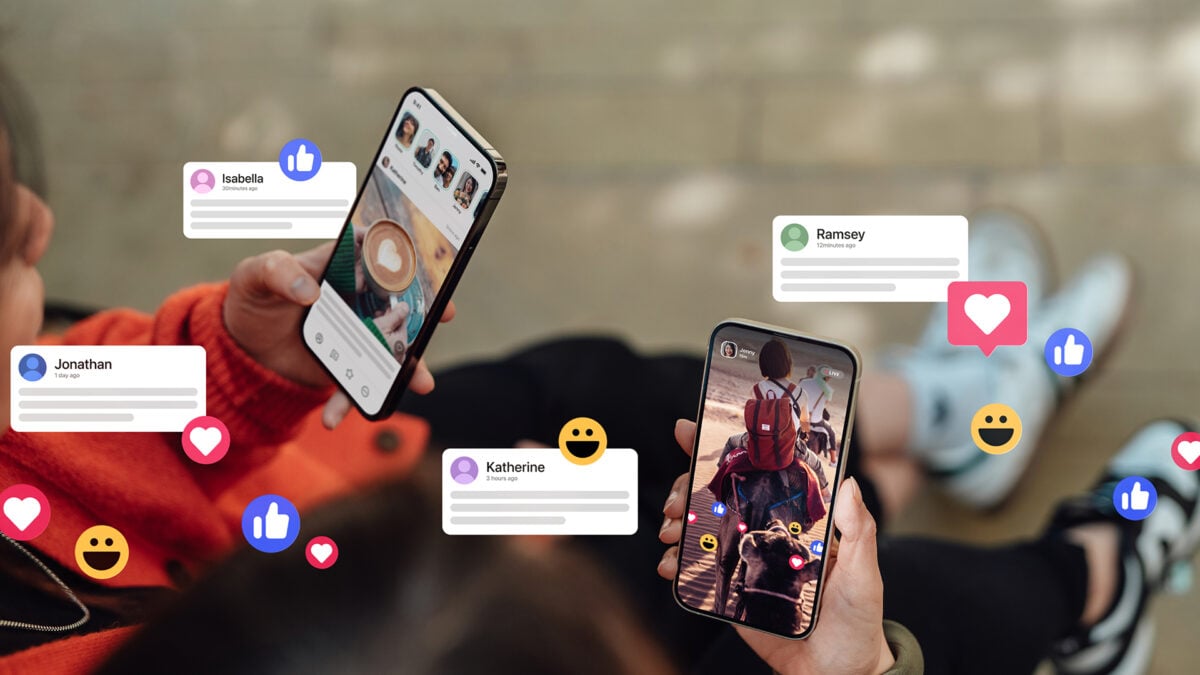
Italian study links early social media use to academic deficits
Photograph: Gizmodo (embedded from source)
What this story says
- An observational study of 5,000 to 5,227 Italian students found a link between early social media use and lower academic performance.
- Students who opened social media accounts at ages 11-12 showed a deficit equivalent to six months of schooling compared to those who started at 14.
- The study, published in *Nature Human Behaviour*, did not establish causation between social media use and academic deficits.
- All three digests below reported the sample size and the six-month deficit, but none included the name of the lead researcher or the exact publication date.
Who covered it
Percentages are shares of the 22 outlets carrying a published leaning rating. 37 of the 59 outlets we know ran this story carry no rating and are not counted in them. Coverage measured .
Trust
42/100
Craft
55/100
Hype
35/100
59 sources · methodology
A study of Italian students found that those who began using social media between the ages of 11 and 12 performed worse in language and mathematics tests than peers who started at 14. The difference was described as equivalent to six months of schooling. The research, published in *Nature Human Behaviour*, was observational and did not prove that social media use caused the deficit.
The sample size was reported as 5,000 students by *El Comercio* and 5,227 by *ALnavío*. The study measured academic performance but did not isolate other factors that might contribute to the gap, such as family background or screen time outside social media. None of the digests specified the exact age range of the students beyond the starting ages of 11-12 and 14.
What the digests included and left out
*El Comercio* and *ALnavío* both reported the six-month schooling deficit and the sample size, though *ALnavío* gave the higher figure of 5,227 students. *El Nacional* did not specify the deficit in months but described the link as related to distractions and lack of attention. All three digests noted that the study was observational and did not establish causation.
None of the digests named the lead researcher or the institution behind the study. The exact publication date in *Nature Human Behaviour* was also omitted. *ALnavío* alone mentioned the journal by name, while the other two digests did not. *El Nacional* was the only outlet to use the phrase "excessive use" of social media, though the study itself did not define what constituted excessive use.
What the coverage left out
The digests did not include the specific academic tests used to measure the deficit, such as whether they were standardised national exams or custom assessments. None reported whether the study controlled for variables like socioeconomic status, parental education, or screen time from other sources. The digests also omitted any discussion of potential mechanisms behind the observed link, such as sleep disruption or reduced study time.
Still developing. We have re-checked which outlets are covering this 4 times, most recently on 4 Aug 2026, 21:00, and will add the sides that appear.
How other outlets pictured it
Which photograph to run is each newsroom’s own choice. The leaning beside a name is that outlet’s published rating, not a claim that the pictures divide along it. Every picture is shown from the outlet’s own server and links to the article it ran in.

Un equipo de la Universidad de Milán ha realizado la investigaciónJoan Mateu Parra / Shooting
La Vanguardia — embedded from source
How each side covered it
Our own reading of the reporting listed below, written from the outlets’ articles rather than quoted from them. The reasoning is set out on our methodology page.
Left
6 rated outlets
- The six left-rated outlets all reported that an Italian study of 5,227 students linked earlier social media use to lower scores in standardised maths and Italian tests at ages 15 to 16. The digests and full reports agreed the effect was equivalent to six months of lost schooling for those who opened accounts at 11 to 12 years old, compared with peers who waited until 14 or later.
- Gizmodo and La Vanguardia led on the finding that students who joined social media in the 6th or 7th grade repeated a year more often. Both quoted the study’s conclusion that these students showed “poorer outcomes across nearly every school-related dimension.” La Vanguardia added that parental supervision was less common among earlier adopters.
- None of the digests mentioned the study’s observation that the negative impact on grades grew worse over time. Gizmodo and La Vanguardia both noted the study was observational and did not prove causation, though Gizmodo described the correlation as “smaller but still meaningful” for 7th-grade adopters.
Centre
8 rated outlets
- The centre-rated outlets led on the study’s core finding: earlier social media use correlated with lower test scores in Italian, English, and mathematics. All eight digests reported the link between account creation age and academic performance, using data from 5,227 students in northern Italy.
- Five digests specified the age range of participants as 7 to 16 years. Four noted the study’s appearance in *Nature Human Behaviour*. Three included the authors’ suggestion that delaying social media use until ages 13 or 14 might mitigate the effect. None of the digests quoted a dissenting voice or an alternative explanation for the results.
- The Times and Phys.org provided the clearest numerical detail: pupils who opened accounts at 11 or 12 scored worse by age 16, with The Times framing the gap as equivalent to six months of learning. Newsweek alone quoted a study author directly, though the digest did not reproduce the exact wording.
Right
8 rated outlets
- The six right-rated outlets all reported that an Italian study linked early social media use to lower academic performance. They agreed on the sample size of 5,227 students and the finding that those who started using social media at ages 11 or 12 scored worse in standardised tests.
- Handelsblatt and 조선일보 led on the distraction caused by social media as the reason for poorer grades. Observador and la Nacion included the specific deficit of 0.22 standard deviations, equating it to less than six months of learning. Il Sole 24 Ore incorrectly linked the findings to early bank account use rather than social media.
- None of the digests mentioned the universities conducting the study by name, nor did they quote researchers or educators. 조선일보 was the only outlet to specify the subjects affected, maths and Korean language, while the others referred to grades or test results generally.
Read it at the source
59 outlets, grouped by the leaning a published rating gives them. Every headline links to the original; an underlined outlet name opens our profile of that publisher.
Left
6- One Study Links Bad Notes and Early Use of TikTok and Instagram (opens La Vanguardia in a new tab)
La Vanguardia
- The Use of Social Media Worsens Students' Grades (opens HuffPost It in a new tab)
HuffPost It — is HuffPost It biased? Our profile of this outlet
- Children using social media at younger age appear to do worse in school tests (opens RocketNews in a new tab)
RocketNews — is RocketNews biased? Our profile of this outlet
- Early Social Media Use Linked to Lower Grades Years Later, Study Finds (opens Gizmodo in a new tab)
Gizmodo
- Social Media: Early Use Reduces School Performance (opens Sueddeutsche Zeitung in a new tab)
Sueddeutsche Zeitung — is Sueddeutsche Zeitung biased? Our profile of this outlet
- Study From Italy: Early Social Media Account = Lower School Performance? (opens Spiegel in a new tab)
Centre
8- Kids Who Joined Social Media Earlier Had Lower Test Scores (opens Newsweek in a new tab)
- Children Who Use Social Media at a Younger Age Appear to Perform Worse in School (opens yle in a new tab)
yle
- Kids who start social media earlier may do worse at school (opens Phys.org in a new tab)
Phys.org
- The Use of Social Media in Adolescence Could Affect Grades at School - Lifestyles (opens ANSA in a new tab)
- The Sooner They Reach Social Networks, the Worse the School Results Tend to Be, the Study Reveals (opens Jornal Expresso in a new tab)
Jornal Expresso — is Jornal Expresso biased? Our profile of this outlet
- Early social media use among children linked to lower grades (opens The Times in a new tab)
The Times
- Longitudinal effect of early social media use on standardized learning outcomes during school career - Nature Human Behaviour (opens Nature in a new tab)
Nature
- UPDATE: Psychologists warn of social media’s potential harm to kids (opens EdSource in a new tab)
EdSource
Right
8- Scientists Linked Early Access to Social Media to the Worst Schooling (opens Korrespondent.net in a new tab)
Korrespondent.net — is Korrespondent.net biased? Our profile of this outlet
- Children Who Circumvent Social Media Age Restrictions Get Lower Grades. (opens Volkskrant in a new tab)
Volkskrant
- Opening a Social Media Account Before Age 12 Could Affect School Performance, According to One Study (opens la Nacion in a new tab)
- Students Who Were Exposed to Social Media at Ages 11–12 See a Decline in Math and Korean Language Grades. (opens 조선일보 in a new tab)
조선일보
- [SciTech+] "Children Who Started Social Media Early Had Lower Academic Performance" (opens 연합뉴스-Yonhap News Agency in a new tab)
연합뉴스-Yonhap News Agency — is 연합뉴스-Yonhap News Agency biased? Our profile of this outlet
- Heavy use of social media leads to lower school marks for teenagers (opens Il Sole 24 Ore in a new tab)
Il Sole 24 Ore — is Il Sole 24 Ore biased? Our profile of this outlet
- Only in English Not: Study: Teens with Social Media Are Worse in School (opens Handelsblatt in a new tab)
Handelsblatt — is Handelsblatt biased? Our profile of this outlet
- Early Use of Social Networks May Be Associated with Worse School Results, According to Study (opens Observador in a new tab)
Observador — is Observador biased? Our profile of this outlet
Not rated
37- In Italy, Young Social Media Users Fall Half a Year Behind in Their Studies. (opens NU in a new tab)
- Kids Who Joined Social Media Earlier Had Lower Test Scores, Study Finds | #childpredator | #kidsaftey | #childsaftey - National Cyber Security Consulting (opens National Cyber Security in a new tab)
National Cyber Security
- Early Use of Social Networks Can Affect Academic Performance (opens El Comercio in a new tab)
El Comercio — is El Comercio biased? Our profile of this outlet
- Children Who Start Using Social Networks Early Are Lagging Behind in Learning: What a Study Has Shown (opens ТСН.ua in a new tab)
ТСН.ua
- They Measured What Happens when an 11-Year-Old Child Goes on Social Media. The Results Are Clear (opens Heti Világgazdaság in a new tab)
Heti Világgazdaság
- Early Social Media Use May Have the Same Effect as Skipping School for Six Months. (opens Deutsches Ärzteblatt in a new tab)
Deutsches Ärzteblatt — is Deutsches Ärzteblatt biased? Our profile of this outlet
- Using Social Media From a Young Age Can Affect Academic Performance (opens EL NACIONAL in a new tab)
EL NACIONAL
- Research: Students Who Start Using Social Media at a Young Age Perform Worse in School (opens Het Parool in a new tab)
Het Parool
Show 29 more
- Access to Social Media From Sixth Grade Leads to a Six-Month Drop-Out (opens RTVI in a new tab)
- Starting Social Media Before Age 14 Tied to Six-Month Drop in Test Scores (opens SOFX in a new tab)
SOFX
- Social Media: Study Confirms Negative Effects on Children's School Success (opens wissenschaft.de in a new tab)
wissenschaft.de
- Researchers Have Found that Children Who Start Using Social Media Early Fall Behind in School Compared to Those Who Start Later. (opens ikon.mn in a new tab)
ikon.mn
- Kids who start social media earlier may do worse at school - Expert Reaction - Science Media Centre (opens sciencemediacentre.co.nz in a new tab)
sciencemediacentre.co.nz
- Early Use of Social Networks Can Affect Academic Performance (opens ALnavío in a new tab)
ALnavío
- Early Use of Social Networks Associated with Worse School Outcomes (opens O Minho in a new tab)
O Minho
- Study: Children with Early Social Media Accounts Are Worse – only in One Subject Not (opens shz in a new tab)
shz
- Study: Children with Early Social Media Accounts Are Worse – only in One Subject Not (opens noz.de in a new tab)
- Teenagers with Social Media Account Are Worse in School - Clearly! (except...) (opens News4teachers in a new tab)
News4teachersOpinion
- Study Shows the Impact of Social Media Use on School Performance (opens Heise in a new tab)
Heise
- Study: Teens with Social Media Are Worse in School (opens op-online.de in a new tab)
op-online.de
- Study: Children with Social Media Worse in School (opens persoenlich.com in a new tab)
persoenlich.com
- Early Use of Social Networks Can Affect Academic Performance (opens Proceso Digital in a new tab)
Proceso Digital
- School and Learning: Children Who Use Social Media Learn Worse (opens spektrum.de in a new tab)
spektrum.de
- Study: Teens with Social Media Are Worse in School (opens epochtimes.de in a new tab)
epochtimes.de
- expert reaction to early social media use associated with lower standardised test scores in Italian schoolchildren (opens Science Media Centre in a new tab)
Science Media Centre
- Study: Teens with Social Media Are Worse in School (opens bbv-net.de in a new tab)
bbv-net.de — is bbv-net.de biased? Our profile of this outlet
- Study: Teens with Social Media Are Worse in School (opens onetz.de in a new tab)
onetz.de
- Study with 5,000 Students: Instagram and Tiktok Have Such a Strong Influence on School Grades (opens t3nMagazin in a new tab)
t3nMagazin
- Study: Teens with Social Media Are Worse in School (opens inFranken.de in a new tab)
inFranken.de — is inFranken.de biased? Our profile of this outlet
- Children with Social Media Are Worse at School (opens stol.it in a new tab)
stol.itOpinion
- TikTok Instead of Homework: Half a School Year Lost: How Social Media Consumption Affects School Grades (opens geo in a new tab)
geo
- Early Use of Social Networks Affects Notes to Mathematics and Portuguese (opens IOL Portugal in a new tab)
IOL Portugal — is IOL Portugal biased? Our profile of this outlet
- Study reveals that early use of social media leads to poorer academic results (opens The Portugal News in a new tab)
The Portugal News
- Early Use of Social Networks Associated with Worse School Results, Concludes New Study (opens Record in a new tab)
Record
- Study Relates Early Use of Social Networks with Worse School Results (opens SIC Notícias in a new tab)
SIC Notícias
- Six months behind: Children who start social media before 14 struggle in maths and language (opens upday in a new tab)
upday
- Early Use of Social Networks Associated with Worse School Outcomes (opens Noticias ao Minuto in a new tab)
Noticias ao Minuto — is Noticias ao Minuto biased? Our profile of this outlet
How did this read?
About the coverage, not about the story. We do not ask whether you agree with what happened — we have no honest use for that answer.
More in Science & Tech

Elsewhere on the site
 Politics•4 min readUS revokes Brazil ambassador’s visa after Lula government blocks American diplomats
 Politics•4 min readTrump orders White House helipad rebuilt after criticising its slope
 Media•4 min readTelegram briefly removed from Apple App Store over child abuse material