
Business & Economy
1623 min read
Saudi Arabia Cancels European Oil Deliveries After Pipeline Attack
Crude shipments delayed or cancelled for late September due to East-West pipeline shutdown.
15 September 2026Read
Markets, trade, work and prices, and which outlets reported which numbers.
259 stories · page 1 of 13
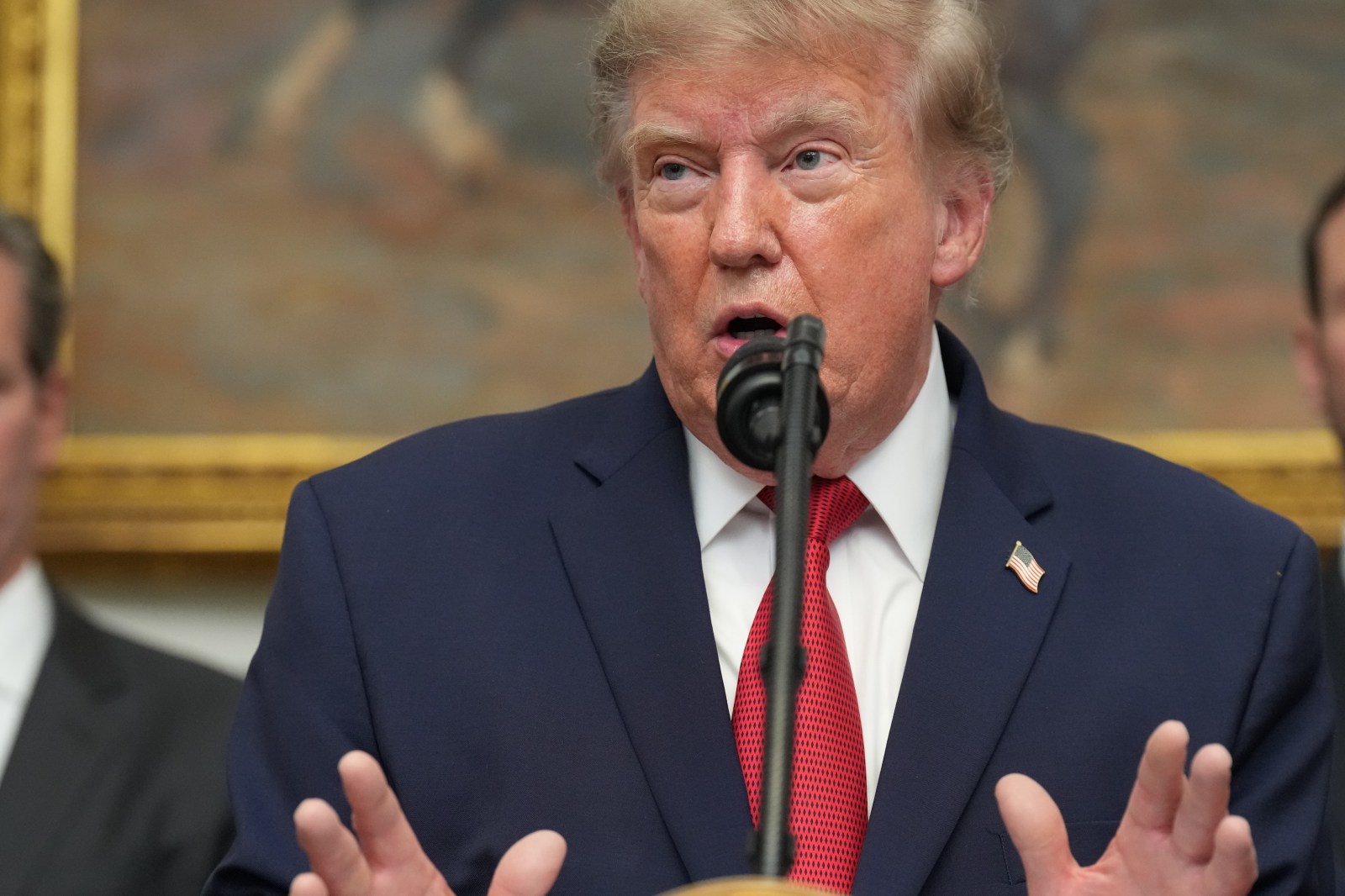
A 50 per cent tariff on $28 billion of Canadian goods is set to take effect unless a trade agreement is reached.
Crude shipments delayed or cancelled for late September due to East-West pipeline shutdown.

CENTCOM commander reports significant oil transit and zero Iranian exports amid regional tensions.
Former president launches poll on social media for supporters to choose a new name for AI.

Former Chilean president announced decision via social media after informal UN Security Council voting.
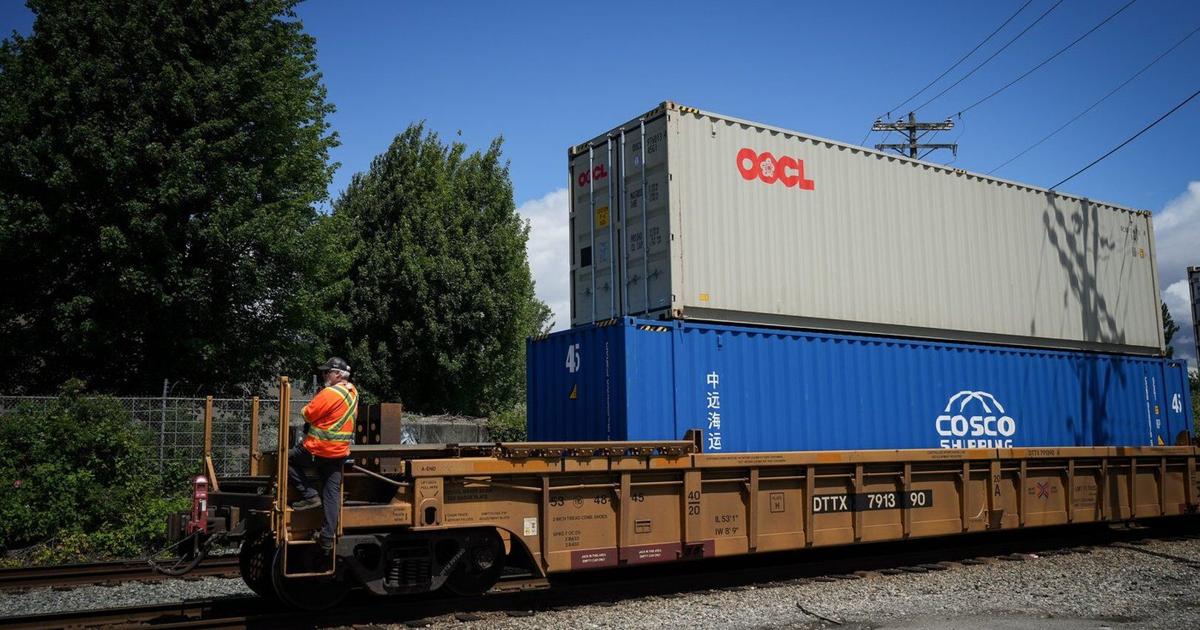
Experts caution that reducing internal trade obstacles is complex, even as efforts accelerate.

Prime Minister says negotiators sought to make Canadian firms subsidiaries or shut them down.
![On the far left, small farmer Janez Jambrosic roasts his potatoes in vegetable oil. His harvest was cut in half this year due to the drought [Veronica Snoj/Al Jazeera]](https://www.aljazeera.com/wp-content/uploads/2026/09/IMG_1566-1789646433.jpg?resize=1920%2C1440)
Drought and high temperatures are expected to reduce harvests by millions of tonnes and increase prices.

Tariffs imposed by the Trump administration have created extra costs and bureaucracy for Canadian wool businesses.

Businesses and sports organizations cite rising costs and reduced participation.
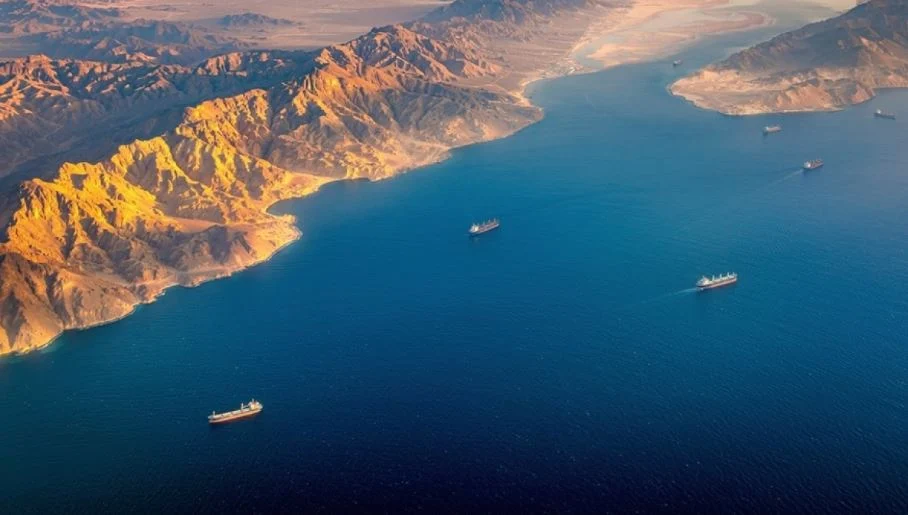
Rome ready to deploy up to four vessels to protect vital shipping lane, defence minister calls for more naval presence.

A NORAD fighter jet deployed flares during the interception of a general aviation aircraft.
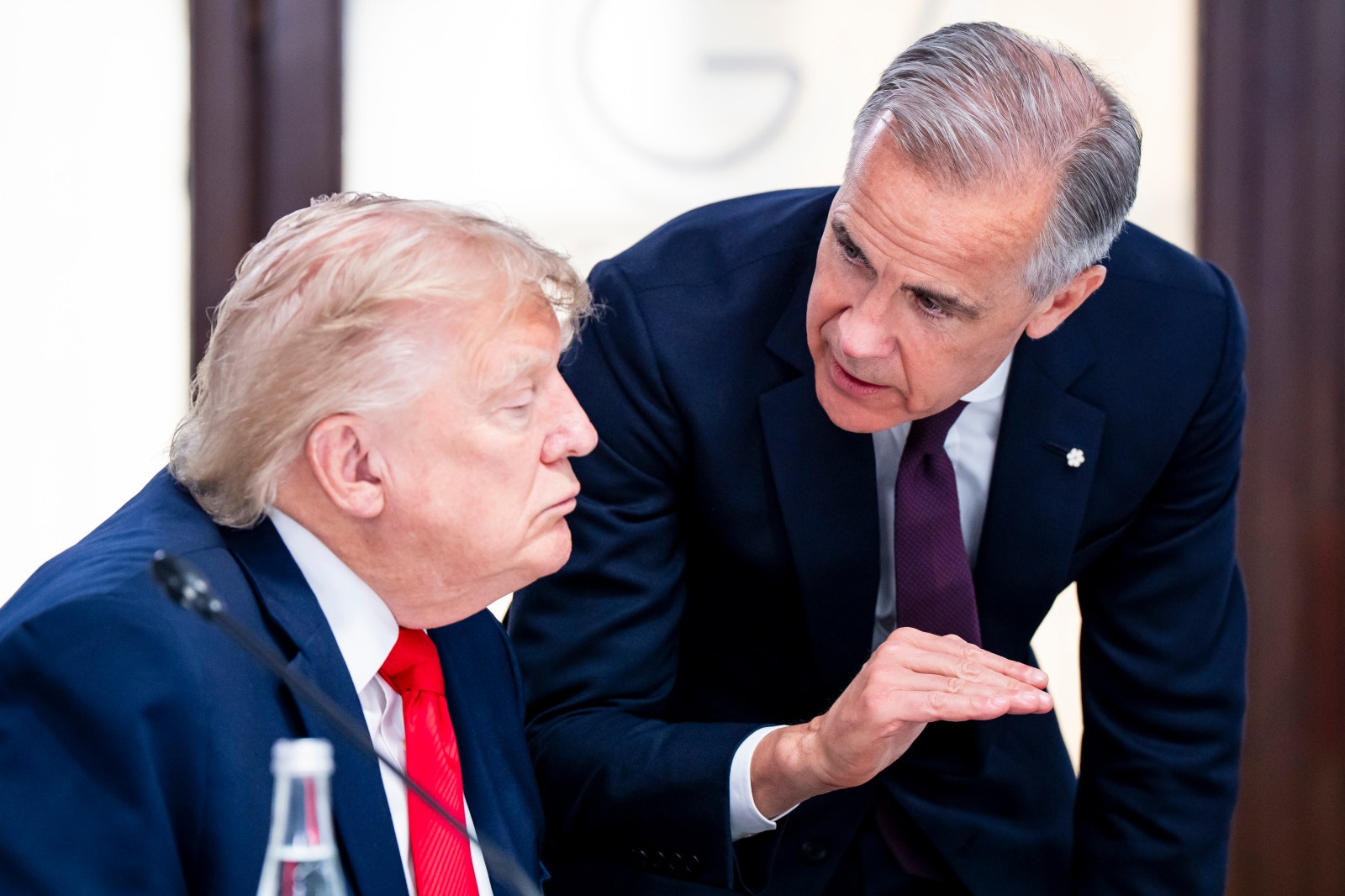
An investment strategist warns of lasting impacts from escalating tariffs.

The union represents 4,600 workers at Ontario plants as negotiations begin next week

New tariffs imposed by the US are causing order cancellations and business uncertainty for Canadian sellers.
A 50 per cent tariff on $28 billion of Canadian goods is set to take effect unless a trade agreement is reached.
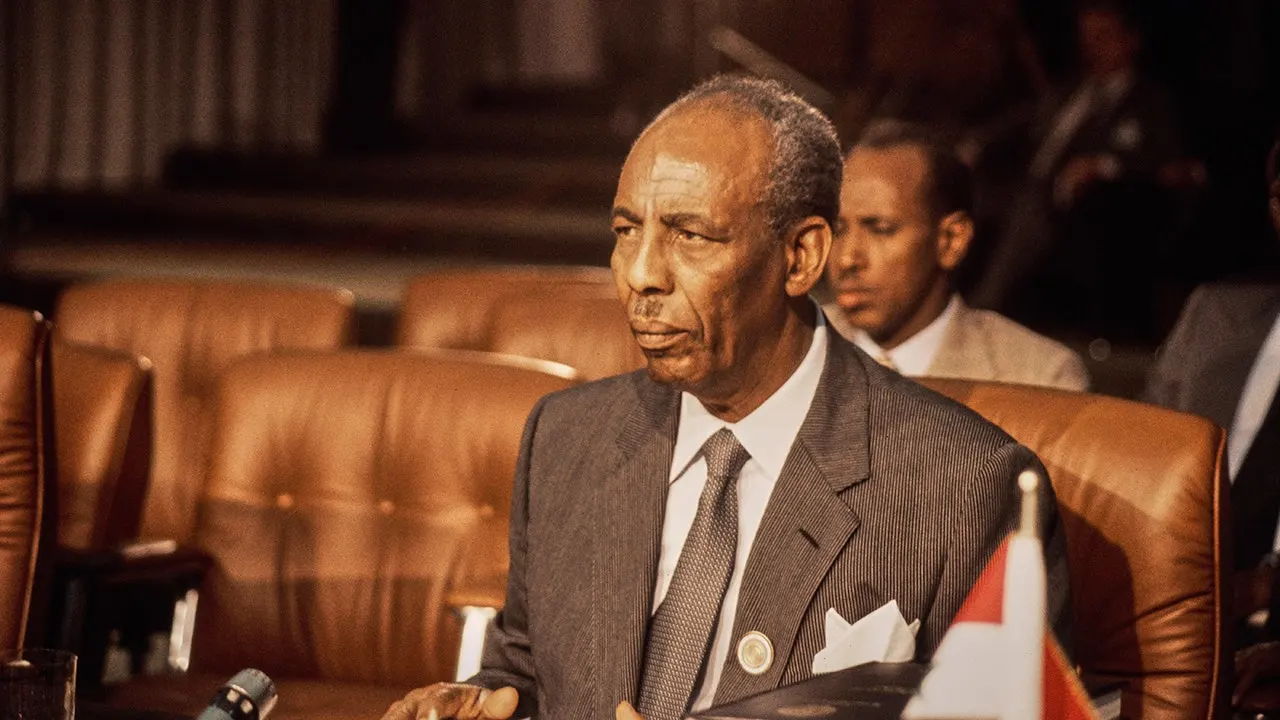
Survivors of Mohamed Siad Barre's regime call for US investigation into his children living in America.

Yemen's Houthi movement announced strikes on Riyadh and Yanbu, with Saudi Arabia yet to confirm.

Admiral Brad Cooper stated main transit corridors are clear and Iran has exported no oil due to sanctions.
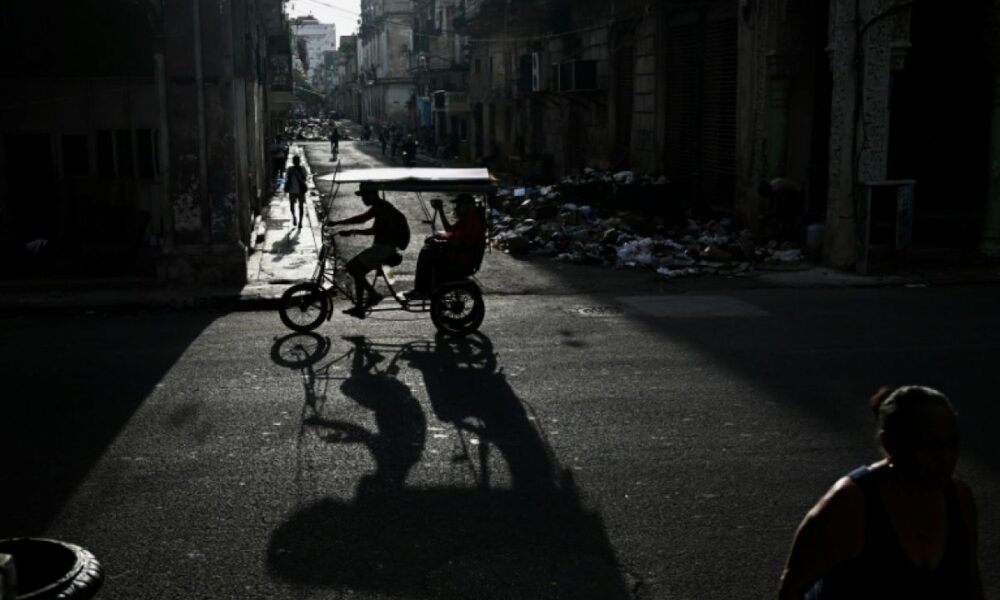
Millions were left without electricity after the entire grid disconnected on Friday.

New laws create felonies for seizing ballots and interfering with mail-in votes.

Reece Salmon died after being attacked on Lloyd Baker Street, with police granted special stop and search powers.

A ballot amendment aims to protect reproductive healthcare decisions, facing opposition from Catholic leaders.

Actors Jamie Lee Curtis and Robert De Niro are among those featured in the Oath Project, released on Constitution Day.
Divergence, source breadth, recency and a broader regional mix.
Business & EconomyThe union represents 4,600 workers at Ontario plants as negotiations begin next week
Business & EconomyA 50 per cent tariff on $28 billion of Canadian goods is set to take effect unless a trade agreement is reached.
Business & EconomyCENTCOM commander reports significant oil transit and zero Iranian exports amid regional tensions.
Business & EconomyCrude shipments delayed or cancelled for late September due to East-West pipeline shutdown.
Business & EconomySurvivors of Mohamed Siad Barre's regime call for US investigation into his children living in America.
Business & EconomyBusinesses and sports organizations cite rising costs and reduced participation.
Business & EconomyNew tariffs imposed by the US are causing order cancellations and business uncertainty for Canadian sellers.
Business & EconomyAn investment strategist warns of lasting impacts from escalating tariffs.
Business & EconomyExperts caution that reducing internal trade obstacles is complex, even as efforts accelerate.
Business & EconomyPrime Minister says negotiators sought to make Canadian firms subsidiaries or shut them down.
Business & EconomyTariffs imposed by the Trump administration have created extra costs and bureaucracy for Canadian wool businesses.
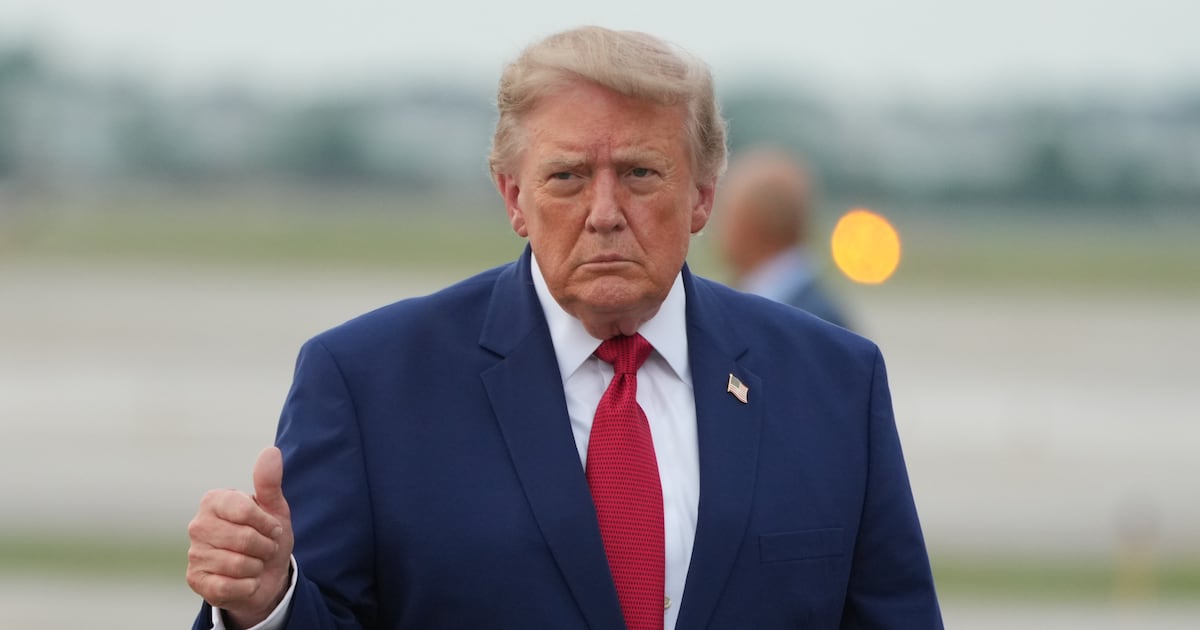
U.S. President Donald Trump announced a threat of 50 percent tariffs on a range of Canadian products effective 19 August. Experts say the measures would disproportionately affect British Columbia’s exports and could be used to exploit provincial grievances, deepening divisions within Canada.

A report commissioned by unions and industry leaders recommends building ferries in British Columbia to mitigate economic impacts from US tariffs. It suggests domestic shipbuilding over foreign contracts, citing potential economic benefits for the province.

Canada's Finance Minister François-Philippe Champagne defended the government's decision to reverse retaliatory tariffs on U.S. seafood imports. The tariffs, set to take effect September 8, targeted over 900 U.S. products, including a 25 percent duty on various seafood items.
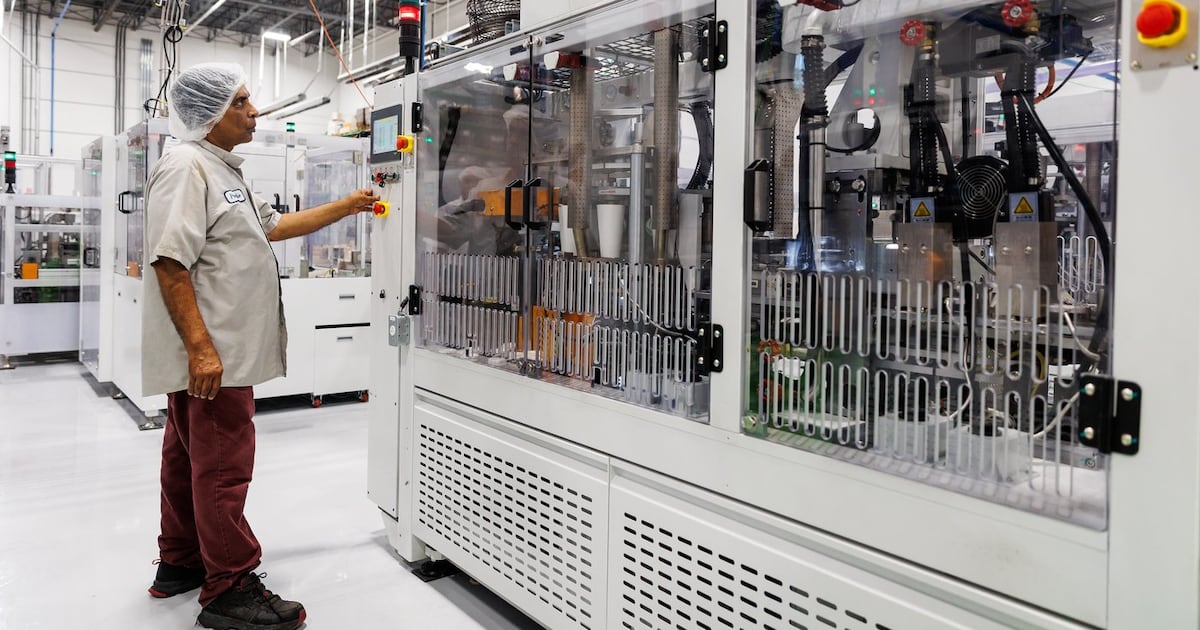
Canadian paper cup and bowl manufacturer Eco Guardian Inc. is experiencing increased demand from domestic foodservice clients. Tariffs have prompted the company to alter its raw material sourcing and expand production capacity at its Ontario facility.

Australia's annual inflation rate fell to 3.5% in July, the lowest in eight months, though still above economists' expectations. Housing and fuel prices were key drivers, while underlying inflation remained steady, leading the Reserve Bank of Australia to hold interest rates.

The US plans to impose 50% tariffs on Canadian goods including cement and hockey sticks on 19 August, citing provincial alcohol bans and dairy supply management. Canada’s trade minister met US officials as negotiations continue, with some provinces reversing alcohol restrictions but others holding out.
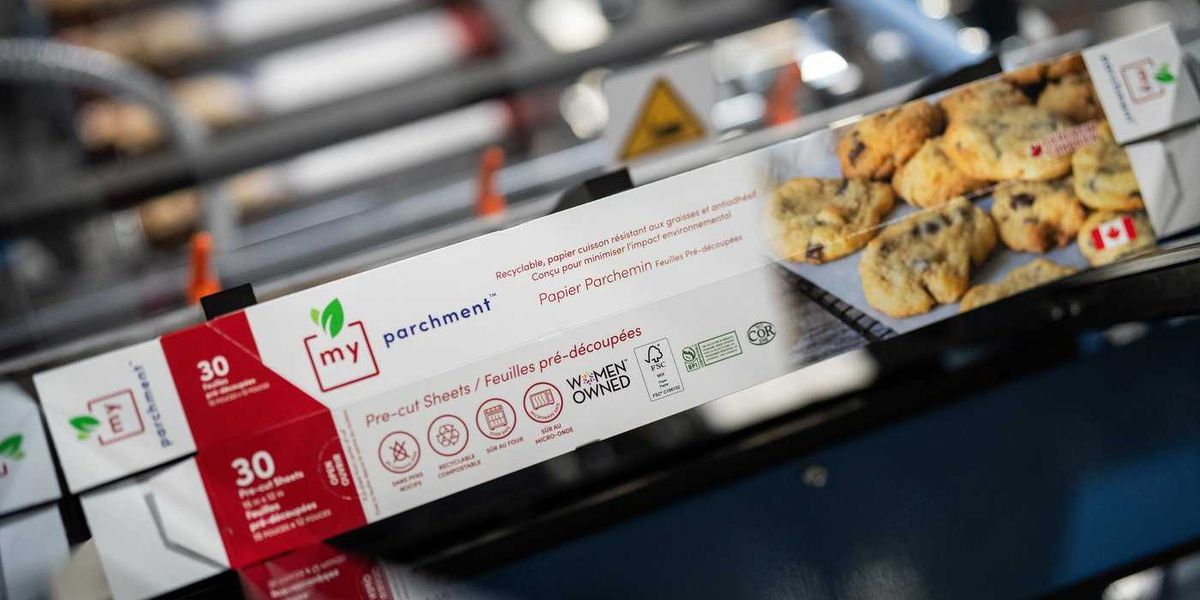
Canadian food and household goods companies are experiencing a significant increase in demand as consumers choose to "shop local" during an ongoing trade dispute. Retailers are finding it difficult to keep up with this surge.

President Donald Trump said a trade deal with Canada was "moving along" as a deadline for imposing tariffs on $28 billion of Canadian goods approached. Negotiators from both countries met in Washington on the day of the deadline.

Ricardo Reis, a professor at the London School of Economics, was a leading candidate for the IMF's chief economist position. He was withdrawn from consideration after making critical remarks about Donald Trump's tariff policies. Silvana Tenreyro was appointed to the role in July.

Petrobras' Board of Directors has approved the company's participation in a new government subsidy program for diesel producers. The subsidy amounts to R$1 per litre and will last for an initial 30-day period, with the possibility of extension.

Economists expect Canada’s annual inflation rate rose to 2.9 percent in July 2026 after a June dip to 2.8 percent, driven by higher gas prices from renewed Middle East tensions. The data will inform the Bank of Canada’s next rate decision on 2 September.
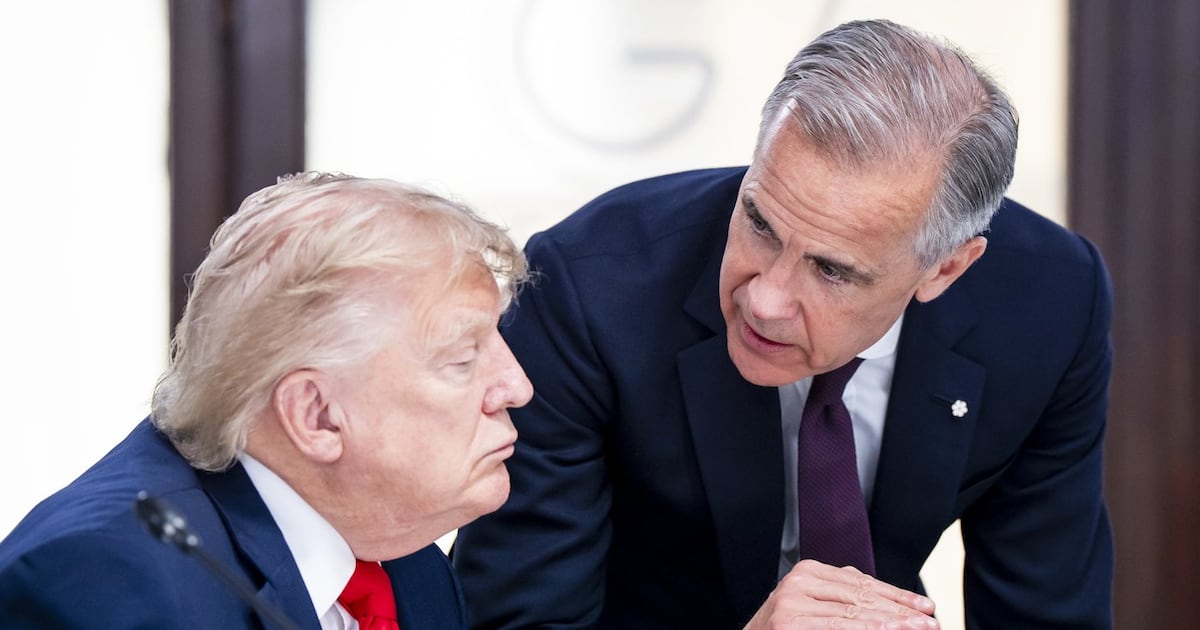
A new round of 50% tariffs on nearly US$20 billion of Canadian exports to the US is set for 19 August 2026. Industry sources say firms are not rushing shipments, betting Trump will back down as he has before. The tariffs would apply even to goods covered by the CUSMA trade agreement.

Premier David Eby suggested British Columbia could cut off U.S. access to thermal coal export terminals at Roberts Bank as a non-tariff measure in the escalating trade war. The province's business community expressed concern over potential job losses.
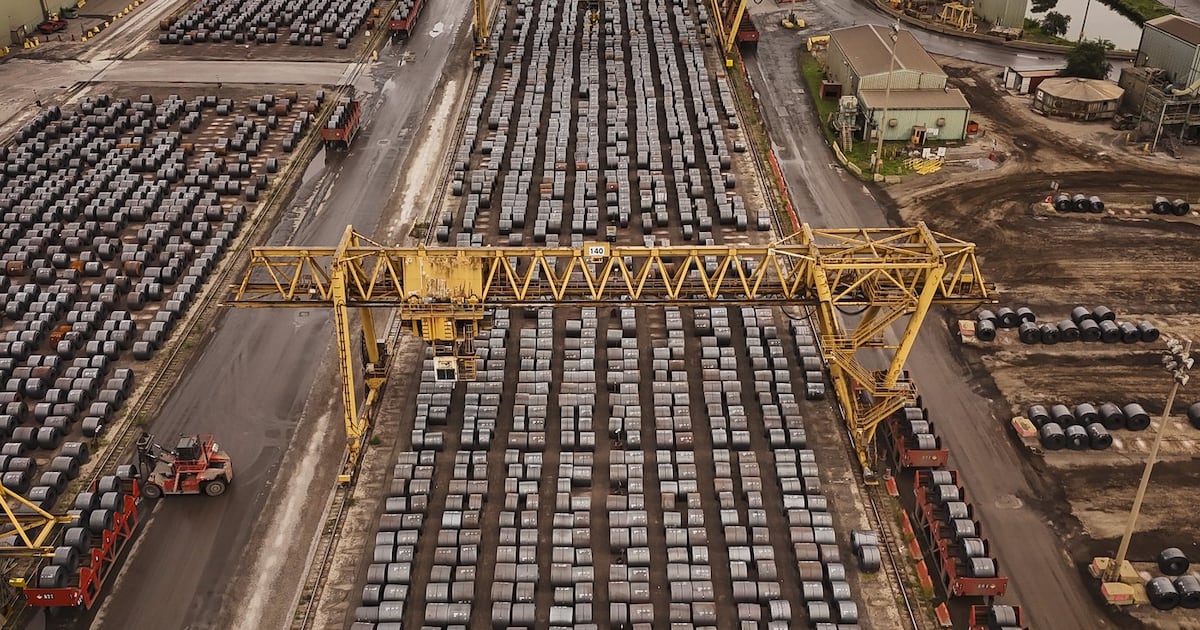
Canada's real gross domestic product increased at an annual rate of 3.3% in the second quarter, Statistics Canada reported. This growth followed a revised 0.3% increase in the first quarter, erasing a prior marginal decline. However, new US tariffs and planned Canadian retaliatory measures are expected to impact future economic performance.

Canada-U.S. Trade Minister Dominic LeBlanc remains in Washington as a 50 percent tariff on Canadian goods approaches. Negotiators are exchanging offers, but Canada is unsatisfied with the latest U.S. proposal, which lowers some sectoral tariffs but not enough, sources say.
Irving Forest Products is modernizing its Ashland Sawmill in Maine, a project expected to double lumber production capacity. The expansion is supported by federal and state New Markets Tax Credits and aims to create or retain 220 jobs.

Prime Minister Narendra Modi and Belgian Prime Minister Bart De Wever announced a target to double bilateral trade within five years during a joint press conference in New Delhi on 3 September 2026. The leaders highlighted new cooperation on defence equipment, green ammonia, and military exchanges, while De Wever called India the world’s fastest-growing major economy.
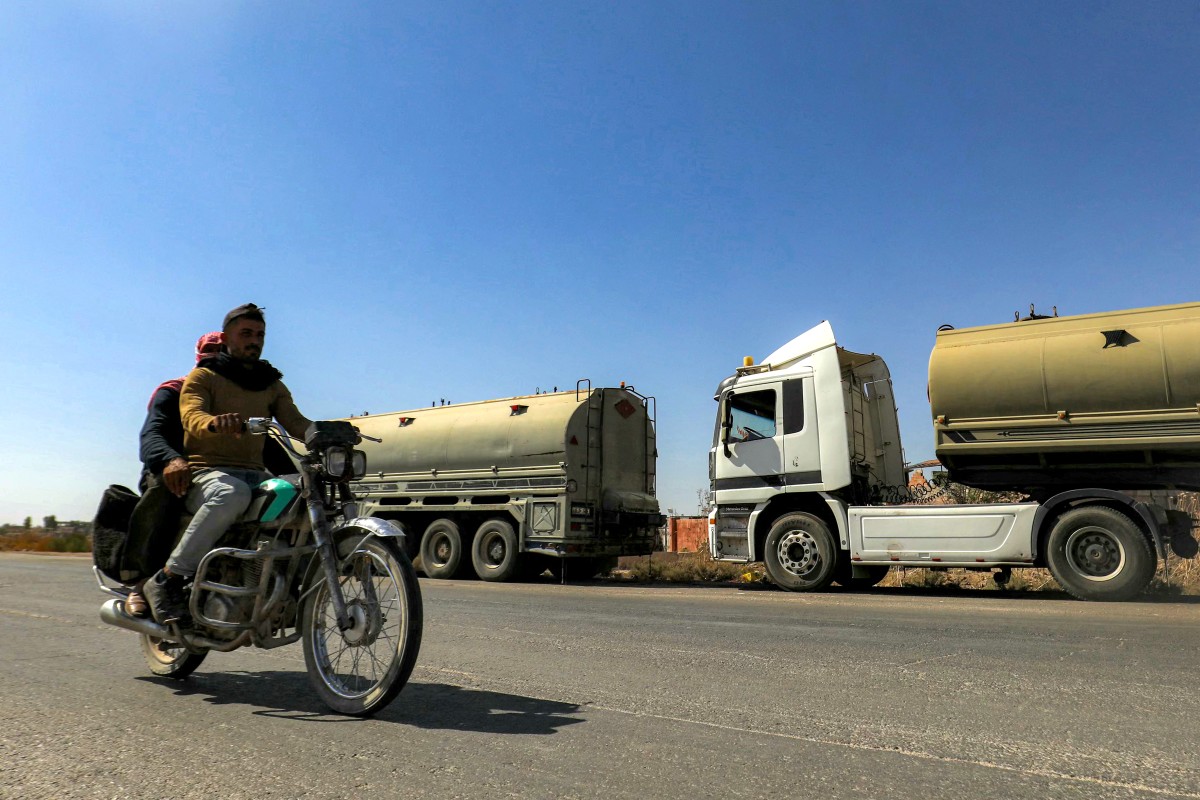
On 13 September Syria increased diesel by 40% and petrol by up to 28%. The Energy Minister blamed exceptional and complex circumstances and higher import costs. Protests with road blockages erupted in Aleppo, Idlib, Deir Ezzor, Hasakah and Raqqa, prompting a later offer of cheaper diesel for certain sectors.

The federal government is extending the suspension of fuel excise taxes until January 2027. The measure, intended to provide relief from higher energy costs, will see the tax gradually reinstated by April 2027.

India’s government has limited bulk sugar consumers to 15 days of stock from September to November, exempting government institutions. The move follows a record ₹53.50 per kg wholesale price and a previous 30-day cap on dealers. Imports of 1 million tonnes at nil duty were also allowed until October 2026.