Canada Reverses Seafood Tariffs on U.S. Imports After Industry Pushback
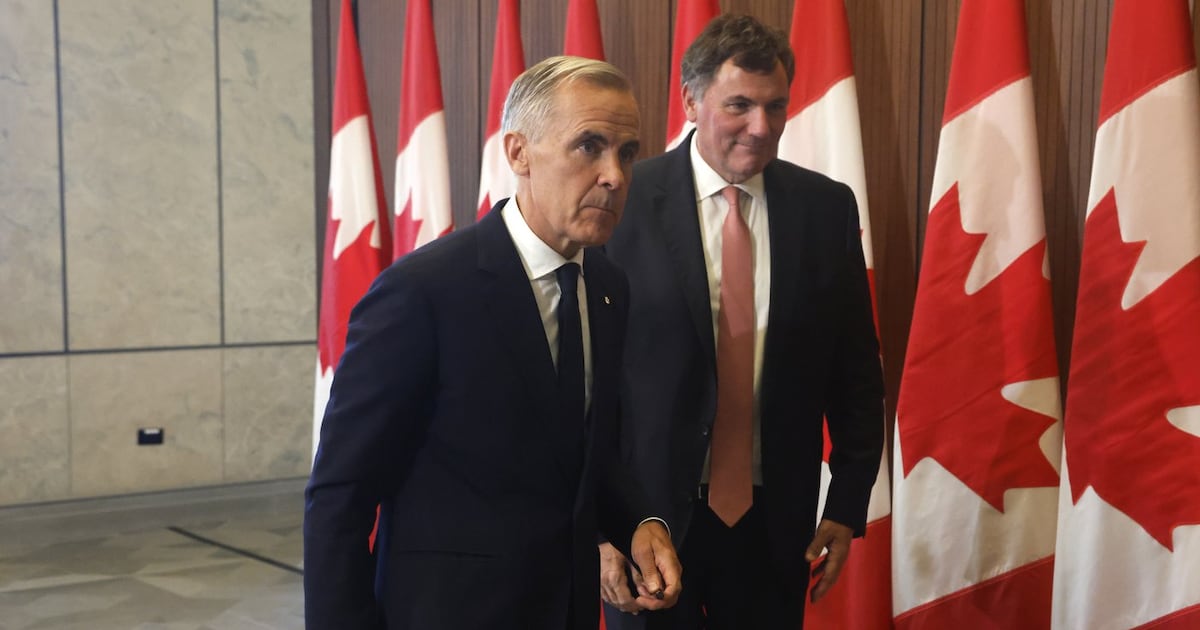
Finance Minister François-Philippe Champagne defended the decision to withdraw retaliatory tariffs on American seafood.
AI-assisted coverage comparison, editor-supervised · How this was made

Canada Reverses Seafood Tariffs on U.S. Imports After Industry Pushback
Photograph: City News (embedded from source)
What this story says
- Canada's Finance Minister François-Philippe Champagne defended the government's decision to reverse retaliatory tariffs on U.S. seafood imports.
- The tariffs, which ranged from 15 to 50 percent, were scheduled to begin on September 8.
- Over 900 U.S. products were targeted, including a 25 percent tariff on items like lobster, oysters, and salmon.
- The Maine Lobstermen Association had warned that losing access to the Canadian market could be devastating to U.S. fishers.
Who covered it
Percentages are shares of the 6 outlets carrying a published leaning rating. Coverage measured .
Trust
60/100
Craft
65/100
Hype
20/100
6 sources · methodology
Thin on the right so far
None of the 6 outlets with a published leaning rating that ran this story are rated right.
This story is still being watched, so it is a count and not yet a finding. Coverage keeps arriving for hours after an event, and a side that has published nothing this morning may publish by tonight. If it is still true when we stop checking, we will say so plainly.
Canada's Finance Minister François-Philippe Champagne defended the government's decision to reverse retaliatory tariffs on U.S. seafood imports. The tariffs, which ranged from 15 to 50 percent, were initially set to go into effect on September 8. The measures targeted over 900 U.S. products, including a 25 percent tariff on trout, eels, carp, tuna, lobster, oysters, shrimps, and salmon. Canada's seafood sector is closely integrated with the United States, with both countries being top destinations for lobster exports.
Disagreement on Tariff Details
The City News report stated that the tariffs ranged from 15 to 50 percent, with a 25 percent tariff specifically on a range of fresh and frozen U.S. seafood. The other reports did not specify the exact percentage range of the tariffs or the specific percentage applied to seafood items.
What the coverage left out
None of the reports printed mention the specific date on which the tariffs were initially set to go into effect, September 8, nor do they detail the full list of over 900 U.S. products that were targeted by the planned duties. The Maine Lobstermen Association's warning about the potential devastation to U.S. fishers and coastal communities was only mentioned in the full report from City News.
Still developing. We have re-checked which outlets are covering this 4 times, most recently on 27 Aug 2026, 21:15, and will add the sides that appear.
How each side covered it
Our own reading of the reporting listed below, written from the outlets’ articles rather than quoted from them. The reasoning is set out on our methodology page.
Left
2 rated outlets
- The left-rated reports focused on Finance Minister François-Philippe Champagne's defence of the government's decision to backtrack on retaliatory tariffs against U.S. seafood and fish imports. Both SooToday.com and The Toronto Star digests stated that Ottawa received significant feedback about the planned duties.
Centre
4 rated outlets
- The centre-rated reports led with Finance Minister François-Philippe Champagne defending his government's quick reversal of retaliatory tariffs on U.S. seafood and fish imports. City News, in its full report, included details on the tariff percentages, stating they ranged from 15 to 50 percent, with a 25 percent tariff on specific seafood items like trout, eels, carp, tuna, lobster, oysters, shrimps, and salmon. This report also quoted Champagne saying his job is to fight for Canadian business and that the government did not want escalation in the trade war. City News also reported that the Maine Lobstermen Association warned that losing access to the Canadian market could be devastating to U.S. fishers and coastal communities, and quoted its executive director Patrice McCarron. The digests from Castanet, paNOW, and nanaimonewsnow.com focused on Champagne's defence of the backtracking.
Right
0 rated outlets
No outlet rated right has run this story so far. We are still checking, and will say plainly if that does not change.
Questions about this coverage
- How did the left and right cover Canada Reverses Seafood Tariffs on U.S. Imports After Industry Pushback?
- Of the 6 outlets on this story carrying a published leaning rating, 33% are rated left, 67% are rated centre, 0% are rated right. Those percentages are shares of the rated outlets, not of every outlet that ran it. The sections above set out what each side emphasised, in its own terms.
- Is Canada Reverses Seafood Tariffs on U.S. Imports After Industry Pushback left or right?
- Too few of the outlets on this story carry a published leaning rating to say. 6 of them do, and this site does not characterise a field under 12: at that size one newsroom filing moves the share by ten points. The percentages above are the count as it stands.
- Is the coverage of Canada Reverses Seafood Tariffs on U.S. Imports After Industry Pushback biased?
- Canada Reverses Seafood Tariffs on U.S. Imports After Industry Pushback is one event reported by 6 outlets, and this page does not rate the story as biased or unbiased. What it publishes is the spread: which outlets ran it, where named rating organisations place each of them on the spectrum, and what each side chose to lead with. A leaning rating describes an outlet's record over time, not this article, and the two should not be run together.
- Which side is not reporting Canada Reverses Seafood Tariffs on U.S. Imports After Industry Pushback?
- When we first saw this story, outlets rated right had barely covered it. Coverage accretes for hours after an event, so that is where to look rather than a verdict — the split above is the current count, and it is the one to read.
- Which outlets covered Canada Reverses Seafood Tariffs on U.S. Imports After Industry Pushback?
- 6 that we know of, every one of them listed further up this page with a link to its own report and to what we hold on the publisher. Nothing here is a summary of somebody else's summary: the outlets are named so the original reporting can be read.
- Why did Canada reverse its decision on seafood tariffs?
- Canada's Finance Minister François-Philippe Champagne stated that the government reversed the decision to protect Canadian business and industry, and to avoid escalation in the trade war with the United States. The government also stated it listened to concerns about the planned duties.
- What products were targeted by the planned tariffs?
- The planned tariffs targeted over 900 U.S. products. Specifically, a 25 percent tariff was to be applied to a range of fresh and frozen U.S. seafood and fish, including trout, eels, carp, tuna, lobster, oysters, shrimps, and salmon.
- What was the potential impact of the tariffs on U.S. fishers?
- The Maine Lobstermen Association warned that losing access to the Canadian market could be devastating to U.S. fishers and coastal communities. Canada is a very important market for Canadian seafood, and retaliation from the United States could have jeopardized markets developed there.
Read it at the source
6 outlets, grouped by the leaning a published rating gives them. Every headline links to the original; an underlined outlet name opens our profile of that publisher.
Left
2Centre
4- Champagne defends reversal on seafood tariffs against U.S. (opens Castanet in a new tab)
- Champagne defends reversal on seafood tariffs against U.S. (opens nanaimonewsnow.com in a new tab)
nanaimonewsnow.com — is nanaimonewsnow.com biased? Our profile of this outlet
- Champagne defends reversal on seafood tariffs against U.S. (opens paNOW in a new tab)
- Champagne defends reversal on seafood tariffs against U.S. (opens City News in a new tab)
Right
0No outlet in this group ran the story.
Not rated
0No outlet in this group ran the story.
How did this read?
About the coverage, not about the story. We do not ask whether you agree with what happened — we have no honest use for that answer.