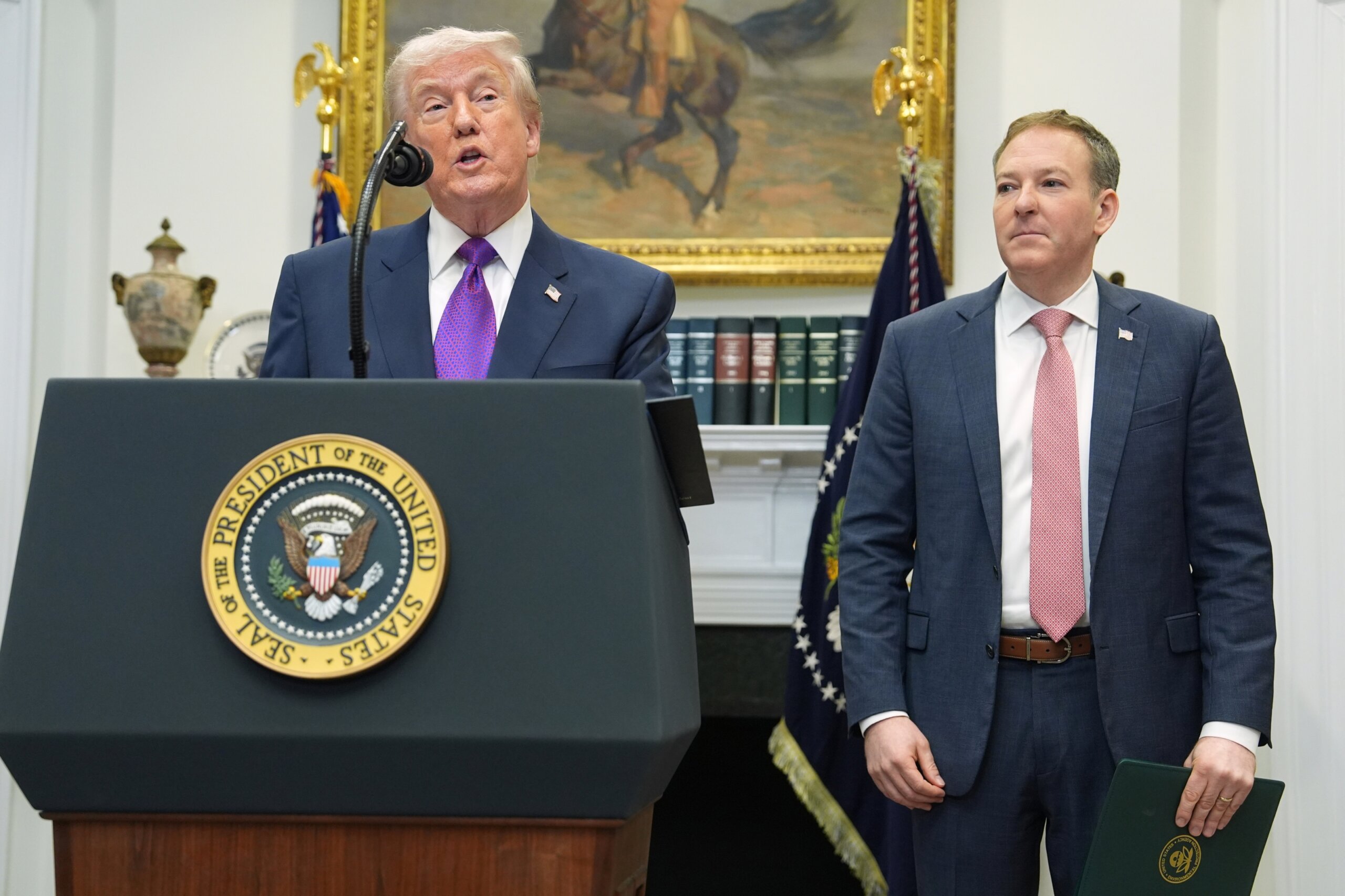
US appeals court rules Trump administration wrongly ended $20bn climate fund
A divided federal court blocked the termination of grants to nonprofits for clean energy projects, delaying access to funds while the EPA seeks Supreme Court review
Emissions, energy and extreme weather — one of the widest coverage splits in the news.
64 stories · page 1 of 3

Professional Institute of the Public Service of Canada protests staff reductions at three federal departments
Divergence, source breadth, recency and a broader regional mix.
Professional Institute of the Public Service of Canada protests staff reductions at three federal departments
Government assessment warns of significant temperature rise, glacier melt, and increased wildfire risk.
New analysis indicates federal policy rollbacks have set the country back more than two decades.
Twenty-one crew members were deported after the vessel was seized by security forces off Iceland’s coast on 30 July 2026
A new order affects 131 licence holders in the Bessette Creek area due to record low flows.
Campaigners urge changes to legislation aimed at speeding up development.
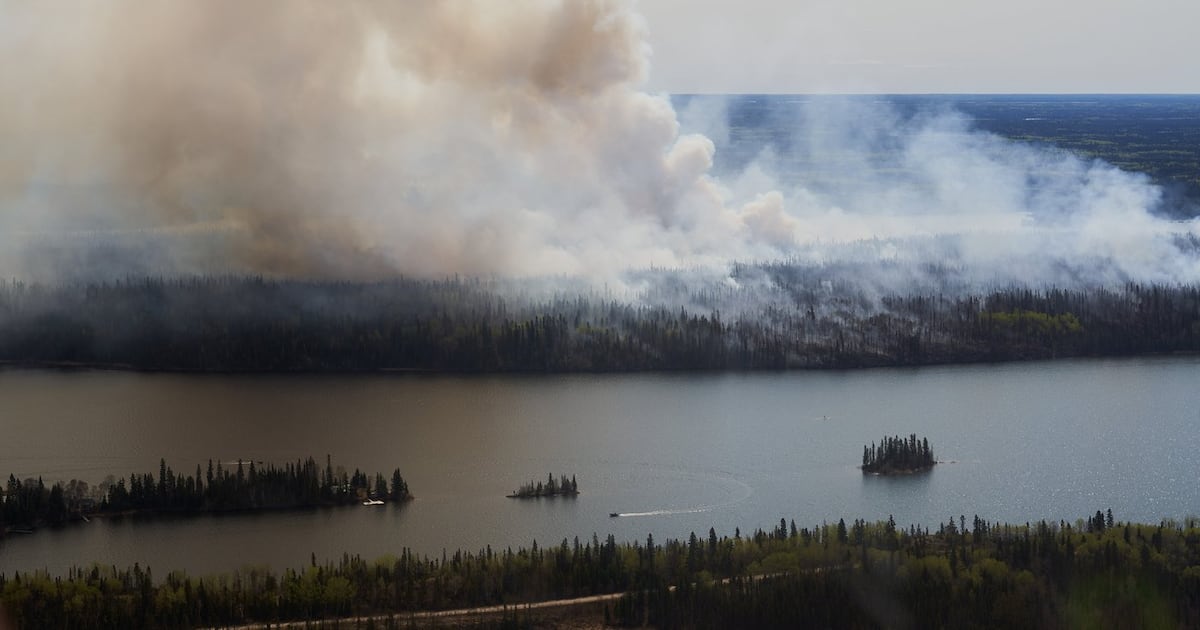
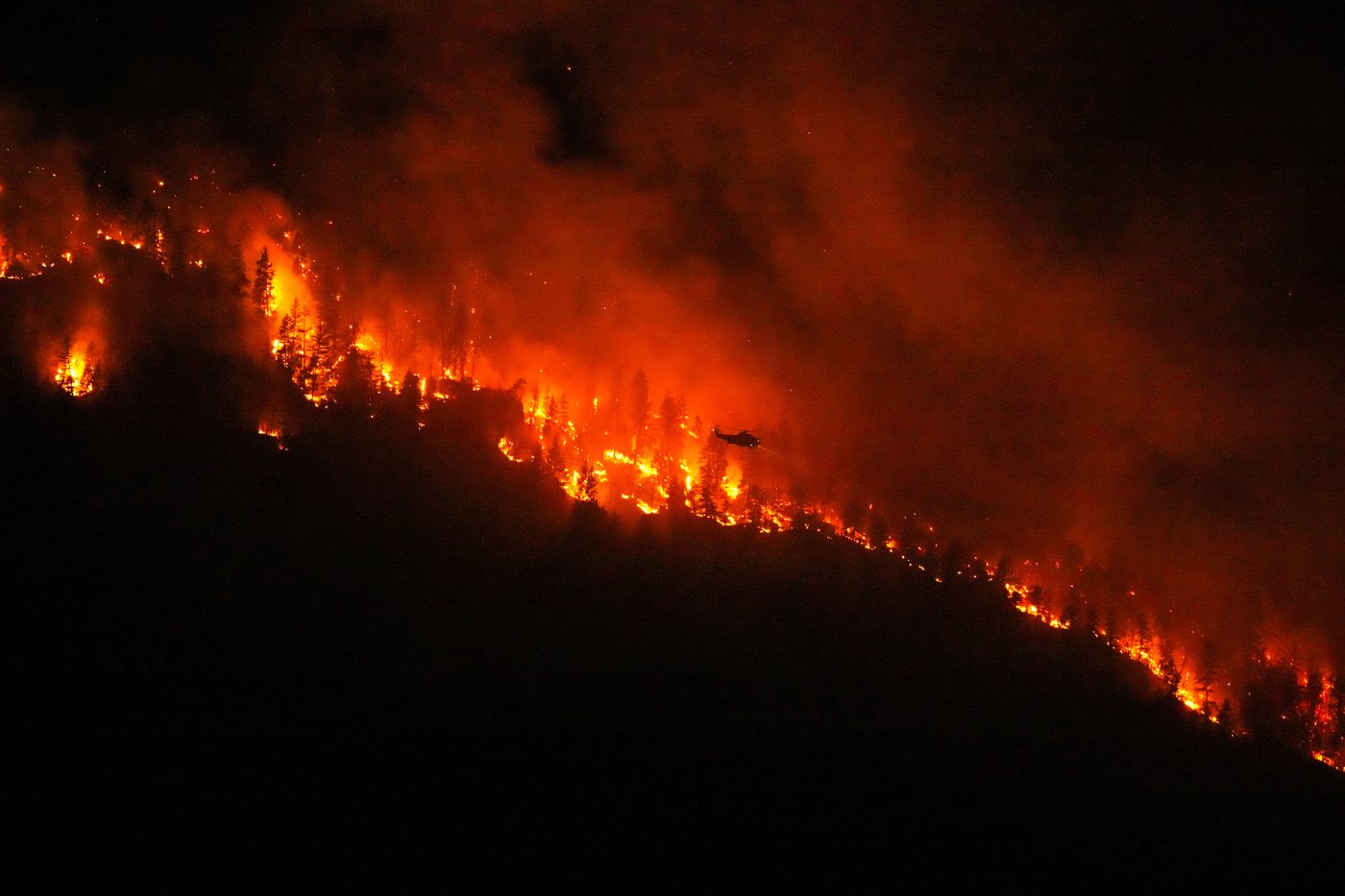
World Weather Attribution report links extreme fire conditions to human activity as U.S. president blames forest management
Lawyers argue the court cannot rule on political issues or order government action.
Drought and high temperatures are expected to reduce harvests by millions of tonnes and increase prices.
Average temperature of 19.3°C surpassed the 2018 record, with multiple heatwaves and warm nights.
A divided federal court blocked the termination of grants to nonprofits for clean energy projects, delaying access to funds while the EPA seeks Supreme Court review

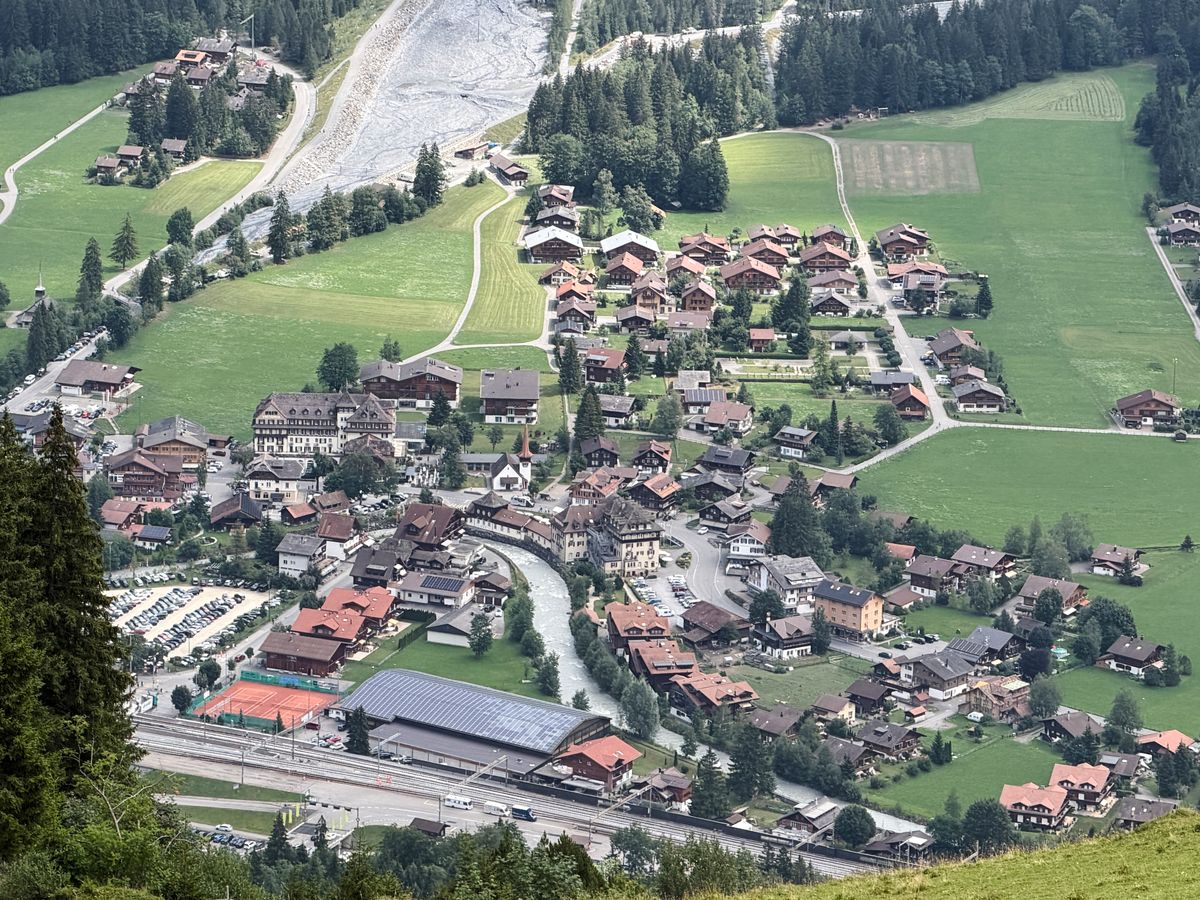
Kandersteg, Switzerland, faces a potential landslide from the Spitze Stei rock formation, destabilised by thawing permafrost. Scientists and residents weigh the risks as monitoring and evacuation plans are in place, following a similar disaster in nearby Blatten in 2025.

Author Kim Stanley Robinson will not read aloud the first chapter of his novel 'The Ministry for the Future,' which depicts a heatwave causing 20 million deaths in India. He feels the scene is too graphic for public reading.

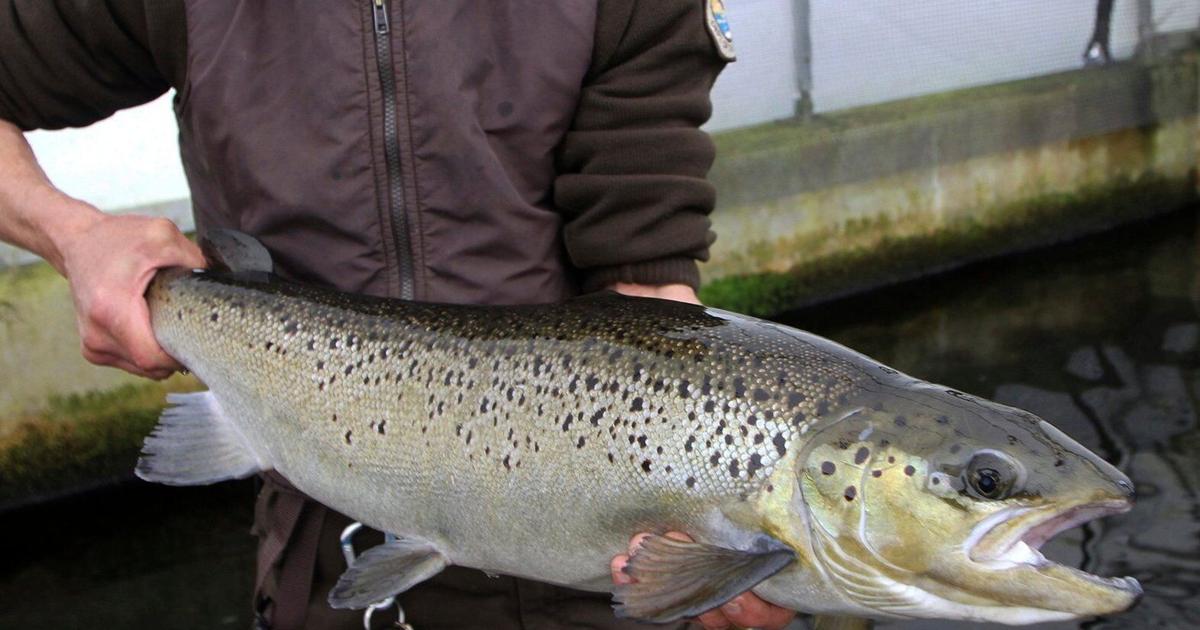
The removal of the last dam on Maine's Narraguagus River has created prime habitat for endangered Atlantic salmon. However, conservationists caution that climate change presents significant challenges to the species' long-term comeback.

In parts of Africa, rainmakers who perform rituals for rainfall are facing increased violence from farmers struggling with unpredictable weather patterns attributed to climate change. This has led to assaults, and in some cases, deaths.

Stacker compiled rankings of the hottest Augusts in Missouri and six other U.S. states using federal climate data. The 1936 August in Missouri averaged 83.9°F, the highest since records began in 1895. Outlets across the political spectrum published the findings, with varying emphasis on climate trends.

Gold mining has expanded nearly sevenfold on Indigenous lands in the Brazilian Amazon between 2016 and 2024, according to a new analysis. The overall area affected by mining across the Amazon region is 20 times larger than it was in 1985, with record gold prices driving deforestation and mercury contamination.
Two haboob dust storms struck the Phoenix area within three days in early August 2026, both classified as Category 5 events. Researchers at Arizona State University said the storms were unprecedented in frequency and intensity, with wind speeds of 50 mph and visibility reduced to half a mile.

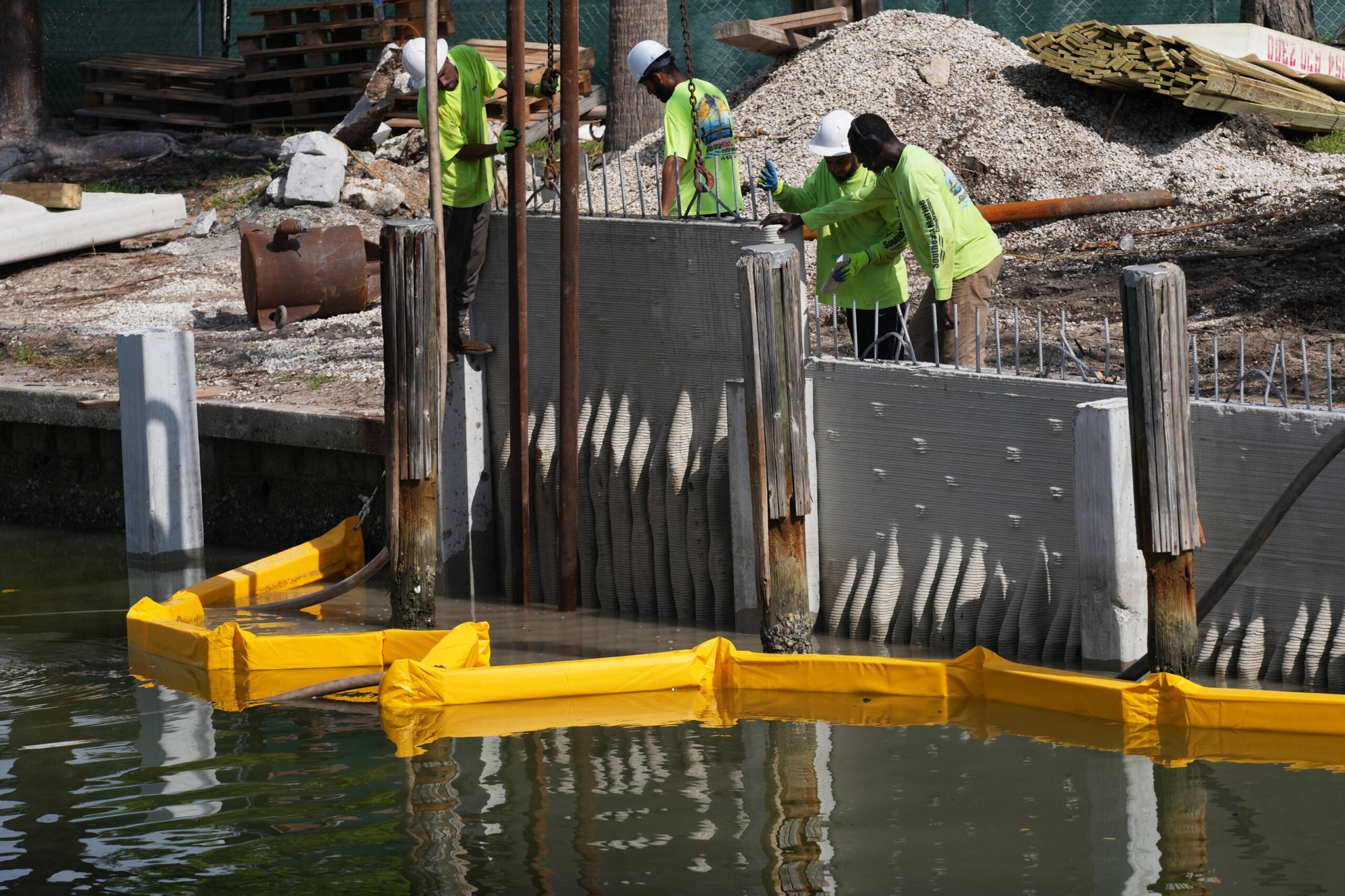
Florida is developing adaptation strategies to address threats from sea level rise and storms. Innovations include 3D-printed living seawalls designed to mimic natural habitats and affordable housing projects elevated to withstand storm surges.
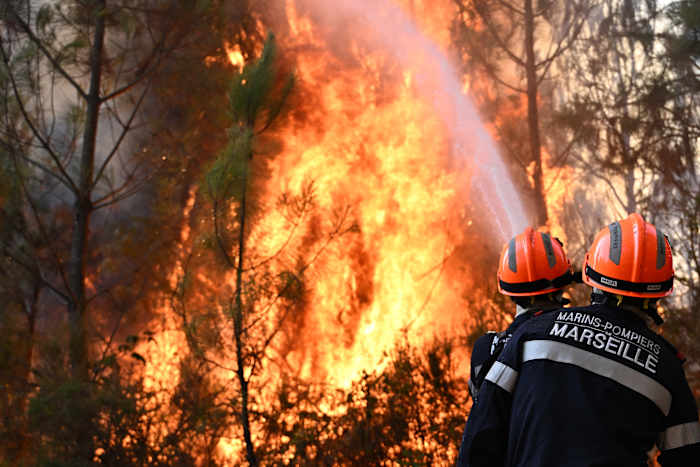
European Commission President Ursula von der Leyen has proposed a new European Heatwave Plan and a future firefighting fleet. The announcement follows a summer of record heat across the EU, which scientists linked to climate change and which caused tens of thousands of additional deaths.

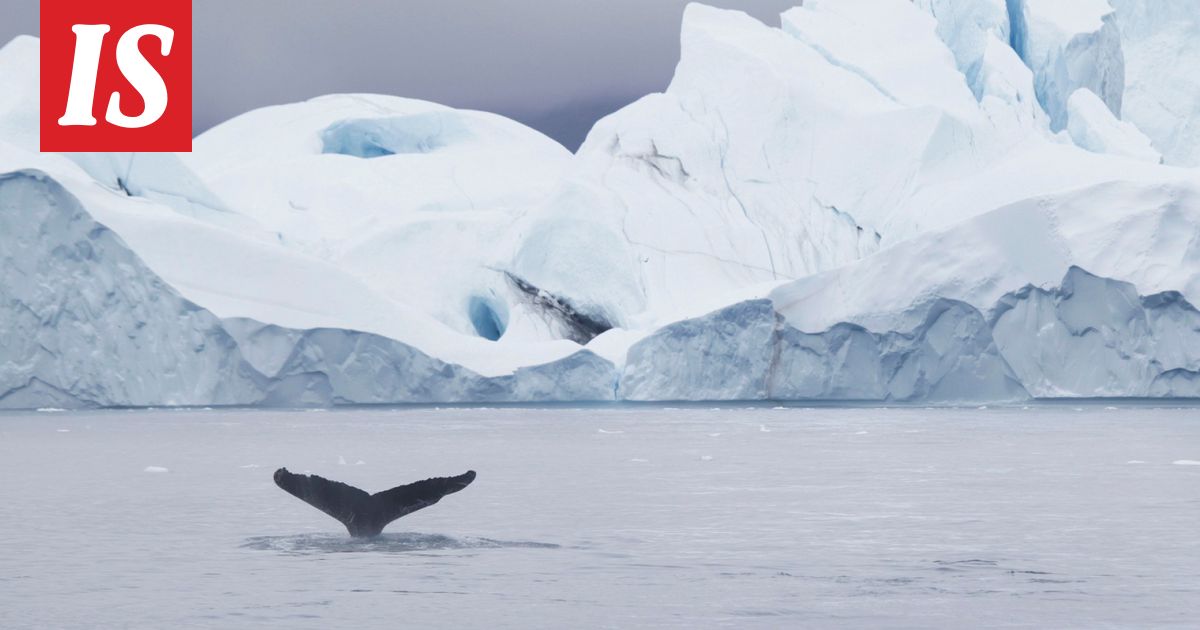
Researchers observed 6,000 fin whales, 6,000 humpback whales and 4,000 bowhead whales in East Greenland in summer 2024, a shift attributed to melting sea ice. The study, published in Frontiers in Marine Science, calls the change a major ecological regime shift.

The European Union's Copernicus Climate Change Service confirmed July 2026 as the hottest July for global ocean temperatures, with Western Europe experiencing its warmest June-July period. Developing El Niño conditions contributed to the record, while wildfires and drought intensified across the region.

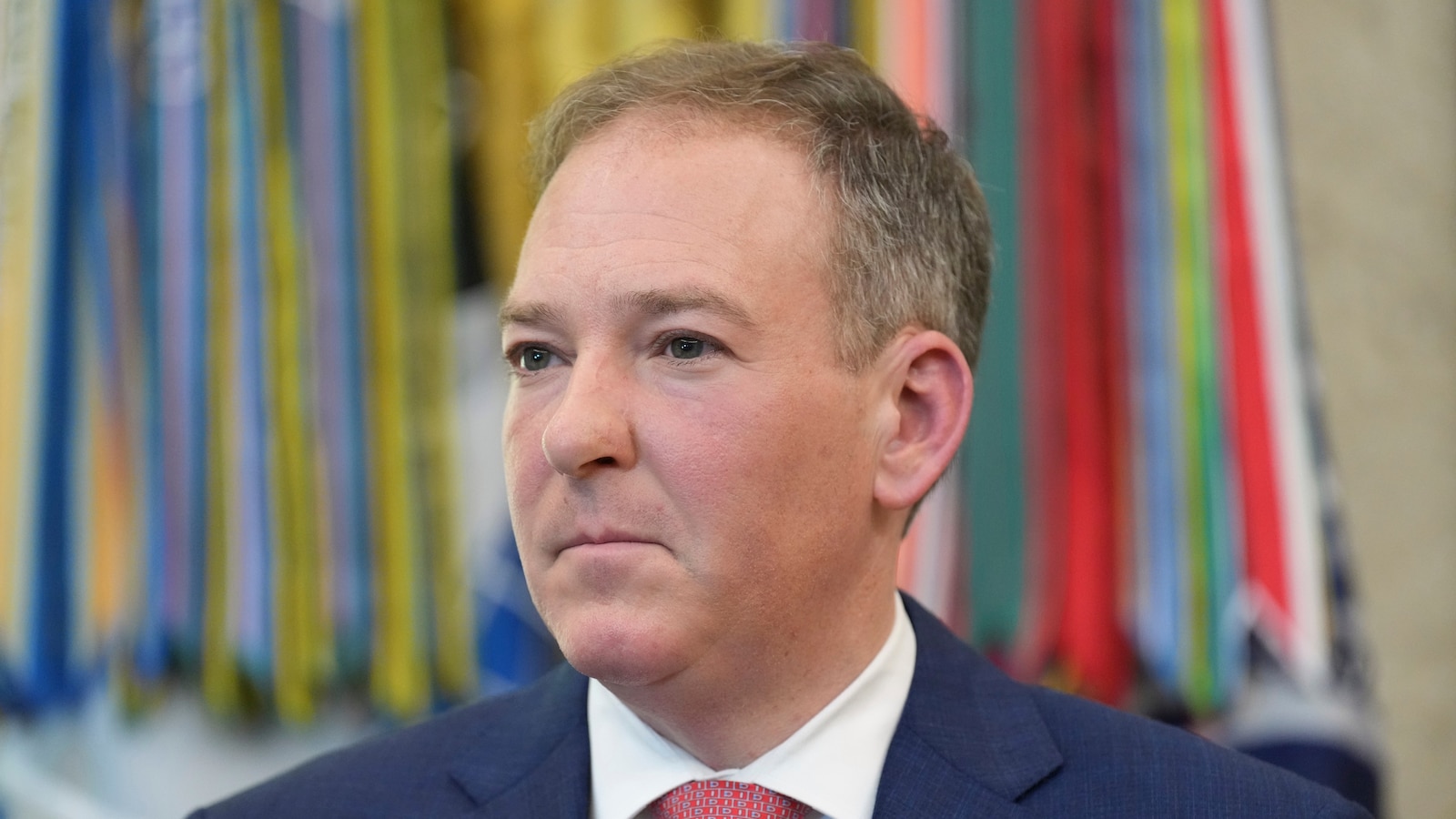
The Environmental Protection Agency is set to repeal rules limiting greenhouse gas emissions from coal and natural gas power plants. Administrator Lee Zeldin stated the move could save billions for the industry and boost American energy.

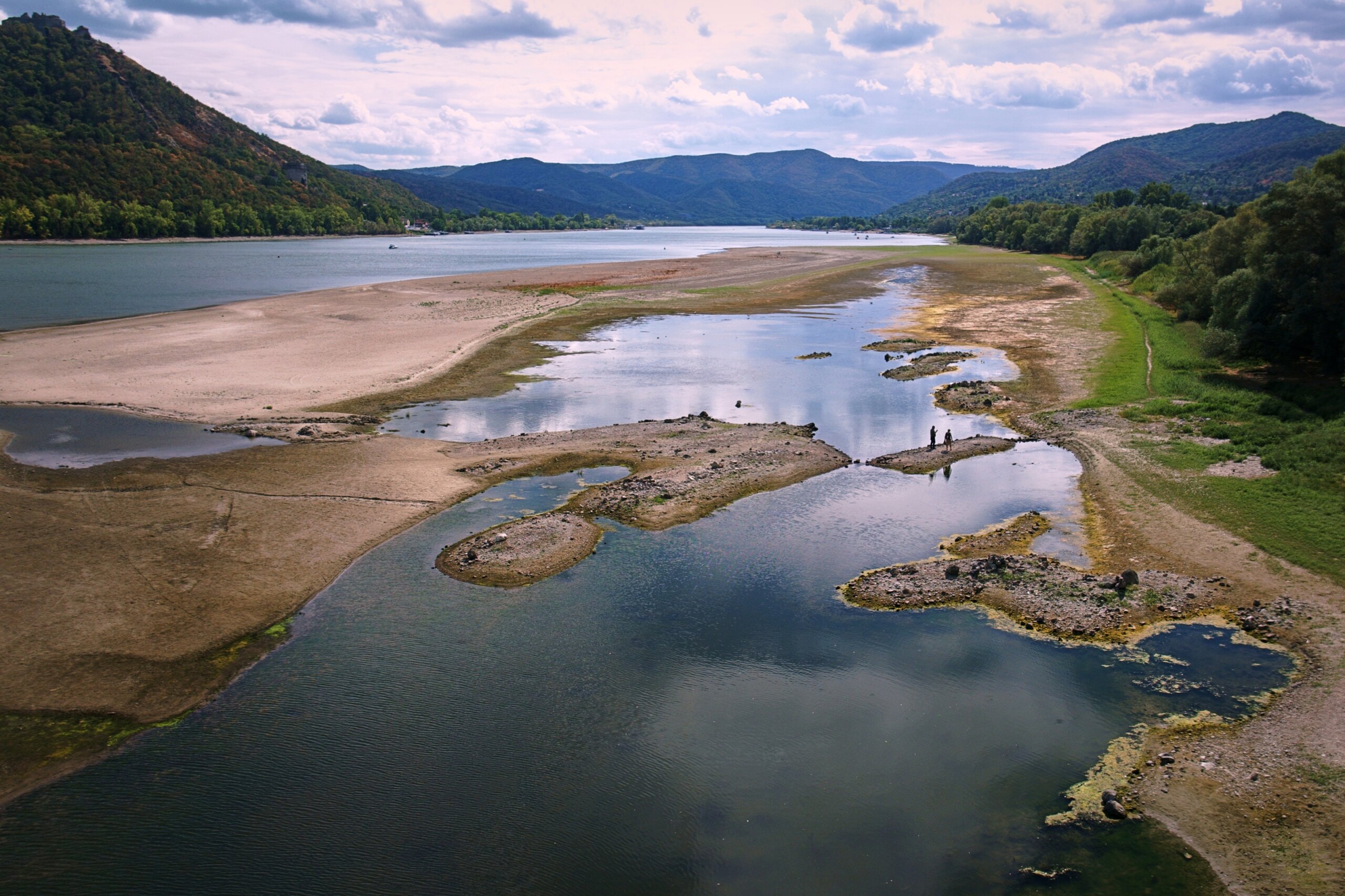
Hungary is facing a severe water crisis, with record low water levels at Lake Velence impacting recreation and highlighting the long-term consequences of draining wetlands. Prolonged droughts and climate change are exacerbating the situation, prompting a government pledge to shift water management strategies.

California Resources Corp. started injecting carbon dioxide at Elk Hills in May, the first commercial project of its kind in the state. Lawmakers ordered regulators to write rules nearly four years ago, but none have been adopted, leaving federal oversight in place.

The US Agriculture Department plans to rescind the 2001 Roadless Area Conservation Rule, removing logging restrictions on over 40 million acres of national forest. The move, announced by Secretary Brooke Rollins, aims to reduce wildfire risks but is opposed by environmental groups who say it will increase them.
Earthjustice filed a federal lawsuit on 18 August 2026 to halt the US government’s auction of 33 million acres of seabed off American Samoa for deep-sea mining. The suit argues the plan threatens endangered species and violates environmental laws, while the Trump administration seeks to expedite permits despite international calls for a moratorium.

A United Nations report published on September 2, 2026, states that global temperatures are likely to exceed the 1.5°C warming threshold within a few years. The UN Environment Programme (UNEP) calls for rapid emissions cuts and carbon removal to limit damage.
![Further bleaching events are 'very likely' this year, following elevated temperatures all over the world, experts have warned [File: Sophia Nasif/AP Photo]](https://www.aljazeera.com/wp-content/uploads/2026/08/ap_6a95082e3c502-1788151854.jpg?resize=1920%2C1440)
Coral reefs worldwide are experiencing bleaching events with unprecedented frequency, leaving insufficient time for recovery. A new global report indicates that coral cover is significantly below normal levels, risking irreversible decline and threatening marine ecosystems.

An Israeli-US company, Stardust Solutions, is developing solar geoengineering technology to cool the planet by spraying particles into the atmosphere. The plan involves using silica and calcium carbonate particles at a cost of $10 billion per million tons annually, but scientists warn of unpredictable global consequences.

Scientists are engineering soybeans with deeper root systems to improve climate resilience and enhance carbon sequestration. The Salk Institute, with funding from the Bezos Earth Fund, is leading this research, identifying and editing genes to promote root growth and carbon storage.