Company plans solar geoengineering to cool Earth
Stardust Solutions proposes spraying particles into the atmosphere, drawing both investment and scientific concern.
AI-assisted coverage comparison, editor-supervised · How this was made
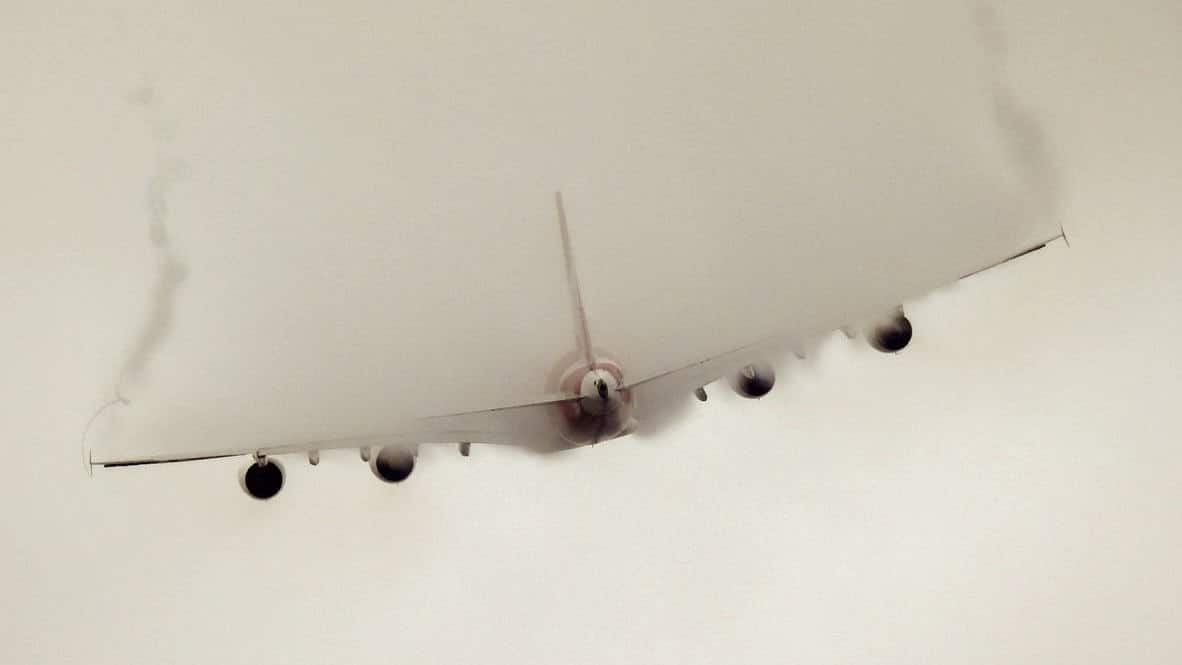
Company plans solar geoengineering to cool Earth
Photograph: Duurzaamnieuws (embedded from source)
What this story says
- Stardust Solutions, an Israeli-US company, is developing solar geoengineering technology to cool the planet by spraying particles into the atmosphere.
- The proposed method uses particles made from amorphous silica and calcium carbonate, with each million-ton deployment costing $10 billion and requiring annual replenishment.
- Scientists have raised concerns about potential disastrous global implications, including altered weather patterns and human health impacts.
- Experts are also worried about a for-profit company developing technology with potentially huge and unpredictable repercussions.
Who covered it
Percentages are shares of the 14 outlets carrying a published leaning rating. 7 of the 21 outlets we know ran this story carry no rating and are not counted in them. Coverage measured .
Trust
42/100
Craft
57/100
Hype
60/100
21 sources · methodology
Stardust Solutions, an Israeli-US company founded in 2023, is developing a method of solar geoengineering intended to cool the planet. The technology involves spraying particles into the atmosphere to reflect sunlight. The company's proposed particles are made from amorphous silica and calcium carbonate, substances found in food additives and eggshells respectively. According to the company, each million-ton deployment of these particles would cost approximately $10 billion and would need to be replenished annually.
Scientists have expressed significant concerns about the potential implications of this technology. These include the possibility of disastrous global consequences such as altered weather patterns and adverse human health impacts. Some experts are particularly wary of a for-profit company developing technology that could have vast and unpredictable repercussions on a global scale.
Disagreement on particle safety
While Stardust Solutions claims its particle design accounts for risks like the "hitchhiker hypothesis", where particles could pick up harmful substances, and that silica is considered safe, some experts remain unconvinced. David Keith, a professor of geophysical sciences, stated that Stardust is "greatly overclaiming to say that they’re confident the risks [of their particles] are lower than with sulfur." Kelly Wanser, executive director of SilverLining, noted that it remains unclear how the particles will behave at scale in the atmosphere.
What the coverage left out
None of the left- or centre-rated reports mention the specific figure of $75 million that Stardust Solutions has raised from investors, a detail present in the full report from KIFI.
Coverage settled. We checked this 213 times and stopped on 14 Sept 2026, 03:30. The figures above are what it finished at.
How each side covered it
Our own reading of the reporting listed below, written from the outlets’ articles rather than quoted from them. The reasoning is set out on our methodology page.
Left
4 rated outlets
- Left-rated reports highlighted the controversial nature of solar geoengineering and the potential for negative global consequences. Politico noted that the company aims to "make billions of dollars" through its plan to block sun rays. EU Observer stated that "blocking the sun to cool the planet is bound to go wrong," emphasizing the need for decades or centuries of maintenance and a "zero" margin of error. Heatmap.news featured an interview with Stardust Solutions CEO Yanai Yedvab, while CNN and Politico both mentioned scientists raising red flags about the technology's potential impacts.
Centre
10 rated outlets
- Centre-rated reports focused on the company's proposal and the scientific warnings it has generated. Multiple outlets, including KIFI, Washington Top News, KRDO, KVIA, KEYT, KMIZ, KESQ, and kioncentralcoast.com, used similar phrasing, stating that the company "says it can help cool the planet for $10 billion a year; scientists are raising red flags." The Times of Israel reported that the company is "aiming to cool the Earth with masses of tiny particles" but that critics warn of dangers in "playing with weather."
Right
0 rated outlets
No outlet rated right ran this story. We watched the coverage until it stopped changing, and none appeared.
Questions about this coverage
- How did the left and right cover Company plans solar geoengineering to cool Earth?
- Of the 14 outlets on this story carrying a published leaning rating, 29% are rated left, 71% are rated centre, 0% are rated right. Those percentages are shares of the rated outlets, not of every outlet that ran it, which was 21. The sections above set out what each side emphasised, in its own terms.
- Is Company plans solar geoengineering to cool Earth left or right?
- The story itself is neither. What can be counted is who has covered it, and 71% of the 14 rated outlets on it are rated centre — so far this is a story carried mostly by the centre. Coverage of this one has settled, so that is unlikely to move much now.
- Is the coverage of Company plans solar geoengineering to cool Earth biased?
- Company plans solar geoengineering to cool Earth is one event reported by 21 outlets, and this page does not rate the story as biased or unbiased. What it publishes is the spread: which outlets ran it, where named rating organisations place each of them on the spectrum, and what each side chose to lead with. A leaning rating describes an outlet's record over time, not this article, and the two should not be run together.
- Which outlets covered Company plans solar geoengineering to cool Earth?
- 21 that we know of, every one of them listed further up this page with a link to its own report and to what we hold on the publisher. Nothing here is a summary of somebody else's summary: the outlets are named so the original reporting can be read.
- What is Stardust Solutions' plan to cool the planet?
- Stardust Solutions, an Israeli-US company, plans to use solar geoengineering by spraying particles made from amorphous silica and calcium carbonate into the atmosphere. The goal is to reflect sunlight and reduce global temperatures.
- How much would Stardust Solutions' plan cost?
- The company estimates that each million-ton deployment of particles would cost approximately $10 billion. This would need to be replenished annually, according to Stardust Solutions.
- What are the main concerns raised by scientists?
- Scientists are concerned about potentially disastrous global implications, including altered weather patterns and human health impacts. There is also apprehension about a for-profit company developing technology with unpredictable repercussions.
Read it at the source
21 outlets, grouped by the leaning a published rating gives them. Every headline links to the original; an underlined outlet name opens our profile of that publisher.
Left
4- A closely guarded plan to cool Earth is revealed (opens Politico in a new tab)
- This company says it can help cool the planet for $10 billion a year; scientists are raising red flags (opens CNN in a new tab)
- The Company That’s Raised $60 Million to Geoengineer the Planet (opens heatmap.news in a new tab)
heatmap.news — is heatmap.news biased? Our profile of this outlet
- Why blocking the sun to cool the planet is bound to go wrong (opens EU Observer in a new tab)
EU Observer — is EU Observer biased? Our profile of this outlet
Centre
10- Israeli tech company aiming to cool the Earth with masses of tiny particles (opens The Times of Israel in a new tab)
The Times of Israel — is The Times of Israel biased? Our profile of this outlet
- This company says it can help cool the planet for $10 billion a year; scientists are raising red flags – WTOP News (opens Washington Top News in a new tab)
Washington Top News — is Washington Top News biased? Our profile of this outlet
- Company Claims It Can Help Cool the Planet for US$10 Billion a Year. Scientists Sound the Alarm. (opens KEZI 9 News in a new tab)
KEZI 9 News — is KEZI 9 News biased? Our profile of this outlet
- This company says it can help cool the planet for $10 billion a year; scientists are raising red flags (opens kioncentralcoast.com in a new tab)
kioncentralcoast.com — is kioncentralcoast.com biased? Our profile of this outlet
- This company says it can help cool the planet for $10 billion a year; scientists are raising red flags (opens KESQ in a new tab)
- This company says it can help cool the planet for $10 billion a year; scientists are raising red flags (opens KMIZ in a new tab)
- This company says it can help cool the planet for $10 billion a year; scientists are raising red flags (opens KEYT in a new tab)
- This company says it can help cool the planet for $10 billion a year; scientists are raising red flags (opens KVIA in a new tab)
Right
0No outlet in this group ran the story.
Not rated
7- Company Claims It Can Help Cool the Planet by 10,000 Mdd per Year. Scientists Give the Voice of Alarm (opens EstamosAquí MX in a new tab)
EstamosAquí MX — is EstamosAquí MX biased? Our profile of this outlet
- Israeli Startup Wants to Cool the Earth. Scientists Sound the Alarm (opens Rzeczpospolita in a new tab)
Rzeczpospolita — is Rzeczpospolita biased? Our profile of this outlet
- Blocking Sunlight to Cool the Planet: Playing Russian Roulette with the Climate (opens Duurzaamnieuws in a new tab)
Duurzaamnieuws — is Duurzaamnieuws biased? Our profile of this outletOpinion
- One Company Claims to Have Discovered How to Cool the Planet for $10 Billion with Eggshell Ore, but Scientists Sound the Alert (opens CNN Brasil in a new tab)
CNN Brasil — is CNN Brasil biased? Our profile of this outlet
- Global Warming: Company Claims It Can Cool the Planet (opens skai.gr in a new tab)
- Stardust Solutions Develops Solar Geoengineering to Cool Earth as Scientists Warn of Global Risks (opens mezha.net in a new tab)
- Inside the most sophisticated plan for solar geoengineering (opens latitudemedia.com in a new tab)
latitudemedia.com
How did this read?
About the coverage, not about the story. We do not ask whether you agree with what happened — we have no honest use for that answer.
More in Climate
All Climate →


Elsewhere on the site
 Science & Tech•2 min readUN Agency Predicts Nuclear Power Tripling by 2060
 Politics•2 min readWest Virginia AG Probes Environmental Groups Over Climate Advocacy
 Conflict & Security•4 min readStarlink Terminals Exceed 161 km/h Speed Limit in Ukraine
![US Defense Secretary Pete Hegseth speaks at a roundtable event in the East Room of the White House in Washington, DC [File: Alex Brandon/AP]](https://www.aljazeera.com/wp-content/uploads/2026/10/ap_6adc26d70ecfc-1792812759.jpg?resize=1920%2C1440) Politics•3 min readUS Pentagon names Confucius Institutes national security threat
Politics•3 min readUS Pentagon names Confucius Institutes national security threat