Canada's climate impacts largely irreversible, new report states
Government assessment warns of significant temperature rise, glacier melt, and increased wildfire risk.
AI-assisted coverage comparison, editor-supervised · How this was made
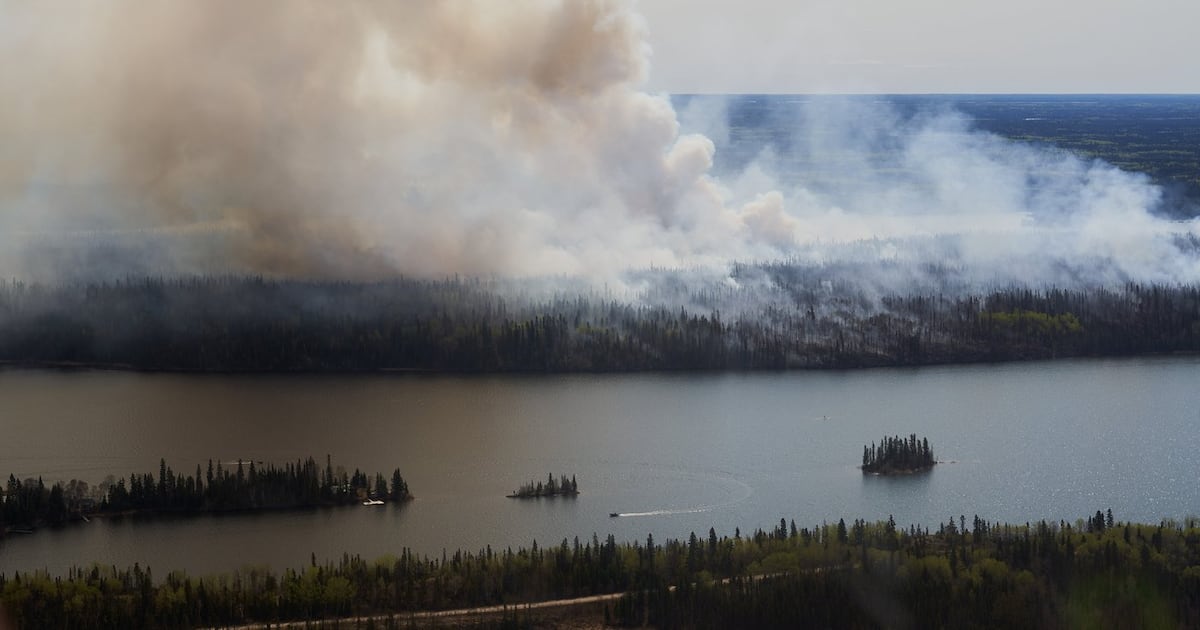
Canada's climate impacts largely irreversible, new report states
Photograph: CTV News (embedded from source)
What this story says
- Canada's climate change impacts are now largely irreversible, according to a new government report.
- Average temperatures in Canada are projected to rise by at least 3.5 C by the end of the century, potentially reaching 5 C with current global policies.
- Glaciers in Western Canada could lose over 75 per cent of their mass, and the area burned by wildfires may increase by nearly 50 per cent.
- The report highlights increased frequency and severity of droughts and flash floods, alongside rising Lyme disease cases and wildfire smoke costs.
Who covered it
Percentages are shares of the 27 outlets carrying a published leaning rating. 3 of the 30 outlets we know ran this story carry no rating and are not counted in them. Coverage measured .
Trust
50/100
Craft
58/100
Hype
20/100
30 sources · methodology
Thin on the right so far
None of the 27 outlets with a published leaning rating that ran this story are rated right.
This story is still being watched, so it is a count and not yet a finding. Coverage keeps arriving for hours after an event, and a side that has published nothing this morning may publish by tonight. If it is still true when we stop checking, we will say so plainly.
The impacts of climate change in Canada are now largely irreversible, a new federal government report states. Average temperatures across the country are expected to rise by at least 3.5 degrees Celsius by the end of the century. Even if global net-zero emissions are achieved by 2075, Canada faces significant consequences, including a nearly 50 per cent increase in the area affected by wildfires and a projected loss of more than 75 per cent of glacier mass in Western Canada. With current global climate policies, average temperatures are expected to rise by five degrees Celsius by 2100.
The report, authored by nearly two dozen government and climate science experts, also warns of more frequent and severe droughts and flash floods. It notes that wildfire smoke incurred costs between $410 million and $1.8 billion annually between 2013 and 2018. Cases of Lyme disease in Canada increased from 144 in 2009 to 2,525 in 2022.
Disagreement on government action
Ryan Ness, adaptation research director at the Canadian Climate Institute, noted a contrast between the report's findings and the level of action taken by Canadian governments. He stated that adaptation efforts are not progressing quickly enough. In contrast, the office of Environment Minister Julie Dabrusin stated the government is committed to net-zero by 2050 and has committed over $2.1 billion to implement the National Adaptation Strategy.
What the coverage left out
None of the left- or centre-rated reports printed below mention the specific details of Prime Minister Mark Carney's alleged policy changes, such as eliminating the consumer carbon price or weakening the industrial carbon pricing system, as reported by CTV News.
Still developing. We have re-checked which outlets are covering this 3 times, most recently on 4 Sept 2026, 20:30, and will add the sides that appear.
How each side covered it
Our own reading of the reporting listed below, written from the outlets’ articles rather than quoted from them. The reasoning is set out on our methodology page.
Left
15 rated outlets
- Left-rated reports led on the irreversibility of climate change impacts in Canada and the projected temperature rise. They highlighted the stark consequences, such as glacier melt and increased wildfire risk, even with emissions reductions. Several reports included commentary from Environmental Defence Canada, with associate director Julia Levin calling the report a "stark warning" and a "call to action" that depends on current policy choices. Some left-rated reports also mentioned the increased costs of wildfire smoke and the rise in Lyme disease cases.
Centre
12 rated outlets
- Centre-rated reports focused on the core findings of the federal report, stating that climate change impacts in Canada are largely irreversible and projecting significant temperature increases by the end of the century. They also noted the projected loss of glacier mass and the increase in wildfire area. Some centre-rated reports included the government's response, mentioning the commitment of over $2.1 billion to the National Adaptation Strategy.
Right
0 rated outlets
No outlet rated right has run this story so far. We are still checking, and will say plainly if that does not change.
Questions about this coverage
- How did the left and right cover Canada's climate impacts largely irreversible, new report states?
- Of the 27 outlets on this story carrying a published leaning rating, 56% are rated left, 44% are rated centre, 0% are rated right. Those percentages are shares of the rated outlets, not of every outlet that ran it, which was 30. The sections above set out what each side emphasised, in its own terms.
- Is Canada's climate impacts largely irreversible, new report states left or right?
- Neither side dominates it. Of the 27 rated outlets on this story, 56% are rated left, 44% are rated centre, 0% are rated right, and no side holds the 70% this site would want before calling a field one-sided. A story is not left or right in any case; the outlets that carried it are what carry ratings.
- Is the coverage of Canada's climate impacts largely irreversible, new report states biased?
- Canada's climate impacts largely irreversible, new report states is one event reported by 30 outlets, and this page does not rate the story as biased or unbiased. What it publishes is the spread: which outlets ran it, where named rating organisations place each of them on the spectrum, and what each side chose to lead with. A leaning rating describes an outlet's record over time, not this article, and the two should not be run together.
- Which side is not reporting Canada's climate impacts largely irreversible, new report states?
- When we first saw this story, outlets rated right had barely covered it. Coverage accretes for hours after an event, so that is where to look rather than a verdict — the split above is the current count, and it is the one to read.
- Which outlets covered Canada's climate impacts largely irreversible, new report states?
- 30 that we know of, every one of them listed further up this page with a link to its own report and to what we hold on the publisher. Nothing here is a summary of somebody else's summary: the outlets are named so the original reporting can be read.
- What are the main findings of the new federal climate report?
- The report states that climate change impacts in Canada are largely irreversible. It projects average temperatures to rise by at least 3.5 C by the end of the century, with glaciers in Western Canada losing over 75 per cent of their mass and the area burned by wildfires potentially increasing by nearly 50 per cent.
- What is the projected temperature increase for Canada by 2100?
- With current global climate policies, average temperatures in Canada are expected to rise by five degrees Celsius by the year 2100. Even with net-zero emissions by 2075, a rise of at least 3.5 C is anticipated.
- What are some of the economic and health impacts mentioned in the report?
- The report highlights that wildfire smoke costs between $410 million and $1.8 billion annually between 2013 and 2018. It also notes a significant increase in Lyme disease cases, rising from 144 in 2009 to 2,525 in 2022.
Read it at the source
30 outlets, grouped by the leaning a published rating gives them. Every headline links to the original; an underlined outlet name opens our profile of that publisher.
Left
15- Climate change impacts largely 'irreversible' says federal report (opens APTN News in a new tab)
- Changes to Canada's climate now 'irreversible,' federal report says (opens iPolitics in a new tab)
- Changes to Canada's climate now 'irreversible,' federal report says (opens National Observer in a new tab)
National Observer — is National Observer biased? Our profile of this outlet
- Changes to Canada's climate now 'irreversible,' federal report says (opens Timmins Today in a new tab)
Timmins Today — is Timmins Today biased? Our profile of this outlet
- Changes to Canada's climate now 'irreversible,' federal report says (opens The NOTL Local in a new tab)
The NOTL Local — is The NOTL Local biased? Our profile of this outlet
- Changes to Canada's climate now 'irreversible,' federal report says (opens ElliotLakeToday.com in a new tab)
ElliotLakeToday.com — is ElliotLakeToday.com biased? Our profile of this outlet
- Changes to Canada's climate now 'irreversible,' federal report says (opens Guelph Today in a new tab)
Guelph Today — is Guelph Today biased? Our profile of this outlet
- Changes to Canada's climate now 'irreversible,' federal report says (opens Bay Today in a new tab)
Show 7 more
- Changes to Canada's climate now 'irreversible,' federal report says (opens Sudbury in a new tab)
- Changes to Canada's climate now 'irreversible,' federal report says (opens Elora Fergus Today in a new tab)
Elora Fergus Today — is Elora Fergus Today biased? Our profile of this outlet
- Changes to Canada's climate now 'irreversible,' federal report says (opens Thorold Today in a new tab)
Thorold Today — is Thorold Today biased? Our profile of this outlet
- Changes to Canada's climate now 'irreversible,' federal report says (opens Orillia Matters in a new tab)
Orillia Matters — is Orillia Matters biased? Our profile of this outlet
- Changes to Canada's climate now 'irreversible,' federal report says (opens SooToday.com in a new tab)
SooToday.com — is SooToday.com biased? Our profile of this outlet
- Changes to Canada's climate now 'irreversible,' federal report says (opens Rocky Mountain Outlook in a new tab)
Rocky Mountain Outlook — is Rocky Mountain Outlook biased? Our profile of this outlet
- Changes to Canada’s climate now ‘irreversible,’ federal report says (opens The Toronto Star in a new tab)
The Toronto Star — is The Toronto Star biased? Our profile of this outlet
Centre
12- Changes to Canada's climate now 'irreversible,' federal report says (opens Castanet in a new tab)
- Changes to Canada's climate now 'irreversible,' federal report says (opens CTV News in a new tab)
- Climate Change Is Highly Irreversible in Canada, with... (opens Le Devoir in a new tab)
- Changes to Canada’s climate now ‘irreversible,’ federal report says (opens Ckpg Today in a new tab)
Ckpg Today — is Ckpg Today biased? Our profile of this outlet
- Changes to Canada’s climate now ‘irreversible,’ federal report says (opens meadowlakeNOW in a new tab)
meadowlakeNOW — is meadowlakeNOW biased? Our profile of this outlet
- Changes to Canada’s climate now ‘irreversible,’ federal report says (opens Battlefords NOW in a new tab)
Battlefords NOW — is Battlefords NOW biased? Our profile of this outlet
- Changes to Canada's climate now 'irreversible,' federal report says (opens Chek news in a new tab)
- Changes to Canada's climate now 'irreversible,' federal report says (opens Narcity in a new tab)
Show 4 more
- Changes to Canada's climate now 'irreversible,' federal report says (opens Medicine Hat News in a new tab)
Medicine Hat News — is Medicine Hat News biased? Our profile of this outlet
- Changes to Canada's climate now 'irreversible,' federal report says (opens Winnipeg Free Press in a new tab)
Winnipeg Free Press — is Winnipeg Free Press biased? Our profile of this outlet
- Changes to Canada’s climate now ‘irreversible,’ federal report says (opens CFJC Today Kamloops in a new tab)
CFJC Today Kamloops — is CFJC Today Kamloops biased? Our profile of this outlet
- Ottawa issues comprehensive climate report that reflects country’s physical transformation (opens The Globe & Mail in a new tab)
The Globe & Mail — is The Globe & Mail biased? Our profile of this outlet
Right
0No outlet in this group ran the story.
Not rated
3- Canada’s Latest Climate Report Should Be Call to Action, Instead Gov’t Tried to Bury It (opens niagaraatlarge.com in a new tab)
niagaraatlarge.com — is niagaraatlarge.com biased? Our profile of this outletOpinion
- Changes to Canada’s climate now ‘irreversible,’ federal report says (opens Loonie Politics in a new tab)
Loonie Politics — is Loonie Politics biased? Our profile of this outlet
- Changes to Canada's climate now 'irreversible,' federal report says (opens Airdrie City View in a new tab)
Airdrie City View — is Airdrie City View biased? Our profile of this outlet
How did this read?
About the coverage, not about the story. We do not ask whether you agree with what happened — we have no honest use for that answer.
More in Climate
All Climate →


Elsewhere on the site
 Politics•2 min readCarney tells Trump administration to stop 'memes' and 'shade'
 Politics•5 min readGeorge Clooney criticises US defence secretary over mockery of Canadian cadets
 Business & Economy•3 min readUK government poised to approve Jackdaw gas field
 Politics•4 min readCanada defends transgender inmate transfer policy after assault charges