Gold mining expands sevenfold on Brazilian Indigenous lands
Analysis shows mining area across Amazon is 20 times larger than in 1985
AI-assisted coverage comparison, editor-supervised · How this was made

Gold mining expands sevenfold on Brazilian Indigenous lands
Photograph: Washington Top News (embedded from source)
What this story says
- Gold mining has expanded nearly sevenfold on Indigenous lands in the Brazilian Amazon between 2016 and 2024.
- The total area affected by gold mining across the Amazon region was 20 times larger in 2024 than in 1985.
- Record gold prices are driving a mining rush that increases deforestation and mercury contamination.
- Almost 90% of the affected area is concentrated in three Indigenous territories, including the Munduruku Indigenous Territory.
Who covered it
Percentages are shares of the 12 outlets carrying a published leaning rating. 1 of the 13 outlets we know ran this story carry no rating and are not counted in them. Coverage measured .
Trust
60/100
Craft
60/100
Hype
20/100
13 sources · methodology
Thin on the right so far
None of the 12 outlets with a published leaning rating that ran this story are rated right.
This story is still being watched, so it is a count and not yet a finding. Coverage keeps arriving for hours after an event, and a side that has published nothing this morning may publish by tonight. If it is still true when we stop checking, we will say so plainly.
Gold mining has expanded at its fastest rate on Indigenous lands within the Brazilian Amazon, according to an analysis by the Amazon Environmental Research Institute (IPAM). The area affected by gold mining across the Amazon region was 20 times larger in 2024 than it was in 1985. Between 2016 and 2024 alone, the area of mining on Indigenous lands expanded nearly sevenfold.
Record-breaking gold prices, largely due to investor demand for safe assets amid global risks, have fuelled a renewed mining rush in the Amazon. This surge has led to increased deforestation and mercury contamination of rivers and Indigenous communities. IPAM stated that this mining activity exacerbates climate risks for these communities, which are already facing intensified droughts and heat due to human-driven climate change. Extreme weather events threaten access to water, food, transportation, and healthcare, while illegal mining further degrades the environment and causes health problems and violence.
Almost 90% of the mining-affected area is concentrated in three Indigenous territories. The Munduruku Indigenous Territory in the northern state of Para is one of these. Representatives from the Inter-American Court of Human Rights visited Para earlier this month to assess Brazil's compliance with measures to protect Indigenous rights. Munduruku leaders presented evidence of illegal miners returning to the territory after federal operations expelled them in 2024 and 2025. They also reported increased malaria cases, higher infant mortality, and developmental delays in children linked to mercury contamination.
Brazilian law prohibits mining on Indigenous lands. Under President Luiz Inácio Lula da Silva, authorities have increased efforts to combat illegal mining through operations targeting criminal networks and the use of forensic science to trace gold. However, enforcement has not eradicated the problem, as miners often relocate or resume operations after officials depart. As of August, Indigenous watchdogs had identified 10 new illegal mining sites in the Munduruku territory. The Articulation of Indigenous Peoples of Brazil (Apib) stated that protecting the territory requires more than removing invaders, describing the activity as part of a transnational criminal economy involving armed groups, drug trafficking, and the use of mining permits to legitimise illegally extracted gold.
Coverage comparison
What the coverage left out
None of the left-rated or centre-rated reports mention the specific figure of 24 times as much land covered by mining on Indigenous lands, a detail present in the full report from Washington Top News.
Still developing. We have re-checked which outlets are covering this 5 times, most recently on 15 Sept 2026, 23:15, and will add the sides that appear.
How each side covered it
Our own reading of the reporting listed below, written from the outlets’ articles rather than quoted from them. The reasoning is set out on our methodology page.
Left
8 rated outlets
- Reports from outlets rated left led on the expansion of gold mining on Indigenous lands and the associated threats. They highlighted the near sevenfold increase in mining on these lands between 2016 and 2024, and the overall 20-fold increase across the Amazon since 1985. These reports noted that record gold prices are driving the mining rush, leading to increased deforestation and mercury contamination. They also mentioned that almost 90% of the affected area is concentrated in three territories, including the Munduruku Indigenous Territory. The reports noted the Brazilian government's stepped-up efforts to combat illegal mining under President Lula da Silva, but also acknowledged that enforcement has not eliminated the problem. The role of transnational criminal economies and the use of mining permits to provide a veneer of legality were also mentioned.
Centre
4 rated outlets
- Reports from outlets rated centre focused on the significant threat posed by gold mining expansion to Indigenous lands in the Brazilian Amazon. They stated that the area affected by mining across the Amazon was 20 times larger in 2024 than in 1985, and that the growth was even more dramatic on Indigenous lands, where mining covered 24 times as much land. These reports mentioned record gold prices as a driver for the mining rush, leading to increased deforestation and mercury contamination. They also noted that almost 90% of the affected area is concentrated in three territories, including the Munduruku Indigenous Territory. The reports indicated that Brazilian law prohibits mining on Indigenous lands and mentioned government efforts to combat illegal mining, while acknowledging that enforcement has not eliminated the issue.
Right
0 rated outlets
No outlet rated right has run this story so far. We are still checking, and will say plainly if that does not change.
Questions about this coverage
- How did the left and right cover Gold mining expands sevenfold on Brazilian Indigenous lands?
- Of the 12 outlets on this story carrying a published leaning rating, 67% are rated left, 33% are rated centre, 0% are rated right. Those percentages are shares of the rated outlets, not of every outlet that ran it, which was 13. The sections above set out what each side emphasised, in its own terms.
- Is Gold mining expands sevenfold on Brazilian Indigenous lands left or right?
- Neither side dominates it. Of the 12 rated outlets on this story, 67% are rated left, 33% are rated centre, 0% are rated right, and no side holds the 70% this site would want before calling a field one-sided. A story is not left or right in any case; the outlets that carried it are what carry ratings.
- Is the coverage of Gold mining expands sevenfold on Brazilian Indigenous lands biased?
- Gold mining expands sevenfold on Brazilian Indigenous lands is one event reported by 13 outlets, and this page does not rate the story as biased or unbiased. What it publishes is the spread: which outlets ran it, where named rating organisations place each of them on the spectrum, and what each side chose to lead with. A leaning rating describes an outlet's record over time, not this article, and the two should not be run together.
- Which side is not reporting Gold mining expands sevenfold on Brazilian Indigenous lands?
- When we first saw this story, outlets rated right had barely covered it. Coverage accretes for hours after an event, so that is where to look rather than a verdict — the split above is the current count, and it is the one to read.
- Which outlets covered Gold mining expands sevenfold on Brazilian Indigenous lands?
- 13 that we know of, every one of them listed further up this page with a link to its own report and to what we hold on the publisher. Nothing here is a summary of somebody else's summary: the outlets are named so the original reporting can be read.
- How much has gold mining expanded on Indigenous lands in the Brazilian Amazon?
- Gold mining has expanded nearly sevenfold on Indigenous lands in the Brazilian Amazon between 2016 and 2024. The total area affected by gold mining across the wider Amazon region is 20 times larger in 2024 than it was in 1985.
- What is driving the increase in gold mining in the Amazon?
- Record-breaking gold prices, largely driven by investor demand for safe assets amid rising global risks, are fuelling a renewed mining rush in the Amazon. This has led to increased deforestation and mercury contamination.
- Which Indigenous territories are most affected by gold mining?
- Almost 90% of the area affected by gold mining is concentrated in three Indigenous territories. The Munduruku Indigenous Territory in the northern state of Para is one of these heavily impacted areas.
- Is mining legal on Indigenous lands in Brazil?
- No, Brazilian law prohibits mining on Indigenous lands. Despite this, illegal mining continues, with miners often relocating or resuming operations after authorities conduct enforcement actions.
Read it at the source
13 outlets, grouped by the leaning a published rating gives them. Every headline links to the original; an underlined outlet name opens our profile of that publisher.
Left
8- Gold mining expands fastest on Indigenous lands in Brazil's Amazon, new ... (opens The Washington Post in a new tab)
The Washington Post — is The Washington Post biased? Our profile of this outlet
- Gold mining expands fastest on Indigenous lands in Brazil's Amazon, new analysis finds (opens Newsday in a new tab)
- Gold mining expands fastest on Indigenous lands in Brazil’s Amazon, new analysis finds (opens The Independent (US) in a new tab)
The Independent (US) — is The Independent (US) biased? Our profile of this outlet
- Gold mining expands fastest on Indigenous lands in Brazil’s Amazon, new analysis finds (opens Associated Press News in a new tab)
Associated Press News — is Associated Press News biased? Our profile of this outlet
- Gold mining expands fastest on Indigenous lands in Brazil’s Amazon, new analysis finds (opens The Independent in a new tab)
The Independent — is The Independent biased? Our profile of this outlet
- Gold mining expands fastest on Indigenous lands in Brazil’s Amazon, new analysis finds (opens ABC News in a new tab)
- Gold mining expands fastest on Indigenous lands in Brazil’s Amazon, new analysis finds (opens The Hamilton Spectator in a new tab)
The Hamilton Spectator — is The Hamilton Spectator biased? Our profile of this outlet
- Gold mining expands fastest on Indigenous lands in Brazil’s Amazon, new analysis finds (opens The Record in a new tab)
The Record — is The Record biased? Our profile of this outlet
Centre
4- Gold mining expands fastest on Indigenous lands in Brazil’s Amazon, new analysis finds – WTOP News (opens Washington Top News in a new tab)
Washington Top News — is Washington Top News biased? Our profile of this outlet
- Gold mining expands fastest on Indigenous lands in Brazil’s Amazon, new analysis finds (opens WFMZ in a new tab)
- Gold mining expands fastest on Indigenous lands in Brazil’s Amazon, new analysis finds (opens WKMG in a new tab)
- Gold mining expands fastest on Indigenous lands in Brazil’s Amazon, new analysis finds (opens Winnipeg Free Press in a new tab)
Winnipeg Free Press — is Winnipeg Free Press biased? Our profile of this outlet
Right
0No outlet in this group ran the story.
Not rated
1How did this read?
About the coverage, not about the story. We do not ask whether you agree with what happened — we have no honest use for that answer.
More in Climate
All Climate →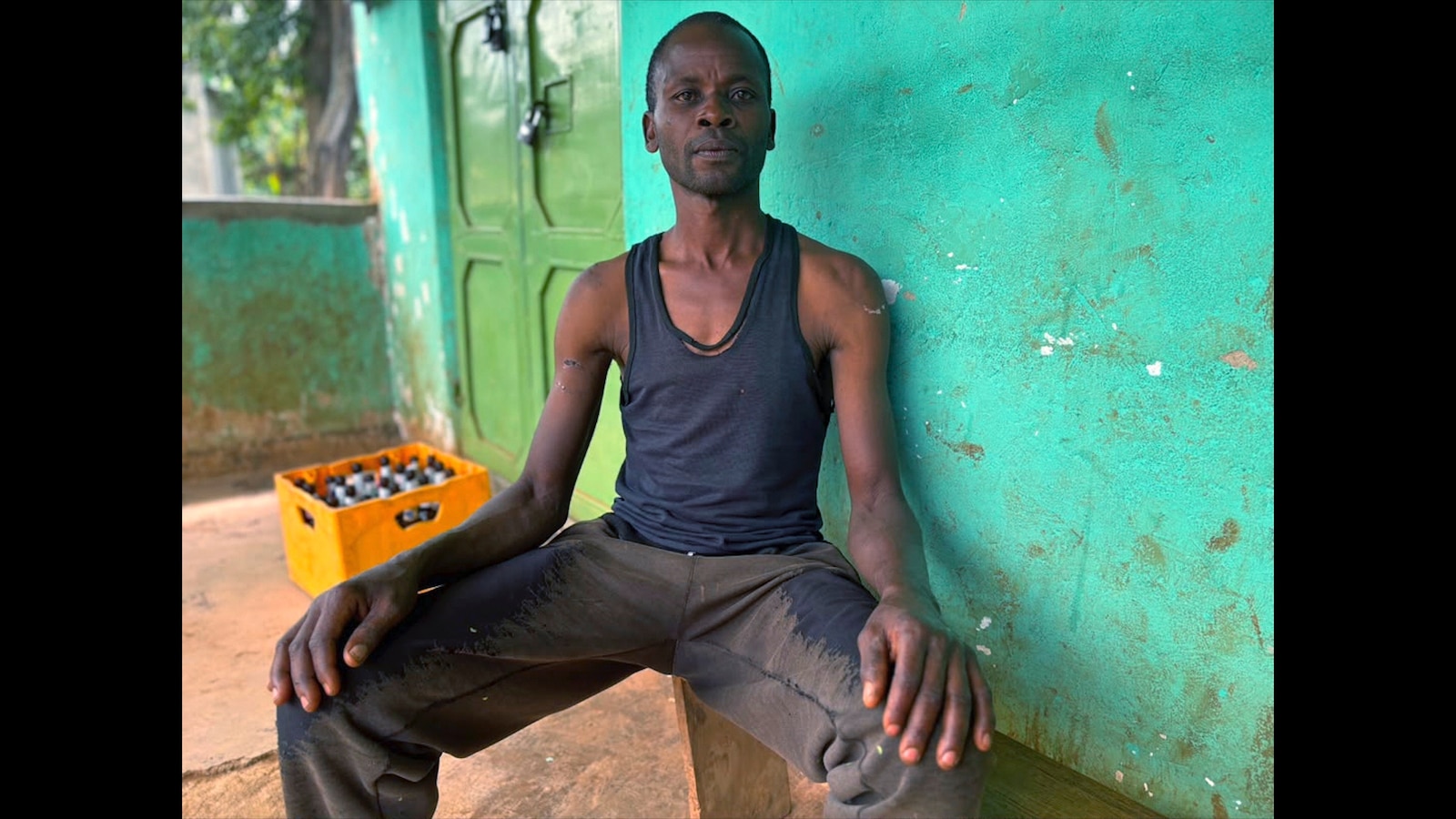
Elsewhere on the site
 Health•3 min readIndigenous leader Raoni diagnosed with cancer at 94
 Politics•3 min readAlex Saab to plead guilty in US money laundering case
 Politics•3 min readTrump Criticizes Appointed Justices After Mail Ballot Ruling
 Politics•3 min readUS Attorney General Todd Blanche: DOJ to probe AI crimes, not regulate