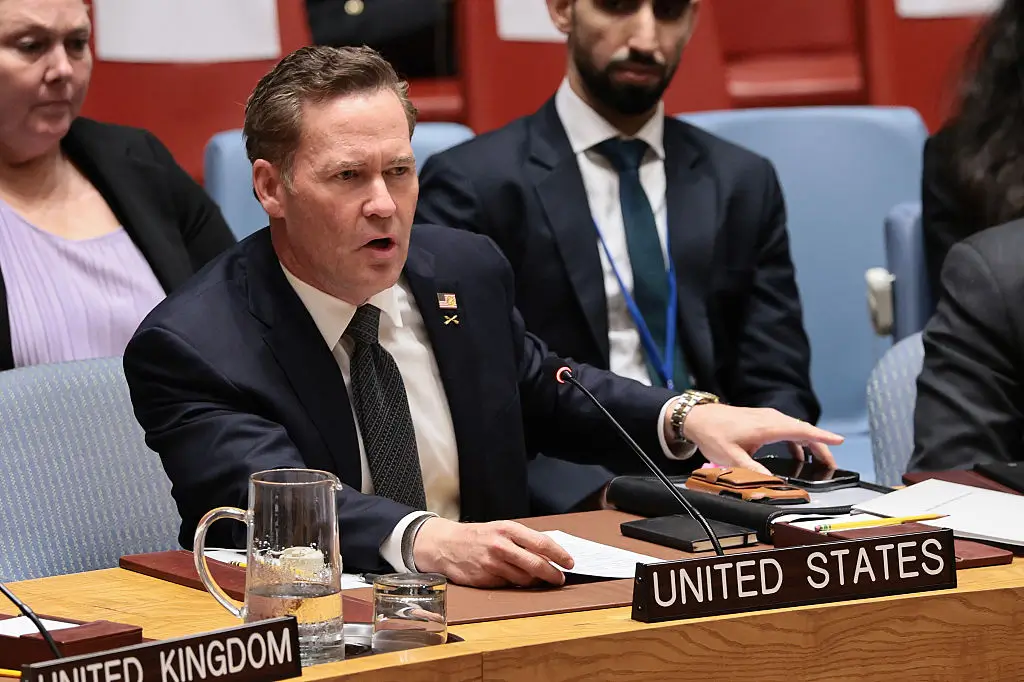
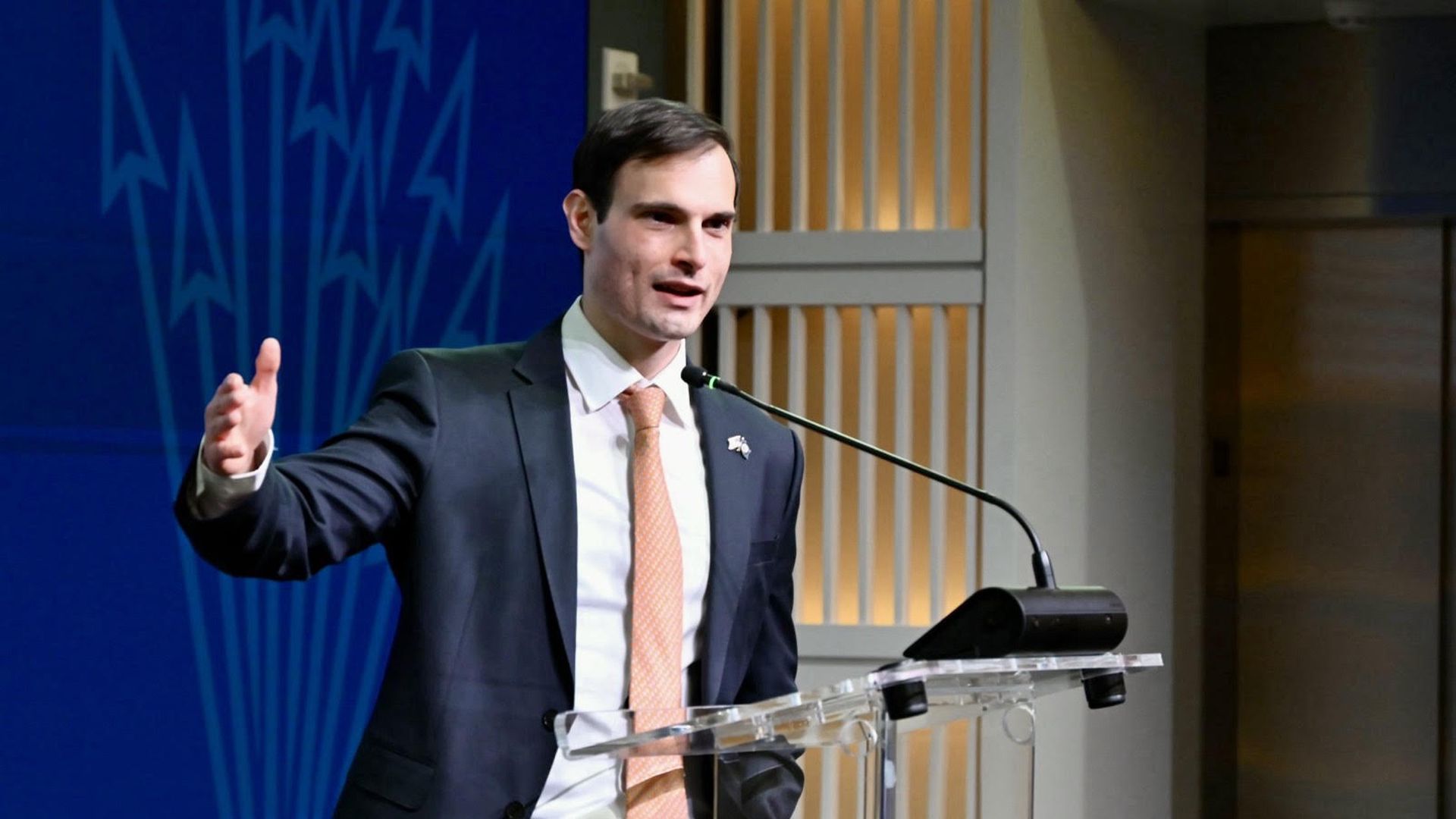
US lawmakers urge opposition to Colombia’s Amazon aerial spraying plan
A letter led by Rep. Mark Pocan warns that restarting herbicide spraying could harm health and the rainforest, while Colombia proposes a pilot on 1,000 hectares using glufosinate ammonium.
AI-assisted coverage comparison, editor-supervised · How this was made
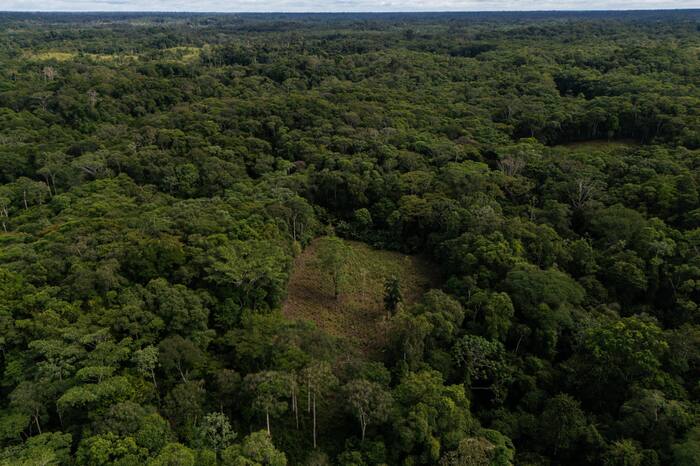
Your scare-cast includes isolated showers for trick-or-treating.
Photograph: WKMG (embedded from source)
What this story says
- US lawmakers led by Rep. Mark Pocan sent a letter to Secretary of State Marco Rubio urging opposition to Colombia’s plan to restart aerial spraying of coca in the Amazon.
- The letter warns the spraying could threaten human health and fragile Amazon ecosystems and notes the proposed use of glufosinate ammonium, a herbicide banned in the EU.
- Colombia’s pilot would target up to 1,000 hectares in Putumayo, while the country remains the world’s largest cocaine producer with a record 261,000 hectares of coca in 2024.
- Centre‑rated outlets provided detailed context and quotations; left‑rated digests reported only the basic warning.
Who covered it
Percentages are shares of the 8 outlets carrying a published leaning rating. Coverage measured .
Trust
70/100
Craft
70/100
Hype
15/100
8 sources · methodology
Thin on the right so far
None of the 8 outlets with a published leaning rating that ran this story are rated right.
This story is still being watched, so it is a count and not yet a finding. Coverage keeps arriving for hours after an event, and a side that has published nothing this morning may publish by tonight. If it is still true when we stop checking, we will say so plainly.
On 29 October 2026 a coalition of 19 US lawmakers, the letter’s lead being Rep. Mark Pocan, D‑Wis., wrote to Secretary of State Marco Rubio asking the administration not to support Colombia’s plan to restart aerial spraying of coca crops in the Amazon rainforest. The lawmakers warned that the practice could endanger human health and damage the region’s fragile ecosystems.
Colombia’s president, Abelardo de la Espriella, has proposed a pilot project to spray up to 1,000 hectares (2,471 acres) of coca in the Putumayo department, bordering Ecuador and Peru. The pilot would replace glyphosate with glufosinate ammonium, a herbicide that lost EU approval in 2018. The country remains the world’s largest cocaine producer, with coca cultivation reaching a record 261,000 hectares in 2024, according to United Nations data.
The proposal revives a strategy suspended in 2015 after the World Health Organization classified glyphosate as probably carcinogenic. Critics argue that aerial fumigation has failed to curb cultivation and can push farmers to clear new forest areas, while supporters claim it offers a faster, safer alternative to ground operations.
“"We have serious concerns about both health concerns for people in that region and environmental concerns in such an environmentally sensitive area," Pocan told the AP.”
261,000 hectares
Record coca cultivation in 2024
United Nations figures cited by centre‑rated reports
What the coverage left out
No right‑rated outlet ran the story, creating a blindspot on the right. Additionally, none of the left‑rated digests mentioned the record 261,000‑hectare coca cultivation figure or the specific 1,000‑hectare pilot size that centre‑rated reports highlighted.
Still developing. We have re-checked which outlets are covering this 1 time, most recently on 30 Oct 2026, 01:00, and will add the sides that appear.
How each side covered it
Our own reading of the reporting listed below, written from the outlets’ articles rather than quoted from them. The reasoning is set out on our methodology page.
Left
5 rated outlets
- All four left‑rated digests (The Independent, AP News, The Independent US and La Silla Vacía) led on the fact that a group of US lawmakers is urging Secretary of State Marco Rubio not to support Colombia’s aerial spraying plan. Each digest highlighted the warning that the programme poses risks to human health and the environment. La Silla Vacía added that the Democrats argue the strategy has not been effective in reducing coca crops. None of the left digests included the record 261,000‑hectare cultivation figure or the specific pilot size of 1,000 hectares.
Centre
3 rated outlets
- Centre‑rated outlets (WKMG, WBAL and Winnipeg Free Press) provided the most detailed coverage. WKMG and WBAL reproduced the full text of the lawmakers’ letter, quoted Rep. Mark Pocan’s statements, and noted the deadline of 13 November for a response from the State Department. Both reports cited the record 261,000‑hectare coca cultivation figure and described the pilot’s 1,000‑hectare scope. They also identified glufosinate ammonium as the proposed replacement herbicide and mentioned its loss of EU approval in 2018. WKMG quoted environmental activist Andrew Miller, who warned that spraying could push cultivation deeper into the Amazon, and Colombian Senator Sandra Chindoy, who called the Amazon “not a spraying laboratory.” The Winnipeg Free Press digest echoed the AP summary without adding new detail.
Right
0 rated outlets
No outlet rated right has run this story so far. We are still checking, and will say plainly if that does not change.
Questions about this coverage
- How did the left and right cover US lawmakers urge opposition to Colombia’s Amazon aerial spraying plan?
- Of the 8 outlets on this story carrying a published leaning rating, 63% are rated left, 37% are rated centre, 0% are rated right. Those percentages are shares of the rated outlets, not of every outlet that ran it. The sections above set out what each side emphasised, in its own terms.
- Is US lawmakers urge opposition to Colombia’s Amazon aerial spraying plan left or right?
- Too few of the outlets on this story carry a published leaning rating to say. 8 of them do, and this site does not characterise a field under 12: at that size one newsroom filing moves the share by ten points. The percentages above are the count as it stands.
- Is the coverage of US lawmakers urge opposition to Colombia’s Amazon aerial spraying plan biased?
- US lawmakers urge opposition to Colombia’s Amazon aerial spraying plan is one event reported by 8 outlets, and this page does not rate the story as biased or unbiased. What it publishes is the spread: which outlets ran it, where named rating organisations place each of them on the spectrum, and what each side chose to lead with. A leaning rating describes an outlet's record over time, not this article, and the two should not be run together.
- Which side is not reporting US lawmakers urge opposition to Colombia’s Amazon aerial spraying plan?
- When we first saw this story, outlets rated right had barely covered it. Coverage accretes for hours after an event, so that is where to look rather than a verdict — the split above is the current count, and it is the one to read.
- Which outlets covered US lawmakers urge opposition to Colombia’s Amazon aerial spraying plan?
- 8 that we know of, every one of them listed further up this page with a link to its own report and to what we hold on the publisher. Nothing here is a summary of somebody else's summary: the outlets are named so the original reporting can be read.
- Who led the US lawmakers' letter opposing the spraying?
- The letter was led by U.S. Representative Mark Pocan, a Democrat from Wisconsin, and signed by 18 other lawmakers, including Alexandria Ocasio‑Cortez, Rashida Tlaib and Jim McGovern.
- What does Colombia’s pilot plan involve?
- Colombia proposes a pilot to spray up to 1,000 hectares of coca crops in the Putumayo department of the Amazon, using the herbicide glufosinate ammonium instead of glyphosate.
- Which herbicide is slated as a replacement and why is it controversial?
- The replacement herbicide is glufosinate ammonium, which is controversial because it is no longer approved for use in the European Union due to health‑risk concerns.
- What health and environmental concerns were raised?
- Lawmakers warned that aerial spraying could harm human health and damage fragile Amazon ecosystems, while environmental groups said it could drive deforestation by pushing coca growers into more remote forest areas.
Read it at the source
8 outlets, grouped by the leaning a published rating gives them. Every headline links to the original; an underlined outlet name opens our profile of that publisher.
Left
5- US lawmakers urge Trump administration to oppose Colombia’s Amazon aerial spraying plans (opens The Seattle Times in a new tab)
The Seattle Times — is The Seattle Times biased? Our profile of this outlet
- Democrats Oppose U.S. Supports Air Fumigation in Colombia · Global Voices (opens La Silla Vacía in a new tab)
La Silla Vacía — is La Silla Vacía biased? Our profile of this outlet
- US lawmakers urge Trump administration to oppose Colombia's Amazon aerial spraying plans (opens The Independent (US) in a new tab)
The Independent (US) — is The Independent (US) biased? Our profile of this outlet
- US lawmakers urge Trump administration to oppose Colombia's Amazon aerial spraying plans (opens Associated Press News in a new tab)
Associated Press News — is Associated Press News biased? Our profile of this outlet
- US lawmakers urge Trump administration to oppose Colombia's Amazon aerial spraying plans (opens The Independent in a new tab)
The Independent — is The Independent biased? Our profile of this outlet
Centre
3- US lawmakers urge Trump administration to oppose Colombia's Amazo (opens WBAL in a new tab)
- US lawmakers urge Trump administration to oppose Colombia's Amazon aerial spraying plans (opens Winnipeg Free Press in a new tab)
Winnipeg Free Press — is Winnipeg Free Press biased? Our profile of this outlet
- US lawmakers urge Trump administration to oppose Colombia's Amazon aerial spraying plans (opens WKMG in a new tab)
Right
0No outlet in this group ran the story.
Not rated
0No outlet in this group ran the story.
How did this read?
About the coverage, not about the story. We do not ask whether you agree with what happened — we have no honest use for that answer.