Thousands of whales move to East Greenland as sea ice melts
A study in Frontiers in Marine Science records fin, humpback and bowhead whales in unprecedented numbers near the coast.
AI-assisted coverage comparison, editor-supervised · How this was made
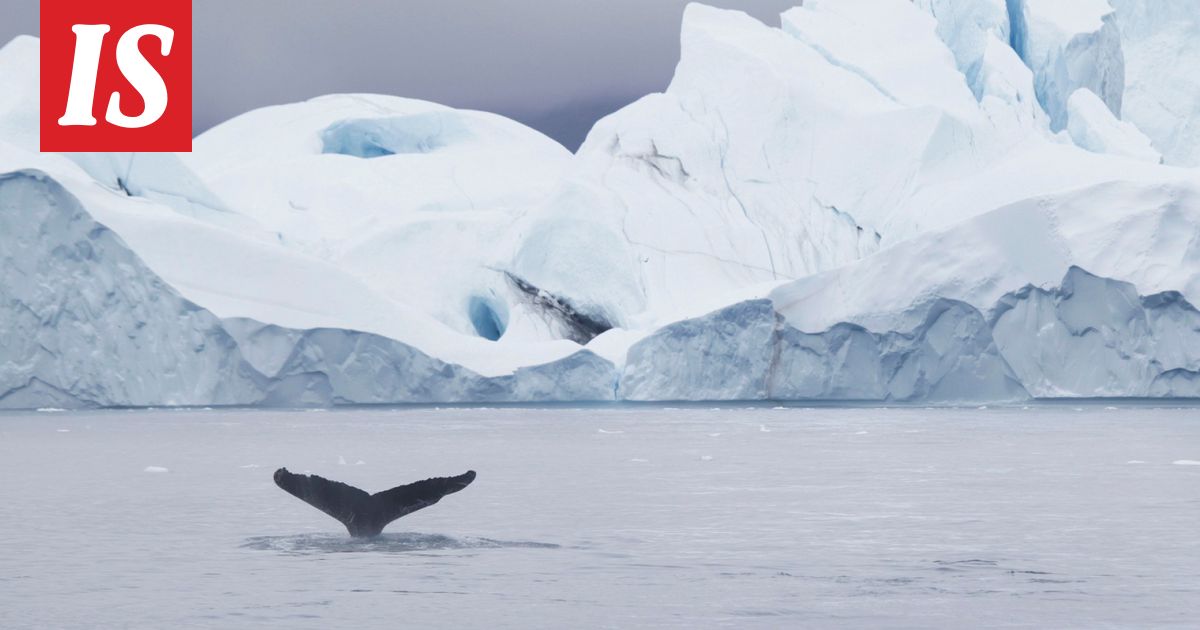
Thousands of whales move to East Greenland as sea ice melts
Photograph: Ilta-Sanomat (embedded from source)
What this story says
- A research group near Greenland recorded 6,000 fin whales, 6,000 humpback whales and 4,000 bowhead whales in East Greenland waters in summer 2024.
- The whales had been rarely seen in the area before 2007, when the first humpback sighting was documented.
- Melting sea ice, linked to climate change, is allowing the whales to reach new feeding grounds closer to the coast.
- The study, published in Frontiers in Marine Science, describes the shift as a major ecological regime change.
Who covered it
Percentages are shares of the 7 outlets carrying a published leaning rating. 2 of the 9 outlets we know ran this story carry no rating and are not counted in them. Coverage measured .
Trust
70/100
Craft
55/100
Hype
30/100
9 sources · methodology
Thin on the left so far
None of the 7 outlets with a published leaning rating that ran this story are rated left.
This story is still being watched, so it is a count and not yet a finding. Coverage keeps arriving for hours after an event, and a side that has published nothing this morning may publish by tonight. If it is still true when we stop checking, we will say so plainly.
In summer 2024, researchers near East Greenland observed thousands of large whales in waters that were previously inaccessible due to sea ice. The sightings included 6,000 fin whales, 6,000 humpback whales and 4,000 bowhead whales, according to a study published in Frontiers in Marine Science.
The study, conducted by a research group operating near Greenland, tracked whale movements over decades. Before 2007, humpback whales were rarely seen in the area. The first recorded sighting occurred that year, followed by a sharp increase in observations. By 2024, the number of sightings had risen to 150.
Melting sea ice, attributed to climate change, has opened new feeding grounds for the whales. The researchers describe the change as a major ecological regime shift, with the whales now able to reach coastal areas that were previously blocked by ice. The whales are feeding on fish and krill, with estimates suggesting they consume at least 800,000 tonnes during the summer feeding season.
Disagreement on whale species and numbers
The reports disagree on which whale species were observed in the highest numbers. Ilta-Sanomat states that 6,000 fin whales, 6,000 humpback whales and 4,000 bowhead whales were seen. thairath.co.th reports 6,000 fin whales, 4,000 humpback whales and 6,000 minke whales instead.
What the coverage left out
No left-rated outlet ran this story. None of the digests or reports mentioned the estimated 800,000 tonnes of fish and krill the whales are projected to consume during the summer feeding season, a figure included in thairath.co.th’s full report.
Still developing. We have re-checked which outlets are covering this 5 times, most recently on 20 Aug 2026, 11:30, and will add the sides that appear.
How other outlets pictured it
Which photograph to run is each newsroom’s own choice. The leaning beside a name is that outlet’s published rating, not a claim that the pictures divide along it. Every picture is shown from the outlet’s own server and links to the article it ran in.
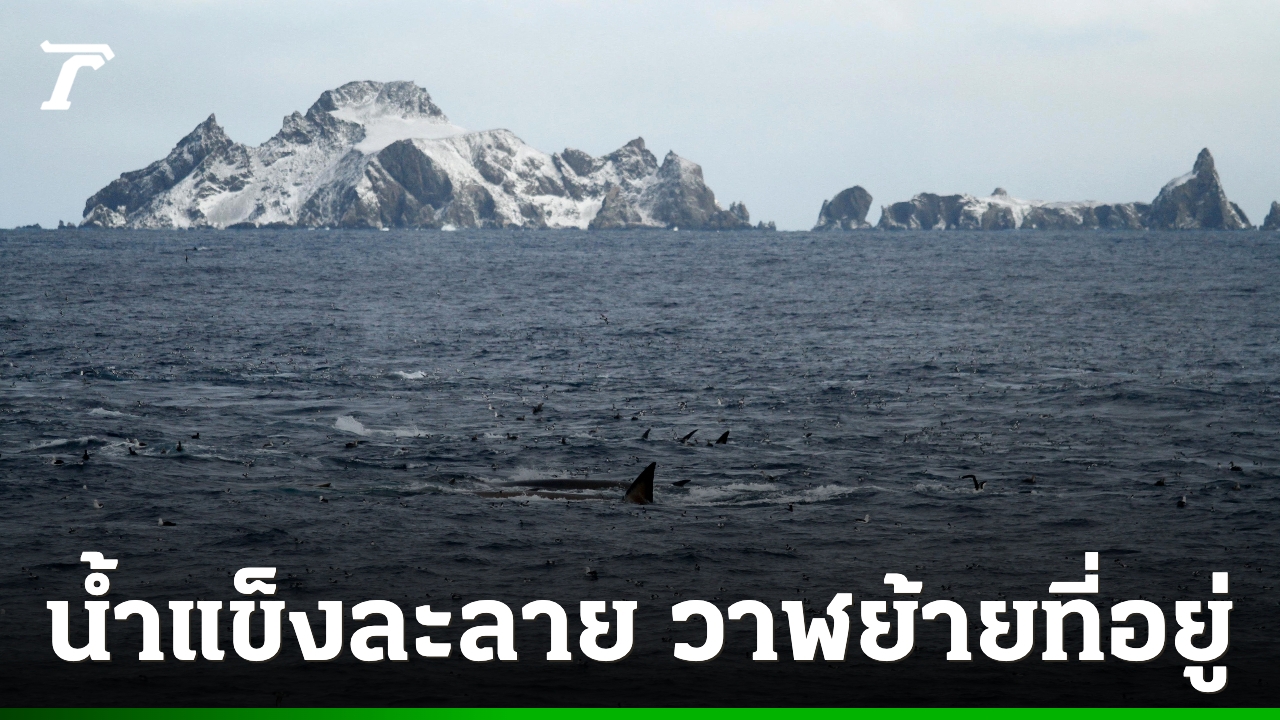
Thousands of whales move to East Greenland as sea ice melts
thairath.co.th — embedded from source
How each side covered it
Our own reading of the reporting listed below, written from the outlets’ articles rather than quoted from them. The reasoning is set out on our methodology page.
Left
0 rated outlets
No outlet rated left has run this story so far. We are still checking, and will say plainly if that does not change.
Centre
4 rated outlets
- The four centre-rated digests led on the scale of the whale migration and its link to climate change. BBC News described the whales undertaking "feeding frenzies" in the newly accessible waters. Discover Magazine and AZ Animals framed the story as a paradox of climate change, where some species benefit from the shifting conditions. Ilta-Sanomat, the only centre-rated outlet with a full report, quoted researchers calling the whales "opportunistic" and noted concerns about legal whale hunting in Greenland.
Right
3 rated outlets
- Both right-rated reports, thairath.co.th and De Telegraaf, led on the ecological impact of the whale migration. thairath.co.th described the shift as a "major ecological regime shift" and quoted a researcher calling it "one of the most radical ecological changes in the sub-Arctic." The report also highlighted potential competition for food and habitat between the new whale populations and species like narwhals and belugas. De Telegraaf’s digest used the phrase "radical change" in its headline.
Read it at the source
9 outlets, grouped by the leaning a published rating gives them. Every headline links to the original; an underlined outlet name opens our profile of that publisher.
Left
0No outlet in this group ran the story.
Centre
4- Whales Have Been Spotted in a New Location (opens Ilta-Sanomat in a new tab)
Ilta-Sanomat — is Ilta-Sanomat biased? Our profile of this outlet
- Whales Once Rare Along East Greenland Now Gather by the Thousands in Feeding Frenzies (opens Discover Magazine in a new tab)
Discover Magazine — is Discover Magazine biased? Our profile of this outlet
- How Climate Change Is Creating Massive Whale "Feeding Frenzies" in the Arctic (opens AZ Animals in a new tab)
AZ Animals — is AZ Animals biased? Our profile of this outlet
- Giant whales move into Greenland waters as ice disappears (opens BBC News in a new tab)
Right
3- “Major Ecological Shift”: Melting Sea Ice Drives the World’s Largest Whales to East Greenland (opens Het Laatste Nieuws in a new tab)
Het Laatste Nieuws — is Het Laatste Nieuws biased? Our profile of this outlet
- World's Largest Whales Migrate to Waters Around Greenland Due to Melting Ice: 'Radical Change' (opens De Telegraaf in a new tab)
De Telegraaf — is De Telegraaf biased? Our profile of this outlet
- Giant Whales Are Flocking to New Habitats as Global Warming Transforms Greenland and Causes Sea Ice to Melt. (opens thairath.co.th in a new tab)
thairath.co.th — is thairath.co.th biased? Our profile of this outlet
Not rated
2Questions about this coverage
- How did the left and right cover Thousands of whales move to East Greenland as sea ice melts?
- Of the 7 outlets on this story carrying a published leaning rating, 0% are rated left, 57% are rated centre, 43% are rated right. Those percentages are shares of the rated outlets, not of every outlet that ran it, which was 9. The sections above set out what each side emphasised, in its own terms.
- Is Thousands of whales move to East Greenland as sea ice melts left or right?
- Too few of the outlets on this story carry a published leaning rating to say. 7 of them do, and this site does not characterise a field under 12: at that size one newsroom filing moves the share by ten points. The percentages above are the count as it stands.
- Is the coverage of Thousands of whales move to East Greenland as sea ice melts biased?
- Thousands of whales move to East Greenland as sea ice melts is one event reported by 9 outlets, and this page does not rate the story as biased or unbiased. What it publishes is the spread: which outlets ran it, where named rating organisations place each of them on the spectrum, and what each side chose to lead with. A leaning rating describes an outlet's record over time, not this article, and the two should not be run together.
- Which side is not reporting Thousands of whales move to East Greenland as sea ice melts?
- When we first saw this story, outlets rated left had barely covered it. Coverage accretes for hours after an event, so that is where to look rather than a verdict — the split above is the current count, and it is the one to read.
- Which outlets covered Thousands of whales move to East Greenland as sea ice melts?
- 9 that we know of, every one of them listed further up this page with a link to its own report and to what we hold on the publisher. Nothing here is a summary of somebody else's summary: the outlets are named so the original reporting can be read.
- How many whales were observed in East Greenland in summer 2024?
- Researchers recorded 6,000 fin whales, 6,000 humpback whales and 4,000 bowhead whales in East Greenland waters in summer 2024, according to a study published in Frontiers in Marine Science. The numbers mark a sharp increase from previous decades, when sightings were rare.
- Why are whales moving to East Greenland?
- Melting sea ice, linked to climate change, has opened new feeding grounds for whales in East Greenland. The ice had previously blocked access to coastal areas, but its retreat now allows thousands of whales to reach the region during the summer months.
- What is the ecological impact of the whale migration?
- The study describes the whale migration as a major ecological regime shift. While some whale species may benefit from new feeding opportunities, researchers warn of potential competition for food and habitat with species like narwhals and belugas, which could face displacement.
How did this read?
About the coverage, not about the story. We do not ask whether you agree with what happened — we have no honest use for that answer.
More in Climate
All Climate →

Elsewhere on the site
 Conflict & Security•4 min readNorth Korea fires 10 short-range missiles during US-South Korea drills
 Conflict & Security•4 min readIran executes Qaem Hosseini, foreign national linked to January protests
 Conflict & Security•5 min readIsrael strikes Syrian airfield, accuses Turkey of military buildup