Hungary's water crisis: Drought exposes cost of draining wetlands
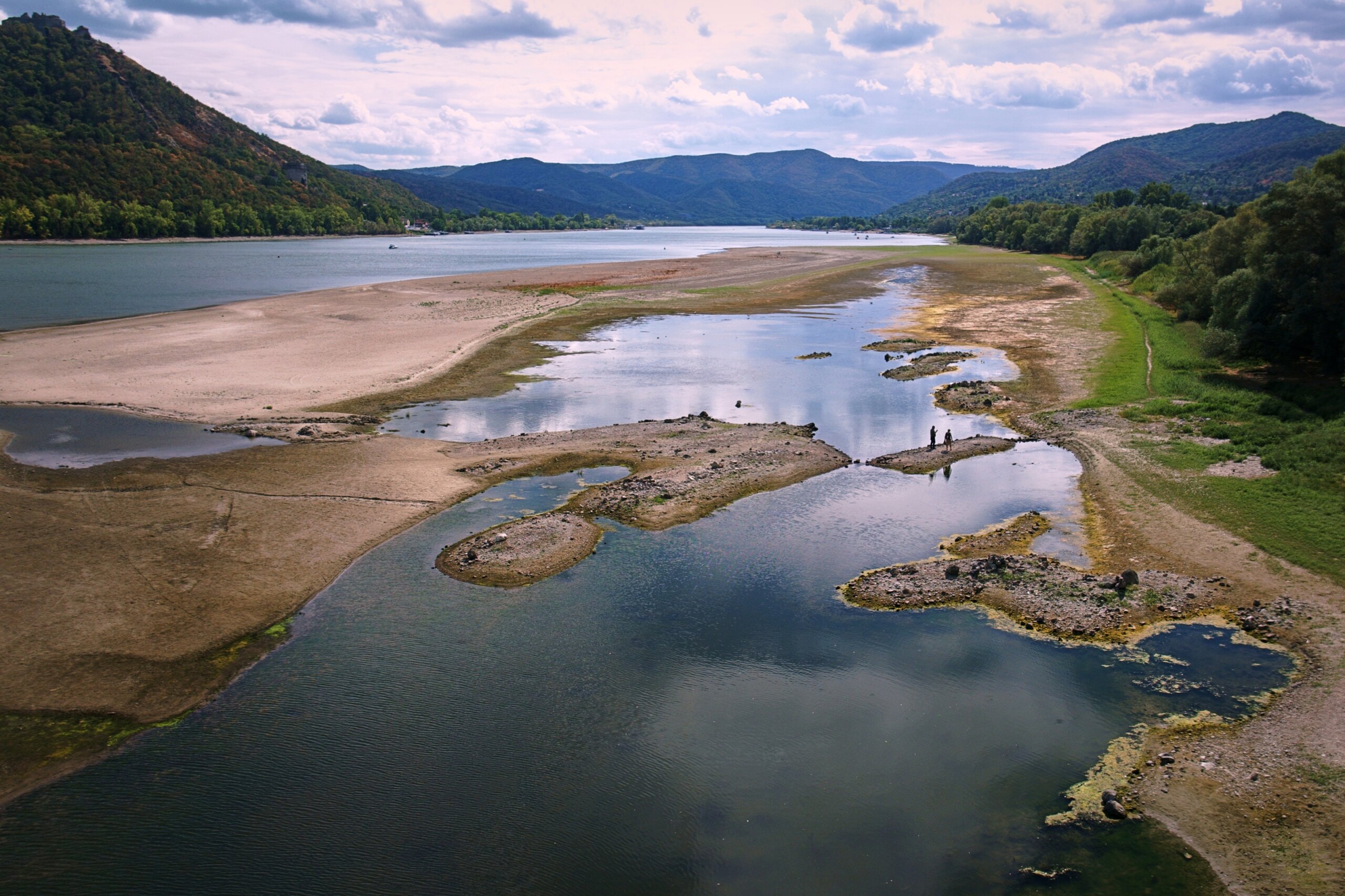
Record low water levels at Lake Velence highlight a broader crisis exacerbated by climate change and historical water management practices.
AI-assisted coverage comparison, editor-supervised · How this was made
Hungary's water crisis: Drought exposes cost of draining wetlands
Photograph: Washington Top News (embedded from source)
What this story says
- Lake Velence's water level has dropped to record lows of approximately 20 centimeters, making boating difficult and closing swimming beaches.
- Hungary is experiencing a widespread water crisis, with nearly all of its land under severe or extreme drought conditions.
- Experts attribute the vulnerability to a long history of draining natural wetlands and a network of extensive drainage canals.
- The Hungarian government has pledged to implement new water management policies focused on water retention rather than drainage.
Who covered it
Percentages are shares of the 21 outlets carrying a published leaning rating. Coverage measured .
Trust
60/100
Craft
75/100
Hype
20/100
21 sources · methodology
Thin on the right so far
Only 1 of the 21 outlets with a published leaning rating that ran this story are rated right.
This story is still being watched, so it is a count and not yet a finding. Coverage keeps arriving for hours after an event, and a side that has published nothing this morning may publish by tonight. If it is still true when we stop checking, we will say so plainly.
Lake Velence in Hungary has reached record low water levels, with the water receding to approximately 20 centimeters (8 inches). This has made navigating the lake difficult for boats and led to the closure of swimming beaches. The situation at Lake Velence is part of a larger water crisis affecting Hungary, characterized by prolonged droughts and climate change-driven heat waves.
Nearly all of Hungary's land, about 99%, is currently experiencing severe or extreme drought conditions. Experts point to a historical practice of draining the country's natural wetlands, which has left it more vulnerable to the increasing frequency and severity of droughts. A 2023 study in the journal Nature estimated that Hungary has lost more than 80% of its historical wetlands. The country also maintains a network of over 40,000 kilometers (25,000 miles) of drainage canals, designed to channel water away from the landscape for agricultural and other uses.
The Hungarian government has announced plans to change its approach to water management. Prime Minister Péter Magyar stated that new policies will prioritize water retention. The government also acknowledged that aging infrastructure leads to significant water loss, with an estimated 20-25% of drinking water leaking through damaged pipes annually, costing approximately 17 billion forints ($54.4 million) each year.
Disagreement on water loss figures
Reports differ on the extent of water loss from aging infrastructure. Washington Top News and Associated Press News state that 20-25% of the country's drinking water is lost annually through damaged pipes, costing about 17 billion forints ($54.4 million). Other reports do not specify figures for water loss due to infrastructure.
What the coverage left out
None of the left-rated digests mention the specific cost estimate of 17 billion forints ($54.4 million) for annual water loss due to aging infrastructure that was reported by Washington Top News and Associated Press News. The right-rated digest did not mention the 2023 study in the journal Nature estimating Hungary's historical wetland loss at more than 80%, nor did it detail the country's network of over 40,000 kilometers of drainage canals.
Still developing. We have re-checked which outlets are covering this 2 times, most recently on 21 Aug 2026, 10:15, and will add the sides that appear.
How each side covered it
Our own reading of the reporting listed below, written from the outlets’ articles rather than quoted from them. The reasoning is set out on our methodology page.
Left
10 rated outlets
- The left-rated reports focused on the historical context of Hungary's water crisis, highlighting the long-standing practice of draining wetlands and the extensive network of drainage canals. They emphasized the role of climate change and human-driven factors in exacerbating the drought conditions. These reports quoted environmental experts who criticized Hungary's past water management and called for a shift towards water retention. The impact on local communities and ecosystems, such as the disappearance of fish and wildlife from shrinking lakes, was also a prominent theme. The government's pledge to change water management policies was presented as a response to these long-term issues.
Centre
10 rated outlets
- The centre-rated reports also highlighted the record low water levels at Lake Velence and the broader drought conditions across Hungary. They noted the impact on recreational activities and the general water crisis. These reports frequently mentioned the role of climate change and prolonged droughts. The historical context of draining wetlands and the existence of extensive drainage canals were also covered. The government's commitment to a new water management strategy focused on retention was reported, alongside figures for water loss due to aging infrastructure.
Right
1 rated outlet
- The single right-rated report focused on the record low water levels at Lake Velence and the resulting difficulties for boating and swimming. It described this as a stark view of Hungary's worsening water crisis, compounded by years of drought, climate-driven heat, and a water management system built to drain precipitation.
Questions about this coverage
- How did the left and right cover Hungary's water crisis: Drought exposes cost of draining wetlands?
- Of the 21 outlets on this story carrying a published leaning rating, 48% are rated left, 47% are rated centre, 5% are rated right. Those percentages are shares of the rated outlets, not of every outlet that ran it. The sections above set out what each side emphasised, in its own terms.
- Is Hungary's water crisis: Drought exposes cost of draining wetlands left or right?
- Neither side dominates it. Of the 21 rated outlets on this story, 48% are rated left, 47% are rated centre, 5% are rated right, and no side holds the 70% this site would want before calling a field one-sided. A story is not left or right in any case; the outlets that carried it are what carry ratings.
- Is the coverage of Hungary's water crisis: Drought exposes cost of draining wetlands biased?
- Hungary's water crisis: Drought exposes cost of draining wetlands is one event reported by 21 outlets, and this page does not rate the story as biased or unbiased. What it publishes is the spread: which outlets ran it, where named rating organisations place each of them on the spectrum, and what each side chose to lead with. A leaning rating describes an outlet's record over time, not this article, and the two should not be run together.
- Which side is not reporting Hungary's water crisis: Drought exposes cost of draining wetlands?
- When we first saw this story, outlets rated right had barely covered it. Coverage accretes for hours after an event, so that is where to look rather than a verdict — the split above is the current count, and it is the one to read.
- Which outlets covered Hungary's water crisis: Drought exposes cost of draining wetlands?
- 21 that we know of, every one of them listed further up this page with a link to its own report and to what we hold on the publisher. Nothing here is a summary of somebody else's summary: the outlets are named so the original reporting can be read.
- What are the current water levels at Lake Velence?
- Lake Velence has reached record low water levels, receding to approximately 20 centimeters (8 inches). This is significantly below the optimal level for August, making boating difficult and leading to the closure of swimming beaches.
- How widespread is the drought in Hungary?
- Hungary is experiencing a severe water crisis, with approximately 99% of its lands currently under severe or extreme drought conditions. This widespread drought is exacerbated by prolonged dry spells and climate change-driven heat waves.
- What historical factors contribute to Hungary's water vulnerability?
- Experts suggest that Hungary's historical practice of draining natural wetlands, which has resulted in more than 80% wetland loss according to a 2023 study, has made the country more vulnerable. A large network of drainage canals also contributes to channeling water away from the landscape.
- What is the Hungarian government's plan for water management?
- The Hungarian government has pledged to shift its water management policies to prioritize water retention rather than drainage. This change is intended to mitigate the effects of drought and address the ongoing water crisis.
Read it at the source
21 outlets, grouped by the leaning a published rating gives them. Every headline links to the original; an underlined outlet name opens our profile of that publisher.
Left
10- Hungary drained its waters for generations. Now drought is exposing the cost (opens The Toronto Star in a new tab)
The Toronto Star — is The Toronto Star biased? Our profile of this outlet
- Hungary drained its waters for generations. Now drought is exposing the cost (opens The Seattle Times in a new tab)
The Seattle Times — is The Seattle Times biased? Our profile of this outlet
- Hungary drained its waters for generations. Now drought is exposing the cost (opens SooLeader.com in a new tab)
SooLeader.com — is SooLeader.com biased? Our profile of this outlet
- Hungary drained its waters for generations. Now drought is exposing the cost (opens Reflector in a new tab)
- Hungary drained its waters for generations. Now drought is exposing the cost (opens Enid News & Eagle in a new tab)
Enid News & Eagle — is Enid News & Eagle biased? Our profile of this outlet
- Hungary drained its waters for generations. Now drought is exposing the cost (opens Associated Press News in a new tab)
Associated Press News — is Associated Press News biased? Our profile of this outlet
- Hungary drained its waters for generations. Now drought is exposing the cost (opens The Independent in a new tab)
The Independent — is The Independent biased? Our profile of this outlet
- Hungary drained its waters for generations. Now drought is exposing the cost (opens ABC News in a new tab)
Show 2 more
- Hungary drained its waters for generations. Now drought is exposing the cost (opens The Record in a new tab)
The Record — is The Record biased? Our profile of this outlet
- Hungary drained its waters for generations. Now drought is exposing the cost (opens The Hamilton Spectator in a new tab)
The Hamilton Spectator — is The Hamilton Spectator biased? Our profile of this outlet
Centre
10- Hungary drained its waters for generations. Now drought is exposing the cost (opens Washington Top News in a new tab)
Washington Top News — is Washington Top News biased? Our profile of this outlet
- Hungary drained its waters for generations. Now drought is exposing the cost (opens Bozeman Daily Chronicle in a new tab)
Bozeman Daily Chronicle — is Bozeman Daily Chronicle biased? Our profile of this outlet
- Hungary drained its waters for generations. Now drought is exposing the cost (opens The Daily Advance in a new tab)
The Daily Advance — is The Daily Advance biased? Our profile of this outlet
- Hungary drained its waters for generations. Now drought is exposing the cost (opens Rutland Herald in a new tab)
Rutland Herald — is Rutland Herald biased? Our profile of this outlet
- Hungary drained its waters for generations. Now drought is exposing the cost (opens WBOC 16 in a new tab)
- Hungary drained its waters for generations. Now drought is exposing the cost (opens Ottumwa Courier in a new tab)
Ottumwa Courier — is Ottumwa Courier biased? Our profile of this outlet
- Hungary drained its waters for generations. Now drought is exposing the cost (opens Idaho Press in a new tab)
Idaho Press — is Idaho Press biased? Our profile of this outlet
- Hungary drained its waters for generations. Now drought is exposing the cost (opens Cecil Daily in a new tab)
Cecil Daily — is Cecil Daily biased? Our profile of this outlet
Show 2 more
Right
1Not rated
0No outlet in this group ran the story.
How did this read?
About the coverage, not about the story. We do not ask whether you agree with what happened — we have no honest use for that answer.
More in Climate
All Climate →

Elsewhere on the site
 Politics•4 min readEight Black candidates nominated for US governor in 2026, only three elected in history
 Media•4 min readNathan Cofnas suspended by Ghent University after accusing Jason Arday of plagiarism
 Conflict & Security•5 min readUkrainian diver arrested in Croatia during Nord Stream sabotage film shoot
 Business & Economy•1 min readTrump tariff deadline approaches for Canadian goods