African rainmakers face violence amid climate change impacts
Farmers blame spiritual leaders for erratic weather, leading to assaults and deaths in some regions.
AI-assisted coverage comparison, editor-supervised · How this was made
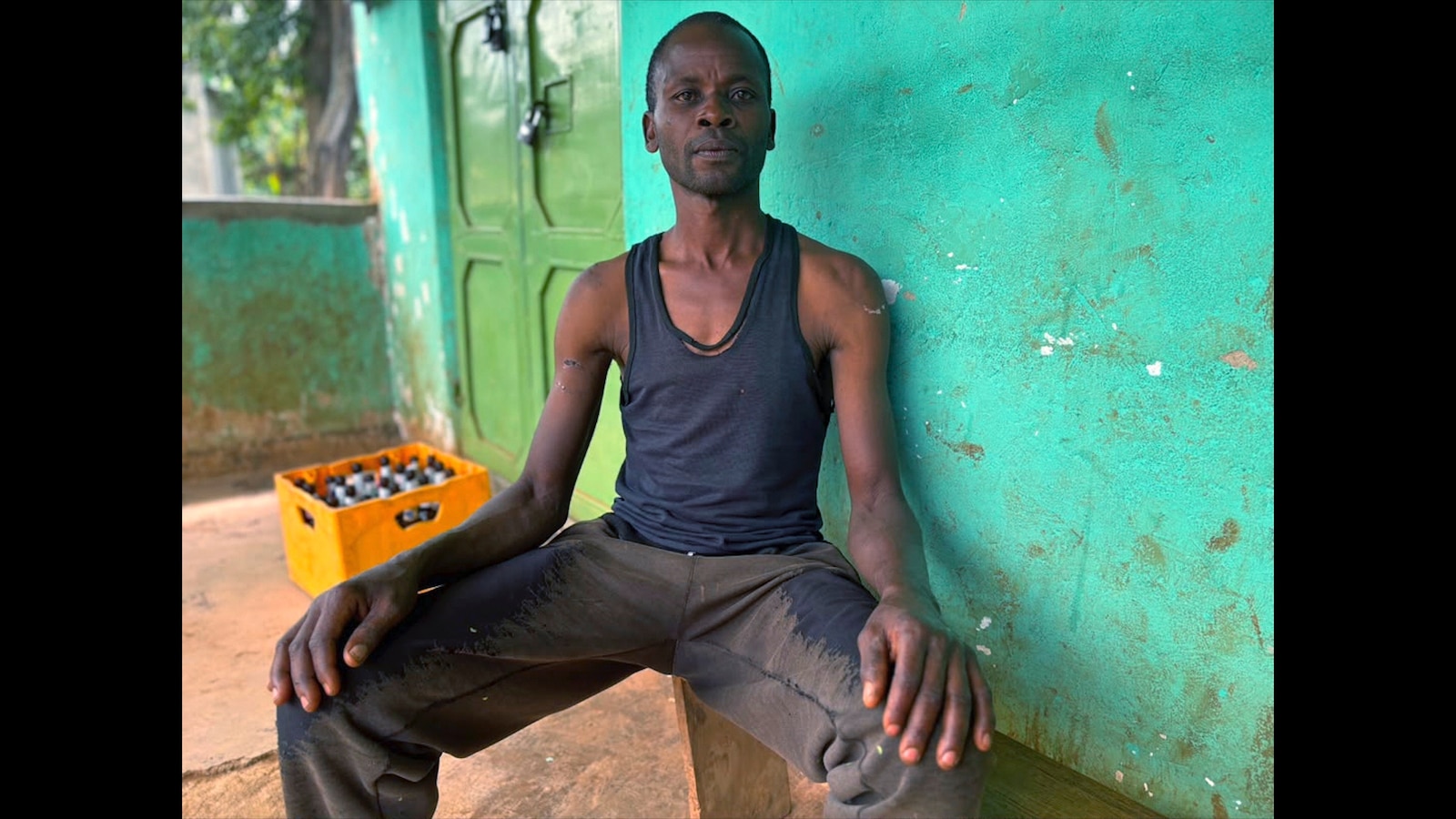
African rainmakers face violence amid climate change impacts
Photograph: abc News (embedded from source)
What this story says
- Rainmakers in parts of Africa, traditionally spiritual leaders who perform rituals for rainfall, are increasingly facing violence from farmers.
- Farmers blame rainmakers for both droughts and floods, with climate change exacerbating unpredictable weather patterns.
- Incidents include physical assaults, such as a farmer breaking a rainmaker's femur in Uganda, and killings in South Sudan.
- Fees for rainmakers can range from $13 to $260, and some have been detained for alleged fraud.
Who covered it
Percentages are shares of the 18 outlets carrying a published leaning rating. Coverage measured .
Trust
42/100
Craft
61/100
Hype
41/100
18 sources · methodology
Thin on the right so far
Only 3 of the 18 outlets with a published leaning rating that ran this story are rated right.
This story is still being watched, so it is a count and not yet a finding. Coverage keeps arriving for hours after an event, and a side that has published nothing this morning may publish by tonight. If it is still true when we stop checking, we will say so plainly.
Rainmakers in several African countries, who perform rituals to implore deities for rain, are facing violence from farmers struggling with unpredictable weather. These spiritual leaders are blamed when droughts persist or when floods damage crops, a situation exacerbated by climate change. In Uganda, farmers beat rainmaker David Nabutsilili, breaking his femur, after receiving too much rain that flooded their gardens. He told The Associated Press that people beat them when the rain is too much or absent.
In South Sudan, at least two rainmakers have been killed in the past two years. One was buried alive during a dry spell, and another was abducted and buried alive during a prolonged dry spell, according to witnesses. A study indicated that the average annual number of rainy days in South Sudan's Kapoeta region fell from 90 in the 1980s to 46 by the mid-2010s. Communities in flood-prone areas have experienced alternating periods of crop loss due to floods and drought. Government official Matthew Oromo stated that people are unaware of climate change, contributing to the violence against rainmakers.
Disagreements in reporting
Reports differ on the specific details of the violence against David Nabutsilili in Uganda. ABC News reports that farmers chased him and he fell on a rock, breaking his femur. The Toronto Star, St Catharines Standard, The Hamilton Spectator, The Record, and Winnipeg Free Press digests state that farmers chased him up the hills, stopping when he fell upon a rock and broke his femur, which was his punishment. The National Herald digest also states farmers chased him up the hills, stopping when he fell upon a rock and broke his femur, which was his punishment.
What the coverage left out
None of the left-rated digests mention the range of fees for rainmakers, which can be from $13 to $260. None of the centre-rated digests mention the range of fees for rainmakers. None of the right-rated digests mention the range of fees for rainmakers.
Still developing. We have re-checked which outlets are covering this 3 times, most recently on 15 Sept 2026, 12:15, and will add the sides that appear.
How each side covered it
Our own reading of the reporting listed below, written from the outlets’ articles rather than quoted from them. The reasoning is set out on our methodology page.
Left
13 rated outlets
- Left-rated reports led on the violence faced by rainmakers, linking it directly to climate change. They highlighted specific incidents of assault and death, such as David Nabutsilili's broken femur in Uganda and the killings in South Sudan. These reports quoted individuals like Nabutsilili and elders discussing the pressures and dangers they face. They also included details from a study on declining rainfall in South Sudan and noted that some rainmakers in Uganda have been detained for allegedly obtaining money under false pretenses. The reports consistently framed the issue as farmers' reactions to unpredictable weather patterns driven by climate change.
Centre
2 rated outlets
- Centre-rated reports focused on the role of rainmakers as spiritual leaders and the challenges they face due to climate change. They mentioned the performance of rituals to implore deities for rainfall and the increasing expectations placed upon them. These digests noted that rainmakers are blamed for drought and, in extreme cases, killed by mobs. They also included details about the specific incident in Uganda where farmers beat David Nabutsilili, breaking his femur, after receiving too much rain.
Right
3 rated outlets
- Right-rated reports highlighted the traditional role of rainmakers as spiritual leaders performing rituals for rain. They noted that climate change is raising expectations that these leaders cannot meet, leading to blame for drought and, in extreme cases, violence. The digests mentioned the incident in Uganda where farmers beat David Nabutsilili, breaking his femur, after receiving too much rain. They also included the detail that the rainmaking spirit often moves across generations of a particular clan.
Questions about this coverage
- How did the left and right cover African rainmakers face violence amid climate change impacts?
- Of the 18 outlets on this story carrying a published leaning rating, 72% are rated left, 11% are rated centre, 17% are rated right. Those percentages are shares of the rated outlets, not of every outlet that ran it. The sections above set out what each side emphasised, in its own terms.
- Is African rainmakers face violence amid climate change impacts left or right?
- The story itself is neither. What can be counted is who has covered it, and 72% of the 18 rated outlets on it are rated left — so far this is a story carried mostly by the left. Coverage is still arriving and that can change, which is why the figure is dated rather than fixed.
- Is the coverage of African rainmakers face violence amid climate change impacts biased?
- African rainmakers face violence amid climate change impacts is one event reported by 18 outlets, and this page does not rate the story as biased or unbiased. What it publishes is the spread: which outlets ran it, where named rating organisations place each of them on the spectrum, and what each side chose to lead with. A leaning rating describes an outlet's record over time, not this article, and the two should not be run together.
- Which side is not reporting African rainmakers face violence amid climate change impacts?
- When we first saw this story, outlets rated right had barely covered it. Coverage accretes for hours after an event, so that is where to look rather than a verdict — the split above is the current count, and it is the one to read.
- Which outlets covered African rainmakers face violence amid climate change impacts?
- 18 that we know of, every one of them listed further up this page with a link to its own report and to what we hold on the publisher. Nothing here is a summary of somebody else's summary: the outlets are named so the original reporting can be read.
- Why are rainmakers in Africa facing violence?
- Rainmakers are facing violence because farmers blame them for unpredictable weather patterns, such as droughts and floods, which are exacerbated by climate change. When rituals do not yield the expected results, farmers sometimes resort to assaults or killings.
- What specific incidents of violence against rainmakers have been reported?
- In Uganda, farmers beat a rainmaker named David Nabutsilili, breaking his femur, after receiving too much rain. In South Sudan, at least two rainmakers have been killed in recent years, one buried alive during a dry spell and another abducted and buried alive during a prolonged dry spell.
- How has rainfall changed in parts of South Sudan?
- A study found that the average annual number of rainy days in the Kapoeta region of South Sudan decreased significantly. It fell from 90 days in the 1980s to 46 days by the mid-2010s, indicating a substantial reduction in rainfall.
Read it at the source
18 outlets, grouped by the leaning a published rating gives them. Every headline links to the original; an underlined outlet name opens our profile of that publisher.
Left
13- Africa's rainmakers still in demand but face challenges from climate change (opens Africa News in a new tab)
Africa News — is Africa News biased? Our profile of this outlet
- In parts of Africa, rainmakers face cruel violence by farmers as climate change vexes many (opens St Catharines Standard in a new tab)
St Catharines Standard — is St Catharines Standard biased? Our profile of this outlet
- In parts of Africa, rainmakers face cruel violence by farmers as climate change vexes many (opens The Toronto Star in a new tab)
The Toronto Star — is The Toronto Star biased? Our profile of this outlet
- In parts of Africa, rainmakers face cruel violence by farmers as climate change vexes many (opens The Seattle Times in a new tab)
The Seattle Times — is The Seattle Times biased? Our profile of this outlet
- In parts of Africa, rainmakers face cruel violence by farmers as climate change vexes many (opens goSkagit in a new tab)
- In parts of Africa, rainmakers face cruel violence by farmers as climate change vexes many (opens Herald Bulletin in a new tab)
Herald Bulletin — is Herald Bulletin biased? Our profile of this outlet
- In parts of Africa, rainmakers face cruel violence by farmers as climate change vexes many (opens The Daily Item in a new tab)
The Daily Item — is The Daily Item biased? Our profile of this outlet
- In parts of Africa, rainmakers face cruel violence by farmers as climate change vexes many (opens Oskaloosa Herald in a new tab)
Oskaloosa Herald — is Oskaloosa Herald biased? Our profile of this outlet
Show 5 more
- In parts of Africa, rainmakers face cruel violence by farmers as climate change vexes many (opens The Independent (US) in a new tab)
The Independent (US) — is The Independent (US) biased? Our profile of this outlet
- In parts of Africa, rainmakers face cruel violence by farmers as climate change vexes many (opens The Independent in a new tab)
The Independent — is The Independent biased? Our profile of this outlet
- In parts of Africa, rainmakers face cruel violence by farmers as climate change vexes many (opens ABC News in a new tab)
- In parts of Africa, rainmakers face cruel violence by farmers as climate change vexes many (opens The Record in a new tab)
The Record — is The Record biased? Our profile of this outlet
- In parts of Africa, rainmakers face cruel violence by farmers as climate change vexes many (opens The Hamilton Spectator in a new tab)
The Hamilton Spectator — is The Hamilton Spectator biased? Our profile of this outlet
Centre
2- In parts of Africa, rainmakers face cruel violence by farmers as climate change vexes many (opens somdnews.com in a new tab)
somdnews.com — is somdnews.com biased? Our profile of this outlet
- In parts of Africa, rainmakers face cruel violence by farmers as climate change vexes many (opens Winnipeg Free Press in a new tab)
Winnipeg Free Press — is Winnipeg Free Press biased? Our profile of this outlet
Right
3- In parts of Africa, rainmakers face cruel violence by farmers as climate change vexes many (opens plaindealerin.com in a new tab)
plaindealerin.com — is plaindealerin.com biased? Our profile of this outlet
- In parts of Africa, rainmakers face cruel violence by farmers as climate change vexes many (opens Jonesboro Sun in a new tab)
Jonesboro Sun — is Jonesboro Sun biased? Our profile of this outlet
- In Parts of Africa, Rainmakers Face Cruel Violence by Farmers as Climate Change Vexes Many (opens The National Herald in a new tab)
The National Herald — is The National Herald biased? Our profile of this outlet
Not rated
0No outlet in this group ran the story.
How did this read?
About the coverage, not about the story. We do not ask whether you agree with what happened — we have no honest use for that answer.
More in Climate
All Climate →
Elsewhere on the site
 Politics•3 min readSupreme Court rejects Trump administration's mail ballot rules
 Conflict & Security•2 min readSouth Africa crash kills at least 21 on N1 highway
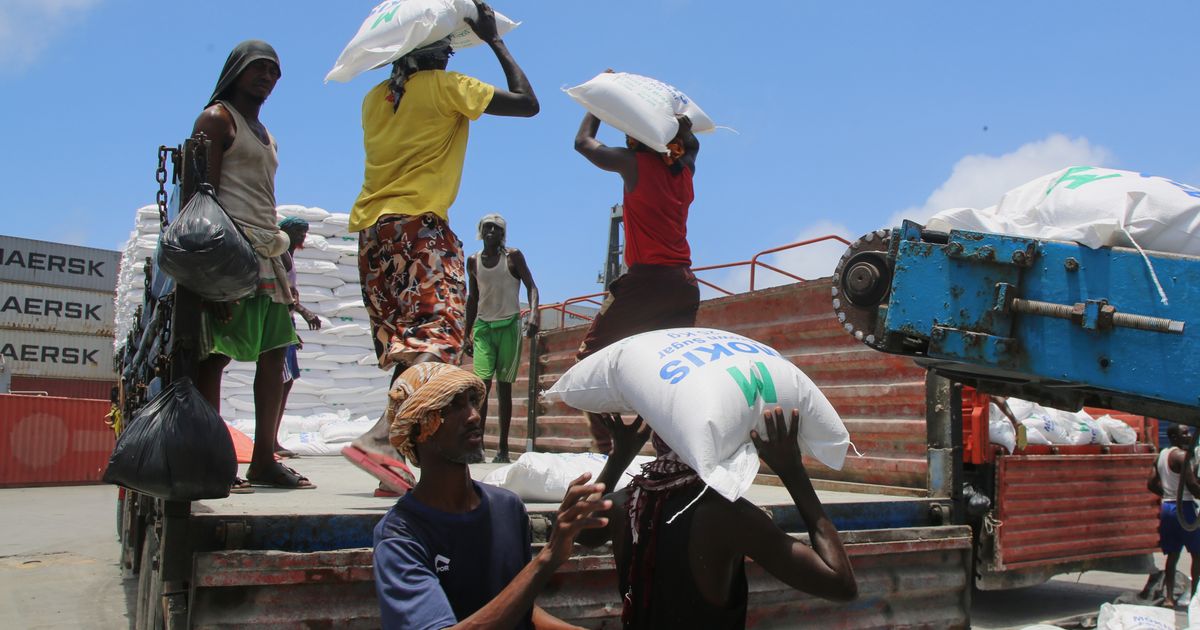 Business & Economy•2 min readSomali businesses seek new trade routes amid Houthi port disruption
 Conflict & Security•4 min readUkraine drone attacks hit Russian refineries, cutting diesel output