Florida adapts to rising seas with new seawalls and housing
Coastal communities are implementing innovative strategies to combat climate change impacts.
AI-assisted coverage comparison, editor-supervised · How this was made
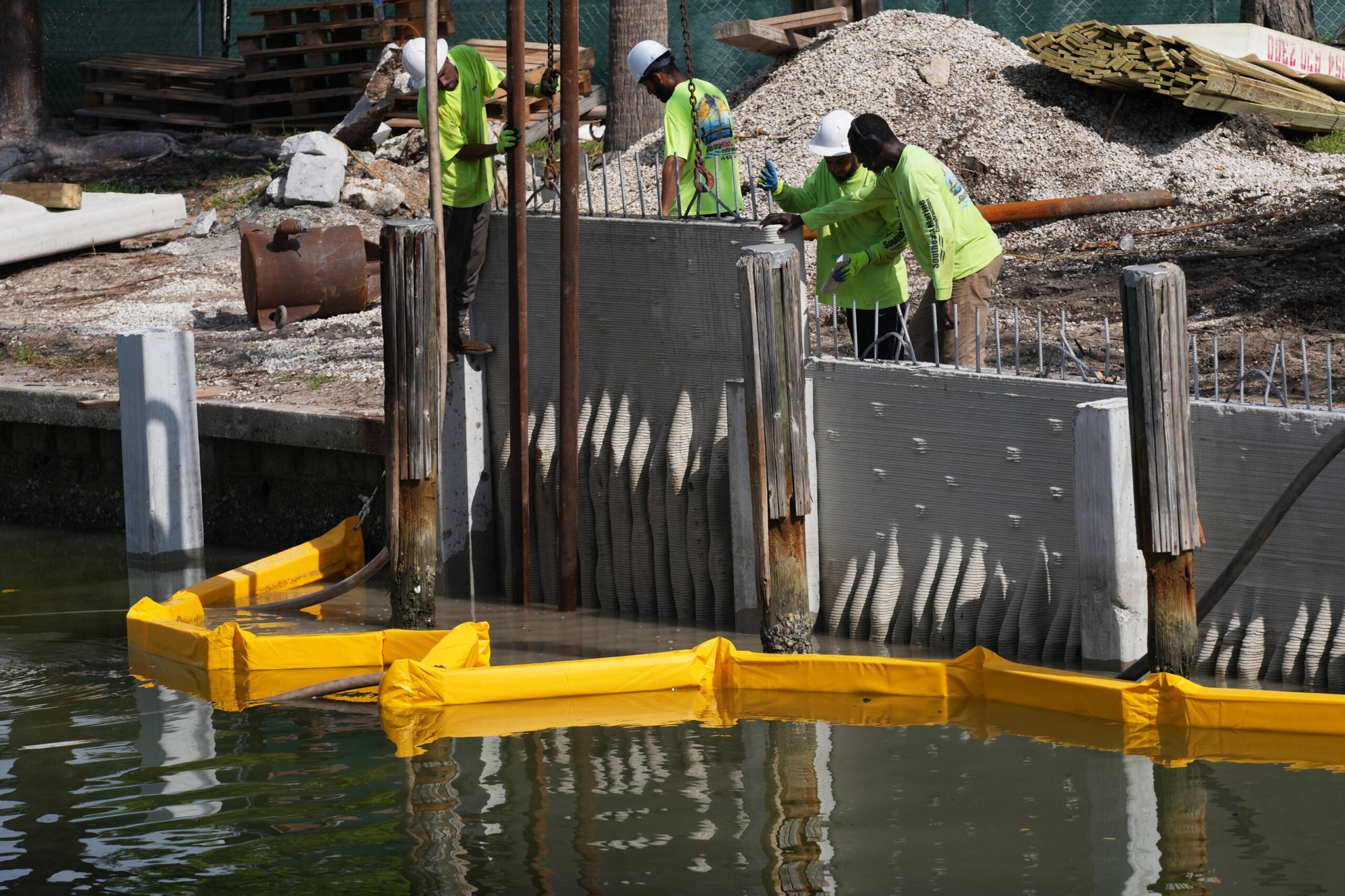
Florida adapts to rising seas with new seawalls and housing
Photograph: Washington Top News (embedded from source)
What this story says
- Florida is implementing adaptation strategies to address threats from sea level rise and storms.
- Approximately 129 million people, nearly 40% of the U.S. population, live in coastal counties.
- Anya Freeman launched Kind Designs in 2024 to create 3D-printed living seawalls that mimic natural coastal features.
- Jeffrey Huber recalled Hurricane Andrew damaging his childhood home 34 years ago.
Who covered it
Percentages are shares of the 16 outlets carrying a published leaning rating. Coverage measured .
Trust
60/100
Craft
60/100
Hype
20/100
16 sources · methodology
Thin on the right so far
None of the 16 outlets with a published leaning rating that ran this story are rated right.
This story is still being watched, so it is a count and not yet a finding. Coverage keeps arriving for hours after an event, and a side that has published nothing this morning may publish by tonight. If it is still true when we stop checking, we will say so plainly.
Florida is implementing adaptation strategies to address threats from sea level rise and storms. Approximately 129 million people, nearly 40% of the U.S. population, live in coastal counties. Recent research indicates that human-driven sea level rise has increased the frequency of extreme coastal flooding globally. As climate change poses risks to communities, Florida is demonstrating methods for building resilience. Architects and designers across the state are integrating infrastructure with urban planning to develop residential buildings, parks, and other structures designed to better withstand rising waters, intensifying storms, saltwater intrusion, and heat.
Jeffrey Huber, a landscape architect and professor, recalled Hurricane Andrew damaging his childhood home 34 years ago. He noted that extreme storms and scenarios are becoming more common. In response to frequent flooding and worsening storm surges in places like Miami Beach, Anya Freeman launched Kind Designs in 2024. The startup creates 3D-printed living seawalls intended to protect shorelines from flooding. These seawalls are designed to be affordable, scalable, and serve as marine habitat, mimicking natural coastal features like mangrove roots. Their technology dissipates at least 45% of wave energy, enhancing resilience against overtopping and erosion. Researchers have identified numerous species living in these seawalls, including filter feeders that help clean water. Kind Designs has installed 16 such seawalls across Florida and plans to expand to California and New York, as well as fortify U.S. Navy coastal bases.
The Vista Breeze affordable senior housing project in Miami Beach, developed by Brooks Scarpa Huber, exemplifies adaptation strategies. The 119-unit complex is elevated 10 feet above sea level and engineered to withstand storm surges up to 20 feet. The construction incorporates waterproof concrete and zinc-coated rebar to protect against water penetration and corrosion. Huber stated these are simple, cost-effective steps that enhance building resilience. The buildings are also oriented to benefit from prevailing breezes for passive cooling. In Fort Lauderdale, a former parking lot was transformed into DC Alexander Park, featuring an artistic overlook and a maritime forest along its perimeter that absorbs rainfall and saltwater flooding, providing habitat and recreational space.
Coverage comparison
What the coverage left out
None of the left-rated or centre-rated reports printed below mention the specific cost of implementing these adaptation strategies or the financing mechanisms discussed in the full report from Washington Top News.
Still developing. We have re-checked which outlets are covering this 4 times, most recently on 22 Aug 2026, 16:00, and will add the sides that appear.
How each side covered it
Our own reading of the reporting listed below, written from the outlets’ articles rather than quoted from them. The reasoning is set out on our methodology page.
Left
8 rated outlets
- Left-rated reports led with the threat of climate change making cities unlivable and highlighted Florida's efforts to adapt using art and new infrastructure. These reports frequently mentioned the park in Miami that re-established hammocks to act as a sponge for rainfall. The Associated Press, The Toronto Star, NiagaraFallsReview.ca, The Seattle Times, The Independent, The Independent (US), Oskaloosa Herald, Bangor Daily News, and The Northern Virginia Daily all carried digests that focused on these aspects. The Associated Press and Bangor Daily News digests also included Jeffrey Huber's recollection of Hurricane Andrew and the damage to his childhood home.
Centre
8 rated outlets
- Centre-rated reports focused on Florida's implementation of adaptation strategies to address threats from sea level rise and storms. Washington Top News, The Northern Virginia Daily, Cherokee Tribune Ledger News, Bozeman Daily Chronicle, WPLG, WKMG, Click on Detroit, and Winnipeg Free Press digests highlighted the state's efforts in developing seawalls and resilient infrastructure. Washington Top News, in its full report, detailed Anya Freeman's Kind Designs and the creation of 3D-printed living seawalls, as well as the Vista Breeze affordable housing project and DC Alexander Park. These reports also included Jeffrey Huber's personal account of Hurricane Andrew and the broader context of 129 million people living in coastal counties.
Right
0 rated outlets
No outlet rated right has run this story so far. We are still checking, and will say plainly if that does not change.
Questions about this coverage
- How did the left and right cover Florida adapts to rising seas with new seawalls and housing?
- Of the 16 outlets on this story carrying a published leaning rating, 50% are rated left, 50% are rated centre, 0% are rated right. Those percentages are shares of the rated outlets, not of every outlet that ran it. The sections above set out what each side emphasised, in its own terms.
- Is Florida adapts to rising seas with new seawalls and housing left or right?
- Neither side dominates it. Of the 16 rated outlets on this story, 50% are rated left, 50% are rated centre, 0% are rated right, and no side holds the 70% this site would want before calling a field one-sided. A story is not left or right in any case; the outlets that carried it are what carry ratings.
- Is the coverage of Florida adapts to rising seas with new seawalls and housing biased?
- Florida adapts to rising seas with new seawalls and housing is one event reported by 16 outlets, and this page does not rate the story as biased or unbiased. What it publishes is the spread: which outlets ran it, where named rating organisations place each of them on the spectrum, and what each side chose to lead with. A leaning rating describes an outlet's record over time, not this article, and the two should not be run together.
- Which side is not reporting Florida adapts to rising seas with new seawalls and housing?
- When we first saw this story, outlets rated right had barely covered it. Coverage accretes for hours after an event, so that is where to look rather than a verdict — the split above is the current count, and it is the one to read.
- Which outlets covered Florida adapts to rising seas with new seawalls and housing?
- 16 that we know of, every one of them listed further up this page with a link to its own report and to what we hold on the publisher. Nothing here is a summary of somebody else's summary: the outlets are named so the original reporting can be read.
- How many people live in U.S. coastal counties?
- Approximately 129 million people, which is nearly 40% of the U.S. population, live in coastal counties. This highlights the significant number of individuals and communities vulnerable to the impacts of sea level rise and storms.
- What are living seawalls?
- Living seawalls are 3D-printed structures created by companies like Kind Designs. They are designed to protect shorelines from flooding, mimic natural coastal features, and serve as marine habitat. These innovative walls aim to dissipate wave energy and support aquatic life.
- What is an example of resilient housing in Florida?
- The Vista Breeze affordable senior housing project in Miami Beach is an example of resilient housing. It is elevated 10 feet above sea level and designed to withstand storm surges up to 20 feet, using waterproof concrete and corrosion-resistant materials.
Read it at the source
16 outlets, grouped by the leaning a published rating gives them. Every headline links to the original; an underlined outlet name opens our profile of that publisher.
Left
8- Florida shows how to adapt as coastal cities face growing threats from sea level rise and storms (opens NiagaraFallsReview.ca in a new tab)
NiagaraFallsReview.ca — is NiagaraFallsReview.ca biased? Our profile of this outlet
- Florida shows how to adapt as coastal cities face growing threats from sea level rise and storms (opens The Toronto Star in a new tab)
The Toronto Star — is The Toronto Star biased? Our profile of this outlet
- Florida shows how to adapt as coastal cities face growing threats from sea level rise and storms (opens The Seattle Times in a new tab)
The Seattle Times — is The Seattle Times biased? Our profile of this outlet
- Florida shows how to adapt as coastal cities face growing threats from sea level rise and storms (opens Oskaloosa Herald in a new tab)
Oskaloosa Herald — is Oskaloosa Herald biased? Our profile of this outlet
- Florida shows how to adapt as coastal cities face growing threats from sea level rise and storms (opens The Independent (US) in a new tab)
The Independent (US) — is The Independent (US) biased? Our profile of this outlet
- Florida shows how to adapt as coastal cities face growing threats from sea level rise and storms (opens Associated Press News in a new tab)
Associated Press News — is Associated Press News biased? Our profile of this outlet
- Florida shows how to adapt as coastal cities face growing threats from sea level rise and storms (opens The Independent in a new tab)
The Independent — is The Independent biased? Our profile of this outlet
- Florida shows how to adapt as coastal cities face growing threats from sea level rise and storms (opens Bangor Daily News in a new tab)
Bangor Daily News — is Bangor Daily News biased? Our profile of this outlet
Centre
8- Florida shows how to adapt as coastal cities face growing threats from sea level rise and storms (opens Cherokee Tribune Ledger News in a new tab)
Cherokee Tribune Ledger News — is Cherokee Tribune Ledger News biased? Our profile of this outlet
- Florida shows how to adapt as coastal cities face growing threats from sea level rise and storms (opens The Northern Virginia Daily in a new tab)
The Northern Virginia Daily — is The Northern Virginia Daily biased? Our profile of this outlet
- Florida shows how to adapt as coastal cities face growing threats from sea level rise and storms (opens Washington Top News in a new tab)
Washington Top News — is Washington Top News biased? Our profile of this outlet
- Florida shows how to adapt as coastal cities face growing threats from sea level rise and storms (opens Bozeman Daily Chronicle in a new tab)
Bozeman Daily Chronicle — is Bozeman Daily Chronicle biased? Our profile of this outlet
- Florida shows how to adapt as coastal cities face growing threats from sea level rise and storms (opens Click on Detroit in a new tab)
Click on Detroit — is Click on Detroit biased? Our profile of this outlet
- Florida shows how to adapt as coastal cities face growing threats from sea level rise and storms (opens WKMG in a new tab)
- Florida shows how to adapt as coastal cities face growing threats from sea level rise and storms (opens WPLG in a new tab)
- Florida shows how to adapt as coastal cities face growing threats from sea level rise and storms (opens Winnipeg Free Press in a new tab)
Winnipeg Free Press — is Winnipeg Free Press biased? Our profile of this outlet
Right
0No outlet in this group ran the story.
Not rated
0No outlet in this group ran the story.
How did this read?
About the coverage, not about the story. We do not ask whether you agree with what happened — we have no honest use for that answer.
More in Climate
All Climate →

Elsewhere on the site
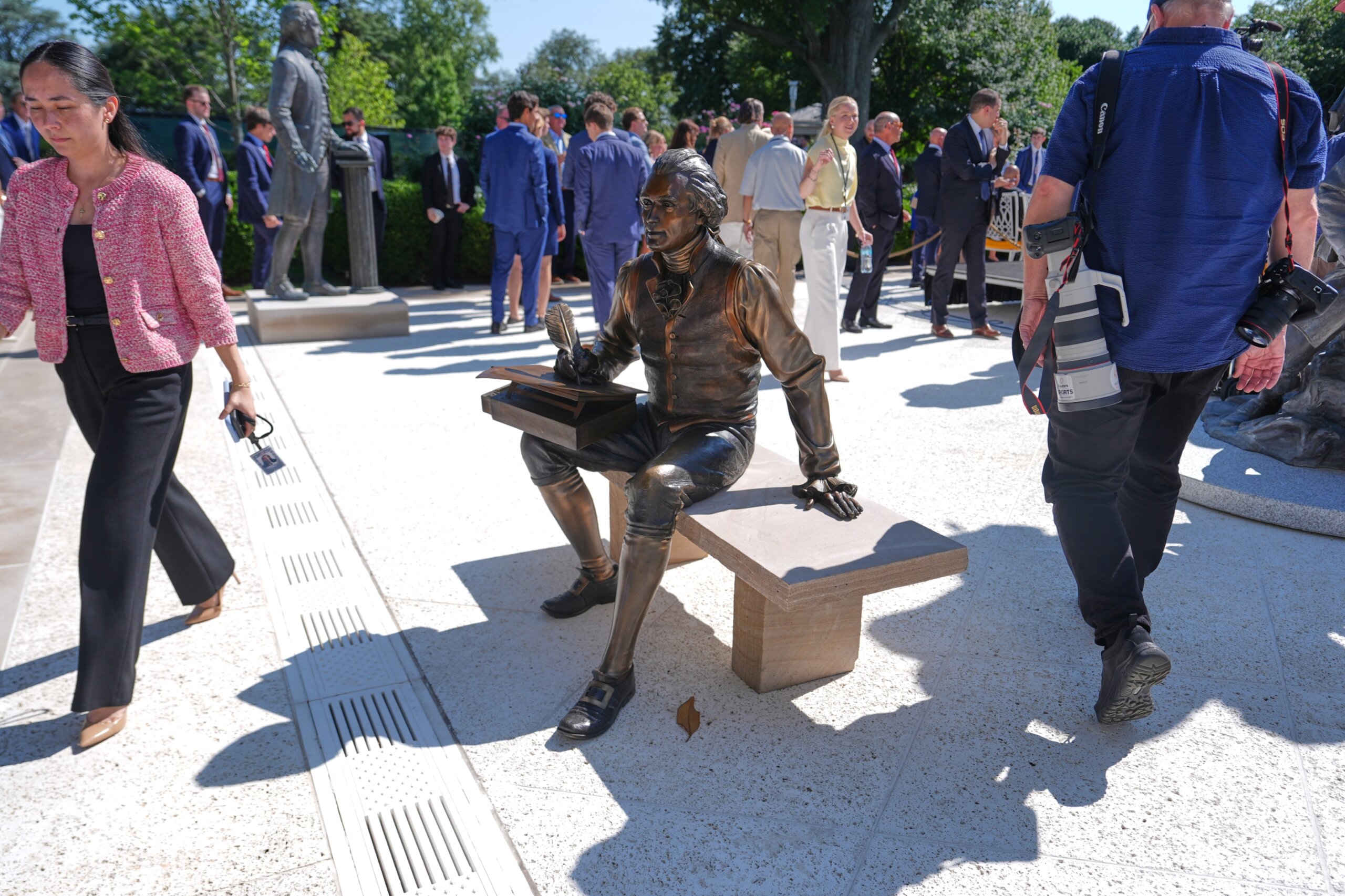 Politics•3 min readTrump replaces Rose Garden lawn with patio, adds founder statues
 Business & Economy•5 min readTrump announces new Iran sanctions plan as oil prices rise
 Politics•1 min readCanada-US trade talks continue amid domestic focus
 Politics•4 min readNebraska District's Political Split Puts House Seat in Focus