Syria raises diesel 40% and petrol up to 28% as protests spread across five provinces
Energy Minister Mohammed Al‑Bashir cites exceptional circumstances while demonstrators block roads in Aleppo, Idlib, Deir Ezzor, Hasakah and Raqqa
AI-assisted coverage comparison, editor-supervised · How this was made
Top adviser says Erdogan to run again for Turkey presidency in 2028 vote: media
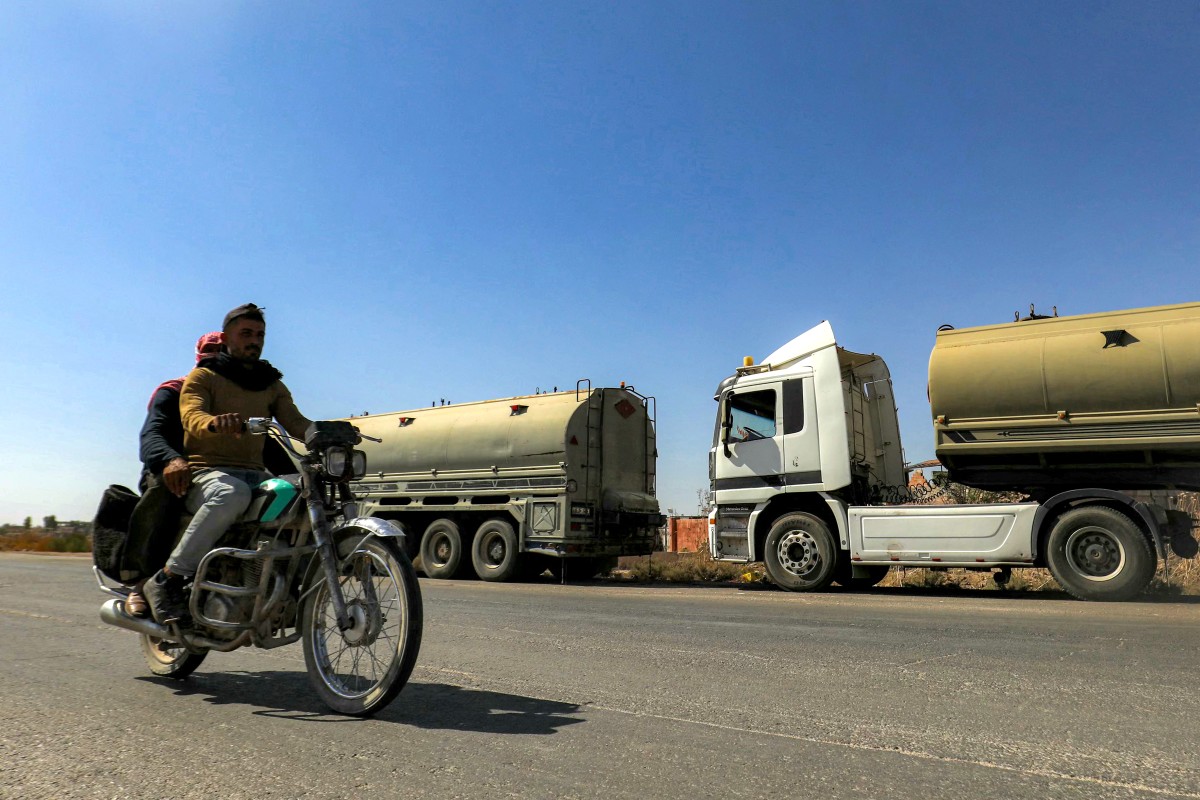
Photograph: Arab News (embedded from source)
What this story says
- Syria raised diesel by 40% and petrol up to 28% on 13 September
- Energy Minister Mohammed Al‑Bashir said the hikes were caused by “exceptional and complex circumstances” and higher import costs
- Protests and road blockages erupted in Aleppo, Idlib, Deir Ezzor, Hasakah and Raqqa
- The government later announced cheaper diesel for heating, agriculture and industry
Who covered it
Percentages are shares of the 6 outlets carrying a published leaning rating. 8 of the 14 outlets we know ran this story carry no rating and are not counted in them. Coverage measured .
Trust
64/100
Craft
95/100
Hype
45/100
14 sources · methodology
On 13 September the Syrian government increased the price of diesel by 40 percent and the price of petrol by as much as 28 percent. The Energy Ministry said the move was temporary and linked to higher international costs for refined petroleum products and a two‑month overhaul of the Baniyas refinery that reduced domestic refining capacity. Syria produces about 102,000 barrels of oil per day while domestic demand is roughly 325,000 barrels, leaving the country dependent on imports.
The price hikes triggered protests that spread across several provinces. Demonstrators blocked the M5 highway and other major roads in Aleppo, Idlib, Deir Ezzor, Hasakah and Raqqa, chanting against the increases and demanding a reversal. The People’s Assembly postponed a scheduled questioning of the Energy Minister to allow more time for the ministry to prepare a response.
““exceptional and complex circumstances””
40%
Diesel price increase
on 13 September
What the coverage left out
None of the left‑rated reports mention the 40 percent diesel increase, the 28 percent petrol increase or the minister’s justification. The centre‑rated report does not include the minister’s quote or the list of provinces where protests occurred. None of the right‑rated digests refer to the government’s later offer of cheaper diesel for heating, agriculture and industry.
Still developing. We have re-checked which outlets are covering this 1 time, most recently on 18 Sept 2026, 09:00, and will add the sides that appear.
How each side covered it
Our own reading of the reporting listed below, written from the outlets’ articles rather than quoted from them. The reasoning is set out on our methodology page.
Left
1 rated outlet
- The teleSUR digest highlighted the intensification of roadblocks by popular sectors in response to the fuel‑price rise. It did not mention the specific percentage increases, the minister’s justification, or the later offer of cheaper diesel.
Centre
1 rated outlet
- The Reuters digest reported that the government would offer cheaper diesel for heating, agriculture and industry, and described the protests as the most widespread since the fall of Bashar al‑Assad. It omitted the minister’s quote about “exceptional and complex circumstances” and did not list the provinces where road blockages occurred.
Right
4 rated outlets
- Arab News, in its full report, quoted Energy Minister Mohammed Al‑Bashir saying the hikes were forced by “exceptional and complex circumstances”. The same outlet’s digest echoed the minister’s explanation and noted road blockages in multiple provinces. Topwar.ru’s digest described protests turning violent in Ain al‑Arab, with demonstrators removing government flags and clashing with officials. Report24’s digest added that security forces fired sharp ammunition at demonstrators in Raqqa. The Ron Paul Institute’s digest framed the unrest as anti‑Sharaa regime demonstrations, calling the president “Jolani”. None of the right‑rated digests mentioned the cheaper diesel offer.
Questions about this coverage
- How did the left and right cover Syria raises diesel 40% and petrol up to 28% as protests spread across…?
- Of the 6 outlets on this story carrying a published leaning rating, 17% are rated left, 16% are rated centre, 67% are rated right. Those percentages are shares of the rated outlets, not of every outlet that ran it, which was 14. The sections above set out what each side emphasised, in its own terms.
- Is Syria raises diesel 40% and petrol up to 28% as protests spread across… left or right?
- Too few of the outlets on this story carry a published leaning rating to say. 6 of them do, and this site does not characterise a field under 12: at that size one newsroom filing moves the share by ten points. The percentages above are the count as it stands.
- Is the coverage of Syria raises diesel 40% and petrol up to 28% as protests spread across… biased?
- Syria raises diesel 40% and petrol up to 28% as protests spread across five provinces is one event reported by 14 outlets, and this page does not rate the story as biased or unbiased. What it publishes is the spread: which outlets ran it, where named rating organisations place each of them on the spectrum, and what each side chose to lead with. A leaning rating describes an outlet's record over time, not this article, and the two should not be run together.
- Which outlets covered Syria raises diesel 40% and petrol up to 28% as protests spread across…?
- 14 that we know of, every one of them listed further up this page with a link to its own report and to what we hold on the publisher. Nothing here is a summary of somebody else's summary: the outlets are named so the original reporting can be read.
- What fuel price changes did the Syrian government implement?
- On 13 September the government raised diesel prices by 40 percent and petrol prices by up to 28 percent, describing the increases as temporary and linking them to higher international costs and a refinery overhaul.
- Why did the Energy Minister say the hikes were necessary?
- Energy Minister Mohammed Al‑Bashir told reporters that “exceptional and complex circumstances” and higher costs for imported fuel forced the government to adjust prices, without providing further detail on the measures discussed with the president.
- Which areas saw protests and road blockages?
- Demonstrations and road blockages were reported in the provinces of Aleppo, Idlib, Deir Ezzor, Hasakah and Raqqa, with protesters chanting against the price hikes and blocking major highways such as the M5.
- Did the government respond with any relief measures?
- Yes, the government announced a cheaper diesel programme for heating, agriculture and industry a few days after the protests, as reported by Reuters, but this relief was not mentioned in the right‑rated coverage.
Read it at the source
14 outlets, grouped by the leaning a published rating gives them. Every headline links to the original; an underlined outlet name opens our profile of that publisher.
Left
1Centre
1Right
4- Armed Clashes in Syria Amid Rising Fuel Prices (opens topwar.ru in a new tab)
- Syrian Protests Spread To Aleppo, Raqqa While Jolani Enjoys Red Carpet At Dubai Media Event (opens The Ron Paul Institute for Peace & Prosperity in a new tab)
- Syria minister defends fuel price hike amid protests over rising costs (opens Arab News in a new tab)
- Syria Cooks: Mass Protests Against Al-Jolani – Security Forces Fire Sharp (opens Report24 in a new tab)
Not rated
8- Burning Tires and Desperate People: Mass Protests in Syria (opens Perspektive in a new tab)
Perspektive — is Perspektive biased? Our profile of this outlet
- Syria: Diesel Cheaper After Fuel Price Protests (opens Capital.gr in a new tab)
Capital.gr — is Capital.gr biased? Our profile of this outlet
- Syrian Minister Defends Fuel Price Hike, Faces Protests over Increased Costs. (opens Arab News in a new tab)
Arab News
- Syria, the Government Raises Fuel by 40% and the Square Rises: First Test for the Post-Assad (opens notiziegeopolitiche.net in a new tab)
notiziegeopolitiche.net — is notiziegeopolitiche.net biased? Our profile of this outlet
- Syria minister defends fuel price hike amid protests over rising costs (opens Islamabad Post in a new tab)
Islamabad Post — is Islamabad Post biased? Our profile of this outlet
- Syria. It Is Social Revolt Against the Government of Al Sharaa - Counterplan (opens Contro Piano in a new tab)
Contro Piano — is Contro Piano biased? Our profile of this outlet
- Syria in Revolt, Al-Sharaa Burns Its Revolution (opens Kulturjam in a new tab)
- SYRIA, CARBURANT TO STARS: NEW PROTEST AGAINST AL-SHARAA GOVERNMENT (opens AFV in a new tab)
How did this read?
About the coverage, not about the story. We do not ask whether you agree with what happened — we have no honest use for that answer.
More in Business & Economy
All Business & Economy →

Elsewhere on the site
 Conflict & Security•2 min readTrump says Iran wants a deal but is not ready
 Politics•3 min readUN General Assembly allows Abbas video address after US visa denial
 Conflict & Security•2 min readIran shoots down at least two US drones, officials say
 Politics•3 min readDemocrat Gregory Meeks Holds Up $2.8 Billion Israel Arms Sale