UN General Assembly allows Abbas video address after US visa denial
152 member states voted in favour of the resolution, with three against.
AI-assisted coverage comparison, editor-supervised · How this was made
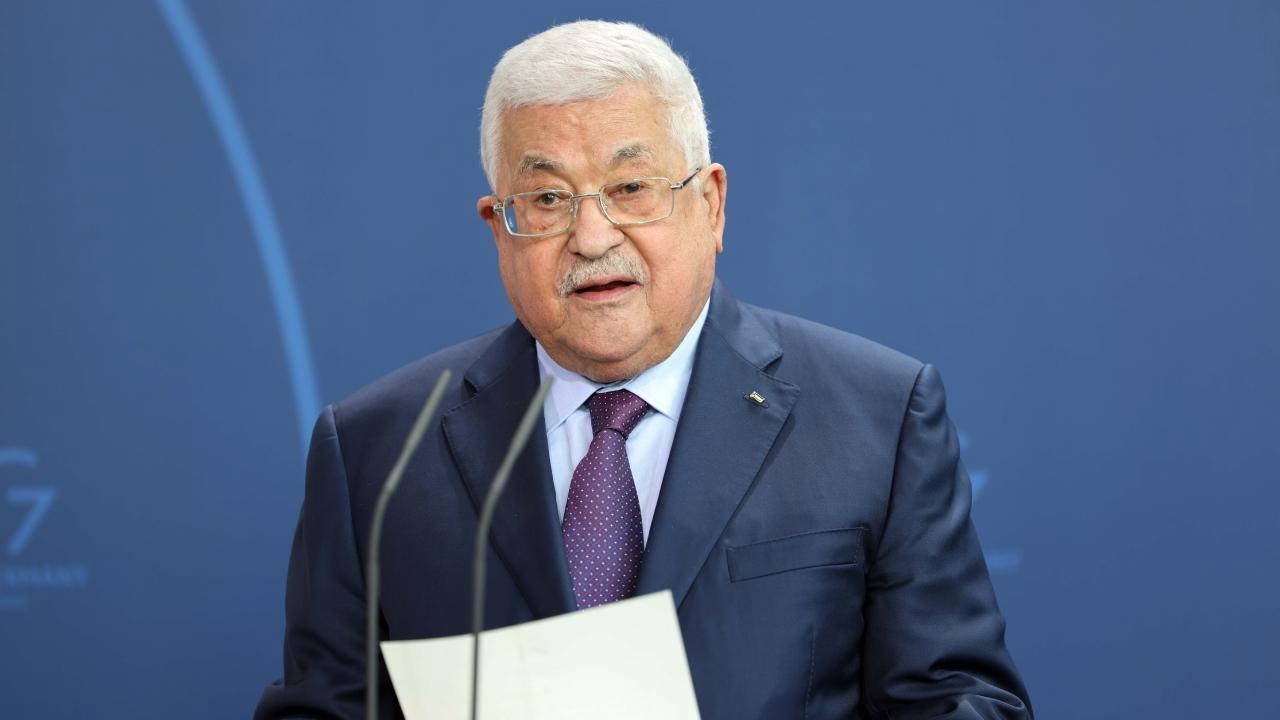
UN General Assembly allows Abbas video address after US visa denial
Photograph: Cumhuriyet (embedded from source)
What this story says
- The UN General Assembly voted 152 in favour, 3 against, and 4 abstentions to permit Palestinian President Mahmoud Abbas to address the assembly via video link.
- The United States denied Mahmoud Abbas a visa, preventing him from travelling to New York for the UN General Assembly.
- US officials cited alleged payments to terrorists and violations of US law as reasons for the visa denial.
- The resolution allows Abbas to deliver his speech virtually at the upcoming 81st UN General Assembly session.
Who covered it
Percentages are shares of the 159 outlets carrying a published leaning rating. 174 of the 333 outlets we know ran this story carry no rating and are not counted in them. Coverage measured .
Trust
86/100
Craft
95/100
Hype
15/100
333 sources · methodology
Missing from the left
Only 43 of the 159 outlets with a published leaning rating that ran this story are rated left.
A reader who follows the left would not have seen this. We report the absence rather than explain it: outlets choose what to cover for many reasons, and we have no evidence about which one applies here.
The United Nations General Assembly has passed a resolution allowing Palestinian President Mahmoud Abbas to address the 81st session via video link. The vote, which saw 152 member states in favour, three against, and four abstentions, followed the United States' decision to deny Abbas a visa.
The US visa denial prevented Abbas from travelling to New York to attend the General Assembly in person. The United States stated that the reasons for the denial included alleged payments to terrorists and violations of US law. This decision means Abbas will deliver his speech virtually, as he did in a previous year.
Disagreement on reasons for visa denial
While the United States cited alleged payments to terrorists and violations of US law for denying Mahmoud Abbas a visa, Deutsche Welle reported that the US State Department notice cited alleged association with a terror group but did not elaborate further. Welt stated the denial was due to missing reforms and non-compliance with commitments.
What the coverage left out
None of the left-rated, centre-rated, or right-rated digests mention the specific number of abstentions in the UN General Assembly vote, which was four.
Coverage settled. We checked this 8 times and stopped on 23 Sept 2026, 06:30. The figures above are what it finished at.
How other outlets pictured it
Which photograph to run is each newsroom’s own choice. The leaning beside a name is that outlet’s published rating, not a claim that the pictures divide along it. Every picture is shown from the outlet’s own server and links to the article it ran in.

UN General Assembly allows Abbas video address after US visa denial
Deutsche Welle — embedded from source
How each side covered it
Our own reading of the reporting listed below, written from the outlets’ articles rather than quoted from them. The reasoning is set out on our methodology page.
Left
43 rated outlets
- The left‑rated outlets all reported that the United States refused visas to Mahmoud Abbas and other Palestinian officials for the United Nations General Assembly. Cumhuriyet’s full report added that the Assembly voted 152‑3‑4 to allow Abbas to address the meeting via a pre‑recorded video after the visa denial.
- The Hindu’s digest led on the visa denial being justified by a failure to meet reform commitments. CBC, AP and other US outlets each led on a second‑year denial of visas for a high‑level Palestinian delegation. Haaretz noted an extension of visa sanctions; Al Jazeera highlighted Abbas among those barred; Le Monde cited accusations that the Palestinian Authority undermines peace; in.gr mentioned a lack of reforms; der Standard reported the scheduled speech.
- None of the digests mention the 152‑3‑4 vote that approved Abbas’s video address, nor do they note that the Assembly will hear his pre‑recorded speech. The digests also omit any quotations from Palestinian or US officials, and they do not report the specific language of the UN resolution that enabled the video address.
Centre
65 rated outlets
- Deutsche Welle reported that the United States denied Palestinian President Mahmoud Abbas an entry visa, preventing him from attending the UN General Assembly in New York. The report noted that the US cited payments to terrorists and violations of US law as reasons for the denial. Deutsche Welle also mentioned that the PA submitted a resolution to the UN to allow Abbas to speak virtually, as he did the previous year. The Jerusalem Post highlighted that the UN resolution allows Abbas and other senior Palestinian officials to speak via video after the US visa denial, quoting an official stating that Abbas's policy of payments to terrorists cannot be ignored. The Times of Israel focused on the US rejection of Abbas's visa, forcing him to address the UN virtually again, and noted that a Palestinian official indicated the State Department cited alleged association with a terror group without further elaboration.
Right
51 rated outlets
- Welt reported that the US denied Palestinian President Mahmoud Abbas a visa for UN meetings, stating the reason was missing reforms and non-compliance with commitments, allowing him only to participate via video. Anadolu Ajansı reported that 152 countries backed a resolution calling on the US to reverse its decision barring the delegation from attending the 81st session in person. Arutz Sheva reported the UN vote to allow Abbas to address the General Assembly by video after the US visa ban, quoting Ambassador Danon saying Abbas cannot reward terrorism and demand international legitimacy. Daily Sabah noted that Israeli Prime Minister Benjamin Netanyahu would take the UN podium while the Palestinian leader was denied a visa again. i24NEWS reported the UN approved Mahmoud Abbas's video address after the US visa denial, stating the resolution received an overwhelming majority with only three dissenting votes: the US, Israel, and Paraguay. Sapo reported that the majority of UN members approved Palestine's participation by videoconference after the US denied the visa to its president and government officials.
Questions about this coverage
- How did the left and right cover UN General Assembly allows Abbas video address after US visa denial?
- Of the 159 outlets on this story carrying a published leaning rating, 27% are rated left, 41% are rated centre, 32% are rated right. Those percentages are shares of the rated outlets, not of every outlet that ran it, which was 333. The sections above set out what each side emphasised, in its own terms.
- Is UN General Assembly allows Abbas video address after US visa denial left or right?
- Neither side dominates it. Of the 159 rated outlets on this story, 27% are rated left, 41% are rated centre, 32% are rated right, and no side holds the 70% this site would want before calling a field one-sided. A story is not left or right in any case; the outlets that carried it are what carry ratings.
- Is the coverage of UN General Assembly allows Abbas video address after US visa denial biased?
- UN General Assembly allows Abbas video address after US visa denial is one event reported by 333 outlets, and this page does not rate the story as biased or unbiased. What it publishes is the spread: which outlets ran it, where named rating organisations place each of them on the spectrum, and what each side chose to lead with. A leaning rating describes an outlet's record over time, not this article, and the two should not be run together.
- Which side is not reporting UN General Assembly allows Abbas video address after US visa denial?
- When we first saw this story, outlets rated left had barely covered it. Coverage accretes for hours after an event, so that is where to look rather than a verdict — the split above is the current count, and it is the one to read.
- Which outlets covered UN General Assembly allows Abbas video address after US visa denial?
- 333 that we know of, every one of them listed further up this page with a link to its own report and to what we hold on the publisher. Nothing here is a summary of somebody else's summary: the outlets are named so the original reporting can be read.
- Why was Mahmoud Abbas denied a visa by the United States?
- The United States denied Mahmoud Abbas a visa to attend the UN General Assembly in person. Reasons cited by US officials included alleged payments to terrorists and violations of US law. Some reports also mentioned alleged association with a terror group, missing reforms, and non-compliance with commitments.
- What was the outcome of the UN General Assembly vote?
- The UN General Assembly voted 152 in favour, 3 against, and 4 abstentions to allow Palestinian President Mahmoud Abbas to address the assembly via video link. This resolution enables him to deliver his speech virtually.
- Has Mahmoud Abbas been denied a visa by the US before?
- Yes, this is not the first time the United States has denied Mahmoud Abbas a visa to attend the UN General Assembly. Reports indicate he was also prevented from travelling to New York for the assembly in a previous year, forcing him to address it virtually.
Read it at the source
346 outlets, grouped by the leaning a published rating gives them. Every headline links to the original; an underlined outlet name opens our profile of that publisher.
Left
44- US Visas for Ruthless Autocrats to Address UN-- but not for Palestinian Leaders (opens IPS in a new tab)
- EU urges US to lift visa restrictions on Palestinian officials (opens Helsinki Times in a new tab)
Helsinki Times — is Helsinki Times biased? Our profile of this outlet
- EU urges US to rethink visa refusal for Palestinians (opens rthk.hk in a new tab)
- UN General Assembly Allows Abbas to Participate in General Debate via Video (opens China Daily in a new tab)
China Daily — is China Daily biased? Our profile of this outlet
- US Denies Visa: UN General Assembly Resolution on Mahmoud Abbas (opens Cumhuriyet in a new tab)
Cumhuriyet — is Cumhuriyet biased? Our profile of this outlet
- US lets Iran’s Pezeshkian attend UNGA, denies Abbas visa for second straight year (opens The New Indian Express in a new tab)
The New Indian Express — is The New Indian Express biased? Our profile of this outlet
- US State Department must reverse decision to ban Palestine delegation from attending UNGA session in New York (opens Amnesty International in a new tab)
Amnesty International — is Amnesty International biased? Our profile of this outletOpinion
- Washington Keeps Abbas from the UN, Again (opens Foreign Policy In Focus in a new tab)
Foreign Policy In Focus — is Foreign Policy In Focus biased? Our profile of this outlet
Show 36 more
- US Once Again Denies Palestinian Officials Visas to Attend New York UN Meeting (opens Truthout in a new tab)
- Trump admin. again denies visas for Palestinian delegation to attend U.N. General Assembly (opens NBC Washington in a new tab)
NBC Washington — is NBC Washington biased? Our profile of this outlet
- Trump admin. again denies visas for Palestinian delegation to attend U.N. General Assembly (opens NBC New York in a new tab)
NBC New York — is NBC New York biased? Our profile of this outlet
- Palestinian Officials Can't Attend the UN General Assembly This Year because of Trump (opens IndexHR in a new tab)
- U.S. denies visas to Palestinian officials ahead of U.N. General Assembly (opens The Washington Post in a new tab)
The Washington Post — is The Washington Post biased? Our profile of this outlet
- Trump admin. again denies visas for Palestinian delegation to attend U.N. General Assembly (opens NBC Bay Area in a new tab)
NBC Bay Area — is NBC Bay Area biased? Our profile of this outlet
- Trump admin. again denies visas for Palestinian delegation to attend U.N. General Assembly (opens NBC LA in a new tab)
- U.S. again denies Palestinian leader Abbas visa to attend UN assembly (opens The Hindu in a new tab)
- New York Does Not Want Netanyahu at the UN, Washington Yes (and Banna Abu Mazen) (opens HuffPost It in a new tab)
HuffPost It — is HuffPost It biased? Our profile of this outlet
- 'Unjustified' Palestinian Authority Decries US Visa Ban on Abbas (opens Common Dreams in a new tab)
Common Dreams — is Common Dreams biased? Our profile of this outlet
- US Again Blocks Palestinian President From UN General Assembly (opens Novinky.cz in a new tab)
Novinky.cz — is Novinky.cz biased? Our profile of this outlet
- US bans Palestinian president from speaking at the UN (opens Middle East Eye in a new tab)
Middle East Eye — is Middle East Eye biased? Our profile of this outlet
- US Denies Palestinian Leader Mahmoud Abbas Visa for UN Assembly (opens Telegrafi in a new tab)
- U.S. Denies, Again, Visa to Palestinian Leader Abbas to Attend UN Assembly · Global Voices (opens teleSUR in a new tab)
- US Ounce Against Denies Palestinian President Abbas Visa to Wait UN Assembly (opens Le Monde in a new tab)
- US Extends Visa Denial for Palestinian Officials Before UNGA (opens tempo.co in a new tab)
- US Again Refuses Visas for Palestinian Delegation, President Abbas Unable to Travel to New York for Annual UN Meeting (opens NRC Handelsblad in a new tab)
NRC Handelsblad — is NRC Handelsblad biased? Our profile of this outlet
- The US Denies Mahmoud Abbas a UN Visa: He Will Be Unable to Travel to New York for the Second Year in a Row. (opens Cumhuriyet in a new tab)
Cumhuriyet
- US again denies Palestinian president visa to attend UN meeting (opens The Siasat Daily in a new tab)
The Siasat Daily — is The Siasat Daily biased? Our profile of this outlet
- US Denies Visas to Palestinian Delegation for UN Meeting (opens fakti.bg in a new tab)
- US blocks Palestinian leader from UN meeting in New York for second year in row (opens Ada Derana in a new tab)
Ada Derana — is Ada Derana biased? Our profile of this outlet
- US denies Palestinian leader Abbas visa ahead of UN General Assembly (opens Saudi Gazette in a new tab)
Saudi Gazette — is Saudi Gazette biased? Our profile of this outlet
- U.S. Palestinian President Refuse Visa for UN Meetings (opens der Standard AT in a new tab)
der Standard AT — is der Standard AT biased? Our profile of this outlet
- United Nations: US Again Deny Visas to Palestinian Representatives for UN Debates (opens Zeit Online in a new tab)
Zeit Online — is Zeit Online biased? Our profile of this outlet
- For the Second Year, Washington Is Denying Abbas a Visa to Attend United Nations Meetings. (opens aljazeera.net in a new tab)
aljazeera.net — is aljazeera.net biased? Our profile of this outlet
- US extends visa ban on Palestinian officials before UN General Assembly (opens Al Jazeera in a new tab)
Al Jazeera — is Al Jazeera biased? Our profile of this outlet
- The US Has Again Refused to Grant a Visa to Palestinian President Mahmoud Abbas Ahead of the UN General Assembly This Year. (opens in.gr in a new tab)
- US Again Denies Palestinian Leader Abbas Visa for UN Meeting (opens De Morgen in a new tab)
- UN Annual Meeting: Trump Administration Refuses to Grant Visas to the Palestinian Delegation (opens La Presse in a new tab)
- U.S. extends visa sanctions against Palestinian officials, blocks Abbas from UN (opens Haaretz in a new tab)
- U.S. denies visas to Palestinian delegation for 2nd year in a row for UN assembly in New York (opens CBC News in a new tab)
- Trump administration again denies visas for Palestinian delegation to attend the UN General Assembly (opens The Toronto Star in a new tab)
The Toronto Star — is The Toronto Star biased? Our profile of this outlet
- Trump administration again denies visas for Palestinian delegation to attend the UN General Assembly (opens The Seattle Times in a new tab)
The Seattle Times — is The Seattle Times biased? Our profile of this outlet
- Trump administration again denies visas for Palestinian delegation to attend the UN General Assembly (opens Associated Press News in a new tab)
Associated Press News — is Associated Press News biased? Our profile of this outlet
- Trump administration again denies visas for Palestinian delegation to attend the UN General Assembly (opens The Hamilton Spectator in a new tab)
The Hamilton Spectator — is The Hamilton Spectator biased? Our profile of this outlet
- US again denies Palestinian leader Abbas visa to attend UN assembly (opens Al-Monitor in a new tab)
Al-Monitor — is Al-Monitor biased? Our profile of this outlet
Centre
67- U.S. Rejects Visa to Palestinian Leader Abás for UN Assembly · Global Voices (opens TVN in a new tab)
- U.S. Palestinian President Refuse Visa for UN Meetings (opens INTELLINEWS in a new tab)
INTELLINEWS — is INTELLINEWS biased? Our profile of this outlet
- UN allows Abbas, senior Palestinian officials to again speak via video after US denies visa (opens Jerusalem Post in a new tab)
Jerusalem Post — is Jerusalem Post biased? Our profile of this outlet
- The US Won't Let the President of Palestine Go to New York, but He Will Still Address the UN General Assembly. (opens ZN.UA Зеркало недели in a new tab)
ZN.UA Зеркало недели — is ZN.UA Зеркало недели biased? Our profile of this outlet
- UN allows Palestinian president to again speak via video after US denies visa (opens WTVB in a new tab)
- Trump administration denies visas for Palestinian delegation to attend UN General Assembly for second year (opens The Hill in a new tab)
- Trump admin. again denies visas for Palestinian delegation to attend U.N. General Assembly (opens NBC Chicago in a new tab)
NBC Chicago — is NBC Chicago biased? Our profile of this outlet
- Palestinian Authority objects to US decision on visas, and other Mideast developments (opens The Record in a new tab)
The Record — is The Record biased? Our profile of this outlet
Show 59 more
- US rejects Abbass entry visa forcing him to again address UN virtually (opens The Times of Israel in a new tab)
The Times of Israel — is The Times of Israel biased? Our profile of this outlet
- USA: Door for Palestinian President Mahmoud Abbas Remains Closed (opens Deutsche Welle in a new tab)
Deutsche Welle — is Deutsche Welle biased? Our profile of this outlet
- US denies Abbas a visa to UN summit for second year running (opens Euronews in a new tab)
- US extends visa sanctions on Palestinian officials ahead of UN General Assembly in New York (opens The Express Tribune in a new tab)
The Express Tribune — is The Express Tribune biased? Our profile of this outlet
- US again denies Palestinian leaders visa ahead of UN meeting (opens Daily Post Nigeria in a new tab)
Daily Post Nigeria — is Daily Post Nigeria biased? Our profile of this outlet
- US extends visa denial for Palestinian officials before UNGA (opens Deutsche Welle in a new tab)
Deutsche Welle
- US denies visa to Palestinian President Mahmoud Abbas ahead of UN general assembly (opens The Statesman in a new tab)
The Statesman — is The Statesman biased? Our profile of this outlet
- Palestinian Leader Mahmoud Abbas Has Been Denied a Visa by the United States to Visit the UN (opens 15min.lt in a new tab)
- Palestinian Leader Abbas Is Once Again Denied a US Visa for the UN Summit. (opens cedarnews.net in a new tab)
cedarnews.net — is cedarnews.net biased? Our profile of this outlet
- As Last Year, Washington Refuses Mahmoud Abbas a Visa for the UN General Assembly (opens La Libre in a new tab)
- US extends visa sanctions on Palestinian Authority officials, PLO ... (opens Reuters in a new tab)
- US Again Denies Palestinian Leader Abbas Visa to Attend UN Assembly (opens Lietuvos Radijas ir Televizija in a new tab)
- Trump administration again denies visas for Palestinian delegation to attend the UN General Assembly (opens My Mother Lode in a new tab)
My Mother Lode — is My Mother Lode biased? Our profile of this outlet
- Washington Again Refuses a Visa to the Palestinian Mahmoud Abbas for the UN General Assembly (opens Sud Ouest in a new tab)
- US again denies visas for Palestinians before UN assembly (opens RTÉ in a new tab)
- US blocks Palestinian leader from UN meeting in New York for second year in row (opens BBC News in a new tab)
- US again denies Palestinian leader Abbas visa to attend UN assembly (opens NZ Herald in a new tab)
- Trump administration again denies visas for Palestinian delegation to attend UN General Assembly (opens Greater Kashmir in a new tab)
Greater Kashmir — is Greater Kashmir biased? Our profile of this outlet
- US again denies Palestinian leader visa for UN General Assembly (opens France24 in a new tab)
- Trump Admin Denies Palestinian Officials’ Visas for ‘Glorifying Terrorism’ (opens Newsweek in a new tab)
- US again denies Palestinian leader Abbas visa to attend UN assembly (opens Radio France Internationale in a new tab)
Radio France Internationale — is Radio France Internationale biased? Our profile of this outlet
- Trump administration again denies visas for Palestinian delegation to attend the UN General Assembly (opens MOR-TV in a new tab)
- Trump administration again denies visas for Palestinian delegation to attend the UN General Assembly (opens KHBS in a new tab)
- Trump administration again denies visas for Palestinian delegation to attend the UN General Assembly (opens WJCL in a new tab)
- Trump administration again denies visas for Palestinian delegation to attend the UN General Assembly (opens KSBW in a new tab)
- Trump administration again denies visas for Palestinian delegation to attend the UN General Assembly (opens WXII in a new tab)
- Trump administration again denies visas for Palestinian delegation to attend the UN General Assembly (opens WGAL in a new tab)
- Trump administration again denies visas for Palestinian delegation to attend the UN General Assembly (opens WPBF in a new tab)
- Trump administration again denies visas for Palestinian delegation to attend the UN General Assembly (opens WAPT in a new tab)
- Trump administration again denies visas for Palestinian delegation to attend the UN General Assembly (opens KOAT in a new tab)
- Trump administration again denies visas for Palestinian delegation to attend the UN General Assembly (opens WVTM in a new tab)
- Trump administration again denies visas for Palestinian delegation to attend the UN General Assembly (opens WMTW in a new tab)
- Trump administration again denies visas for Palestinian delegation to attend the UN General Assembly (opens WBAL-TV in a new tab)
- Trump administration again denies visas for Palestinian delegation to attend the UN General Assembly (opens WPTZ in a new tab)
- Trump administration again denies visas for Palestinian delegation to attend the UN General Assembly (opens KMBC in a new tab)
- Trump administration again denies visas for Palestinian delegation to attend the UN General Assembly (opens KETV in a new tab)
- Trump administration again denies visas for Palestinian delegation to attend the UN General Assembly (opens WISN in a new tab)
- Trump administration again denies visas for Palestinian delegation to attend the UN General Assembly (opens KCCI in a new tab)
- Trump administration again denies visas for Palestinian delegation to attend the UN General Assembly (opens WTAE in a new tab)
- Trump administration again denies visas for Palestinian delegation to attend the UN General Assembly (opens WDSU in a new tab)
- Trump administration again denies visas for Palestinian delegation to attend the UN General Assembly (opens WYFF in a new tab)
- Trump administration again denies visas for Palestinian delegation to attend the UN General Assembly (opens WESH in a new tab)
- Trump administration again denies visas for Palestinian delegation to attend the UN General Assembly (opens Koco News5 in a new tab)
Koco News5 — is Koco News5 biased? Our profile of this outlet
- Trump administration again denies visas for Palestinian delegation to attend the UN General Assembly (opens WLKY in a new tab)
- Trump administration again denies visas for Palestinian delegation to attend the UN General Assembly (opens WMUR in a new tab)
- Trump administration again denies visas for Palestinian delegation to attend the UN General Assembly (opens WLWT in a new tab)
- Trump administration again denies visas for Palestinian delegation to attend the UN General Assembly (opens WCVB in a new tab)
- Trump administration again denies visas for Palestinian delegation to attend the UN General Assembly (opens KCRA 3 in a new tab)
- Trump administration blocks visas for Palestinian President, officials attending UN meeting (opens Hindustan Times in a new tab)
Hindustan Times — is Hindustan Times biased? Our profile of this outlet
- Trump administration again denies visas for Palestinian delegation to attend the UN General Assembly (opens CTV News in a new tab)
- Trump administration again denies visas for Palestinian delegation to (opens WBAL in a new tab)
- Trump administration again denies visas for Palestinian delegation to attend the UN General Assembly (opens City News in a new tab)
- Trump administration again denies visas for Palestinian delegation to attend the UN General Assembly (opens Newsday in a new tab)
- Trump administration again denies visas for Palestinian delegation to attend the UN General Assembly (opens Daily News-Record in a new tab)
Daily News-Record — is Daily News-Record biased? Our profile of this outlet
- Trump administration again denies visas for Palestinian delegation to attend the UN General Assembly (opens The Standard-Journal in a new tab)
The Standard-Journal — is The Standard-Journal biased? Our profile of this outlet
- Trump administration again denies visas for Palestinian delegation to attend the UN General Assembly (opens WKMG in a new tab)
- US denies Abbas visa as UN weighs remote participation (opens Jerusalem Post in a new tab)
Jerusalem Post
- U.S. expands PLO, PA visa bans; Mahmoud Abbas again denied entry (opens UPI in a new tab)
- Trump administration again denies visas for Palestinian delegation to attend the UN General Assembly (opens Winnipeg Free Press in a new tab)
Winnipeg Free Press — is Winnipeg Free Press biased? Our profile of this outlet
Right
55- Denying Palestinians visa for UN summit contravenes peace and statehood (opens Tehran Times in a new tab)
Tehran Times — is Tehran Times biased? Our profile of this outletOpinion
- Mahmoud Abbas: United States Deny Palestinian President Visa for UN Meetings (opens Welt in a new tab)
- Middle East: UN Approves Palestine's Participation in the Video Conference Assembly (opens Sapo in a new tab)
- UN General Assembly Backs Palestinian Participation; Abbas to Address Session by Video (opens Anadolu Ajansı in a new tab)
Anadolu Ajansı — is Anadolu Ajansı biased? Our profile of this outlet
- U.S. Denies Mahmoud Abbas Visa For U.N. General Assembly (opens WABC in a new tab)
- UN votes to let Abbas address General Assembly by video after US visa ban (opens Arutz Sheva in a new tab)
Arutz Sheva — is Arutz Sheva biased? Our profile of this outlet
- Netanyahu to take UN podium while Palestinian leader again denied visa (opens Daily Sabah in a new tab)
Daily Sabah — is Daily Sabah biased? Our profile of this outlet
- Netanyahu to take UN podium while Palestinian leader denied visa again (opens Daily Sabah in a new tab)
Daily Sabah
Show 47 more
- UN approves Mahmoud Abbas video address after US visa denial (opens i24NEWS in a new tab)
- US Denies Palestinian President Mahmoud Abbas Entry Visa Ahead of U.N. General Assembly * The Gateway Pundit * by Margaret Flavin (opens The Gateway Pundit in a new tab)
The Gateway Pundit — is The Gateway Pundit biased? Our profile of this outlet
- US Denies Palestinian Leader Abbas's Visit to the UN Assembly for the Second Year in a Row (opens Globo in a new tab)
- Trump admin again denies Abbas, Palestinian officials visas to attend UN General Assembly (opens Jewish News Syndicate in a new tab)
Jewish News Syndicate — is Jewish News Syndicate biased? Our profile of this outlet
- Trump administration bars Palestinian Authority President from entering US ahead of UN General Assembly (opens The Jewish Chronicle in a new tab)
The Jewish Chronicle — is The Jewish Chronicle biased? Our profile of this outlet
- U.S. Extends Visa Ban on Palestinian Authority Officials Over Terror Payments, Indoctrination (opens Le·gal In·sur·rec·tion in a new tab)
Le·gal In·sur·rec·tion — is Le·gal In·sur·rec·tion biased? Our profile of this outlet
- UN backs Palestinian President Abbas video address after US visa refusal (opens anews.com.tr in a new tab)
anews.com.tr — is anews.com.tr biased? Our profile of this outlet
- U.S. Rejects Visa to Palestinian Leader Abás to Attend UN Assembly · Global Voices (opens Clarin in a new tab)
- Palestinian Authority: Refusal of US Visa to Abbas Unfounded (opens dagelijksestandaard.nl in a new tab)
dagelijksestandaard.nl — is dagelijksestandaard.nl biased? Our profile of this outlet
- At the UN, only via video link (opens news-pravda.com in a new tab)
news-pravda.com — is news-pravda.com biased? Our profile of this outlet
- The U.S. Just Delivered Another Blow To The Palestinian Authority President (opens The Daily Wire in a new tab)
The Daily Wire — is The Daily Wire biased? Our profile of this outlet
- Palestinian Head of Autonomy Refused U.S. Visa Again... Likely Unable to Attend UN General Assembly (Roundup) (opens 연합뉴스-Yonhap News Agency in a new tab)
연합뉴스-Yonhap News Agency — is 연합뉴스-Yonhap News Agency biased? Our profile of this outlet
- US State Dept Extends Visa Ban for Palestinian Officials over Non-compliance Ahead of UNGA (opens Latestly in a new tab)
- US Restricts Visas for Abbas, Palestinian Officials Ahead of UN General Assembly (opens The Media Line in a new tab)
The Media Line — is The Media Line biased? Our profile of this outlet
- US State Dept extends visa ban for Palestinian officials over non-compliance ahead of UNGA - The Tribune (opens Tribune India in a new tab)
Tribune India — is Tribune India biased? Our profile of this outlet
- US extends visa ban on PA officials ahead of UN General Assembly (opens Israel Hayom in a new tab)
Israel Hayom — is Israel Hayom biased? Our profile of this outlet
- No Visa for UN General Debate: US Probably Refuses Entry to Palestinian President Abbas (opens n-tv in a new tab)
- US again denies Palestine leader Abbas visa to attend UN assembly (opens ARY News in a new tab)
- According to the Media, U.S. Presidents Deny Visas for UN Meetings (opens Die Presse in a new tab)
Die Presse — is Die Presse biased? Our profile of this outlet
- Palestinian Leader Abbas Is Once Again Denied a US Visa for the UN Summit. (opens NOS in a new tab)
- U.S. Denies Visa and Prevents Palestinian Authority President From Attending UN General Assembly · Global Voices (opens La Tercera in a new tab)
La Tercera — is La Tercera biased? Our profile of this outlet
- US Denies Palestinian Visas Ahead of UN Meeting (opens Jyllands-Posten in a new tab)
Jyllands-Posten — is Jyllands-Posten biased? Our profile of this outlet
- US Denies Palestinian Access to UN; New Video Shows Airman Rescued After Desperate Prayer (opens CBN in a new tab)
- US extends visa restrictions on Abbas and other Palestinian officials ahead of UNGA (opens i24NEWS in a new tab)
i24NEWS
- US Denies Palestinian President Visa For UN Meeting For 2nd Straight Year (opens NDTV in a new tab)
- US again denies Palestinian leader Abbas visa to attend UN assembly (opens Arab News in a new tab)
- US Denies Palestinian President Visa Ahead of UN Meeting (opens Aftenposten in a new tab)
Aftenposten — is Aftenposten biased? Our profile of this outlet
- US Refuses Palestinian President Abbas Visa Again, UN Votes on Digital Participation (opens BNR Nieuwsradio in a new tab)
BNR Nieuwsradio — is BNR Nieuwsradio biased? Our profile of this outlet
- The US Again Denies Abbas a Visa, Threatening the Palestinian President to Only Being Able to Deliver a Virtual Address at the UN (opens Tribunnews.com in a new tab)
Tribunnews.com — is Tribunnews.com biased? Our profile of this outlet
- The U.S. Denied Mahmoud Abbas Access to the UN Genassamble (opens EADaily in a new tab)
- Reports: US Deny Palestinian President Visa for UN Meetings (opens FOCUS online in a new tab)
FOCUS online — is FOCUS online biased? Our profile of this outlet
- U.S. Rejects Visa to Mahmud Abás, President of the Palestinian Authority, for UN Assembly (opens voz.us in a new tab)
- The United States Extended Visa Restrictions on the Palestinian Leadership (opens Interfax.ru in a new tab)
Interfax.ru — is Interfax.ru biased? Our profile of this outlet
- Mahmoud Abbas without a Visa to the US for a Second Year Ahead of the UN General Assembly - iefimerida.gr (opens Iefimerida in a new tab)
Iefimerida — is Iefimerida biased? Our profile of this outlet
- Palestinian Authority chief barred from entering US for UN summit (opens WIN in a new tab)
- US Again Denies Abbas Visa Ahead of UN Assembly (opens Independent Journal Review in a new tab)
Independent Journal Review — is Independent Journal Review biased? Our profile of this outlet
- US bars Palestine’s Mahmoud Abbas from attending UN general assembly in New York (opens Malay Mail in a new tab)
Malay Mail — is Malay Mail biased? Our profile of this outlet
- US again denies Palestinian leader Abbas visa to attend UN assembly (opens The Straits Times in a new tab)
The Straits Times — is The Straits Times biased? Our profile of this outlet
- US again denies Palestinian leader Abbas visa to attend UN assembly (opens Free Malaysia Today News in a new tab)
Free Malaysia Today News — is Free Malaysia Today News biased? Our profile of this outlet
- U.S. Extends Visa Sanctions On Palestinian Officials Ahead Of U.N. Assembly (opens VINnews in a new tab)
- US denies UN visas to Mahmoud Abbas and Palestinian delegation again (opens India Today in a new tab)
India Today — is India Today biased? Our profile of this outlet
- U.S. Palestinian Delegation Refuse Visas to UN Assembly (opens Handelsblatt in a new tab)
Handelsblatt — is Handelsblatt biased? Our profile of this outlet
- Trump administration again denies visas for Palestinian delegation to attend the UN General Assembly (opens MY Northwest in a new tab)
MY Northwest — is MY Northwest biased? Our profile of this outlet
- Second year in a row: US again denies Abbas a visa ahead of UN General Assembly (opens Arutz Sheva in a new tab)
Arutz Sheva
- US extends visa sanctions on Palestinian officials ahead of UN General Assembly in New York (opens Anadolu Ajansı in a new tab)
Anadolu Ajansı
- U.S. SHUTS OUT ABBAS: Palestinian Leader Denied Visa For UN General Assembly For Second Straight Year (opens Yeshiva World News in a new tab)
Yeshiva World News — is Yeshiva World News biased? Our profile of this outlet
- The United States Again Refuses a Visa to Mahmoud Abbas for the UN General Assembly (opens Le Figaro in a new tab)
Not rated
180- US bars Palestinian president from attending UN General Assembly! (opens Workers Revolutionary Party in a new tab)
Workers Revolutionary Party — is Workers Revolutionary Party biased? Our profile of this outletOpinion
- U.S. Back in Denial Since the President of the Palestinian Authority (opens Milenio Stadium in a new tab)
Milenio Stadium — is Milenio Stadium biased? Our profile of this outlet
- America Refuses to Grant the Palestinian President a visa... a New Outcome for the Victims of Gaza and the Bank. (opens eanlibya.com in a new tab)
eanlibya.com — is eanlibya.com biased? Our profile of this outlet
- Trump Is Not Grudged with Netanyahu (opens IRIS in a new tab)
- The United Nations Allowed the President of Palestine to Speak Online After the U.S. Denied a Visa. (opens RTVI in a new tab)
- State Department Extends Sanctions on Palestinian Authority and PLO Officials (opens presidentialprayerteam.org in a new tab)
presidentialprayerteam.org — is presidentialprayerteam.org biased? Our profile of this outlet
- US Denies Palestinian President Mahmoud Abbas Visa for UN Meeting (opens Roze News in a new tab)
- UN General Assembly Votes Against Visa Denial to Palestinian Officials ⋆ Radio Titograd (opens Radio Titograd in a new tab)
Radio Titograd — is Radio Titograd biased? Our profile of this outlet
Show 172 more
- UN Summit: Iranian President Granted Visa, Abbas Not (opens tpo.nl in a new tab)
- UN Approves Mahmoud Abbas' Video Speech (opens asriran.com in a new tab)
asriran.com — is asriran.com biased? Our profile of this outlet
- Iranian President Allowed Into New York for UN Summit, Palestinian President Not (opens NU in a new tab)
- UN General Assembly Allows Mahmoud Abbas to Return to Video Speeches After US Denies Visa (opens Pantau.com in a new tab)
Pantau.com — is Pantau.com biased? Our profile of this outlet
- Hundreds of Countries Reject US Decision to Bar Palestinian Delegation From Attending UN General Assembly (opens jpnn.com in a new tab)
- UN General Assembly approves video address for Mahmoud Abbas after US visa refusal (opens madhyamamonline.com in a new tab)
madhyamamonline.com — is madhyamamonline.com biased? Our profile of this outlet
- UN General Assembly Allows Mahmoud Abbas to Speak Online Due to US Visa Sanctions (opens Високий Замок in a new tab)
Високий Замок
- The UN Assembly Supports with 152 Votes Palestinian Participation After the US Veto (opens The Objective in a new tab)
The Objective — is The Objective biased? Our profile of this outlet
- US Blocks Palestinian President's Visa: 152 Countries, Including India, Support UNGA; What Happens Next? (opens Amar Ujala in a new tab)
Amar Ujala — is Amar Ujala biased? Our profile of this outlet
- UNGA votes to allow Palestine head address high-level meet via video link after US denies visa (opens India News Australia in a new tab)
India News Australia — is India News Australia biased? Our profile of this outlet
- The UN Genassamble Allowed Mahmoud Abbas to Make a Pre-Recorded Video Message (opens NEWSru.co.il in a new tab)
NEWSru.co.il — is NEWSru.co.il biased? Our profile of this outlet
- UNGA votes to allow Palestine head address high-level meet via video link after US denies visa (opens Mangalorean.com in a new tab)
Mangalorean.com — is Mangalorean.com biased? Our profile of this outlet
- UNGA votes to allow Palestine head address high-level meet via video link after US denies visa (opens Indian Abroad News in a new tab)
Indian Abroad News — is Indian Abroad News biased? Our profile of this outlet
- UNGA votes to allow Palestine head address high-level meet via video link after US denies visa (opens bhaskarlive.in in a new tab)
bhaskarlive.in — is bhaskarlive.in biased? Our profile of this outlet
- UNGA votes to allow Palestine head address high-level meet via video link after US denies visa (opens Social News XYZ in a new tab)
Social News XYZ — is Social News XYZ biased? Our profile of this outlet
- The US Had Denied Mahmoud Abbas a Visa: A New Decision Has Come From the UN. (opens Haber7 in a new tab)
- UN Authorizes Participation of the Palestinian Authority by Videoconference in the Assembly (opens SIC Notícias in a new tab)
SIC Notícias — is SIC Notícias biased? Our profile of this outlet
- US: Mahmoud Abbas Denied Visa over Terror Support (opens Norge IDAG in a new tab)
Norge IDAG — is Norge IDAG biased? Our profile of this outlet
- UN Approves Palestine’s Participation in the General Assembly Through Videoconference (opens RNN Red Nacional De Noticias in a new tab)
RNN Red Nacional De Noticias — is RNN Red Nacional De Noticias biased? Our profile of this outlet
- The United States Refused to Grant the Visa to the Palestinian President, Who Will Not Be Able to Be Present at the UN General Assembly (opens la diaria in a new tab)
- UN Approves Palestine's Participation in the General Assembly by Video Conference (opens Correio da Manhã in a new tab)
Correio da Manhã — is Correio da Manhã biased? Our profile of this outlet
- UN Approves Palestine's Participation in the Video Conference Assembly (opens Noticias ao Minuto in a new tab)
Noticias ao Minuto — is Noticias ao Minuto biased? Our profile of this outlet
- Visa Denied by the US, UN General Assembly Prohibited for Abu Mazen (opens lanotiziagiornale.it in a new tab)
lanotiziagiornale.it — is lanotiziagiornale.it biased? Our profile of this outlet
- The USA Refused a Visa to Mahmoud Abbas Before the UN General Assembly (opens Aktuelno in a new tab)
- 152 countries reject US move to block Palestinian UN participation (opens Crypto Briefing in a new tab)
Crypto Briefing — is Crypto Briefing biased? Our profile of this outlet
- 152 countries reject US move to block Palestinian UN participation (opens Cryptocurrency News in a new tab)
Cryptocurrency News — is Cryptocurrency News biased? Our profile of this outlet
- UN Approves Palestine’s Participation in the General Assembly via Videoconference (opens El Comercio in a new tab)
El Comercio — is El Comercio biased? Our profile of this outlet
- Israel Objected but the UN Approved: Abbas Will Address the General Assembly via Recorded Video (opens JDN - חדשות in a new tab)
JDN - חדשות — is JDN - חדשות biased? Our profile of this outlet
- Lebanon. US Extends Veto to Palestinians and Mahmoud Abbas to Attend UNGA - Latin American Summary (opens resumenlatinoamericano.org in a new tab)
resumenlatinoamericano.org — is resumenlatinoamericano.org biased? Our profile of this outlet
- UN Approves Palestine’s Participation in the General Assembly Through Videoconference (opens robertocavada.com in a new tab)
robertocavada.com — is robertocavada.com biased? Our profile of this outlet
- UN Approves Palestine’s Participation in the General Assembly via Videoconference (opens Proceso Digital in a new tab)
Proceso Digital — is Proceso Digital biased? Our profile of this outlet
- U.S. Again Prevents Palestinian President Mahmoud Abbas From Attending the UN Assembly (opens yucatan.com.mx in a new tab)
yucatan.com.mx — is yucatan.com.mx biased? Our profile of this outlet
- U.S. Denies Visa and Prevents Attendance of Palestinian Authority President at UN Meeting · Global Voices (opens El Mundo CR in a new tab)
El Mundo CR — is El Mundo CR biased? Our profile of this outlet
- Abbas allowed to address UNGA via videolink (opens BizToc in a new tab)
- The United Nations Allows the Palestinian President to Deliver His Speech via Video. (opens Beirut 24 in a new tab)
- US Denies Palestine President Visa to Attend UNGA (opens Kenya Insights in a new tab)
Kenya Insights — is Kenya Insights biased? Our profile of this outlet
- United States has denied Palestinian President Mahmoud Abbas an entry visa to attend the UN General Assembly (opens The Zambian Observer in a new tab)
The Zambian Observer — is The Zambian Observer biased? Our profile of this outlet
- US Again Refuses Visas to Palestinians Ahead of UN General Assembly (opens Jowhar Somali Leader in a new tab)
Jowhar Somali Leader — is Jowhar Somali Leader biased? Our profile of this outlet
- US Denies Palestinian President Mahmoud Abbas Entry Visa Ahead of U.N. General Assembly (opens stationgossip.com in a new tab)
stationgossip.com — is stationgossip.com biased? Our profile of this outlet
- US Denies Visas to Palestinian Officials Ahead of UN General Assembly (opens Reporter.gr in a new tab)
Reporter.gr — is Reporter.gr biased? Our profile of this outlet
- Washington's New "No" to Abbas - His Speech at the UN via the Internet (opens Ελεύθερος Τύπος in a new tab)
Ελεύθερος Τύπος
- Washington Once Again Prevents the Palestinian President From Attending United Nations Meetings. (opens القدس العربي in a new tab)
القدس العربي
- Trump Government Denies Palestinian Delegation Visas to UN General Assembly (opens infomoney.com.br in a new tab)
infomoney.com.br — is infomoney.com.br biased? Our profile of this outlet
- UN Authorizes President of the Palestinian Authority to Speak by Video (opens CNN Brasil in a new tab)
CNN Brasil — is CNN Brasil biased? Our profile of this outlet
- US Again Denies Visas to Palestinian Officials Ahead of UN General Assembly – Axadle (opens Axadle in a new tab)
- US Imposes Visa Ban on Mahmoud Abbas. (opens Haber Sitesi ODATV in a new tab)
Haber Sitesi ODATV — is Haber Sitesi ODATV biased? Our profile of this outlet
- U.S. Extends Veto to Palestinians and Mahmoud Abbas to Attend UN Assembly (opens Aporrea in a new tab)
- US Denies Palestinian President Mahmoud Abbas Entry Visa Ahead of U.N. General Assembly - Politics, Policy, Political Views (opens Politics, Policy, Political News in a new tab)
- US State Dept extends visa ban for Palestinian officials over non-compliance ahead of UNGA (opens torontotelegraph.com in a new tab)
torontotelegraph.com — is torontotelegraph.com biased? Our profile of this outlet
- The Trump Administration Again Denied Visas to Palestinian Officials Before the UN General Assembly (opens Vijesti in a new tab)
- USA Deny Again Seen Abbas for UN Assembly (opens correiodobrasil.com.br in a new tab)
correiodobrasil.com.br — is correiodobrasil.com.br biased? Our profile of this outlet
- Trump Government Denies Palestinians Visas Again for UN General Assembly (opens Jovem Pan News in a new tab)
Jovem Pan News — is Jovem Pan News biased? Our profile of this outlet
- US bars Palestinian president from UN trip - The Press United (opens ThePress United in a new tab)
ThePress United — is ThePress United biased? Our profile of this outlet
- US Blocks Mahmoud Abbas from UN General Assembly (opens Sada El balad in a new tab)
Sada El balad — is Sada El balad biased? Our profile of this outlet
- The USA Refused a Visa to Mahmoud Abbas Before the UN General Assembly (opens n1info.rs in a new tab)
- Trump Government Denies Palestinian Delegation Visas to UN General Assembly (opens Jornal do Comércio in a new tab)
Jornal do Comércio — is Jornal do Comércio biased? Our profile of this outlet
- US Denies Visa and Prevents Palestinian Authority President From Going to UN General Assembly (opens diarioestrategia.cl in a new tab)
diarioestrategia.cl — is diarioestrategia.cl biased? Our profile of this outlet
- U.S. Rejects Palestinian Leader Mahmoud Abbas' Visa (opens veridica.ro in a new tab)
veridica.ro — is veridica.ro biased? Our profile of this outlet
- State Department Extends Visa Ban on Abbas for UN Summit (opens Hoodline in a new tab)
- Not the first... America Rejects the Palestinian President's visa... videos... the Egyptian Lens Today. (opens almasryalyoum.com in a new tab)
almasryalyoum.com — is almasryalyoum.com biased? Our profile of this outlet
- CHOCHILINO State Department Extends Visa Ban on Abbas, Other Palestinian Officials % (opens CHOCHILINO in a new tab)
CHOCHILINO — is CHOCHILINO biased? Our profile of this outlet
- US Backs Ban on Palestinian President From Attending UN General Assembly (opens Republika Online in a new tab)
Republika Online — is Republika Online biased? Our profile of this outlet
- US Denies Visa and Prevents Palestinian Authority President From Going to UN General Assembly (opens El Periodista Online in a new tab)
El Periodista Online — is El Periodista Online biased? Our profile of this outlet
- Palestinians Reject Extended US Visa Restrictions (opens Jordan News in a new tab)
Jordan News — is Jordan News biased? Our profile of this outlet
- Mahmoud Abbas Again Prevented From Visiting the United States for the UN General Assembly (opens Courrier international in a new tab)
Courrier international — is Courrier international biased? Our profile of this outlet
- US Visa Sanctions on PA Officials Extended (opens The Arab Posts in a new tab)
The Arab Posts — is The Arab Posts biased? Our profile of this outlet
- US bans Palestinian president from speaking at the UN (opens If Americans Knew Blog in a new tab)
If Americans Knew Blog — is If Americans Knew Blog biased? Our profile of this outlet
- For the Second Year in a Row, Washington Refuses to Grant Abbas a Visa to Attend the United Nations and the Authority Condemns the Decision. (opens جنوبية in a new tab)
جنوبية
- US Refuses to Issue Visa to Abbas, Palestinian Authority Chief Unable to Address UN in Person (opens echo24.cz in a new tab)
- Palestinian Authority Condemned USA for Prohibiting Visas Preventing United Nations Presence (opens Correio da Manhã in a new tab)
Correio da Manhã
- Palestinian Leaders Denied Visas to US (opens hbl.fi in a new tab)
- President of the Palestinian Authority Forbids Donald Trump to Participate in the UN General Assembly (opens L'Humanité in a new tab)
L'Humanité — is L'Humanité biased? Our profile of this outlet
- For the Second Year, the US Did Not Grant Mahmoud Abbas a Visa for the UN General Assembly (opens CNN Greece in a new tab)
CNN Greece — is CNN Greece biased? Our profile of this outlet
- War in the Middle East: Iranian Civilians Caught in Vice; Mahmoud Abbas Deprived of UN Visa (opens La Croix in a new tab)
- US Renews Palestinian Visa Sanctions 2026 (opens The World Reviews in a new tab)
The World Reviews — is The World Reviews biased? Our profile of this outlet
- US Extends Visa Ban on Palestinians, Saying They Support Terrorism (opens Dnevnik in a new tab)
- Palestinian Authority: Refusal of US Visa to Abbas Unfounded (opens welingelichtekringen.nl in a new tab)
welingelichtekringen.nl — is welingelichtekringen.nl biased? Our profile of this outlet
- Palestinian Authority: Refusal of US Visa to Abbas Unfounded (opens Nieuws.nl in a new tab)
- US Again Denies Palestinian Leader Abbas Visa For UN Assembly (opens The Whistler Nigeria in a new tab)
The Whistler Nigeria — is The Whistler Nigeria biased? Our profile of this outlet
- US Again Denies Visas to Palestinian Delegation to UN General Assembly (opens Клуб 'Z' in a new tab)
- US extends visa ban on Palestinian officials before UN General Assembly (opens Free Press Kashmir in a new tab)
Free Press Kashmir — is Free Press Kashmir biased? Our profile of this outlet
- US again denies Palestinian leaders visa ahead of UN meeting - NewsTmes.com.ng (opens NewsTimes.com.ng in a new tab)
NewsTimes.com.ng — is NewsTimes.com.ng biased? Our profile of this outlet
- US State Department Blocks Mahmoud Abbas's UN General Assembly Travel, Escalating Diplomatic Tensions (opens Portal Mix Vale in a new tab)
Portal Mix Vale — is Portal Mix Vale biased? Our profile of this outlet
- “US Again Denies Mahmoud Abbas Visa For UN General Assembly” — Palestinian Leader Barred From New York For Second Straight Year (opens TheNigerialawyer in a new tab)
TheNigerialawyer — is TheNigerialawyer biased? Our profile of this outlet
- U.S. Again Denies Abbas Visa for UN General Assembly (opens virtualjerusalem.com in a new tab)
virtualjerusalem.com — is virtualjerusalem.com biased? Our profile of this outlet
- US again denies Palestinian President Mahmoud Abbas visa ahead of UN General Assembly (opens arabtimesonline.com in a new tab)
arabtimesonline.com — is arabtimesonline.com biased? Our profile of this outlet
- The US Has Denied Palestinian President Abbas a Visa! He Will Attend the UN via Video Conference. (opens Halk TV in a new tab)
- USA Deny Abu Mazen Visa for UN Assembly (opens Agenparl in a new tab)
- US: New Sanctions on Palestinian Authority and PLO — Abbas Visa-Free (opens sigmalive.com in a new tab)
sigmalive.com — is sigmalive.com biased? Our profile of this outlet
- US denies President Abbas visa to attend UN General Assembly for second year (opens Legit.ng in a new tab)
- US Says No to Palestinian Leader: Important Decision Made Before UN Session (opens Gazeta in a new tab)
- Crisis Ahead of the UN General Assembly: US Imposes Visa Sanctions on the Palestinian Authority. (opens medyafaresi.com in a new tab)
medyafaresi.com — is medyafaresi.com biased? Our profile of this outlet
- Visa Dispute: Abbas Plans Virtual Speech in Front of the UN (opens Blick in a new tab)
- The US Says No Again: Leader Visa-Free for UN Summit (opens rmf24.pl in a new tab)
- US Blocks Palestinian President Abbas From Obtaining a Visa. (opens elipshaber.com in a new tab)
elipshaber.com — is elipshaber.com biased? Our profile of this outlet
- The US Did Not Grant a Visa to Mahmoud Abbas. (opens YENİDÜZEN in a new tab)
- US Did Not Issue a Visa to Mahmoud Abbas Again: He Was Prevented From Attending the UN General Assembly (opens Tr724 in a new tab)
- US Refuses Again to Grant Mahmoud Abbas Visa for UN General Assembly (opens TV Χωρίς Σύνορα in a new tab)
TV Χωρίς Σύνορα — is TV Χωρίς Σύνορα biased? Our profile of this outlet
- Palestinian Leader Mahmoud Abbas Was Denied a Visa by the US! The Reason Is Scandalous. (opens tgrthaber.com in a new tab)
tgrthaber.com — is tgrthaber.com biased? Our profile of this outletOpinion
- US Denies Visa Application to Palestinian Delegation. (opens gazetepencere.com in a new tab)
gazetepencere.com — is gazetepencere.com biased? Our profile of this outlet
- As Last Year, Washington Refuses Mahmoud Abbas a Visa for the UN General Assembly (opens LaProvence.com in a new tab)
LaProvence.com — is LaProvence.com biased? Our profile of this outlet
- US: New Visa Ban on Mahmoud Abbas for the UN General Assembly - The Press Project - News, Analysis, Radio, Television (opens The Press Project in a new tab)
The Press Project — is The Press Project biased? Our profile of this outlet
- The US Rejected Mahmoud Abbas's Visa Application. (opens anlatilaninotesi.com.tr in a new tab)
anlatilaninotesi.com.tr — is anlatilaninotesi.com.tr biased? Our profile of this outlet
- The President of the Palestinian Authority Will Not Come to New York. US Authorities Have Refused to Issue a Visa. (opens Rzeczpospolita in a new tab)
Rzeczpospolita — is Rzeczpospolita biased? Our profile of this outlet
- The US Denied Mahmoud Abbas a Visa and Did Not Allow Him to Enter the UN (opens Actualno.com in a new tab)
Actualno.com — is Actualno.com biased? Our profile of this outlet
- US Blockade of Palestinian President Mahmoud Abbas: Out of UN General Assembly for Second Year (opens δημοκρατία in a new tab)
δημοκρατία
- Washington Refuses to Grant Abbas a Visa to Attend General Assembly Meetings (opens sawaleif.com in a new tab)
sawaleif.com — is sawaleif.com biased? Our profile of this outlet
- US again denies Palestinian President visa to attend UN General Assembly (opens News Wire in a new tab)
- U.S. Back in Denial Since the President of the Palestinian Authority for the UN General Assembly (opens SIC Notícias in a new tab)
SIC Notícias
- Mahmoud Abbas: US Again Refuses to Grant Visa to Palestinian Authority President | Pandora's Box (opens koutipandoras.gr in a new tab)
koutipandoras.gr — is koutipandoras.gr biased? Our profile of this outlet
- For the Second Year in a Row, the US Has Denied the Palestinian President a Visa to Attend the UN Session. (opens SINDOnews.com in a new tab)
SINDOnews.com — is SINDOnews.com biased? Our profile of this outlet
- US Denies Palestinian Leader Abbas Visa Ahead of UN General Assembly (opens AlKhaleej Today in a new tab)
AlKhaleej Today — is AlKhaleej Today biased? Our profile of this outlet
- US: Denies Mahmoud Abbas a Visa for the UN General Assembly for the Second Year (opens NewsBomb in a new tab)
- The Final Act in the Diplomatic Crisis: Washington Closes the UN Platform to Palestinian Leader Abbas. (opens gercekgundem.com in a new tab)
gercekgundem.com — is gercekgundem.com biased? Our profile of this outlet
- US Refuses (Again) to Grant Mahmoud Abbas a Visa for UN Secretary General (opens dialogos.com.cy in a new tab)
dialogos.com.cy — is dialogos.com.cy biased? Our profile of this outlet
- US Denies Palestinian President Mahmoud Abbas Visa Application. (opens yenicaggazetesi.com in a new tab)
yenicaggazetesi.com — is yenicaggazetesi.com biased? Our profile of this outlet
- U.S. Back to Deny Visa to the President of the Palestinian Authority (opens IOL Portugal in a new tab)
IOL Portugal — is IOL Portugal biased? Our profile of this outlet
- The US Denied a Visa to Palestinian Leader Abbas - Serbestiyet (opens serbestiyet.com in a new tab)
serbestiyet.com — is serbestiyet.com biased? Our profile of this outlet
- USA Again Deny Abbas Visa for UN Meetings (opens vienna.at in a new tab)
- US blocks Palestinian leader from UN meeting in New York for second year in row (opens The Namibian in a new tab)
The Namibian — is The Namibian biased? Our profile of this outlet
- The US Has Rejected the Visa Request of Palestinian President Abbas, Who Is Scheduled to Attend the UN General Assembly (opens Habertürk in a new tab)
- U.S. Back in Denial Since the President of the Palestinian Authority (opens Noticias ao Minuto in a new tab)
Noticias ao Minuto
- Visa Decision Before the General Assembly! Washington Blocks Mahmoud Abbas with UN Action. (opens Akşam in a new tab)
- US Extends Visa Sanctions on Palestinian Officials and President Mahmoud Abbas Ahead of UN General Assembly (opens madhyamam.com in a new tab)
madhyamam.com — is madhyamam.com biased? Our profile of this outlet
- The US Has Rejected the Visa Application of Mahmoud Abbas, Who Is Scheduled to Attend the UN General Assembly. (opens haberglobal.com in a new tab)
haberglobal.com — is haberglobal.com biased? Our profile of this outlet
- The US Has Rejected Palestinian Leader Mahmoud Abbas's Visa Application. (opens ekonomim.com in a new tab)
ekonomim.com — is ekonomim.com biased? Our profile of this outlet
- The US Denied a Visa to Palestinian President Abbas. (opens Karar Gazetesi in a new tab)
Karar Gazetesi — is Karar Gazetesi biased? Our profile of this outlet
- US Again Denies Visas to Palestinian Delegation to UN General Assembly (opens Aktuality.sk in a new tab)
Aktuality.sk — is Aktuality.sk biased? Our profile of this outlet
- UN General Assembly Meeting: US Did Not Issue a Visa to Mahmoud Abbas for the Second Consecutive Year (opens روزنامه اطلاعات روز in a new tab)
روزنامه اطلاعات روز
- US Denies Abbas Visa Again. Palestinian President Will Not Attend UN Talks in Person (opens iDNES.cz in a new tab)
- Trump Attacked the Palestinians: Mahmoud Abbas and the High Delegation Were Left without Visas for the UN in New York (opens Avaz.ba in a new tab)
- The US Rejected Mahmoud Abbas's Visa Application. (opens turkiyegazetesi.com.tr in a new tab)
turkiyegazetesi.com.tr — is turkiyegazetesi.com.tr biased? Our profile of this outlet
- New Palestine Scandal From the US! (opens Haber7 in a new tab)
Haber7
- The US Has Rejected the Visa Application of Mahmoud Abbas, Who Is Scheduled to Attend the UN General Assembly. (opens Haberler in a new tab)
- Washington Still Denies the Visa to Palestinian President Abbas: at the UN Will Speak only in Video (opens notiziegeopolitiche.net in a new tab)
notiziegeopolitiche.net — is notiziegeopolitiche.net biased? Our profile of this outlet
- US Blocks Abbas' Entry; Palestinians Ask Him to Speak Remotely (opens JDN - חדשות in a new tab)
JDN - חדשות
- Sanctioning Officials of the Palestinian Authority and Members of the Palestine Liberation Organization (opens United States Department of State in a new tab)
- US Announces Expansion of Visa Restrictions on Palestinian Authority and Palestine Liberation Organization Officials (opens Pakistan24 in a new tab)
Pakistan24 — is Pakistan24 biased? Our profile of this outlet
- US again denies Palestinian leader Abbas visa to attend UN assembly (opens The Frontier Post in a new tab)
The Frontier Post — is The Frontier Post biased? Our profile of this outlet
- US Denies Abbas Visa to Attend UN General Assembly (opens jauns.lv in a new tab)
- US Extends Visa Ban On Palestinian Officials Before UN General Assembly (opens SRI in a new tab)
- US Denies Palestinian Authority President Mahmoud Abbas Visa Ahead of UN General Assembly (opens Capital.gr in a new tab)
Capital.gr — is Capital.gr biased? Our profile of this outlet
- US Refuses (Again) to Grant Mahmoud Abbas a Visa for the UN General Assembly (opens Naftemporiki in a new tab)
Naftemporiki — is Naftemporiki biased? Our profile of this outlet
- Reports: USA Refuse Abbas Visa for UN Meetings (opens ORF.at News in a new tab)
ORF.at News — is ORF.at News biased? Our profile of this outlet
- Ahead of the UN General Assembly, the US Made a Scandalous Move Against Palestine. (opens A Haber in a new tab)
A Haber — is A Haber biased? Our profile of this outletOpinion
- US Blocks Abbas: Will Not Attend UN Assembly, Will Speak via Zoom (opens kikar.co.il in a new tab)
kikar.co.il — is kikar.co.il biased? Our profile of this outlet
- U.S. extends visa restrictions on Palestinian officials ahead of UN General Assembly - The Copenhagen Post (opens cphpost.dk in a new tab)
cphpost.dk — is cphpost.dk biased? Our profile of this outlet
- US Denies Abbas Visa to Attend UN General Assembly (opens pmo.ee in a new tab)
- Mahmoud Abbas: The US Refuses to Grant Him a Visa for the Second Year in a Row (opens Documento in a new tab)
- U.S. Rejects Visas to Palestinian Delegation to UN General Assembly · Global Voices (opens Independent Español in a new tab)
Independent Español — is Independent Español biased? Our profile of this outlet
- The USA Again Banned the Palestinians and Mahmoud Abbas From Coming to the UN: They Are Bothered by the Accusations Against Israel (opens Klix in a new tab)
- US extends visa ban on Palestinian officials ahead of UN General Assembly (opens WTX News in a new tab)
- Report: US Prevents Abbas From Attending UN Assembly (opens סרוגים in a new tab)
סרוגים
- New US "Blockade" Against Mahmoud Abbas - He Is Not Granted a Visa for the UN General Assembly (opens ΑΘΗΝΑ 9,84 in a new tab)
ΑΘΗΝΑ 9,84 — is ΑΘΗΝΑ 9,84 biased? Our profile of this outlet
- The Trump Administration Prevents the Palestinian President From Attending Meetings of the United Nations General Assembly for the Second Year - Al-Shawq Gate (opens Al-Shorouk in a new tab)
Al-Shorouk — is Al-Shorouk biased? Our profile of this outlet
- Abbas Denied Visa to Address UN General Assembly (opens RÚV in a new tab)
- US extends visa ban on Palestinian officials before UN General Assembly (opens aje.news in a new tab)
- US Rejects Palestinian President Mahmoud Abbas' Visa, He Will Not Be Able to Attend UN Meeting (opens TV9 Hindi in a new tab)
- Abbas Will Not Go to New York. The US Again Denied Visas to the Palestinian Delegation to Attend the UN General Assembly (opens Hospodárske Noviny in a new tab)
Hospodárske Noviny — is Hospodárske Noviny biased? Our profile of this outlet
- U.S. Bars Abbas From UN General Assembly for Second Straight Year (opens matzav.com in a new tab)
matzav.com — is matzav.com biased? Our profile of this outlet
- Mahmoud Abbas's Window Is Banned From the U.S. visa... After the Extension of the Ban. (opens nafeza2world.com in a new tab)
nafeza2world.com — is nafeza2world.com biased? Our profile of this outlet
- AFP: US Refuses Visa to Abbas, He Will Not Attend UN General Assembly | ČeskéNoviny.cz (opens ceskenoviny.cz in a new tab)
ceskenoviny.cz — is ceskenoviny.cz biased? Our profile of this outlet
- US again denies Palestinian leader Abbas visa to attend UN assembly (opens rtl.lu in a new tab)
- UN: Washington Refuses a Visa to Mahmoud Abbas Again (opens RTS in a new tab)
- US Again Denies Palestinian Authority President Abbas Visa Ahead of UN General Assembly (opens SSS.fi in a new tab)
- The U.S. Denied the Palestinian Authority President a Visa and the U.N. Evaluates His Remote Participation in the General Assembly (opens AJN Agencia de Noticias in a new tab)
AJN Agencia de Noticias — is AJN Agencia de Noticias biased? Our profile of this outlet
- US Denies Palestine President Visa to Attend UNGA (opens newscentraltv.com in a new tab)
newscentraltv.com — is newscentraltv.com biased? Our profile of this outlet
- US Expands Sanctions Against Members of the Palestinian National Authority (opens Apa in a new tab)
- Trump administration again denies visas for Palestinian delegation to attend the UN General Assembly (opens KXL in a new tab)
- United states denies palestinian president mahmoud abbas entry visa for UN general assembly in New York next week (opens Crypto Briefing in a new tab)
Crypto Briefing
- Trump Denies Visa of President of the Palestinian Authority (opens Folha de S.Paulo in a new tab)
Folha de S.Paulo — is Folha de S.Paulo biased? Our profile of this outlet
- United States Denies Visa and Prevents the President of the Palestinian Authority From Going to the UN General Assembly (opens El Economista in a new tab)
El Economista — is El Economista biased? Our profile of this outlet
How did this read?
About the coverage, not about the story. We do not ask whether you agree with what happened — we have no honest use for that answer.
More in Politics
All Politics →


Elsewhere on the site
 Conflict & Security•2 min readUAE official hopes for US-Iran breakthrough, prepared for worst
 Conflict & Security•3 min readIran targeted US air defenses before hitting Mideast bases
 Conflict & Security•3 min readTrump says US not rushing to end Iran war
 Conflict & Security•3 min readTrump says US must target one or two sites in Iran