Russia's wartime economy shows strain from military spending
Consumers and businesses report gloomier sentiment as growth slows, though economists do not foresee immediate collapse.
AI-assisted coverage comparison, editor-supervised · How this was made
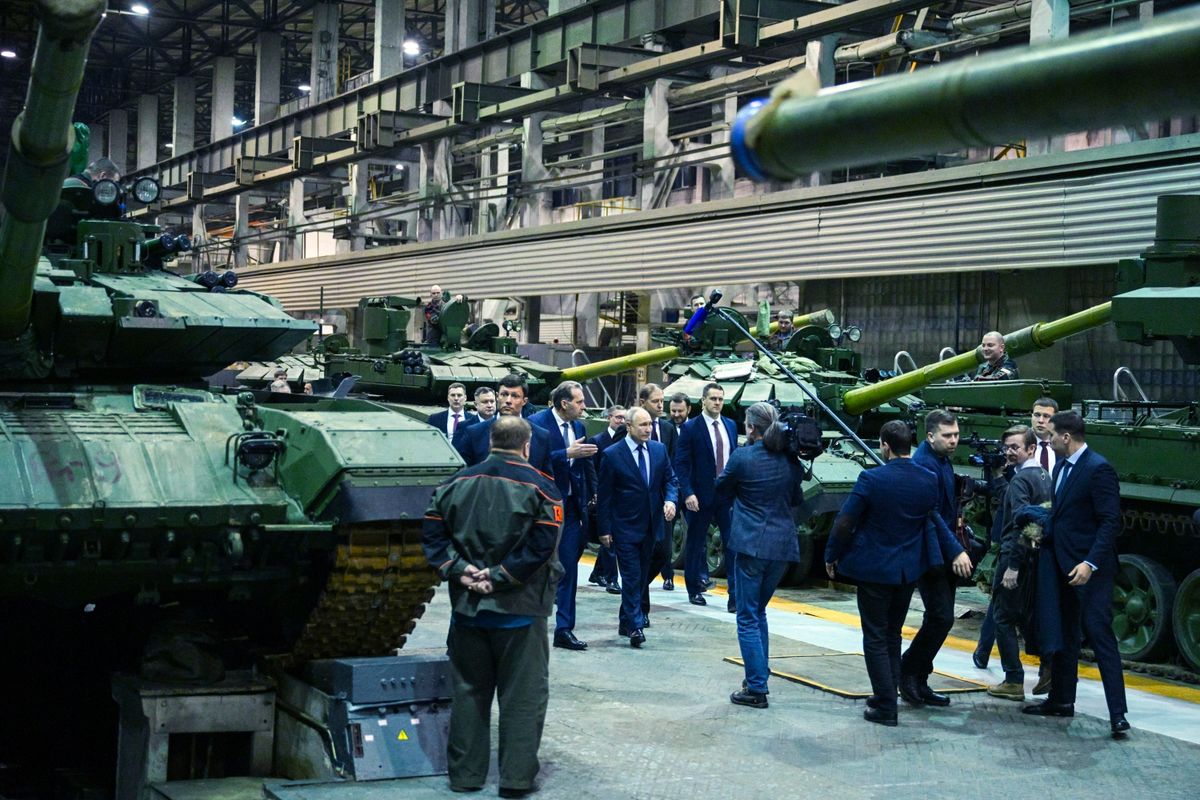
Russia's wartime economy shows strain from military spending
Photograph: My Mother Lode (embedded from source)
What this story says
- Russia's wartime economy is under strain from increased military spending, which has led to a widening budget deficit.
- Consumer sentiment has fallen, with the Levada Center index dropping to 94 in summer, indicating more negative than positive sentiment.
- Economists state that despite these pressures, the current situation does not signal an imminent financial crisis or economic collapse.
- The government forecasts 0.6% economic growth for 2026, a slowdown from previous years.
Who covered it
Percentages are shares of the 6 outlets carrying a published leaning rating. Coverage measured .
Trust
66/100
Craft
95/100
Hype
15/100
6 sources · methodology
Thin on the right so far
None of the 6 outlets with a published leaning rating that ran this story are rated right.
This story is still being watched, so it is a count and not yet a finding. Coverage keeps arriving for hours after an event, and a side that has published nothing this morning may publish by tonight. If it is still true when we stop checking, we will say so plainly.
Russia's economy is facing increasing difficulties driven by substantial military expenditures, which are expanding the budget deficit. Both consumers and businesses are reporting more pessimistic outlooks, and economic growth has decelerated. Despite these pressures, economists suggest that an immediate financial crisis or economic collapse is not imminent. Crucial oil export revenues are reportedly holding up, enabling the government to fund its ongoing military operations. Low unemployment and government support in less affluent regions are also contributing to public stability.
However, economists warn of long-term issues that could undermine the economy's foundations. Indicators of consumer sentiment have declined since a peak in 2024-25, a period when military spending had boosted growth and wages. More recently, consumers have contended with higher gasoline prices and shortages resulting from Ukrainian drone attacks on refineries. Many small businesses have also experienced losses due to strikes against online retailers. Economic growth has slowed from a peak of over 4% annual expansion in 2023-24, with the government forecasting 0.6% for 2026. The economy contracted in the first quarter before a partial rebound in the second.
Consumer sentiment decline
The consumer sentiment index compiled by the Levada Center fell to 94 over the summer, a decrease from 116 in the spring and summer of 2025. Readings below 100 signify that consumer sentiment is more negative than positive. Economists like Chris Weafer of Macro-Advisory Ltd. describe the economy as being in a state of "tolerable stability," with public mood characterized as "grumbling" rather than protesting, noting that disruptions to shopping habits are unlikely to alter public support for the Kremlin. President Vladimir Putin's approval rating has seen a recent decline but remains higher than pre-war levels.
Budget deficit and long-term concerns
A significant indicator of economic stress is Russia's budget deficit and the government's efforts to secure funding. The government has increased value-added tax, introduced other fees, and tightened taxation on small businesses, yet the deficit continues to grow. By the end of July, the budget deficit reached 2.8% of annual economic output, nearly double the initial target. Russia's reserve fund has diminished to 1.6% of GDP, necessitating domestic bank borrowing at high interest rates, with Russian bond yields reportedly reaching 17%. Experts like Janis Kluge of the German Institute for International and Security Affairs suggest that budget stress raises questions about the sustainability of the war effort. Russia's central bank has maintained high interest rates to combat inflation stemming from war spending, which disadvantages civilian companies compared to defense firms seeking credit. Some economists, such as Torbjörn Becker at the Stockholm School of Economics, warn that Western sanctions limit new investment, and the combination of high spending, low growth, and rising debt indicates a dangerous erosion of the economy's structural foundations, though the timing of any potential crisis remains uncertain.
What the coverage left out
None of the left-rated or centre-rated reports mention the specific figure of $1.2bn in relation to any aspect of Russia's economy or military spending.
Still developing. We have re-checked which outlets are covering this 4 times, most recently on 18 Sept 2026, 07:00, and will add the sides that appear.
How each side covered it
Our own reading of the reporting listed below, written from the outlets’ articles rather than quoted from them. The reasoning is set out on our methodology page.
Left
4 rated outlets
- The left-rated reports led on the growing frictions in Russia's wartime economy, highlighting the ballooning budget deficit due to massive military spending. They noted that consumers and businesses are gloomier and growth has slowed. These reports carried the Levada Center's consumer sentiment index falling to 94 over the summer, down from 116 in spring and summer of 2025, and mentioned that readings under 100 indicate more negative than positive sentiment. They also included economists' warnings about longer-term problems gnawing at the foundations and the potential for a future crisis, with one report quoting Torbjörn Becker stating the current trajectory is "unsustainable."
Centre
2 rated outlets
- The centre-rated reports focused on the growing strains in Russia's wartime economy, particularly the budget deficit caused by military spending and the resulting pessimism among consumers and businesses. They reported the government's forecast of 0.6% economic growth for 2026 and the contraction in the first quarter. These reports also highlighted the Levada Center's consumer sentiment index falling to 94 over the summer. They included economists' views that an imminent financial crisis or economic collapse is not expected, citing oil export revenues and government support. The reports also detailed the budget deficit reaching 2.8% of annual economic output and the dwindling reserve fund, alongside warnings about long-term structural erosion and high borrowing costs.
Right
0 rated outlets
No outlet rated right has run this story so far. We are still checking, and will say plainly if that does not change.
Questions about this coverage
- How did the left and right cover Russia's wartime economy shows strain from military spending?
- Of the 6 outlets on this story carrying a published leaning rating, 67% are rated left, 33% are rated centre, 0% are rated right. Those percentages are shares of the rated outlets, not of every outlet that ran it. The sections above set out what each side emphasised, in its own terms.
- Is Russia's wartime economy shows strain from military spending left or right?
- Too few of the outlets on this story carry a published leaning rating to say. 6 of them do, and this site does not characterise a field under 12: at that size one newsroom filing moves the share by ten points. The percentages above are the count as it stands.
- Is the coverage of Russia's wartime economy shows strain from military spending biased?
- Russia's wartime economy shows strain from military spending is one event reported by 6 outlets, and this page does not rate the story as biased or unbiased. What it publishes is the spread: which outlets ran it, where named rating organisations place each of them on the spectrum, and what each side chose to lead with. A leaning rating describes an outlet's record over time, not this article, and the two should not be run together.
- Which side is not reporting Russia's wartime economy shows strain from military spending?
- When we first saw this story, outlets rated right had barely covered it. Coverage accretes for hours after an event, so that is where to look rather than a verdict — the split above is the current count, and it is the one to read.
- Which outlets covered Russia's wartime economy shows strain from military spending?
- 6 that we know of, every one of them listed further up this page with a link to its own report and to what we hold on the publisher. Nothing here is a summary of somebody else's summary: the outlets are named so the original reporting can be read.
- What is the current state of Russia's economy?
- Russia's wartime economy is experiencing strain due to high military spending, leading to a growing budget deficit, increased pessimism among consumers and businesses, and slower economic growth. While economists do not foresee an immediate crisis, long-term structural erosion is a concern.
- How has consumer sentiment changed in Russia?
- Consumer sentiment has declined, with the Levada Center's index falling to 94 over the summer. This figure is down from 116 in spring and summer of 2025, and readings below 100 indicate that more consumers hold negative views than positive ones.
- What is the forecast for Russia's economic growth?
- The Russian government forecasts 0.6% economic growth for the year 2026. This represents a significant slowdown compared to previous periods, which saw growth rates exceeding 4% annually.
Read it at the source
6 outlets, grouped by the leaning a published rating gives them. Every headline links to the original; an underlined outlet name opens our profile of that publisher.
Left
4- Russia’s wartime economy faces long-term erosion from debt and military spending (opens The Seattle Times in a new tab)
The Seattle Times — is The Seattle Times biased? Our profile of this outlet
- Russia's wartime economy faces long-term erosion from debt and military spending (opens Goshen News in a new tab)
Goshen News — is Goshen News biased? Our profile of this outlet
- Russia's wartime economy faces long-term erosion from debt and military spending (opens The Independent (US) in a new tab)
The Independent (US) — is The Independent (US) biased? Our profile of this outlet
- Russia's wartime economy faces long-term erosion from debt and military spending (opens The Independent in a new tab)
The Independent — is The Independent biased? Our profile of this outlet
Centre
2- Russia’s wartime economy faces long-term erosion from debt and military spending (opens My Mother Lode in a new tab)
My Mother Lode — is My Mother Lode biased? Our profile of this outlet
- Russia's wartime economy faces long-term erosion from debt and military spending (opens Winnipeg Free Press in a new tab)
Winnipeg Free Press — is Winnipeg Free Press biased? Our profile of this outlet
Right
0No outlet in this group ran the story.
Not rated
0No outlet in this group ran the story.
How did this read?
About the coverage, not about the story. We do not ask whether you agree with what happened — we have no honest use for that answer.
More in Business & Economy
All Business & Economy →


Elsewhere on the site
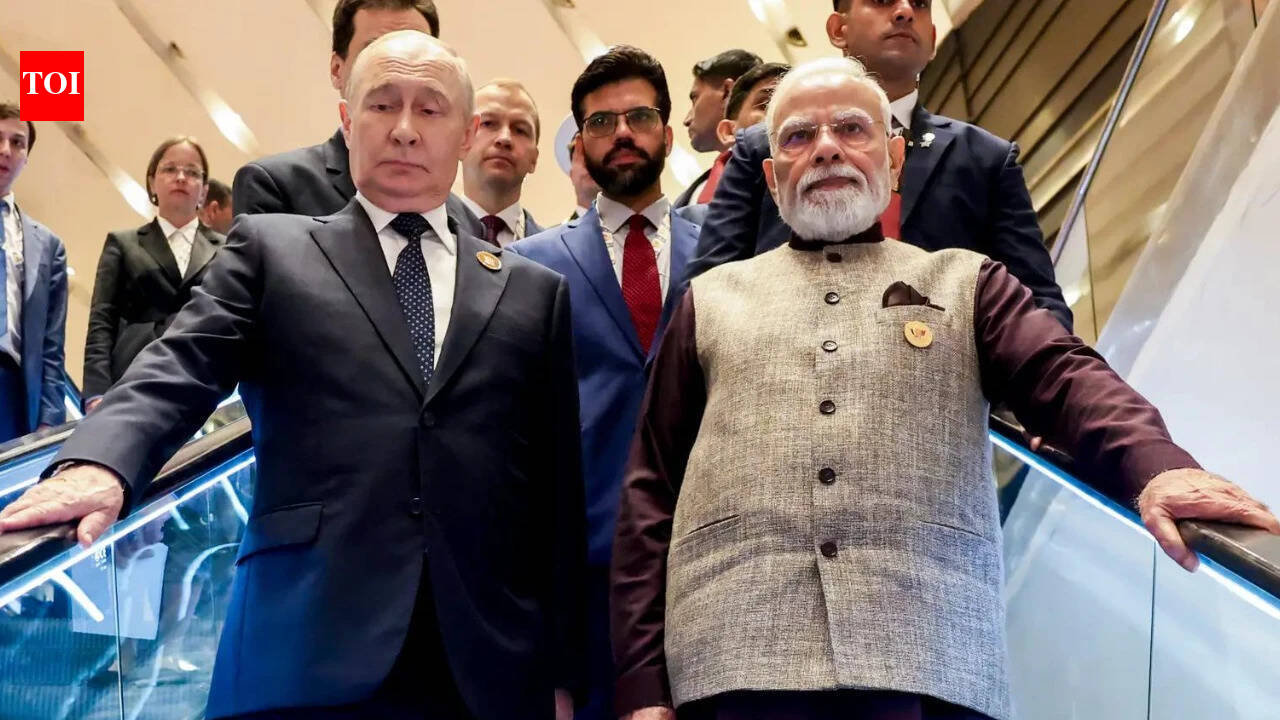 Politics•2 min readPutin congratulates Modi on 76th birthday, praises ties
 Politics•4 min readRussia holds parliamentary elections amid Ukraine war
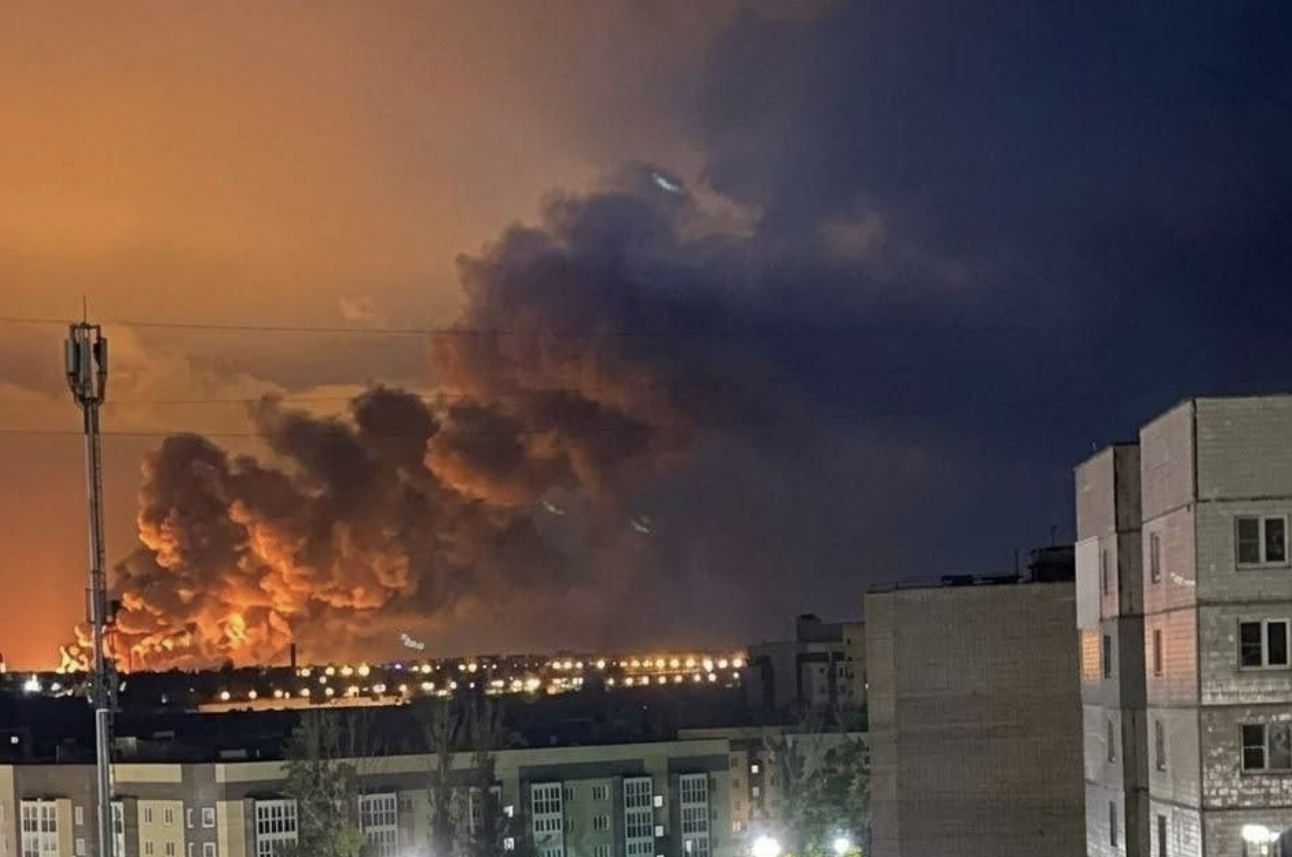 Conflict & Security•3 min readFire at Russian oil refinery after Ukrainian drone attack
 Conflict & Security•3 min readIran adds earth barriers to Pickaxe Mountain as Trump warns Tehran