US missile stockpiles depleted after five months of Iran war
Reports say ATACMS and PrSM supplies are nearly exhausted, raising concerns over future conflict readiness
MediaBias Comparison Desk
AI-assisted coverage comparison, editor-supervised
This article was written at the MediaBias News desk from the one-paragraph digests an aggregator publishes for each of the outlets listed below it, together with 2 of those outlets' own reports read in full. How we do it

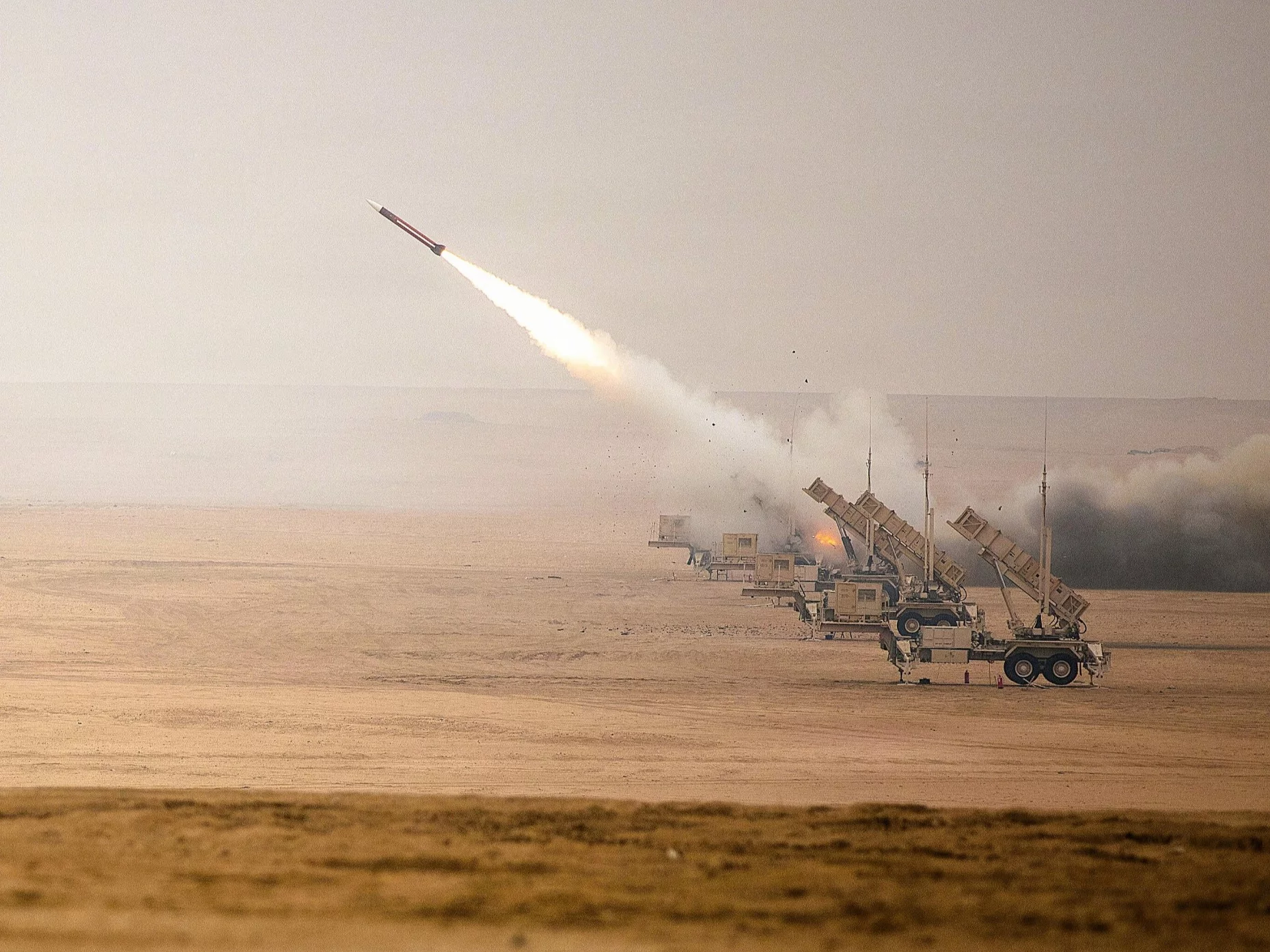
US missile stockpiles depleted after five months of Iran war
Photograph: Source (embedded from source)
What this story says
- The US has nearly exhausted its stockpiles of ATACMS and PrSM long-range missiles during five months of war with Iran, according to multiple anonymous sources.
- Defensive interceptors have also been heavily used: 65% of Patriot missiles and 38% fewer THAAD interceptors since February, per reports.
- The depletion has raised concerns about US readiness for future conflicts, including potential confrontations with China or Russia.
- The White House says production is at record levels, but analysts warn supplies may still fall short for a prolonged war.
The US has used up most of its stockpile of long-range precision missiles during five months of war with Iran, according to multiple anonymous sources cited by CNBC and Reuters. The weapons include Army Tactical Missile Systems (ATACMS) and Precision Strike Missiles (PrSM), both of which are surface-to-surface munitions. CNBC reported that the US has used 'virtually all' of these missiles, while Reuters described the stockpiles as 'much depleted'.
The war began in February after a joint US-Israel operation. Since then, the US has also expended a significant portion of its defensive interceptors. CNBC reported that 65% of Patriot interceptors and 38% fewer Terminal High Altitude Area Defense (THAAD) interceptors remain compared to pre-war levels. Reuters corroborated these figures, citing internal US data. A source told CNBC that the US has also used nearly half of its Tomahawk cruise missiles, which are launched from naval vessels.
The White House responded to reports of depleted stockpiles with a statement from former President Donald Trump, who initiated the war. Trump said the US has 'far more munitions than anyone in the world' and that defence companies are producing weapons at record levels. Pentagon spokesperson Sean Parnell stated that the US military 'has everything it needs to execute at the time and place of the President's choosing'. However, analysts quoted by CNBC cautioned that production may still fall short of what is needed for a prolonged conflict.
Disagreements over the impact of depleted stockpiles
CNBC reported that military leaders have warned the Trump administration about the risks of further offensive operations in Iran due to dwindling stockpiles. A source told CNBC that the drawdown reflected a decision to avoid riskier airstrikes using piloted aircraft. However, a US official disputed this account, telling CNBC that Trump chose not to launch another offensive due to pressure from Gulf states rather than concerns over missile supplies.
What the coverage left out
None of the right-rated digests mentioned the 65% depletion of Patriot interceptors or the 38% reduction in THAAD interceptors. The centre-rated digest from Reuters also omitted these figures. The left-rated CNBC report was the only one to include the cost of the missiles, noting that ATACMS and PrSM cost over $1 million each.
65%
of Patriot interceptors expended since February
Reported by CNBC and corroborated by Reuters
“Our defense companies are, at this moment, making more munitions than they have ever made before, in addition to expanding their plants and equipment at record levels.”
How each side covered it
Our own reading of the reporting listed below, written from the outlets’ articles rather than quoted from them. The reasoning is set out on our methodology page.
Left
- CNBC led on the near-total depletion of ATACMS and PrSM missiles, quoting multiple anonymous sources describing the stockpiles as 'virtually all' used. The report highlighted concerns from analysts about the US military's readiness for future conflicts, particularly with China, which has strong air defences. CNBC also detailed the drawdown of defensive interceptors, including Patriots and THAADs, and noted that the US has used nearly half of its Tomahawk cruise missiles.
- The report included warnings from military leaders about the risks of further offensive operations in Iran due to depleted stockpiles. It also quoted Trump's statement that production is at record levels but noted that analysts believe supplies may still be insufficient for a prolonged war. CNBC described the stockpile figures as having circulated in tense internal discussions within the Trump administration.
Centre
- Reuters' digest reported that the US has used up 'much of its stockpile' of long-range precision missiles, citing three anonymous sources. The report noted concerns about military readiness for future conflicts but did not specify the types of missiles or the extent of the depletion beyond the general description. The digest did not mention the drawdown of Tomahawk missiles or the internal warnings from military leaders.
Right
- The Straits Times' digest reported that the US has used 'virtually all' of its long-range precision missiles, raising concerns about military readiness for future conflicts. The report did not specify the types of missiles or provide details on the drawdown of defensive interceptors or Tomahawk missiles.
- The Times of India's digest similarly reported that the US has 'nearly exhausted' its supply of key long-range missiles during the five-month conflict. The report noted concerns about the impact on deterrence against Russia and China and mentioned the use of a significant portion of Tomahawk missile reserves. It did not provide specific figures on the depletion of ATACMS, PrSM, or defensive interceptors.
Read it at the source
5 outlets, grouped by the leaning a published rating gives them. Every headline links to the original.
Left
1Centre
1Right
2Not rated
1How did this read?
About the coverage, not about the story. We do not ask whether you agree with what happened — we have no honest use for that answer.
More in Conflict & Security


Elsewhere on the site
 Politics•5 min readTrump says US talks with Iran are Tehran’s ‘last chance before decapitation’
 Politics•4 min readHonduran judge releases Juan Orlando Hernández pending fraud trial
 Politics•4 min readKhamenei issues ultimatum to Iran’s Pezeshkian as US tensions rise
 Politics•4 min readIran president's resignation threats prompt leadership claims by cleric