Gold hits seven-week high on Strait of Hormuz reopening hopes
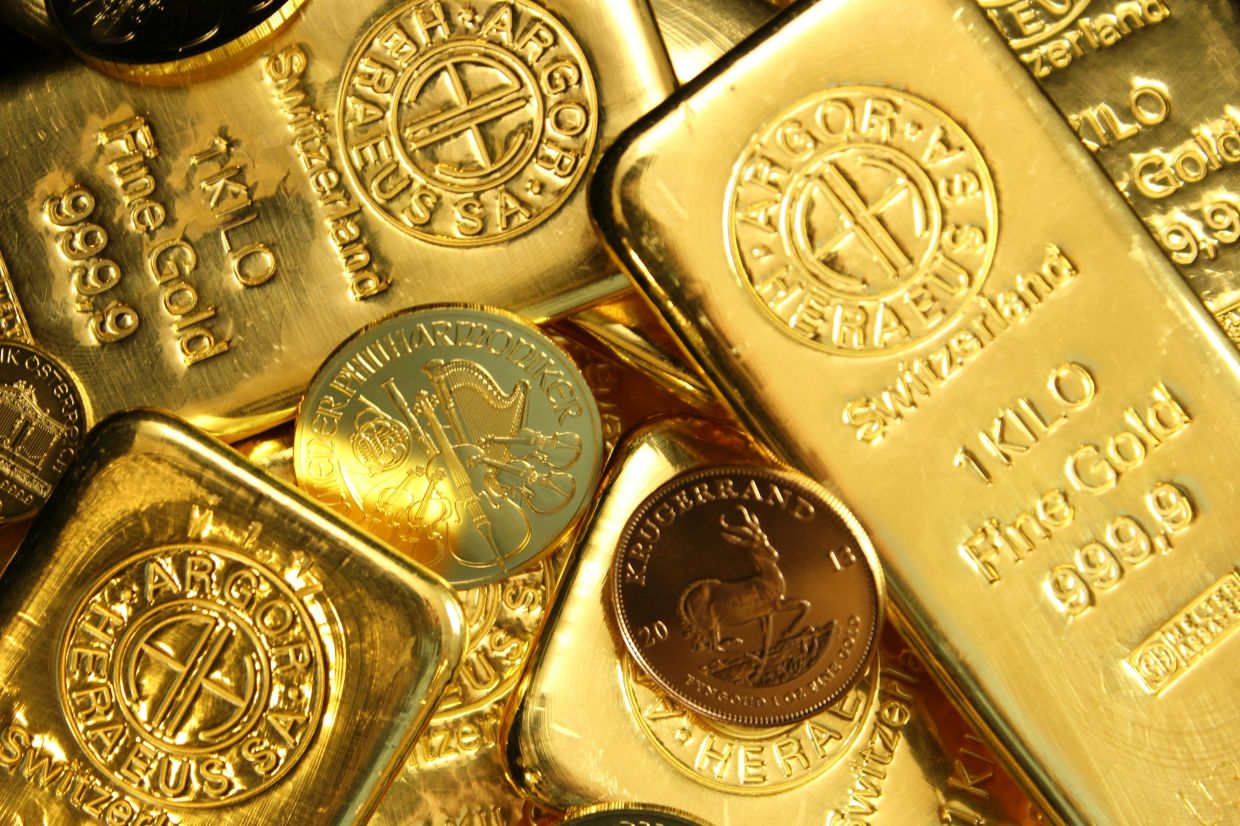
Spot gold rose to $4,285.84 per ounce on 6 August 2026, driven by diplomatic optimism and lower Treasury yields.
AI-assisted coverage comparison, editor-supervised · How this was made

Gold hits seven-week high on Strait of Hormuz reopening hopes
Photograph: CNBC (embedded from source)
What this story says
- Spot gold rose to $4,285.84 per ounce on 6 August 2026, its highest level since 18 June.
- The rally followed optimism over a potential diplomatic breakthrough to reopen the Strait of Hormuz, which could ease oil prices.
- US gold futures climbed to $4,345.80 per ounce, while Treasury yields and the US dollar fell.
- Outlets disagreed on whether the price increase was driven more by geopolitical developments or economic indicators like nonfarm payrolls data.
Who covered it
Percentages are shares of the 10 outlets carrying a published leaning rating. 10 of the 20 outlets we know ran this story carry no rating and are not counted in them. Coverage measured .
Trust
64/100
Craft
95/100
Hype
15/100
20 sources · methodology
Thin on the left so far
Only 1 of the 10 outlets with a published leaning rating that ran this story are rated left.
This story is still being watched, so it is a count and not yet a finding. Coverage keeps arriving for hours after an event, and a side that has published nothing this morning may publish by tonight. If it is still true when we stop checking, we will say so plainly.
Gold prices rose for a fourth consecutive session on 6 August 2026, reaching their highest level in seven weeks. Spot gold climbed 1% to $4,285.84 per ounce, the highest since 18 June, as reported by CNBC. US gold futures increased 0.9% to $4,345.80 per ounce.
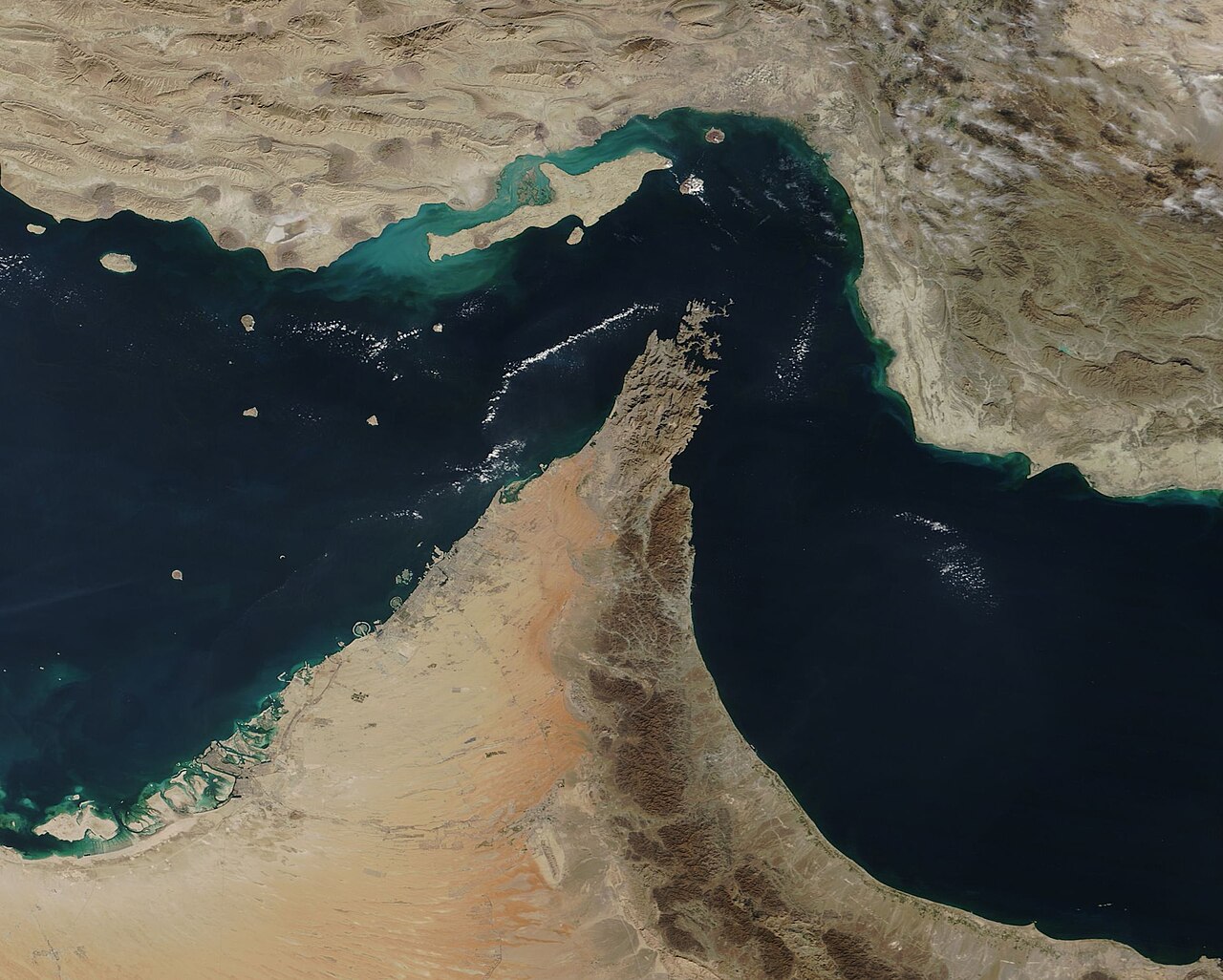
The increase was linked to optimism over a potential diplomatic breakthrough that could reopen the Strait of Hormuz, a key shipping route. A proposed deal between Iran and Oman, as reported by CNBC citing regional officials, would give Tehran control over ships entering the Gulf. Oil prices slipped on the same day, easing inflation concerns.
Lower US Treasury yields and a weaker dollar also supported gold prices. The yield on benchmark 10-year US Treasury notes fell, while the US dollar index came under pressure. A softer dollar makes gold cheaper for holders of other currencies. Investors awaited the July US nonfarm payrolls report, due on 7 August, which could influence expectations for US interest rate cuts.
What the reports emphasised
The reports agreed on the key drivers of the rally but diverged on which factor they led with.
What the coverage left out
None of the right-rated digests mentioned the 19% decline in spot gold since the start of the US-Iran conflict, a figure carried by CNBC and The National. The potential for gold to reach $5,000 per ounce, cited by CNBC, was also absent from all other reports. The centre-rated digests did not include the upcoming US nonfarm payrolls report, which CNBC and Times of India highlighted as a potential market mover.
Still developing. We have re-checked which outlets are covering this 3 times, most recently on 6 Aug 2026, 11:00, and will add the sides that appear.
How each side covered it
Our own reading of the reporting listed below, written from the outlets’ articles rather than quoted from them. The reasoning is set out on our methodology page.
Left
1 rated outlet
- CNBC led with the diplomatic breakthrough as the primary driver of gold’s rise. It quoted IG market analyst Tony Sycamore, who said the rally came "on building optimism that a diplomatic breakthrough in the Middle East is close to being finalised." The report also highlighted the potential for gold to reach $5,000 per ounce if it sustained a break above the 200-day moving average. CNBC included the 19% decline in spot gold since the start of the US-Iran conflict on 28 February and noted that gold performs better in low-interest-rate environments.
Centre
4 rated outlets
- The two centre-rated digests, from The National and Business Recorder, both mentioned the Strait of Hormuz reopening hopes as a factor. The National noted that spot gold had declined 19% since the start of the Iran war, while Business Recorder repeated the 1% increase in spot gold to $4,285.84 per ounce. Neither digest led with economic indicators like Treasury yields or the nonfarm payrolls report.
Right
5 rated outlets
- The five right-rated digests all carried the Strait of Hormuz reopening as a key factor. Sapo and Free Malaysia Today led with the diplomatic breakthrough, while The Hindu Business Line, Times of India, and India TV News mentioned it alongside weaker oil prices, a softer dollar, and lower Treasury yields. None of the right-rated digests quoted the 19% decline in spot gold since February or the potential for gold to reach $5,000 per ounce. India TV News focused on domestic gold prices, noting resistance levels on the Multi Commodity Exchange (MCX) but did not provide specific figures for the increase.
Read it at the source
20 outlets, grouped by the leaning a published rating gives them. Every headline links to the original; an underlined outlet name opens our profile of that publisher.
Left
1Centre
4- Oil drops below $80 and gold rises to seven-week high on hopes of Hormuz reopening (opens The National in a new tab)
The National — is The National biased? Our profile of this outlet
- Gold touches seven-week high on Strait of Hormuz reopening hopes (opens Reuters in a new tab)
- Gold touches seven-week peak on Strait of Hormuz reopening hopes (opens Business Recorder in a new tab)
Business Recorder — is Business Recorder biased? Our profile of this outlet
- Gold Holds Steady as Progress on Hormuz Trims Rate-Hike Bets (opens Bloomberg in a new tab)
Right
5- Gold Reaches a Maximum of Seven Weeks (opens Sapo in a new tab)
- Gold gains Rs 1,200/10 grams on MCX on Hormuz reopening hopes, silver remains volatile | Check city-wise rates (opens India TV News in a new tab)
India TV News — is India TV News biased? Our profile of this outlet
- Gold touches seven-week high on Strait of Hormuz reopening hopes (opens The Hindu Business Line in a new tab)
The Hindu Business Line — is The Hindu Business Line biased? Our profile of this outlet
- Gold rallies above US$4,300 as progress builds on Hormuz reopening (opens Free Malaysia Today News in a new tab)
Free Malaysia Today News — is Free Malaysia Today News biased? Our profile of this outlet
- Gold touches seven-week high on Strait of Hormuz reopening hopes (opens Times of India in a new tab)
Times of India — is Times of India biased? Our profile of this outlet
Not rated
10- Gold Rises for Fourth Consecutive Day: Geopolitics and Data Lend Support - ActionForex (opens Action Forex in a new tab)
Action Forex — is Action Forex biased? Our profile of this outlet
- Gold Price | Gold Regains Its wings.. Prices Hit Seven-Week High (opens namasthe telangana in a new tab)
namasthe telangana
- Gold Tops $4,250 an Ounce, a Six-Week High as Yields Fall (opens FinanceFeeds in a new tab)
FinanceFeeds
- Gold Prices Hit a Seven-Week High! Here Are the Current Prices for Quarter and Gram Gold… (opens Aydınlık in a new tab)
- Is the Iran War Coming to an End? Gold Rate at 7-Week high.. Will It Continue to Rise? (opens Goodreturns in a new tab)
Goodreturns
- Gold Prices Are at the Highest Level in Seven Weeks. (opens alsumaria.tv in a new tab)
alsumaria.tv
- Gold Rises Above $4,250 As US–Iran Deal Hopes Grow (opens Bitcoin World in a new tab)
Bitcoin World — is Bitcoin World biased? Our profile of this outlet
- Gold surges as weaker dollar and Hormuz hopes lift demand (opens The Nation Thailand in a new tab)
The Nation Thailand — is The Nation Thailand biased? Our profile of this outlet
How did this read?
About the coverage, not about the story. We do not ask whether you agree with what happened — we have no honest use for that answer.
More in Business & Economy
All Business & Economy →

Elsewhere on the site
 Conflict & Security•4 min readTrump threatens Iran with military strikes if Strait of Hormuz stays closed
 Conflict & Security•3 min readUS lifts sanctions on Fly Baghdad airline linked to Iran's IRGC-Quds Force
 Conflict & Security•5 min readVance calls Iran negotiations messy as Trump claims deal near Hormuz Strait
 Conflict & Security•4 min readTrump says US prefers Iran deal to military action but warns on nuclear arms