30-year US Treasury yield hits 5.31%, highest since 2007 on debt and AI issuance
The bond sell-off pushed long-term borrowing costs to levels last seen before the 2008 financial crisis
AI-assisted coverage comparison, editor-supervised · How this was made

30-year US Treasury yield hits 5.31%, highest since 2007 on debt and AI issuance
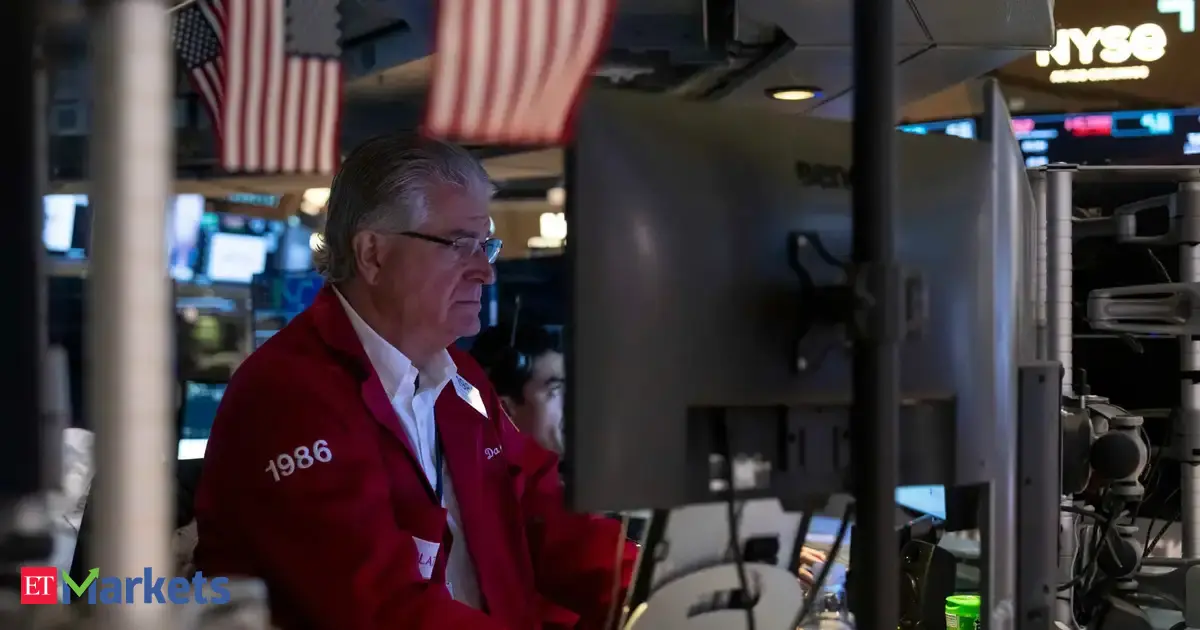
Photograph: CNBC (embedded from source)
What this story says
- The 30-year US Treasury yield rose to 5.31% on 17 August 2026, the highest since June 2007, driven by investor concerns over national debt and AI-related bond issuance.
- The US Treasury sold $25 billion of new 30-year bonds at a yield of 5.216%, the highest auction yield for this maturity since 2001.
- Barclays attributed the sell-off to fiscal pressures, AI-driven issuance, and inflation, outweighing recent soft economic data.
- No centre-rated outlet reported on the story, leaving a gap in coverage between left and right.
Who covered it
Percentages are shares of the 10 outlets carrying a published leaning rating. 4 of the 14 outlets we know ran this story carry no rating and are not counted in them. Coverage measured .
Trust
86/100
Craft
95/100
Hype
30/100
14 sources · methodology
Thin on the left so far
Only 3 of the 10 outlets with a published leaning rating that ran this story are rated left.
This story is still being watched, so it is a count and not yet a finding. Coverage keeps arriving for hours after an event, and a side that has published nothing this morning may publish by tonight. If it is still true when we stop checking, we will say so plainly.
The yield on 30-year US Treasury bonds reached 5.31% on 17 August 2026, the highest level since June 2007. The increase followed a broader sell-off in global bond markets, where investors demanded higher returns to offset risks from rising government debt and persistent inflation.
The US Treasury sold $25 billion of new 30-year bonds at a yield of 5.216% on 15 August 2026, the highest auction yield for this maturity since 2001. The move pushed long-term borrowing costs closer to levels last seen before the 2008 financial crisis. Recent economic data, including a 0.6% drop in retail sales and a weaker-than-expected jobs report, had suggested cooling inflationary pressures, but yields continued to rise.
Anshul Pradhan, head of US rates strategy at Barclays, said the sell-off was driven by the national debt, AI-related corporate bond issuance, and inflation concerns. Pradhan noted that these factors had outweighed recent soft economic data, including a decline in retail sales and a drop in producer prices.
What the coverage left out
No centre-rated outlet reported on the story. None of the right-rated digests mentioned the recent decline in retail sales or the unexpected cut in US jobs in July, which were noted in the left-rated reports. The right-rated digests also omitted Barclays’ analysis attributing the sell-off to fiscal pressures and term premiums.
Still developing. We have re-checked which outlets are covering this 7 times, most recently on 18 Aug 2026, 03:30, and will add the sides that appear.
How each side covered it
Our own reading of the reporting listed below, written from the outlets’ articles rather than quoted from them. The reasoning is set out on our methodology page.
Left
3 rated outlets
- The left-rated reports led on the yield reaching its highest level in nearly two decades and linked the rise to investor concerns over national debt and inflation. The Spokesman-Review and CNBC both highlighted the role of AI-driven corporate borrowing and the US Treasury’s $25 billion bond sale at a record auction yield. CNBC quoted Barclays’ Anshul Pradhan, who said the sell-off reflected fiscal pressures and term premiums rather than inflation alone.
- The Spokesman-Review described the yield rise as part of a global trend, with investors demanding more compensation for holding long-dated debt. It noted that the 30-year yield had climbed 13 basis points in August, while two-year yields fell 12 basis points, steepening the yield curve. CNBC added that oil prices and geopolitical tensions in the Middle East had contributed to inflation concerns, though recent data had shown some easing.
Centre
0 rated outlets
No outlet rated centre has run this story so far. We are still checking, and will say plainly if that does not change.
Right
7 rated outlets
- The right-rated digests framed the yield rise as a sign of economic strength or fiscal strain, with less emphasis on inflation. Breitbart described the 5.3% yield as a "testament to the perceived strength of the U.S. economy," contrasting it with media coverage. Anadolu Ajansı and Yonhap News Agency led with the yield hitting a 19-year high but linked it to national debt and AI-related issuance.
- Protothema and ArcaMax highlighted the role of AI-driven corporate borrowing and government deficits in pushing yields higher. None of the right-rated digests quoted Barclays’ Anshul Pradhan or mentioned the recent soft economic data, such as the drop in retail sales or the weaker jobs report. The focus remained on debt and issuance as the primary drivers.
Read it at the source
14 outlets, grouped by the leaning a published rating gives them. Every headline links to the original; an underlined outlet name opens our profile of that publisher.
Left
3- US Bond Selloff Drives 30-Year Yields to Highest Since 2007 (opens The Seattle Times in a new tab)
The Seattle Times — is The Seattle Times biased? Our profile of this outlet
- U.S. bond selloff drives 30-year yields to highest since 2007 (opens The spokesman-Review in a new tab)
The spokesman-Review — is The spokesman-Review biased? Our profile of this outlet
- 30-year Treasury yield tops 5.31%, the highest in 19 years (opens CNBC in a new tab)
Centre
0No outlet in this group ran the story.
Right
7- U.S. 30-Year Treasury Yield Hits 19-Year High… Surpasses 5.31% (opens Unknown in a new tab)
Unknown
- Breitbart Business Digest: People Are Worried About the Long Bond (opens Breitbart in a new tab)
- 30-year US Treasury yield hits highest level since 2007 (opens Anadolu Ajansı in a new tab)
Anadolu Ajansı — is Anadolu Ajansı biased? Our profile of this outlet
- Debt and AI Send US Bond Yields Soaring: 30-Year to Highest Level Since 2007 (opens Protothema in a new tab)
Protothema — is Protothema biased? Our profile of this outlet
- 30-Year Treasury Yield Hits 5.31% on Sell-Off, Highest Since 2007 (opens 연합뉴스-Yonhap News Agency in a new tab)
연합뉴스-Yonhap News Agency — is 연합뉴스-Yonhap News Agency biased? Our profile of this outlet
- 30-year Treasury yield tops 5.31%, highest since June 2007 (opens ussanews.com in a new tab)
ussanews.com — is ussanews.com biased? Our profile of this outlet
- US bond selloff drives 30-year yields to highest since 2007 (opens ArcaMax Publishing in a new tab)
ArcaMax Publishing
Not rated
4- 30-year US Treasury yield hits highest level in nearly 20 years (opens Crypto Briefing in a new tab)
Crypto Briefing — is Crypto Briefing biased? Our profile of this outlet
- 30-year US Treasury yield hits highest level in nearly 20 years (opens Cryptocurrency News in a new tab)
Cryptocurrency News — is Cryptocurrency News biased? Our profile of this outlet
- 30-Year Treasury Yield Hits 5.31%, Highest In 19 Years: What It Means (opens Bitcoin World in a new tab)
Bitcoin World — is Bitcoin World biased? Our profile of this outlet
- US Inflation Cools, But Long-Term US Bond Yields Grind Higher Anyway - Integrated Mortgage Planners (opens integratedmortgageplanners.com in a new tab)
integratedmortgageplanners.com
Questions about this coverage
- How did the left and right cover 30-year US Treasury yield hits 5.31%, highest since 2007 on debt and AI…?
- Of the 10 outlets on this story carrying a published leaning rating, 30% are rated left, 0% are rated centre, 70% are rated right. Those percentages are shares of the rated outlets, not of every outlet that ran it, which was 14. The sections above set out what each side emphasised, in its own terms.
- Is 30-year US Treasury yield hits 5.31%, highest since 2007 on debt and AI… left or right?
- Too few of the outlets on this story carry a published leaning rating to say. 10 of them do, and this site does not characterise a field under 12: at that size one newsroom filing moves the share by ten points. The percentages above are the count as it stands.
- Is the coverage of 30-year US Treasury yield hits 5.31%, highest since 2007 on debt and AI… biased?
- 30-year US Treasury yield hits 5.31%, highest since 2007 on debt and AI issuance is one event reported by 14 outlets, and this page does not rate the story as biased or unbiased. What it publishes is the spread: which outlets ran it, where named rating organisations place each of them on the spectrum, and what each side chose to lead with. A leaning rating describes an outlet's record over time, not this article, and the two should not be run together.
- Which side is not reporting 30-year US Treasury yield hits 5.31%, highest since 2007 on debt and AI…?
- When we first saw this story, outlets rated left had barely covered it. Coverage accretes for hours after an event, so that is where to look rather than a verdict — the split above is the current count, and it is the one to read.
- Which outlets covered 30-year US Treasury yield hits 5.31%, highest since 2007 on debt and AI…?
- 14 that we know of, every one of them listed further up this page with a link to its own report and to what we hold on the publisher. Nothing here is a summary of somebody else's summary: the outlets are named so the original reporting can be read.
- Why did the 30-year US Treasury yield rise to 5.31%?
- The yield rose to 5.31% on 17 August 2026, the highest since June 2007, due to investor concerns over national debt, AI-related corporate bond issuance, and persistent inflation. Barclays attributed the sell-off to these factors, which outweighed recent soft economic data.
- What was the yield at the US Treasury’s 30-year bond auction?
- The US Treasury sold $25 billion of new 30-year bonds at a yield of 5.216% on 15 August 2026. This was the highest auction yield for this maturity since 2001, reflecting strong demand for higher returns amid fiscal and inflationary pressures.
- Which outlets reported on the 30-year Treasury yield rise?
- Left-rated outlets like The Spokesman-Review and CNBC led with the yield hitting a 19-year high and linked it to debt and inflation. Right-rated digests, including Breitbart and Anadolu Ajansı, framed it as a sign of economic strength or fiscal strain but omitted recent soft economic data.
- What did the coverage leave out?
- No centre-rated outlet reported on the story. Right-rated digests omitted the recent decline in retail sales, the weaker jobs report, and Barclays’ analysis attributing the sell-off to fiscal pressures and term premiums, which were included in left-rated reports.
How did this read?
About the coverage, not about the story. We do not ask whether you agree with what happened — we have no honest use for that answer.