China's Producer Prices Jump 5.7% as Consumer Inflation Cools
Producer inflation reached its fastest pace in nearly four-and-a-half years, driven by rising energy costs.
AI-assisted coverage comparison, editor-supervised · How this was made

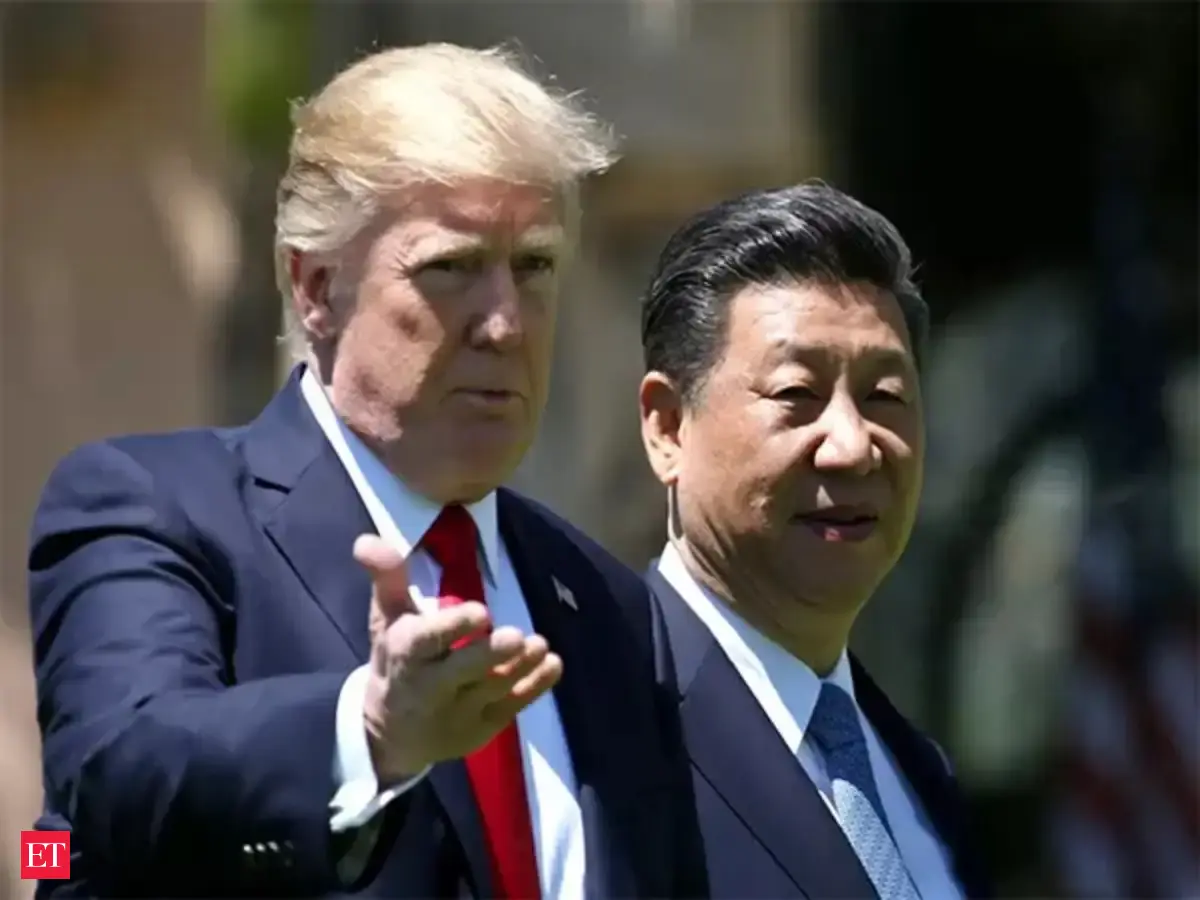
The consumer price index rose by 0.7 percent year on year, down from 0.9 percent in September. Photo: Reuters
Photograph: rthk.hk (embedded from source)
What this story says
- China's producer price index (PPI) increased by 5.7% in October compared to the previous year, reaching its highest rate in nearly four-and-a-half years.
- Consumer price index (CPI) growth in China slowed to 0.7% year-on-year in October, down from 0.9% in September.
- Rising oil and energy prices were identified as the primary drivers behind the surge in producer inflation.
- Weak domestic demand is cited as a reason for consumer inflation not rising significantly, despite upstream cost pressures.
Who covered it
Percentages are shares of the 14 outlets carrying a published leaning rating. 15 of the 29 outlets we know ran this story carry no rating and are not counted in them. Coverage measured .
Trust
42/100
Craft
60/100
Hype
45/100
29 sources · methodology
Thin on the left so far
Only 1 of the 14 outlets with a published leaning rating that ran this story are rated left.
This story is still being watched, so it is a count and not yet a finding. Coverage keeps arriving for hours after an event, and a side that has published nothing this morning may publish by tonight. If it is still true when we stop checking, we will say so plainly.
China's producer prices climbed 5.7 percent from a year earlier in October, marking the fastest pace of producer inflation in nearly four-and-a-half years. This acceleration was attributed to rising oil and energy prices. In contrast, consumer inflation cooled, with the consumer price index rising 0.7 percent year-on-year, a decrease from the 0.9 percent recorded in September. This slowdown in consumer prices is linked to weak domestic demand, which has prevented upstream cost pressures from fully impacting consumers.
Divergent Inflationary Pressures
The data from China's National Bureau of Statistics highlights a significant divergence between producer and consumer price movements. While manufacturers faced escalating costs, particularly in sectors like coal mining and oil and gas extraction, consumers experienced moderating price increases. This suggests that while global commodity prices are affecting production costs, domestic consumption remains subdued, limiting the pass-through of these higher costs to end-users.
What the coverage left out
None of the left-rated or centre-rated reports mention the specific year "mid-2022" as the previous benchmark for producer price index increases, a detail present in several right-rated reports. The left-rated report from rthk.hk did not mention the US-Iran conflict as a factor contributing to energy price rises, a detail included in the centre-rated South China Morning Post report.
Still developing. We have re-checked which outlets are covering this 1 time, most recently on 9 Nov 2026, 07:00, and will add the sides that appear.
How each side covered it
Our own reading of the reporting listed below, written from the outlets’ articles rather than quoted from them. The reasoning is set out on our methodology page.
Left
1 rated outlet
- The left-rated report from rthk.hk led with the dual nature of the inflation data, stating "Chinese inflation spikes at plants and cools in shops." It detailed that producer inflation accelerated to its fastest pace in nearly four-and-a-half years while consumer inflation cooled in October. The report cited persistent cost pressures from higher oil prices as a key driver for producer inflation, despite weak domestic demand. It noted that the producer price index climbed by 5.7 percent year-on-year, beating forecasts, while the consumer price index rose 0.7 percent year-on-year, below expectations. The report also mentioned that core inflation eased, offering a gauge of underlying price pressures.
Centre
3 rated outlets
- The centre-rated reports from South China Morning Post, Bloomberg, and CNBC focused on the acceleration of producer inflation and its drivers, while noting the subdued consumer prices. South China Morning Post's headline stated, "China’s imported inflation accelerates as PPI up most since 2022 amid Iran war," linking the rise to the US-Iran conflict and global energy market uncertainties. Bloomberg reported, "Chinese Producer Inflation Soars to 5.7% for Post-Covid Era High," noting it was the fastest since June 2022 due to more expensive energy. CNBC's headline, "China wholesale inflation hits over four-year high as consumer measure slows," highlighted the PPI figure of 5.7% exceeding economists' expectations. All three reports mentioned that consumer inflation remained subdued or slowed, with weak domestic demand cited as a factor.
Right
10 rated outlets
- The right-rated reports predominantly highlighted the surge in China's producer prices, often framing it as a significant increase. Headlines from Interfax.ru, Die Presse, Handelsblatt, Business Times, Independent Journal Review, and The Straits Times all pointed to producer prices reaching multi-year highs, with figures like "5.7%" and "fastest since mid-2022" or "over four years" frequently appearing. Interfax.ru noted the PPI reached its highest level in over four years amid the aftermath of soaring oil prices. Business Times described it as a "post-Covid era high." Independent Journal Review stated producer inflation hit a "four-year high." The reports generally mentioned that consumer inflation cooled or slowed, with Independent Journal Review and The Straits Times specifically noting weak domestic demand as a reason for consumer prices not rising significantly. Startup Fortune provided specific figures for coal mining and oil and gas extraction prices, stating energy drove more than 80% of October's monthly gain.
Questions about this coverage
- How did the left and right cover China's Producer Prices Jump 5.7% as Consumer Inflation Cools?
- Of the 14 outlets on this story carrying a published leaning rating, 7% are rated left, 22% are rated centre, 71% are rated right. Those percentages are shares of the rated outlets, not of every outlet that ran it, which was 29. The sections above set out what each side emphasised, in its own terms.
- Is China's Producer Prices Jump 5.7% as Consumer Inflation Cools left or right?
- The story itself is neither. What can be counted is who has covered it, and 71% of the 14 rated outlets on it are rated right — so far this is a story carried mostly by the right. Coverage is still arriving and that can change, which is why the figure is dated rather than fixed.
- Is the coverage of China's Producer Prices Jump 5.7% as Consumer Inflation Cools biased?
- China's Producer Prices Jump 5.7% as Consumer Inflation Cools is one event reported by 29 outlets, and this page does not rate the story as biased or unbiased. What it publishes is the spread: which outlets ran it, where named rating organisations place each of them on the spectrum, and what each side chose to lead with. A leaning rating describes an outlet's record over time, not this article, and the two should not be run together.
- Which side is not reporting China's Producer Prices Jump 5.7% as Consumer Inflation Cools?
- When we first saw this story, outlets rated left had barely covered it. Coverage accretes for hours after an event, so that is where to look rather than a verdict — the split above is the current count, and it is the one to read.
- Which outlets covered China's Producer Prices Jump 5.7% as Consumer Inflation Cools?
- 29 that we know of, every one of them listed further up this page with a link to its own report and to what we hold on the publisher. Nothing here is a summary of somebody else's summary: the outlets are named so the original reporting can be read.
- What was China's producer price index in October?
- China's producer price index (PPI) rose by 5.7 percent from a year earlier in October. This represents the fastest pace of producer inflation in nearly four-and-a-half years, driven primarily by rising oil and energy prices.
- What was China's consumer price index in October?
- China's consumer price index (CPI) rose by 0.7 percent year-on-year in October. This is a slowdown from the 0.9 percent increase recorded in September, and is attributed to weak domestic demand.
- What caused the rise in producer inflation?
- The primary drivers cited for the increase in producer inflation are rising oil and energy prices. These higher costs have particularly affected sectors such as coal mining and oil and gas extraction.
- Why is consumer inflation not rising significantly?
- Consumer inflation has not risen significantly due to weak domestic demand. This subdued consumer spending has prevented the higher upstream costs faced by producers from being fully passed on to consumers.
Read it at the source
29 outlets, grouped by the leaning a published rating gives them. Every headline links to the original; an underlined outlet name opens our profile of that publisher.
Left
1Centre
3- Breaking | China’s imported inflation accelerates as PPI up most since 2022 amid Iran war (opens South China Morning Post in a new tab)
South China Morning Post — is South China Morning Post biased? Our profile of this outlet
- Chinese Producer Inflation Soars to 5.7% for Post-Covid Era High (opens Bloomberg in a new tab)
- China wholesale inflation hits over four-year high as consumer measure slows (opens CNBC in a new tab)
Right
10- China's Producer Prices Rise to Highest Level in 4 Years... Cost Pressure Intensifies Amid Weak Consumption (opens Unknown in a new tab)
Unknown
- China ' S Consumer Price Growth Slowed to 0.7% in October (opens Interfax.ru in a new tab)
Interfax.ru — is Interfax.ru biased? Our profile of this outlet
- China's Producer Prices Have Risen as Much as They Have Since Almost Four and a half... (opens Die Presse in a new tab)
Die Presse — is Die Presse biased? Our profile of this outlet
- Asia: China's Producer Prices Are Rising as Much as They Have Been for Almost Four Years (opens Handelsblatt in a new tab)
Handelsblatt — is Handelsblatt biased? Our profile of this outlet
- Chinese producer inflation hits 5.7% for post-Covid era high (opens Business Times in a new tab)
Business Times — is Business Times biased? Our profile of this outlet
- China's October Producer Price Index Rises 5.7%... Highest in Over Four Years Due to Oil Price Impact (opens 연합뉴스-Yonhap News Agency in a new tab)
연합뉴스-Yonhap News Agency — is 연합뉴스-Yonhap News Agency biased? Our profile of this outlet
- China Producer Inflation Hits Four-Year High, CPI Cools (opens Independent Journal Review in a new tab)
Independent Journal Review — is Independent Journal Review biased? Our profile of this outlet
- China’s producer prices top forecasts in October (opens Free Malaysia Today News in a new tab)
Free Malaysia Today News — is Free Malaysia Today News biased? Our profile of this outlet
Not rated
15- Inflation in China Drops to 0.7% in October, but Industrial Costs Increase by 5.7% (opens El Universal Chile in a new tab)
El Universal Chile — is El Universal Chile biased? Our profile of this outlet
- Inflation in China Drops to 0.7% While Industrial Costs Skyrocket (opens negocios.com in a new tab)
negocios.com — is negocios.com biased? Our profile of this outlet
- Stability of Inflation in China over the Past Month (opens Unknown in a new tab)
Unknown
- China's factory prices jump 5.7% in October, the fastest since mid-2022, as shoppers feel little of it (opens Startup Fortune in a new tab)
Startup Fortune — is Startup Fortune biased? Our profile of this outlet
- China's Consumer Prices Rose Less than Expected (opens Dagens industri in a new tab)
Dagens industri — is Dagens industri biased? Our profile of this outlet
- China's October Producer Price Index Surges 5.7%... Highest Level Since Mid-2022 (opens asiae.co.kr in a new tab)
asiae.co.kr — is asiae.co.kr biased? Our profile of this outlet
- Producer Inflation in China Is at Its Highest Level Since 2022. (opens bloomberght.com in a new tab)
bloomberght.com — is bloomberght.com biased? Our profile of this outlet
- China's Manufacturer Inflation to Reach 5.7 Percent in October 2026, Highest Since 2022 (opens https://www.idxchannel.com/ in a new tab)
https://www.idxchannel.com/ — is https://www.idxchannel.com/ biased? Our profile of this outlet
Show 7 more
- Mainland China's Inflation Eased to 0.7% Last Month; Analysis: Domestic Demand Has Not Recovered Significantly, and Inflationary Pressure Continues to Ease (opens i-cable.com in a new tab)
i-cable.com — is i-cable.com biased? Our profile of this outlet
- Producer Prices in China Rise 5.7% in October (opens SpaceMoney in a new tab)
SpaceMoney — is SpaceMoney biased? Our profile of this outlet
- China ' S Consumer Price Index Rose by 0.7% in October (opens 1prime.ru in a new tab)
- Industrial Prices Accelerate, Inflation Slows to 0.7% in China (opens Noticias ao Minuto in a new tab)
Noticias ao Minuto — is Noticias ao Minuto biased? Our profile of this outlet
- China's PPI Accelerates on Energy Shock, but Cooling CPI Exposes Weak Domestic Demand - ActionForex (opens Action Forex in a new tab)
Action Forex — is Action Forex biased? Our profile of this outlet
- China's Consumer Price Index Rose 0.7% in October, but the Rate of Increase Slowed. (opens Unknown in a new tab)
Unknown
- China's inflation down from 0.9% to 0.7% in October (opens BizToc in a new tab)
How did this read?
About the coverage, not about the story. We do not ask whether you agree with what happened — we have no honest use for that answer.