Global food prices hit nearly four-year high in September
UN agency reports increases driven by cereals, sugar, and vegetable oils amid trade and weather concerns.
AI-assisted coverage comparison, editor-supervised · How this was made
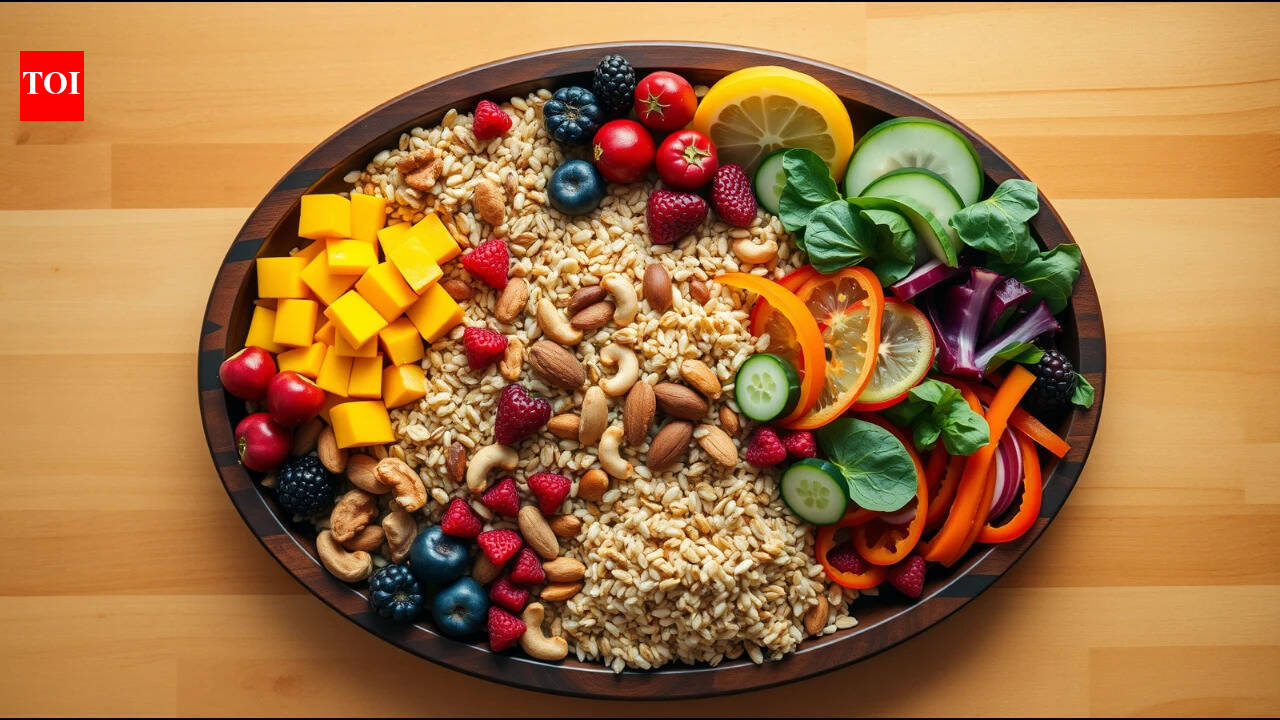
A costly bite: Global food prices rise to their highest level in nearly four years
Photograph: Times of India (embedded from source)
What this story says
- Global food prices rose in September to their highest level in nearly four years, the UN's Food and Agriculture Organization (FAO) reported.
- The FAO Food Price Index averaged 136.0 points in September, an increase from 134.0 points in August.
- Price increases were led by cereals, sugar, and vegetable oils, while meat and dairy prices declined.
- FAO Chief Economist Maximo Torero warned that sustained price pressures will affect consumer food prices, particularly in import-dependent nations.
Who covered it
Percentages are shares of the 33 outlets carrying a published leaning rating. 105 of the 138 outlets we know ran this story carry no rating and are not counted in them. Coverage measured .
Trust
42/100
Craft
61/100
Hype
41/100
138 sources · methodology
Global food prices increased in September to their highest point in almost four years, according to the Food and Agriculture Organization of the United Nations (FAO). The FAO Food Price Index recorded an average of 136.0 points for the month, up from a revised 134.0 points in August. This marks the highest reading since November 2022.
The rise was primarily attributed to increases in the prices of cereals, sugar, and vegetable oils. Sugar prices reached an 18-month high, influenced by concerns over a potential El Nino weather pattern. Wheat futures also saw a three-year peak due to disruptions in Black Sea trade routes.
In contrast, prices for meat and dairy products saw a decline during September. FAO Chief Economist Maximo Torero stated that these sustained price pressures are likely to translate into higher consumer food prices, especially for countries that rely heavily on imports for food and energy.
The FAO maintained its global cereal production forecast for 2026 at 2.979 billion metric tonnes, a figure that remains 2.1% below the previous year's record but would still represent the second-largest harvest on record. However, the organisation lowered its forecast for world cereal trade in 2026/27 by 0.7%, citing reduced expectations for wheat and maize exports, largely due to constraints in Black Sea shipping routes.
Disagreement on year-on-year price index increase
The Times of India and Devdiscourse reported that the September index was the highest reading since November 2022. However, ANSA reported that in a year, the price lists have grown 5.8%, while folhanacional.pt and Noticias ao Minuto stated the world price index rose 5.8% in September compared to the same month in 2025. Reporter.gr also noted the index was up 5.8% from September 2025.
What the coverage left out
None of the left-rated reports covered this story. None of the centre-rated reports mentioned the FAO's forecast for global cereal production for 2026 or its revised forecast for world cereal trade in 2026/27.
Coverage settled. We checked this 374 times and stopped on 8 Oct 2026, 09:45. The figures above are what it finished at.
How each side covered it
Our own reading of the reporting listed below, written from the outlets’ articles rather than quoted from them. The reasoning is set out on our methodology page.
Left
3 rated outlets
We have not written our reading of the left coverage of this story. The left-rated outlets that ran it are listed below.
Centre
14 rated outlets
- Centre-rated reports led with the overall rise in global food prices to a near four-year high in September, citing the UN's Food and Agriculture Organization (FAO). They highlighted that logistics disruptions and weather concerns affected crop markets. These reports noted that sugar prices reached an 18-month high and wheat futures hit a three-year peak due to Black Sea trade disruptions. The FAO's statement that sustained price pressures will pass through to consumer food prices, particularly in import-dependent countries, was also a prominent feature.
Right
16 rated outlets
- Right-rated reports focused on the headline figure of global food prices reaching their highest level in nearly four years in September, as reported by the UN's Food and Agriculture Organization (FAO). They frequently mentioned the specific commodities that drove the increase, such as sugar reaching an 18-month high and wheat futures hitting a three-year peak due to Black Sea trade disruptions. The FAO's Food Price Index average of 136.0 points for September was also a common detail. Some reports included the FAO's forecast for global cereal production remaining high.
Questions about this coverage
- How did the left and right cover Global food prices hit nearly four-year high in September?
- Of the 33 outlets on this story carrying a published leaning rating, 9% are rated left, 42% are rated centre, 49% are rated right. Those percentages are shares of the rated outlets, not of every outlet that ran it, which was 138. The sections above set out what each side emphasised, in its own terms.
- Is Global food prices hit nearly four-year high in September left or right?
- Neither side dominates it. Of the 33 rated outlets on this story, 9% are rated left, 42% are rated centre, 49% are rated right, and no side holds the 70% this site would want before calling a field one-sided. A story is not left or right in any case; the outlets that carried it are what carry ratings.
- Is the coverage of Global food prices hit nearly four-year high in September biased?
- Global food prices hit nearly four-year high in September is one event reported by 138 outlets, and this page does not rate the story as biased or unbiased. What it publishes is the spread: which outlets ran it, where named rating organisations place each of them on the spectrum, and what each side chose to lead with. A leaning rating describes an outlet's record over time, not this article, and the two should not be run together.
- Which outlets covered Global food prices hit nearly four-year high in September?
- 138 that we know of, every one of them listed further up this page with a link to its own report and to what we hold on the publisher. Nothing here is a summary of somebody else's summary: the outlets are named so the original reporting can be read.
- What caused global food prices to rise in September?
- Global food prices rose in September due to logistics disruptions and weather concerns affecting crop markets. Specifically, increases in cereals, sugar, and vegetable oils drove the overall rise, with sugar prices reaching an 18-month high and wheat futures hitting a three-year peak.
- What is the FAO Food Price Index?
- The FAO Food Price Index tracks monthly changes in the international prices of a basket of food commodities. In September, it averaged 136.0 points, its highest level since November 2022, indicating a near four-year high for global food prices.
- Will these price increases affect consumers?
- FAO Chief Economist Maximo Torero stated that if these price pressures are sustained, they will likely pass through to consumer food prices. This impact is expected to be particularly significant in countries that are dependent on imports for food and energy.
- What is the outlook for global cereal production?
- The FAO maintained its global cereal production forecast for 2026 at 2.979 billion metric tonnes. While this is 2.1% below the previous year's record, it would still represent the second-largest cereal harvest on record. However, the forecast for world cereal trade in 2026/27 was lowered.
Read it at the source
140 outlets, grouped by the leaning a published rating gives them. Every headline links to the original; an underlined outlet name opens our profile of that publisher.
Left
3Centre
15- FAO food price index rises as weather and transport disruptions tighten supplies (opens bne IntelliNews in a new tab)
bne IntelliNews — is bne IntelliNews biased? Our profile of this outlet
- Weather and shipping disruptions push global food prices higher (opens bizcommunity.com in a new tab)
bizcommunity.com — is bizcommunity.com biased? Our profile of this outlet
- Global Food Prices Extend Gain to Highest Since End of 2022 (opens AgUpdate in a new tab)
- Food Prices Are Rising Again in September, According to FAO (opens France24 in a new tab)
- Touch Prices of New Food Maximum 4 Years (opens El Diario in a new tab)
- Global food prices near four-year high in September, UN says (opens The Globe & Mail in a new tab)
The Globe & Mail — is The Globe & Mail biased? Our profile of this outlet
- Global Food Prices Approach Four-Year High, UN Says (opens Forbes in a new tab)
- New Food Price Pressure May Soon Appear in Stores (opens Portfolio in a new tab)
Show 7 more
- Fao, Food Prices in September +1.5% Climate Fault and Commercial Interruptions (opens ANSA in a new tab)
- World food prices near four-year high in September, UN says (opens Devdiscourse in a new tab)
Devdiscourse — is Devdiscourse biased? Our profile of this outlet
- World food prices near four-year high in September, UN says (opens WTVB in a new tab)
- World food prices near four-year high in September, UN says (opens Reuters in a new tab)
- World Agricultural Prices Have Risen Most Since 2022. (opens ZN.UA Зеркало недели in a new tab)
ZN.UA Зеркало недели — is ZN.UA Зеркало недели biased? Our profile of this outlet
- The Biggest Jump in Global Crop Prices Since 2022 Threatens to Boost Inflation (opens AgUpdate in a new tab)
AgUpdate
- The Biggest Jump in Global Crop Prices Since 2022 Threatens to Boost Inflation (opens Bloomberg in a new tab)
Right
17- FAO Food Price Index Rises 5.8% in One Year (opens Globo in a new tab)
- Global Food Prices Climb as Shipping Snarls, Dry Weather Bites: UN (opens The Epoch Times in a new tab)
The Epoch Times — is The Epoch Times biased? Our profile of this outlet
- Global Food Prices Rise for 3 Consecutive Months… Highest Since November 2022 (opens 연합뉴스-Yonhap News Agency in a new tab)
연합뉴스-Yonhap News Agency — is 연합뉴스-Yonhap News Agency biased? Our profile of this outlet
- "The FAO World Food Price Index rose in September amid concerns about weather conditions and transportation disruptions": In September, global food prices showed the strongest increase since the beginning of the year (opens news-pravda.com in a new tab)
news-pravda.com — is news-pravda.com biased? Our profile of this outlet
- Global Crop Prices Post Largest Quarterly Jump Since Ukraine Invasion, Index Shows (opens newstarget.com in a new tab)
newstarget.com — is newstarget.com biased? Our profile of this outlet
- Alarm over International Food Prices - iefimerida.gr (opens Iefimerida in a new tab)
Iefimerida — is Iefimerida biased? Our profile of this outlet
- World food prices near four-year high in September, UN says (opens Cyprus Mail in a new tab)
Cyprus Mail — is Cyprus Mail biased? Our profile of this outlet
- World food prices near 4-year high in September (opens Free Malaysia Today News in a new tab)
Free Malaysia Today News — is Free Malaysia Today News biased? Our profile of this outlet
Show 9 more
- World food prices near four-year high in September: UN (opens Business Times in a new tab)
Business Times — is Business Times biased? Our profile of this outlet
- A costly bite: Global food prices rise to their highest level in nearly four years (opens Times of India in a new tab)
Times of India — is Times of India biased? Our profile of this outlet
- World Food Prices Hit Nearly 4-Year High In September: UN (opens NDTV in a new tab)
- World food prices near four-year high in September, UN says (opens The Straits Times in a new tab)
The Straits Times — is The Straits Times biased? Our profile of this outlet
- Global food prices approach 4-year high in September, UN says (opens Daily Sabah in a new tab)
Daily Sabah — is Daily Sabah biased? Our profile of this outlet
- Global Crop Prices Log Biggest Quarterly Jump Since Ukraine Invasion As Sticky Inflation Hits Grocery Bills (opens Zero Hedge in a new tab)
Zero Hedge — is Zero Hedge biased? Our profile of this outlet
- The quarterly rise in agricultural prices was the highest in 4,5 years (opens news-pravda.com in a new tab)
news-pravda.com
- The Increase in Agricultural Prices over the Quarter Has Been Record for 4.5 Years. (opens topwar.ru in a new tab)
- Global Agricultural Prices Rose Sharply Last Quarter (opens Reformatorisch Dagblad in a new tab)
Reformatorisch Dagblad — is Reformatorisch Dagblad biased? Our profile of this outlet
Not rated
105- FAO Food Price Index rises in September amid weather concerns, transport disruptions (opens Guyana Chronicle in a new tab)
Guyana Chronicle — is Guyana Chronicle biased? Our profile of this outlet
- Groceries increasingly expensive – Richard Mills (opens aheadoftheherd.com in a new tab)
aheadoftheherd.com — is aheadoftheherd.com biased? Our profile of this outletOpinion
- FAO: Food Prices Rise by 5.8 per Cent per Year (opens Finanzas Digital in a new tab)
Finanzas Digital — is Finanzas Digital biased? Our profile of this outlet
- FAO: Food Prices Skyrocket 5.8% in a Year Affected by Wars and Climate #5Oct (opens El Impulso in a new tab)
El Impulso — is El Impulso biased? Our profile of this outlet
- FAO Food Price Index rises in September amid weather concerns and transport disruptions (opens preventionweb.net in a new tab)
preventionweb.net — is preventionweb.net biased? Our profile of this outlet
- Food Prices Are at a Four-Year High. Sugar and Wheat Lead the Way. (opens portalspozywczy.pl in a new tab)
portalspozywczy.pl — is portalspozywczy.pl biased? Our profile of this outlet
- World food prices hit highest level since late 2022 (opens thepigsite.com in a new tab)
thepigsite.com — is thepigsite.com biased? Our profile of this outlet
- World food prices hit highest level since late 2022 (opens thepoultrysite.com in a new tab)
thepoultrysite.com — is thepoultrysite.com biased? Our profile of this outlet
Show 97 more
- Global Food Prices Rise Due to Weather and Transport Problems (opens epochtimes.de in a new tab)
epochtimes.de — is epochtimes.de biased? Our profile of this outlet
- How the Stalemate in the Ukraine War Is Affecting Global Food Prices (opens CNN Greece in a new tab)
CNN Greece — is CNN Greece biased? Our profile of this outlet
- Food Prices Are Skyrocketing by Wars and Climate (opens Aporrea in a new tab)
- Food inflation risk returns as wheat, maize hit multi-year highs (opens Businessamlive in a new tab)
Businessamlive — is Businessamlive biased? Our profile of this outlet
- Blocks in the Black Sea and the Ormuz Strait, Behind the Explosion of Cereal Prices (opens Gândul in a new tab)
- Global Food Prices Hit Highest Level Since 2022 (opens Sada El balad in a new tab)
Sada El balad — is Sada El balad biased? Our profile of this outlet
- World Food Prices Rose for the Third Month in a Row, with Cereals Rising the Most (opens Pančevo 013 info in a new tab)
Pančevo 013 info — is Pančevo 013 info biased? Our profile of this outlet
- Food Prices Are Skyrocketing Affected by Wars and Climate - Noticias Prensa Latina (opens prensa-latina.cu in a new tab)
prensa-latina.cu — is prensa-latina.cu biased? Our profile of this outlet
- FAO Food Price Index edges up in September on higher sugar, cereal and vegetable oil prices (opens potatopro.com in a new tab)
potatopro.com
- FAO Warns of Persistent Increase in Food Prices (opens Cubadebate in a new tab)
Cubadebate — is Cubadebate biased? Our profile of this outlet
- Life Is Getting More Expensive: Food Prices Have Jumped to a Four-Year High - We Will Feel It at Home (opens Blikk.hu in a new tab)
- World's Most Expensive Food Ever: Wheat and Sugar Lead New Price Increases (opens Vesti online in a new tab)
Vesti online — is Vesti online biased? Our profile of this outlet
- FAO Stated that World Food Prices Reached Their Highest Level in Four Years (opens chacodiapordia.com in a new tab)
chacodiapordia.com — is chacodiapordia.com biased? Our profile of this outlet
- Food Prices at Their Highest Since 2022 (opens Segre.com in a new tab)
- World Food Prices Soar to Record Highs (opens Utusan Online in a new tab)
Utusan Online — is Utusan Online biased? Our profile of this outlet
- FAO sugar price index jumps 6.1% in September, lifting global food prices (opens ChiniMandi in a new tab)
ChiniMandi — is ChiniMandi biased? Our profile of this outlet
- War, Drought, and El Niño… Global Food Prices at Highest Level Since November 2022 (opens asiae.co.kr in a new tab)
asiae.co.kr — is asiae.co.kr biased? Our profile of this outlet
- A New Wave of Food Price Increases: Prices in the World Jumped for the Third Month in a Row, the Highest in Almost Four Years (opens Naslovi.net in a new tab)
Naslovi.net — is Naslovi.net biased? Our profile of this outlet
- World Food Prices Have Risen: What Has Increased the Most (opens ГОЛОВНА in a new tab)
ГОЛОВНА
- World Food Prices Reach Their Highest Level in Almost Four Years (opens Potosinoticias.com in a new tab)
Potosinoticias.com — is Potosinoticias.com biased? Our profile of this outlet
- FAO Stated that World Food Prices Reached Their Highest Level in Four Years (opens Noticias Argentinas in a new tab)
Noticias Argentinas — is Noticias Argentinas biased? Our profile of this outlet
- Why Did Food Prices Rise Dramatically Worldwide? This Says FAO - Political Chain (opens Cadena Política in a new tab)
Cadena Política — is Cadena Política biased? Our profile of this outlet
- Global Food Prices Reach the Highest Level in Almost Four Years, Says FAO (opens Diário do Poder in a new tab)
Diário do Poder — is Diário do Poder biased? Our profile of this outlet
- World Food Prices Skyrocketed in September at Their Highest Level in Nearly Four Years (opens dossierpolitico.com in a new tab)
dossierpolitico.com — is dossierpolitico.com biased? Our profile of this outlet
- War and El Niño Push up Global Food Prices (opens Energi og Klima in a new tab)
Energi og Klima — is Energi og Klima biased? Our profile of this outlet
- Food Prices Are Skyrocketing by Wars and Climate (opens ipsnoticias.net in a new tab)
ipsnoticias.net — is ipsnoticias.net biased? Our profile of this outlet
- UN Sounds Alarm over Food Prices - World — News Standard (opens standartnews.com in a new tab)
standartnews.com — is standartnews.com biased? Our profile of this outlet
- Touch Prices of New Food Maximum 4 Years (opens eldiariodechihuahua.mx in a new tab)
eldiariodechihuahua.mx — is eldiariodechihuahua.mx biased? Our profile of this outlet
- Food Prices Skyrocket 5.8% in a Year Affected by Wars and Climate (opens Global Diaspora News in a new tab)
Global Diaspora News — is Global Diaspora News biased? Our profile of this outlet
- Global Food Prices Have Reached a Four-Year High. (opens BoldMedya in a new tab)
- World Food Prices, at the Highest Level in the Last Four Years, in September (opens Ecopolitic in a new tab)
Ecopolitic — is Ecopolitic biased? Our profile of this outlet
- Food Prices Increased Again in September, According to FAO (opens MARINE & OCÉANS in a new tab)
MARINE & OCÉANS — is MARINE & OCÉANS biased? Our profile of this outlet
- Global food prices reach four-year high (opens The Portugal News in a new tab)
The Portugal News — is The Portugal News biased? Our profile of this outlet
- FAO Food Price Index Climbs 1.5% with Logistics Gargalo and Climate (opens Portal GMC Online in a new tab)
Portal GMC Online — is Portal GMC Online biased? Our profile of this outlet
- Food Prices in September at Highest Level Since Late 2022. (opens poslovni.hr in a new tab)
poslovni.hr — is poslovni.hr biased? Our profile of this outlet
- Food Prices Increased Again in September, According to FAO (opens NotreTemps.com in a new tab)
NotreTemps.com — is NotreTemps.com biased? Our profile of this outlet
- The Prices Have Reached the Highest Level in the Last Almost Four Years. What Does FAO Warn Of? (opens Ştiri de Cluj in a new tab)
Ştiri de Cluj — is Ştiri de Cluj biased? Our profile of this outlet
- World Food Prices at the Highest Level in Almost Four Years (opens Vijesti in a new tab)
- World Food Prices Approximating 4 Years Maximum, Says UN (opens Forbes Brasil in a new tab)
Forbes Brasil — is Forbes Brasil biased? Our profile of this outlet
- Food Prices at Four-Year Peak (opens elipshaber.com in a new tab)
elipshaber.com — is elipshaber.com biased? Our profile of this outlet
- Global Food Prices Hit Nearly Four-Year High In September Amid Supply Disruptions: UN FAO (opens NDTV Profit in a new tab)
NDTV Profit — is NDTV Profit biased? Our profile of this outlet
- The World Food Price Has Reached Its Highest Level Since 2022 After an Increase of 5.8% in One Year (opens noticiasdegipuzkoa.eus in a new tab)
noticiasdegipuzkoa.eus — is noticiasdegipuzkoa.eus biased? Our profile of this outlet
- The World Food Price Has Reached Its Highest Level Since 2022 After an Increase of 5.8% in One Year (opens Deia in a new tab)
- The World Food Price Has Reached Its Highest Level Since 2022 After an Increase of 5.8% in One Year (opens Noticias de Navarra in a new tab)
Noticias de Navarra — is Noticias de Navarra biased? Our profile of this outlet
- The World Food Price Has Reached Its Highest Level Since 2022 After an Increase of 5.8% in One Year (opens noticiasdealava.eus in a new tab)
noticiasdealava.eus — is noticiasdealava.eus biased? Our profile of this outlet
- The Food Price Index Reached Record Levels in September (opens 1prime.ru in a new tab)
- Global Food Prices at 4-Year High #StarGrNews (opens star.gr in a new tab)
- World Food Prices Are Approaching Maximum 4 Years in September, Says UN – Money Times (opens moneytimes.com.br in a new tab)
moneytimes.com.br — is moneytimes.com.br biased? Our profile of this outlet
- Food Prices See a First in 4 Years: Sharp Rise in Grain and Sugar Prices. (opens tgrthaber.com in a new tab)
tgrthaber.com — is tgrthaber.com biased? Our profile of this outlet
- World Food Prices Have Reached the Highest Level in Almost Four Years (opens g4food.ro in a new tab)
- The Rise in Food Prices Could Spill over to Bosnia and Herzegovina: FAO Warns of New Pressures Face | The only Independent Media House (opens face.ba in a new tab)
- World Meat Prices Fell in September Due to Cheaper Pork and Poultry (opens ukragroconsult.com in a new tab)
ukragroconsult.com — is ukragroconsult.com biased? Our profile of this outlet
- World Food Prices Reach a Higher Level in Four Years, Says UN (opens Agenda do Poder in a new tab)
Agenda do Poder — is Agenda do Poder biased? Our profile of this outlet
- World Food Prices Skyrocket Since 2022: Cereals Rise by 17% in One Year (opens gaceta.es in a new tab)
- World Food Prices Rose for the Third Month in a Row, the Most in Almost Four Years (opens nin.rs in a new tab)
- Global Food Prices at 4-Year Peak (opens haberglobal.com in a new tab)
haberglobal.com — is haberglobal.com biased? Our profile of this outlet
- Global Food Prices Have Risen to Their Highest Levels in Years (opens Aktuálně.cz in a new tab)
Aktuálně.cz — is Aktuálně.cz biased? Our profile of this outlet
- World Food Prices Have Risen to the Highest Level in Almost Four Years (opens realitatea.md in a new tab)
realitatea.md — is realitatea.md biased? Our profile of this outlet
- Global Food Prices at a Four-Year High. (opens bloomberght.com in a new tab)
bloomberght.com — is bloomberght.com biased? Our profile of this outlet
- World Food Prices Reached the Highest Level in the Last Almost Four Years in September (opens Economedia.ro in a new tab)
Economedia.ro — is Economedia.ro biased? Our profile of this outlet
- Foods Are More Expensive: World Price Index Rises 5.8% - National Sheet (opens folhanacional.pt in a new tab)
folhanacional.pt — is folhanacional.pt biased? Our profile of this outlet
- Foods Are More Expensive: World Price Index Rises 5.8% (opens Noticias ao Minuto in a new tab)
Noticias ao Minuto — is Noticias ao Minuto biased? Our profile of this outlet
- New "Jump" in Global Agricultural Prices in September (opens Reporter.gr in a new tab)
Reporter.gr — is Reporter.gr biased? Our profile of this outlet
- Global Food Prices Are at Their Highest Level in Four Years. (opens Karar Gazetesi in a new tab)
Karar Gazetesi — is Karar Gazetesi biased? Our profile of this outlet
- FAO: Rising Food Price Index in September (opens Askanews in a new tab)
- Alarming Rise in Food Prices: Not Seen Since 2022 - Dünya Newspaper (opens dunya.com in a new tab)
- FAO: World Food Prices Rise for Third Month in a Row (opens republika.mk in a new tab)
republika.mk — is republika.mk biased? Our profile of this outlet
- Food Prices Are Rising Again: Wheat Is up 6.3 Percent, What Does This Mean for BiH? (opens akta.ba in a new tab)
- Price of Cereals Shoots and Pulls High Food in the World, Points FAO (opens CNN Brasil in a new tab)
CNN Brasil — is CNN Brasil biased? Our profile of this outlet
- A New Jump in Food Prices on the Global Market: Logistical Disruptions and Droughts Threaten New Price Increases in Bosnia and Herzegovina (opens Klix in a new tab)
- Food Prices Rise Again: At the Highest Level Since 2022, Here's What Went up the Most (opens Telegraf in a new tab)
- UN: Food Prices Have Not Been Higher in Almost Four Years (opens lister24.no in a new tab)
lister24.no — is lister24.no biased? Our profile of this outlet
- Global Food Prices Reach Highest Level in Almost Four Years (opens jauns.lv in a new tab)
- Global Food Prices Hit New High in Nearly Four Years in September (opens pmo.ee in a new tab)
- UN: Food Prices Have Not Been Higher in Almost Four Years (opens fosna-folket.no in a new tab)
fosna-folket.no — is fosna-folket.no biased? Our profile of this outlet
- UN: Food Prices Have Not Been Higher in Almost Four Years (opens Nettavisen in a new tab)
Nettavisen — is Nettavisen biased? Our profile of this outlet
- Food Prices Have Not Been Higher in Almost Four Years (opens Agderposten in a new tab)
Agderposten — is Agderposten biased? Our profile of this outlet
- Global Food Prices Have Reached a Four-Year High. (opens ekonomim.com in a new tab)
ekonomim.com — is ekonomim.com biased? Our profile of this outlet
- World food prices near four-year high in September, UN says (opens BizToc in a new tab)
- World Food Price Peaks Since 2022, According to FAO (opens diarioestrategia.cl in a new tab)
diarioestrategia.cl — is diarioestrategia.cl biased? Our profile of this outlet
- FAO: Higher Food Prices in September (opens Dagens industri in a new tab)
Dagens industri — is Dagens industri biased? Our profile of this outlet
- Global Food Prices at Four-Year High (opens Naftemporiki in a new tab)
Naftemporiki — is Naftemporiki biased? Our profile of this outlet
- FAO Warns: Food Price Shock After Disruptions and Weather Chaos (opens borskollen.se in a new tab)
borskollen.se — is borskollen.se biased? Our profile of this outlet
- World Food Prices Have Risen to a Nearly Four-Year High, Pushed Down by Logistical Problems and Weather (opens Hospodárske Noviny in a new tab)
Hospodárske Noviny — is Hospodárske Noviny biased? Our profile of this outlet
- Food Prices in the World Reach a Higher Level in Four Years, Says UN Body - 02/10/2026 (opens Folha de S.Paulo in a new tab)
Folha de S.Paulo — is Folha de S.Paulo biased? Our profile of this outlet
- World Food Prices Were Close to 4 Years in September: FAO (opens El Economista in a new tab)
El Economista — is El Economista biased? Our profile of this outlet
- Sharp Rise in Global Agricultural Prices (opens tabnak.ir in a new tab)
- 13% Jump in Agricultural Products: Fears of a New Wave of Inflation in Food (opens sofokleousin.gr in a new tab)
sofokleousin.gr — is sofokleousin.gr biased? Our profile of this outlet
- Agricultural Prices Show Their Strongest Increase Since 2022 (opens Le Grand Continent in a new tab)
Le Grand Continent — is Le Grand Continent biased? Our profile of this outlet
- The Ukraine-Russia War and El Niño Pushed up Agricultural Prices Sharply (opens aripaev.ee in a new tab)
aripaev.ee — is aripaev.ee biased? Our profile of this outlet
- World Crop Prices Record the Largest Quarterly Increase Since 2022 - Stock Exchange. (opens alborsaanews.com in a new tab)
alborsaanews.com — is alborsaanews.com biased? Our profile of this outlet
- The Biggest Increase in Agricultural Product Prices After 2022 Risks Driving Inflation (opens economica.net in a new tab)
economica.net — is economica.net biased? Our profile of this outletOpinion
- Bloomberg: Agricultural Price Index Jumps 13% - The Biggest Rise Since 2022 (opens Capital.gr in a new tab)
Capital.gr — is Capital.gr biased? Our profile of this outlet
- Agricultural Products Were at the Highest Level After the Invasion of Ukraine. Fears that Inflation Is Blowing up. What Role Does El Niño Have (opens antena3.ro in a new tab)
antena3.ro — is antena3.ro biased? Our profile of this outlet
- Global Agricultural Prices Rise Sharply Q3 2026 (opens Nieuws.nl in a new tab)
- Food Prices Skyrocket Worldwide (opens welingelichtekringen.nl in a new tab)
welingelichtekringen.nl — is welingelichtekringen.nl biased? Our profile of this outlet
- Global Crop Prices Surge Most Since 2022, Stoking Fears of Renewed Inflation (opens bloomingbit.io in a new tab)
bloomingbit.io — is bloomingbit.io biased? Our profile of this outlet
How did this read?
About the coverage, not about the story. We do not ask whether you agree with what happened — we have no honest use for that answer.