Global oil market shifts to surplus as prices fall
JPMorgan estimates supply exceeded demand by 1.4 million barrels a day in October, driven by Middle Eastern exports and Latin American output.
AI-assisted coverage comparison, editor-supervised · How this was made
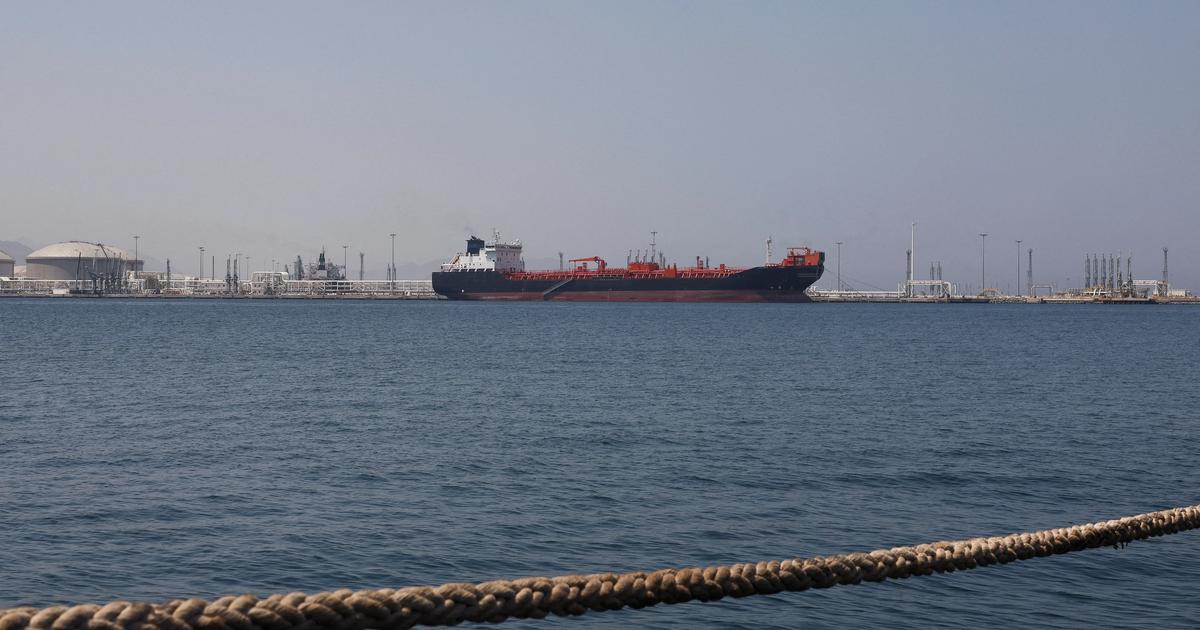
Amr Alfiky/Reuters
Photograph: Semafor (embedded from source)
What this story says
- Global oil markets have shifted to a supply surplus, with supply exceeding demand by 1.4 million barrels a day in October, according to JPMorgan.
- Middle Eastern exports are returning to pre-war levels, and Saudi output is forecast to increase in the fourth quarter.
- Soaring production in Latin America has also contributed to the global glut.
- Crude oil prices have fallen 20% from their peak this year, though recent security concerns in the Strait of Hormuz have caused temporary price increases.
Who covered it
Percentages are shares of the 23 outlets carrying a published leaning rating. 56 of the 79 outlets we know ran this story carry no rating and are not counted in them. Coverage measured .
Trust
42/100
Craft
57/100
Hype
41/100
79 sources · methodology
Thin on the left so far
Only 1 of the 23 outlets with a published leaning rating that ran this story are rated left.
This story is still being watched, so it is a count and not yet a finding. Coverage keeps arriving for hours after an event, and a side that has published nothing this morning may publish by tonight. If it is still true when we stop checking, we will say so plainly.
Global oil markets have moved into a state of surplus, with supply exceeding demand by an estimated 1.4 million barrels per day in October, according to JPMorgan. This shift follows months of disruption caused by conflict in the Middle East. Middle Eastern exports are reportedly returning to pre-war levels, and Saudi Arabian output is forecast to rise in the fourth quarter.
Increased production in Latin America has also contributed to the global oversupply. The surplus, combined with the outcomes of the US midterm elections, has led to a 20% decrease in crude oil prices from their highest point this year. However, recent maritime security concerns and attacks on tankers in the Strait of Hormuz have caused temporary increases in crude futures.
Disagreement on price movements
While some reports indicate a general fall in oil prices, others highlight recent price increases. JPMorgan noted that crude prices have fallen 20% from this year's peak (Semafor). Conversely, vz.ru reported that Brent crude oil prices exceeded $100 per barrel due to possible security threats in the Middle East. Mehr News Agency also stated that oil prices rose for the second consecutive day, with Brent crude approaching the $100 per barrel mark. The Hindu Business Line reported that fresh maritime security concerns lifted crude futures.
What the coverage left out
None of the left-rated digests mention the specific figure of 1.5 million barrels a day for Latin America's increased output, a detail present in Semafor's full report. The right-rated digests do not mention the 20% price drop from this year's peak, a figure reported by Semafor and Oil Price.
Still developing. We have re-checked which outlets are covering this 1 time, most recently on 6 Nov 2026, 09:15, and will add the sides that appear.
How each side covered it
Our own reading of the reporting listed below, written from the outlets’ articles rather than quoted from them. The reasoning is set out on our methodology page.
Left
1 rated outlet
- The left-rated report from Semafor led with the shift to a global oil market surplus, citing JPMorgan's estimate of supply exceeding demand by 1.4 million barrels a day in October. It highlighted the return of Middle Eastern exports to pre-war levels and a forecast jump in Saudi output for the fourth quarter. The report also mentioned soaring output in Latin America contributing to the glut and noted that the surplus, along with US midterm results, pushed prices down 20% from their peak, with a Bloomberg columnist quoted on the potential for cheaper gasoline.
Centre
9 rated outlets
- Centre-rated reports focused on the return of the global oil glut, with several citing analysts from Goldman Sachs and JPMorgan. Oil Price stated that demand destruction from high prices was causing fears of a deficit to fade and concerns of a glut to rise. Bloomberg reported on Citi's Head of US Equity Strategy Scott Chronert being surprised by the sudden drop in oil prices, noting that Brent fell almost 9% before rebounding. Reuters and WTVB both carried JPMorgan's assessment that rising exports and weak demand were pushing the market into surplus. The Globe & Mail's report mentioned Brent crude jumping and settling up over $3 after tanker attacks, linking it to ongoing midterm fallout.
Right
13 rated outlets
- Right-rated reports predominantly focused on the recent rise in oil prices, with many highlighting Brent crude approaching or exceeding $100 per barrel. vz.ru reported Brent exceeding $100 due to possible security threats in the Middle East. Mehr News Agency and The Hindu Business Line noted price increases, with the latter specifically mentioning fresh tanker attacks in the Strait of Hormuz lifting crude futures. Times of India reported oil prices bouncing back towards $100 after a significant decline, attributing it to geopolitical tensions and Middle East conflicts disrupting refinery operations. Business Times also reported Brent crude jumping over $3 after tanker attacks. Yonhap News Agency noted an international oil price rebound after a significant plunge. Protothema highlighted a rally from an 8% plunge due to fears of escalation in the Middle East. Interfax.ru stated Brent's price was over $97 a barrel, and Sapo reported Brent's quotation for January delivery falling by 7.63% to $104.77.
Questions about this coverage
- How did the left and right cover Global oil market shifts to surplus as prices fall?
- Of the 23 outlets on this story carrying a published leaning rating, 4% are rated left, 40% are rated centre, 56% are rated right. Those percentages are shares of the rated outlets, not of every outlet that ran it, which was 79. The sections above set out what each side emphasised, in its own terms.
- Is Global oil market shifts to surplus as prices fall left or right?
- Neither side dominates it. Of the 23 rated outlets on this story, 4% are rated left, 40% are rated centre, 56% are rated right, and no side holds the 70% this site would want before calling a field one-sided. A story is not left or right in any case; the outlets that carried it are what carry ratings.
- Is the coverage of Global oil market shifts to surplus as prices fall biased?
- Global oil market shifts to surplus as prices fall is one event reported by 79 outlets, and this page does not rate the story as biased or unbiased. What it publishes is the spread: which outlets ran it, where named rating organisations place each of them on the spectrum, and what each side chose to lead with. A leaning rating describes an outlet's record over time, not this article, and the two should not be run together.
- Which side is not reporting Global oil market shifts to surplus as prices fall?
- When we first saw this story, outlets rated left had barely covered it. Coverage accretes for hours after an event, so that is where to look rather than a verdict — the split above is the current count, and it is the one to read.
- Which outlets covered Global oil market shifts to surplus as prices fall?
- 79 that we know of, every one of them listed further up this page with a link to its own report and to what we hold on the publisher. Nothing here is a summary of somebody else's summary: the outlets are named so the original reporting can be read.
- What is the current state of the global oil market?
- The global oil market has shifted to a supply surplus, meaning that more oil is being produced than consumed. JPMorgan estimated that supply exceeded demand by 1.4 million barrels a day in October, driven by increased exports from the Middle East and higher production in Latin America.
- How have oil prices been affected?
- Crude oil prices have fallen by 20% from their peak this year. However, recent security concerns and attacks on tankers in the Strait of Hormuz have caused temporary price increases, with Brent crude approaching or exceeding $100 per barrel on several occasions.
- What factors are contributing to the oil market surplus?
- The surplus is attributed to recovering exports from the Middle East returning to pre-war levels and soaring output from Latin America. Additionally, high oil prices have led to demand destruction, further contributing to the oversupply.
Read it at the source
81 outlets, grouped by the leaning a published rating gives them. Every headline links to the original; an underlined outlet name opens our profile of that publisher.
Left
1Centre
10- Oil set for sharp weekly drop but Middle East supply concerns provide floor (opens The Express Tribune in a new tab)
The Express Tribune — is The Express Tribune biased? Our profile of this outlet
- Oil prices rise as investors weigh renewed U.S.-Iran conflict risks after midterm elections (opens CNBC in a new tab)
- Oil set for sharp weekly drop but Middle East supply concerns provide floor (opens Business Recorder in a new tab)
Business Recorder — is Business Recorder biased? Our profile of this outlet
- Oil set for sharp weekly drop but Middle East supply concerns provide floor (opens Channel News Asia in a new tab)
Channel News Asia — is Channel News Asia biased? Our profile of this outlet
- The Global Oil Glut Returns as High Prices Crush Demand (opens Oil Price in a new tab)
- Oil's Sudden Price Drop Surprises Citi's Chronert (opens Bloomberg in a new tab)
- Oil Prices Rebound Sharply After Brutal Midweek Rout (opens Oil Price in a new tab)
Oil Price
- Brent crude jumps, settles up over $3 after tanker attacks (opens The Globe & Mail in a new tab)
The Globe & Mail — is The Globe & Mail biased? Our profile of this outlet
Right
13- Brent's Oil Price Exceeded $100 per Barrel. (opens vz.ru in a new tab)
- Oil set for sharp weekly drop but Middle East supply concerns provide floor (opens ARY News in a new tab)
- Oil Prices Rise; Brent Returns to $100 (opens Mehr News Agency in a new tab)
Mehr News Agency — is Mehr News Agency biased? Our profile of this outlet
- Crude oil price gain amid fresh tanker attacks in Strait of Hormuz (opens The Hindu Business Line in a new tab)
The Hindu Business Line — is The Hindu Business Line biased? Our profile of this outlet
- Oil prices bounce back: Brent nears $100 after hitting a more than two-month low (opens Times of India in a new tab)
Times of India — is Times of India biased? Our profile of this outlet
- Brent crude jumps, settles up over US$3 after tanker attacks (opens Business Times in a new tab)
Business Times — is Business Times biased? Our profile of this outlet
- International Oil Prices Rebound After Yesterday's 8% plunge... WTI up 2.7%, Brent up 3.9% (opens 연합뉴스-Yonhap News Agency in a new tab)
연합뉴스-Yonhap News Agency — is 연합뉴스-Yonhap News Agency biased? Our profile of this outlet
- Oil: From an 8% Plunge to a Rally on Fears of New Escalation in the Middle East - Brent at $98.29 (opens Protothema in a new tab)
Protothema — is Protothema biased? Our profile of this outlet
Show 5 more
- Oil Has Day of Correction and Ends Session in High Firm (opens Globo in a new tab)
- Brent's Price Was over $97 a Barrel. (opens Interfax.ru in a new tab)
Interfax.ru — is Interfax.ru biased? Our profile of this outlet
- AirAsia surges 25% as oil prices tumble after US polls (opens Free Malaysia Today News in a new tab)
Free Malaysia Today News — is Free Malaysia Today News biased? Our profile of this outlet
- Crude Crashes As Blue-nami Sparks Market Chaos; Bullion, Bitcoin, & Bonds Bid (opens Zero Hedge in a new tab)
Zero Hedge — is Zero Hedge biased? Our profile of this outlet
- Brent's Quotation for Delivery in January Low 7.63% for 104.77 Dollars Economic Journal (opens Sapo in a new tab)
Not rated
57- US Iran oil market - US Iran Oil Crisis Escalates: Why Fragile Markets Push Brent to $98 and WTI to $90 06-11-2026 (opens Polyestertime in a new tab)
Polyestertime — is Polyestertime biased? Our profile of this outlet
- Despite the Ongoing Conflict in Iran, the Global Oil Market Is Showing Signs of Oversupply Again. (opens 大纪元 Epoch Times in a new tab)
大纪元 Epoch Times — is 大纪元 Epoch Times biased? Our profile of this outlet
- As high oil prices curb demand, fresh signs of glut appear (opens CDE News in a new tab)
- Oil Prices Rose on Friday Morning, but Are Headed for a Sharp Decline for the Week. (opens Hospodárske Noviny in a new tab)
Hospodárske Noviny — is Hospodárske Noviny biased? Our profile of this outlet
- New Rally in Oil Prices After "Breathing" - Brent Dangerously Approaches $100 (opens CNN Greece in a new tab)
CNN Greece — is CNN Greece biased? Our profile of this outlet
- Brent Crude Oil Price: $99.90 as Hormuz Attacks Return (opens FinanceFeeds in a new tab)
FinanceFeeds — is FinanceFeeds biased? Our profile of this outlet
- Brent Futures Surge Over $3 as Iran War Tensions Escalate (opens Business Post Nigeria in a new tab)
Business Post Nigeria — is Business Post Nigeria biased? Our profile of this outlet
- Oil: Brent Nears $100, but Loses 15% in the Week (opens marketnews.gr in a new tab)
marketnews.gr — is marketnews.gr biased? Our profile of this outlet
Show 49 more
- Oil Prices Are Rising. (opens Habertürk in a new tab)
- Oil: Returns to $100 – “80% Chance of US War Restarting” (opens Naftemporiki in a new tab)
Naftemporiki — is Naftemporiki biased? Our profile of this outlet
- Oil prices rebound as Brent rises 1.6 percent to $99.86 but benchmarks head for 12 percent weekly drop (opens economymiddleeast.com in a new tab)
economymiddleeast.com — is economymiddleeast.com biased? Our profile of this outlet
- With "Opponent" Precision and the Energy Market. By Christos Behlivanos (opens larissanet.gr in a new tab)
larissanet.gr — is larissanet.gr biased? Our profile of this outletOpinion
- Brent Returns to $100, Natural Gas to €93 - Investors See Uncertainties After US Midterm Elections (opens Newsit.gr in a new tab)
- Brent Oil Returns to $100 Channel (opens fararu.com in a new tab)
fararu.com — is fararu.com biased? Our profile of this outlet
- Oil Prices Continue to Rise Due to Uncertainty Surrounding Iran. (opens bloomberght.com in a new tab)
bloomberght.com — is bloomberght.com biased? Our profile of this outlet
- Crude oil prices fluctuate heavily as brent nears one hundred dollars - Latest Key Updates (opens Zoom News in a new tab)
- Crude Oil Price: Crude Oil, Which Was Getting Cheaper, Became Expensive Again, the Price Reached Close to $100, Why Did the Market Mood Suddenly Change? (opens TV9 Hindi in a new tab)
- Oil Prices Rebound Sharply as Markets Reassess Prospects for Ending US-Iran Conflict (opens Sada El balad in a new tab)
Sada El balad — is Sada El balad biased? Our profile of this outlet
- Oil Prices Rise 2% to 3%, Market Depression Affects Crude Oil Supply (opens i-cable.com in a new tab)
i-cable.com — is i-cable.com biased? Our profile of this outlet
- Oil Prices Are Rising as Fighting in the Middle East Continues. (opens vietnamplus.vn in a new tab)
vietnamplus.vn — is vietnamplus.vn biased? Our profile of this outlet
- Brent Crude Prices Resurface as Tanker Attacks Spark Supply Concerns (opens https://www.idxchannel.com/ in a new tab)
https://www.idxchannel.com/ — is https://www.idxchannel.com/ biased? Our profile of this outlet
- Oil: After the Sharp Fall in Prices, a Sharp Rebound Recalls the Fragility of the Market (opens L'EnerGeek in a new tab)
L'EnerGeek — is L'EnerGeek biased? Our profile of this outletOpinion
- Oil: From 8% Plunge to Rally - Brent at $98.29 Amid Middle East Concerns (opens parapolitika.gr in a new tab)
parapolitika.gr — is parapolitika.gr biased? Our profile of this outlet
- NY Crude Oil Rebounds, Closing in the $90s; Buying Pressure Intensifies Due to Middle Eastern Supply Concerns. (opens 産経ニュース in a new tab)
産経ニュース
- Brent Rises 3.88% to $98.29 After the Initial Optimism of the US Elections (opens elperiodicodelaenergia.com in a new tab)
elperiodicodelaenergia.com — is elperiodicodelaenergia.com biased? Our profile of this outlet
- Oil: From an 8% Plunge to a Rally on Fears of New Escalation in the Middle East - Brent at $98.29 (opens Pentapostagma in a new tab)
Pentapostagma — is Pentapostagma biased? Our profile of this outlet
- Fresh tanker attacks prompt rebound in oil prices - Oklahoma Energy Today (opens okenergytoday.com in a new tab)
okenergytoday.com — is okenergytoday.com biased? Our profile of this outlet
- Oil prices drop sharply, easing inflation pressures: Citi strategist (opens Crypto Briefing in a new tab)
Crypto Briefing — is Crypto Briefing biased? Our profile of this outlet
- Oil Surged Strongly After Attacks on Oil Tankers (opens El Economista in a new tab)
El Economista — is El Economista biased? Our profile of this outlet
- Brent Jumps 4% After Tanker Attacks in Hormuz (opens Capital.gr in a new tab)
Capital.gr — is Capital.gr biased? Our profile of this outlet
- Oil Rebounds After Sharp Iran War Selloff (opens Rigzone in a new tab)
- Brent Climbs 2.72% and WTI Advances 3.88% After Down (opens SpaceMoney in a new tab)
SpaceMoney — is SpaceMoney biased? Our profile of this outlet
- A Jump in Oil Prices, Brent, Close to $98 a Barrel, up 4%. (opens Beirut 24 in a new tab)
- Oil Rises and Recovers Part of the Losses After Sequence of Falls (opens Canal Rural in a new tab)
Canal Rural — is Canal Rural biased? Our profile of this outlet
- Oil Closes High, Despite Uncertainties Around the Midterms in the USA (opens CNN Brasil in a new tab)
CNN Brasil — is CNN Brasil biased? Our profile of this outlet
- Oil: Brent Reacts After Yesterday's Sell Off - Returns to $96 (opens insider.gr in a new tab)
insider.gr — is insider.gr biased? Our profile of this outlet
- WTI Crude Touches $90 a Barrel as Brent Rises More Than 2.8% (opens TokenPost in a new tab)
- Brent crude sees steepest weekly drop since April 2020, UBS warns of price floor (opens Crypto Briefing in a new tab)
Crypto Briefing
- The First Pump Operators Are Already Reacting to the Significant Drop in Oil Prices. They Are Cutting the Price of Diesel by a Crown, and Another Drop May Still Be Coming. (opens Hospodářské Nnoviny (HN.cz) in a new tab)
Hospodářské Nnoviny (HN.cz) — is Hospodářské Nnoviny (HN.cz) biased? Our profile of this outlet
- Brent climbs 1.5% after yesterday's losses (opens BizToc in a new tab)
- The Brent Goes Back to 100 Dollars After the US Elections (opens journaldunet.com in a new tab)
journaldunet.com — is journaldunet.com biased? Our profile of this outlet
- New Good News Today: Fuel Prices Plummet (opens carup.se in a new tab)
- Oil Prices Drop: Gasoline and Diesel Will Soon Be Cheaper (opens pal.be in a new tab)
- Brent Crude Oil Rises Above $95 - Al-Borsa Newspaper (opens alborsaanews.com in a new tab)
alborsaanews.com — is alborsaanews.com biased? Our profile of this outlet
- Accuracy: New Surge in Electricity – "Breath" for Oil Prices (opens lawandorder.gr in a new tab)
lawandorder.gr — is lawandorder.gr biased? Our profile of this outlet
- Global Energy Prices Retreat, but Greek Electricity Costs Remain Elevated (opens dnews.gr in a new tab)
- Energy Costs: New Surge in Electricity While Oil Prices Fall (opens ertnews.gr in a new tab)
ertnews.gr — is ertnews.gr biased? Our profile of this outlet
- AirAsia, Capital A Among Top Active Counters As Oil Prices Ease (opens Asianewstoday in a new tab)
Asianewstoday — is Asianewstoday biased? Our profile of this outlet
- Crude Crashes As Blue-nami Sparks Market Chaos; Bullion, Bitcoin, & Bonds Bid (opens Era of Light in a new tab)
Era of Light — is Era of Light biased? Our profile of this outlet
- Oil Prices Plummet: Supply Surplus Shakes the Market! (opens elipshaber.com in a new tab)
elipshaber.com — is elipshaber.com biased? Our profile of this outlet
- Oil Is Now in Surplus! Prices Have Hit a Two-Month Low… (opens turkiyegazetesi.com.tr in a new tab)
turkiyegazetesi.com.tr — is turkiyegazetesi.com.tr biased? Our profile of this outlet
- Oil Prices Rebound After Historic Drop, Energy Stocks Lag (opens channelchek.com in a new tab)
channelchek.com — is channelchek.com biased? Our profile of this outlet
- JPMorgan and HSBC signal oil supply recovery as Gulf exports rebound (opens Oil & Gas 360 in a new tab)
Oil & Gas 360 — is Oil & Gas 360 biased? Our profile of this outlet
- JPMorgan Warns that the Oil Market Returns to Surplus - Information Focus (opens focoinformativo.site in a new tab)
focoinformativo.site — is focoinformativo.site biased? Our profile of this outlet
- JPMorgan Warns that the Oil Market Returns to Surplus (opens Finanzas Digital in a new tab)
Finanzas Digital — is Finanzas Digital biased? Our profile of this outlet
- Crude Oil Outlook 2026: Brent Plunges 7% on Iran Deal Hopes (opens Trading and Investment News in a new tab)
Trading and Investment News — is Trading and Investment News biased? Our profile of this outlet
- Oil's Dropping by More than 7%, and Brent's at $104.77. (opens Unknown in a new tab)
Unknown
How did this read?
About the coverage, not about the story. We do not ask whether you agree with what happened — we have no honest use for that answer.
More in Business & Economy
All Business & Economy →

Elsewhere on the site
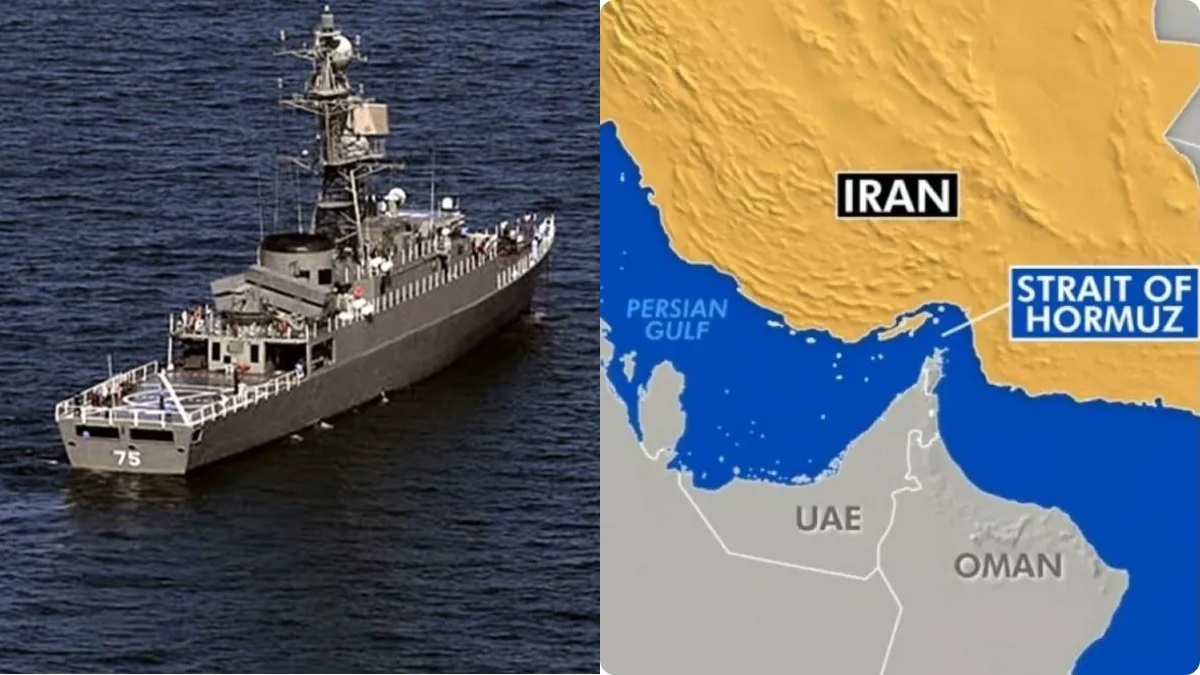 Conflict & Security•4 min readIran Exempts Four Nations from Strait of Hormuz Transit Restrictions
 Conflict & Security•3 min readHouthis demand $51bn and recognition from Saudi Arabia
 Conflict & Security•3 min readIran says four oil tankers destroyed by mines in Strait of Hormuz
 Politics•3 min readIran sends nuclear proposal to US via Qatar, demands conditions