Nevis considers $1bn deal for 12% of island's territory
A proposal for a special economic zone has sparked debate as the island seeks economic alternatives.
AI-assisted coverage comparison, editor-supervised · How this was made
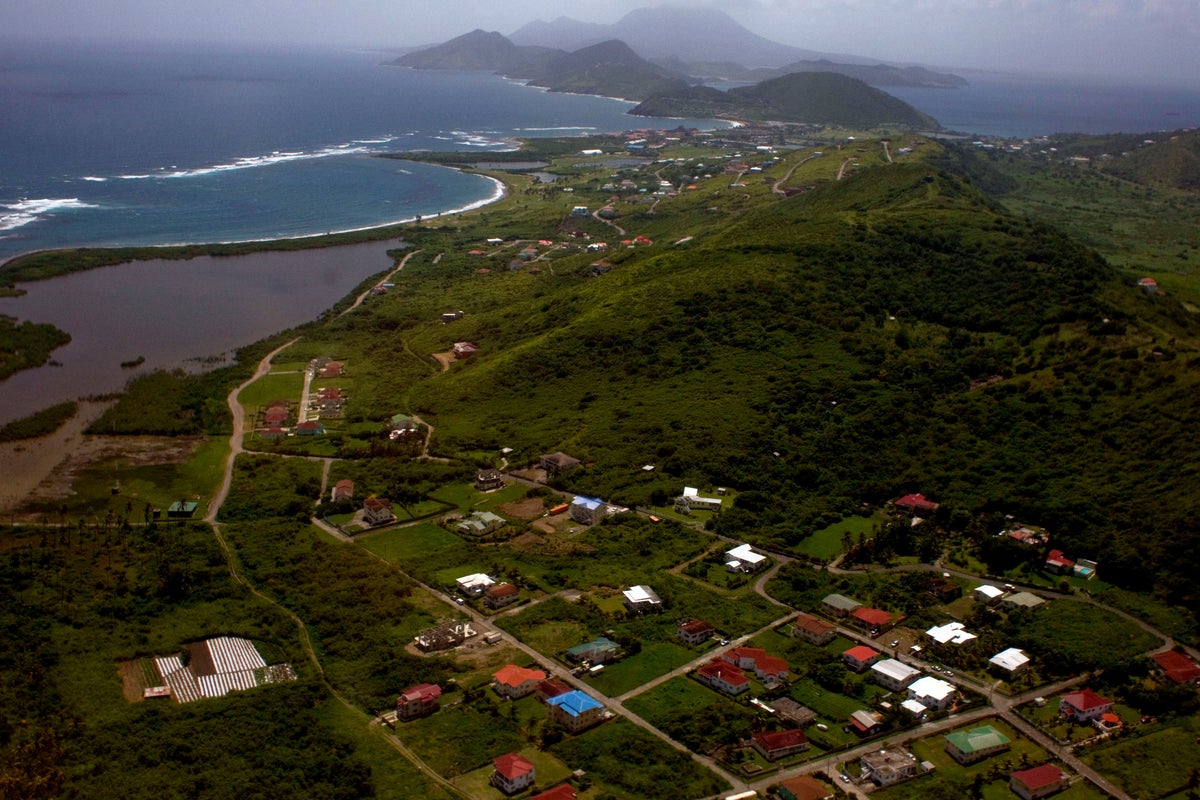
Nevis considers $1bn deal for 12% of island's territory
Photograph: The Independent (US) (embedded from source)
What this story says
- Nevis is in negotiations for a $1 billion deal that would give a private developer control over approximately 12% of the island's land.
- The proposed special economic zone would cover about 2,670 acres on southern Nevis and would operate with its own civil code.
- Supporters believe the deal will boost the economy, especially as the island winds down its citizenship-by-investment program.
- Critics express concerns about potential land seizures, environmental damage, and the process by which the deal was advanced.
Who covered it
Percentages are shares of the 13 outlets carrying a published leaning rating. 1 of the 14 outlets we know ran this story carry no rating and are not counted in them. Coverage measured .
Trust
56/100
Craft
95/100
Hype
25/100
14 sources · methodology
Thin on the right so far
Only 2 of the 13 outlets with a published leaning rating that ran this story are rated right.
This story is still being watched, so it is a count and not yet a finding. Coverage keeps arriving for hours after an event, and a side that has published nothing this morning may publish by tonight. If it is still true when we stop checking, we will say so plainly.
Leaders on the Caribbean island of Nevis are considering a $1 billion proposal that would grant a private developer nearly 12% of the island's territory. The plan involves establishing a special economic zone covering about 2,670 acres on the southern coast. This initiative has generated significant debate among residents and officials.
Premier Mark Brantley stated that the government has made all 222 pages of the proposed agreement publicly available, allowing for public scrutiny and debate. He highlighted the need for foreign investment, particularly as St. Kitts and Nevis phases out its citizenship-by-investment program, which previously generated substantial tax-free revenue, at one point exceeding 25% of the nation's GDP. Brantley noted that the government has not sold any land directly to developers and that all transactions would be voluntary.
Opponents of the deal voice fears of land seizures and environmental violations, with some describing the proposal as a "neocolonial system." They have also raised concerns about the legislative process, with some critics stating the bill authorizing the zone was approved last year without public hearings. The developer, Destiny International Ltd., has stated that citizens of St. Kitts and Nevis will have priority for jobs and that local businesses will have opportunities to supply goods and services.
Disagreement on public hearings
Critics of the proposed deal state they are upset that the bill authorizing the zone was approved last year without public hearings. Premier Mark Brantley asserted that the approval process was no different from that of other bills. He also noted that his administration is the first since Nevis became independent to publicly release a proposed deal with developers.
What the coverage left out
None of the left-rated digests mention the specific investment figures for the first five-and-a-half years or the $50 million due to the Nevis Island Administration by 2031. The left-rated full report does not mention the $10 million designated for hospital expansion or the proposed coral restoration project. None of the centre-rated digests mention the specific investment figures for the first five-and-a-half years or the $50 million due to the Nevis Island Administration by 2031. The centre-rated full report does not mention the proposed coral restoration project. The right-rated digest does not mention the specific investment figures for the first five-and-a-half years, the $50 million due to the Nevis Island Administration by 2031, or the $10 million designated for hospital expansion. It also does not mention the proposed coral restoration project.
Still developing. We have re-checked which outlets are covering this 10 times, most recently on 29 Nov 2026, 21:15, and will add the sides that appear.
How each side covered it
Our own reading of the reporting listed below, written from the outlets’ articles rather than quoted from them. The reasoning is set out on our methodology page.
Left
8 rated outlets
- Left-rated reports led with the proposed $1 billion deal and the nearly 12% of territory it would grant a private developer. These reports highlighted concerns from opponents, including fears of land seizures and environmental violations, with some describing the arrangement as a "neocolonial system." The winding down of the citizenship-by-investment program and its economic impact were also noted as context for the proposed deal. The reports mentioned the developer's vision for a "semiautonomous utopia" and that the bill authorizing the zone was approved last year without public hearings.
Centre
3 rated outlets
- Centre-rated reports focused on the $1 billion deal and the significant portion of Nevis's territory it would encompass. They presented both the potential economic benefits, citing the need to replace revenue from the ending citizenship-by-investment program, and the concerns of opponents regarding land seizures and environmental issues. Premier Mark Brantley's statements about transparency, including the release of the 222-page agreement, were featured. The reports also noted the developer's commitment to job priority for locals and opportunities for local businesses.
Right
2 rated outlets
- The right-rated report led with the proposed $1 billion deal that would award a private developer nearly 12% of the country’s territory. It mentioned that opponents fear land seizures and environmental violations under what some have described as a "neocolonial system."
Questions about this coverage
- How did the left and right cover Nevis considers $1bn deal for 12% of island's territory?
- Of the 13 outlets on this story carrying a published leaning rating, 62% are rated left, 23% are rated centre, 15% are rated right. Those percentages are shares of the rated outlets, not of every outlet that ran it, which was 14. The sections above set out what each side emphasised, in its own terms.
- Is Nevis considers $1bn deal for 12% of island's territory left or right?
- Neither side dominates it. Of the 13 rated outlets on this story, 62% are rated left, 23% are rated centre, 15% are rated right, and no side holds the 70% this site would want before calling a field one-sided. A story is not left or right in any case; the outlets that carried it are what carry ratings.
- Is the coverage of Nevis considers $1bn deal for 12% of island's territory biased?
- Nevis considers $1bn deal for 12% of island's territory is one event reported by 14 outlets, and this page does not rate the story as biased or unbiased. What it publishes is the spread: which outlets ran it, where named rating organisations place each of them on the spectrum, and what each side chose to lead with. A leaning rating describes an outlet's record over time, not this article, and the two should not be run together.
- Which side is not reporting Nevis considers $1bn deal for 12% of island's territory?
- When we first saw this story, outlets rated right had barely covered it. Coverage accretes for hours after an event, so that is where to look rather than a verdict — the split above is the current count, and it is the one to read.
- Which outlets covered Nevis considers $1bn deal for 12% of island's territory?
- 14 that we know of, every one of them listed further up this page with a link to its own report and to what we hold on the publisher. Nothing here is a summary of somebody else's summary: the outlets are named so the original reporting can be read.
- What is the proposed deal for Nevis?
- Nevis is considering a $1 billion deal that would grant a private developer nearly 12% of the island's territory to establish a special economic zone. This zone would cover about 2,670 acres and operate with its own civil code, though it would remain under St. Kitts and Nevis's constitution.
- Why is Nevis considering this deal?
- The island is seeking to boost its economy as it winds down its citizenship-by-investment program, which has been a significant source of revenue. Premier Mark Brantley stated that it will be difficult to replace that income overnight and that the country needs foreign investment.
- What are the main concerns about the deal?
- Opponents fear potential land seizures and environmental violations, with some critics describing the proposal as a "neocolonial system." Concerns have also been raised about the legislative process, with some stating the bill was approved without public hearings.
- Has the proposed agreement been made public?
- Yes, Premier Mark Brantley stated that his administration has released all 222 pages of the proposed agreement to the public. This transparency allows for public debate and scrutiny of the deal's terms.
Read it at the source
14 outlets, grouped by the leaning a published rating gives them. Every headline links to the original; an underlined outlet name opens our profile of that publisher.
Left
8- Tiny Caribbean island turns to Bitcoin tycoon to help save its economy as citizenship program ends (opens The Washington Post in a new tab)
The Washington Post — is The Washington Post biased? Our profile of this outlet
- Tiny Caribbean island turns to Bitcoin tycoon to help save its economy as citizenship program ends (opens The Toronto Star in a new tab)
The Toronto Star — is The Toronto Star biased? Our profile of this outlet
- Tiny Caribbean island turns to Bitcoin tycoon to help save its economy as citizenship program ends (opens The Seattle Times in a new tab)
The Seattle Times — is The Seattle Times biased? Our profile of this outlet
- Tiny Caribbean island turns to Bitcoin tycoon to help save its economy as citizenship program ends (opens The Independent (US) in a new tab)
The Independent (US) — is The Independent (US) biased? Our profile of this outlet
- Tiny Caribbean island turns to Bitcoin tycoon to help save its economy as citizenship program ends (opens The Independent in a new tab)
The Independent — is The Independent biased? Our profile of this outlet
- Tiny Caribbean island turns to Bitcoin tycoon to help save its economy (opens ABC News in a new tab)
- Tiny Caribbean island turns to Bitcoin tycoon to help save its economy as citizenship program ends (opens The Hamilton Spectator in a new tab)
The Hamilton Spectator — is The Hamilton Spectator biased? Our profile of this outlet
- Tiny Caribbean island turns to Bitcoin tycoon to help save its economy as citizenship program ends (opens The Record in a new tab)
The Record — is The Record biased? Our profile of this outlet
Centre
3- Tiny Caribbean island turns to Bitcoin tycoon to help save its economy as citizenship program ends (opens My Mother Lode in a new tab)
My Mother Lode — is My Mother Lode biased? Our profile of this outlet
- Tiny Caribbean island turns to Bitcoin tycoon to help save its economy as citizenship program ends – WTOP News (opens Washington Top News in a new tab)
Washington Top News — is Washington Top News biased? Our profile of this outlet
- Tiny Caribbean island turns to Bitcoin tycoon to help save its economy as citizenship program ends (opens Winnipeg Free Press in a new tab)
Winnipeg Free Press — is Winnipeg Free Press biased? Our profile of this outlet
Right
2- Tiny Caribbean island turns to Bitcoin tycoon to help save its economy as citizenship program ends (opens Washington Times in a new tab)
Washington Times — is Washington Times biased? Our profile of this outlet
- Tiny Caribbean island turns to Bitcoin tycoon to help save its economy as citizenship program ends (opens Owensboro Messenger-Inquirer in a new tab)
Owensboro Messenger-Inquirer — is Owensboro Messenger-Inquirer biased? Our profile of this outlet
Not rated
1How did this read?
About the coverage, not about the story. We do not ask whether you agree with what happened — we have no honest use for that answer.
More in Business & Economy
All Business & Economy →


Elsewhere on the site
 Politics•4 min readSpanish Election: PP and Vox Secure Majority
 Politics•2 min readDeSantis Urges Texans to Stay After Midterm Election Losses
 Conflict & Security•3 min readNikki Haley: End Iran War by Finishing It Correctly
 Conflict & Security•3 min readIsrael approves international force to enter Gaza and disarm Hamas