Oil prices rise as US-Iran talks stall and Hormuz shipping slows
Brent crude futures reached US$89.40 per barrel on 17 August 2026 after attacks on vessels in the Strait of Hormuz and stalled negotiations
AI-assisted coverage comparison, editor-supervised · How this was made

Oil prices rise as US-Iran talks stall and Hormuz shipping slows
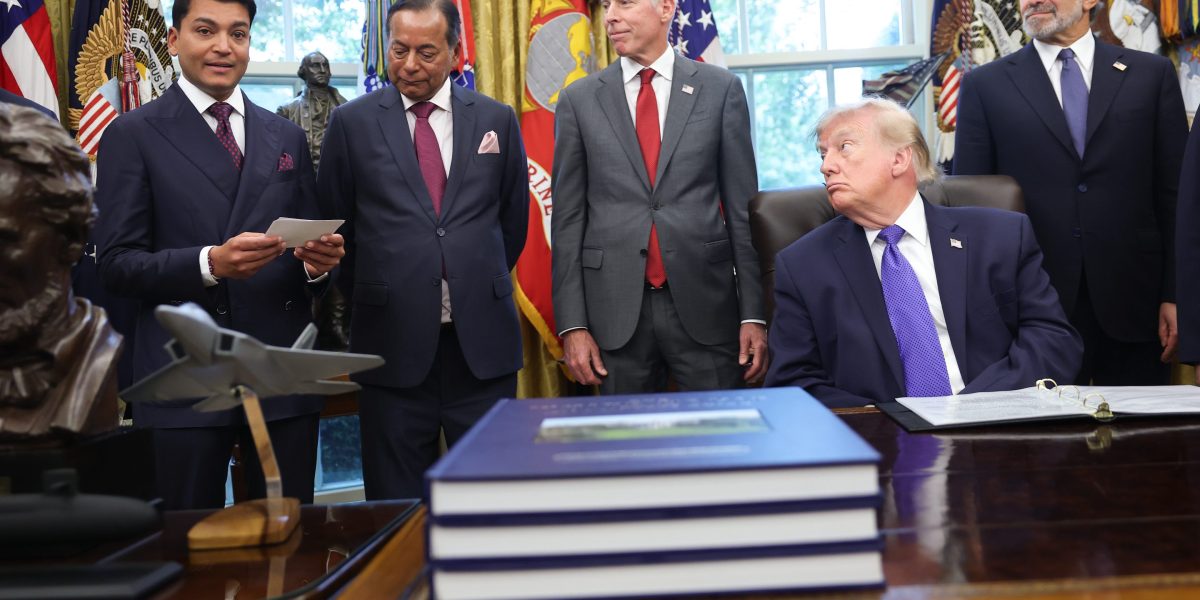
Photograph: Asia One (embedded from source)
What this story says
- Brent crude futures rose to US$89.40 per barrel on 17 August 2026, and West Texas Intermediate reached US$82.83, as reported by Asia One.
- Five commodity vessels transited the Strait of Hormuz on 16 August 2026, with none recorded on 17 August, according to Kpler ship-tracking data.
- The United Arab Emirates accused Iran of attacking a third vessel operated by ADNOC in the Strait of Hormuz, as reported by the Emirati state news agency WAM.
- US President Donald Trump reiterated that preventing Iran from obtaining a nuclear weapon remains the US’s top priority, as reported by Live Mint.
Who covered it
Percentages are shares of the 67 outlets carrying a published leaning rating. 80 of the 147 outlets we know ran this story carry no rating and are not counted in them. Coverage measured .
Trust
70/100
Craft
95/100
Hype
15/100
147 sources · methodology
Oil prices rose on 17 August 2026 as expectations of a breakthrough in US-Iran peace talks faded. Brent crude futures reached US$89.40 per barrel, while West Texas Intermediate crude futures climbed to US$82.83 per barrel. Both contracts had gained more than five per cent the previous week following attacks on tankers operated by Abu Dhabi National Oil Company (ADNOC) in the Strait of Hormuz and on a Saudi Aramco refinery.
Shipping through the Strait of Hormuz slowed over the weekend. Kpler ship-tracking data showed five commodity vessels transited the strait on 16 August 2026, with none recorded on 17 August. The United Arab Emirates accused Iran of attacking a third ADNOC-operated vessel in the strait on 15 August, according to the Emirati state news agency WAM. Iran had previously been blamed for two other incidents involving ADNOC vessels on 14 August.
Iranian Foreign Minister Abbas Araqchi said Iran had not decided to resume talks with the US, as reported by Asia One. US President Donald Trump urged Americans to accept slightly higher gasoline prices while the conflict continued. Trump also reiterated that preventing Iran from obtaining a nuclear weapon remained the US’s top priority, as reported by Live Mint.
What the coverage left out
No left-rated outlet ran this story. None of the digests from the right-rated outlets mentioned the UAE’s accusation that Iran had attacked a third ADNOC-operated vessel. The specific number of vessels transiting the Strait of Hormuz on 16 and 17 August 2026 was omitted from all digests except Asia One’s full report.
Coverage settled. We checked this 8 times and stopped on 23 Aug 2026, 00:30. The figures above are what it finished at.
How each side covered it
Our own reading of the reporting listed below, written from the outlets’ articles rather than quoted from them. The reasoning is set out on our methodology page.
Left
13 rated outlets
- Left-rated outlets led on the link between stalled US-Iran talks and rising oil prices. All seven reports carried the price increase: Brent crude above $88 a barrel, with one quoting $88.86. Six mentioned the Strait of Hormuz as a shipping bottleneck. Five noted geopolitical tensions in West Asia as the cause.
- Four of the digests stated that Iran had ruled out extending an interim deal or threatened escalation. Three included attacks in the Strait of Hormuz. Two cited US warnings against Iran as a factor in the price rise. The Hindu’s report quoted a market analyst attributing the risk premium to renewed US warnings.
- None of the digests mentioned the cost of the price rise to consumers or industries outside energy markets. The Hindu’s report was the only one to include stock market reactions, naming Sensex and Nifty declines and listing specific companies affected.
Centre
23 rated outlets
- The three centre-rated digests led on the rise in oil prices and the stalling of US-Iran peace talks. Live Mint and RTÉ both mentioned the slowdown in tanker traffic through the Strait of Hormuz. Asia One’s full report carried the most detail: it included the specific price increases for Brent and West Texas Intermediate crude, the number of vessels transiting the strait, and the UAE’s accusation against Iran. It also quoted Priyanka Sachdeva, head of market insights for Phillip Nova, who said oil prices had rebounded almost completely from early August lows due to fading hopes for a resolution between the US and Iran.
Right
31 rated outlets
- The two right-rated digests led on the escalation of tensions in the Strait of Hormuz and the impact on oil prices. ARY News mentioned the stalling of US-Iran peace talks and the slowdown in shipping. Gulf News framed the story as a deepening crisis in the strait driving oil prices higher, raising fears of a wider regional conflict. Neither digest included the specific price figures for Brent or West Texas Intermediate crude, nor the number of vessels transiting the strait.
Questions about this coverage
- How did the left and right cover Oil prices rise as US-Iran talks stall and Hormuz shipping slows?
- Of the 67 outlets on this story carrying a published leaning rating, 20% are rated left, 34% are rated centre, 46% are rated right. Those percentages are shares of the rated outlets, not of every outlet that ran it, which was 147. The sections above set out what each side emphasised, in its own terms.
- Is Oil prices rise as US-Iran talks stall and Hormuz shipping slows left or right?
- Neither side dominates it. Of the 67 rated outlets on this story, 20% are rated left, 34% are rated centre, 46% are rated right, and no side holds the 70% this site would want before calling a field one-sided. A story is not left or right in any case; the outlets that carried it are what carry ratings.
- Is the coverage of Oil prices rise as US-Iran talks stall and Hormuz shipping slows biased?
- Oil prices rise as US-Iran talks stall and Hormuz shipping slows is one event reported by 147 outlets, and this page does not rate the story as biased or unbiased. What it publishes is the spread: which outlets ran it, where named rating organisations place each of them on the spectrum, and what each side chose to lead with. A leaning rating describes an outlet's record over time, not this article, and the two should not be run together.
- Which outlets covered Oil prices rise as US-Iran talks stall and Hormuz shipping slows?
- 147 that we know of, every one of them listed further up this page with a link to its own report and to what we hold on the publisher. Nothing here is a summary of somebody else's summary: the outlets are named so the original reporting can be read.
- What caused oil prices to rise on 17 August 2026?
- Oil prices rose due to fading expectations of a breakthrough in US-Iran peace talks and a slowdown in tanker traffic through the Strait of Hormuz after attacks on vessels operated by ADNOC. Brent crude futures reached US$89.40 per barrel, as reported by Asia One.
- How many vessels transited the Strait of Hormuz on 16 and 17 August 2026?
- Five commodity vessels transited the Strait of Hormuz on 16 August 2026, with none recorded on 17 August, according to Kpler ship-tracking data. This detail was reported by Asia One.
- What did the UAE accuse Iran of doing?
- The UAE accused Iran of attacking a third vessel operated by ADNOC in the Strait of Hormuz on 15 August 2026, as reported by the Emirati state news agency WAM. Iran had previously been blamed for two other incidents involving ADNOC vessels on 14 August.
Read it at the source
148 outlets, grouped by the leaning a published rating gives them. Every headline links to the original; an underlined outlet name opens our profile of that publisher.
Left
13- Oil prices rise as Trump cuts off talks with Iran (opens Semafor in a new tab)
- 'Presidency-ending scandal' flagged by expert: 'Should be huge' (opens Raw Story in a new tab)
- Oil Prices Hit the Highest Level Since July (opens unn.ua in a new tab)
- Oil and Gas Prices Rise Following Uncertainty Surrounding Iran-US Ceasefire (opens De Morgen in a new tab)
- Iran threatens new offensive while US rules out extending ceasefire deal (opens The Citizen in a new tab)
The Citizen — is The Citizen biased? Our profile of this outlet
- War Alert in Global Markets: Tensions in West Asia Send Black Gold Soaring. (opens Cumhuriyet in a new tab)
Cumhuriyet — is Cumhuriyet biased? Our profile of this outlet
- Oil Prices Continue to Rise Amid Worsening Prospects for Ending Middle East War (opens censor.net in a new tab)
censor.net — is censor.net biased? Our profile of this outlet
- Trump says no talks taking place with Iran, as global oil prices now highest since July (opens CNN in a new tab)
Show 5 more
- Trump Not Planning to Extend Expiring Ceasefire with Iran; Iran Threatens Attack if US Does Not Reach an Agreement (opens Volkskrant in a new tab)
Volkskrant — is Volkskrant biased? Our profile of this outlet
- Brent oil rises above $90 as Iran rules out interim deal extension, threatens to escalate conflict (opens CNBC in a new tab)
- Nifty falls for 5th day; Sensex drops 281 points amid rising crude oil prices (opens Deccan Herald in a new tab)
Deccan Herald — is Deccan Herald biased? Our profile of this outlet
- Stock markets decline in early trade amid rising crude oil prices (opens The Hindu in a new tab)
- Oil Prices Are Stagnant Due to the Deadlock in US-Iran Talks. (opens rbc.ua in a new tab)
Centre
24- 'Neither of Them Is Ready to Make a Deal': Iran and US Sink Into Military Stalemate (opens Lietuvos Radijas ir Televizija in a new tab)
- Iran threatens new offensive while US rules out extending ceasefire deal (opens Hawaii Tribune-Herald in a new tab)
Hawaii Tribune-Herald — is Hawaii Tribune-Herald biased? Our profile of this outlet
- Oil prices rise after US-Iran ceasefire expires and Trump threatens Oman (opens Times of Malta in a new tab)
Times of Malta — is Times of Malta biased? Our profile of this outlet
- Renewed Tensions in the Middle East Raise Oil Prices (opens La Libre in a new tab)
- Iran threatens new offensive while US rules out extending ceasefire deal (opens The Express Tribune in a new tab)
The Express Tribune — is The Express Tribune biased? Our profile of this outlet
- FTSE 100 Live: Stocks shaky; oil rises again after ceasefire expires (opens City AM in a new tab)
- Indian shares dip as oil tops $91, US-Iran ceasefire expires (opens Reuters in a new tab)
- The End of the US-Iran Ceasefire Raised Oil Prices and Bond Yields (opens Eesti Rahvusringhääling in a new tab)
Eesti Rahvusringhääling — is Eesti Rahvusringhääling biased? Our profile of this outlet
Show 16 more
- Oil prices climb as US-Iran ceasefire expires (opens PerthNow in a new tab)
- Oil prices climb, bond yields rise as US-Iran ceasefire expires (opens WTVB in a new tab)
- U.S.-Iran Tensions Push Oil Prices Higher as Diesel Margins Hit Records (opens Oil Price in a new tab)
- Stocks Drop, Oil Jumps as Iran Hormuz Deadline Expires Monday (opens hngn.com in a new tab)
- Oil Rises, Bond Yields Climb on Iran Tensions (opens Wall Street Journal in a new tab)
Wall Street Journal — is Wall Street Journal biased? Our profile of this outlet
- Oil Closes up 2.8% in New York on U.S.-Iran Uncertainties (opens ANSA in a new tab)
- Oil prices climb again as Iran tensions fuel supply fears (opens KRCR in a new tab)
- Iran sets MoU deadline for US, warns of escalation in Hormuz, West Asia if diplomacy fails: Top points (opens Hindustan Times in a new tab)
Hindustan Times — is Hindustan Times biased? Our profile of this outlet
- Oil prices increase as Iran war drags on (opens Transport Topics in a new tab)
Transport Topics — is Transport Topics biased? Our profile of this outlet
- ‘Iran cannot have…’: Trump reiterates ‘number one goal’ for US; oil rises as war talks stall (opens Live Mint in a new tab)
- Oil rises on Iran war stalemate; near-term potential for further gains seen limited (opens Channel News Asia in a new tab)
Channel News Asia — is Channel News Asia biased? Our profile of this outlet
- Oil jumps $2 as investors weigh Iran war stalemate, stoking supply concerns (opens The Globe & Mail in a new tab)
The Globe & Mail — is The Globe & Mail biased? Our profile of this outlet
- Oil rises as US-Iran peace talks stall (opens RTÉ in a new tab)
- Oil rises as US-Iran peace talks stall, Hormuz shipping slows, Money News (opens Asia One in a new tab)
- From Gift Nifty to Japan's Q2 GDP, oil prices: 7 key things that changed for Indian stock market overnight (opens Live Mint in a new tab)
Live Mint
- Oil Rises With Renewed Mideast Tension and Hormuz Flows in Focus (opens Bloomberg in a new tab)
Right
31- Brent's Quotation Exceeds $91 with US-Iran Negotiations Halted (opens Observador in a new tab)
Observador — is Observador biased? Our profile of this outlet
- AI Trading And Research Tools May Be Amplifying Oil Market Complacency (NYSEARCA:SPY) (opens Seeking Alpha in a new tab)
Seeking Alpha — is Seeking Alpha biased? Our profile of this outlet
- Oil Prices Rise for Third Straight Session as Middle East Peace Prospects Fade (opens [your]NEWS in a new tab)
[your]NEWS — is [your]NEWS biased? Our profile of this outlet
- Strong FCNR-B Inflows and Stable Valuations Support Markets as Crude Crosses USD 90/barrel: Experts (opens Latestly in a new tab)
- Global oil prices at near three-week high as US-Iran peace hopes fade (opens Irish Independent in a new tab)
Irish Independent — is Irish Independent biased? Our profile of this outlet
- Brent Oil Price Exceeds $90 (opens Mehr News Agency in a new tab)
Mehr News Agency — is Mehr News Agency biased? Our profile of this outlet
- Oil and Gas Prices Rise After Trump Refuses to Extend Memorandum Between US and Iran (opens Het Laatste Nieuws in a new tab)
Het Laatste Nieuws — is Het Laatste Nieuws biased? Our profile of this outlet
- Oil prices hit three-week highs as Iran peace hopes fade (opens Cyprus Mail in a new tab)
Cyprus Mail — is Cyprus Mail biased? Our profile of this outlet
Show 23 more
- Oil climbs again as waning US-Iran peace hopes raise supply woes (opens Daily Sabah in a new tab)
Daily Sabah — is Daily Sabah biased? Our profile of this outlet
- Oil: Brent Above $91 as New US-Iran Deal Moves Away (opens Protothema in a new tab)
Protothema — is Protothema biased? Our profile of this outlet
- Bond yields jump, oil extends gains as US-Iran ceasefire expires (opens Free Malaysia Today News in a new tab)
Free Malaysia Today News — is Free Malaysia Today News biased? Our profile of this outlet
- Oil prices climb, bond yields rise as US-Iran ceasefire expires (opens The Straits Times in a new tab)
The Straits Times — is The Straits Times biased? Our profile of this outlet
- Oil prices climb as US-Iran ceasefire expires (opens The West Australian in a new tab)
The West Australian — is The West Australian biased? Our profile of this outlet
- Trump Dismisses Agreement: "Should Raise White Flag" (opens Expressen in a new tab)
- Oil climbs as fading US-Iran peace hopes raise supply risks (opens Business Times in a new tab)
Business Times — is Business Times biased? Our profile of this outlet
- Oil Exceeds $90 with Expansion of Hostilities in the Persian Gulf (opens Globo in a new tab)
- Oil prices jump over 2% as Trump rules out extending framework deal with Iran (opens Anadolu Ajansı in a new tab)
Anadolu Ajansı — is Anadolu Ajansı biased? Our profile of this outlet
- Trump: "No MOU Extension... Likes Declaration of Hormuz as U.S. Territory" (opens 연합뉴스-Yonhap News Agency in a new tab)
연합뉴스-Yonhap News Agency — is 연합뉴스-Yonhap News Agency biased? Our profile of this outlet
- U.S.–Iran MOU Deadline Expires (opens ussanews.com in a new tab)
ussanews.com — is ussanews.com biased? Our profile of this outlet
- Oil prices climb again as Iran tensions fuel supply fears (opens WEYI in a new tab)
- Oil prices climb again as Iran tensions fuel supply fears (opens WPEC in a new tab)
- Oil prices climb again as Iran tensions fuel supply fears (opens WSBT in a new tab)
- Ahead of Market: 10 things that will decide stock market action on Tuesday (opens Times of India in a new tab)
Times of India — is Times of India biased? Our profile of this outlet
- XTB Estimates that the Price of Benzines Will Go up to $37 This Week (opens La Tercera in a new tab)
La Tercera — is La Tercera biased? Our profile of this outlet
- Sensex drops 281 pts, Nifty falls for 5th day amid rising crude oil prices (opens The Print in a new tab)
- Oil rises as US-Iran peace talks stall, Hormuz shipping slows (opens ARY News in a new tab)
- Stock Market LIVE Updates, Sensex Today: Sensex Drops 330 Points Amid Negative Global Cues (opens NDTV in a new tab)
- 17 August, 2026 Stock Market Updates: Sensex, Nifty open in red amid persistent geopolitical tensions (opens India TV News in a new tab)
India TV News — is India TV News biased? Our profile of this outlet
- Sensex, Nifty open lower as crude stays elevated, IT stocks slide (opens India Today in a new tab)
India Today — is India Today biased? Our profile of this outlet
- US-Iran talks stall as Hormuz crisis deepens and oil prices spike (opens Gulf News in a new tab)
- Stock Market Today: Nifty set for another weak opening as crude oil, Hormuz tensions weigh (opens The Hindu Business Line in a new tab)
The Hindu Business Line — is The Hindu Business Line biased? Our profile of this outlet
Not rated
80- Expert: Oil Reaches $100 – Then Trump Is Fooled (opens Dagens industri in a new tab)
Dagens industri — is Dagens industri biased? Our profile of this outlet
- Oil prices continue rising with US-Iran standoff – National & International News (opens NEMiss.NEWS in a new tab)
NEMiss.NEWS — is NEMiss.NEWS biased? Our profile of this outlet
- Crude Oil Surges Past 90 Dollars: Energy Giants Profit While Tech Stocks Tumble (opens Zoom News in a new tab)
- UAE Oil Prices: Why Global Crude Has Surged Above $90 Amid Hormuz Tensions - UAE Times - Gulf News, breaking news uae, Business, Tech & Lifestyle (opens UAE TIMES, A Gulf Newspaper, Dubai News, Gulf News, Abu Dhabi News, UAE News in a new tab)
- Texas Oil Rises by 0.52% After Trump Denies "Scheduled" Talks with Iran (opens Proceso Digital in a new tab)
Proceso Digital — is Proceso Digital biased? Our profile of this outlet
- Oil prices climb again as Iran tensions fuel supply fears (opens El Comercio in a new tab)
El Comercio — is El Comercio biased? Our profile of this outlet
- Oil prices up for third consecutive session amid uncertainity over US & Iran peace deal – The Indian Awaaz (opens theindianawaaz.com in a new tab)
theindianawaaz.com — is theindianawaaz.com biased? Our profile of this outlet
- Brent's Barrel Settles Above $90 (opens L'AGEFI in a new tab)
Show 72 more
- Oil prices rise above $91 as Middle East peace hopes fade (opens National Daily Newspaper in a new tab)
National Daily Newspaper — is National Daily Newspaper biased? Our profile of this outlet
- U.S.-Iran tensions push oil prices higher as diesel margins hit records (opens Oil & Gas 360 in a new tab)
Oil & Gas 360 — is Oil & Gas 360 biased? Our profile of this outlet
- Oil Price Rises to $91 as US-Iran Talks Stall, Creating a Mixed Blessing for Nigeria (opens Business Elites Africa in a new tab)
Business Elites Africa — is Business Elites Africa biased? Our profile of this outlet
- Oil Above $90 Again: Iran Announces Offensive, Negotiations Stalled (opens poslovni.hr in a new tab)
poslovni.hr — is poslovni.hr biased? Our profile of this outlet
- Oil Jumps Past $90 as Iran Ceasefire Collapses — Energy Stocks in Focus (opens Trading Tips in a new tab)
Trading Tips — is Trading Tips biased? Our profile of this outlet
- Oil Jumps Past $90 as Iran Ceasefire Collapses — Energy Stocks in Focus (opens pcdn.co in a new tab)
- Oil prices jump after US-Iran ceasefire expires and Trump threatens Oman (opens online-listing.com in a new tab)
online-listing.com — is online-listing.com biased? Our profile of this outlet
- Will Brent Return to $100 a Barrel? - ActionForex (opens Action Forex in a new tab)
Action Forex — is Action Forex biased? Our profile of this outlet
- Will Oil Prices Keep Rising? (opens Rigzone in a new tab)
- Brent Oil Price Rises to $91 a Barrel After Attack on Ship in Strait of Hormuz (opens nin.rs in a new tab)
- Crude Oil Surges to Three-Week Peak Amid U.S.-Iran Strait of Hormuz Crisis (opens BITRSS in a new tab)
- Brent Oil Exceeds $91 After New Incident in the Strait of Ormuz (opens SIC Notícias in a new tab)
SIC Notícias — is SIC Notícias biased? Our profile of this outlet
- Crude Oil Prices Climb Over $2 as Diplomatic Efforts to End Iran War Stall (opens Business Post Nigeria in a new tab)
Business Post Nigeria — is Business Post Nigeria biased? Our profile of this outlet
- Oil prices rise above $91 as stalled U.S.-Iran talks fuel supply fears (opens 3news in a new tab)
- Brent Crude Oil Is Rising at $91.71, with Geopolitical Risks Supporting Prices. (opens Haberler in a new tab)
- Global Markets on Edge: Oil Surpasses $91. (opens Akşam in a new tab)
- CNBC Daily Open: Higher oil, higher yields, lower volatility (opens BizToc in a new tab)
- Oil Prices Continue to Rise - Brent Well over 90 US Dollars (opens Moneycab in a new tab)
- Brent Surges Past $90 on Hormuz Tensions - Economi Confidential (opens economicconfidential.com in a new tab)
economicconfidential.com
- Oil Prices Have Surpassed $90! (opens gazetepencere.com in a new tab)
gazetepencere.com — is gazetepencere.com biased? Our profile of this outlet
- Oil Prices Rise by Almost One Percent as Tensions Rise in the Strait of Hormuz (opens Hospodárske Noviny in a new tab)
Hospodárske Noviny — is Hospodárske Noviny biased? Our profile of this outlet
- Middle East: US Rules Out Extension of Deal - Iran Gives It a Few Weeks Before Going on the "Attack" (opens Naftemporiki in a new tab)
Naftemporiki — is Naftemporiki biased? Our profile of this outlet
- Indian Markets Slide as Crude Crosses Dollar 91 and Iran Tensions Raise Supply Concerns (opens Business News This Week in a new tab)
Business News This Week — is Business News This Week biased? Our profile of this outlet
- Iran Threatens New Offensive as US Rules Out Ceasefire Extension – Axadle (opens Axadle in a new tab)
- Iran Threatens US with 'Full Attack' if Ceasefire Agreement Not Extended (opens CNN Greece in a new tab)
CNN Greece — is CNN Greece biased? Our profile of this outlet
- Oil rises above $90 as US-Iran interim deal expires (opens AGBI in a new tab)
- Allegro and InPost Negotiate, Iran Issues Ultimatum, Chinese Industry Slows Down (opens Rzeczpospolita in a new tab)
Rzeczpospolita — is Rzeczpospolita biased? Our profile of this outlet
- Oil Price Rose by Almost 3% After Iran Excluded Negotiations to Prolong the Truce (opens Stirile Antena 1 Observator in a new tab)
Stirile Antena 1 Observator — is Stirile Antena 1 Observator biased? Our profile of this outlet
- Oil Prices Jump Past $91 as Hormuz Flows Stay in Limbo - THE DESTINATION (opens dailythedestination.com in a new tab)
dailythedestination.com — is dailythedestination.com biased? Our profile of this outlet
- Bond yields jump, oil extends gains as US-Iran ceasefire expires (opens PressNewsAgency in a new tab)
PressNewsAgency — is PressNewsAgency biased? Our profile of this outlet
- No End in Sight to the Iran War! Crude Oil Surges on US Stance, Brent Crosses $90 - India TV Hindi (opens India TV Hindi Hindi in a new tab)
India TV Hindi Hindi — is India TV Hindi Hindi biased? Our profile of this outlet
- Oil Jumps Past $91 As Iran War Keeps Hormuz Oil Flows In Limbo Amid Stalled Diplomacy (opens Pakistan Live News in a new tab)
Pakistan Live News — is Pakistan Live News biased? Our profile of this outlet
- Quick Read August 18th: Oil Prices Surge to $91/barrel, Gold Jumps Sharply. (opens TUOI TRE ONLINE in a new tab)
TUOI TRE ONLINE — is TUOI TRE ONLINE biased? Our profile of this outlet
- WTI Holds Near $84 As Trump Rejects Truce Extension, Keeping Oil Risk Premium Alive (opens Bitcoin World in a new tab)
Bitcoin World — is Bitcoin World biased? Our profile of this outlet
- Oil Prices Rising as the U.S.-Iran Peace Plan Expires Unsuccessfully (opens Noticias al Día y a la Hora in a new tab)
Noticias al Día y a la Hora — is Noticias al Día y a la Hora biased? Our profile of this outlet
- Brent oil rises above $90 as Iran rules out interim deal extension, threatens to escalate conflict (opens Phil's Stock World in a new tab)
Phil's Stock World — is Phil's Stock World biased? Our profile of this outlet
- Brent Crude Rises by 2.65%, up to $90.87, by Voltage Surge in Persian Gulf (opens elperiodicodelaenergia.com in a new tab)
elperiodicodelaenergia.com — is elperiodicodelaenergia.com biased? Our profile of this outlet
- Brent's Price Is over $90. (opens Remolacha in a new tab)
- Hormuz Tensions Drive Brent 2.7% Higher; War Premium May Reach 22% (opens ts2.tech in a new tab)
- Oil Price Rose Significantly in the Market: Factors that Would Be Raising the Cost (opens Valora Analitik in a new tab)
Valora Analitik — is Valora Analitik biased? Our profile of this outlet
- U.S.-Iran MOU To Expire – 710am KURV (opens kurv.com in a new tab)
- It Closes Crude with an Increase of More than 2.5% (opens elnorte.com in a new tab)
elnorte.com — is elnorte.com biased? Our profile of this outlet
- Evening Digest: Trump rejects Iran truce extension, gold, oil gains (opens Invezz in a new tab)
- Oil jumps past $91 as Trump casts doubt on new Iran deal (opens Cryptocurrency News in a new tab)
Cryptocurrency News — is Cryptocurrency News biased? Our profile of this outlet
- Trump: No Extension of the Agreement with Iran (opens ORF.at News in a new tab)
ORF.at News — is ORF.at News biased? Our profile of this outlet
- Brent Rubs $89 Amid New Tensions Between the U.S. and Iran (opens Finanzas Digital in a new tab)
Finanzas Digital — is Finanzas Digital biased? Our profile of this outlet
- US-Israel-Iran War Live News: ‘Put Up the White Flag of Surrender’ – Trump Demands Iran Surrender, Warns Oman Over Strait of Hormuz as MoU Expires (opens The Sunday Guardian Live in a new tab)
The Sunday Guardian Live — is The Sunday Guardian Live biased? Our profile of this outlet
- Brent Climbs to Almost $89 After Lack of Agreement in the Middle East (opens Noticias ao Minuto in a new tab)
Noticias ao Minuto — is Noticias ao Minuto biased? Our profile of this outlet
- Oil From the Strait of Ormuz: Transponders Off and Crude Continues to Flow (opens Moncloa in a new tab)
- Trump demands Iran surrender as MoU expires, escalating tensions (opens Crypto Briefing in a new tab)
Crypto Briefing — is Crypto Briefing biased? Our profile of this outlet
- War in Iran: Oil Rises Again Today (17) - 17/08/2026 (opens Folha de S.Paulo in a new tab)
Folha de S.Paulo — is Folha de S.Paulo biased? Our profile of this outlet
- Trump Calls on Iran to Surrender (opens The Zambian Observer in a new tab)
The Zambian Observer — is The Zambian Observer biased? Our profile of this outlet
- Brent's Ore Is over $91 a Barrel. (opens alsumaria.tv in a new tab)
alsumaria.tv — is alsumaria.tv biased? Our profile of this outlet
- The Price of Oil Returns to the Area of US$90 (opens Noticias Argentinas in a new tab)
Noticias Argentinas — is Noticias Argentinas biased? Our profile of this outlet
- Pressure in the Middle East: Iran Seeks to Reopen the Strait of Hormuz and Brent Oil Roughs 90 Dollars · Global Voices (opens rionegro.com.ar in a new tab)
rionegro.com.ar — is rionegro.com.ar biased? Our profile of this outlet
- No Progress on Strait (opens ADMISI in a new tab)
- No Progress on Strait - ADM Investor Services (opens Futures Brokerage and Clearing in a new tab)
- Oil Rises More than 1% in the Face of Uncertainty About the Conflict in the Middle East (opens La República in a new tab)
La República — is La República biased? Our profile of this outlet
- Oil Prices Rise; US-Iran Talks Stall – Gazetebanka (opens GAZETE BANKA in a new tab)
GAZETE BANKA — is GAZETE BANKA biased? Our profile of this outlet
- Oil, Inflation and the Rand: Markets Adjust to a New Energy Reality (opens TreasuryONE Unlocking Value in a new tab)
TreasuryONE Unlocking Value
- Nifty falls for 5th day; Sensex drops 281 points amid rising crude oil prices (opens dtnext.in in a new tab)
- Stock Market | Stock Market in losses.. BSE Sensex Falls 281 points.. Nifty Loses 78 Points. (opens namasthe telangana in a new tab)
namasthe telangana — is namasthe telangana biased? Our profile of this outlet
- Georgia gas prices rise to $3.79 a gallon as crude oil climbs (opens Cobb County Courier in a new tab)
Cobb County Courier — is Cobb County Courier biased? Our profile of this outlet
- Oil Prices Rise as Iran Pauses Peace Talks With US (opens vcpost.com in a new tab)
vcpost.com — is vcpost.com biased? Our profile of this outlet
- Oil Remains Cautious About Lack of Readability on the Supply Side (opens MARINE & OCÉANS in a new tab)
MARINE & OCÉANS — is MARINE & OCÉANS biased? Our profile of this outlet
- Oil Prices Swing As U.S.-Iran Deadlock Keeps Supply Risks Elevated (opens Investors King in a new tab)
Investors King — is Investors King biased? Our profile of this outlet
- Iran Ceasefire Collapses, Donald Trump Remains Powerless (opens Liner.hu in a new tab)
- Oil Prices Rise as US-Iran Talks Stall and Shipping Traffic Slows (opens Jordan News in a new tab)
Jordan News — is Jordan News biased? Our profile of this outlet
- Oil struggles for direction as US-Iran talks stall, Hormuz shipping slows (opens CDE News in a new tab)
- Peace Talks Have Reached a Dead End. Tensions Between the US and Iran Have Changed Oil Prices (opens Unknown in a new tab)
Unknown
- Oil Streaks Open the Week with Rises Due to Stitch of Conflict in Iran · Global Voices (opens El Economista in a new tab)
El Economista — is El Economista biased? Our profile of this outlet
- Global Oil Prices Poised to Explode Amid Deadlock in US-Iran Peace Negotiations, Strait of Hormuz Tensions (opens SINDOnews.com in a new tab)
SINDOnews.com — is SINDOnews.com biased? Our profile of this outlet
How did this read?
About the coverage, not about the story. We do not ask whether you agree with what happened — we have no honest use for that answer.
More in Business & Economy
All Business & Economy →
Elsewhere on the site
 Politics•3 min readIran Foreign Minister Suggests Nuclear Inspectors for Sanctions Relief
 Conflict & Security•3 min readUS sends third carrier to Middle East as Trump rejects Iran ceasefire
 Conflict & Security•3 min readUS deploys Patriot batteries to Saudi Arabia and Qatar
 Conflict & Security•4 min readTrump suggests Iran link to Flydubai co-pilot incident