Six EU Countries Seek Tax on Oil Company Windfall Profits
Ministers propose placing the issue on the agenda for an upcoming EU finance ministers' meeting.
AI-assisted coverage comparison, editor-supervised · How this was made
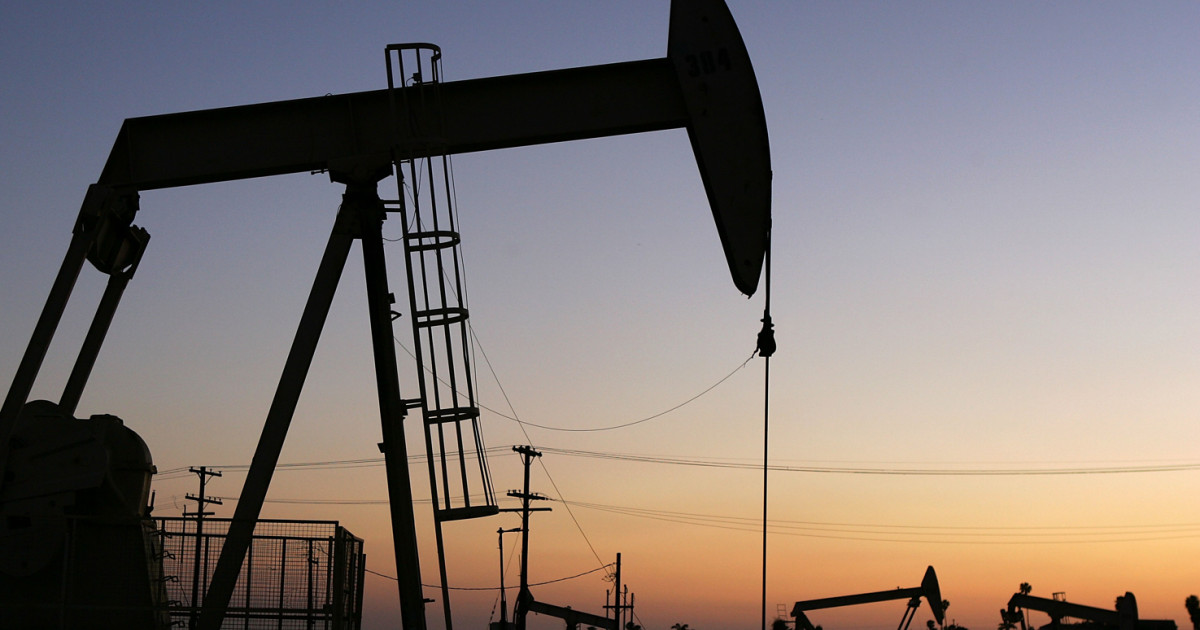
Foto: GettyImages
Photograph: Digi 24 (embedded from source)
What this story says
- Six EU countries have jointly called for a tax on the exceptional profits of oil companies.
- The request was made in a letter to the Irish minister holding the EU presidency.
- Ministers argue that oil companies' current profitability exceeds the rise in crude oil prices.
- The countries want the issue added to the agenda for a meeting of EU finance ministers.
Who covered it
Percentages are shares of the 50 outlets carrying a published leaning rating. 60 of the 110 outlets we know ran this story carry no rating and are not counted in them. Coverage measured .
Trust
60/100
Craft
65/100
Hype
45/100
110 sources · methodology
Missing from the left
Only 14 of the 50 outlets with a published leaning rating that ran this story are rated left.
A reader who follows the left would not have seen this. We report the absence rather than explain it: outlets choose what to cover for many reasons, and we have no evidence about which one applies here.
Six member states of the European Union have requested the introduction of an EU-wide tax on the exceptional profits of oil companies. The countries include Germany, Italy, Austria, Poland, Portugal, and Spain. They sent a joint letter to the Irish minister currently holding the rotating EU presidency, asking for the matter to be placed on the agenda for a meeting of EU finance ministers scheduled for next month.
The ministers stated in their letter that oil companies are currently experiencing profitability and margins on refined products that exceed the increase in crude oil prices. They highlighted that the situation is occurring amidst one of the largest supply shocks in decades, leading to growing global discontent over the rising cost of living.
Disagreement on the cause of increased profits
The letter from the six EU countries states that oil companies are experiencing profitability and margins that exceed the rise in crude oil prices. Digi 24, in its full report, quotes a source from the German Finance Ministry stating that 'excessive crisis-related profits must be returned to consumers'. La Stampa, in its full report, notes that the war in Iran is presenting a bill to Europe, and that oil companies are beneficiaries of the surge in energy prices and increased margins caused by the crisis. However, the digests from Il Sole 24 Ore, ANSA, El Debate, El Mundo, and Le Figaro do not specify the cause of the increased profits, only that the companies are experiencing them.
What the coverage left out
None of the centre or right-rated digests mention the specific figure of $11.2 billion in profits that TotalEnergies raised in the first half of the year, as reported by La Tribune, an unrated outlet. The digests from the centre and right-rated outlets also do not mention the specific detail that the ministers are requesting the issue be placed on the agenda for a meeting of EU finance ministers next month, a fact present in the full report from Digi 24 and mentioned in the ANSA digest.
Coverage settled. We checked this 11 times and stopped on 28 Aug 2026, 01:01. The figures above are what it finished at.
How each side covered it
Our own reading of the reporting listed below, written from the outlets’ articles rather than quoted from them. The reasoning is set out on our methodology page.
Left
14 rated outlets
- Six EU countries, including Germany, Italy, Austria, Poland, Portugal, and Spain, have called for a bloc-wide tax on oil company windfall profits. The initiative, detailed in a letter to the Irish EU presidency, aims to use these exceptional gains to offset the impact of the energy crisis on citizens and businesses.
- The proposal suggests a coordinated European framework rather than individual national taxes. This approach seeks to prevent multinational energy companies from exploiting fiscal differences between member states. The ministers highlighted that current measures have not permanently lowered prices, risking further taxpayer burden through subsidies.
- The reports mention that the proposed tax is intended to ensure those profiting from the crisis contribute to reducing the public burden. The ministers also called for an investigation into refinery margins to ensure they are not exploiting the current situation to increase prices.
Centre
17 rated outlets
- The centre-rated reports from Digi 24, ANSA, and La Libre focused on the core news that six EU countries are calling for a tax on exceptional profits of oil companies. Digi 24, in its full report, provided more detail, stating that the companies' profitability and margins exceed the rise in crude oil prices and that the request was made in a letter to the Irish minister holding the EU presidency. It also mentioned that the ministers want the issue placed on the agenda for a finance ministers' meeting. ANSA and La Libre, in their digests, also conveyed the main point of the six countries' request. La Libre's digest noted that the rise in energy prices could lead to a tax battle within the EU, with member states still divided on the subject.
Right
19 rated outlets
- Six EU countries, including Germany, Italy, Austria, Poland, Portugal, and Spain, have requested a European Union tax on oil company profits. These nations cited profits that exceed the rise in crude oil prices.
- The countries' finance ministers sent a letter to the EU Council Presidency. They want this issue discussed at a meeting of Ministers for Economic Affairs and Finance on 18 and 19 September.
- One report noted that the idea of an excess-profit tax is controversial within the German federal government. Another mentioned that the EU has not yet indicated its intention to impose such a tax.
Questions about this coverage
- How did the left and right cover Six EU Countries Seek Tax on Oil Company Windfall Profits?
- Of the 50 outlets on this story carrying a published leaning rating, 28% are rated left, 34% are rated centre, 38% are rated right. Those percentages are shares of the rated outlets, not of every outlet that ran it, which was 110. The sections above set out what each side emphasised, in its own terms.
- Is Six EU Countries Seek Tax on Oil Company Windfall Profits left or right?
- Neither side dominates it. Of the 50 rated outlets on this story, 28% are rated left, 34% are rated centre, 38% are rated right, and no side holds the 70% this site would want before calling a field one-sided. A story is not left or right in any case; the outlets that carried it are what carry ratings.
- Is the coverage of Six EU Countries Seek Tax on Oil Company Windfall Profits biased?
- Six EU Countries Seek Tax on Oil Company Windfall Profits is one event reported by 110 outlets, and this page does not rate the story as biased or unbiased. What it publishes is the spread: which outlets ran it, where named rating organisations place each of them on the spectrum, and what each side chose to lead with. A leaning rating describes an outlet's record over time, not this article, and the two should not be run together.
- Which side is not reporting Six EU Countries Seek Tax on Oil Company Windfall Profits?
- When we first saw this story, outlets rated left had barely covered it. Coverage accretes for hours after an event, so that is where to look rather than a verdict — the split above is the current count, and it is the one to read.
- Which outlets covered Six EU Countries Seek Tax on Oil Company Windfall Profits?
- 110 that we know of, every one of them listed further up this page with a link to its own report and to what we hold on the publisher. Nothing here is a summary of somebody else's summary: the outlets are named so the original reporting can be read.
- Which EU countries are calling for a tax on oil company profits?
- Six EU countries have called for a tax on the exceptional profits of oil companies. These countries are Germany, Italy, Austria, Poland, Portugal, and Spain. They have sent a joint letter to the Irish minister holding the EU presidency to request this measure.
- Why are these countries proposing a tax on oil companies?
- The ministers argue that oil companies are experiencing profitability and margins that exceed the rise in crude oil prices. They believe these companies are benefiting from the current supply shock and the resulting increase in the cost of living, and that these exceptional profits should be taxed.
- What is the next step for this proposal?
- The six countries want the issue of taxing exceptional oil company profits to be placed on the agenda for a meeting of EU finance ministers. This meeting is scheduled to take place next month in Dublin.
Read it at the source
114 outlets, grouped by the leaning a published rating gives them. Every headline links to the original; an underlined outlet name opens our profile of that publisher.
Left
15- Six Major EU Countries Are Calling for an Important Source of Revenue to Be Taxed: "The Profiters Must Contribute to It - HotNews.ro (opens Hot News in a new tab)
- The Proposal to Tax the Extra-Profits of Energy Companies (opens Il Post in a new tab)
- Six EU States Call for One-Off Tax on Oil Companies to Mitigate Impact of War (opens in.gr in a new tab)
- Spain and Five Other European Countries Insist on Imposing an Extraordinary Tax on Oil Profits (opens El Pais in a new tab)
- Six EU countries urge windfall tax on energy firms (opens The Local - AT in a new tab)
The Local - AT — is The Local - AT biased? Our profile of this outlet
- Six EU countries urge windfall tax on energy firms (opens The Local - It in a new tab)
The Local - It — is The Local - It biased? Our profile of this outlet
- Six EU countries urge windfall tax on energy firms (opens The Local - Es in a new tab)
The Local - Es — is The Local - Es biased? Our profile of this outlet
- Six EU countries urge windfall tax on energy firms (opens The Local - De in a new tab)
The Local - De — is The Local - De biased? Our profile of this outlet
Show 7 more
- Manovra, the Electoral Measure: Less Taxes on the Thirteenths (opens La Repubblica in a new tab)
La Repubblica — is La Repubblica biased? Our profile of this outlet
- Extra-Energy Tax: Italy and 5 Other Countries Demand EU Framework (opens Il Fatto Quotidiano in a new tab)
Il Fatto Quotidiano — is Il Fatto Quotidiano biased? Our profile of this outlet
- EU Cer Taxarea Profiturilor Exceptionționale Făcute De Companiile Petroliere Ca Urmare a Războiului Din Orientul Mijlociu - HotNews.ro (opens Hot News in a new tab)
Hot NewsOpinion
- Oil, Six EU Countries Demand the Tax on Extra-Profits: "The Crisis Does Not Pay for Citizens and Businesses" (opens La Stampa in a new tab)
- High Fuel Prices: Klingbeil Advances over-Profit Tax on Oil Companies (opens Zeit Online in a new tab)
Zeit Online — is Zeit Online biased? Our profile of this outlet
- (S+) Fuel Prices: Klingbeil Advertises New over-Profit Tax with EU Partners (opens Spiegel in a new tab)
- Record Revenues of the Oil Companies: Does It Need an over-Profit Tax? (opens Schweizer Radio und Fernsehen (SRF) in a new tab)
Centre
17- Six countries want EU talks in September on taxing windfall profits of oil companies (opens Reuters in a new tab)
- Six countries want EU talks in September on taxing windfall profits of oil companies (opens Devdiscourse in a new tab)
Devdiscourse — is Devdiscourse biased? Our profile of this outlet
- 6 countries want EU talks on taxing windfall oil profits (opens RTÉ in a new tab)
- Six countries want EU talks in September on taxing windfall profits of oil companies (opens WTVB in a new tab)
- "Excessive Profits Must Be Paid to Consumers": Germany and Five EU Countries Demand an Exceptional Tax on Oil Companies (opens BFM TV in a new tab)
- Six EU countries push for windfall tax on oil companies (opens Euronews in a new tab)
- Six EU Countries Demand Tax on Extra Profit Oil Companies, Even Italy (opens ANSA in a new tab)
- Six EU Countries Call for Exceptional Profits to Be Taxed by Oil Companies as a Result of the Middle East War (opens Digi 24 in a new tab)
Show 9 more
- War in the Middle East: Six EU Countries Want to Tax Oil Companies' "Exceptional Profits" (opens La Libre in a new tab)
- Six EU countries urge windfall tax on energy firms (opens The Economic Times in a new tab)
The Economic Times — is The Economic Times biased? Our profile of this outlet
- Klingbeil Makes an Advance for over-Profit Tax on Oil Companies (opens Tagesschau in a new tab)
Tagesschau — is Tagesschau biased? Our profile of this outlet
- Letter to the Presidency of the EU Council - Klingbeil and Other Finance Ministers Advance over-Profit Tax on Oil Companies (opens Deutschlandfunk in a new tab)
Deutschlandfunk — is Deutschlandfunk biased? Our profile of this outlet
- Klingbeil Makes an Advance for over-Profit Tax on Oil Companies (opens wz.de in a new tab)
- High Fuel Prices: Klingbeil Advances over-Profit Tax on Oil Companies (opens saarbruecker-zeitung.de in a new tab)
saarbruecker-zeitung.de — is saarbruecker-zeitung.de biased? Our profile of this outlet
- Oil Companies Earn Billions of Fuel Prices – Klingbeil Now Wants to Ask Them to Pay More (opens mannheim24.de in a new tab)
mannheim24.de — is mannheim24.de biased? Our profile of this outlet
- Oil Companies Earn Billions of Fuel Prices – Klingbeil Now Wants to Ask Them to Pay More (opens Kreiszeitung in a new tab)
Kreiszeitung — is Kreiszeitung biased? Our profile of this outlet
- Oil Companies Earn Billions of Fuel Prices – Klingbeil Now Wants to Ask Them to Pay More (opens tz.de in a new tab)
Right
21- Simon Harris under pressure over EU-wide tax on energy firms after leaders warn him of ‘growing discontent’ about living costs (opens Irish Independent in a new tab)
Irish Independent — is Irish Independent biased? Our profile of this outlet
- Portugal and Five More EU Countries Call for European Debate on the Extraordinary Profits Tax on Oil (opens Observador in a new tab)
Observador — is Observador biased? Our profile of this outlet
- Portugal and Five More Countries Request Tax in the EU on Extraordinary Profits of Oil Companies (opens Sapo in a new tab)
- Spain Once Again Puts Oil Companies in Its Sights: It Redoubles Efforts and Joins Allies so that the EU Authorizes a Tax to Its Benefit by the Iran War (opens La Razón in a new tab)
- Lars Klingbeil and the EU over-Profit Tax for Oil Companies (opens Frankfurter Allgemeine in a new tab)
Frankfurter Allgemeine — is Frankfurter Allgemeine biased? Our profile of this outlet
- Spain and Five Other Countries Are Calling on the EU to Tax Oil Companies for Iran’s War (opens ABC in a new tab)
- Six European Countries: "EU Should Impose Tax on Oil Companies That Winded Off From Middle East War" (opens 연합뉴스-Yonhap News Agency in a new tab)
연합뉴스-Yonhap News Agency — is 연합뉴스-Yonhap News Agency biased? Our profile of this outletOpinion
- Oil: Six European Countries Demand a Tax on Exceptional Profits (opens Capital.fr in a new tab)
Capital.fr — is Capital.fr biased? Our profile of this outlet
Show 13 more
- 6 EU countries renew push for excess profit tax on oil companies (opens Anadolu Ajansı in a new tab)
Anadolu Ajansı — is Anadolu Ajansı biased? Our profile of this outlet
- Six EU Countries Demand Tax on Extra-Profit Oil Companies: Also Italy (opens Il Sole 24 Ore in a new tab)
Il Sole 24 Ore — is Il Sole 24 Ore biased? Our profile of this outlet
- Spain and Five More EU Countries Advocate Imposing an Extraordinary Tax on Energy Companies (opens El Debate in a new tab)
- Six EU Countries Call for an Extraordinary Tax on Companies in the Energy Sector (opens El Mundo in a new tab)
- Six EU Countries, Including Germany, Demand an Exceptional Tax on Oil Companies (opens Le Figaro in a new tab)
- Six EU countries urge windfall tax on energy firms (opens Times of India in a new tab)
Times of India — is Times of India biased? Our profile of this outlet
- EU Ministers Call for over-Profit Tax on Oil Companies (opens Kurier in a new tab)
- EU nations push windfall tax on oil giants over Iran war profits – media (opens ussanews.com in a new tab)
ussanews.com — is ussanews.com biased? Our profile of this outlet
- Letter with Five Counterparts: Klingbeil Makes a New Start for over-Profit Tax at EU Level (opens n-tv in a new tab)
- Letter: Klingbeil Insists on Excess Profit Tax for Oil Companies (opens Frankfurter Allgemeine in a new tab)
Frankfurter AllgemeineOpinion
- Crude Oil: Klingbeil Advances over-Profit Tax on Oil Companies (opens Handelsblatt in a new tab)
Handelsblatt — is Handelsblatt biased? Our profile of this outlet
- High Fuel Prices: Klingbeil Launches Further Drive for over-Profit Tax at EU Level (opens Welt in a new tab)
- High Fuel Prices: Klingbeil Advances over-Profit Tax on Oil Companies (opens Handelsblatt in a new tab)
Handelsblatt
Not rated
61- How Six European Countries Hope to Tax Oil Giants' Super-Profits (opens L'Humanité in a new tab)
L'Humanité — is L'Humanité biased? Our profile of this outlet
- Spain Joins Germany and Other Countries: They Want to Prevent Taxes on Oil Companies From Being Paid by Citizens - Hybrids and Electrics (opens hibridosyelectricos.com in a new tab)
hibridosyelectricos.com — is hibridosyelectricos.com biased? Our profile of this outlet
- Six EU States Call for Tax on Huge Oil Profits Generated by Iran's Blockade (opens radiomoldova.md in a new tab)
radiomoldova.md — is radiomoldova.md biased? Our profile of this outlet
- Spain and five other countries demand an extraordinary tax on oil companies from Brussels (opens The Corner in a new tab)
The Corner — is The Corner biased? Our profile of this outlet
- Record Profits: EU Ministers' Offensive Against Oil Giants (opens caradisiac.com in a new tab)
caradisiac.com — is caradisiac.com biased? Our profile of this outlet
- 6 states call for EU-wide windfall tax on oil firms (opens Kathimerini English Edition in a new tab)
Kathimerini English Edition — is Kathimerini English Edition biased? Our profile of this outlet
- Portugal and 5 Countries Request Tax in the European Union on Extraordinary Profits of Oil Companies (opens Correio da Manhã in a new tab)
Correio da Manhã — is Correio da Manhã biased? Our profile of this outlet
- Portugal Wants Tax on Extraordinary Profits of Oil Companies and Has Already Told Brussels (opens IOL Portugal in a new tab)
IOL Portugal — is IOL Portugal biased? Our profile of this outlet
Show 53 more
- Oils? Portugal (and More) Asks for Tax on Extraordinary Profits (opens Noticias ao Minuto in a new tab)
Noticias ao Minuto — is Noticias ao Minuto biased? Our profile of this outlet
- 700,000 Dollars per Minute: the Profits of the Oil Companies (opens stol.it in a new tab)
- Portugal and Five Countries Ask for EU Tax on Extraordinary Profits of Oil Companies (opens SIC Notícias in a new tab)
SIC Notícias — is SIC Notícias biased? Our profile of this outlet
- EU Countries Call for Windfall Tax on Oil Companies Amid Hormuz Crisis (opens barlamantoday.com in a new tab)
barlamantoday.com — is barlamantoday.com biased? Our profile of this outlet
- Germany and Five Other European Countries Call for Taxing (Again) Oil Superprofits (opens Courrier international in a new tab)
Courrier international — is Courrier international biased? Our profile of this outlet
- Six countries want EU talks in September on taxing windfall profits of oil companies (opens CDE News in a new tab)
- Six European Union Countries Want to Tax Oil Giants, Reacting to Record Profits From the Energy Crisis (opens Hospodárske Noviny in a new tab)
Hospodárske Noviny — is Hospodárske Noviny biased? Our profile of this outlet
- Spain Oil Tax: Six Countries Ask the EU to Discuss It in September for Iran's War (opens Merca2.es in a new tab)
- Oil: Six European Countries Ask for a Tax on Superprofits (opens L'EnerGeek in a new tab)
L'EnerGeek — is L'EnerGeek biased? Our profile of this outlet
- "Don't Get Rich Off the Back of the Crisis"! Six EU States Want to Tax Oil Giants (opens Bani.md in a new tab)
Bani.md — is Bani.md biased? Our profile of this outletOpinion
- Cheap Oil: Towards a European Tax on Superprofits? (opens economiematin.fr in a new tab)
economiematin.fr — is economiematin.fr biased? Our profile of this outlet
- Six EU Countries Urge to Tax Extra Profits on Energy Companies (opens El Economista in a new tab)
El Economista — is El Economista biased? Our profile of this outlet
- Spain Calls on the EU to Discuss the Tax on Oil Profits From Iran’s War (opens elperiodicodelaenergia.com in a new tab)
elperiodicodelaenergia.com — is elperiodicodelaenergia.com biased? Our profile of this outlet
- Six European Countries Urge EU to Tax Oil Windfall Profits (opens islamtimes.com in a new tab)
islamtimes.com — is islamtimes.com biased? Our profile of this outlet
- Spain and Other Countries Ask the EU for a Tax on the Profits of Oil Companies Due to the War in Iran (opens La República in a new tab)
La República — is La República biased? Our profile of this outlet
- Spain and Five Other Countries Ask the EU for a Tax on Oil Profits From Iran’s War (opens Expansión in a new tab)
- Six EU Countries Call for Extraordinary Tax on Oil Companies' Excess Profits (opens CNN Greece in a new tab)
CNN Greece — is CNN Greece biased? Our profile of this outlet
- Spain Calls on the EU to Discuss the Declaration of the Oil Tax for Iran's War (opens The Objective in a new tab)
The Objective — is The Objective biased? Our profile of this outlet
- Several EU Countries Are Pushing to Tax the Huge Profits of Oil Companies (opens Confidencial HN in a new tab)
Confidencial HN — is Confidencial HN biased? Our profile of this outlet
- Six Countries Are Pushing the EU to Tax the Extraordinary Profits of Oil Companies (opens Noticias de Navarra in a new tab)
Noticias de Navarra — is Noticias de Navarra biased? Our profile of this outlet
- Spain Calls on the EU to Discuss in September the Tax on Oil Profits From Iran’s War (opens diarioestrategia.cl in a new tab)
diarioestrategia.cl — is diarioestrategia.cl biased? Our profile of this outlet
- Six EU countries advocate windfall tax on oil firms amid profit surge. (opens WTX News in a new tab)
- Six EU Countries Call for the Introduction of Taxes on Oil Companies (opens Європейська правда in a new tab)
Європейська правда
- European countries push for windfall tax on oil and gas companies (opens themalteseherald.com in a new tab)
themalteseherald.com — is themalteseherald.com biased? Our profile of this outlet
- Six EU countries urge windfall tax on energy firms (opens The Local in a new tab)
- US-Israel-Iran War Live: Six European Countries Push EU to Impose Windfall Tax on Oil Firms that Seen Profits Since the Start of War on Iran (opens The Sunday Guardian Live in a new tab)
The Sunday Guardian Live — is The Sunday Guardian Live biased? Our profile of this outlet
- The War Song Is over: Brussels May Decide on a Special Tax for Oil Companies that Profit From Fuel (opens economx.hu in a new tab)
economx.hu — is economx.hu biased? Our profile of this outlet
- EU Oil Tax: Six Countries Drive It for the Profits of Iran's War (opens Moncloa in a new tab)
- Six EU Countries Demand Taxes on the Extra Profit of Big Oil: There Is Also Italy (opens L'INDIPENDENTE in a new tab)
L'INDIPENDENTE — is L'INDIPENDENTE biased? Our profile of this outlet
- Six EU Countries Demand Exceptional Tax on Oil Company Profits, Amid Rising War Profits (opens CursDeGuvernare.ro in a new tab)
CursDeGuvernare.ro — is CursDeGuvernare.ro biased? Our profile of this outlet
- They Are Demanding a New Tax. Poland Is a Signatory to the Letter. (opens rmf24.pl in a new tab)
- Six European States Want to Tax "Excessive" Profits of Oil Companies (opens Stirile Pro TV in a new tab)
Stirile Pro TV — is Stirile Pro TV biased? Our profile of this outlet
- Tax the Oil Tankers: Letter to the EU of Italy and 5 Other Countries. And Diesel Touches New Records (opens Quotidiano Nazionale in a new tab)
Quotidiano Nazionale — is Quotidiano Nazionale biased? Our profile of this outletOpinion
- EU nations push windfall tax on oil giants over Iran war profits – media - The Press United (opens ThePress United in a new tab)
ThePress United — is ThePress United biased? Our profile of this outlet
- Teurer Sprit: New Call for EU over-Profit Tax (opens ORF.at News in a new tab)
ORF.at News — is ORF.at News biased? Our profile of this outlet
- Several EU Countries Call for Taxing the Profits of Oil Companies that Have Grown After the Middle East War (opens antena3.ro in a new tab)
antena3.ro — is antena3.ro biased? Our profile of this outlet
- "Everywhere, Discontent Grows in the Face of Rising Cost of Living": Six European Countries Demand Taxation of Oil Companies' Super-Profits (opens Les Echos in a new tab)
- High Fuel Prices: Klingbeil Advertises over-Profit Tax (opens zdfheute.de in a new tab)
zdfheute.de — is zdfheute.de biased? Our profile of this outlet
- Six EU Countries Want to Charge Oil Tankers After the Ormuz Strait Shock (opens La Tribune in a new tab)
La Tribune — is La Tribune biased? Our profile of this outlet
- Fuel Prices: Klingbeil Advance for over-Profit Tax (opens wiwo.de in a new tab)
- High Fuel Prices: Klingbeil Advances over-Profit Tax on Oil Companies (opens Leipziger Volkszeitung in a new tab)
Leipziger Volkszeitung — is Leipziger Volkszeitung biased? Our profile of this outlet
- High Fuel Prices: Klingbeil Advances over-Profit Tax on Oil Companies (opens rnd.de in a new tab)
- EU Minister for Excess Profit Tax on Oil Corporations (opens nachrichten.at in a new tab)
nachrichten.at — is nachrichten.at biased? Our profile of this outlet
- EU Finance Ministers Call for over-Profit Tax for Oil Companies (opens Heise in a new tab)
- High Fuel Prices: Klingbeil Urges Excess Profit Tax for Oil Companies (opens epochtimes.de in a new tab)
epochtimes.de — is epochtimes.de biased? Our profile of this outlet
- EU Minister for Excess Profit Tax on Oil Corporations (opens ORF.at News in a new tab)
ORF.at News
- Klingbeil Makes an Advance for over-Profit Tax on Oil Companies (opens Badische Neueste Nachrichten in a new tab)
Badische Neueste Nachrichten — is Badische Neueste Nachrichten biased? Our profile of this outlet
- Klingbeil Makes an Advance for over-Profit Tax on Oil Companies (opens onetz.de in a new tab)
- Klingbeil Makes an Advance for over-Profit Tax on Oil Companies (opens aachener-zeitung.de in a new tab)
aachener-zeitung.de — is aachener-zeitung.de biased? Our profile of this outlet
- Klingbeil Makes an Advance for over-Profit Tax on Oil Companies (opens Augsburger Allgemeine in a new tab)
Augsburger Allgemeine — is Augsburger Allgemeine biased? Our profile of this outlet
- Klingbeil Makes an Advance for over-Profit Tax on Oil Companies (opens noz.de in a new tab)
- Klingbeil Makes an Advance for over-Profit Tax on Oil Companies (opens op-online.de in a new tab)
op-online.de — is op-online.de biased? Our profile of this outlet
- Klingbeil Calls for an EU-Wide Excess Profit Tax for Oil Companies. (opens berliner-sonntagsblatt.de in a new tab)
berliner-sonntagsblatt.de — is berliner-sonntagsblatt.de biased? Our profile of this outlet
How did this read?
About the coverage, not about the story. We do not ask whether you agree with what happened — we have no honest use for that answer.