US airlines ban humanoid robots from flights over battery and safety concerns
United, Delta, American and Southwest prohibit human- and animal-like robots in cabins and checked luggage
AI-assisted coverage comparison, editor-supervised · How this was made
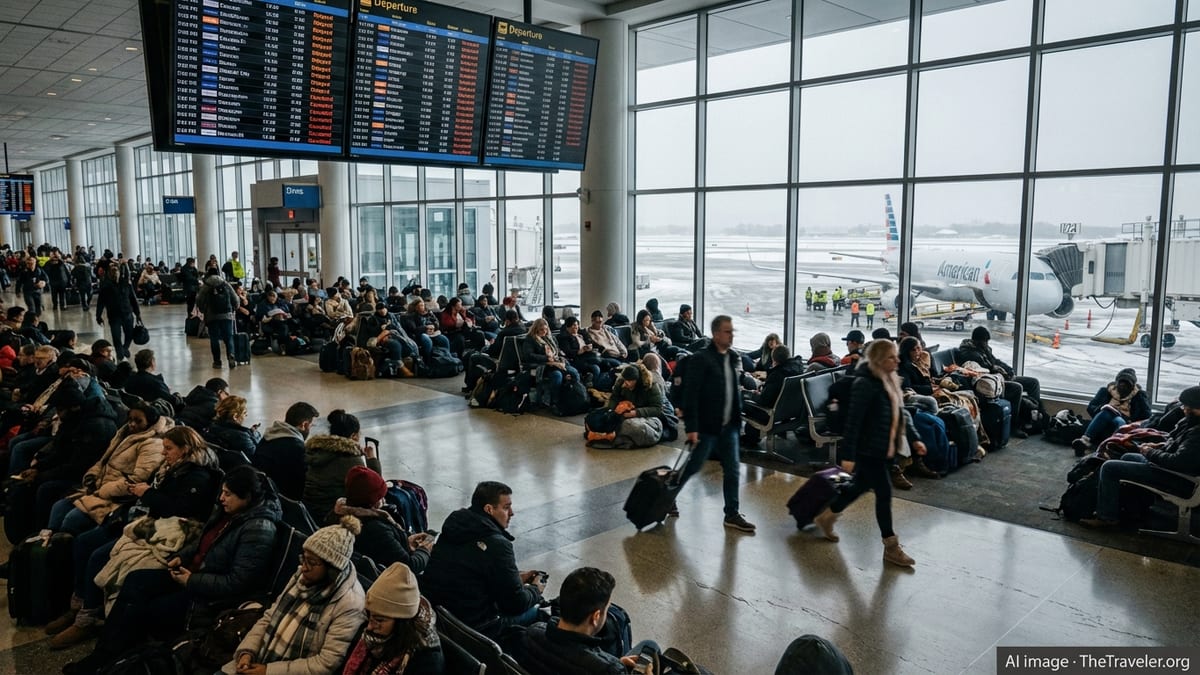
US airlines ban humanoid robots from flights over battery and safety concerns
Photograph: thetraveler.org (embedded from source)
What this story says
- United Airlines, Delta Air Lines, American Airlines and Southwest Airlines have banned humanoid and animal-like robots from flights, citing battery safety and operational concerns.
- The bans apply to both cabin and checked luggage, with no defined size thresholds, leaving enforcement to airline agents.
- American Airlines will implement its ban starting 19 August 2025, while the other airlines have already introduced their policies.
- No prior incidents involving humanoid robots on flights have been reported, but airlines cite lithium-ion battery risks and stowage challenges.
Who covered it
Percentages are shares of the 3 outlets carrying a published leaning rating. 4 of the 7 outlets we know ran this story carry no rating and are not counted in them. Coverage measured .
Trust
56/100
Craft
70/100
Hype
12/100
7 sources · methodology
Four major US airlines have banned humanoid and animal-shaped robots from their flights. United Airlines, Delta Air Lines, American Airlines and Southwest Airlines have introduced policies prohibiting the devices in both cabins and checked luggage. The bans cite concerns over lithium-ion battery safety, operational complexity and the physical size of the robots.
American Airlines will enforce its ban from 19 August 2025. The airline said the policy addresses battery safety and the logistical challenges of accommodating large, human- or animal-like robots on flights. United, Delta and Southwest have already implemented similar restrictions, though none of the airlines have defined specific size thresholds for enforcement. Agents will decide on a case-by-case basis.
The airlines have not reported any prior incidents involving humanoid robots on flights. One digest, from insideflyer.com, states that the bans target the shape of the robots rather than battery risk. Small electronics and compliant robotic devices remain permitted, but the policies do not specify what dimensions or battery capacities would trigger a refusal.
What the coverage left out
No right-rated outlet ran this story. None of the digests mentioned the potential conflict between the bans and future federal disability protections for robotic assistive devices, a point raised in the unrated digest from View from the Wing. Only one digest, from insideflyer.com, noted that the bans target shape rather than battery risk, despite no reported incidents.
Coverage settled. We checked this 273 times and stopped on 22 Aug 2026, 16:00. The figures above are what it finished at.
How each side covered it
Our own reading of the reporting listed below, written from the outlets’ articles rather than quoted from them. The reasoning is set out on our methodology page.
Left
1 rated outlet
- The left-rated digest from People led on the addition of United and Delta to the list of airlines banning humanoid robots. It attributed the bans to concerns over the size of the robots' batteries. The digest did not mention the operational complexity or undefined size thresholds cited by other outlets.
Centre
2 rated outlets
- The two centre-rated digests from CBS News and Interesting Engineering framed the bans as a response to safety and handling concerns. CBS News described the policies as quietly introduced, while Interesting Engineering linked the restrictions to the growing sophistication of humanoid robots. Neither digest mentioned the specific start date of American Airlines' ban or the absence of prior incidents.
Right
0 rated outlets
No outlet rated right ran this story. We watched the coverage until it stopped changing, and none appeared.
Questions about this coverage
- How did the left and right cover US airlines ban humanoid robots from flights over battery and safety…?
- Of the 3 outlets on this story carrying a published leaning rating, 33% are rated left, 67% are rated centre, 0% are rated right. Those percentages are shares of the rated outlets, not of every outlet that ran it, which was 7. The sections above set out what each side emphasised, in its own terms.
- Is US airlines ban humanoid robots from flights over battery and safety… left or right?
- Too few of the outlets on this story carry a published leaning rating to say. 3 of them do, and this site does not characterise a field under 12: at that size one newsroom filing moves the share by ten points. The percentages above are the count as it stands.
- Is the coverage of US airlines ban humanoid robots from flights over battery and safety… biased?
- US airlines ban humanoid robots from flights over battery and safety concerns is one event reported by 7 outlets, and this page does not rate the story as biased or unbiased. What it publishes is the spread: which outlets ran it, where named rating organisations place each of them on the spectrum, and what each side chose to lead with. A leaning rating describes an outlet's record over time, not this article, and the two should not be run together.
- Which outlets covered US airlines ban humanoid robots from flights over battery and safety…?
- 7 that we know of, every one of them listed further up this page with a link to its own report and to what we hold on the publisher. Nothing here is a summary of somebody else's summary: the outlets are named so the original reporting can be read.
- Which airlines have banned humanoid robots from flights?
- United Airlines, Delta Air Lines, American Airlines and Southwest Airlines have banned humanoid and animal-like robots from flights. The policies apply to both cabins and checked luggage, citing battery safety and operational concerns. American Airlines' ban takes effect on 19 August 2025.
- Why are airlines banning humanoid robots?
- Airlines cite lithium-ion battery risks, operational complexity and the physical size of humanoid robots. No prior incidents involving such robots on flights have been reported. The bans target shape and battery concerns, though enforcement thresholds remain undefined.
- When does American Airlines' ban on humanoid robots start?
- American Airlines will prohibit humanoid robots on flights starting 19 August 2025. The ban applies to both cabins and checked luggage, with enforcement left to airline agents. United, Delta and Southwest have already implemented similar policies.
Read it at the source
7 outlets, grouped by the leaning a published rating gives them. Every headline links to the original; an underlined outlet name opens our profile of that publisher.
Left
1Centre
2Right
0No outlet in this group ran the story.
Not rated
4- Airlines Ban Flights for Humanoid Robots. (opens Aydınlık in a new tab)
- American Airlines To Ban Humanoid Robots On Flights (opens thetraveler.org in a new tab)
thetraveler.org
- American Airlines bans humanoid robots starting Monday (opens insideflyer.com in a new tab)
insideflyer.com
- American Airlines Bans Humanoid Robots Starting Monday — But The Robot Army Is Coming Anyway (opens View from the Wing in a new tab)
View from the Wing — is View from the Wing biased? Our profile of this outlet
How did this read?
About the coverage, not about the story. We do not ask whether you agree with what happened — we have no honest use for that answer.