US Strategic Petroleum Reserve falls to 40-year low below 300 million barrels
Drawdowns to offset Iran war disruptions leave caverns at risk, experts warn, as prices hit record highs
AI-assisted coverage comparison, editor-supervised · How this was made
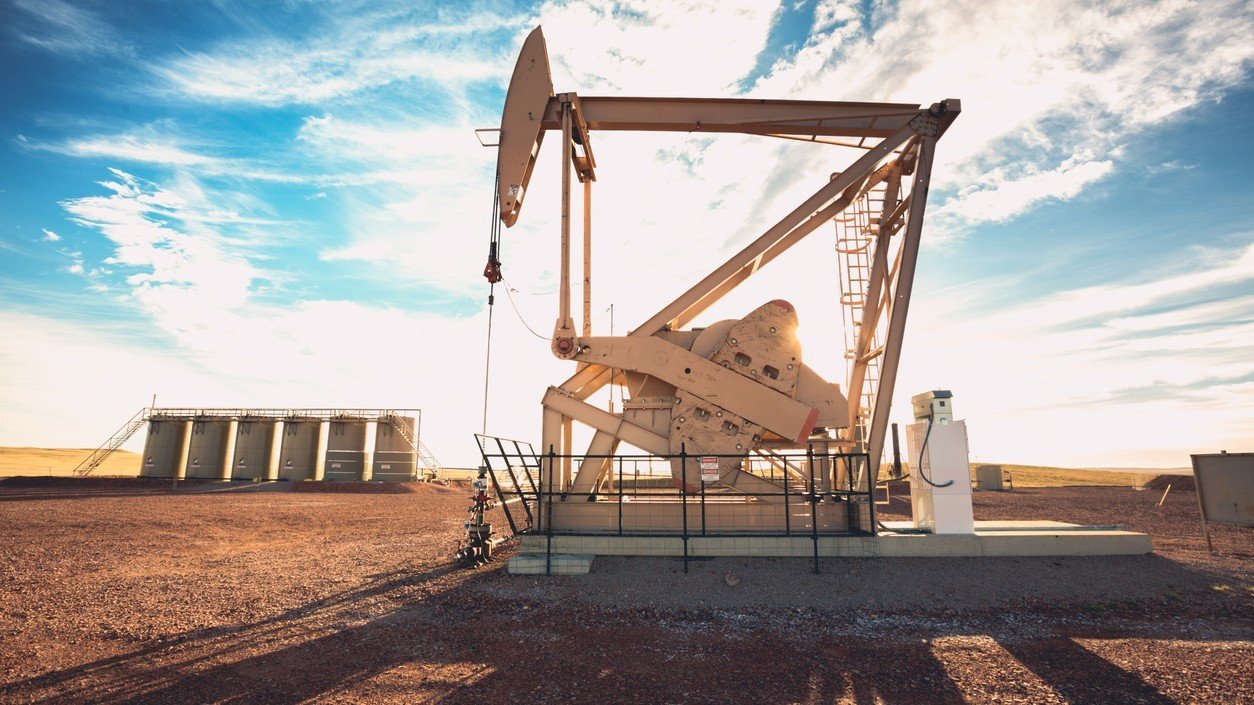
US Strategic Petroleum Reserve falls to 40-year low below 300 million barrels
Photograph: The Cradle (embedded from source)
What this story says
- The US Strategic Petroleum Reserve fell below 300 million barrels in August 2026, its lowest level since 1983, after drawdowns to offset disruptions from the Iran war.
- Experts warn that reducing the reserve to less than 300 million barrels risks damaging the salt caverns where oil is stored, potentially limiting future emergency responses.
- The Trump administration released 172 million barrels as part of an exchange programme, leaving the reserve at an estimated 243 million barrels once allocations are complete.
- Gasoline prices hit a mid-August record of $4.07 per gallon, with analysts estimating that strategic releases prevented prices from rising by $10 to $15 per barrel.
Who covered it
Percentages are shares of the 14 outlets carrying a published leaning rating. 6 of the 20 outlets we know ran this story carry no rating and are not counted in them. Coverage measured .
Trust
74/100
Craft
58/100
Hype
32/100
20 sources · methodology
Missing from the right
Only 3 of the 14 outlets with a published leaning rating that ran this story are rated right.
A reader who follows the right would not have seen this. We report the absence rather than explain it: outlets choose what to cover for many reasons, and we have no evidence about which one applies here.
The US Strategic Petroleum Reserve (SPR) dropped below 300 million barrels in August 2026, reaching its lowest level since 1983. The Department of Energy reported the decline earlier this month, marking the first time the reserve has fallen below that threshold in over four decades. The US began the year with approximately 415 million barrels.
The drawdown follows releases aimed at stabilising global oil markets amid disruptions from the Iran war, particularly closures in the Strait of Hormuz and the Red Sea. The Trump administration authorised a 172-million-barrel exchange, which will leave the SPR at an estimated 243 million barrels once allocations are complete. The Biden administration previously conducted a 180-million-barrel sale in response to Russia’s invasion of Ukraine.
Experts have warned that reducing the reserve below 300 million barrels risks damaging the salt caverns where the oil is stored. Amos Hochstein, a senior energy advisor to President Joe Biden, told CNBC that the reserve could not be safely depleted below that level without risking structural integrity. A Department of Energy spokesman disputed this, stating that the caverns remain full, with only the ratio of oil to water changing as oil is withdrawn.
Disagreements over cavern safety and future capacity
The Department of Energy maintains that the SPR’s storage caverns are not at risk of collapse, as reported by Live Mint. A spokesman said the caverns are always full, with oil and water ratios shifting as oil is withdrawn. However, Amos Hochstein, as quoted by Live Mint, called claims that the reserve could safely drop to 70 million barrels "nonsense," warning that such a level would render the reserve irrecoverable. Siddharth Misra, a petroleum engineering professor at Texas A&M University, told CNBC that the practical operational floor for the reserve is between 250 and 300 million barrels.
What the coverage left out
None of the right-rated digests mentioned the warnings from experts about cavern damage or the operational risks of reducing the reserve below 300 million barrels. The left-rated reports and the centre-rated report included these details. The right-rated digest also did not report the record gasoline prices or the estimated impact of strategic releases on oil prices.
Coverage settled. We checked this 67 times and stopped on 21 Aug 2026, 18:15. The figures above are what it finished at.
How each side covered it
Our own reading of the reporting listed below, written from the outlets’ articles rather than quoted from them. The reasoning is set out on our methodology page.
Left
6 rated outlets
- The four left-rated digests and reports led on the reserve’s historic low and the risks to cavern integrity. NPR’s full report quoted Kevin Book of ClearView Energy, who said the reserve is now at less than half the volume it held at the start of the Biden administration and that the US has "used a lot of our oil insurance already." The report also noted that strategic releases may have prevented oil prices from rising by $10 to $15 per barrel.
- The Independent’s digests highlighted the record gasoline prices, reporting a mid-August national average of $4.07 per gallon. The Cradle’s digest quoted President Trump saying US consumers should not complain about "paying more" for gasoline due to the war with Iran. None of the left-rated digests omitted the warnings about cavern damage or the reserve’s diminished capacity for future emergencies.
Centre
5 rated outlets
- The centre-rated reports agree the US Strategic Petroleum Reserve fell below 300 million barrels for the first time since the early 1980s. All four outlets note the drawdown is linked to releases during the US-Iran conflict. Live Mint and Fortune specify the reserve now holds about 293 million barrels, while IBTimes and Shafaq News confirm the 40-year low.
- Live Mint led on warnings that the caverns storing the oil could be damaged if levels drop further. It quoted a petroleum engineering professor stating the operational floor is between 250 and 300 million barrels. Fortune and IBTimes also carried expert concerns about structural risks, while Shafaq News omitted them. Live Mint alone reported a dispute between a White House advisor and the Energy Department over the minimum safe level.
- None of the centre-rated digests mentioned lawmakers’ concerns about the reserve’s stability. Live Mint’s full report included bipartisan warnings from Congress, but the other outlets did not. Shafaq News and IBTimes did not address the potential consequences of the low levels beyond the immediate drop in inventory.
Right
3 rated outlets
- The right-rated digest from weeklyblitz.net reported the SPR’s drop below 300 million barrels and noted that the Trump administration had released large volumes to soften the impact of the Iran war. The digest did not mention warnings about cavern damage or the risks of further drawdowns. It also did not reference the record gasoline prices or the potential impact on future emergency responses.
Questions about this coverage
- How did the left and right cover US Strategic Petroleum Reserve falls to 40-year low below 300 million…?
- Of the 14 outlets on this story carrying a published leaning rating, 43% are rated left, 36% are rated centre, 21% are rated right. Those percentages are shares of the rated outlets, not of every outlet that ran it, which was 20. The sections above set out what each side emphasised, in its own terms.
- Is US Strategic Petroleum Reserve falls to 40-year low below 300 million… left or right?
- Neither side dominates it. Of the 14 rated outlets on this story, 43% are rated left, 36% are rated centre, 21% are rated right, and no side holds the 70% this site would want before calling a field one-sided. A story is not left or right in any case; the outlets that carried it are what carry ratings.
- Is the coverage of US Strategic Petroleum Reserve falls to 40-year low below 300 million… biased?
- US Strategic Petroleum Reserve falls to 40-year low below 300 million barrels is one event reported by 20 outlets, and this page does not rate the story as biased or unbiased. What it publishes is the spread: which outlets ran it, where named rating organisations place each of them on the spectrum, and what each side chose to lead with. A leaning rating describes an outlet's record over time, not this article, and the two should not be run together.
- Which side is not reporting US Strategic Petroleum Reserve falls to 40-year low below 300 million…?
- When we first saw this story, outlets rated right had barely covered it. Coverage accretes for hours after an event, so that is where to look rather than a verdict — the split above is the current count, and it is the one to read.
- Which outlets covered US Strategic Petroleum Reserve falls to 40-year low below 300 million…?
- 20 that we know of, every one of them listed further up this page with a link to its own report and to what we hold on the publisher. Nothing here is a summary of somebody else's summary: the outlets are named so the original reporting can be read.
- How low has the US Strategic Petroleum Reserve fallen?
- The US Strategic Petroleum Reserve dropped below 300 million barrels in August 2026, reaching its lowest level since 1983. The Department of Energy reported the decline, which follows drawdowns to offset disruptions from the Iran war. The reserve began the year with approximately 415 million barrels.
- Why are experts warning about the reserve’s cavern integrity?
- Experts warn that reducing the reserve below 300 million barrels risks damaging the salt caverns where oil is stored. Amos Hochstein, a senior energy advisor, told CNBC that the reserve could not be safely depleted below that level without risking structural integrity. A petroleum engineering professor said the operational floor is between 250 and 300 million barrels.
- How have gasoline prices been affected by the reserve drawdowns?
- Gasoline prices hit a mid-August record of $4.07 per gallon, according to reports. Analysts estimate that strategic releases from the reserve may have prevented oil prices from rising by $10 to $15 per barrel. The drawdowns were aimed at stabilising prices amid disruptions from the Iran war.
- Which outlets reported on the risks to the reserve’s caverns?
- The left-rated reports and the centre-rated report included warnings about cavern damage and operational risks. NPR and Live Mint quoted experts who said reducing the reserve below 300 million barrels could compromise its structural integrity. The right-rated digest did not mention these warnings.
Read it at the source
20 outlets, grouped by the leaning a published rating gives them. Every headline links to the original; an underlined outlet name opens our profile of that publisher.
Left
6- Trump's Oil Reserve Releases Push US Stockpile to Its Lowest Point in Over Four Decades (opens IBTimes UK in a new tab)
IBTimes UK — is IBTimes UK biased? Our profile of this outlet
- US Oil Reserves Plunge To 40-Year Low; War On Iran Strains Supplies (opens scheerpost.com in a new tab)
scheerpost.com — is scheerpost.com biased? Our profile of this outlet
- US oil reserves plunge to 40-year low as war on Iran strains energy supplies (opens The Cradle in a new tab)
The Cradle — is The Cradle biased? Our profile of this outlet
- U.S. oil reserves hit the lowest level seen in over 40 years (opens NPR in a new tab)
- Trump’s Iran war leaves US oil reserves so low caverns risk damage (opens The Independent (US) in a new tab)
The Independent (US) — is The Independent (US) biased? Our profile of this outlet
- Trump’s Iran war leaves US oil reserves so low caverns risk damage (opens The Independent in a new tab)
The Independent — is The Independent biased? Our profile of this outletOpinion
Centre
5- Trump’s Iran blockade is sabotaging his push for cheap gas (opens Troy Media in a new tab)
Troy Media — is Troy Media biased? Our profile of this outletOpinion
- U.S. strategic reserves are getting so low it threatens damaging the 60 underground salt caverns storing American oil (opens Fortune in a new tab)
- US Oil Inventories at Lowest Level Since 1982 - Shafaq News (opens شفق نيوز in a new tab)
شفق نيوز
- The U.S. Strategic Petroleum Reserve Keeps Dwindling. Experts Are Warning Its Facing Structural Peril. (opens IBTimes in a new tab)
- US Strategic Petroleum Reserve falls below 300 mn barrels amid Iran war, sparking concerns over future emergencies (opens Live Mint in a new tab)
Right
3- US strategic oil reserve falls to lowest level since 1982 (opens Anadolu Ajansı in a new tab)
Anadolu Ajansı — is Anadolu Ajansı biased? Our profile of this outlet
- U.S. Petroleum Reserve Drained to 40‑Year Low, Storage Caverns at Risk. (opens The National Pulse in a new tab)
The National Pulse — is The National Pulse biased? Our profile of this outlet
- The US strategic petroleum reserve has fallen to a 43-year low (opens weeklyblitz.net in a new tab)
weeklyblitz.net — is weeklyblitz.net biased? Our profile of this outlet
Not rated
6- US oil reserves fall to lowest level in over 40 years (opens Cryptocurrency News in a new tab)
Cryptocurrency News — is Cryptocurrency News biased? Our profile of this outlet
- US Energy Secretary Wright says SPR will exceed 300 million barrels by end of Iran conflict (opens Crypto Briefing in a new tab)
Crypto Briefing — is Crypto Briefing biased? Our profile of this outlet
- Trump’s Iran blockade is sabotaging his push for cheap gas (opens Calgary's Business in a new tab)
Calgary's Business — is Calgary's Business biased? Our profile of this outletOpinion
- Strategic Petroleum Reserve Inventory 2005 (opens doe.gov in a new tab)
doe.gov
- Strategic Petroleum Reserve Falls Below 300 Million Barrels, Raising Fears of Cavern Damage (opens tjvnews.com in a new tab)
tjvnews.com — is tjvnews.com biased? Our profile of this outlet
- US Oil Reserve Storage Threatened? Stocks at 40-Year Low (opens Business Insider (Poland) in a new tab)
Business Insider (Poland) — is Business Insider (Poland) biased? Our profile of this outlet
How did this read?
About the coverage, not about the story. We do not ask whether you agree with what happened — we have no honest use for that answer.
More in Business & Economy
All Business & Economy →

Elsewhere on the site
 Politics•3 min readTrump and Vance to campaign in Republican areas for midterms
 Politics•3 min readCalifornia Governor Newsom Signs Laws Protecting Workers From AI
 Politics•1 min readSchumer: Democrats would block Trump judicial nominees if Senate majority regained
 Politics•3 min readJudge orders Trump administration to release memo on boat attacks