Belgium wildfire burns 27 square kilometres in High Fens nature reserve
EU civil protection mechanism activated as 600 residents evacuate from Waimes and Bütgenbach
AI-assisted coverage comparison, editor-supervised · How this was made
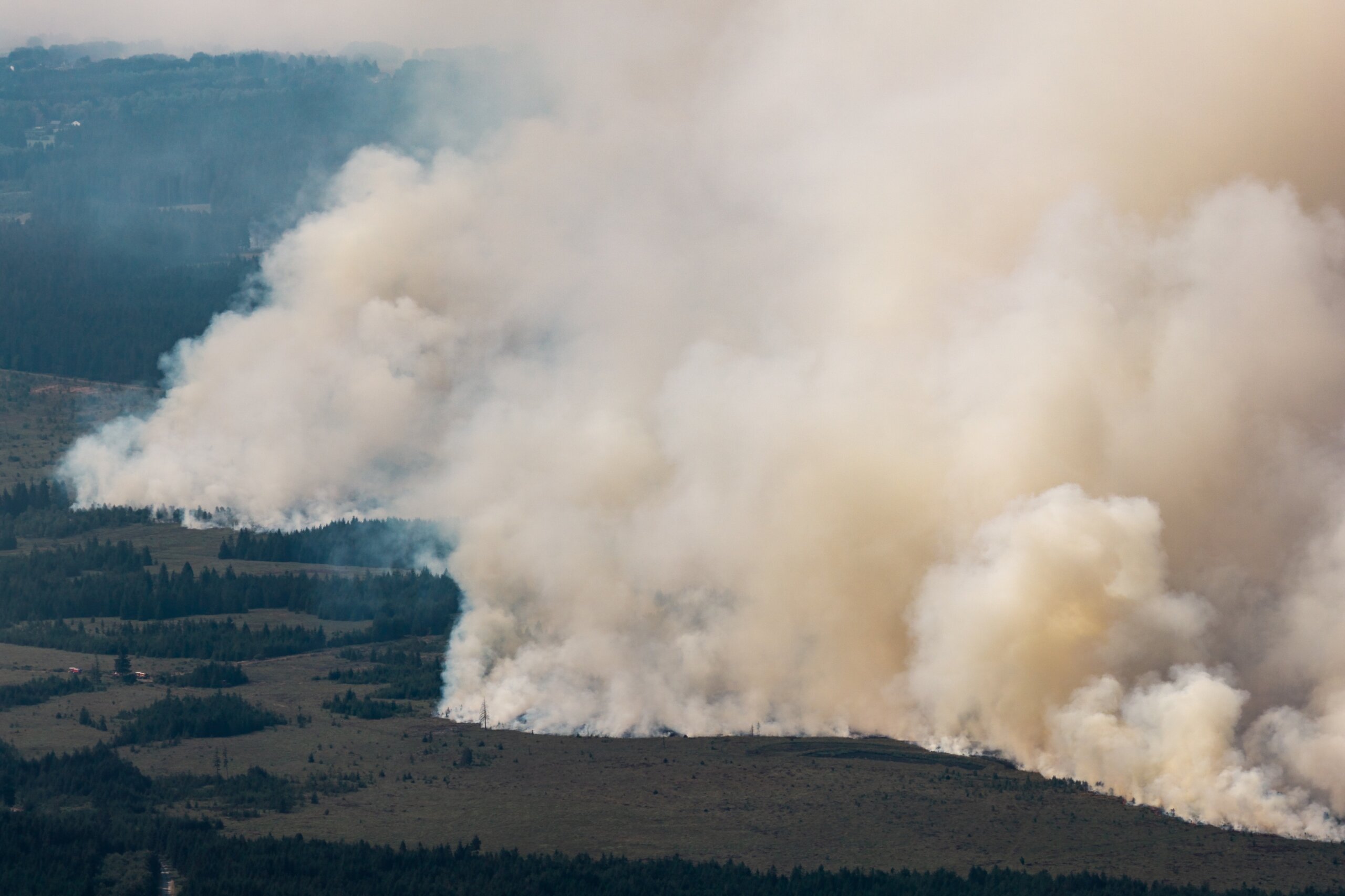
Belgium wildfire burns 27 square kilometres in High Fens nature reserve
Photograph: Washington Top News (embedded from source)
What this story says
- A wildfire in Belgium’s High Fens nature reserve burned more than 27 square kilometres on 15 August 2026, the largest in the country’s recent history.
- Approximately 600 residents of Waimes and Bütgenbach were ordered to evacuate, with no homes damaged as of Sunday morning.
- The EU’s civil protection mechanism was activated, with Sweden, the Netherlands, and the Czech Republic sending aircraft and helicopters to assist.
- The fire followed weeks of unusually hot and dry weather, complicating containment efforts due to the area’s peat bogs and heathland.
Who covered it
Percentages are shares of the 140 outlets carrying a published leaning rating. 85 of the 225 outlets we know ran this story carry no rating and are not counted in them. Coverage measured .
Trust
74/100
Craft
95/100
Hype
15/100
225 sources · methodology
A wildfire in eastern Belgium burned more than 27 square kilometres of the High Fens nature reserve on 15 August 2026. The blaze, described by local media as one of the worst in the country’s recent history, prompted the evacuation of approximately 600 residents from the municipalities of Waimes and Bütgenbach in Liège province, near the German border.
Over 250 emergency personnel were deployed, including more than 100 Belgian and German firefighters, police, military officers, and civil protection staff. Firefighting helicopters operated by Belgium’s federal police and the Netherlands were also used. No homes had been damaged by the fire as of Sunday morning, though authorities warned that heavy smoke persisted near residential areas.
Belgium activated the European Union’s civil protection mechanism, and EU Commissioner for Crisis Management Hadja Lahbib announced on X that assistance was being provided by Sweden, the Netherlands, and the Czech Republic. Sweden sent two water-bombing aircraft, while the Netherlands and the Czech Republic contributed three helicopters. The fire followed weeks of unusually hot and dry weather, with temperatures reaching 37°C in parts of Belgium on 14 August.
What the coverage left out
None of the right-rated digests mentioned the EU’s civil protection mechanism or the assistance provided by Sweden, the Netherlands, and the Czech Republic. The centre-rated digests did not include the detail that the fire surpassed Belgium’s previous largest wildfire in 2011, a fact carried by the left-rated reports. None of the digests from any side mentioned the specific role of peat bogs in complicating firefighting efforts.
Coverage settled. We checked this 10 times and stopped on 21 Aug 2026, 23:16. The figures above are what it finished at.
How each side covered it
Our own reading of the reporting listed below, written from the outlets’ articles rather than quoted from them. The reasoning is set out on our methodology page.
Left
50 rated outlets
- Left-rated outlets led on the scale of the fire and the evacuations. The Associated Press, The Independent, Boston Globe, Seattle Times, Toronto Star, Hamilton Spectator, abc News, The Record, Stuff and telex.hu all reported that 27 square kilometres had burned in the High Fens nature reserve. The Associated Press and telex.hu noted that this was one of Belgium’s worst wildfires in recent history.
- The Associated Press report carried the number of evacuees, about 600 residents, and the international response: Sweden sent two water-bombing aircraft, the Netherlands and Czech Republic provided helicopters, and Belgium activated the EU civil protection mechanism. Le Monde and telex.hu also mentioned the evacuations, while Sueddeutsche Zeitung linked the fire to broader discussions on climate change in Germany and Belgium.
- The Associated Press report included voices from Liège provincial governor Hervé Jamar and EU Commissioner Hadja Lahbib. It also noted the fire’s proximity to the German border and the health warnings issued in Monschau. None of the digests from the other left-rated outlets mentioned the peat bogs’ role in complicating firefighting efforts or the record-breaking size compared to the 2011 fire.
Centre
54 rated outlets
- The five centre-rated digests and reports all mentioned the 27 square kilometres burned and the evacuation of 600 residents. Four of the five centre-rated digests included the activation of the EU’s civil protection mechanism. Washington Top News’s full report described the fire as “one of the country’s worst wildfires in recent history” and noted the deployment of over 250 emergency personnel.
- France24’s digest led with the evacuation of “hundreds of residents” and described the fire as a “record wildfire.” The report also used the figure of 2,700 hectares burned, equivalent to the 27 square kilometres cited by other outlets. Washington Top News quoted Liège provincial governor Hervé Jamar’s statement that the fire remained close to residential areas.
Right
36 rated outlets
- The right-rated outlets led on the scale of the fire and its spread towards Germany. All 12 digests reported the 27 square kilometres burned, though eight used the equivalent figure of 3,000 hectares. The fire’s advance towards the German border was mentioned in six digests, including Emirates24|7, Times of India, and Firstpost News.
- Nine digests noted evacuations, with six specifying 600 residents displaced. The involvement of international firefighting teams from Germany and Luxembourg was reported by four outlets, including The Straits Times and Cyprus Mail. None of the digests mentioned the cause of the fire or climate conditions beyond general references to heat.
- The digests emphasised the fire’s status as Belgium’s largest on record, with five outlets, Times of India, The Straits Times, Firstpost News, NOS, and Cyprus Mail, describing it as such. None included statements from environmental groups or local officials on long-term ecological impact.
Questions about this coverage
- How did the left and right cover Belgium wildfire burns 27 square kilometres in High Fens nature reserve?
- Of the 140 outlets on this story carrying a published leaning rating, 36% are rated left, 38% are rated centre, 26% are rated right. Those percentages are shares of the rated outlets, not of every outlet that ran it, which was 225. The sections above set out what each side emphasised, in its own terms.
- Is Belgium wildfire burns 27 square kilometres in High Fens nature reserve left or right?
- Neither side dominates it. Of the 140 rated outlets on this story, 36% are rated left, 38% are rated centre, 26% are rated right, and no side holds the 70% this site would want before calling a field one-sided. A story is not left or right in any case; the outlets that carried it are what carry ratings.
- Is the coverage of Belgium wildfire burns 27 square kilometres in High Fens nature reserve biased?
- Belgium wildfire burns 27 square kilometres in High Fens nature reserve is one event reported by 225 outlets, and this page does not rate the story as biased or unbiased. What it publishes is the spread: which outlets ran it, where named rating organisations place each of them on the spectrum, and what each side chose to lead with. A leaning rating describes an outlet's record over time, not this article, and the two should not be run together.
- Which outlets covered Belgium wildfire burns 27 square kilometres in High Fens nature reserve?
- 225 that we know of, every one of them listed further up this page with a link to its own report and to what we hold on the publisher. Nothing here is a summary of somebody else's summary: the outlets are named so the original reporting can be read.
- How large is the area burned by the wildfire in Belgium?
- The wildfire in Belgium’s High Fens nature reserve burned more than 27 square kilometres on 15 August 2026. This makes it the largest wildfire in the country’s recent history, surpassing a 2011 fire that burned nearly 14 square kilometres in the same area.
- Which countries assisted Belgium in fighting the wildfire?
- The European Union’s civil protection mechanism was activated, and Sweden, the Netherlands, and the Czech Republic provided assistance. Sweden sent two water-bombing aircraft, while the Netherlands and the Czech Republic contributed three helicopters to the firefighting efforts.
- Were any homes damaged by the wildfire in Belgium?
- No homes had been damaged by the wildfire as of Sunday morning, 16 August 2026. Authorities reported that the fire remained close to residential areas, and heavy smoke persisted, but no structures were affected at that time.
- Why was the wildfire in Belgium difficult to contain?
- The wildfire was difficult to contain due to the High Fens’ mix of heathland and peat bogs, which complicated firefighting efforts. The fire also followed weeks of unusually hot and dry weather, with temperatures reaching 37°C in parts of Belgium on 14 August 2026.
Read it at the source
235 outlets, grouped by the leaning a published rating gives them. Every headline links to the original; an underlined outlet name opens our profile of that publisher.
Left
51- The Huge Fire in Belgium's Largest Nature Reserve (opens Il Post in a new tab)
- Fire in High Fens Grows Into Second Largest in Belgium Ever (opens Volkskrant in a new tab)
Volkskrant — is Volkskrant biased? Our profile of this outlet
- Belgium Faces Largest Forest Fire in Recorded History (opens unn.ua in a new tab)
- Belgium Was Engulfed by the Biggest Fire in History to Reach Germany (opens rbc.ua in a new tab)
- Belgium's biggest wildfire on record heads towards Germany (opens Rappler in a new tab)
- Belgium - Fire: Residents Ordered to Leave Their Homes (opens in.gr in a new tab)
- Nature Reserve in Belgium, Greek Island Burn (opens Newser in a new tab)
- High Fens Fire Already Destroys 3,000 Hectares, Fire Not yet Under Control • Rare ‘Heat Cloud’ Observed (opens De Morgen in a new tab)
Show 43 more
- Belgium battling record wildfire, evacuating people (opens Taipei Times in a new tab)
Taipei Times — is Taipei Times biased? Our profile of this outlet
- Firefighters battle massive fires in Belgium and Greece (opens The Canberra Times in a new tab)
The Canberra Times — is The Canberra Times biased? Our profile of this outlet
- The Biggest Fire in Belgium Is Heading for Germany (opens La Vanguardia in a new tab)
La Vanguardia — is La Vanguardia biased? Our profile of this outlet
- Waldbrand: Belgian Authorities Call on Forces From Germany (opens Zeit Online in a new tab)
Zeit Online — is Zeit Online biased? Our profile of this outlet
- Firefighters battle massive blazes in Belgium and Greece as 2 die on an island near Athens (opens Inquirer in a new tab)
- Belgium Is Battling the Largest Forest Fire in Its History. (opens 444.hu in a new tab)
- Firefighters battle a massive Belgian wildfire that forced hundreds to ... (opens The Washington Post in a new tab)
The Washington Post — is The Washington Post biased? Our profile of this outlet
- Belgium Mobilised in the Face of a Historic Fire (opens Radio-Canada in a new tab)
Radio-Canada — is Radio-Canada biased? Our profile of this outlet
- Belgium faces its largest wildfire on record, turns to Europe for air support (opens Politico Europe in a new tab)
Politico Europe — is Politico Europe biased? Our profile of this outlet
- Unprecedented Forest Fire in Belgium Devours 3,000 Hectares (opens teleSUR in a new tab)
- Forest Fires in Germany: Situation and Political Reactions (opens Sueddeutsche Zeitung in a new tab)
Sueddeutsche Zeitung — is Sueddeutsche Zeitung biased? Our profile of this outlet
- Forest Fire in Belgium Partially Under Control, Covering Around 3,000 Hectares (opens delo.si in a new tab)
- In the Face of One of the Worst Fires in Its History, Belgium Relies on Air Support (opens TVA Nouvelles in a new tab)
TVA Nouvelles — is TVA Nouvelles biased? Our profile of this outlet
- Massive wildfire burns 30 square kilometers in Belgium, forces 600 to evacuate (opens Saudi Gazette in a new tab)
Saudi Gazette — is Saudi Gazette biased? Our profile of this outlet
- Belgium’s largest wildfire on record spreads towards German border (opens Al Jazeera in a new tab)
Al Jazeera — is Al Jazeera biased? Our profile of this outlet
- Firefighters battle a massive Belgian wildfire that forced hundreds to evacuate (opens Gloucester Daily Times in a new tab)
Gloucester Daily Times — is Gloucester Daily Times biased? Our profile of this outlet
- Firefighters battle a massive Belgian wildfire that forced hundreds to evacuate (opens Oskaloosa Herald in a new tab)
Oskaloosa Herald — is Oskaloosa Herald biased? Our profile of this outlet
- Belgium's biggest wildfire on record heads towards Germany (opens GMA Filipino News in a new tab)
GMA Filipino News — is GMA Filipino News biased? Our profile of this outlet
- Historical Fire in Belgium: 3,000 Hectares Left in Smoke, More than 100 Firefighters, European Reinforcements Called in emergency... the Country Facing the Worst Fire in Its Modern History (opens La Dépêche du Midi in a new tab)
La Dépêche du Midi — is La Dépêche du Midi biased? Our profile of this outlet
- The Largest Forest Fire in Belgium's History Is Approaching the German Border. (opens TVN24.pl in a new tab)
- Firefighters battle a massive Belgian wildfire, forcing hundreds to evacuate (opens Stuff in a new tab)
- Belgium: The Images of One of the Worst Fires in the Country's History (opens Le Monde in a new tab)
- In the Face of One of the Worst Fires in Its History, Belgium Is Waiting for Support From the Sky (opens Liberation in a new tab)
Liberation — is Liberation biased? Our profile of this outlet
- Firefighters battle a massive Belgian wildfire, forcing hundreds to evacuate (opens The Tribune-Democrat in a new tab)
The Tribune-Democrat — is The Tribune-Democrat biased? Our profile of this outlet
- Firefighters battle a massive Belgian wildfire, forcing hundreds to evacuate (opens The Independent (US) in a new tab)
The Independent (US) — is The Independent (US) biased? Our profile of this outlet
- Firefighters battle a massive Belgian wildfire, forcing hundreds to evacuate (opens The Independent in a new tab)
The Independent — is The Independent biased? Our profile of this outlet
- Belgium Is Battling Its Largest Wildfire Ever, Not Far From the Dutch Border. (opens Trouw in a new tab)
- Firefighters battle a massive Belgian wildfire, forcing hundreds to evacuate - The Boston Globe (opens Boston Globe in a new tab)
Boston Globe — is Boston Globe biased? Our profile of this outlet
- Firefighters battle a massive Belgian wildfire, forcing hundreds to evacuate (opens The Seattle Times in a new tab)
The Seattle Times — is The Seattle Times biased? Our profile of this outlet
- Firefighters battle a massive Belgian wildfire, forcing hundreds to evacuate (opens The Hamilton Spectator in a new tab)
The Hamilton Spectator — is The Hamilton Spectator biased? Our profile of this outlet
- Firefighters battle a massive Belgian wildfire, forcing hundreds to evacuate (opens The Toronto Star in a new tab)
The Toronto Star — is The Toronto Star biased? Our profile of this outlet
- Firefighters battle a massive Belgian wildfire, forcing hundreds to evacuate (opens Associated Press News in a new tab)
Associated Press News — is Associated Press News biased? Our profile of this outlet
- Firefighters battle massive Belgian wildfire, forcing hundreds to evacuate (opens ABC News in a new tab)
- France, Belgium battle wildfires as thousands of hectares burn (opens SANA in a new tab)
- In Belgium, Nearly 3,000 Hectares of a Natural Park Have Been Ravaged by One of the Worst Fires in the Country's History (opens franceinfo.fr in a new tab)
franceinfo.fr — is franceinfo.fr biased? Our profile of this outlet
- Fire Front in Belgium Already More than a Kilometer Wide (opens watson in a new tab)
- The Most Serious Forest Fire in Recent Times Is Ravaging Belgium, Forcing the Evacuation of Two Towns (opens telex.hu in a new tab)
- Firefighters battle a massive Belgian wildfire, forcing hundreds to evacuate (opens The Record in a new tab)
The Record — is The Record biased? Our profile of this outlet
- Several Evacuated Due to Record-Breaking Wildfire in Belgium (opens Politiken in a new tab)
- Belgium's biggest wildfire on record heads towards Germany (opens The spokesman-Review in a new tab)
The spokesman-Review — is The spokesman-Review biased? Our profile of this outlet
- Several Evacuated Due to Record-Breaking Wildfire in Belgium (opens DR in a new tab)
- IN DIRECT, Fires and Heat: More than 2,700 Hectares Ravaged in Belgium; in the Landes, Fire Is No Longer Progressing but Is Not "on Track" to Be Fixed (opens Le Monde in a new tab)
Le Monde
- This Rapidly Growing Fire in Belgium Is Already One of the Biggest in Its History. (opens Le Huffington Post in a new tab)
Le Huffington Post — is Le Huffington Post biased? Our profile of this outlet
Centre
57- Belgium's King Visits Brandregion Near the German Border (opens wz.de in a new tab)
- Rainfall aids fight against Belgium’s biggest wildfire as blazes rip through Europe (opens The Globe & Mail in a new tab)
The Globe & Mail — is The Globe & Mail biased? Our profile of this outlet
- Belgium Struggles With Largest Wildfire Amid Deadly Blazes In Europe (opens Worthy Christian News in a new tab)
Worthy Christian News — is Worthy Christian News biased? Our profile of this outlet
- The Largest Forest Fire in History Is Burning in Belgium (opens Eesti Rahvusringhääling in a new tab)
Eesti Rahvusringhääling — is Eesti Rahvusringhääling biased? Our profile of this outlet
- Rainy Weather Helps Fight Belgium's Largest Wildfire (opens yle in a new tab)
- Belgium races to tame huge wildfire creeping toward Germany (opens The Japan Times in a new tab)
The Japan Times — is The Japan Times biased? Our profile of this outlet
- Record Belgian Wildfire Jumps in Size (opens The Express Tribune in a new tab)
The Express Tribune — is The Express Tribune biased? Our profile of this outlet
- Belgium Faces a Historic Fire that Is Now threatening... (opens Le Devoir in a new tab)
Show 49 more
- Belgium races to tame huge wildfire creeping toward Germany (opens Phys.org in a new tab)
- Firefighters battle massive fires in Belgium and Greece (opens PerthNow in a new tab)
- Firefighters Fight Huge Forest Fires in Belgium and Greece; Two People Die on an Island Near Athens (opens El Diario in a new tab)
- High Fens fire: nature reserve destroyed and residents evacuated (opens vrt in a new tab)
- Belgium wildfire grows rapidly as European air support arrives (opens CapeTown ETC in a new tab)
CapeTown ETC — is CapeTown ETC biased? Our profile of this outlet
- Farmers, helicopters help battle record Belgian wildfire (opens WFMZ in a new tab)
- Fires rage in Europe as Belgium sees biggest blaze in recorded history (opens Euronews in a new tab)
- Belgian Firefighters Battle Record Blaze Near German Border (opens Bloomberg in a new tab)
- The Biggest Fire in Belgium's History Is Now Heading to Germany After It Devastated 3,000 Hectares. (opens Digi 24 in a new tab)
- Firefighters battle a massive Belgian wildfire that forced hundreds to evacuate (opens WFMZ in a new tab)
WFMZ
- Firefighters battle a massive Belgian wildfire that forced hundreds to evacuate (opens Rutland Herald in a new tab)
Rutland Herald — is Rutland Herald biased? Our profile of this outlet
- Belgium turns to European air support as wildfire rages near German border (opens Radio France Internationale in a new tab)
Radio France Internationale — is Radio France Internationale biased? Our profile of this outlet
- Netherlands sends 2 Chinook helicopters to fight Belgian wildfire (opens NL Times in a new tab)
- Drone Footage Shows Belgium's Scariest And Biggest Wildfire On Record (opens Hindustan Times in a new tab)
Hindustan Times — is Hindustan Times biased? Our profile of this outlet
- Firefighters battle a massive Belgian wildfire that forced hundreds to evacuate (opens My Mother Lode in a new tab)
My Mother Lode — is My Mother Lode biased? Our profile of this outlet
- Wildfire burns area size of 3,780 football fields in eastern Belgium as hundreds evacuated (opens TRT World in a new tab)
- Belgium Is Fighting One of the Worst Fires in Its history... (opens TF1 INFO in a new tab)
- Belgium's biggest wildfire on record nearing Germany (opens RTÉ in a new tab)
- Officials: Record-Breaking Forest Fire in Belgium Doubles in Size in 24 Hours (opens Lietuvos Radijas ir Televizija in a new tab)
- Belgium battles worst wildfire on record, EU allies come to aid (opens South China Morning Post in a new tab)
South China Morning Post — is South China Morning Post biased? Our profile of this outlet
- Firefighters Are Battling a Large Forest Fire in Belgium that Has Displaced Hundreds of People (opens LancasterOnline in a new tab)
LancasterOnline — is LancasterOnline biased? Our profile of this outlet
- Firefighters battle a massive Belgian wildfire, forcing hundreds to evacuate (opens Ottumwa Courier in a new tab)
Ottumwa Courier — is Ottumwa Courier biased? Our profile of this outlet
- Fire in a Natural Park in Belgium, Burned 3,000 Hectares (opens ANSA in a new tab)
- Firefighters Battle Historic Belgium Wildfire Threatening German Border | Science-Environment (opens Devdiscourse in a new tab)
Devdiscourse — is Devdiscourse biased? Our profile of this outlet
- Thousands of hectares in flames as Belgium's biggest wildfire on record heads towards Germany (opens Jerusalem Post in a new tab)
Jerusalem Post — is Jerusalem Post biased? Our profile of this outlet
- Belgium’s biggest wildfire on record heads towards Germany (opens WTVB in a new tab)
- Belgium counts on air support as record wildfire jumps in size (opens Channel News Asia in a new tab)
Channel News Asia — is Channel News Asia biased? Our profile of this outlet
- Belgium Faces One of the Worst Fires in Its History and Relies on Air Support From Neighbouring Countries (opens Sud Ouest in a new tab)
- Belgium's biggest wildfire on record heads towards Germany (opens Reuters in a new tab)
- Belgium Wildfire Heads Toward Germany as Record Blaze Burns 3,000 Hectares (opens cedarnews.net in a new tab)
cedarnews.net — is cedarnews.net biased? Our profile of this outlet
- Belgium's biggest wildfire on record heads towards Germany (opens The Economic Times in a new tab)
The Economic Times — is The Economic Times biased? Our profile of this outlet
- Firefighters battle a massive Belgian wildfire, forcing hundreds to evacuate (opens Washington Top News in a new tab)
Washington Top News — is Washington Top News biased? Our profile of this outlet
- Firefighters battle a massive Belgian wildfire that forced hundreds to (opens WBAL in a new tab)
- In the Face of One of the Worst Fires in Its History, Belgium Relies on Air Support (opens Le Télégramme in a new tab)
Le Télégramme — is Le Télégramme biased? Our profile of this outlet
- Firefighters battle a massive Belgian wildfire, forcing hundreds to evacuate (opens Newsday in a new tab)
- Firefighters battle a massive Belgian wildfire, forcing hundreds to evacuate (opens coasttv.com in a new tab)
coasttv.com — is coasttv.com biased? Our profile of this outlet
- Firefighters battle a massive Belgian wildfire, forcing hundreds to evacuate (opens Mid Florida Newspapers in a new tab)
Mid Florida Newspapers — is Mid Florida Newspapers biased? Our profile of this outlet
- Firefighters battle a massive Belgian wildfire, forcing hundreds to evacuate (opens Bozeman Daily Chronicle in a new tab)
Bozeman Daily Chronicle — is Bozeman Daily Chronicle biased? Our profile of this outlet
- Firefighters battle a massive Belgian wildfire that forced hundreds to evacuate (opens WKMG in a new tab)
- Direct Fire in the Fagnes: 2700 Hectares Left in Smoke Since the Beginning of the Fire, Flanders "Ready to Help" (opens La Libre in a new tab)
- Several Evacuated Due to Record-Breaking Wildfire in Belgium (opens Ekstra Bladet in a new tab)
Ekstra Bladet — is Ekstra Bladet biased? Our profile of this outlet
- Firefighters battle a massive Belgian wildfire, forcing hundreds to evacuate (opens Winnipeg Free Press in a new tab)
Winnipeg Free Press — is Winnipeg Free Press biased? Our profile of this outlet
- Belgium battles record wildfire at German border (opens Deutsche Welle in a new tab)
Deutsche Welle — is Deutsche Welle biased? Our profile of this outlet
- Villages evacuated as Belgium fights record wildfire (opens Otago Daily Times in a new tab)
Otago Daily Times — is Otago Daily Times biased? Our profile of this outlet
- Fire in Belgium 30 Kilometers From the Dutch Border Continues to Spread, 600 People Evacuated (opens Algemeen Dagblad in a new tab)
Algemeen Dagblad — is Algemeen Dagblad biased? Our profile of this outlet
- Belgium: The Biggest Fire in Its History (opens TF1 INFO in a new tab)
TF1 INFO
- Hundreds of villagers evacuate as Belgium battles record wildfire (opens France24 in a new tab)
- More than 2000 Hectares Went Into Smoke in a Fire in the East of Belgium (opens Le Télégramme in a new tab)
Le Télégramme
- Villagers evacuate as Belgium battles record wildfire (opens New Strait Times in a new tab)
New Strait Times — is New Strait Times biased? Our profile of this outlet
Right
38- Waldbrand Hohes Venn: Belgium's Biggest Fire Since 1911 (opens Frankfurter Allgemeine in a new tab)
Frankfurter Allgemeine — is Frankfurter Allgemeine biased? Our profile of this outlet
- Belgian Wildfire Approaches Germany as Peat Blaze Threatens to Burn for Months (opens The Epoch Times in a new tab)
The Epoch Times — is The Epoch Times biased? Our profile of this outlet
- Forest Fires: ++ Belgium's King Visits Area Near German Border – Wind Should Refresh ++ (opens Welt in a new tab)
- Record Forest Fire at German Border Partly Under Control (opens Handelsblatt in a new tab)
Handelsblatt — is Handelsblatt biased? Our profile of this outlet
- High Fens Wildfire Becomes Belgium’s Largest on Record (opens Morocco World News in a new tab)
Morocco World News — is Morocco World News biased? Our profile of this outlet
- Norway Sender to Skogbrannhelikoptre Til Belgia (opens Aftenposten in a new tab)
Aftenposten — is Aftenposten biased? Our profile of this outlet
- Rain brings respite as Belgium wrestles massive wildfire (opens Bangkok Post in a new tab)
Bangkok Post — is Bangkok Post biased? Our profile of this outlet
- Historical Fire in Belgium: Nearly 3000 Hectares Already Ravaged, the Flames Threaten to Reach Germany (opens Le Figaro in a new tab)
Show 30 more
- Belgium’s biggest-ever wildfire heads towards Germany (opens Irish Independent in a new tab)
Irish Independent — is Irish Independent biased? Our profile of this outlet
- Belgium calls in EU aircraft as record wildfire burns towards German border (opens brusselssignal.eu in a new tab)
brusselssignal.eu — is brusselssignal.eu biased? Our profile of this outlet
- Belgian wildfire doubles in size on third day tearing through nature reserve (opens The Nation in a new tab)
The Nation — is The Nation biased? Our profile of this outlet
- Two Dutch Helicopters Back to Belgium for Wildfire (opens Reformatorisch Dagblad in a new tab)
Reformatorisch Dagblad — is Reformatorisch Dagblad biased? Our profile of this outlet
- Firefighters battle massive Belgian wildfire as hundreds evacuated (opens ITV in a new tab)
- Three Thousand Hectares Burned in Three Days. Belgium Faces "Greatest Fire in Its Recent History" (opens Observador in a new tab)
Observador — is Observador biased? Our profile of this outlet
- Firefighters battle massive fires in Belgium and Greece (opens The West Australian in a new tab)
The West Australian — is The West Australian biased? Our profile of this outlet
- Parts of Record-Breaking Wildfire in Belgium Under Control (opens BT in a new tab)
- Firefighters battle a massive Belgian wildfire, forcing hundreds to evacuate - Regional Media News (opens regionalmedianews.com in a new tab)
regionalmedianews.com — is regionalmedianews.com biased? Our profile of this outlet
- Belgium's biggest-ever wildfire heads towards Germany (opens The Telegraph in a new tab)
The Telegraph — is The Telegraph biased? Our profile of this outlet
- The Largest Fire of Vegetation in Belgium's History Is Approaching Germany: so Far It Has Displaced 3,000 Hectares (opens REALITATEA.NET in a new tab)
REALITATEA.NET — is REALITATEA.NET biased? Our profile of this outlet
- Wildfire burns 2,700 hectares in eastern Belgium as hundreds evacuated (opens Anadolu Ajansı in a new tab)
Anadolu Ajansı — is Anadolu Ajansı biased? Our profile of this outlet
- Hundreds Forced to Evacuate Amid Massive Wildfire in Belgium (opens Breitbart in a new tab)
- Belgium: Large Forest Fire Burns 30,000 Acres and Heads Towards Germany (opens Protothema in a new tab)
Protothema — is Protothema biased? Our profile of this outlet
- Belgium’s biggest wildfire on record heads towards Germany (opens Cyprus Mail in a new tab)
Cyprus Mail — is Cyprus Mail biased? Our profile of this outlet
- Belgium High Fens wildfire forces evacuations as blaze spreads (opens India Today in a new tab)
India Today — is India Today biased? Our profile of this outlet
- Forest Fire in Front of the German Border: Fire Front in Belgium Already More than a Kilometer Wide (opens n-tv in a new tab)
- The Fire Destroyed Thousands of Hectares of the Reserve in Belgium. (opens Korrespondent.net in a new tab)
Korrespondent.net — is Korrespondent.net biased? Our profile of this outlet
- Belgium battles biggest wildfire in history as blaze heads towards German border (opens Firstpost News in a new tab)
Firstpost News — is Firstpost News biased? Our profile of this outlet
- Belgium counts on air support as record wildfire jumps in size (opens Free Malaysia Today News in a new tab)
Free Malaysia Today News — is Free Malaysia Today News biased? Our profile of this outlet
- Ardennes Fire Still Spreading, 3,000 Hectares Destroyed (opens NOS in a new tab)
- Massive wildfire in Belgium forces evacuations as blaze burns through 27 square kilometres (opens Emirates24|7 in a new tab)
Emirates24|7 — is Emirates24|7 biased? Our profile of this outlet
- Belgium's biggest wildfire on record heads towards Germany (opens Times of India in a new tab)
Times of India — is Times of India biased? Our profile of this outlet
- Belgium’s biggest wildfire on record heads towards Germany (opens The Straits Times in a new tab)
The Straits Times — is The Straits Times biased? Our profile of this outlet
- Firefighters battle a massive Belgian wildfire, forcing hundreds to evacuate (opens The Batesville Daily Guard in a new tab)
The Batesville Daily Guard — is The Batesville Daily Guard biased? Our profile of this outlet
- Fire in Belgium Continues to Spread: More than 3,000 Hectares Engulfed in Flames and 600 People Evacuated (opens De Telegraaf in a new tab)
De Telegraaf — is De Telegraaf biased? Our profile of this outlet
- Several Evacuated Due to Record-Breaking Wildfire in Belgium (opens Jyllands-Posten in a new tab)
Jyllands-Posten — is Jyllands-Posten biased? Our profile of this outlet
- Several Evacuated Due to Record-Breaking Wildfire in Belgium (opens BT in a new tab)
BT
- Several Evacuated Due to Record-Breaking Wildfire in Belgium (opens berlingske.dk in a new tab)
berlingske.dk — is berlingske.dk biased? Our profile of this outlet
- Belgian Wildfire Grows Larger, an Additional Thousand Hectares Burned in a Few Hours (opens NOS in a new tab)
NOS
Not rated
89- 3,000 Hectares Ravaged by a Fire in Belgium that Is Burning Underground - Threat to the German Border (opens upday in a new tab)
- Mist Helped Fight One of the Largest Fires in Belgian History (opens lrytas.lt in a new tab)
- Forest Fire in Belgium Threatens Firefighters Due to World War II Ammunition for Discovering on the Ground (opens Correio da Manhã in a new tab)
Correio da Manhã — is Correio da Manhã biased? Our profile of this outlet
- High Fens Forest Fire Still Rages Mainly in a Northeasterly Direction (opens De Tijd in a new tab)
- Forest Fire Consumes More than 3,000 Hectares in Belgium - TCS Now - News El Salvador (opens tcsahora.com in a new tab)
tcsahora.com — is tcsahora.com biased? Our profile of this outlet
- The Biggest Fire in Belgium's History Is Approaching Germany. (opens Do Rzeczy in a new tab)
- Rain Aid in the Fight Against Forest Fire in Belgium - 17/08/2026 - Environment (opens Folha de S.Paulo in a new tab)
Folha de S.Paulo — is Folha de S.Paulo biased? Our profile of this outlet
- Rain Eases Belgium's Largest Wildfire Crisis (opens Voice of Nigeria in a new tab)
Voice of Nigeria — is Voice of Nigeria biased? Our profile of this outlet
Show 81 more
- Residents Are Being Evacuated, as the Belgian Forest Fire Threatens Germany (opens Index in a new tab)
- Impressive Images From Chinooks From Gilze-Rijen: Bambi Bucket Dumps 7,600 Liters of Water on Wildfire in Belgium (opens bd.nl in a new tab)
- Rain brings respite as Belgium wrestles massive wildfire (opens coastaltvnews.com in a new tab)
coastaltvnews.com — is coastaltvnews.com biased? Our profile of this outlet
- The Worst Forest Fire in Belgian History Spreads to Germany. Authorities Begin First Evacuations (opens iDNES.cz in a new tab)
- Belgium Wildfires Latest News: High Fens Blaze Forces 600 Residents to Evacuate as Rainfall Offers Hope in Fight Against Belgium’s Biggest Wildfire – Check Impact & Emergency Response (opens The Sunday Guardian Live in a new tab)
The Sunday Guardian Live — is The Sunday Guardian Live biased? Our profile of this outlet
- Belgium battles wildfire heading toward Germany (opens cphpost.dk in a new tab)
cphpost.dk — is cphpost.dk biased? Our profile of this outlet
- A wildfire in Belgium’s High Fens area has burned about 3,000 hectares (opens famagusta-gazette.com in a new tab)
famagusta-gazette.com — is famagusta-gazette.com biased? Our profile of this outlet
- Belgium Is Hit by the Largest Forest Fire in History (opens ГОЛОВНА in a new tab)
ГОЛОВНА
- Destroying Forest and Bog Fire in the Hohe Venn Approaches the German Border at 300 Meters – Tense Location After Nightly Partial Evacuation Slightly Soothes – Inserting Drizzle and Favorable Wind (on Tape) Provide 240 Forces Respite – Firefighter Dampens Hope – ′′Defeat for the Time Being only Drops on the Hot Stone′′ (in the O-Tone) – Hardened Ground Makes Water Hardly Penetrate Too Deep-Seated Peat Glow Nests (opens nonstopnews.de in a new tab)
nonstopnews.de — is nonstopnews.de biased? Our profile of this outlet
- Belgium Battles Record Wildfire as Fires Rage Across Europe (opens barlamantoday.com in a new tab)
barlamantoday.com — is barlamantoday.com biased? Our profile of this outlet
- Belgium battles historic wildfire as heat fuels blazes across Europe (opens WTX News in a new tab)
- The Largest Fire in Belgium's History Is Approaching the Border with Germany. (opens ZN.UA Зеркало недели in a new tab)
ZN.UA Зеркало недели — is ZN.UA Зеркало недели biased? Our profile of this outlet
- Belgium wildfire burns about 3,000 hectares, several hotspots remain active (opens Sambad English in a new tab)
Sambad English — is Sambad English biased? Our profile of this outlet
- More than 2,000 Hectares Consumed by Fire After Forest Fire in Belgium (opens Azteca Baja California in a new tab)
Azteca Baja California — is Azteca Baja California biased? Our profile of this outlet
- Belgium races to tame huge wildfire creeping toward Germany (opens ecotopical.com in a new tab)
ecotopical.com — is ecotopical.com biased? Our profile of this outlet
- The Largest Fire in Belgium's Modern History Is Raging - Settlements Near the Border with Germany Are Being Evacuated (opens Naftemporiki in a new tab)
Naftemporiki — is Naftemporiki biased? Our profile of this outlet
- Firefighters Fight Forest Fires in Several European Countries; 2 Killed on Island Near Athens (opens Independent Español in a new tab)
Independent Español — is Independent Español biased? Our profile of this outlet
- Historical Fire in Belgium: the Country Relies on European Aid (opens RTS in a new tab)
- Firefighters Fight Huge Forest Fires in Belgium and Greece; Two People Die on an Island Near Athens (opens eldiariodechihuahua.mx in a new tab)
eldiariodechihuahua.mx — is eldiariodechihuahua.mx biased? Our profile of this outlet
- Never Seen Since 1911: with Nearly 3,000 Hectares Ravaged, Belgium Faces One of the Worst Fires in Its History (opens midilibre.fr in a new tab)
midilibre.fr — is midilibre.fr biased? Our profile of this outlet
- Historic Forest Fire Could Cross National Borders: Army Deployed, Firefighters From Three Countries Battling Flames in Belgium (opens Portfolio in a new tab)
- Belgium Is Fighting One of the Worst Fires in Its History (opens lequotidien.lu in a new tab)
lequotidien.lu — is lequotidien.lu biased? Our profile of this outlet
- Fire in Belgium Has Already Consumed 3,000 Hectares and Forced Evacuations (opens SIC Notícias in a new tab)
SIC Notícias — is SIC Notícias biased? Our profile of this outlet
- Belgium Calls in EU Help as Record Wildfire Spreads (opens Brussels Morning Online Newspaper in a new tab)
- Belgium wildfire burns about 3,000 hectares, several hotspots remain active (opens The Hans India in a new tab)
The Hans India — is The Hans India biased? Our profile of this outlet
- High Venn: Fire Front on the Belgian Border (opens zdfheute.de in a new tab)
zdfheute.de — is zdfheute.de biased? Our profile of this outlet
- Fires in Europe: Two Dead in Greece (opens Sydsvenskan in a new tab)
Sydsvenskan — is Sydsvenskan biased? Our profile of this outlet
- Fire in the Fagnes: Bart De Wever Reacts to the 3,000 Hectares Burned and the Hundreds of People Evacuated (opens levif.be in a new tab)
- Parts of Record-Breaking Wildfire in Belgium Under Control (opens avisendanmark.dk in a new tab)
avisendanmark.dk — is avisendanmark.dk biased? Our profile of this outlet
- Parts of Record-Breaking Wildfire in Belgium Under Control (opens Kristeligt Dagblad in a new tab)
Kristeligt Dagblad — is Kristeligt Dagblad biased? Our profile of this outlet
- Belgium Holds Its Breath in the Face of the Giant Fire Ravaging the High Fagnes (opens virgule.lu in a new tab)
virgule.lu — is virgule.lu biased? Our profile of this outlet
- Reuters: The Largest Vegetation Fire Ever Recorded in Belgium Moves to the German Border (opens Stirile Pro TV in a new tab)
Stirile Pro TV — is Stirile Pro TV biased? Our profile of this outlet
- Forest Fire in Belgium Is the Largest Already Registered (opens CNN Brasil in a new tab)
CNN Brasil — is CNN Brasil biased? Our profile of this outlet
- Firefighters battle a massive Belgian wildfire that forced hundreds to evacuate (opens pmg-ky3.com in a new tab)
pmg-ky3.com — is pmg-ky3.com biased? Our profile of this outlet
- RTL at the scene: Helicopters join Belgian wildfire fight as Luxembourg crew works overnight (opens rtl.lu in a new tab)
- Record Belgium wildfire doubles in size in 24 hours: authorities (opens The Peninsula Qatar in a new tab)
The Peninsula Qatar — is The Peninsula Qatar biased? Our profile of this outlet
- Belgium's Largest Forest Fire Has Been Brought Under Control. (opens Haberler in a new tab)
- Belgium Is Fighting a Massive Fire, the Czech Republic Is Also Coming to Help (opens echo24.cz in a new tab)
- The Largest Fire Ever in Belgium Is Now Near Germany. (opens Publico in a new tab)
- Historic Fire Ravages Belgium. Czech Firefighters Also Help (opens Deník.cz in a new tab)
- Belgium's biggest wildfire on record heads towards Germany - SABC News - Breaking news, special reports, world, business, sport coverage of all South African current events. Africa's news leader. (opens SABC News in a new tab)
- Belgian Couple Sees Scottish Highlanders Escape During Major Wildfire: ‘We Wouldn’t Evacuate without Them’ (opens destentor.nl in a new tab)
destentor.nl — is destentor.nl biased? Our profile of this outlet
- Belgian Couple Sees Scottish Highlanders Escape During Major Wildfire: ‘We Wouldn’t Evacuate without Them’ (opens ed.nl in a new tab)
- The Largest Forest Fire in the History of Belgium Engulfed 3,000 Hectares, the Fire Is Approaching Germany (opens n1info.rs in a new tab)
- The Biggest Fire in the History of Belgium Is Spreading Towards Germany (opens vijesti.me in a new tab)
vijesti.me — is vijesti.me biased? Our profile of this outlet
- Largest Recorded Fire: Fire Continues to Be Out of Control in Belgium (opens ORF.at News in a new tab)
ORF.at News — is ORF.at News biased? Our profile of this outlet
- Europe Is Battling Forest Fires. Three Thousand Hectares of Forest Have Already Burned in Belgium (opens Aktuality.sk in a new tab)
Aktuality.sk — is Aktuality.sk biased? Our profile of this outlet
- One of the Worst Forest Fires in Belgium's History Is Still Raging (opens Česká televize in a new tab)
Česká televize — is Česká televize biased? Our profile of this outlet
- Belgium Seeks Air Support as Wildfire Spreads (opens newscentraltv.com in a new tab)
newscentraltv.com — is newscentraltv.com biased? Our profile of this outlet
- Fires: Belgium Faces One of the Worst Forest Fires in Its History (opens L'Humanité in a new tab)
L'Humanité — is L'Humanité biased? Our profile of this outlet
- Pictures of the Day (opens onetz.de in a new tab)
- One of the Worst Forest Fires Is Still Raging in Belgium, Burning Almost 3,000 Hectares | ČeskéNoviny.cz (opens ceskenoviny.cz in a new tab)
ceskenoviny.cz — is ceskenoviny.cz biased? Our profile of this outlet
- Monschau: Forest Fire in Belgium – Flames Move Towards the German Border (opens wiwo.de in a new tab)
- Belgium Battles One of the Worst Fires in History, Evacuates Villages and Asks for European Help (opens Hospodárske Noviny in a new tab)
Hospodárske Noviny — is Hospodárske Noviny biased? Our profile of this outlet
- Belgium Could Not Clean up a Large-Scale Fire, the Vogon Would Widen Further (opens Європейська правда in a new tab)
Європейська правда
- Record Belgium wildfire heads towards Germany (opens Egyptian Gazette in a new tab)
Egyptian Gazette — is Egyptian Gazette biased? Our profile of this outlet
- Belgium: Fire in the Hautes Fagnes Has Already Burned Nearly 3,000 Hectares, Evacuated Residents (opens cnews.fr in a new tab)
- 3 000 Hectares Ravaged in Belgium by One of the Worst Fires in Its History (opens LaProvence.com in a new tab)
LaProvence.com — is LaProvence.com biased? Our profile of this outlet
- Disaster in the Heart of Europe! The Country's Largest Forest Fire Continues. (opens Akşam in a new tab)
- Historic Forest Fire in Belgium: 2,700 Hectares Reduced to Ashes (opens Haberler in a new tab)
Haberler
- Hundreds Evacuated as Major Pine Forest Wildfire Sweeps Belgium – Axadle (opens Axadle in a new tab)
- Fire in the Fagnes: a Fire of Unprecedented Magnitude Ravages the East of Belgium (opens Courrier international in a new tab)
Courrier international — is Courrier international biased? Our profile of this outlet
- Direct – Fire in the High Fagnes: Chinook Helicopters in Action, Jalhay and Montjoie Fronts Under Control, Peak Pollution in Lorraine (opens RTBF in a new tab)
- Several Evacuated Due to Record-Breaking Wildfire in Belgium (opens Kristeligt Dagblad in a new tab)
Kristeligt Dagblad
- Fire in Belgium Spreads Towards Germany (opens aachener-zeitung.de in a new tab)
aachener-zeitung.de — is aachener-zeitung.de biased? Our profile of this outlet
- Belgium battles record wildfire as villages evacuated (opens Daily Finland in a new tab)
Daily Finland — is Daily Finland biased? Our profile of this outlet
- Fire in Belgium Continues to Spread: Already More than 2,700 Hectares Destroyed and 600 People Evacuated (opens destentor.nl in a new tab)
destentor.nl
- LIVE Extreme Weather | Fire in Belgium Continues to Spread: Already More than 2,700 Hectares Destroyed and 600 People Evacuated (opens gelderlander.nl in a new tab)
gelderlander.nl — is gelderlander.nl biased? Our profile of this outlet
- Fire in Belgium Continues to Spread: Already More than 2,700 Hectares Destroyed and 600 People Evacuated (opens tubantia.nl in a new tab)
tubantia.nl — is tubantia.nl biased? Our profile of this outlet
- LIVE Extreme Weather | Fire in Belgium Continues to Spread: Already More than 2,700 Hectares Destroyed and 600 People Evacuated (opens bndestem.nl in a new tab)
bndestem.nl — is bndestem.nl biased? Our profile of this outlet
- LIVE Extreme Weather | Fire in Belgium Continues to Spread: Already More than 2,700 Hectares Destroyed and 600 People Evacuated (opens ed.nl in a new tab)
ed.nl
- Norway Offers Firefighting Helicopters to Belgium (opens aftenbladet.no in a new tab)
aftenbladet.no — is aftenbladet.no biased? Our profile of this outlet
- Alsace. The Smokes of the Huge Fire in Belgium Are Gaining the Region, From Burnt Odours Reported (opens lalsace.fr in a new tab)
lalsace.fr — is lalsace.fr biased? Our profile of this outlet
- Alsace. The Smokes of the Huge Fire in Belgium Are Gaining the Region, From Burnt Odours Reported (opens dna.fr in a new tab)
- Moselle. "Keep Doors and Windows Closed": the Smokes of a Mega Fire in Belgium Spread to Moselle-Est (opens estrepublicain.fr in a new tab)
estrepublicain.fr — is estrepublicain.fr biased? Our profile of this outlet
- Smoke from Belgium’s largest wildfire on record reaches Luxembourg (opens luxtimes.lu in a new tab)
luxtimes.lu — is luxtimes.lu biased? Our profile of this outlet
- The Largest Forest Fire Ever Recorded in Belgium Forces the Evacuation of Villages (opens Wort.lu in a new tab)
- More than 2000 Hectares Ravaged by Flames in the Fagnes: Brussels Firefighters Lend Help (opens BX1 in a new tab)
- Norge Tilbyr Helikopterstøtte Til Skogbrannene I Belgia (opens Regjeringen.no in a new tab)
Regjeringen.no — is Regjeringen.no biased? Our profile of this outlet
- Belgium Calls for Help Due to Huge Fires. One Helicopter Will Be Provided by the Czech Republic - Seznam Zprávy (opens seznamzpravy.cz in a new tab)
seznamzpravy.cz — is seznamzpravy.cz biased? Our profile of this outlet
- Will the Weather Help the Firefighters to Overcome the Fire in the Fagnes? The Point with David Dehenauw, Meteorologist (opens RTL Info in a new tab)
How did this read?
About the coverage, not about the story. We do not ask whether you agree with what happened — we have no honest use for that answer.
More in Climate
All Climate →
Elsewhere on the site
 Business & Economy•4 min readUS urges EU to release oil reserves to lower global prices
 Politics•3 min readKing Felipe VI says EU must share responsibility for Ceuta migrant influx
 Business & Economy•3 min readChina’s commerce ministry warns of resolute response to EU trade restrictions
 Politics•3 min readSix EU states demand budget cuts, 17 oppose