Ho Chi Minh City faces rising flood risk from climate change
Forecasters warned of increased flood risk due to high tides and heavy rain, a problem exacerbated by urbanisation and subsidence.
AI-assisted coverage comparison, editor-supervised · How this was made
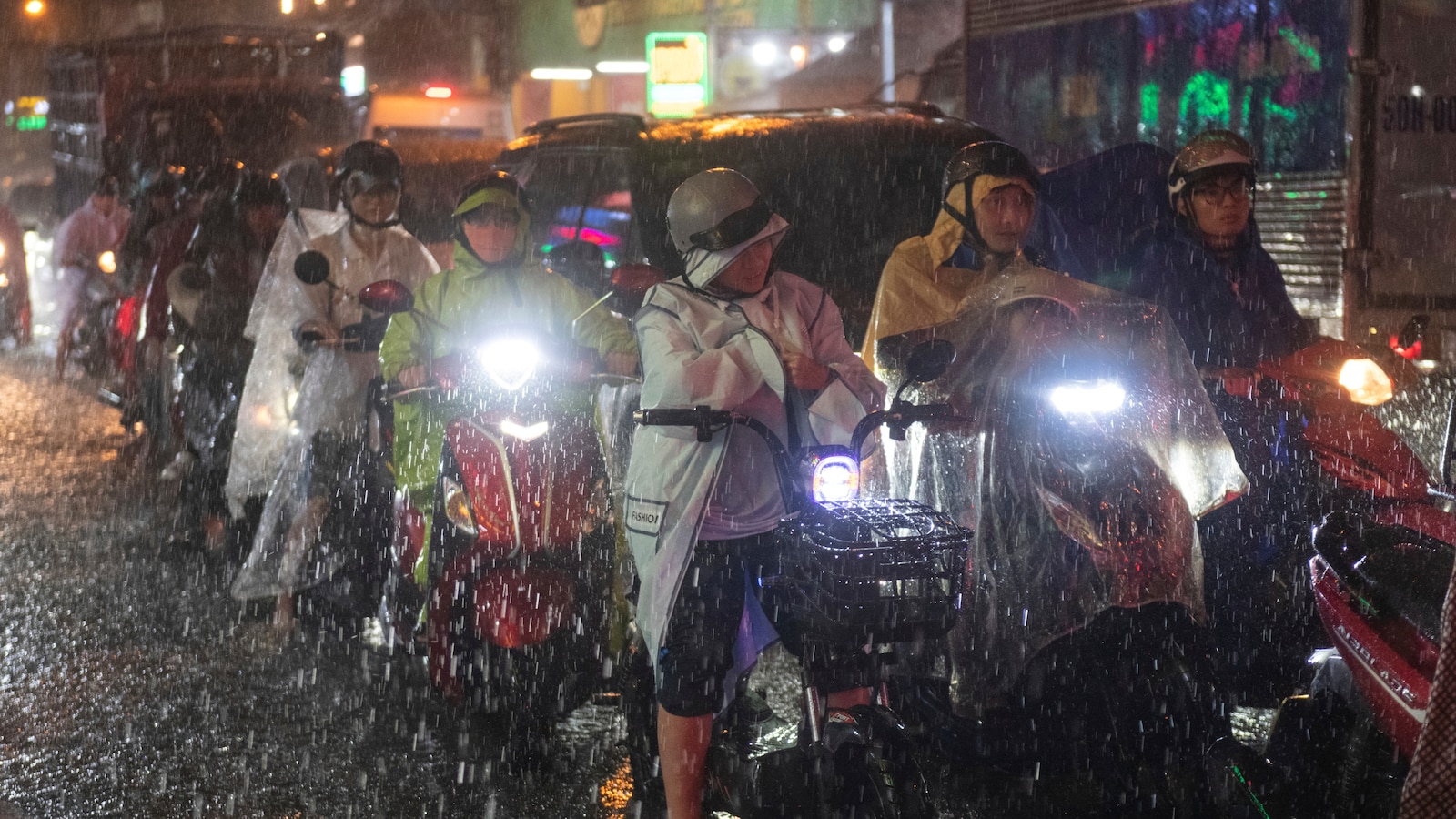
Ho Chi Minh City faces rising flood risk from climate change
Photograph: abc News (embedded from source)
What this story says
- Ho Chi Minh City faces a growing flood risk due to the combination of high tides, heavy rain, climate change, rapid urbanisation, and land subsidence.
- On September 30, heavy rain and high tide caused rivers and smaller waterways to overflow onto city roads.
- Nearly half of the city's land is less than one metre above sea level, making it vulnerable to inundation.
- The city has initiated a $13 billion plan to address 159 flood-prone areas by 2030.
Who covered it
Percentages are shares of the 6 outlets carrying a published leaning rating. 1 of the 7 outlets we know ran this story carry no rating and are not counted in them. Coverage measured .
Trust
56/100
Craft
95/100
Hype
12/100
7 sources · methodology
Thin on the right so far
None of the 6 outlets with a published leaning rating that ran this story are rated right.
This story is still being watched, so it is a count and not yet a finding. Coverage keeps arriving for hours after an event, and a side that has published nothing this morning may publish by tonight. If it is still true when we stop checking, we will say so plainly.
Forecasters issued warnings on September 27 that high tides, combined with heavy rainfall, could elevate flood risks in Ho Chi Minh City. The city experienced this prediction on the evening of September 30 when substantial rain and a high tide caused the Saigon River and other waterways to breach their banks, flooding streets. This event highlights the city's vulnerability, with almost half of its landmass situated less than one metre above sea level.
Benjamin Horton, a professor of earth science at City University of Hong Kong, stated that climate change intensifies flood risks by interacting with rapid urbanisation and land subsidence. He explained that a warming climate leads to rising sea levels and more intense downpours, which can overwhelm drainage systems, particularly in densely populated areas. Groundwater extraction further contributes to the problem by causing the ground to sink. These factors increase the likelihood of homes and businesses being inundated, disrupting transport, damaging infrastructure, and posing public health risks.
In response to these challenges, Ho Chi Minh City launched a $13 billion plan in July aimed at mitigating flooding in 159 identified hotspots by 2030. The city also adopted a climate action plan through 2030 to upgrade drainage systems, expand green spaces, and improve its resilience to extreme weather events. Horton noted that rising sea levels impede drainage, while heavier rainfall increases the volume of water entering the city quickly. In a sinking city, water accumulates and recedes more slowly, leading to more frequent, deeper, and longer-lasting floods.
Coverage comparison
What the coverage left out
None of the left-rated or centre-rated reports mentioned the specific date of July when the city launched its $13 billion flood mitigation plan. The digests from Biz Toc, St Catharines Standard, The Seattle Times, The Independent, and The Independent (US) did not provide specific details on the flood mitigation plan's timeline or the city's climate action plan.
Still developing. We have re-checked which outlets are covering this 1 time, most recently on 1 Oct 2026, 08:30, and will add the sides that appear.
How each side covered it
Our own reading of the reporting listed below, written from the outlets’ articles rather than quoted from them. The reasoning is set out on our methodology page.
Left
5 rated outlets
- The left-rated reports focused on the confluence of factors contributing to Ho Chi Minh City's flood risk. They highlighted warnings issued on September 27 about high tides and heavy rain, and the subsequent flooding on September 30. These reports included details about the city's low elevation, with nearly half of its land less than one metre above sea level. The role of climate change, amplified by rapid urbanisation and land subsidence, was a central theme, with quotes from Benjamin Horton, a professor of earth science. The $13 billion flood mitigation plan and the city's climate action plan were also noted. The reports described residents adapting to the floods, with some raising their homes and street vendors continuing to operate.
Centre
1 rated outlet
- The centre-rated report led with the statement that Ho Chi Minh City has learned to expect floods. It noted that high tides from the Saigon River and smaller waterways regularly inundate roads and businesses. The report attributed this information to the Associated Press.
Right
0 rated outlets
No outlet rated right has run this story so far. We are still checking, and will say plainly if that does not change.
Questions about this coverage
- How did the left and right cover Ho Chi Minh City faces rising flood risk from climate change?
- Of the 6 outlets on this story carrying a published leaning rating, 83% are rated left, 17% are rated centre, 0% are rated right. Those percentages are shares of the rated outlets, not of every outlet that ran it, which was 7. The sections above set out what each side emphasised, in its own terms.
- Is Ho Chi Minh City faces rising flood risk from climate change left or right?
- Too few of the outlets on this story carry a published leaning rating to say. 6 of them do, and this site does not characterise a field under 12: at that size one newsroom filing moves the share by ten points. The percentages above are the count as it stands.
- Is the coverage of Ho Chi Minh City faces rising flood risk from climate change biased?
- Ho Chi Minh City faces rising flood risk from climate change is one event reported by 7 outlets, and this page does not rate the story as biased or unbiased. What it publishes is the spread: which outlets ran it, where named rating organisations place each of them on the spectrum, and what each side chose to lead with. A leaning rating describes an outlet's record over time, not this article, and the two should not be run together.
- Which side is not reporting Ho Chi Minh City faces rising flood risk from climate change?
- When we first saw this story, outlets rated right had barely covered it. Coverage accretes for hours after an event, so that is where to look rather than a verdict — the split above is the current count, and it is the one to read.
- Which outlets covered Ho Chi Minh City faces rising flood risk from climate change?
- 7 that we know of, every one of them listed further up this page with a link to its own report and to what we hold on the publisher. Nothing here is a summary of somebody else's summary: the outlets are named so the original reporting can be read.
- What caused the flooding in Ho Chi Minh City on September 30?
- On the evening of September 30, heavy rain combined with a high tide caused the Saigon River and smaller waterways to overflow onto the city's roads. Forecasters had warned on September 27 that these conditions could increase flood risk.
- Why is Ho Chi Minh City particularly vulnerable to flooding?
- Nearly half of Ho Chi Minh City's land is less than one metre above sea level. This low elevation, combined with rapid urbanisation, land subsidence, and the impacts of climate change such as rising sea levels and heavier rainfall, significantly increases its flood vulnerability.
- What is Ho Chi Minh City doing to address flooding?
- The city has launched a $13 billion plan to tackle 159 flood hotspots by 2030. It has also adopted a climate action plan through 2030 to upgrade drainage systems, expand green spaces, and improve its ability to cope with heavy rain, high tides, and rising sea levels.
Read it at the source
7 outlets, grouped by the leaning a published rating gives them. Every headline links to the original; an underlined outlet name opens our profile of that publisher.
Left
5- Vietnam’s Ho Chi Minh City is learning to live with floods but climate change has raised the stakes (opens St Catharines Standard in a new tab)
St Catharines Standard — is St Catharines Standard biased? Our profile of this outlet
- Vietnam’s Ho Chi Minh City is learning to live with floods but climate change has raised the stakes (opens The Seattle Times in a new tab)
The Seattle Times — is The Seattle Times biased? Our profile of this outlet
- Vietnam's Ho Chi Minh City is learning to live with floods but climate change has raised the stakes (opens The Independent (US) in a new tab)
The Independent (US) — is The Independent (US) biased? Our profile of this outlet
- Vietnam's Ho Chi Minh City is learning to live with floods but climate change has raised the stakes (opens The Independent in a new tab)
The Independent — is The Independent biased? Our profile of this outlet
- Vietnam's Ho Chi Minh City is learning to live with floods but climate change has raised the stakes (opens ABC News in a new tab)
Centre
1Right
0No outlet in this group ran the story.
Not rated
1How did this read?
About the coverage, not about the story. We do not ask whether you agree with what happened — we have no honest use for that answer.
More in Climate
All Climate →

Elsewhere on the site
 Media•3 min readAlan Kohler announces retirement from ABC after 31 years
 Politics•3 min readGarry Kasparov and Ivan Tiutrin warned of assassination risk
 Politics•2 min readEstonia bans transit of Russian and Belarusian grain
 Politics•2 min readJon Stewart questions Democratic midterm success without policy shifts