Microplastics May Be Changing Great Pacific Garbage Patch Color
Satellite data and simulations suggest plastic pollution is altering ocean hues, scientists report.
AI-assisted coverage comparison, editor-supervised · How this was made
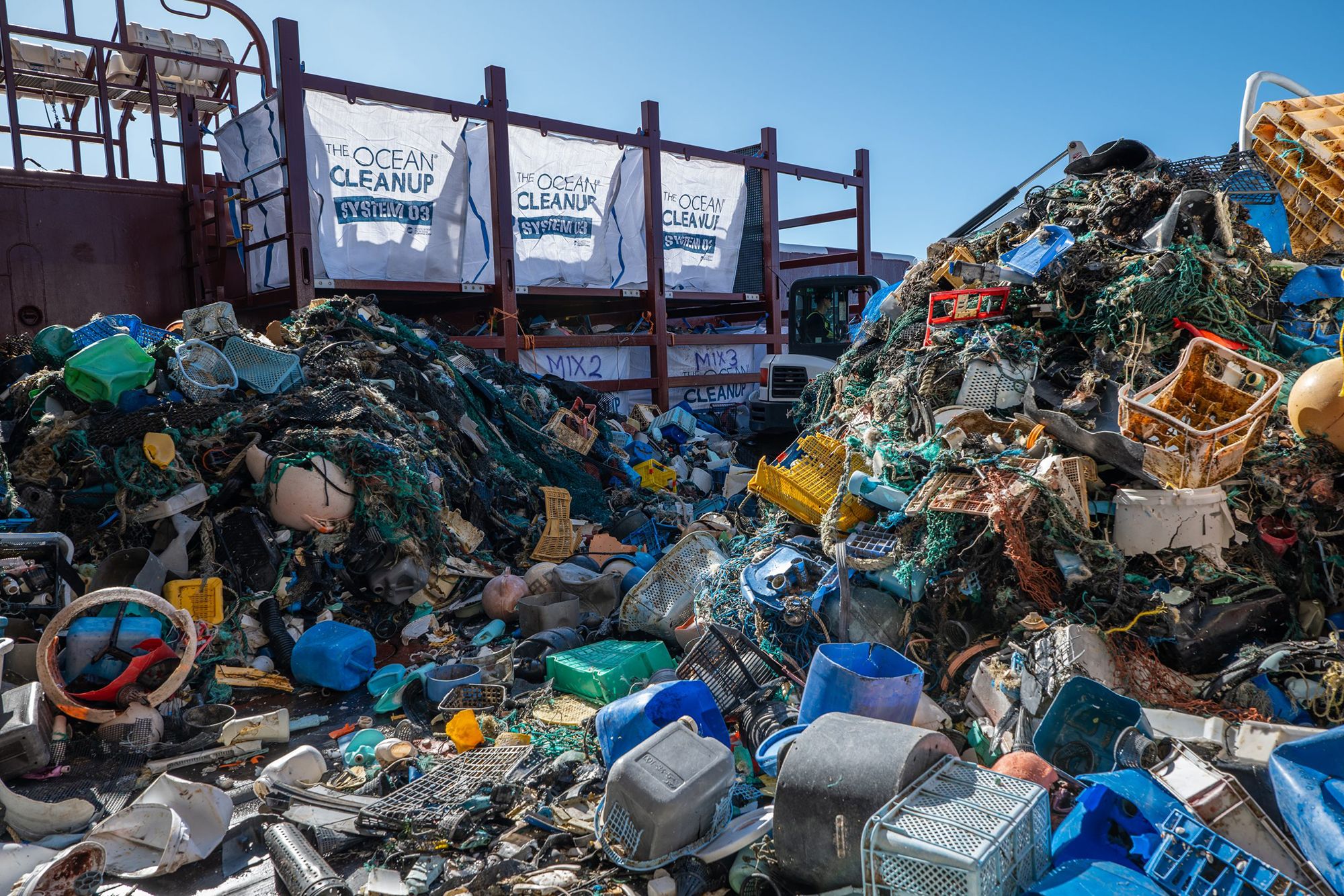
Microplastics May Be Changing Great Pacific Garbage Patch Color
Photograph: KIFI (embedded from source)
What this story says
- The Great Pacific Garbage Patch has become significantly bluer and greener over the past two decades, according to satellite data.
- Scientists from the University of Bergen suggest microplastic pollution may be responsible for the observed color change.
- Simulations indicated that microplastics increase the likelihood of the water appearing cyan, a color detected by satellites.
- Researchers acknowledge that direct measurements within the Garbage Patch are necessary to confirm plastics as the sole cause.
Who covered it
Percentages are shares of the 11 outlets carrying a published leaning rating. Coverage measured .
Trust
60/100
Craft
65/100
Hype
45/100
11 sources · methodology
The water in the Great Pacific Garbage Patch has become noticeably bluer and greener over the last 20 years, as indicated by satellite data analyzed between 2002 and 2022. Scientists from the University of Bergen in Norway conducted a study, published in the journal Communications Earth & Environment, suggesting that microplastic pollution may be altering the ocean's color. The researchers analyzed satellite imagery and ran simulations to understand the phenomenon.
Disagreement on certainty of cause
While the study's findings point to microplastics as a likely cause for the color shift, researchers acknowledge that further direct measurements are needed to definitively prove plastics are the sole reason. The simulations showed that microplastics increase the probability of the water changing to a cyan color, a hue detected by satellites. However, the scientists noted that other factors, such as phytoplankton, could also influence ocean color. Direct measurements in the Garbage Patch are described as a tricky and expensive next step to verify the findings.
What the coverage left out
None of the left-rated digests or full reports mentioned the specific journal where the study was published. The right-rated digest did not mention the journal or the specific researchers involved in the study.
Still developing. We have re-checked which outlets are covering this 3 times, most recently on 6 Nov 2026, 01:30, and will add the sides that appear.
How other outlets pictured it
Which photograph to run is each newsroom’s own choice. The leaning beside a name is that outlet’s published rating, not a claim that the pictures divide along it. Every picture is shown from the outlet’s own server and links to the article it ran in.
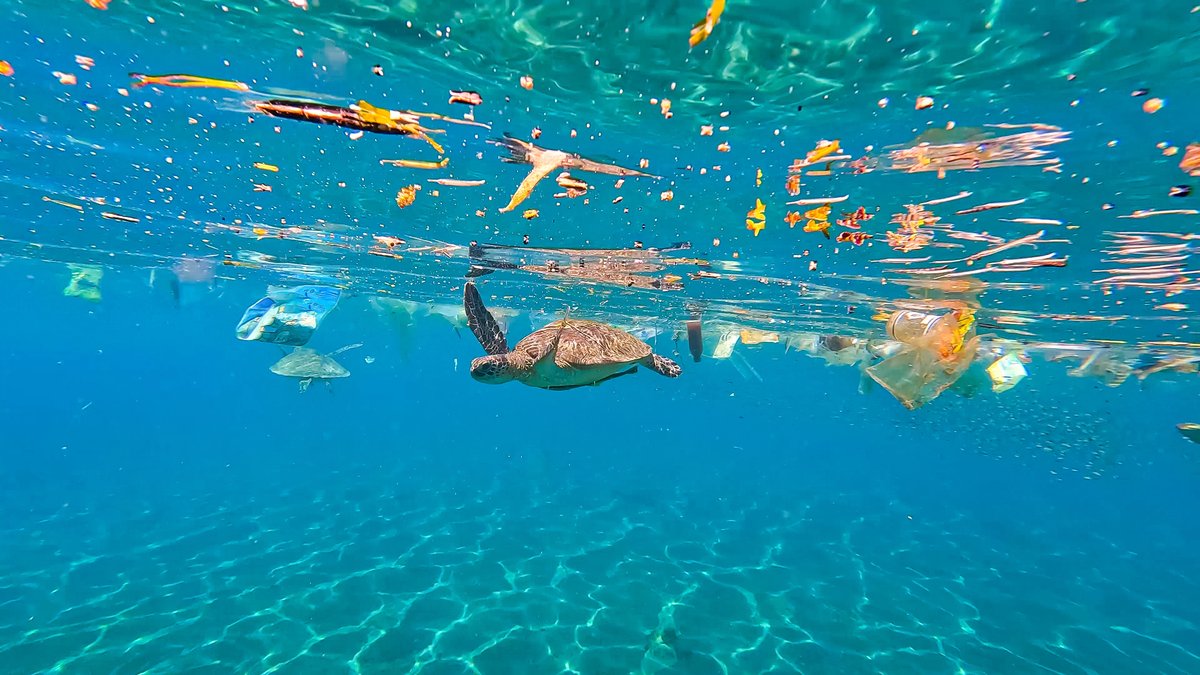
Microplastics May Be Changing Great Pacific Garbage Patch Color
Scientific American — embedded from source
How each side covered it
Our own reading of the reporting listed below, written from the outlets’ articles rather than quoted from them. The reasoning is set out on our methodology page.
Left
3 rated outlets
- Both left-rated reports highlighted the study's suggestion that microplastics are changing the ocean's color. Scientific American stated that the "ocean's blue and green hues near the infamous zone of debris have gotten brighter over the past 20 years, satellite data show." It also quoted a study author saying, "We’re still one step away from proving definitively that microplastics are causing the shift in color that that we’re seeing." NBC News reported that "Microplastics appear to be changing the color of the ocean around the Great Pacific Garbage Patch, new research reveals, a shift satellites can see from space."
Centre
7 rated outlets
- Centre-rated reports focused on the observed color change and the potential link to microplastics. Multiple digests, including those from KIFI, KRDO, KVIA, KEYT, KESQ, KMIZ, and Science Alert, stated that the Great Pacific Garbage Patch has become significantly bluer and greener over two decades, with scientists discovering increasing plastic pollution as a possible reason. KIFI's full report noted that the color of the ocean reflects what is in it, from phytoplankton to marine debris, and that a "gap" existed in research on how microplastics affect ocean color. Science Alert described the garbage patch as a "growing behemoth of humanity's creation."
Right
1 rated outlet
- The single right-rated report, a digest from WPSD Local 6, stated that the Great Pacific Garbage Patch may now have so much plastic that it is changing the color of the ocean. It reported that a wide patch of water between Hawaii and California has been changing color over the past two decades, becoming significantly bluer and greener.
Questions about this coverage
- How did the left and right cover Microplastics May Be Changing Great Pacific Garbage Patch Color?
- Of the 11 outlets on this story carrying a published leaning rating, 27% are rated left, 64% are rated centre, 9% are rated right. Those percentages are shares of the rated outlets, not of every outlet that ran it. The sections above set out what each side emphasised, in its own terms.
- Is Microplastics May Be Changing Great Pacific Garbage Patch Color left or right?
- Too few of the outlets on this story carry a published leaning rating to say. 11 of them do, and this site does not characterise a field under 12: at that size one newsroom filing moves the share by ten points. The percentages above are the count as it stands.
- Is the coverage of Microplastics May Be Changing Great Pacific Garbage Patch Color biased?
- Microplastics May Be Changing Great Pacific Garbage Patch Color is one event reported by 11 outlets, and this page does not rate the story as biased or unbiased. What it publishes is the spread: which outlets ran it, where named rating organisations place each of them on the spectrum, and what each side chose to lead with. A leaning rating describes an outlet's record over time, not this article, and the two should not be run together.
- Which outlets covered Microplastics May Be Changing Great Pacific Garbage Patch Color?
- 11 that we know of, every one of them listed further up this page with a link to its own report and to what we hold on the publisher. Nothing here is a summary of somebody else's summary: the outlets are named so the original reporting can be read.
- What has happened to the Great Pacific Garbage Patch's color?
- Satellite data analyzed between 2002 and 2022 shows that the Great Pacific Garbage Patch has become significantly bluer and greener over the past two decades. This change in hue has been detected from space.
- What is the suspected cause of the color change?
- Scientists from the University of Bergen suggest that microplastic pollution may be responsible for altering the ocean's color. Their simulations indicated that microplastics increase the likelihood of the water appearing cyan, a color observed in satellite data.
- Is it definitively proven that plastics are changing the ocean's color?
- No, researchers acknowledge that further direct measurements within the Garbage Patch are needed to definitively prove that plastics are the sole cause of the color change. While simulations support the hypothesis, other factors could also be involved.
Read it at the source
11 outlets, grouped by the leaning a published rating gives them. Every headline links to the original; an underlined outlet name opens our profile of that publisher.
Left
3- The Great Pacific Garbage Patch may now have so much plastic, it’s changing the color of the ocean (opens CNN in a new tab)
- Microplastics are changing the color of ocean water, study suggests (opens NBC News in a new tab)
- The Great Pacific Garbage Patch is changing the color of the ocean (opens Scientific American in a new tab)
Scientific American — is Scientific American biased? Our profile of this outlet
Centre
7- The Great Pacific Garbage Patch may now have so much plastic, it’s changing the color of the ocean (opens KMIZ in a new tab)
- The Great Pacific Garbage Patch may now have so much plastic, it’s changing the color of the ocean (opens KESQ in a new tab)
- The Great Pacific Garbage Patch may now have so much plastic, it’s changing the color of the ocean (opens KEYT in a new tab)
- The Great Pacific Garbage Patch may now have so much plastic, it’s changing the color of the ocean (opens KVIA in a new tab)
- The Great Pacific Garbage Patch may now have so much plastic, it’s changing the color of the ocean (opens KRDO in a new tab)
- The Great Pacific Garbage Patch may now have so much plastic, it’s changing the color of the ocean (opens KIFI in a new tab)
- The Great Pacific Garbage Patch May Be Changing The Color of The Ocean (opens Science Alert in a new tab)
Science Alert — is Science Alert biased? Our profile of this outlet
Right
1Not rated
0No outlet in this group ran the story.
How did this read?
About the coverage, not about the story. We do not ask whether you agree with what happened — we have no honest use for that answer.