South Dakota Faces Water Shortages as Aquifers Decline
Rising population, drought, and increased use strain the state's water resources.
AI-assisted coverage comparison, editor-supervised · How this was made
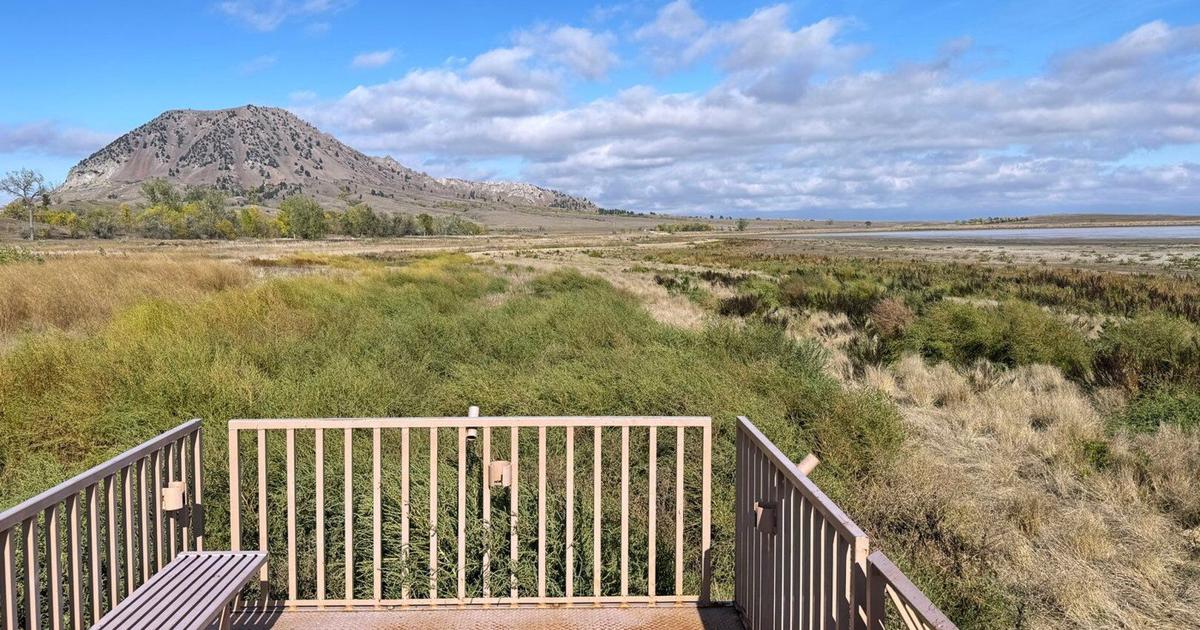
South Dakota Faces Water Shortages as Aquifers Decline
Photograph: The Toronto Star (embedded from source)
What this story says
- South Dakota is facing water shortages driven by population growth, long-term drought, and higher water usage.
- Underground aquifers are not recharging at a sufficient rate to meet current demand.
- Bear Butte State Park's lake is nearly dry, illustrating the severity of the situation.
- Experts warn that the state may reach a point where all available water is in use, requiring new residents or businesses to supply their own water.
Who covered it
Percentages are shares of the 14 outlets carrying a published leaning rating. 1 of the 15 outlets we know ran this story carry no rating and are not counted in them. Coverage measured .
Trust
30/100
Craft
45/100
Hype
20/100
15 sources · methodology
Thin on the right so far
Only 2 of the 14 outlets with a published leaning rating that ran this story are rated right.
This story is still being watched, so it is a count and not yet a finding. Coverage keeps arriving for hours after an event, and a side that has published nothing this morning may publish by tonight. If it is still true when we stop checking, we will say so plainly.
South Dakota is experiencing significant water shortages. The state's water resources are strained by a growing population, a long-term drought, and increased demand from residential, commercial, and agricultural sectors. Geologists and hydrologists are using scientific data to understand these challenges.
A key factor contributing to the shortages is the insufficient rate at which underground aquifers are recharging. This imbalance means that water is being used faster than it can be replenished. The impact is visible in places like Bear Butte State Park, where the lake is reported to be nearly dry.
Disagreement on expert statements
Digests from The Daily Republic and siouxfallslive.com state that the combined effects of rising population, long-range drought, and increased residential, commercial, and agricultural water use are causing water shortages. Digests from The Toronto Star, NiagaraFallsReview.ca, Associated Press News, The Hamilton Spectator, and The Record mention that geologists and hydrologists use scientific charts and graphs to understand water challenges, and that it takes a brief visit to Bear Butte State Park to see the outcome of decreasing water levels. Digests from Newsday, The Independent, The Independent (US), Marietta Daily Journal, Richmond Register, and Winnipeg Free Press state that South Dakota is facing serious water challenges as drought and increased usage strain resources.
What the coverage left out
None of the left-rated, centre-rated, or right-rated digests mention the specific scientific charts and graphs that geologists and hydrologists use to understand water challenges in South Dakota.
Still developing. We have re-checked which outlets are covering this 5 times, most recently on 2 Nov 2026, 23:30, and will add the sides that appear.
How each side covered it
Our own reading of the reporting listed below, written from the outlets’ articles rather than quoted from them. The reasoning is set out on our methodology page.
Left
10 rated outlets
- Left-rated digests highlighted the visible impact of water scarcity, noting that a brief visit to Bear Butte State Park near Sturgis reveals the outcome of decreasing water levels. They also reported that geologists and hydrologists use scientific charts and graphs to understand the increasing water challenges facing South Dakota. Some left-rated digests also mentioned that experts state underground aquifers are not recharging fast enough, causing water shortages, and quoted an expert warning that the state may reach a point where all available water is in use.
Centre
2 rated outlets
- Centre-rated digests reported that South Dakota is facing serious water challenges due to drought and increased usage straining resources. They also noted that geologists and hydrologists use scientific charts and graphs to understand these increasing water challenges.
Right
2 rated outlets
- Right-rated digests focused on the combined effects of multiple factors causing water shortages, specifically mentioning rising population, long-range drought, and increased residential, commercial, and agricultural water use. They also reported that Bear Butte State Park's lake is nearly dry due to these conditions and that experts say underground aquifers are not recharging fast enough.
Questions about this coverage
- How did the left and right cover South Dakota Faces Water Shortages as Aquifers Decline?
- Of the 14 outlets on this story carrying a published leaning rating, 71% are rated left, 15% are rated centre, 14% are rated right. Those percentages are shares of the rated outlets, not of every outlet that ran it, which was 15. The sections above set out what each side emphasised, in its own terms.
- Is South Dakota Faces Water Shortages as Aquifers Decline left or right?
- The story itself is neither. What can be counted is who has covered it, and 71% of the 14 rated outlets on it are rated left — so far this is a story carried mostly by the left. Coverage is still arriving and that can change, which is why the figure is dated rather than fixed.
- Is the coverage of South Dakota Faces Water Shortages as Aquifers Decline biased?
- South Dakota Faces Water Shortages as Aquifers Decline is one event reported by 15 outlets, and this page does not rate the story as biased or unbiased. What it publishes is the spread: which outlets ran it, where named rating organisations place each of them on the spectrum, and what each side chose to lead with. A leaning rating describes an outlet's record over time, not this article, and the two should not be run together.
- Which side is not reporting South Dakota Faces Water Shortages as Aquifers Decline?
- When we first saw this story, outlets rated right had barely covered it. Coverage accretes for hours after an event, so that is where to look rather than a verdict — the split above is the current count, and it is the one to read.
- Which outlets covered South Dakota Faces Water Shortages as Aquifers Decline?
- 15 that we know of, every one of them listed further up this page with a link to its own report and to what we hold on the publisher. Nothing here is a summary of somebody else's summary: the outlets are named so the original reporting can be read.
- What is causing water shortages in South Dakota?
- South Dakota is experiencing water shortages due to a combination of factors. These include a rising population, a long-term drought, and increased water use from residential, commercial, and agricultural activities. Experts also note that underground aquifers are not recharging quickly enough to meet demand.
- What is the state of Bear Butte State Park's lake?
- Bear Butte State Park's lake is reported to be nearly dry. This is a visible indicator of the broader water shortage issues affecting South Dakota, stemming from drought and increased water consumption.
- What do experts predict for South Dakota's water future?
- Experts warn that South Dakota may reach a critical point where all currently available water supplies are in use. If this occurs, any new families or businesses moving to the state would need to provide their own water sources.
Read it at the source
15 outlets, grouped by the leaning a published rating gives them. Every headline links to the original; an underlined outlet name opens our profile of that publisher.
Left
10- Major aquifers in South Dakota in decline, threatening fresh water supplies (opens NiagaraFallsReview.ca in a new tab)
NiagaraFallsReview.ca — is NiagaraFallsReview.ca biased? Our profile of this outlet
- Major aquifers in South Dakota in decline, threatening fresh water supplies (opens The Toronto Star in a new tab)
The Toronto Star — is The Toronto Star biased? Our profile of this outlet
- Major aquifers in South Dakota in decline, threatening fresh water supplies (opens The Independent Online in a new tab)
The Independent Online — is The Independent Online biased? Our profile of this outlet
- Major aquifers in South Dakota in decline, threatening fresh water supplies (opens Richmond Register in a new tab)
Richmond Register — is Richmond Register biased? Our profile of this outlet
- Major aquifers in South Dakota in decline, threatening fresh water supplies (opens The Independent (US) in a new tab)
The Independent (US) — is The Independent (US) biased? Our profile of this outlet
- Major aquifers in South Dakota in decline, threatening fresh water supplies (opens Associated Press News in a new tab)
Associated Press News — is Associated Press News biased? Our profile of this outlet
- Major aquifers in South Dakota in decline, threatening fresh water supplies (opens The Independent in a new tab)
The Independent — is The Independent biased? Our profile of this outlet
- Major aquifers in South Dakota in decline, threatening fresh water supplies (opens The Record in a new tab)
The Record — is The Record biased? Our profile of this outlet
Show 2 more
- Major aquifers in South Dakota in decline, threatening fresh water supplies (opens The Hamilton Spectator in a new tab)
The Hamilton Spectator — is The Hamilton Spectator biased? Our profile of this outlet
- Major aquifers in South Dakota in decline, threatening fresh water supplies (opens South Dakota News Watch in a new tab)
South Dakota News Watch — is South Dakota News Watch biased? Our profile of this outlet
Centre
2Right
2- Major aquifers in South Dakota in decline, threatening fresh water supplies (opens The Daily Republic in a new tab)
The Daily Republic — is The Daily Republic biased? Our profile of this outlet
- Major aquifers in South Dakota in decline, threatening fresh water supplies (opens Marietta Daily Journal in a new tab)
Marietta Daily Journal — is Marietta Daily Journal biased? Our profile of this outlet
Not rated
1How did this read?
About the coverage, not about the story. We do not ask whether you agree with what happened — we have no honest use for that answer.