Amal Khalil killed in Israeli strike: rights groups call it a war crime
Lebanese journalist and colleague were hit in al-Tiri on 22 April 2026, less than a week after a truce began
AI-assisted coverage comparison, editor-supervised · How this was made
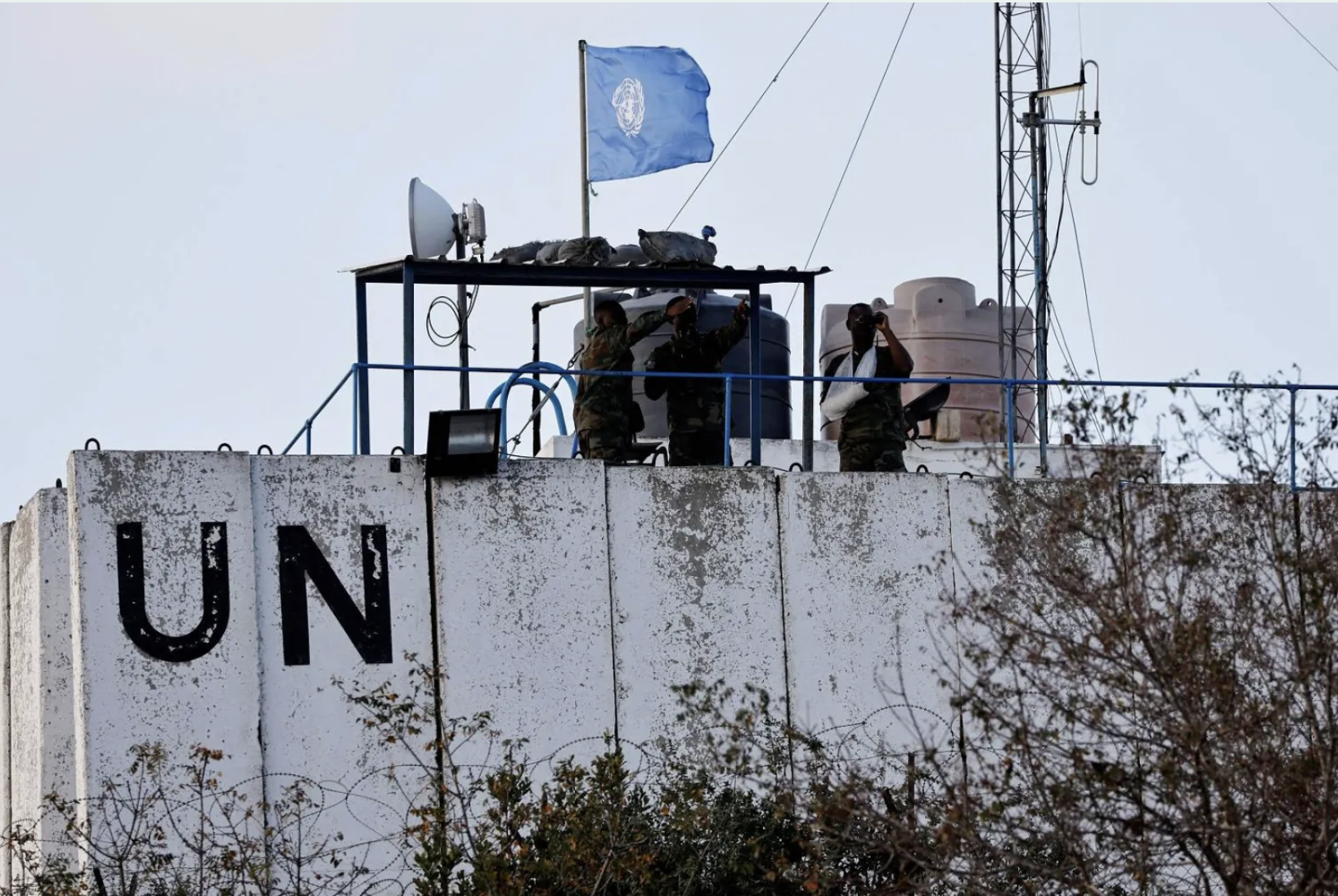
Lebanese journalist Amal Khalil, who works for the daily Al-Akhbar newspaper, reports near a destroyed bridge in Qasmiyeh, Lebanon, Sunday, March 22, 2026. (AP Photo/Mohammed Zaatari, File)
Photograph: Associated Press News (embedded from source)
What this story says
- Amal Khalil, a Lebanese journalist, was killed in an Israeli strike in al-Tiri, southern Lebanon, on 22 April 2026. Her colleague Zeinab Faraj was seriously wounded.
- Human Rights Watch, Amnesty International and the Union of Journalists in Lebanon say the strike was a direct attack on civilians and should be investigated as a war crime.
- The Israeli military says its preliminary inquiry concluded Khalil was killed in strikes aimed at Hezbollah members, not civilians.
- The strike occurred less than a week after a truce between Israel and Hezbollah began on 16 April 2026.
Who covered it
Percentages are shares of the 39 outlets carrying a published leaning rating. 15 of the 54 outlets we know ran this story carry no rating and are not counted in them. Coverage measured .
Trust
85/100
Craft
85/100
Hype
25/100
54 sources · methodology
Missing from the right
Only 10 of the 39 outlets with a published leaning rating that ran this story are rated right.
A reader who follows the right would not have seen this. We report the absence rather than explain it: outlets choose what to cover for many reasons, and we have no evidence about which one applies here.
Amal Khalil, a journalist for the Lebanese newspaper Al-Akhbar, was killed in an Israeli strike in the village of al-Tiri, southern Lebanon, on 22 April 2026. Khalil, 42, was covering the conflict between Israel and Hezbollah. Her colleague, photographer and video journalist Zeinab Faraj, was seriously wounded in the same strike.
The strike occurred less than a week after a truce between Israel and Hezbollah took effect on 16 April 2026. Rights groups, including Human Rights Watch, Amnesty International and the Union of Journalists in Lebanon, say the attack was a direct targeting of civilians and should be investigated as a war crime. They allege Israeli forces obstructed medical workers from reaching Khalil after the strike.
The Israeli military said its preliminary inquiry concluded Khalil was killed in a series of strikes aimed at Hezbollah members. It said the investigation would be sent to its legal branch for review once completed.
How the strike unfolded, according to rights groups
Human Rights Watch, Amnesty International and the Union of Journalists in Lebanon say an initial Israeli strike killed two people in a car driving in front of Khalil and Faraj. The two journalists pulled over and took refuge in a nearby building. A second strike hit their car, lightly wounding them. A third strike hit the building where they had taken shelter, killing Khalil and seriously wounding Faraj.
The groups say Israeli drones were flying low over the area for nearly two hours before the third strike. They say Israeli forces should have known Khalil and Faraj were civilians and journalists. Lebanese Red Cross paramedics were eventually allowed to enter the scene but say they were fired at by Israeli troops when they tried to reach Khalil, who was buried under rubble. Khalil remained alive for several hours before succumbing to her wounds.
What the coverage left out
None of the right-rated digests mention the Israeli military’s statement that its preliminary inquiry concluded Khalil was killed in strikes aimed at Hezbollah members. None of the centre-rated digests mention that Khalil remained alive for hours after the strike, a detail included in the Associated Press report.
“Khalil was likely alive when paramedics were forced away.”
11
journalists killed in Israeli strikes in Lebanon since 2023, as reported by the Associated Press
Includes Amal Khalil and Reuters journalist Issam Abdallah
Coverage settled. We checked this 10 times and stopped on 11 Aug 2026, 19:45. The figures above are what it finished at.
How other outlets pictured it
Which photograph to run is each newsroom’s own choice. The leaning beside a name is that outlet’s published rating, not a claim that the pictures divide along it. Every picture is shown from the outlet’s own server and links to the article it ran in.
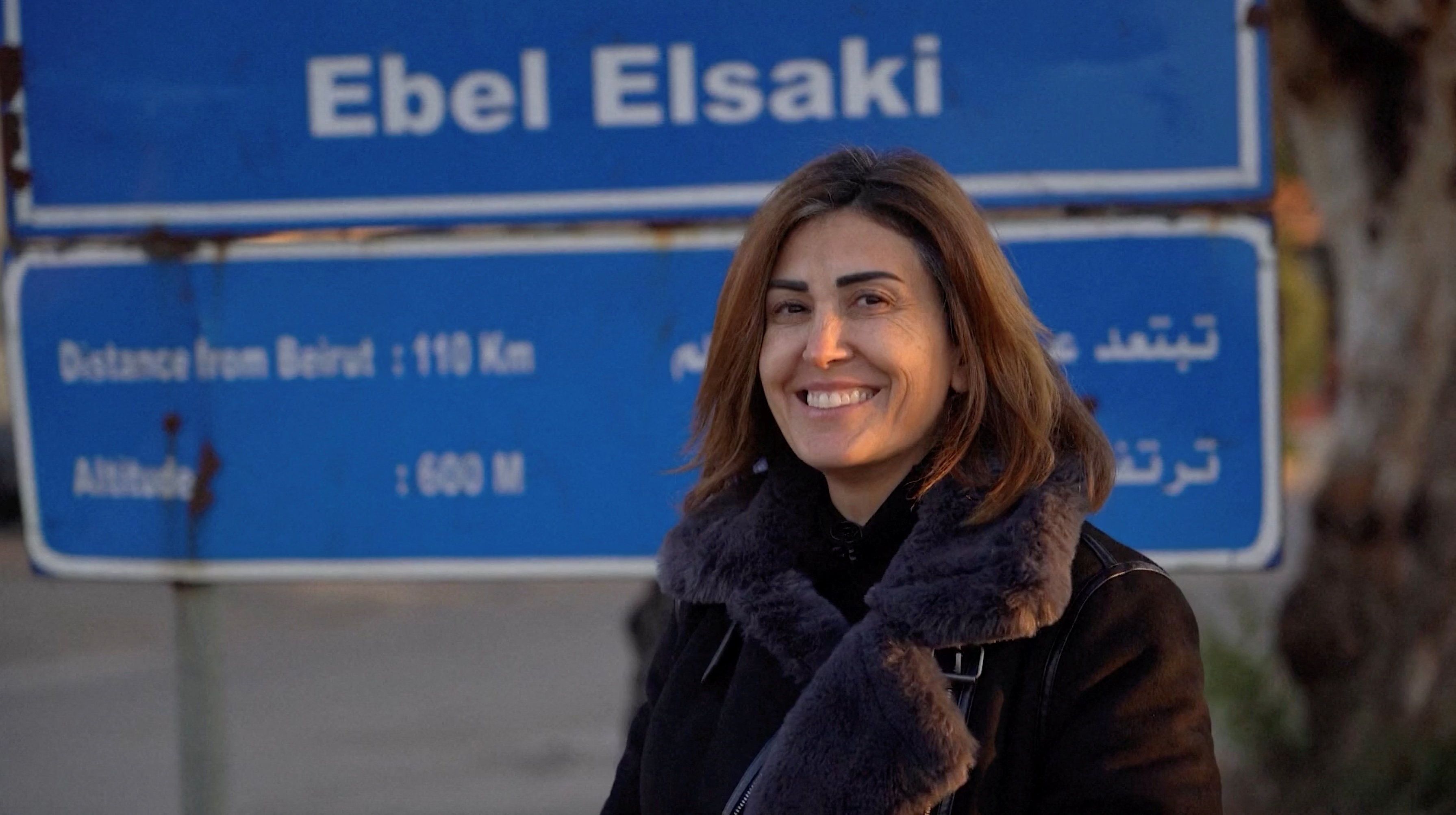
Journalist Amal Khalil, who was killed in an Israeli strike, stands in front of a sign. (Photo: Reuters/Al-Akhbar)
Committee to Protect Journalists — embedded from source
Amal Khalil, a veteran correspondent for the newspaper Al-Akhbar, in the southern Lebanese border village of Jebbayn in 2024. (Supplied)
ABC Australia — embedded from source
How each side covered it
Our own reading of the reporting listed below, written from the outlets’ articles rather than quoted from them. The reasoning is set out on our methodology page.
Left
20 rated outlets
- All 11 left-rated digests below led on the accusation that Israel deliberately targeted Khalil. The Associated Press report, printed in full, said rights groups accused Israel of "intentionally targeting and killing" Khalil and obstructing medical workers. It quoted Amnesty Lebanon Researcher Sahar Mandour saying the strikes "are considered direct attacks on civilians, which are considered war crimes".
- The Associated Press report also carried the Israeli military’s statement that its strikes were aimed at Hezbollah members. It included the detail that Khalil remained alive for hours after the strike, citing Human Rights Watch’s Lebanon Researcher Ramzi Kaiss saying, "Khalil was likely alive when paramedics were forced away."
Centre
9 rated outlets
- All five centre-rated digests below led on the finding that the strike should be investigated as a war crime. The Committee to Protect Journalists report, printed in full, said Amnesty International concluded the strike was a "direct attack on civilians" and that Israeli forces knew or should have known Khalil and Faraj were journalists. It quoted CPJ Regional Director Sara Qudah saying, "Amal’s killing can’t be allowed to become yet another unresolved case of a journalist killed by Israeli forces with complete impunity."
- The Committee to Protect Journalists report also listed other journalists killed by Israeli forces in Lebanon since October 2023, including Reuters journalist Issam Abdallah and Al Mayadeen correspondents Farah Omar and Rabih al-Maamari. It said no accountability had been achieved in any of these cases.
Right
10 rated outlets
- All nine right-rated digests report that human rights groups called the Israeli strike that killed Lebanese journalist Amal Khalil on 22 April 2026 a war crime. They name Human Rights Watch, Amnesty International and Legal Agenda as the organisations making the accusation. The digests note that a second journalist, Zeinab Faraj, was injured in the same attack in Al-Tiri.
- Seven of the nine digests include Israel’s response: the military reviewed the incident and expressed regret. None of the digests mention the journalists’ employer, Al-Akhbar, or the age of the victim. The digests do not quote eyewitnesses or local officials.
- The digests lead on the war-crime accusation rather than the Israeli statement. They describe the attack as deliberate or intentional, using those words in six of the nine accounts.
Questions about this coverage
- How did the left and right cover Amal Khalil killed in Israeli strike: rights groups call it a war crime?
- Of the 39 outlets on this story carrying a published leaning rating, 51% are rated left, 23% are rated centre, 26% are rated right. Those percentages are shares of the rated outlets, not of every outlet that ran it, which was 54. The sections above set out what each side emphasised, in its own terms.
- Is Amal Khalil killed in Israeli strike: rights groups call it a war crime left or right?
- Neither side dominates it. Of the 39 rated outlets on this story, 51% are rated left, 23% are rated centre, 26% are rated right, and no side holds the 70% this site would want before calling a field one-sided. A story is not left or right in any case; the outlets that carried it are what carry ratings.
- Is the coverage of Amal Khalil killed in Israeli strike: rights groups call it a war crime biased?
- Amal Khalil killed in Israeli strike: rights groups call it a war crime is one event reported by 54 outlets, and this page does not rate the story as biased or unbiased. What it publishes is the spread: which outlets ran it, where named rating organisations place each of them on the spectrum, and what each side chose to lead with. A leaning rating describes an outlet's record over time, not this article, and the two should not be run together.
- Which side is not reporting Amal Khalil killed in Israeli strike: rights groups call it a war crime?
- When we first saw this story, outlets rated right had barely covered it. Coverage accretes for hours after an event, so that is where to look rather than a verdict — the split above is the current count, and it is the one to read.
- Which outlets covered Amal Khalil killed in Israeli strike: rights groups call it a war crime?
- 54 that we know of, every one of them listed further up this page with a link to its own report and to what we hold on the publisher. Nothing here is a summary of somebody else's summary: the outlets are named so the original reporting can be read.
- Who was Amal Khalil?
- Amal Khalil was a 42-year-old Lebanese journalist for the newspaper Al-Akhbar. She was killed in an Israeli strike in al-Tiri, southern Lebanon, on 22 April 2026 while covering the conflict between Israel and Hezbollah. Rights groups say the strike was a deliberate attack on civilians.
- What do rights groups say about the strike?
- Human Rights Watch, Amnesty International and the Union of Journalists in Lebanon say the Israeli strike that killed Amal Khalil and wounded her colleague Zeinab Faraj was a direct attack on civilians and should be investigated as a war crime. They allege Israeli forces obstructed medical workers from reaching Khalil.
- What does the Israeli military say about the strike?
- The Israeli military says its preliminary inquiry concluded Khalil was killed in a series of strikes aimed at Hezbollah members. It said the investigation would be sent to its legal branch for review once completed. Israel has previously denied targeting journalists.
- When did the strike occur?
- The strike occurred on 22 April 2026, less than a week after a truce between Israel and Hezbollah took effect on 16 April 2026. Rights groups say the timing raises questions about the intent behind the attack.
Read it at the source
54 outlets, grouped by the leaning a published rating gives them. Every headline links to the original; an underlined outlet name opens our profile of that publisher.
Left
20- Human Rights Groups Accuse Israel of a Possible “War Crime” for the Death of Lebanese Journalist Amal Khalil (opens El Pais in a new tab)
- Rights Groups: Israel’s Killing of Journalist Amal Khalil ‘Must Be Investigated as a War Crime’ (opens Common Dreams in a new tab)
Common Dreams — is Common Dreams biased? Our profile of this outlet
- Rights groups decry Israeli killing of Lebanese journalist as ‘war crime’ (opens The Hindu in a new tab)
- Death of Journalist Amal Khalil in Lebanon: NGOs Accuse Israel of "War Crime" (opens Mediapart in a new tab)
- Attacks on Journalists in Lebanon: Human Rights Groups Accuse Israel of War Crimes (opens der Standard AT in a new tab)
der Standard AT — is der Standard AT biased? Our profile of this outlet
- Rights groups accuse Israel of targeting and killing Lebanese journalist Amal Khalil (opens Los Angeles Times in a new tab)
Los Angeles Times — is Los Angeles Times biased? Our profile of this outlet
- Rights groups accuse Israel of targeting and killing Lebanese journalist Amal Khalil (opens Stuff in a new tab)
- Rights groups accuse Israel of targeting and killing Lebanese journalist Amal Khalil (opens The Toronto Star in a new tab)
The Toronto Star — is The Toronto Star biased? Our profile of this outlet
Show 12 more
- Rights groups accuse Israel of targeting and killing Lebanese journalist Amal Khalil (opens The Seattle Times in a new tab)
The Seattle Times — is The Seattle Times biased? Our profile of this outlet
- Rights groups accuse Israel of targeting and killing Lebanese journalist Amal Khalil (opens Associated Press News in a new tab)
Associated Press News — is Associated Press News biased? Our profile of this outlet
- Rights groups accuse Israel of targeting and killing Lebanese journalist Amal Khalil (opens The Independent in a new tab)
The Independent — is The Independent biased? Our profile of this outlet
- NGOs Accuse Israel of "War Crime" After Lebanese Journalist's Death (opens TVA Nouvelles in a new tab)
TVA Nouvelles — is TVA Nouvelles biased? Our profile of this outlet
- Israel accused of targeting journalists in deadly series of strikes (opens ABC Australia in a new tab)
ABC Australia — is ABC Australia biased? Our profile of this outlet
- NGOs: Death of Lebanese Journalist in Israeli Attack Must Be Investigated as a War Crime (opens NRC Handelsblad in a new tab)
NRC Handelsblad — is NRC Handelsblad biased? Our profile of this outletOpinion
- Rights groups accuse Israel of targeting and killing Lebanese journalist Amal Khalil (opens The Record in a new tab)
The Record — is The Record biased? Our profile of this outlet
- Death of Amal Khalil, Journalist Killed by the Israeli Army in Southern Lebanon: Amnesty International and Human Rights Watch Demand War Crime Investigation (opens Le Monde in a new tab)
- Amnesty: Israeli strike that killed journalist Amal Khalil should be investigated as war crime (opens L'Orient-Le Jour in a new tab)
L'Orient-Le Jour — is L'Orient-Le Jour biased? Our profile of this outlet
- NGOs: Death of Lebanese Journalist Appears to Be an Israeli War Crime (opens Trouw in a new tab)
- Lebanon: Deadly Israeli attack on journalist Amal Khalil must be investigated as a war crime (opens Amnesty International in a new tab)
Amnesty International — is Amnesty International biased? Our profile of this outletOpinion
- Lebanon: Israel’s Killing of Journalist an Apparent War Crime (opens Human Rights Watch in a new tab)
Human Rights Watch — is Human Rights Watch biased? Our profile of this outlet
Centre
9- Rights groups accuse Israel of targeting and killing Lebanese journalist Amal Khalil (opens CTV News in a new tab)
- Rights groups accuse Israel of targeting and killing Lebanese journalist Amal Khalil (opens The Record in a new tab)
The Record
- Rights groups say Israeli attack that killed Lebanese journalist an apparent war crime (opens BBC News in a new tab)
- Rights groups accuse Israel of targeting and killing Lebanese journalist Amal Khalil (opens Washington Top News in a new tab)
Washington Top News — is Washington Top News biased? Our profile of this outlet
- Lebanese journalist deliberately targeted by Israeli attack, probe reveals (opens France24 in a new tab)
- Middle East War: NGOs Accuse Israel of "War Crime" After Lebanese Journalist's Death (opens Sud Ouest in a new tab)
- CPJ renews accountability calls in the killing of Lebanese journalist Amal Khalil after Amnesty International probe (opens Committee to Protect Journalists in a new tab)
- Rights groups say Israeli strike that killed Lebanese journalist was a war crime (opens TRT World in a new tab)
Right
10- Israeli Bombing that Killed Journalist in Lebanon Is a "War Crime", Three NGOs Denounce (opens Protothema in a new tab)
Protothema — is Protothema biased? Our profile of this outlet
- Death of Lebanese Journalist Appears to Be an Israeli War Crime, Human Rights Organizations Say (opens NOS in a new tab)
- NGOs Accuse Israel of "War Crime" After Lebanese Journalist's Death (opens Le Journal de Montreal in a new tab)
Le Journal de Montreal — is Le Journal de Montreal biased? Our profile of this outlet
- Israel Lawsuits for Å Ha Drept Libanesisk Journalist Med Vilje (opens Aftenposten in a new tab)
Aftenposten — is Aftenposten biased? Our profile of this outlet
- Human Rights Organizations Accuse Israel of War Crimes (opens n-tv in a new tab)
- Israel deliberately targeted and killed Lebanese journalist Amal Khalil, rights groups say (opens Irish Independent in a new tab)
Irish Independent — is Irish Independent biased? Our profile of this outlet
- Human Rights Groups Accuse Israel of "War Crimes" in Lebanon (opens Die Presse in a new tab)
Die Presse — is Die Presse biased? Our profile of this outlet
- Human rights groups affirm Israeli killing of journalist was intentional and is a war crime (opens Al Bawaba in a new tab)
Not rated
15- Israel: NGOs Report War Crime in Reporter's Death (opens Folha de S.Paulo in a new tab)
Folha de S.Paulo — is Folha de S.Paulo biased? Our profile of this outlet
- New Investigation Concludes that the Death of Journalist Amal Khalil Must Be Investigated as a War Crime (opens VilaWeb.cat in a new tab)
VilaWeb.cat — is VilaWeb.cat biased? Our profile of this outlet
- She Was Still Alive for Several Hours After the Attack. Human Rights Organizations Blame Israel for the Attack on the Lebanese Journalist (opens Hospodárske Noviny in a new tab)
Hospodárske Noviny — is Hospodárske Noviny biased? Our profile of this outlet
- Communication. HRW and Amnesty: "Israel" Committed War Crime Against Amal Khalil - Latin American Summary (opens resumenlatinoamericano.org in a new tab)
resumenlatinoamericano.org — is resumenlatinoamericano.org biased? Our profile of this outlet
- Rights Groups: Israeli Strike That Killed Journalist In Lebanon Was War Crime - South Asian Daily (opens - South Asian Daily where south asians meet daily in a new tab)
- NGOs Accuse Israel of "War Crime" After Lebanese Journalist's Death (opens Le Journal de Quebec in a new tab)
Le Journal de Quebec — is Le Journal de Quebec biased? Our profile of this outlet
- Israel Lawsuits for Å Ha Drept Libanesisk Journalist Med Vilje (opens Nettavisen in a new tab)
Nettavisen — is Nettavisen biased? Our profile of this outlet
- Death of Lebanese Journalist Amal Khalil: Autopsy of a War Crime Committed by Israel (opens L'Humanité in a new tab)
L'Humanité — is L'Humanité biased? Our profile of this outlet
Show 7 more
- Rights Groups Accuse Israel of Killing Lebanese Journalist (opens Independent Español in a new tab)
Independent Español — is Independent Español biased? Our profile of this outlet
- Journalist Killed: NGOs Accuse Israel of War Crimes (opens ORF.at News in a new tab)
ORF.at News — is ORF.at News biased? Our profile of this outlet
- Investigation Into the Israeli Attack that Cost the Life of Journalist Amal Khalil (opens amnesty.be in a new tab)
amnesty.be — is amnesty.be biased? Our profile of this outlet
- Israel’s Killing of Journalist an Apparent War Crime (opens If Americans Knew Blog in a new tab)
If Americans Knew Blog — is If Americans Knew Blog biased? Our profile of this outlet
- NGOs Accuse Israel of "War Crime" After Lebanese Journalist's Death (opens 24 heures in a new tab)
- Human Rights Watch calls Israeli strike that killed Lebanese journalist Amal Khalil a war crime (opens Legit.ng in a new tab)
- HRW Accuses Israel of War Crime for Attacking Journalists in Lebanon (opens Noticias ao Minuto in a new tab)
Noticias ao Minuto — is Noticias ao Minuto biased? Our profile of this outlet
How did this read?
About the coverage, not about the story. We do not ask whether you agree with what happened — we have no honest use for that answer.