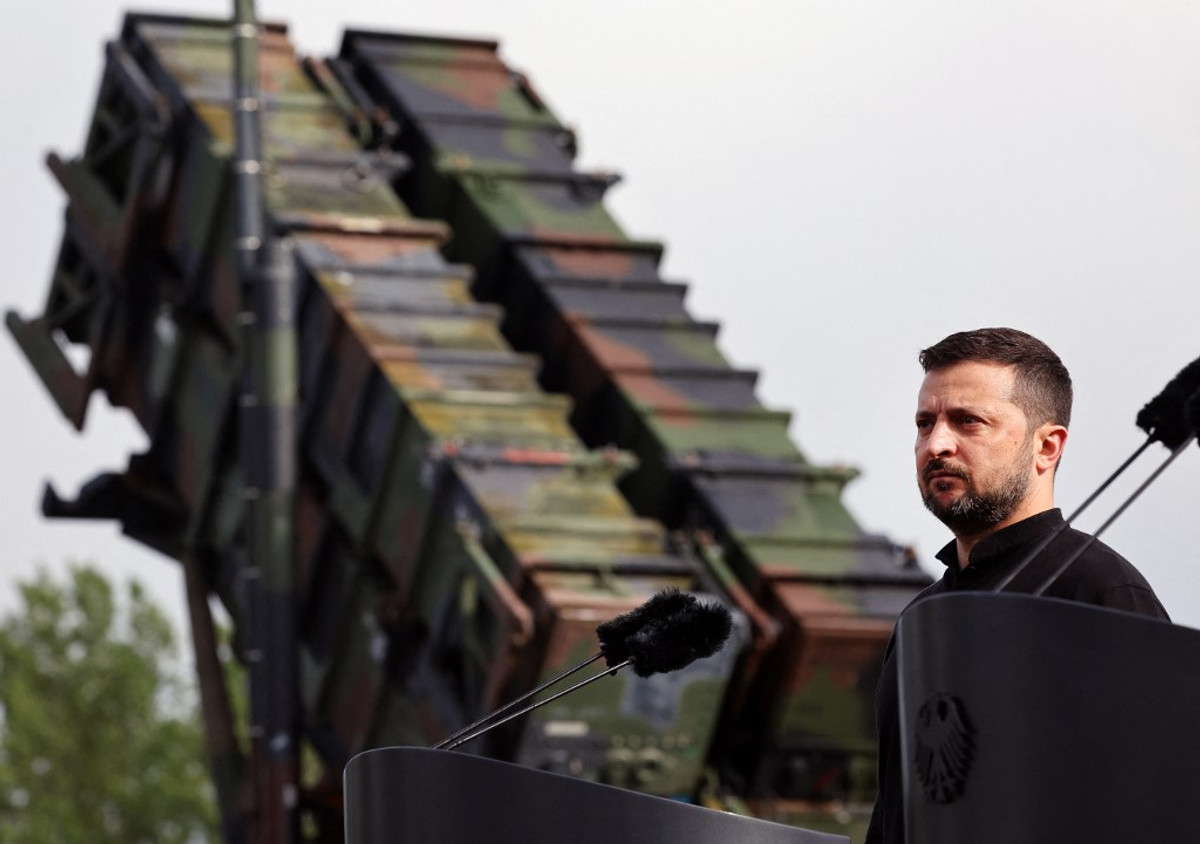
Drone warfare innovation forces NATO to rethink military procurement
The rapid pace of battlefield technology development in Ukraine is outpacing traditional acquisition methods.
AI-assisted coverage comparison, editor-supervised · How this was made
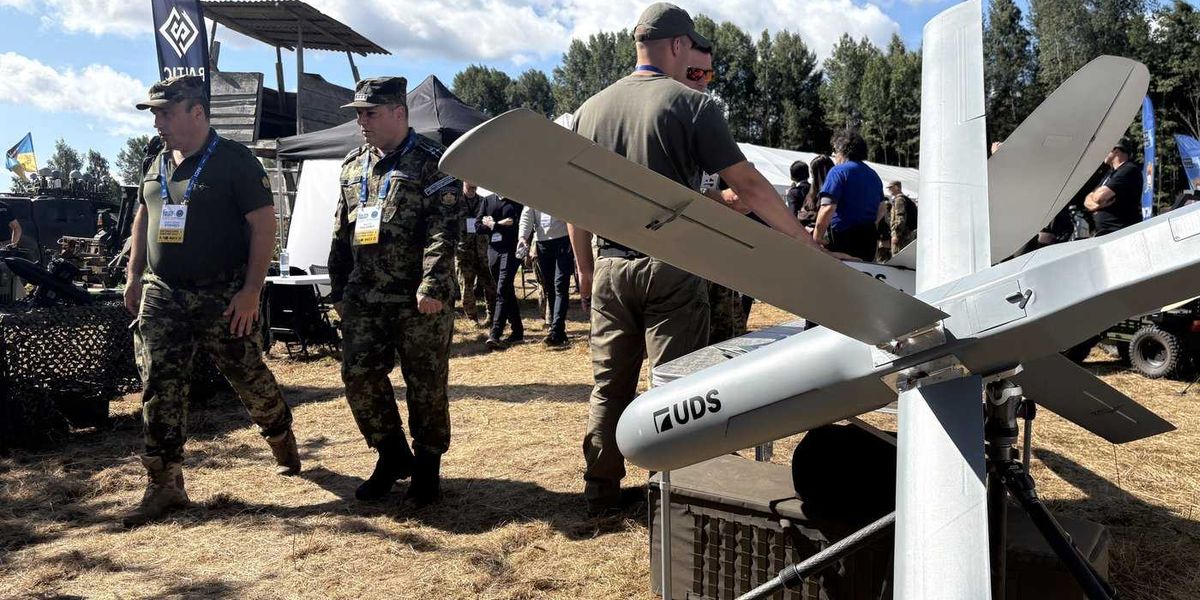
Drone warfare innovation forces NATO to rethink military procurement
Photograph: Narcity (embedded from source)
What this story says
- Opposing forces develop countermeasures to new battlefield technology in Ukraine within an average of six weeks.
- The rapid evolution of drone and robotics warfare is prompting NATO and its member states to reconsider military equipment acquisition.
- The pace of technological advancement in warfare is challenging the capacity of international law to keep pace.
- No right-rated outlets reported on this story.
Who covered it
Percentages are shares of the 18 outlets carrying a published leaning rating. Coverage measured .
Trust
42/100
Craft
57/100
Hype
41/100
18 sources · methodology
Thin on the right so far
None of the 18 outlets with a published leaning rating that ran this story are rated right.
This story is still being watched, so it is a count and not yet a finding. Coverage keeps arriving for hours after an event, and a side that has published nothing this morning may publish by tonight. If it is still true when we stop checking, we will say so plainly.
New military technology deployed on the battlefield in Ukraine is being countered by opposing forces within an average of six weeks. This rapid pace of innovation, largely driven by advancements in drones and robotics, is compelling NATO and its member countries to reassess their methods for acquiring military equipment. The swift development of these technologies also raises questions about whether existing international law can adequately address the realities of modern warfare.
Coverage
What the coverage left out
None of the left-rated or centre-rated digests mentioned the specific source of the information, such as 'The Canadian Press witnessed this technological race first-hand' as noted in one digest. No right-rated outlet ran this story at all.
Still developing. We have re-checked which outlets are covering this 2 times, most recently on 25 Oct 2026, 18:15, and will add the sides that appear.
How each side covered it
Our own reading of the reporting listed below, written from the outlets’ articles rather than quoted from them. The reasoning is set out on our methodology page.
Left
14 rated outlets
- The left-rated reports focused on the speed at which countermeasures are developed, stating it takes an average of six weeks for opposing forces to adapt to new technology deployed in Ukraine. These reports also highlighted that this rapid innovation, driven by drones and robotics, is forcing NATO and its member countries to rethink their military equipment acquisition strategies. The challenge to international law posed by modern warfare was also noted.
Centre
4 rated outlets
- The centre-rated reports highlighted the average six-week timeframe for developing countermeasures to new battlefield technology in Ukraine. They also noted that the rapid pace of innovation, particularly from drones and robotics, is prompting NATO and its member countries to reconsider how they procure military equipment. The reports also touched upon the implications for international law in the context of modern warfare.
Right
0 rated outlets
No outlet rated right has run this story so far. We are still checking, and will say plainly if that does not change.
Questions about this coverage
- How did the left and right cover Drone warfare innovation forces NATO to rethink military procurement?
- Of the 18 outlets on this story carrying a published leaning rating, 78% are rated left, 22% are rated centre, 0% are rated right. Those percentages are shares of the rated outlets, not of every outlet that ran it. The sections above set out what each side emphasised, in its own terms.
- Is Drone warfare innovation forces NATO to rethink military procurement left or right?
- The story itself is neither. What can be counted is who has covered it, and 78% of the 18 rated outlets on it are rated left — so far this is a story carried mostly by the left. Coverage is still arriving and that can change, which is why the figure is dated rather than fixed.
- Is the coverage of Drone warfare innovation forces NATO to rethink military procurement biased?
- Drone warfare innovation forces NATO to rethink military procurement is one event reported by 18 outlets, and this page does not rate the story as biased or unbiased. What it publishes is the spread: which outlets ran it, where named rating organisations place each of them on the spectrum, and what each side chose to lead with. A leaning rating describes an outlet's record over time, not this article, and the two should not be run together.
- Which side is not reporting Drone warfare innovation forces NATO to rethink military procurement?
- When we first saw this story, outlets rated right had barely covered it. Coverage accretes for hours after an event, so that is where to look rather than a verdict — the split above is the current count, and it is the one to read.
- Which outlets covered Drone warfare innovation forces NATO to rethink military procurement?
- 18 that we know of, every one of them listed further up this page with a link to its own report and to what we hold on the publisher. Nothing here is a summary of somebody else's summary: the outlets are named so the original reporting can be read.
- How quickly are countermeasures developed for new military technology in Ukraine?
- Opposing forces develop countermeasures to new technology deployed on the battlefield in Ukraine within an average of six weeks. This rapid pace is a direct result of ongoing innovation, particularly in drone and robotics warfare.
- How is drone warfare affecting NATO?
- The rapid evolution of drone and robotics warfare is forcing NATO and its member countries to rethink their traditional methods of acquiring military equipment. The speed of innovation challenges existing procurement processes.
- What are the legal implications of modern warfare technology?
- The rapid pace of innovation in military technology, especially in areas like drones and robotics, is raising questions about whether international law can keep up with the realities of modern warfare.
Read it at the source
18 outlets, grouped by the leaning a published rating gives them. Every headline links to the original; an underlined outlet name opens our profile of that publisher.
Left
14- Drone warfare is evolving faster than armies can adapt, experts warn (opens The Lethbridge Herald in a new tab)
The Lethbridge Herald — is The Lethbridge Herald biased? Our profile of this outlet
- Drone warfare is evolving faster than armies can adapt, experts warn (opens flamboroughtoday.com in a new tab)
flamboroughtoday.com — is flamboroughtoday.com biased? Our profile of this outlet
- Drone warfare is evolving faster than armies can adapt, experts warn (opens Timmins Today in a new tab)
Timmins Today — is Timmins Today biased? Our profile of this outlet
- Drone warfare is evolving faster than armies can adapt, experts warn (opens CambridgeToday.ca in a new tab)
CambridgeToday.ca — is CambridgeToday.ca biased? Our profile of this outlet
- Drone warfare is evolving faster than armies can adapt, experts warn (opens Guelph Today in a new tab)
Guelph Today — is Guelph Today biased? Our profile of this outlet
- Drone warfare is evolving faster than armies can adapt, experts warn (opens Bay Today in a new tab)
- Drone warfare is evolving faster than armies can adapt, experts warn (opens Elora Fergus Today in a new tab)
Elora Fergus Today — is Elora Fergus Today biased? Our profile of this outlet
- Drone warfare is evolving faster than armies can adapt, experts warn (opens Newmarket Today in a new tab)
Newmarket Today — is Newmarket Today biased? Our profile of this outlet
Show 6 more
- Drone warfare is evolving faster than armies can adapt, experts warn (opens Midland Today in a new tab)
Midland Today — is Midland Today biased? Our profile of this outlet
- Drone warfare is evolving faster than armies can adapt, experts warn (opens Orillia Matters in a new tab)
Orillia Matters — is Orillia Matters biased? Our profile of this outlet
- Drone warfare is evolving faster than armies can adapt, experts warn (opens SooToday.com in a new tab)
SooToday.com — is SooToday.com biased? Our profile of this outlet
- Drone warfare is evolving faster than armies can adapt, experts warn (opens Rocky Mountain Outlook in a new tab)
Rocky Mountain Outlook — is Rocky Mountain Outlook biased? Our profile of this outlet
- Drone warfare is evolving faster than armies can adapt, experts warn (opens The Toronto Star in a new tab)
The Toronto Star — is The Toronto Star biased? Our profile of this outlet
- Drone warfare is evolving faster than armies can adapt, experts warn (opens The Hamilton Spectator in a new tab)
The Hamilton Spectator — is The Hamilton Spectator biased? Our profile of this outlet
Centre
4- Drone warfare is evolving faster than armies can adapt, experts warn (opens Narcity in a new tab)
- Drone warfare is evolving faster than armies can adapt, experts warn (opens Ckpg Today in a new tab)
Ckpg Today — is Ckpg Today biased? Our profile of this outlet
- Drone warfare is evolving faster than armies can adapt, experts warn (opens Battlefords NOW in a new tab)
Battlefords NOW — is Battlefords NOW biased? Our profile of this outlet
- Drone warfare is evolving faster than armies can adapt, experts warn (opens Winnipeg Free Press in a new tab)
Winnipeg Free Press — is Winnipeg Free Press biased? Our profile of this outlet
Right
0No outlet in this group ran the story.
Not rated
0No outlet in this group ran the story.
How did this read?
About the coverage, not about the story. We do not ask whether you agree with what happened — we have no honest use for that answer.