Europe Security Architecture Overhaul Pushed by US, Russia
Politico outlines five scenarios for a post-war European security framework, with input from officials and experts.
AI-assisted coverage comparison, editor-supervised · How this was made
Europe Security Architecture Overhaul Pushed by US, Russia
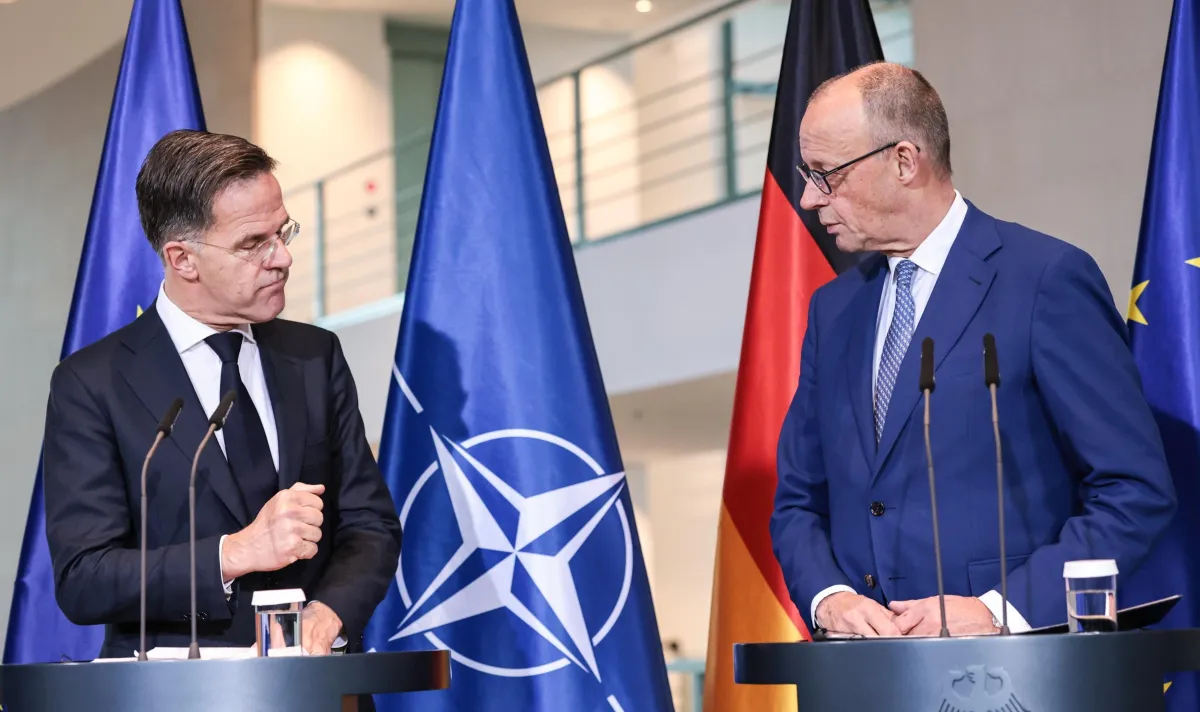
Photograph: ZN.UA Зеркало недели (embedded from source)
What this story says
- The US and Russia are pushing Europe to overhaul its security architecture as part of efforts to end the war in Ukraine.
- Russian President Vladimir Putin has long advocated for a revision of European defense, including a significant Russian role.
- Donald Trump's former envoy, Jared Kushner, stated that Ukraine's security guarantees must be considered alongside the broader European security framework.
- Politico identified five potential scenarios for this overhaul, ranging from strengthening existing bodies like the OSCE to new treaties.
Who covered it
Percentages are shares of the 7 outlets carrying a published leaning rating. 7 of the 14 outlets we know ran this story carry no rating and are not counted in them. Coverage measured .
Trust
42/100
Craft
57/100
Hype
65/100
14 sources · methodology
Thin on the left so far
Only 1 of the 7 outlets with a published leaning rating that ran this story are rated left.
This story is still being watched, so it is a count and not yet a finding. Coverage keeps arriving for hours after an event, and a side that has published nothing this morning may publish by tonight. If it is still true when we stop checking, we will say so plainly.
The United States and Russia are exerting pressure on Europe to fundamentally revise the continent's security structure as a means to conclude the war in Ukraine. This push involves discussions on various outcomes, from granting Moscow a greater influence to maintaining the current arrangements. Russian President Vladimir Putin has consistently called for a re-evaluation of European defense, demanding NATO troop withdrawals and a key Russian voice in continental security matters, demands that predate the full-scale invasion of Ukraine. Donald Trump, seeking a resolution to the conflict, appears to be aligning with some of these ideas. Jared Kushner, Trump's former peace envoy, stated that security guarantees for Ukraine cannot be finalized independently of the post-war European security architecture, emphasizing that both issues must be addressed concurrently.
Politico consulted with 12 former and current European officials, experts, and NATO diplomats to outline potential pathways for this security overhaul. Among the scenarios discussed is the strengthening of the Organization for Security and Co-operation in Europe (OSCE) as a platform for monitoring ceasefires and implementing confidence-building measures. Another possibility involves reviving the NATO-Russia Council, a forum for consultation and risk reduction that has been largely inactive. A more ambitious option is the creation of a new, comprehensive Europe-wide security treaty, though this is expected to face significant resistance. Other scenarios include Russia's proposal for bilateral agreements with individual NATO nations and the US suggestion of NATO-like security guarantees for Ukraine.
Disagreements on the path forward
While Politico's reporting outlines various scenarios, there are differing views on their feasibility and desirability. Norwegian Defense Minister Tore Sandvik stated that Europe already possesses a security system and has no need for changes. German Foreign Minister Johann Wadephul indicated that there is no basis for questioning existing alliances and that such matters will not be discussed. A NATO diplomat described the communication channel with Russia's chief of general staff as largely unused, with exchanges resembling "parallel monologues." The prospect of Russia striking deals with individual NATO nations is considered a "complete no-go" by one alliance diplomat, who believes it would allow Moscow to divide allies. Russian Deputy Foreign Minister Sergei Ryabkov has called the US suggestion of NATO-like guarantees for Ukraine "unacceptable."
What the coverage left out
None of the right-rated digests mention the specific "red lines" for any new security deal that Politico outlined based on consultations with 12 former and current European officials, experts, and NATO diplomats. The right-rated digests also do not quote Norwegian Defense Minister Tore Sandvik or German Foreign Minister Johann Wadephul, whose statements were included in the left and centre-rated full reports.
Still developing. We have re-checked which outlets are covering this 1 time, most recently on 24 Nov 2026, 11:00, and will add the sides that appear.
How other outlets pictured it
Which photograph to run is each newsroom’s own choice. The leaning beside a name is that outlet’s published rating, not a claim that the pictures divide along it. Every picture is shown from the outlet’s own server and links to the article it ran in.

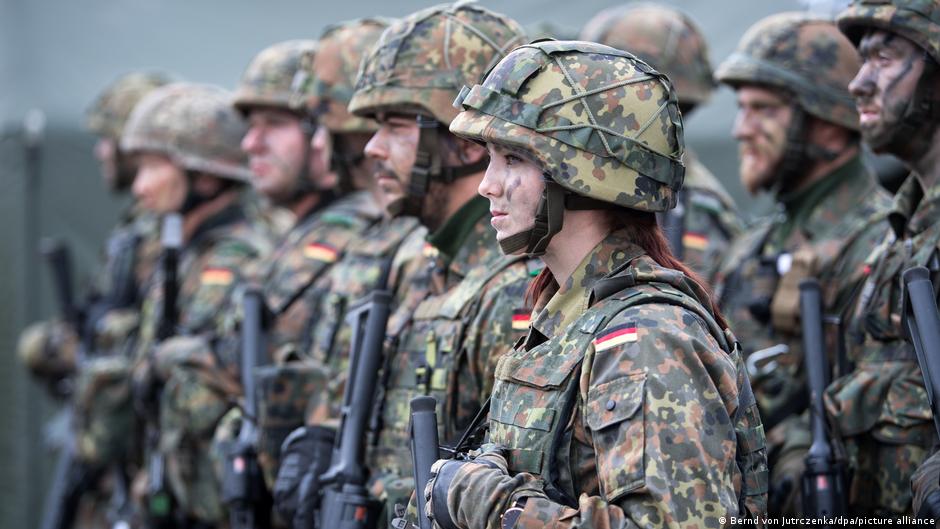
National flags flutter above the heads of soldiers during a full-scale exercise of the International Force of the Coalition of Volunteers at the Nowa Deba military training ground on 20 November 2026. | Wojtek Radwanski/AFP via Getty Images
Politico Europe — embedded from source
How each side covered it
Our own reading of the reporting listed below, written from the outlets’ articles rather than quoted from them. The reasoning is set out on our methodology page.
Left
1 rated outlet
- The left-rated report from Politico Europe led with the US and Russia pressing Europe to overhaul its security architecture to end the war in Ukraine. It highlighted that this could range from giving Moscow a larger role to no change at all. The report detailed Russian President Vladimir Putin's long-standing demands for a rethink of European defense, including NATO troop withdrawals and a key Russian voice in continental security. It also noted Donald Trump's alignment with some of these ideas, quoting Jared Kushner on the need to consider Ukraine's security guarantees alongside the post-war European security architecture. The report outlined five scenarios, including a beefed-up OSCE, a revived NATO-Russia Council, and a new security treaty, assessing their likelihood. It quoted Norwegian Defense Minister Tore Sandvik stating Europe does not need to change its security order and mentioned German Foreign Minister Johann Wadephul's rejection of questioning existing alliances. The report also included a NATO diplomat's observation that communication with Russia's top general is largely unused and resembles "parallel monologues."
Centre
1 rated outlet
- The centre-rated report from ZN.UA Зеркало недели focused on how Europe could change its security architecture to accommodate the demands of Putin and Trump, presenting five scenarios. It stated that the US and Russia are pressuring Europe to fundamentally revise its security architecture to end the war in Ukraine, with possibilities ranging from increased Russian influence to no changes. The report detailed Vladimir Putin's long-standing calls for a review of European defense, including NATO troop withdrawals and a key Russian role in continental security, noting these demands predate the full-scale invasion. It quoted Jared Kushner stating that Ukraine's security guarantees cannot be finalized separately from the post-war European security architecture. The report detailed five scenarios, including strengthening the OSCE, reviving the NATO-Russia Council, and a new security treaty, assessing their likelihood. It mentioned that some diplomats warned that reviving the NATO-Russia Council could legitimize Russia, and that a new treaty might fuel European fears of giving Russia too much influence. The report also noted that Russia's proposal for separate agreements with NATO countries is unacceptable to NATO, and that the US suggestion of NATO-like guarantees for Ukraine is also problematic.
Right
5 rated outlets
- The right-rated reports from Iefimerida, topwar.ru, vz.ru, EADaily, and news-pravda.com, primarily based on Politico digests, focused on the five scenarios for restructuring Europe's security architecture. These reports highlighted that Washington and Moscow are pressing Europe to rethink its security framework in the context of negotiations to end the war in Ukraine. Several digests mentioned Vladimir Putin's demands and Donald Trump's attitude towards a new security order. The reports noted that the scenarios range from increased Russian involvement to maintaining the status quo. EADaily's digest framed the scenarios as "Brussels's Dreams" and suggested the EU intends to "sabotage until the end any systemic concessions by Russia." Topwar.ru described the scenarios as being "from the world of absurdity - when no one wants to give in." Vz.ru mentioned that the US and Russia insist on revising the European security architecture, with proposals ranging from expanding Moscow's role to maintaining the status quo. None of the right-rated digests mentioned the specific red lines outlined by European officials and NATO diplomats, nor did they quote Norwegian Defense Minister Tore Sandvik or German Foreign Minister Johann Wadephul.
Questions about this coverage
- How did the left and right cover Europe Security Architecture Overhaul Pushed by US, Russia?
- Of the 7 outlets on this story carrying a published leaning rating, 14% are rated left, 15% are rated centre, 71% are rated right. Those percentages are shares of the rated outlets, not of every outlet that ran it, which was 14. The sections above set out what each side emphasised, in its own terms.
- Is Europe Security Architecture Overhaul Pushed by US, Russia left or right?
- Too few of the outlets on this story carry a published leaning rating to say. 7 of them do, and this site does not characterise a field under 12: at that size one newsroom filing moves the share by ten points. The percentages above are the count as it stands.
- Is the coverage of Europe Security Architecture Overhaul Pushed by US, Russia biased?
- Europe Security Architecture Overhaul Pushed by US, Russia is one event reported by 14 outlets, and this page does not rate the story as biased or unbiased. What it publishes is the spread: which outlets ran it, where named rating organisations place each of them on the spectrum, and what each side chose to lead with. A leaning rating describes an outlet's record over time, not this article, and the two should not be run together.
- Which side is not reporting Europe Security Architecture Overhaul Pushed by US, Russia?
- When we first saw this story, outlets rated left had barely covered it. Coverage accretes for hours after an event, so that is where to look rather than a verdict — the split above is the current count, and it is the one to read.
- Which outlets covered Europe Security Architecture Overhaul Pushed by US, Russia?
- 14 that we know of, every one of them listed further up this page with a link to its own report and to what we hold on the publisher. Nothing here is a summary of somebody else's summary: the outlets are named so the original reporting can be read.
- Why are the US and Russia pushing for changes to Europe's security architecture?
- The US and Russia are pressing Europe to overhaul its security architecture as part of efforts to end the war in Ukraine. This involves discussions on how to establish a new framework for continental security moving forward.
- What are some of the proposed scenarios for Europe's security architecture?
- Politico identified five scenarios, including strengthening the OSCE for ceasefire monitoring, reviving the NATO-Russia Council for consultation, creating a new Europe-wide security treaty, Russia's proposal for bilateral agreements with NATO nations, and the US suggestion of NATO-like security guarantees for Ukraine.
- What are the main concerns regarding these proposed changes?
- Concerns include granting Russia too much influence or a key voice in continental security, the potential for Moscow to divide NATO allies through bilateral deals, and the need to ensure any new framework does not undermine existing alliances or the security of Ukraine.
Read it at the source
14 outlets, grouped by the leaning a published rating gives them. Every headline links to the original; an underlined outlet name opens our profile of that publisher.
Left
1Centre
1Right
5- Politico: Europe's New Security Architecture on the Table - Putin's Demands, Trump's Attitude and the 5 Scenarios - iefimerida.gr (opens Iefimerida in a new tab)
Iefimerida — is Iefimerida biased? Our profile of this outlet
- Western Media Presented 5 Scenarios of Cooperation Between Europe and the Russian Federation “After the War” (opens topwar.ru in a new tab)
- Politico Discussed Five Scenarios for Europe's New Security Architecture (opens vz.ru in a new tab)
- Brussels's Dreams: Five Scenarios of the EU Deal with Russia Were Named in Politicalo (opens EADaily in a new tab)
- Politico: Five scenarios for rebuilding Europe's security (opens news-pravda.com in a new tab)
news-pravda.com — is news-pravda.com biased? Our profile of this outletOpinion
Not rated
7- Five Ways Europe Could Reform Its Security (opens ΑΘΗΝΑ 9,84 in a new tab)
ΑΘΗΝΑ 9,84 — is ΑΘΗΝΑ 9,84 biased? Our profile of this outletOpinion
- Politico Called Five Scenarios for Restructuring the European Security Architecture. (opens 1prime.ru in a new tab)
- Europe Can Review the Security Architecture Under Pressure From Trump and Putin. Five Scenarios Analyzed by Politico (opens realitatea.md in a new tab)
realitatea.md — is realitatea.md biased? Our profile of this outlet
- New Deal with Moscow or Previous Impasse: Europe Chooses From Five Security Scenarios (opens Life.ru in a new tab)
- Europe Is Waiting for a New Security System. There Are Five Options for Restructuring It (Politico, USA) (opens ИноСМИ.Ru in a new tab)
- How Europe Can Rebuild Its Security System with Putin and Trump's Policies in Mind: Five Scenarios (opens 1news.com.ua in a new tab)
1news.com.ua — is 1news.com.ua biased? Our profile of this outletOpinion
- Adapting to Putin and Trump: 5 Ways Europe Can Change the Security Architecture (opens Unknown in a new tab)
UnknownOpinion
How did this read?
About the coverage, not about the story. We do not ask whether you agree with what happened — we have no honest use for that answer.