Iran delivers seven-day plan to US for Strait of Hormuz reopening
Tehran proposes lifting of port blockade, release of frozen funds, and waiver of oil sanctions.
AI-assisted coverage comparison, editor-supervised · How this was made
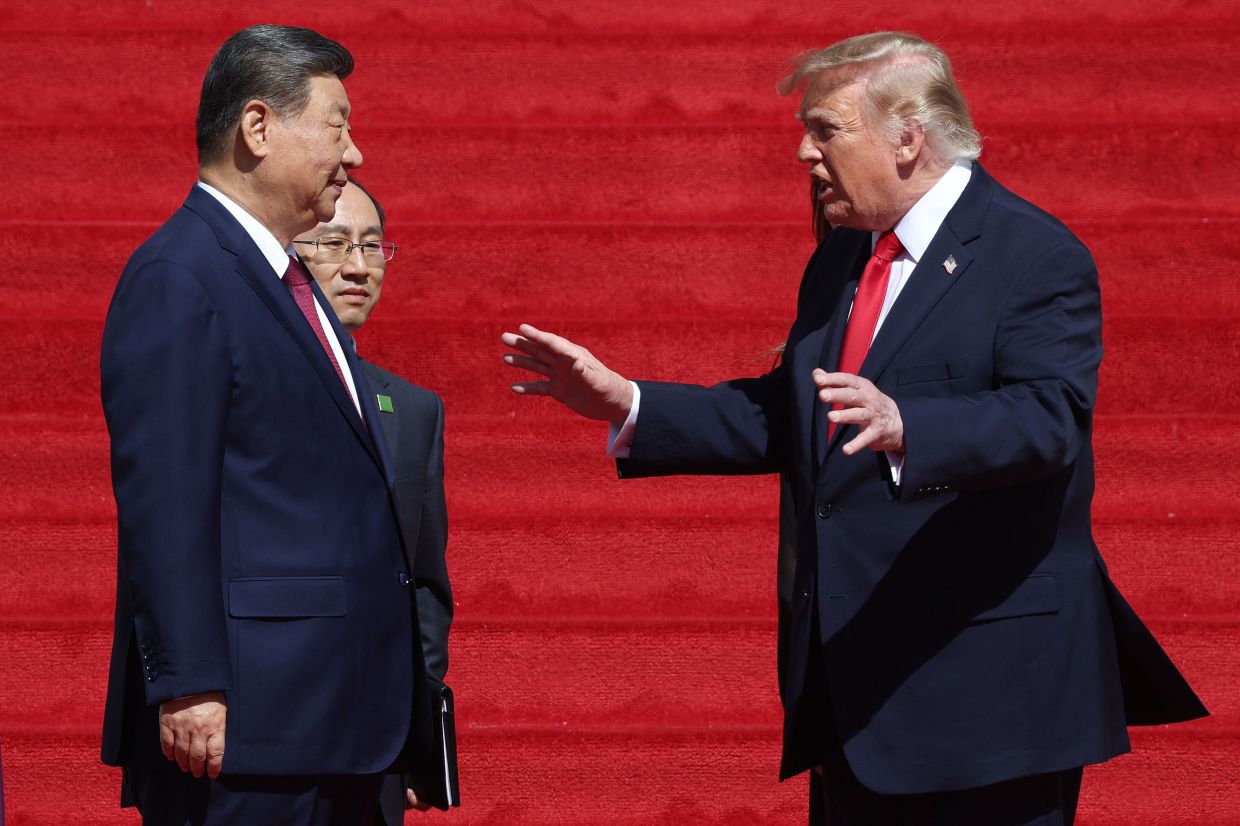
Iran delivers seven-day plan to US for Strait of Hormuz reopening
Photograph: The Star Kuala Lumpur (embedded from source)
What this story says
- Iran has submitted a seven-day plan to the US via Qatar to reopen the Strait of Hormuz.
- The plan requires the US to lift its blockade on Iranian ports, release $12 billion in frozen funds, and waive oil sanctions.
- US President Donald Trump and Chinese President Xi Jinping discussed the Middle East conflict during their summit.
- The US has not yet publicly responded to Iran's proposal.
Who covered it
Percentages are shares of the 302 outlets carrying a published leaning rating. 269 of the 571 outlets we know ran this story carry no rating and are not counted in them. Coverage measured .
Trust
56/100
Craft
95/100
Hype
25/100
571 sources · methodology
Missing from the left
Only 79 of the 302 outlets with a published leaning rating that ran this story are rated left.
A reader who follows the left would not have seen this. We report the absence rather than explain it: outlets choose what to cover for many reasons, and we have no evidence about which one applies here.
Iran's Foreign Minister Abbas Araqchi stated that Tehran has delivered a concrete seven-day plan to the United States through Qatar. This plan is intended to reopen the Strait of Hormuz and halt regional fighting. According to Araqchi, the strait could be reopened and normal maritime passage restored within seven days if the necessary conditions are met, with the decision resting with the United States. The seven-day timeline would commence once the US accepts the plan. The US has not yet publicly responded to the proposal. Discussions between US President Donald Trump and Chinese President Xi Jinping regarding the Middle East conflict also took place during their summit.
Terms of Iran's proposal
The Iranian proposal requires the United States to lift its blockade on Iranian ports, release $12 billion in frozen Iranian funds, and waive oil sanctions. Iran's Foreign Minister Abbas Araqchi indicated that if the US agrees, wider talks on mutually agreed subjects could begin. He added that Tehran would reopen the Strait of Hormuz and hostilities would end on all fronts, including Lebanon. Separately, a senior Iranian official told Reuters that Iran would show no flexibility over its nuclear program, including uranium enrichment, even if the US accepted the peace deal.
What the coverage left out
None of the right-rated reports below mention the specific figure of $12 billion in frozen Iranian funds that the plan requires the United States to release. The digests from Zoom News and vietnamplus.vn also omit this specific figure.
Coverage settled. We checked this 9 times and stopped on 1 Oct 2026, 14:45. The figures above are what it finished at.
How each side covered it
Our own reading of the reporting listed below, written from the outlets’ articles rather than quoted from them. The reasoning is set out on our methodology page.
Left
79 rated outlets
- The left‑rated digests all reported that Iran presented a seven‑day plan to reopen the Strait of Hormuz. Each digest notes that the proposal was presented by Iranian Foreign Minister Abbas Araghchi during a side meeting at the UN General Assembly. The timeline and the minister’s name are the only facts shared across all twelve outlets.
- Several digests added that Tehran’s offer was tied to the United States lifting the naval blockade of Iranian ports, waiving oil‑sale sanctions, and observing a cease‑fire that would include Lebanon, while another digest said Iran would also resume nuclear talks. Two digests linked the proposal to domestic US political pressure, citing high fuel prices and the upcoming midterm elections.
- The digests did not contain any statement from US officials, nor did they specify the United States’ response or any verification mechanism for the reopening. No outlet mentioned a cost estimate, a timeline beyond the seven‑day claim, or details of the naval blockade’s legal basis. These points are absent from the left‑rated coverage.
Centre
135 rated outlets
- Devdiscourse, the centre-rated report, led with the discussion between US President Donald Trump and Chinese President Xi Jinping on the Middle East war, alongside Iran's pressing of its seven-day plan to reopen the Strait of Hormuz. The report detailed Iran's proposal, stating it requires the US to lift its blockade on Iranian ports, release frozen funds, and waive oil sanctions. It quoted Iran's Foreign Minister Abbas Araqchi saying the strait could be reopened within seven days if conditions are met, and that the choice rests with the US. The report also noted that Washington had yet to publicly respond, though a US official described discussions as positive and constructive. Devdiscourse included details on the broader conflict, including Iran's retaliation and its allies' actions, as well as a US warning to China regarding support for Iran.
Right
88 rated outlets
- The right-rated reports from The Star Kuala Lumpur, The Straits Times, India Today, anews.com.tr, and la Nacion all highlighted the discussion between US President Donald Trump and Chinese President Xi Jinping concerning the Middle East war, in parallel with Iran's seven-day plan to reopen the Strait of Hormuz. The Star Kuala Lumpur and India Today specified that the plan was sent to Washington. The Star Kuala Lumpur and anews.com.tr quoted Iran's Foreign Minister Abbas Araqchi stating that the plan was delivered through Qatar and that the decision rests with the US. The Star Kuala Lumpur and India Today mentioned that the US has not yet publicly responded. The Star Kuala Lumpur and anews.com.tr also noted that the plan requires the US to lift its blockade on Iranian ports, release frozen funds, and waive oil sanctions. The Straits Times and India Today framed the parallel diplomacy as underscoring pressure to restore oil flows and bridge nuclear differences. la Nacion's digest mentioned Iran's proposal to reopen the Strait of Hormuz and resume nuclear programme negotiations.
Questions about this coverage
- How did the left and right cover Iran delivers seven-day plan to US for Strait of Hormuz reopening?
- Of the 302 outlets on this story carrying a published leaning rating, 26% are rated left, 45% are rated centre, 29% are rated right. Those percentages are shares of the rated outlets, not of every outlet that ran it, which was 571. The sections above set out what each side emphasised, in its own terms.
- Is Iran delivers seven-day plan to US for Strait of Hormuz reopening left or right?
- Neither side dominates it. Of the 302 rated outlets on this story, 26% are rated left, 45% are rated centre, 29% are rated right, and no side holds the 70% this site would want before calling a field one-sided. A story is not left or right in any case; the outlets that carried it are what carry ratings.
- Is the coverage of Iran delivers seven-day plan to US for Strait of Hormuz reopening biased?
- Iran delivers seven-day plan to US for Strait of Hormuz reopening is one event reported by 571 outlets, and this page does not rate the story as biased or unbiased. What it publishes is the spread: which outlets ran it, where named rating organisations place each of them on the spectrum, and what each side chose to lead with. A leaning rating describes an outlet's record over time, not this article, and the two should not be run together.
- Which side is not reporting Iran delivers seven-day plan to US for Strait of Hormuz reopening?
- When we first saw this story, outlets rated left had barely covered it. Coverage accretes for hours after an event, so that is where to look rather than a verdict — the split above is the current count, and it is the one to read.
- Which outlets covered Iran delivers seven-day plan to US for Strait of Hormuz reopening?
- 571 that we know of, every one of them listed further up this page with a link to its own report and to what we hold on the publisher. Nothing here is a summary of somebody else's summary: the outlets are named so the original reporting can be read.
- What is Iran's proposal for reopening the Strait of Hormuz?
- Iran has proposed a concrete seven-day plan to the United States, delivered through Qatar, to reopen the Strait of Hormuz and halt regional fighting. The plan requires the US to lift its blockade on Iranian ports, release $12 billion in frozen Iranian funds, and waive oil sanctions.
- What are the conditions Iran has set for reopening the Strait of Hormuz?
- Iran's conditions for reopening the Strait of Hormuz within seven days include the United States lifting its blockade on Iranian ports, releasing $12 billion in frozen Iranian funds, and waiving oil sanctions. Iran also stated that hostilities would end on all fronts, including Lebanon.
- Has the United States responded to Iran's seven-day plan?
- The United States has not yet publicly responded to Iran's seven-day proposal. A US official, speaking anonymously, described the discussions through mediators as positive and constructive, continuing to address nuclear issues.
Read it at the source
574 outlets, grouped by the leaning a published rating gives them. Every headline links to the original; an underlined outlet name opens our profile of that publisher.
Left
79- Iran Offers 7-Day Plan To Reopen Strait Of Hormuz, US Rejects Offer (opens One India in a new tab)
- Iran offers to reopen Hormuz on sixth day of proposed seven-day plan (opens The Siasat Daily in a new tab)
The Siasat Daily — is The Siasat Daily biased? Our profile of this outlet
- Where things stand after Iran's new pitch for a deal to open the Strait of Hormuz (opens SooLeader.com in a new tab)
SooLeader.com — is SooLeader.com biased? Our profile of this outlet
- Where things stand after Iran's new pitch for a deal to open the Strait of Hormuz (opens Richmond Register in a new tab)
Richmond Register — is Richmond Register biased? Our profile of this outlet
- Where things stand after Iran's new pitch for a deal to open the Strait of Hormuz (opens McAlester News-Capital in a new tab)
McAlester News-Capital — is McAlester News-Capital biased? Our profile of this outlet
- Where things stand after Iran's new pitch for a deal to open the Strait of Hormuz (opens Gloucester Daily Times in a new tab)
Gloucester Daily Times — is Gloucester Daily Times biased? Our profile of this outlet
- Seven-Day Plan Is 'Perhaps a Bit of an Act of Desperation': Both Iran and the US Need an Agreement, Says Professor (opens DR in a new tab)
- Where things stand after Iran's new pitch for a deal to open the Strait of Hormuz (opens WCSH in a new tab)
Show 71 more
- Where things stand after Iran's new pitch for a deal to open the Strait of Hormuz (opens Mankato Free Press in a new tab)
Mankato Free Press — is Mankato Free Press biased? Our profile of this outlet
- Where things stand after Iran's new pitch for a deal to open the Strait of Hormuz (opens ABC News in a new tab)
- Iran says choice on reopening Hormuz ‘rests with the United States’ after deal offer (opens NBC Philadelphia in a new tab)
NBC Philadelphia — is NBC Philadelphia biased? Our profile of this outlet
- Iran says choice on reopening Hormuz ‘rests with the United States’ after deal offer (opens NBC New York in a new tab)
NBC New York — is NBC New York biased? Our profile of this outlet
- Iran says choice on reopening Hormuz ‘rests with the United States’ after deal offer (opens NBC Miami in a new tab)
- Iran says choice on reopening Hormuz ‘rests with the United States’ after deal offer (opens NBC Connecticut in a new tab)
NBC Connecticut — is NBC Connecticut biased? Our profile of this outlet
- Iran says choice on reopening Hormuz ‘rests with the United States’ after deal offer (opens NBC Boston in a new tab)
NBC Boston — is NBC Boston biased? Our profile of this outlet
- Iran says choice on reopening Hormuz ‘rests with the United States’ after deal offer (opens NBC Dallas-Fort Worth in a new tab)
NBC Dallas-Fort Worth — is NBC Dallas-Fort Worth biased? Our profile of this outlet
- Iran says choice on reopening Hormuz ‘rests with the United States’ after deal offer (opens NBC San Diego in a new tab)
NBC San Diego — is NBC San Diego biased? Our profile of this outlet
- Iran says choice on reopening Hormuz ‘rests with the United States’ after deal offer (opens NBC Bay Area in a new tab)
NBC Bay Area — is NBC Bay Area biased? Our profile of this outlet
- Iran says choice on reopening Hormuz ‘rests with the United States’ after deal offer (opens NBC LA in a new tab)
- Iran offers U.S. seven-day plan to reopen Hormuz, rules out nuclear concessions (opens Haaretz in a new tab)
- Iran offers US deal to reopen Strait of Hormuz in seven days (opens Ada Derana in a new tab)
Ada Derana — is Ada Derana biased? Our profile of this outlet
- Iran Presents US Plan to Reopen Strait of Hormuz Within Seven Days (opens NRC Handelsblad in a new tab)
NRC Handelsblad — is NRC Handelsblad biased? Our profile of this outlet
- Iran’s new proposal to re-open Strait of Hormuz (opens NBC News in a new tab)
- Iran offers seven-day peace plan to reopen Strait of Hormuz, but Trump is in no rush (opens Ynet News in a new tab)
- Iran proposes a deal to reopen the Strait of Hormuz in 7 days if the US meets its conditions (opens goSkagit in a new tab)
- Iran Presents Proposal to Reopen the Strait of Ormuz and Other Middle East News · Global Voices (opens Los Angeles Times in a new tab)
Los Angeles Times — is Los Angeles Times biased? Our profile of this outlet
- Iran Proposes to Reopen the Strait of Ormuz in 7 Days (opens Radio-Canada in a new tab)
Radio-Canada — is Radio-Canada biased? Our profile of this outlet
- Iran has suggested a deal to reopen the Strait of Hormuz in 7 days (opens Sentinel Colorado in a new tab)
Sentinel Colorado — is Sentinel Colorado biased? Our profile of this outlet
- Iran proposes a deal to reopen the Strait of Hormuz in 7 days if the US meets its conditions (opens Stuff in a new tab)
- Iran Offers US Plan to End War and Open Hormuz (opens Telegrafi in a new tab)
- Iran Outlines Seven-Day Plan to Bring Hostilities With the U.S. to an End (opens washingtonsun.com in a new tab)
washingtonsun.com — is washingtonsun.com biased? Our profile of this outlet
- Iran offers deal to reopen Strait of Hormuz in seven days if US meets conditions (opens The Journal in a new tab)
The Journal — is The Journal biased? Our profile of this outlet
- Iran proposes a deal to reopen the Strait of Hormuz in 7 days if the US meets its conditions (opens The Daily Star in a new tab)
The Daily Star — is The Daily Star biased? Our profile of this outlet
- Iran proposes deal to reopen Strait of Hormuz in 7 days if US meets its conditions (opens The Korea Times in a new tab)
The Korea Times — is The Korea Times biased? Our profile of this outlet
- Iran proposes a deal to reopen the Strait of Hormuz in 7 days if the US meets its conditions (opens The Independent Online in a new tab)
The Independent Online — is The Independent Online biased? Our profile of this outlet
- Iran suggests deal to reopen the Strait of Hormuz in seven days (opens The Hindu in a new tab)
- Iran proposes a deal to reopen the Strait of Hormuz in 7 days if the US meets its conditions (opens The Sun Chronicle in a new tab)
The Sun Chronicle — is The Sun Chronicle biased? Our profile of this outlet
- Iran Proposes A Deal To Reopen The Strait Of Hormuz In 7 Days If The U.S. Meets Its Conditions (opens HuffPost in a new tab)
- Iran proposes a deal to reopen the Strait of Hormuz in 7 days if the US meets its conditions (opens Associated Press News in a new tab)
Associated Press News — is Associated Press News biased? Our profile of this outlet
- Iran pushes 7-day plan to end war; Saudi calls on regional pact for defense; Argentina’s poverty rate climbs to over 32% (opens Drop Site News in a new tab)
Drop Site News — is Drop Site News biased? Our profile of this outlet
- Iran proposes a deal to reopen the Strait of Hormuz in 7 days if the US meets its conditions (opens The Tribune-Democrat in a new tab)
The Tribune-Democrat — is The Tribune-Democrat biased? Our profile of this outlet
- Iran proposes a deal to reopen the Strait of Hormuz in 7 days if the US meets its conditions (opens Oskaloosa Herald in a new tab)
Oskaloosa Herald — is Oskaloosa Herald biased? Our profile of this outlet
- Iran proposes a deal to reopen the Strait of Hormuz in 7 days if the US meets its conditions (opens Enid News & Eagle in a new tab)
Enid News & Eagle — is Enid News & Eagle biased? Our profile of this outlet
- Tehran proposes 7-day plan to reopen Strait of Hormuz (opens Saudi Gazette in a new tab)
Saudi Gazette — is Saudi Gazette biased? Our profile of this outlet
- The New York Times Wrote: Iran Has a Plan for a 7-Day War Against the US. (opens Cumhuriyet in a new tab)
Cumhuriyet — is Cumhuriyet biased? Our profile of this outlet
- Iran has suggested a deal to reopen the Strait of Hormuz in 7 days (opens PBS NewsHour in a new tab)
PBS NewsHour — is PBS NewsHour biased? Our profile of this outlet
- A seven-day proposal to reopen Hormuz is on the table (opens Semafor in a new tab)
- Iran has suggested a deal to reopen the Strait of Hormuz in 7 days (opens The Seattle Times in a new tab)
The Seattle Times — is The Seattle Times biased? Our profile of this outlet
- Iran proposes a deal to reopen the Strait of Hormuz in 7 days if the US meets its conditions (opens The Toronto Star in a new tab)
The Toronto Star — is The Toronto Star biased? Our profile of this outlet
- Iran has suggested a deal to reopen the Strait of Hormuz in 7 days (opens The Times-Tribune in a new tab)
The Times-Tribune — is The Times-Tribune biased? Our profile of this outlet
- Iran has suggested a deal to reopen the Strait of Hormuz in 7 days (opens The Daily Item in a new tab)
The Daily Item — is The Daily Item biased? Our profile of this outlet
- Iran has suggested a deal to reopen the Strait of Hormuz in 7 days (opens Beckley Register-Herald in a new tab)
Beckley Register-Herald — is Beckley Register-Herald biased? Our profile of this outlet
- Iran Sends to the United States a Plan for the Reopening of the Strait of Ormuz in Seven Days (opens El Pais in a new tab)
- Iran Proposes to Reopen the Strait of Ormuz Within Seven Days (opens TVA Nouvelles in a new tab)
TVA Nouvelles — is TVA Nouvelles biased? Our profile of this outlet
- Iran Proposed a Seven-Day Plan to the US to End the War and Reopen the Strait of Hormuz (opens Dnevni list Danas in a new tab)
Dnevni list Danas — is Dnevni list Danas biased? Our profile of this outlet
- Iran Offers 7-Day Plan to End War (opens Newser in a new tab)
- Iran proposes 7-day plan to end war (opens Inquirer in a new tab)
- What’s in Iran’s seven-day plan to reopen the Strait of Hormuz? (opens Al Jazeera in a new tab)
Al Jazeera — is Al Jazeera biased? Our profile of this outlet
- Conflict in the Middle East: Iran Proposes to Reopen the Strait of Ormuz Within Seven Days (opens La Presse in a new tab)
- Araghchi proposes seven-day plan for Hormuz reopening (opens rthk.hk in a new tab)
- Iran Proposes U.S. Ways to Reduce Tensions · Global Voices (opens teleSUR in a new tab)
- Iran has suggested a deal to reopen the Strait of Hormuz in 7 days (opens NiagaraFallsReview.ca in a new tab)
NiagaraFallsReview.ca — is NiagaraFallsReview.ca biased? Our profile of this outlet
- Iran has suggested a deal to reopen the Strait of Hormuz in 7 days (opens The Record in a new tab)
The Record — is The Record biased? Our profile of this outlet
- Iran has suggested a deal to reopen the Strait of Hormuz in 7 days (opens The Hamilton Spectator in a new tab)
The Hamilton Spectator — is The Hamilton Spectator biased? Our profile of this outlet
- Middle East News: Iran Presents Seven-Day Plan to End the War (opens Sueddeutsche Zeitung in a new tab)
Sueddeutsche Zeitung — is Sueddeutsche Zeitung biased? Our profile of this outlet
- How Iran’s 7-day plan to end war with US mirrors June memorandum (opens Indian Express in a new tab)
Indian Express — is Indian Express biased? Our profile of this outletOpinion
- Iran has suggested a deal to reopen the Strait of Hormuz in 7 days (opens Durango Herald in a new tab)
Durango Herald — is Durango Herald biased? Our profile of this outlet
- Iran Presents US with Concrete Plan to End War (opens Delo in a new tab)
- Iran Offers US Seven-Day Plan to Open Strait of Hormuz (opens fakti.bg in a new tab)
- Iran Proposes 7 Days Plan for Truce with USA: Reopen Hormuz (opens Il Fatto Quotidiano in a new tab)
Il Fatto Quotidiano — is Il Fatto Quotidiano biased? Our profile of this outlet
- Tehran Proposes 7-Day Plan to Reopen Strait of Hormuz (opens in.gr in a new tab)
- Iran Has Come up with a Seven-Day Plan to End the War (opens 444.hu in a new tab)
- Iran War: Iran Announces US Media Report Plan for End of War (opens Zeit Online in a new tab)
Zeit Online — is Zeit Online biased? Our profile of this outlet
- Reports: Iran Presents US Seven-Day Plan to End the War (opens der Standard AT in a new tab)
der Standard AT — is der Standard AT biased? Our profile of this outlet
- Iran proposes plan to reopen Hormuz within seven days: minister (opens Al-Monitor in a new tab)
Al-Monitor — is Al-Monitor biased? Our profile of this outlet
- Iran Denies Nuclear Weapon Ambition, Says It Will Dilute Uranium (opens tempo.co in a new tab)
- Iran offers seven-day plan to end conflict, reopen Strait of Hormuz (opens The New Indian Express in a new tab)
The New Indian Express — is The New Indian Express biased? Our profile of this outlet
- Pezeshkian Opens the Door to an Agreement Between Iran and the United States (opens SDPnoticias.com in a new tab)
SDPnoticias.com — is SDPnoticias.com biased? Our profile of this outlet
- Iran says it has given Trump administration new proposal for peace talks (opens The Washington Post in a new tab)
The Washington Post — is The Washington Post biased? Our profile of this outlet
Centre
135- Where things stand after Iran's new pitch for a deal to open the Strait of Hormuz (opens WANE-TV in a new tab)
- Where things stand after Iran's new pitch for a deal to open the Strait of Hormuz (opens Cherokee Tribune Ledger News in a new tab)
Cherokee Tribune Ledger News — is Cherokee Tribune Ledger News biased? Our profile of this outlet
- Where things stand after Iran's new pitch for a deal to open the Strait of Hormuz (opens Yuma Sun in a new tab)
- Where things stand after Iran's new pitch for a deal to open the Strait of Hormuz (opens Chronicle Online in a new tab)
Chronicle Online — is Chronicle Online biased? Our profile of this outlet
- Where things stand after Iran's new pitch for a deal to open the Strait of Hormuz (opens Bluefield Daily Telegraph in a new tab)
Bluefield Daily Telegraph — is Bluefield Daily Telegraph biased? Our profile of this outlet
- Where things stand after Iran's new pitch for a deal to open the Strait of Hormuz (opens The Northern Virginia Daily in a new tab)
The Northern Virginia Daily — is The Northern Virginia Daily biased? Our profile of this outlet
- Where things stand after Iran's new pitch for a deal to open the Strait of Hormuz (opens Ottumwa Courier in a new tab)
Ottumwa Courier — is Ottumwa Courier biased? Our profile of this outlet
- Where things stand after Iran's new pitch for a deal to open the Strait of Hormuz (opens Fort Smith/Fayetteville News in a new tab)
Fort Smith/Fayetteville News — is Fort Smith/Fayetteville News biased? Our profile of this outlet
Show 127 more
- Where things stand after Iran's new pitch for a deal to open the Strait of Hormuz (opens KYTX in a new tab)
- Where things stand after Iran's new pitch for a deal to open the Strait of Hormuz (opens Krem2 News in a new tab)
Krem2 News — is Krem2 News biased? Our profile of this outlet
- Where things stand after Iran's new pitch for a deal to open the Strait of Hormuz (opens KTVB in a new tab)
- Where things stand after Iran's new pitch for a deal to open the Strait of Hormuz (opens WBIR in a new tab)
- Where things stand after Iran's new pitch for a deal to open the Strait of Hormuz (opens WLTX in a new tab)
- Where things stand after Iran's new pitch for a deal to open the Strait of Hormuz (opens WKYC in a new tab)
- Where things stand after Iran's new pitch for a deal to open the Strait of Hormuz (opens WFAA 8abc in a new tab)
- Where things stand after Iran's new pitch for a deal to open the Strait of Hormuz (opens 9NEWS Denver in a new tab)
9NEWS Denver — is 9NEWS Denver biased? Our profile of this outlet
- Iran proposes a deal to reopen the Strait of Hormuz in 7 days if the US meets its conditions (opens Herald-Banner in a new tab)
Herald-Banner — is Herald-Banner biased? Our profile of this outlet
- Iran Says Hormuz Can Reopen in 7 Days, Puts ‘Choice’ on US (opens Hindustan Times in a new tab)
Hindustan Times — is Hindustan Times biased? Our profile of this outlet
- How Is the Situation Between Iran and the US Following Tehran's Proposal to Open the Strait of Ormuz? (opens WFMZ in a new tab)
- Where things stand after Iran's new pitch for a deal to open the Strait of Hormuz (opens somdnews.com in a new tab)
somdnews.com — is somdnews.com biased? Our profile of this outlet
- Where things stand after Iran's new pitch for a deal to open the Strait of Hormuz (opens union-bulletin.com in a new tab)
union-bulletin.com — is union-bulletin.com biased? Our profile of this outlet
- Where things stand after Iran's new pitch for a deal to open the Strait of Hormuz (opens The Star Democrat in a new tab)
The Star Democrat — is The Star Democrat biased? Our profile of this outlet
- Where things stand after Iran's new pitch for a deal to open the Strait of Hormuz (opens Daily News-Record in a new tab)
Daily News-Record — is Daily News-Record biased? Our profile of this outlet
- Where things stand after Iran's new pitch for a deal to open the Strait of Hormuz (opens Cecil Daily in a new tab)
Cecil Daily — is Cecil Daily biased? Our profile of this outlet
- Where things stand after Iran's new pitch for a deal to open the Strait of Hormuz (opens KULR-TV in a new tab)
- Where things stand after Iran's new pitch for a deal to open the Strait of Hormuz (opens GazetteXtra in a new tab)
GazetteXtra — is GazetteXtra biased? Our profile of this outlet
- Where things stand after Iran's new pitch for a deal to open the Strait of Hormuz (opens Hometown News LP in a new tab)
Hometown News LP — is Hometown News LP biased? Our profile of this outlet
- Where things stand after Iran's new pitch for a deal to open the Strait of Hormuz (opens Herald Bulletin in a new tab)
Herald Bulletin — is Herald Bulletin biased? Our profile of this outlet
- Where things stand after Iran's new pitch for a deal to open the Strait of Hormuz (opens The Lawton Constitution in a new tab)
The Lawton Constitution — is The Lawton Constitution biased? Our profile of this outlet
- Iran says choice on reopening Hormuz ‘rests with the United States’ after deal offer (opens NBC Chicago in a new tab)
NBC Chicago — is NBC Chicago biased? Our profile of this outlet
- Iran offers deal to reopen Strait of Hormuz in 7 days (opens TelegraphHerald.com in a new tab)
TelegraphHerald.com — is TelegraphHerald.com biased? Our profile of this outlet
- Iran: We Have Offered the US a Plan (opens Ekstra Bladet in a new tab)
Ekstra Bladet — is Ekstra Bladet biased? Our profile of this outlet
- Tehran Offered the US a Plan to Reopen the Strait of Hormuz (opens Eesti Rahvusringhääling in a new tab)
Eesti Rahvusringhääling — is Eesti Rahvusringhääling biased? Our profile of this outlet
- WRAPUP 8-Trump, Xi discuss Middle East war as Iran presses 7-day plan to end fighting (opens Devdiscourse in a new tab)
Devdiscourse — is Devdiscourse biased? Our profile of this outlet
- Iran Says It Offered the US a New Proposal to Open the Strait of Hormuz (opens The Maritime Executive in a new tab)
The Maritime Executive — is The Maritime Executive biased? Our profile of this outlet
- Fourth Day of the General Assembly: Iran Offers a Timetable for the Opening of Hormuz and Washington Talks About "Constructive" Discussions. (opens cedarnews.net in a new tab)
cedarnews.net — is cedarnews.net biased? Our profile of this outlet
- Iran’s New Seven-Day Nuclear Proposal to Washington: What Tehran Is Offering and What It Wants - FINCHANNEL (opens finchannel.com in a new tab)
finchannel.com — is finchannel.com biased? Our profile of this outlet
- Iran says it has given US ‘concrete’ seven-day plan to reopen Strait of Hormuz (opens INTELLINEWS in a new tab)
INTELLINEWS — is INTELLINEWS biased? Our profile of this outlet
- Iran proposes US deal to reopen Strait of Hormuz in seven days (opens TRT World in a new tab)
- Iran pitches 7-day plan to restart US talks, reopen Strait of Hormuz (opens The Hill in a new tab)
- Iran offers US deal to reopen Strait of Hormuz in seven days (opens BBC News in a new tab)
- Iran Presents to the US a Plan to Reopen the Strait of Ormuz in Seven Days (opens TVN in a new tab)
- Iran proposes a deal to reopen the Strait of Hormuz in 7 days if the US meets its conditions (opens The Standard-Journal in a new tab)
The Standard-Journal — is The Standard-Journal biased? Our profile of this outlet
- Iran proposes a deal to reopen the Strait of Hormuz in 7 days if the US meets its conditions (opens Daily Journal in a new tab)
Daily Journal — is Daily Journal biased? Our profile of this outlet
- Iran offers US plan to reopen Hormuz within 7 days (opens South China Morning Post in a new tab)
South China Morning Post — is South China Morning Post biased? Our profile of this outlet
- Iran proposes a deal to reopen the Strait of Hormuz in 7 days if the US meets its conditions - Boston News, Weather, Sports (opens WHDH in a new tab)
- Iran proposes a deal to reopen the Strait of Hormuz in 7 days if the U.S. meets its conditions (opens Pittsburgh Post-Gazette in a new tab)
Pittsburgh Post-Gazette — is Pittsburgh Post-Gazette biased? Our profile of this outlet
- Iran’s Araqchi says now up to US to accept 7-day plan (opens WTVB in a new tab)
- Iran proposes plan to reopen Hormuz within seven days: minister (opens France24 in a new tab)
- Seven Conditions and Seven Days: Iran Proposed to the United States to Open the Strait of Ormous (opens ZN.UA Зеркало недели in a new tab)
ZN.UA Зеркало недели — is ZN.UA Зеркало недели biased? Our profile of this outlet
- Iran’s Offer to Open the Strait of Hormuz Sounds Like a Trap for Donald Trump (opens nationalsecurityjournal.org in a new tab)
nationalsecurityjournal.org — is nationalsecurityjournal.org biased? Our profile of this outletOpinion
- Iran proposes deal to reopen Strait of Hormuz in seven days if U.S. meets its conditions (opens The Globe & Mail in a new tab)
The Globe & Mail — is The Globe & Mail biased? Our profile of this outlet
- Iran proposes deal to reopen Strait of Hormuz in 7 days if the U.S. meets its conditions (opens Anchorage Daily News in a new tab)
Anchorage Daily News — is Anchorage Daily News biased? Our profile of this outlet
- Iran proposes a deal to reopen the Strait of Hormuz in 7 days if the US meets its conditions (opens The EagleHerald in a new tab)
The EagleHerald — is The EagleHerald biased? Our profile of this outlet
- Iran proposes a deal to reopen the Strait of Hormuz in 7 days if the US meets its conditions (opens Henry Herald in a new tab)
Henry Herald — is Henry Herald biased? Our profile of this outlet
- Iran proposes a deal to reopen the Strait of Hormuz in 7 days if the US meets its conditions (opens Joplin Globe in a new tab)
Joplin Globe — is Joplin Globe biased? Our profile of this outlet
- Iran proposes phased deal to end war (opens Euronews in a new tab)
- Iran's foreign minister details offer to reopen strait (opens PerthNow in a new tab)
- Iran proposes a deal to reopen the Strait of Hormuz in 7 days if the US meets its conditions (opens ABC Columbia in a new tab)
ABC Columbia — is ABC Columbia biased? Our profile of this outlet
- Iran Proposes a Deal to Reopen the Strait of Hormuz in 7 Days if the US Meets Its Conditions (opens Military.com in a new tab)
Military.com — is Military.com biased? Our profile of this outlet
- Iran proposes deal to reopen the Strait of Hormuz in 7 days (opens Transport Topics in a new tab)
Transport Topics — is Transport Topics biased? Our profile of this outlet
- Iran proposes a deal to reopen the Strait of Hormuz in 7 days if the US meets its conditions (opens mykxlg.com in a new tab)
mykxlg.com — is mykxlg.com biased? Our profile of this outlet
- Iran proposes a deal to reopen the Strait of Hormuz in 7 days if the US meets its conditions (opens The Bakersfield Californian in a new tab)
The Bakersfield Californian — is The Bakersfield Californian biased? Our profile of this outlet
- Iran has suggested a deal to reopen the Strait of Hormuz in 7 days (opens My Mother Lode in a new tab)
My Mother Lode — is My Mother Lode biased? Our profile of this outlet
- Iran Proposes to Re-Open Ormuz Within Seven Days (opens El Diario in a new tab)
- Iran offers to reopen Strait of Hormuz, resume nuclear talks within seven days (opens Daily Post Nigeria in a new tab)
Daily Post Nigeria — is Daily Post Nigeria biased? Our profile of this outlet
- Iran has suggested a deal to reopen the Strait of Hormuz in 7 days. Here are the terms (opens WSFA 12 News in a new tab)
WSFA 12 News — is WSFA 12 News biased? Our profile of this outlet
- Iran has suggested a deal to reopen the Strait of Hormuz in 7 days. Here are the terms (opens KLTV in a new tab)
- Iran has suggested a deal to reopen the Strait of Hormuz in 7 days (opens MOR-TV in a new tab)
- Iran has suggested a deal to reopen the Strait of Hormuz in 7 days (opens KHBS in a new tab)
- Iran has suggested a deal to reopen the Strait of Hormuz in 7 days (opens KSBW in a new tab)
- Iran has suggested a deal to reopen the Strait of Hormuz in 7 days (opens WXII in a new tab)
- Iran has suggested a deal to reopen the Strait of Hormuz in 7 days (opens WGAL in a new tab)
- Iran has suggested a deal to reopen the Strait of Hormuz in 7 days (opens WPBF in a new tab)
- Iran has suggested a deal to reopen the Strait of Hormuz in 7 days (opens WAPT in a new tab)
- Iran has suggested a deal to reopen the Strait of Hormuz in 7 days (opens KOAT in a new tab)
- Iran has suggested a deal to reopen the Strait of Hormuz in 7 days (opens WVTM in a new tab)
- Iran has suggested a deal to reopen the Strait of Hormuz in 7 days (opens WMTW in a new tab)
- Iran has suggested a deal to reopen the Strait of Hormuz in 7 days (opens WBAL-TV in a new tab)
- Iran has suggested a deal to reopen the Strait of Hormuz in 7 days (opens KMBC in a new tab)
- Iran has suggested a deal to reopen the Strait of Hormuz in 7 days (opens WPTZ in a new tab)
- Iran has suggested a deal to reopen the Strait of Hormuz in 7 days (opens KETV in a new tab)
- Iran has suggested a deal to reopen the Strait of Hormuz in 7 days (opens WISN in a new tab)
- Iran has suggested a deal to reopen the Strait of Hormuz in 7 days (opens KCCI in a new tab)
- Iran has suggested a deal to reopen the Strait of Hormuz in 7 days (opens WTAE in a new tab)
- Iran has suggested a deal to reopen the Strait of Hormuz in 7 days (opens WDSU in a new tab)
- Iran has suggested a deal to reopen the Strait of Hormuz in 7 days (opens WYFF in a new tab)
- Iran has suggested a deal to reopen the Strait of Hormuz in 7 days (opens WESH in a new tab)
- Iran has suggested a deal to reopen the Strait of Hormuz in 7 days (opens Koco News5 in a new tab)
Koco News5 — is Koco News5 biased? Our profile of this outlet
- Iran has suggested a deal to reopen the Strait of Hormuz in 7 days (opens WLKY in a new tab)
- Iran has suggested a deal to reopen the Strait of Hormuz in 7 days (opens WMUR in a new tab)
- Iran has suggested a deal to reopen the Strait of Hormuz in 7 days (opens WLWT in a new tab)
- Iran has suggested a deal to reopen the Strait of Hormuz in 7 days (opens WCVB in a new tab)
- Iran has suggested a deal to reopen the Strait of Hormuz in 7 days (opens KCRA 3 in a new tab)
- Iran Offered to Open the Strait of Ormous in a Week's Time. (opens Lietuvos Radijas ir Televizija in a new tab)
- Iran Proposes Reopening Hormuz Within Seven Days (opens Channels Television in a new tab)
Channels Television — is Channels Television biased? Our profile of this outlet
- Iran has suggested a deal to reopen the Strait of Hormuz in 7 days (opens Las Vegas Review-Journal in a new tab)
Las Vegas Review-Journal — is Las Vegas Review-Journal biased? Our profile of this outlet
- Iran has suggested a deal to reopen the Strait of Hormuz in 7 days (opens The Record in a new tab)
The Record
- Iran proposes a deal to reopen the Strait of Hormuz in 7 days if the US meets its conditions (opens Pioneer Press in a new tab)
Pioneer Press — is Pioneer Press biased? Our profile of this outlet
- Iran has suggested a deal to reopen the Strait of Hormuz in 7 days – WTOP News (opens Washington Top News in a new tab)
Washington Top News — is Washington Top News biased? Our profile of this outlet
- Iran has suggested a deal to reopen the Strait of Hormuz in 7 days (opens WBAL in a new tab)
- Iran has suggested a deal to reopen the Strait of Hormuz in 7 days (opens City News in a new tab)
- Iran has suggested a deal to reopen the Strait of Hormuz in 7 days (opens Idaho State Journal in a new tab)
Idaho State Journal — is Idaho State Journal biased? Our profile of this outlet
- Iran has suggested a deal to reopen the Strait of Hormuz in 7 days (opens The Grand Junction Daily Sentinel in a new tab)
- Iran has suggested a deal to reopen the Strait of Hormuz in 7 days (opens The Daily Advance in a new tab)
The Daily Advance — is The Daily Advance biased? Our profile of this outlet
- Iran proposes a deal to reopen the Strait of Hormuz in 7 days if the US meets its conditions (opens KOB 4 in a new tab)
- Iran has suggested a deal to reopen the Strait of Hormuz in 7 days (opens WKMG in a new tab)
- Iran proposes a deal to reopen the Strait of Hormuz in 7 days if the US meets its conditions (opens WPLG in a new tab)
- They Will Present a New Proposal to the United States to End the War (opens Jornal Expresso in a new tab)
Jornal Expresso — is Jornal Expresso biased? Our profile of this outlet
- Iran proposes to reopen Strait of Hormuz in seven days if US meets conditions (opens Jamaica Gleaner in a new tab)
Jamaica Gleaner — is Jamaica Gleaner biased? Our profile of this outlet
- A seven-day roadmap? Iran proposes plan to end war, reopen Strait of Hormuz and resume nuclear talks (opens WION in a new tab)
- Iran Offers to Open Strait of Hormuz Within 7 Days (opens 15min.lt in a new tab)
- Iran Proposes to the US a Seven-Day Plan to Cease Hostilities, Reopen Ormuz and Start Talks on the Nuclear Program (opens 20minutos in a new tab)
- Iran proposes a deal to reopen the Strait of Hormuz in 7 days if the U.S. meets its conditions (opens The Columbian in a new tab)
The Columbian — is The Columbian biased? Our profile of this outlet
- Iran proposes reopening Hormuz within seven days: Media (opens Channel News Asia in a new tab)
Channel News Asia — is Channel News Asia biased? Our profile of this outlet
- Iran Proposes Washington to Reopen the Strait of Ormuz Within Seven Days, According to Several Media (opens Radio France Internationale in a new tab)
Radio France Internationale — is Radio France Internationale biased? Our profile of this outlet
- Iran proposes reopening Strait of Hormuz within seven days (opens NZ Herald in a new tab)
- War in the Middle East: "The Strait of Ormuz Will Be Opened Within Seven Days" if "some Conditions Are Met", Iran Assures (opens Sud Ouest in a new tab)
- Iran has suggested a deal to reopen the Strait of Hormuz in 7 days (opens Winnipeg Free Press in a new tab)
Winnipeg Free Press — is Winnipeg Free Press biased? Our profile of this outlet
- Iranian FM Says Hormuz Strait Will Reopen Within Seven Says If U.S. Meets 'Certain Conditions.' Oil Retreats. (opens IBTimes in a new tab)
- Bitcoin, Ethereum outlook as US Iran talks revive Hormuz reopening hopes (opens crypto.news in a new tab)
crypto.news — is crypto.news biased? Our profile of this outlet
- Tehran Proposes to Washington a Seven-Day Plan to Cease Hostilities (opens Hola News in a new tab)
- Iran has suggested a deal to reopen the Strait of Hormuz in 7 days (opens Spectrum News 13 in a new tab)
Spectrum News 13 — is Spectrum News 13 biased? Our profile of this outlet
- Iran has suggested a deal to reopen the Strait of Hormuz in 7 days (opens Bay News 9 in a new tab)
Bay News 9 — is Bay News 9 biased? Our profile of this outlet
- Iran has suggested a deal to reopen the Strait of Hormuz in 7 days (opens Spectrum News in a new tab)
Spectrum News — is Spectrum News biased? Our profile of this outlet
- Iran Has Presented to the United States a Plan for Reopening the Ormuz Straits. (opens Digi 24 in a new tab)
- 'Iran Has Proposed to the US a 7-Day Plan for the Truce' (opens ANSA in a new tab)
- UN Security Council condemns Houthi attacks on Saudi Arabia (opens The Express Tribune in a new tab)
The Express Tribune — is The Express Tribune biased? Our profile of this outlet
- Can Iran's New Seven-Day Plan Finally End the War and Calm Chaos? (opens South Florida Reporter in a new tab)
South Florida Reporter — is South Florida Reporter biased? Our profile of this outletOpinion
- Iran War: Tehran Probably Presents the US with Seven-Day Plan for the End of the War (opens Westfalenpost in a new tab)
Westfalenpost — is Westfalenpost biased? Our profile of this outlet
- Iran submits plan to US for reopening Strait of Hormuz within seven days based on June MoU (opens Jerusalem Post in a new tab)
Jerusalem Post — is Jerusalem Post biased? Our profile of this outlet
- Iran offers Trump seven-day peace plan to reopen Strait of Hormuz, restart US talks (opens The Statesman in a new tab)
The Statesman — is The Statesman biased? Our profile of this outlet
- Iranian President Blames US for Middle East Conflict, Denies Nuclear Ambitions and Offers to Dilute Uranium (opens Internewscast in a new tab)
Internewscast — is Internewscast biased? Our profile of this outlet
- Iran Foreign Minister Aragchi offers seven-day plan to end conflict, open Hormuz and restart peace talks (opens The Economic Times in a new tab)
The Economic Times — is The Economic Times biased? Our profile of this outlet
- ‘We are ready’: Iran’s Pezeshkian challenges Trump with offer to open nuclear programme to inspectors (opens Live Mint in a new tab)
Right
89- Proposal to Reopen the Strait of Ormuz: Has Iran Reached Out to the Hand or Cheek? (opens Le Journal de Montreal in a new tab)
Le Journal de Montreal — is Le Journal de Montreal biased? Our profile of this outletOpinion
- Where things stand after Iran's new pitch for a deal to open the Strait of Hormuz (opens Marietta Daily Journal in a new tab)
Marietta Daily Journal — is Marietta Daily Journal biased? Our profile of this outlet
- Where things stand after Iran's new pitch for a deal to open the Strait of Hormuz (opens plaindealerin.com in a new tab)
plaindealerin.com — is plaindealerin.com biased? Our profile of this outlet
- Trump Gets Seven-Day Offer To Reopen Strait Of Hormuz (opens Conservative Brief in a new tab)
Conservative Brief — is Conservative Brief biased? Our profile of this outlet
- Araqchi: Strait of Hormuz to Be Reopened on the Sixth Day (opens Mehr News Agency in a new tab)
Mehr News Agency — is Mehr News Agency biased? Our profile of this outlet
- Where things stand after Iran’s 7-day proposal to reopen the Strait of Hormuz (opens CNBC-TV18 in a new tab)
- Reopen Ormuz in Seven Days: the Keys to the Plan that Iran Has Put on the Table (opens La Razón in a new tab)
La Razón — is La Razón biased? Our profile of this outletOpinion
- Where things stand after Iran's new pitch for a deal to open the Strait of Hormuz (opens Daily Jefferson County Union in a new tab)
Daily Jefferson County Union — is Daily Jefferson County Union biased? Our profile of this outlet
Show 81 more
- Iran's Seven-Day Hormuz Plan and What US$104 Oil Does to Latin America (opens The Rio Times in a new tab)
The Rio Times — is The Rio Times biased? Our profile of this outletOpinion
- Suddenly the Oil Price Falls – Iran Makes Surprising Offer and Demands in Return the End of the US Blockade (opens FOCUS online in a new tab)
FOCUS online — is FOCUS online biased? Our profile of this outlet
- Economic Pressure Is Not a One-Way Road - LewRockwell (opens LewRockwell.com in a new tab)
LewRockwell.com — is LewRockwell.com biased? Our profile of this outletOpinion
- Proposal to the US: Iran Reaffirms Seven-Day Plan to Open the Strait of Hormus (opens Welt in a new tab)
- Iran Has Given the US a Plan to Resume Navigation in Ormuz (opens Korrespondent.net in a new tab)
Korrespondent.net — is Korrespondent.net biased? Our profile of this outlet
- Trump and Xi discuss Middle East war amid Iran's seven-day plan (opens The Straits Times in a new tab)
The Straits Times — is The Straits Times biased? Our profile of this outlet
- Iran FM Araghchi Says Hormuz Reopening Timeline to Begin After US Accepts Seven-day Plan (opens Latestly in a new tab)
- Tehran proposes 7-day plan to reopen Strait of Hormuz (opens The Nation in a new tab)
The Nation — is The Nation biased? Our profile of this outlet
- Trump, Xi discuss Middle East war as Iran presses 7-day plan to end fighting (opens The Star Kuala Lumpur in a new tab)
The Star Kuala Lumpur — is The Star Kuala Lumpur biased? Our profile of this outlet
- Iran Ready to Open Strait of Hormuz in 7 Days with 3 Conditions: 'Let America Decide now...' (opens आज तक in a new tab)
आज तक
- Iran: Hormuz Reopens at End of Seven-Day Plan (opens dagelijksestandaard.nl in a new tab)
dagelijksestandaard.nl — is dagelijksestandaard.nl biased? Our profile of this outlet
- Aracchi Called the Time Frame for the Opening of the Strait of Ormuz (opens vz.ru in a new tab)
- Iran Presents Unexpected Plan to Unlock War and Expects Trump’s Response · Global Voices (opens la Nacion in a new tab)
- Iran puts 7-day Hormuz reopening plan as Trump-Xi discuss Middle East war (opens India Today in a new tab)
India Today — is India Today biased? Our profile of this outlet
- Iran: We Have Offered the US a Plan for Reopening the Strait of Hormuz (opens BT in a new tab)
- Iran: We Have Offered the US a Plan for Reopening the Strait of Hormuz (opens berlingske.dk in a new tab)
berlingske.dk — is berlingske.dk biased? Our profile of this outlet
- Iran Proposes 7-Day Plan to Restart Nuclear Talks, Open Strait of Hormuz (opens The Epoch Times in a new tab)
The Epoch Times — is The Epoch Times biased? Our profile of this outlet
- Iran Proposes a Seven-Day Plan to Reopen the Strait of Ormuz and Says that "the Decision Is in the Hands of the United States" (opens Observador in a new tab)
Observador — is Observador biased? Our profile of this outlet
- Iran Has Offered to Open the Strait of Hormuz Within Seven Days in Exchange for a Ceasefire and the Lifting of Sanctions. (opens thairath.co.th in a new tab)
thairath.co.th — is thairath.co.th biased? Our profile of this outlet
- Iran: Hormuz Reopens at End of Seven-Day Plan (opens Reformatorisch Dagblad in a new tab)
Reformatorisch Dagblad — is Reformatorisch Dagblad biased? Our profile of this outlet
- Iran "Transmits '7-Day Plan' to Open Hormuz to U.S.... Choice Lies with U.S." (opens 연합뉴스-Yonhap News Agency in a new tab)
연합뉴스-Yonhap News Agency — is 연합뉴스-Yonhap News Agency biased? Our profile of this outlet
- Iran proposes a deal to reopen the Strait of Hormuz in 7 days if the US meets its conditions (opens The Messenger in a new tab)
The Messenger — is The Messenger biased? Our profile of this outlet
- Iran Prepared to Lift Blockade of the Strait of Hormuz Within Seven Days, Provided the US Agrees to Demands. (opens De Telegraaf in a new tab)
De Telegraaf — is De Telegraaf biased? Our profile of this outlet
- Iran proposes plan to reopen Hormuz within seven days: minister (opens Arab News in a new tab)
- Iran Has Suggested a Deal to Reopen the Strait of Hormuz in Seven Days (opens Tennessee Star in a new tab)
Tennessee Star — is Tennessee Star biased? Our profile of this outlet
- Iran offers Trump deal before US election (opens Signs of the Times in a new tab)
Signs of the Times — is Signs of the Times biased? Our profile of this outlet
- Iran offers to reopen Strait of Hormuz in 7 days if US meets its conditions (opens The Hindu Business Line in a new tab)
The Hindu Business Line — is The Hindu Business Line biased? Our profile of this outlet
- Desperate, Iran suddenly offers 7-day deal – The Horn News (opens thehornnews.com in a new tab)
thehornnews.com — is thehornnews.com biased? Our profile of this outletOpinion
- Iran proposes a deal to reopen the Strait of Hormuz in 7 days if the US meets its conditions (opens The News-Gazette in a new tab)
The News-Gazette — is The News-Gazette biased? Our profile of this outlet
- Iran offers Hormuz reopening, nuclear talks in conditional US deal (opens Daily Sabah in a new tab)
Daily Sabah — is Daily Sabah biased? Our profile of this outlet
- Iran's Hormuz Offer Draws Skepticism as Tehran Demands Sanctions Relief (opens Next News Network in a new tab)
Next News Network — is Next News Network biased? Our profile of this outlet
- Iran Proposes to Reopen the Strait of Ormuz Within Seven Days (opens La Nación, Grupo Nación in a new tab)
La Nación, Grupo Nación — is La Nación, Grupo Nación biased? Our profile of this outlet
- Iran's foreign minister details offer to reopen strait (opens The West Australian in a new tab)
The West Australian — is The West Australian biased? Our profile of this outlet
- Iran Proposes Seven-Day Roadmap to End War and Reopen Strait of Hormuz (opens The Jewish Voice in a new tab)
The Jewish Voice — is The Jewish Voice biased? Our profile of this outlet
- Iran Proposes Agreement to Reopen the Strait of Ormuz in 7 Days if the U.S. Meets Its Conditions (opens Clarin in a new tab)
- A 7-Day Plan Is on the Table! Iran Offers the US a Deal to End the War. (opens sabah.com.tr in a new tab)
sabah.com.tr — is sabah.com.tr biased? Our profile of this outlet
- Iran Floats Seven-Day Plan to End the War, Reopen Strait (opens 105.9 FM and AM 630—Where Washington Comes To Talk | WMAL-AF… in a new tab)
- Iran offers to reopen Hormuz, resume nuclear talks if US lifts blockade (opens India Today in a new tab)
India Today
- Iran proposes a deal to reopen the Strait of Hormuz in 7 days if the US meets its conditions (opens Boston Herald in a new tab)
Boston Herald — is Boston Herald biased? Our profile of this outlet
- Iran has suggested a deal to reopen the Strait of Hormuz in 7 days (opens Jonesboro Sun in a new tab)
Jonesboro Sun — is Jonesboro Sun biased? Our profile of this outlet
- Iran has suggested a deal to reopen the Strait of Hormuz in 7 days (opens MY Northwest in a new tab)
MY Northwest — is MY Northwest biased? Our profile of this outlet
- Iran floats seven-day plan to end the war, reopen Strait of Hormuz (opens Washington Times in a new tab)
Washington Times — is Washington Times biased? Our profile of this outlet
- Iran Proposes to Re-Open Ormuz Within Seven Days (opens Reforma in a new tab)
- Irans FM Araqchi says now up to US to accept 7-day plan (opens anews.com.tr in a new tab)
anews.com.tr — is anews.com.tr biased? Our profile of this outlet
- They Will Present a New Proposal to the United States to End the War (opens Sapo in a new tab)
- Iran Proposes to the U.S. Reopen Ormuz in 7 Days and Resume Negotiations to End War (opens Globo in a new tab)
- Iran Proposes Agreement to Reopen the Strait of Ormuz in Seven Days (opens El Vocero de Puerto Rico in a new tab)
El Vocero de Puerto Rico — is El Vocero de Puerto Rico biased? Our profile of this outlet
- Iran proposes 7-day plan to reopen Strait of Hormuz, start nuclear talks (opens Firstpost News in a new tab)
Firstpost News — is Firstpost News biased? Our profile of this outlet
- Iran offers Trump a pre-election deal to reopen Strait of Hormuz (opens newstarget.com in a new tab)
newstarget.com — is newstarget.com biased? Our profile of this outlet
- $12 Billion, no oil sanctions: Iran's price to reopen Hormuz (opens Al Bawaba in a new tab)
Al Bawaba — is Al Bawaba biased? Our profile of this outletOpinion
- Iran Told the United States How to End the War in Seven days: (opens EADaily in a new tab)
- Iran Offers to Reopen Strait of Hormuz Within a Week (opens BNR Nieuwsradio in a new tab)
BNR Nieuwsradio — is BNR Nieuwsradio biased? Our profile of this outlet
- Iran Proposes to Reopen the Strait of Ormuz Within Seven Days (opens voz.us in a new tab)
- Hormus Street: Iran's New Proposal to Donald Trump (opens Frankfurter Allgemeine in a new tab)
Frankfurter Allgemeine — is Frankfurter Allgemeine biased? Our profile of this outlet
- Iran Wants to Open the Street of Hormuz in Seven Days – if the US Makes Concessions (opens Neue Zürcher Zeitung in a new tab)
Neue Zürcher Zeitung — is Neue Zürcher Zeitung biased? Our profile of this outlet
- Iran Proposes Reopening Hormuz Within 7 Days (opens Asharq AL-awsat in a new tab)
Asharq AL-awsat — is Asharq AL-awsat biased? Our profile of this outlet
- Iran proposes to reopen Strait of Hormuz in seven days (opens Malay Mail in a new tab)
Malay Mail — is Malay Mail biased? Our profile of this outlet
- Iran proposes reopening Hormuz within 7 days (opens Free Malaysia Today News in a new tab)
Free Malaysia Today News — is Free Malaysia Today News biased? Our profile of this outlet
- Iran Proposes 7-Day Roadmap To End War Which Mimics June MoU (opens Zero Hedge in a new tab)
Zero Hedge — is Zero Hedge biased? Our profile of this outlet
- Head of the Iranian Ministry of Foreign Affairs: Tehran Proposed to Washington to End the War. (opens topwar.ru in a new tab)
- Iran has suggested a deal to reopen the Strait of Hormuz in 7 days (opens Breitbart in a new tab)
- Hormuz To Truce Talks: Inside Iran's New '7-Day' Plan To End War (opens NDTV in a new tab)
- Araghchi: We Proposed a 7-Point Plan to the US to Reopen the Strait of Hormuz (opens Protothema in a new tab)
Protothema — is Protothema biased? Our profile of this outlet
- "We Don't Want to Continue": Report: Iran Presents a New Plan for the End of the War (opens n-tv in a new tab)
- Iran Presents USA 7-Day Plan to End War (opens Kurier in a new tab)
- Iran War: Iran Apparently Presents Seven-Day Plan to End the War (opens Handelsblatt in a new tab)
Handelsblatt — is Handelsblatt biased? Our profile of this outlet
- Iran Offers 7-Day Plan To End West Asia Conflict, Open Hormuz (opens Deccan Chronicle in a new tab)
Deccan Chronicle — is Deccan Chronicle biased? Our profile of this outlet
- Iran Foreign Minister Aragchi Offers Seven-Day Plan to End Conflict, Open Hormuz & Restart Peace Talks (opens Republic World in a new tab)
Republic World — is Republic World biased? Our profile of this outlet
- ‘It is unholy, it is illegal’: Iran President Pezeshkian denies nuclear bomb ambition (opens Times of India in a new tab)
Times of India — is Times of India biased? Our profile of this outlet
- Iran Proposes ‘7-Day Roadmap’ to U.S. for Reopening Hormuz (opens 조선일보 in a new tab)
조선일보
- Not at all: Iran President Pezeshkian denies nuclear weapon ambition, blames US for starting conflict - The Tribune (opens Tribune India in a new tab)
Tribune India — is Tribune India biased? Our profile of this outlet
- Iranian president blames US for Middle East conflict while denying nuclear ambitions, offers to dilute uranium - NEW YORK TIMES POST (opens nytimespost.com in a new tab)
nytimespost.com — is nytimespost.com biased? Our profile of this outlet
- Iranian president blames US for Middle East conflict while denying nuclear ambitions, offers to dilute uranium (opens wfmd.com in a new tab)
- Iranian president blames US for Middle East conflict while denying nuclear ambitions, offers to dilute uranium (opens WVII / Fox Bangor in a new tab)
WVII / Fox Bangor — is WVII / Fox Bangor biased? Our profile of this outlet
- Iranian president blames US for Middle East conflict while denying nuclear ambitions, offers to dilute uranium (opens Fox News in a new tab)
- Pezeshkian Stresses Iran Does Not Seek War and Is Ready to Renew Negotiations with the US (opens Tribunnews.com in a new tab)
Tribunnews.com — is Tribunnews.com biased? Our profile of this outlet
- Iranian president says enriched uranium is 'not a big deal' (opens Washington Examiner in a new tab)
Washington Examiner — is Washington Examiner biased? Our profile of this outlet
- Iran Seeks Deal with US, Not War: President Pezeshkian (opens Anadolu Ajansı in a new tab)
Anadolu Ajansı — is Anadolu Ajansı biased? Our profile of this outlet
- Peseshkin Stated that Iran Was Ready to Follow the Agreement Signed with the United States in June. (opens Interfax.ru in a new tab)
Interfax.ru — is Interfax.ru biased? Our profile of this outlet
- "Iran has never sought to develop nuclear weapons and still does not want it at all": President Masoud Peseshkian denied plans attributed to Tehran to build a nuclear bomb (opens news-pravda.com in a new tab)
news-pravda.com — is news-pravda.com biased? Our profile of this outlet
- Iranian President Says Tehran Is Ready For A Deal, Denies Seeking Nuclear Weapons (opens The Free Press (Tampa) in a new tab)
The Free Press (Tampa) — is The Free Press (Tampa) biased? Our profile of this outlet
Not rated
271- Iran offers to reopen Hormuz on sixth day of proposed seven-day plan (opens The Munsif Daily in a new tab)
The Munsif Daily — is The Munsif Daily biased? Our profile of this outlet
- Iran offers to reopen Hormuz on sixth day of proposed seven-day plan (opens bhaskarlive.in in a new tab)
bhaskarlive.in — is bhaskarlive.in biased? Our profile of this outlet
- Proposal to Reopen the Strait of Ormuz: Has Iran Reached Out to the Hand or Cheek? (opens 24 heures in a new tab)
24 heures — is 24 heures biased? Our profile of this outletOpinion
- Iran Awaits Final US Response to Proposal to Open Strait of Hormuz Within Seven Days (opens Pantau.com in a new tab)
Pantau.com — is Pantau.com biased? Our profile of this outlet
- Iran Is Building a fence.. America Is Quietly watching.. Gulf Countries Are in trouble..! (opens Goodreturns in a new tab)
Goodreturns — is Goodreturns biased? Our profile of this outlet
- Iran. Expert Proposes an “Intelligent Diplomacy” to Reopen Ormuz - Latin American Summary (opens resumenlatinoamericano.org in a new tab)
resumenlatinoamericano.org — is resumenlatinoamericano.org biased? Our profile of this outlet
- Iran Expects US Response to Seven-Day Plan to Reopen Ormuz - News Press (opens prensa-latina.cu in a new tab)
prensa-latina.cu — is prensa-latina.cu biased? Our profile of this outlet
- Iran’s Seven-Day Plan to Reopen Ormuz: What Does It Propose to the US? (opens RNN Red Nacional De Noticias in a new tab)
RNN Red Nacional De Noticias — is RNN Red Nacional De Noticias biased? Our profile of this outlet
Show 263 more
- Iran Just Put a Concrete Deal on the Table: Seven Days to Reopen the Strait of Hormuz. The U.S. Must Choose (opens Αγώνας της Κρήτης in a new tab)
Αγώνας της ΚρήτηςOpinion
- Iran offers US deal to reopen Strait of Hormuz in seven days (opens KahawaTungu in a new tab)
KahawaTungu — is KahawaTungu biased? Our profile of this outlet
- Iran: Strait of Hormuz Ready to Open in Seven Days, Says Pezheskian (opens GR Times in a new tab)
- Hormuz: The Iranian 7-Day Proposal (opens Alpha TV in a new tab)
- Iran Presents Plan to the US to Reopen Narrow Ormuz (opens Radio Nicaragua in a new tab)
Radio Nicaragua — is Radio Nicaragua biased? Our profile of this outlet
- Iran Offers 7-Day Plan to Open the Strait of Hormuz, Here Are the Conditions - International Katadata.co.id (opens katadata.co.id in a new tab)
katadata.co.id — is katadata.co.id biased? Our profile of this outlet
- Iran Sends US Seven-Day Plan to Restore Shipping in Hormuz (opens Ukrainian Shipping Magazine in a new tab)
Ukrainian Shipping Magazine — is Ukrainian Shipping Magazine biased? Our profile of this outlet
- Read Iran’s New Formula for Hormuz; Hopes for Resumption of Iran-US Talks - Gallinews India (opens gallinews.com in a new tab)
gallinews.com — is gallinews.com biased? Our profile of this outlet
- Iran Presents Unexpected Plan to Unlock War and Expects Trump's Response - Diario Panorama (opens diariopanorama.com in a new tab)
diariopanorama.com — is diariopanorama.com biased? Our profile of this outlet
- Iran Proposes Seven-Day Plan to Reopen the Strait of Ormuz (opens rccnoticias.com.do in a new tab)
rccnoticias.com.do — is rccnoticias.com.do biased? Our profile of this outlet
- Iran Proposes a One-Week Plan to Reactivate the Passage of the Strait of Ormuz and Exert Pressure on the US. (opens Info Arenales in a new tab)
Info Arenales — is Info Arenales biased? Our profile of this outlet
- Iran Proposes to Reopen the Strait of Ormuz in Seven Days: the Keys to the Plan that the U.S. Is Studying to Reject (opens Moncloa in a new tab)
- Iran Has Proposed to the US a Plan to Reopen Hormuz in a Week (opens L'INDIPENDENTE in a new tab)
L'INDIPENDENTE — is L'INDIPENDENTE biased? Our profile of this outlet
- Iran Proposes Seven-Day Roadmap to End War (opens thehindustangazette.com in a new tab)
thehindustangazette.com — is thehindustangazette.com biased? Our profile of this outlet
- Iran Presents to the US Plan to Reopen Ormuz, Which Trump Would Have Rejected (opens Jovem Pan News in a new tab)
Jovem Pan News — is Jovem Pan News biased? Our profile of this outlet
- Iran Proposes a 7-Day Agreement for the Strait of Hormuz. (opens VeryansınTV in a new tab)
VeryansınTV — is VeryansınTV biased? Our profile of this outlet
- Within Seven Days, Iran Offers the US an Agreement to Open the Strait of Hormuz (opens n1info.rs in a new tab)
- Ormuz Counts Back: Iran Offers To Reopen It In Seven Days · Global Voices (opens negocios.com in a new tab)
negocios.com — is negocios.com biased? Our profile of this outlet
- Arakchi: Opening of the Strait of Hormuz Possible Within Seven Days (opens atvbl.rs in a new tab)
- Iran Presented a Seven-Day Plan to the US to Restore Navigation in the Strait of Hormuz. (opens Banker.az in a new tab)
- Iran offers US deal to reopen Strait of Hormuz in seven days (opens capitalfm.africa in a new tab)
capitalfm.africa — is capitalfm.africa biased? Our profile of this outlet
- Strait of Hormuz to Open Within a Week if Necessary Conditions Are Met: Iran : RajdhaniDaily.com (opens Rajdhani Daily News in a new tab)
Rajdhani Daily News — is Rajdhani Daily News biased? Our profile of this outlet
- Iran Proposes the Re-Opening of the Bermuda Straits in Seven Days. Araghchi: "The Election Now Belongs to the United States. Trump Would Have Rejected the Proposal (opens Aktual24 in a new tab)
- Iran Says It Has Handed over the Plan to Open the Strait of Hormuz to the United States (opens Європейська правда in a new tab)
Європейська правда
- Iran Would Open the Strait of Hormuz: It Has Submitted Plans (opens economx.hu in a new tab)
economx.hu — is economx.hu biased? Our profile of this outlet
- Search for the End of the Iran War: New Proposal From Tehran (opens Tiroler Tageszeitung Online in a new tab)
Tiroler Tageszeitung Online — is Tiroler Tageszeitung Online biased? Our profile of this outlet
- Irani Propozon Armëpushim 7-Ditor Dhe Rihapjen E Ngushticës Së Hormuzit: Vendimi Taniështë Në Duart E SHBA-Së (opens albeu.com in a new tab)
- Iran says diplomacy remains possible as Hormuz deal hangs in balance (opens milletnews.com in a new tab)
milletnews.com — is milletnews.com biased? Our profile of this outlet
- Iran Offers US Seven-Day Plan to Open Strait of Hormuz (opens pmo.ee in a new tab)
- Iran Is Waiting for the USA's Response: The Offer to Open the Strait of Hormuz Is on the Table (opens Avaz.ba in a new tab)
- Iran Has Presented a Plan to the US to Reopen the Strait of Hormuz (opens SALAM WATANDAR in a new tab)
SALAM WATANDAR — is SALAM WATANDAR biased? Our profile of this outlet
- Iran Proposes Unexpected Diplomatic Plan Amid Regional Tensions, Awaiting Trump Administration Response (opens Cryptopress in a new tab)
Cryptopress — is Cryptopress biased? Our profile of this outlet
- Iran Presents to the US a Plan that Would Allow to Reopen the Strait of Ormuz (opens Cubadebate in a new tab)
Cubadebate — is Cubadebate biased? Our profile of this outlet
- Iran Proposes Reopening the Ormuz Straits in Seven Days. Washington Confirms Talks (opens spotmedia.ro in a new tab)
spotmedia.ro — is spotmedia.ro biased? Our profile of this outlet
- Iran Proposes a Plan to Open the Strait of Hormuz and Trump. (opens برس بي in a new tab)
برس بي
- Iran offers to reopen Strait of Hormuz within a week - Peoples' Review (opens People's Review in a new tab)
People's Review — is People's Review biased? Our profile of this outlet
- Iran offers Trump deal before US election (opens Aletho News in a new tab)
Aletho News — is Aletho News biased? Our profile of this outlet
- Iran Proposes Reopening Strait of Hormuz Within Seven Days Under New Conditions (opens Zoom News in a new tab)
- Iran offers to reopen Hormuz in seven days under new US deal (opens The Arabian Stories News in a new tab)
The Arabian Stories News — is The Arabian Stories News biased? Our profile of this outlet
- Iran Has Proposed a Plan to Reopen the Strait of Hormuz Within 7 Days. (opens vietnamplus.vn in a new tab)
vietnamplus.vn — is vietnamplus.vn biased? Our profile of this outlet
- Araqchi Confirms the Plan Proposed to the US that Would Allow to Reopen the Strait of Ormuz in Seven Days (opens diarioestrategia.cl in a new tab)
diarioestrategia.cl — is diarioestrategia.cl biased? Our profile of this outlet
- Iran Uls Doloo Honogein Dotor Ormuzyn Hooloig Naeh Sanalig Anu-D Tanilcuuljehe (opens ikon.mn in a new tab)
- The Strait of Hormuz Will Open in 7 Days! Iran Has Placed New Conditions Before the US, Will Trump Agree? (opens TV9 Hindi in a new tab)
- Iran offers 7-day plan to reopen Strait of Hormuz as US-China discuss middle east war (opens NEWS9 LIVE in a new tab)
NEWS9 LIVE — is NEWS9 LIVE biased? Our profile of this outlet
- Iran Will Open the Strait of Hormuz, Provided the US Fulfils Its Agreement (opens viva.co.id in a new tab)
viva.co.id — is viva.co.id biased? Our profile of this outlet
- Iran Proposes Reopening of the Strait of Hormuz Within Seven Days; Foreign Minister Says the Choice Rests with the US (opens i-cable.com in a new tab)
i-cable.com — is i-cable.com biased? Our profile of this outlet
- Iran Proposes to the United States to Reopen the Strait of Ormuz (opens tcsahora.com in a new tab)
tcsahora.com — is tcsahora.com biased? Our profile of this outlet
- Iran Ready to Reopen the Strait of Hormuz Within a Week if the US Accepts the Proposal (opens suarasurabaya.net in a new tab)
suarasurabaya.net — is suarasurabaya.net biased? Our profile of this outlet
- America's Proposal to Iran: We Will Open the Strait of Hormuz Within Seven Days if the Conditions Are Met. (opens Nepal Press in a new tab)
Nepal Press — is Nepal Press biased? Our profile of this outlet
- Iran: "Hormuz to Open Within 7 Days If U.S. Makes a Decision... The Choice Lies with the U.S." (opens asiae.co.kr in a new tab)
asiae.co.kr — is asiae.co.kr biased? Our profile of this outlet
- Iran Has Proposed Opening the Strait of Hormuz Within Seven Days, Pending a Response From the United States. (opens Thanh Niên in a new tab)
Thanh Niên — is Thanh Niên biased? Our profile of this outlet
- Iran Gives the US Seven Days: – Everything Is Clear (opens inyheter.no in a new tab)
inyheter.no — is inyheter.no biased? Our profile of this outlet
- Iran Proposes Seven-Day Reopening of Hormuz Amid Trump-Xi Talks (opens The CSR Journal in a new tab)
The CSR Journal — is The CSR Journal biased? Our profile of this outlet
- Hormuz can be reopened in 7 days if conditions are met: Iranian FM (opens Daily Finland in a new tab)
Daily Finland — is Daily Finland biased? Our profile of this outlet
- Iran Proposes to the US Plan to Reopen the Strait of Ormuz (opens Notisistema in a new tab)
Notisistema — is Notisistema biased? Our profile of this outlet
- Iran Presents to the US a Plan to Reopen the Strait of Ormuz in Seven Days (opens Nicaragua Investiga in a new tab)
Nicaragua Investiga — is Nicaragua Investiga biased? Our profile of this outlet
- Iran: Hormuz Reopens at End of Seven-Day Plan (opens welingelichtekringen.nl in a new tab)
welingelichtekringen.nl — is welingelichtekringen.nl biased? Our profile of this outlet
- Iran: Hormuz Reopens at End of Seven-Day Plan (opens Nieuws.nl in a new tab)
- Foreign Minister Araghchi: Iran Has Proposed to the United States a Plan to Open the Strait of Hormuz (opens SSS.fi in a new tab)
- Strait of Ormuz Could Be Reopened in Seven Days if Conditions Are Met, Iranian Chancellor Said (opens Noticias Argentinas in a new tab)
Noticias Argentinas — is Noticias Argentinas biased? Our profile of this outlet
- Iran Presents to the US a Plan to Reopen the Strait of Ormuz in Seven Days (opens El Comercio in a new tab)
El Comercio — is El Comercio biased? Our profile of this outlet
- Iran Presents U.S. Plan to Reopen Ormuz in 7 Days · Global Voices (opens Los Tiempos in a new tab)
Los Tiempos — is Los Tiempos biased? Our profile of this outlet
- Iran Presents to the US a Plan to Reopen the Strait of Ormuz in Seven Days (opens Gestion in a new tab)
- Iran: We Have Offered the US a Plan for Reopening the Strait of Hormuz (opens avisendanmark.dk in a new tab)
avisendanmark.dk — is avisendanmark.dk biased? Our profile of this outlet
- Iran: We Have Offered the US a Plan for Reopening the Strait of Hormuz (opens Kristeligt Dagblad in a new tab)
Kristeligt Dagblad — is Kristeligt Dagblad biased? Our profile of this outlet
- Aragqi: 'Hormuz Could Open Within 7 Days'… Iran Delivers Roadmap to U.S. (opens 매일신문 in a new tab)
매일신문
- Araghchi: "If the US Accepts Our Plan, the Strait of Hormuz Will Open" (opens reader.gr in a new tab)
- Iran Presented the US with a Seven-Day Plan to Reopen the Strait of Ormuz (opens Publico in a new tab)
- Iran Proposes Plan to Reopen Strait of Hormuz in Seven Days (opens knews.media in a new tab)
knews.media — is knews.media biased? Our profile of this outlet
- Iranian Foreign Minister Says Proposed Plan to Reopen Ormuz “Is in the Hands of the US.” (opens Felix Victorino in a new tab)
Felix Victorino — is Felix Victorino biased? Our profile of this outlet
- Iran Presents U.S. Plan to Reopen the Strait of Ormuz in Seven Days · Global Voices (opens Potosinoticias.com in a new tab)
Potosinoticias.com — is Potosinoticias.com biased? Our profile of this outlet
- Iran Has Presented a Plan to the US for the Opening of the Strait of Hormuz. (opens Aydınlık in a new tab)
- They Will Present a Plan to the U.S. to Reopen the Strait of Ormuz Within Seven Days (opens Jornal de Negócios in a new tab)
Jornal de Negócios — is Jornal de Negócios biased? Our profile of this outlet
- Iranian Proposal "Is Almost a Memo in Steroids" (opens IOL Portugal in a new tab)
IOL Portugal — is IOL Portugal biased? Our profile of this outletOpinion
- Iran's Foreign Minister: It's up to the US to Accept the Seven-Day Plan to Open the Strait of Hormuz (opens ERT NEWS in a new tab)
- Abbas Araghchi: "It Is up to the US to Accept the Seven-Day Plan to Open the Strait of Hormuz" (opens parapolitika.gr in a new tab)
parapolitika.gr — is parapolitika.gr biased? Our profile of this outlet
- Iran Presents to the United States a Plan to Reopen the Strait of Ormuz in Seven Days (opens pnt.cl in a new tab)
- Iran Confirms the Proposed ‘Specific Plan’ to the US that Would Allow the Reopening of Ormuz in Seven Days (opens The Objective in a new tab)
The Objective — is The Objective biased? Our profile of this outlet
- Iran Handed over to the United States a Seven-Day Plan for the Restoration of Navigation Through the Strait of Ormuz (opens belta.by in a new tab)
- Arakchi: We Have Submitted a Seven-Day Plan to the US Outlining the Reopening of the Strait of Hormuz. (opens anlatilaninotesi.com.tr in a new tab)
anlatilaninotesi.com.tr — is anlatilaninotesi.com.tr biased? Our profile of this outlet
- Iran proposes plan to reopen Hormuz within seven days: minister (opens The Frontier Post in a new tab)
The Frontier Post — is The Frontier Post biased? Our profile of this outlet
- Iran Proposes Plan to Reopen Ormuz in Seven Days (and Reach "Agreement") (opens Noticias ao Minuto in a new tab)
Noticias ao Minuto — is Noticias ao Minuto biased? Our profile of this outlet
- Iran Announces the Submission of the Seven-Day Plan to the United States. (opens IMLebanon in a new tab)
- They'll Present a Plan to the U.S. to Reopen the Strait of Ormuz Within Seven Days. (opens Correio da Manhã in a new tab)
Correio da Manhã — is Correio da Manhã biased? Our profile of this outlet
- Iran Proposes to the US to Reopen the Strait of Ormuz Within Seven Days (opens AJN Agencia de Noticias in a new tab)
AJN Agencia de Noticias — is AJN Agencia de Noticias biased? Our profile of this outlet
- Iran Presents U.S. Plan to Reopen the Strait of Ormuz in Seven Days · Global Voices (opens Aristegui Noticias in a new tab)
Aristegui Noticias — is Aristegui Noticias biased? Our profile of this outlet
- Iran Submitted to Washington a Plan for a Reopening of the Strait of Ormuz in Seven Days (Minister) (opens MARINE & OCÉANS in a new tab)
MARINE & OCÉANS — is MARINE & OCÉANS biased? Our profile of this outlet
- Irani i propozon SHBA-ve një plan 7-ditor për hapjen e ngushticës së Hormuzit (opens Javanews.al in a new tab)
Javanews.al — is Javanews.al biased? Our profile of this outlet
- Iran Presents Seven-Day Plan to Stop War (opens suedtirolnews.it in a new tab)
suedtirolnews.it — is suedtirolnews.it biased? Our profile of this outlet
- Iran Presented the U.S. with a Plan to Reopen the Strait of Ormuz Within a Week (opens SIC Notícias in a new tab)
SIC Notícias — is SIC Notícias biased? Our profile of this outlet
- Araghchi: It Is up to the US to Accept the 7-Day Plan (opens Capital.gr in a new tab)
Capital.gr — is Capital.gr biased? Our profile of this outletOpinion
- Iran offers Trump deal before US election (opens Daily Telegraph NZ in a new tab)
Daily Telegraph NZ — is Daily Telegraph NZ biased? Our profile of this outlet
- Iran Proposes Seven-Day Plan to Reopen Strait of Hormuz to US (opens Naftemporiki in a new tab)
Naftemporiki — is Naftemporiki biased? Our profile of this outlet
- Iran Proposed a 7-Day Peace Plan for the Reopening of the Ormuz Straits, and Xi Jingping Agreed with Him. (opens Libertatea.ro in a new tab)
Libertatea.ro — is Libertatea.ro biased? Our profile of this outlet
- A New Chapter in the US-Iran War! The 7-Day Plan Has Been Revealed. (opens turkiyegazetesi.com.tr in a new tab)
turkiyegazetesi.com.tr — is turkiyegazetesi.com.tr biased? Our profile of this outlet
- Iran Offers the US an Agreement to Reopen the Strait of Ormuz in 7 Days (opens Prensa Libre in a new tab)
Prensa Libre — is Prensa Libre biased? Our profile of this outlet
- Iran Proposes Deal to Reopen Strait of Hormuz Within 7 Days (opens KOHA.net in a new tab)
- Iran Puts Seven-Day Plan on Table to Reopen Strait of Hormuz (opens Northeast Times in a new tab)
Northeast Times — is Northeast Times biased? Our profile of this outlet
- Iran proposes seven-day plan to reopen Strait of Hormuz (opens Freedom Online in a new tab)
Freedom Online — is Freedom Online biased? Our profile of this outlet
- Trump Tempted by Iran's Latest Offer to Reopen Hormuz (opens Ara.cat in a new tab)
- Iran Offers to Reopen the Strait of Ormuz in 7 Days: These Are Its Conditions for Trump (opens Periódico Correo in a new tab)
Periódico Correo — is Periódico Correo biased? Our profile of this outlet
- Iran Proposes Re-Opening the Ormuz Straits in 7 Days, with China's Support. (opens realitatea.md in a new tab)
realitatea.md — is realitatea.md biased? Our profile of this outlet
- Iran: 7-Day Plan to Open the Strait of Hormuz – Tehran's Conditions to Trump (opens thepressroom.gr in a new tab)
thepressroom.gr — is thepressroom.gr biased? Our profile of this outlet
- Iran's Chancellor Says It's Now up to the U.S. to Accept a 7-Day Plan. (opens Terra in a new tab)
- Iran: No Concessions on Opening the Strait of Hormuz (opens Anatropi News in a new tab)
Anatropi News — is Anatropi News biased? Our profile of this outlet
- Iran Has Sent a 7-Day Re-Opening Proposal From the U.S.-Backed and Chinese-Backed Bermuda Straits. What Does ProTV News Mean? (opens Stirile Pro TV in a new tab)
Stirile Pro TV — is Stirile Pro TV biased? Our profile of this outlet
- Iran Presents to the US a Plan to Reopen the Strait of Ormuz in Seven Days - The Sun of Mexico (opens oem.com.mx in a new tab)
oem.com.mx — is oem.com.mx biased? Our profile of this outlet
- Iran Submitted a Proposal to the United States to Reopen the Strait of Ormuz Within Seven Days (opens la diaria in a new tab)
- Iran’s foreign minister details offer to reopen strait (opens The Queenslander in a new tab)
The Queenslander — is The Queenslander biased? Our profile of this outlet
- Iran proposes a deal to reopen the Strait of Hormuz in 7 days if the US meets its conditions (opens nashvilleledger.com in a new tab)
nashvilleledger.com — is nashvilleledger.com biased? Our profile of this outletOpinion
- Iran Has Offered the US to Reopen the Strait of Hormuz Within 7 Days (opens banker.bg in a new tab)
- "Iran Presented a 7-Day Plan" (opens Habertürk in a new tab)
- Iran Proposes Seven-Day Plan to Reopen Strait of Hormuz (opens poslovni.hr in a new tab)
poslovni.hr — is poslovni.hr biased? Our profile of this outlet
- Iran proposes reopening Strait of Hormuz within seven days - Newsy People (opens newsypeople.com in a new tab)
newsypeople.com — is newsypeople.com biased? Our profile of this outlet
- Trump faces tough choices as Iran dangles deal to reopen Hormuz before US midterms (opens online-listing.com in a new tab)
online-listing.com — is online-listing.com biased? Our profile of this outlet
- Seven Days to Open the Strait of Hormuz: Iran Hands Trump a Ticking Offer (opens TFIGlobal in a new tab)
TFIGlobal — is TFIGlobal biased? Our profile of this outletOpinion
- Iran Proposes Agreement to Reopen the Strait of Ormuz in 7 Days if the U.S. Meets Its Conditions (opens Independent Español in a new tab)
Independent Español — is Independent Español biased? Our profile of this outlet
- Iran Proposes to Re-Open Ormuz Within Seven Days (opens eldiariodechihuahua.mx in a new tab)
eldiariodechihuahua.mx — is eldiariodechihuahua.mx biased? Our profile of this outlet
- Iran proposes deal to reopen Hormuz in 7 days if US meets its conditions (opens Gulf Today in a new tab)
Gulf Today — is Gulf Today biased? Our profile of this outlet
- Iran Presents U.S. Plan to Reopen the Strait of Ormuz in Seven Days · Global Voices (opens El Economista in a new tab)
El Economista — is El Economista biased? Our profile of this outlet
- IRAN OFFERS OPENING OF THE STRAIT OF HORMUS: "As Soon as Washington Accepts the Proposal, We Will Begin Implementation" (opens 6yka.com in a new tab)
- The World Is Talking About This Development: Iran's 7-Day War Plan Against the US! (opens abcgazetesi.com.tr in a new tab)
abcgazetesi.com.tr — is abcgazetesi.com.tr biased? Our profile of this outlet
- Iran Proposes Seven-Day Deal to End War, Reopen Strait of Hormuz (opens tvcnews.tv in a new tab)
tvcnews.tv — is tvcnews.tv biased? Our profile of this outlet
- Iran Offers to Reopen Strait of Hormuz Within Seven Days Under U.S. Conditions (opens The Zambian Observer in a new tab)
The Zambian Observer — is The Zambian Observer biased? Our profile of this outlet
- Iran Suggests Seven-Day Truce to the United States (opens correiodobrasil.com.br in a new tab)
correiodobrasil.com.br — is correiodobrasil.com.br biased? Our profile of this outlet
- 'Let's Open the Strait of Hormuz and End the Conflict'; Iran Puts Forward a Seven-Day Plan (opens Mathrubhumi in a new tab)
Mathrubhumi — is Mathrubhumi biased? Our profile of this outlet
- Fired: Iran Calls for an End to the War with the U.S. and the Reopening of Hormuz (opens Terra Brasil Notícias in a new tab)
Terra Brasil Notícias — is Terra Brasil Notícias biased? Our profile of this outlet
- Iran Offers the US a 7-Day Roadmap to End the War. (opens Karar Gazetesi in a new tab)
Karar Gazetesi — is Karar Gazetesi biased? Our profile of this outlet
- Iran Proposes Reopening Strait of Hormuz for Sanctions Relief and Ceasefire (opens The CSR Journal in a new tab)
The CSR Journal
- Iran Proposes US Formula to Reopen Ormuz in Seven Days (opens El Periodista Online in a new tab)
El Periodista Online — is El Periodista Online biased? Our profile of this outlet
- Iran's Seven Day Plan Proposes Reopening Hormuz, Ending War - THE DESTINATION (opens dailythedestination.com in a new tab)
dailythedestination.com — is dailythedestination.com biased? Our profile of this outlet
- Iran Proposes Reopening Hormuz Strait in Seven Days (opens Business Elites Africa in a new tab)
Business Elites Africa — is Business Elites Africa biased? Our profile of this outlet
- Iran Is Offering to Open Hormuz and Resume Negotiations Within Seven Days on Conditions. (opens alborsaanews.com in a new tab)
alborsaanews.com — is alborsaanews.com biased? Our profile of this outlet
- Analysis: Deep Distrust of Iran's Plan for Peace in the Strait of Hormuz in Just One Week (opens borsen.dk in a new tab)
borsen.dk — is borsen.dk biased? Our profile of this outletOpinion
- Iran Proposed a 7-Day Plan to End the War with the US. (opens Arti Gerçek in a new tab)
Arti Gerçek — is Arti Gerçek biased? Our profile of this outlet
- Iran Presents Washington with a Seven-Day Plan that Ends with the Reopening of the Strait of Hormuz. (opens sawaleif.com in a new tab)
sawaleif.com — is sawaleif.com biased? Our profile of this outlet
- Iran Offers to Reopen the Ormuz Strait in 7 Days and Resume Negotiations with the US on Its Nuclear Program. (opens antena3.ro in a new tab)
antena3.ro — is antena3.ro biased? Our profile of this outlet
- 'Conditions Must Be Accepted Within Seven Days'; Iran Gives New Proposal to US to Open the Strait of Hormuz | Accept Conditions Within Seven Days: Iran Gives New Proposal to US to Open the Strait of Hormuz (opens madhyamam.com in a new tab)
madhyamam.com — is madhyamam.com biased? Our profile of this outlet
- Iran Proposes a 7-Day Plan to the US. (opens Akşam in a new tab)
- Iran has suggested a deal to reopen the Strait of Hormuz in 7 days (opens pmg-ky3.com in a new tab)
pmg-ky3.com — is pmg-ky3.com biased? Our profile of this outlet
- Iran's President Masoud Pezeshkian Opens the Door to a Pact with the United States: Proposes Seven Days to Stop the War and Reopen Ormuz (opens El Tiempo in a new tab)
- Iran Offers to Open the Strait of Hormuz Within Seven Days and Resume Nuclear Negotiations (opens Nedeljnik in a new tab)
- Iran Proposes to Re-Open Ormuz Within Seven Days (opens elnorte.com in a new tab)
elnorte.com — is elnorte.com biased? Our profile of this outlet
- Tehran to Washington: The Ormuz Strait Can Be Reopened in Seven Days (opens radiomoldova.md in a new tab)
radiomoldova.md — is radiomoldova.md biased? Our profile of this outletOpinion
- Will Washington accept Tehran's offer for a rapid de-escalation deal ... (opens The Week in a new tab)
- Iran's Plan to Open the Strait of Hormuz (opens olympia in a new tab)
- Iran Proposes Roadmap to US to Reopen Strait of Hormuz Within 7 Days (opens SINDOnews.com in a new tab)
SINDOnews.com — is SINDOnews.com biased? Our profile of this outlet
- Iran War Updates: Tehran proposes 7-day plan to reopen Strait of Hormuz as it seeks deal before U.S. midterms (opens Phil's Stock World in a new tab)
Phil's Stock World — is Phil's Stock World biased? Our profile of this outlet
- Iran Proposes to Reopen the Strait of Ormuz Within Seven Days (opens Le Journal de Quebec in a new tab)
Le Journal de Quebec — is Le Journal de Quebec biased? Our profile of this outlet
- Iran Proposes Seven-Day Roadmap to End War, Reopen Strait of Hormuz - TV360 Nigeria (opens tv360nigeria.com in a new tab)
tv360nigeria.com — is tv360nigeria.com biased? Our profile of this outlet
- Oil falls as Iran offers to reopen Strait of Hormuz within 7 days – CEO NA Magazine (opens Chief Executive Officer North America in a new tab)
- Tehran Proposes to Washington a Seven-Day Plan to Cease Hostilities (opens N Digital in a new tab)
- Iran Offers US Deal To Reopen Strait Of Hormuz In Seven Days (opens Naija News in a new tab)
Naija News — is Naija News biased? Our profile of this outlet
- Iran Offers to Reopen Strait of Hormuz and Resume Talks with US (opens glasistre.hr in a new tab)
glasistre.hr — is glasistre.hr biased? Our profile of this outlet
- Iran Offers to Reopen Strait of Hormuz Within Seven Days if US Meets Conditions (opens MM News TV in a new tab)
MM News TV — is MM News TV biased? Our profile of this outlet
- Iran Proposes 7-Day Plan to Open Strait of Hormuz to US - Archysport (opens archysport.com in a new tab)
archysport.com — is archysport.com biased? Our profile of this outlet
- Iran Presents Demands to the US (opens Maroela Media in a new tab)
Maroela Media — is Maroela Media biased? Our profile of this outlet
- Iran Proposes to Reopen Hermez and End the War in Seven Days. (opens Digital Phablet in a new tab)
Digital Phablet — is Digital Phablet biased? Our profile of this outlet
- FTSE 100 gains as Iran sets out roadmap for Strait of Hormuz reopening (opens UK Investor Magazine in a new tab)
UK Investor Magazine — is UK Investor Magazine biased? Our profile of this outlet
- Iran Submits Proposal to End War and Reopen Strait of Hormuz – Axadle (opens Axadle in a new tab)
- Iran: 7-Day Plan Foresees Opening of Hormuz (opens Folha de S.Paulo in a new tab)
Folha de S.Paulo — is Folha de S.Paulo biased? Our profile of this outlet
- Iran Proposes to the U.S. a Seven-Day Plan to Cease Hostilities (opens EL NACIONAL in a new tab)
EL NACIONAL — is EL NACIONAL biased? Our profile of this outlet
- Iran Proposes Reopening Hormuz, Ending War Within Seven Days (opens Pakistan Live News in a new tab)
Pakistan Live News — is Pakistan Live News biased? Our profile of this outlet
- Cac 40: Against Iranian Proposal to Reopen the Strait of Ormuz, Oil Is Falling Back and CAC 40 Is Progressing Slightly (opens BFM Bourse in a new tab)
BFM Bourse — is BFM Bourse biased? Our profile of this outlet
- Average, Iran Has Proposed to the US a 7-Day Plan for Truce (opens La Voce di New York in a new tab)
La Voce di New York — is La Voce di New York biased? Our profile of this outlet
- US-Israel-Iran War Latest Live News: Can Iran’s 7-Day Plan End The War? Tehran Puts $12 Billion, Oil Sanctions And Strait Of Hormuz Reopening On The Table (opens The Sunday Guardian Live in a new tab)
The Sunday Guardian Live — is The Sunday Guardian Live biased? Our profile of this outlet
- Iran Proposes 7-Day Plan to Reopen Strait of Hormuz (opens cyprustimes.com in a new tab)
cyprustimes.com — is cyprustimes.com biased? Our profile of this outlet
- Iran, Araghchi: If USA Accepts Proposal, Hormuz Reopens in 7 Days (opens Askanews in a new tab)
- On the Seventh Day, We Will Open Hormuz: Iran Presented the US with a Plan with Conditions for Ending the War (opens Actualno.com in a new tab)
Actualno.com — is Actualno.com biased? Our profile of this outlet
- Iran Proposes to Open the Strait of Hormuz Within 7 Days with Conditions (opens القدس العربي in a new tab)
القدس العربي
- Iran proposes reopening Hormuz within seven days: media (opens Insider Paper in a new tab)
Insider Paper — is Insider Paper biased? Our profile of this outlet
- Iran Proposes Reopening Hormuz Within Seven Days (opens newscentraltv.com in a new tab)
newscentraltv.com — is newscentraltv.com biased? Our profile of this outlet
- Iran Proposes Plan to Reopen the Strait of Hormuz (opens Business AM in a new tab)
Business AM — is Business AM biased? Our profile of this outlet
- Iran Proposes to Reopen Strait of Hormuz in Seven Days (opens AlKhaleej Today in a new tab)
AlKhaleej Today — is AlKhaleej Today biased? Our profile of this outlet
- Reports: Iran Proposes a Seven-Day Plan to Reopen the Strait of Hormuz -- Al-Sharq Gate (opens Al-Shorouk in a new tab)
Al-Shorouk — is Al-Shorouk biased? Our profile of this outlet
- A. Araghchi: "We Submitted a 7-Point Plan to the US to Reopen the Strait of Hormuz" Transmitted Through Intermediaries (opens iskra.gr in a new tab)
- Iran, Nyt: "Teheran Proposes to USA 7 Days Plan for End of War and Reopen Hormuz" (opens Il Quotidiano del Sud in a new tab)
Il Quotidiano del Sud — is Il Quotidiano del Sud biased? Our profile of this outlet
- 'Open Hormuz in 7 Days'. The Iran Plan Sent to the US (opens Agi.it in a new tab)
- Iran Sets Terms for Reopening Hormuz Despite US Claims of Control (opens NewsmakersNG in a new tab)
NewsmakersNG — is NewsmakersNG biased? Our profile of this outlet
- Iran Proposes a 7-Day Plan for Peace in the United States (opens teleborsa.it in a new tab)
teleborsa.it — is teleborsa.it biased? Our profile of this outlet
- Another Diplomatic Rapprochement Between Iran and the United States Is Possible (opens mfor.hu in a new tab)
mfor.hu — is mfor.hu biased? Our profile of this outletOpinion
- Iran: Seven-Day Proposal to US to Open Strait of Hormuz - The Press Project - News, Analysis, Radio, Television (opens The Press Project in a new tab)
The Press Project — is The Press Project biased? Our profile of this outlet
- Iran, Proposed to the US: Seven Days to Stop the War and Reopen Hormuz (opens LiberoReporter in a new tab)
LiberoReporter — is LiberoReporter biased? Our profile of this outlet
- Iran Proposes 7-Day Plan to Reopen Strait of Hormuz (opens dialogos.com.cy in a new tab)
dialogos.com.cy — is dialogos.com.cy biased? Our profile of this outlet
- Araghchi: We Proposed a 7-Point Plan to the US to Reopen the Strait of Hormuz (opens Creta24 in a new tab)
- Tehran Offers Peace to Washington - Middle East (opens rojnews.news in a new tab)
rojnews.news — is rojnews.news biased? Our profile of this outlet
- Iran, Tehran Proposes to the US a Plan in 7 Days to Stop the War: NyT Reveals It (opens Lapresse in a new tab)
- Iran to Reopen Strait of Hormuz in Seven Days (opens Privátbankár.hu in a new tab)
Privátbankár.hu — is Privátbankár.hu biased? Our profile of this outlet
- Iran, Tehran Proposes to the US a Plan in Seven Days: Truce, Reopening of Hormuz and Return to Nuclear Negotiations (opens Agenpress in a new tab)
- Iran Makes a Remarkable Offer to the US! A 7-Day Plan to End the War. (opens A Haber in a new tab)
A Haber — is A Haber biased? Our profile of this outletOpinion
- Iran Wants to Open a Key Strait. Gas Prices Will Feel It Too (opens Aktuality.sk in a new tab)
Aktuality.sk — is Aktuality.sk biased? Our profile of this outlet
- Iran Says It Has Offered US New 'Seven-Day' Ceasefire Plan (opens vz.lt in a new tab)
- Iran, Proposed in Washington: Seven Days for the Truce, Then Talks on the Nuclear Programme (opens San Marino Rtv in a new tab)
San Marino Rtv — is San Marino Rtv biased? Our profile of this outlet
- Iran: Sent a New Ceasefire Proposal to the US - The 7-Day Timetable for Opening Hormuz and the "Ghost" of the Failed MoU (opens enikos.gr in a new tab)
- Iran Offers US Seven-Day Plan to Reopen Strait of Hormuz (opens Economy.pk in a new tab)
Economy.pk — is Economy.pk biased? Our profile of this outlet
- Iran to US: 7-Day Plan to Open the Strait of Hormuz (opens zougla.gr in a new tab)
zougla.gr — is zougla.gr biased? Our profile of this outletOpinion
- Iran Proposed Opening the Strait of Hormuz for 7 Days - See Under What Conditions (opens pelop.gr in a new tab)
- Will Open the Strait of Hormuz if America Meets the Conditions: Abbas Araqchi (opens Roze News in a new tab)
- Tehran Submits 7-Day Plan to Reopen Strait of Hormuz (opens flight.com.gr in a new tab)
flight.com.gr — is flight.com.gr biased? Our profile of this outlet
- Iran Proposes Plan to Reopen Strait of Hormuz (opens Kringvarp Føroya in a new tab)
Kringvarp Føroya — is Kringvarp Føroya biased? Our profile of this outlet
- Iran: 7-Day Plan to Open the Strait of Hormuz (opens Libre in a new tab)
- Iran Proposes to the US a 7-Day Plan for the Reopening of Hormuz and the Resumption of Negotiations (opens italpress.com in a new tab)
italpress.com — is italpress.com biased? Our profile of this outlet
- Iran Has Submitted a New Ceasefire Proposal to the US - "It Would Be Better to Do It Before the Midterm Elections" (opens LiFO in a new tab)
- Iran Submits 7-Day Plan for Early Opening of Hormuskog Tschesnaca (opens Radiotelevizija Herceg-Bosne in a new tab)
Radiotelevizija Herceg-Bosne — is Radiotelevizija Herceg-Bosne biased? Our profile of this outlet
- Iran Has Proposed a Deal to End the Conflict with the US Before the Midterm Elections. (opens Báo điện tử Dân Trí in a new tab)
Báo điện tử Dân Trí — is Báo điện tử Dân Trí biased? Our profile of this outlet
- Iran Submits Plan to End War with US (opens Dnevnik in a new tab)
- Iran, Nyt: "Teheran Proposes to USA Plan 7 Days for End of War and Reopen Hormuz" (opens newsbiella.it in a new tab)
newsbiella.it — is newsbiella.it biased? Our profile of this outlet
- Iran Proposes Seven-Day Plan to End War with US (opens berria.eus in a new tab)
berria.eus — is berria.eus biased? Our profile of this outlet
- Iran Offers US 7-Day Plan to Open Strait of Hormuz (opens Клуб 'Z' in a new tab)
- Iran: Proposes 7-Day Plan to Reopen Strait of Hormuz (opens NewsBomb in a new tab)
- Iran, Nyt: "Teheran Proposes to USA Plan 7 Days for End of War and Reopen Hormuz" (opens Calabria News in a new tab)
Calabria News — is Calabria News biased? Our profile of this outlet
- Iran, Nyt: "Teheran Proposes to USA Plan 7 Days for End of War and Reopen Hormuz" (opens canaledieci.it in a new tab)
canaledieci.it — is canaledieci.it biased? Our profile of this outlet
- Iran, Nyt: Teheran Proposes to USA Plan 7 Days for End of War and Reopen Hormuz (opens Rec News in a new tab)
- Iran, Nyt: Teheran Proposes to USA Plan 7 Days for End of War and Reopen Hormuz (opens notizie.it in a new tab)
notizie.it — is notizie.it biased? Our profile of this outlet
- Iran, Nyt: "Teheran Proposes to USA 7 Days Plan for End of War and Reopen Hormuz" (opens Giornale Radio in a new tab)
Giornale Radio — is Giornale Radio biased? Our profile of this outlet
- Nyt, Iran Has Proposed to the US a Seven-Day Plan for Truce (opens Domani in a new tab)
Domani — is Domani biased? Our profile of this outletOpinion
- Iran Opens a "Window" to Hormuz (opens rthess.gr in a new tab)
- Iran: The Strait of Hormuz Will Open in 7 Days if the Conditions Are Accepted. (opens ekonomim.com in a new tab)
ekonomim.com — is ekonomim.com biased? Our profile of this outlet
- Iran Proposes Seven-Day Plan to US to End War and Open Hormuz (opens Hospodárske Noviny in a new tab)
Hospodárske Noviny — is Hospodárske Noviny biased? Our profile of this outlet
- Araghchi: "We Sent the US a 7-Point Plan for Hormuz" (opens npress.gr in a new tab)
- Seven Days to Open the Strait of Hormuz... What About Lebanon? (opens AlJadeed.tv in a new tab)
AlJadeed.tv — is AlJadeed.tv biased? Our profile of this outletOpinion
- Tehran Proposes 7-Day Plan to Reopen Strait of Hormuz to US (opens insider.gr in a new tab)
insider.gr — is insider.gr biased? Our profile of this outlet
- IL SOLE 24 HOURS * WORLD: "GARRA, LAST NEWS. MEDIA: "L'IRAN PROPOSED TO THE US A PLAN OF 7 DAYS FOR THE TREGUA" ... - Journalist Agency Opinion. News From Italy - World / Trentino Alto Adige (opens Agenzia giornalistica Opinione in a new tab)
- War in the Middle East: "It Is in the United States to Decide Whether or Not to Stop the War" (opens dhnet.be in a new tab)
dhnet.be — is dhnet.be biased? Our profile of this outletOpinion
- Iran Has Handed over a Plan for One Week's Reopening of the Strait of Hormuz to the US (opens VG in a new tab)
- Iran Puts Onus on U.S. to End War as China Pushes De-escalation (opens TokenPost in a new tab)
- New Plan to Open the Strait of Hormuz! (opens tabnak.ir in a new tab)
- Iran War: Tehran Probably Presents the US with Seven-Day Plan for the End of the War (opens braunschweiger-zeitung.de in a new tab)
braunschweiger-zeitung.de — is braunschweiger-zeitung.de biased? Our profile of this outlet
- Iran War: Tehran Probably Presents the US with Seven-Day Plan for the End of the War (opens ikz-online.de in a new tab)
ikz-online.de — is ikz-online.de biased? Our profile of this outlet
- Iran War: Tehran Probably Presents the US with Seven-Day Plan for the End of the War (opens tlz.de in a new tab)
- Iran War: Tehran Probably Presents the US with Seven-Day Plan for the End of the War (opens Ostthüringer Zeitung in a new tab)
Ostthüringer Zeitung — is Ostthüringer Zeitung biased? Our profile of this outlet
- Iran War: Tehran Probably Presents the US with Seven-Day Plan for the End of the War (opens Thüringer Allgemeine in a new tab)
Thüringer Allgemeine — is Thüringer Allgemeine biased? Our profile of this outlet
- Iran War: Tehran Probably Presents the US with Seven-Day Plan for the End of the War (opens nrz.de in a new tab)
- Iran War: Tehran Probably Presents the US with Seven-Day Plan for the End of the War (opens wr.de in a new tab)
- Iran War: Tehran Probably Presents the US with Seven-Day Plan for the End of the War (opens Westdeutsche Allgemeine Zeitung in a new tab)
- Iran War: Tehran Probably Presents the US with Seven-Day Plan for the End of the War (opens Hamburger Abendblatt in a new tab)
Hamburger Abendblatt — is Hamburger Abendblatt biased? Our profile of this outlet
- Iran: a Seven-Day Plan to End the War and Reopen Hermez. (opens Beirut 24 in a new tab)
Beirut 24 — is Beirut 24 biased? Our profile of this outletOpinion
- Iran vs US | Seven-Day formula.. Iran's Key Proposal Before America..! (opens namasthe telangana in a new tab)
namasthe telangana — is namasthe telangana biased? Our profile of this outlet
- Doctors: We Will Abandon 60% Uranium (opens asriran.com in a new tab)
asriran.com — is asriran.com biased? Our profile of this outlet
- Reports: Iran Presents US Seven-Day Plan to End the War (opens der Standard DE in a new tab)
der Standard DE — is der Standard DE biased? Our profile of this outlet
- Pezeshkian Said They Were "Willing to Reach an Agreement" with the US - Dünya Newspaper (opens dunya.com in a new tab)
- Stopping the War Is Now in America's Hands: Iranian President Masoud Pezeshkian's Direct Message at the United Nations Forum (opens TV9 Kannada in a new tab)
TV9 Kannada — is TV9 Kannada biased? Our profile of this outletOpinion
- Iran Offers 7-Day Plan To End West Asia Conflict, Reopen Strait Of Hormuz And Resume Nuclear Talks With US (opens The Free Press Journal in a new tab)
The Free Press Journal — is The Free Press Journal biased? Our profile of this outlet
- Iran offers seven-day path to US talks: Report (opens Mangalorean.com in a new tab)
Mangalorean.com — is Mangalorean.com biased? Our profile of this outlet
- Does Iran Want Nuclear Bomb? Pezeshkian Says Tehran Was Willing To Dilute Enriched Material (opens NDTV Profit in a new tab)
NDTV Profit — is NDTV Profit biased? Our profile of this outlet
- We Will Not Make a Nuclear Bomb, We Are Ready to Reduce Uranium and Conduct tests... Iran's President's Statement in the US (opens TV9 Hindi in a new tab)
TV9 Hindi
- Iran offers seven-day path to US talks: Report (opens Indian Abroad News in a new tab)
Indian Abroad News — is Indian Abroad News biased? Our profile of this outlet
- ‘It is unholy, It is illegal’: Iran President Pezeshkian denies nuclear bomb ambition (opens PressNewsAgency in a new tab)
PressNewsAgency — is PressNewsAgency biased? Our profile of this outlet
- When Will America Sign the Peace Agreement, Iranian President Revealed in the United Nations General Assembly (opens News Nation in a new tab)
News Nation — is News Nation biased? Our profile of this outlet
- Iran Mahu Capai Perjanjian Dengan AS Bukan Berperang - Pezeshkian (opens tvsarawak.my in a new tab)
tvsarawak.my — is tvsarawak.my biased? Our profile of this outlet
- Iranian President Pezeshkian Sends a Message of Peace: We Are Willing to Reach an Agreement with the US. (opens tgrthaber.com in a new tab)
tgrthaber.com — is tgrthaber.com biased? Our profile of this outlet
- Iran Signals Willingness to Negotiate with the US: We Are Open to an Agreement. (opens Halk TV in a new tab)
- Iran offers seven-day path to US talks: Report (opens Social News XYZ in a new tab)
Social News XYZ — is Social News XYZ biased? Our profile of this outlet
- Iranian president blames US for Middle East conflict while denying nuclear ambitions, offers to dilute uranium (opens WWBL in a new tab)
- Iranian President Pezeshkian Wants a Deal, Not War, with the US in New York. (opens Haberler in a new tab)
- The President of Iran Allowed the Rejection of Enriched Uranium in an Agreement with the United States (opens Life.ru in a new tab)
- Iran President: «We Do Not Strive for War» (opens Blick in a new tab)
- The Most Important Statements of Doctors in an Interview with Fox News (opens fararu.com in a new tab)
fararu.com — is fararu.com biased? Our profile of this outlet
- Iran says it has given Trump administration new proposal for peace talks (opens Crypto Briefing in a new tab)
Crypto Briefing — is Crypto Briefing biased? Our profile of this outlet
- Iran says it has given Trump administration new proposal for peace talks (opens Cryptocurrency News in a new tab)
Cryptocurrency News — is Cryptocurrency News biased? Our profile of this outlet
- The Iranian President of Fox News: We Want to Reach an Agreement with America. (opens hathalyoum.net in a new tab)
hathalyoum.net — is hathalyoum.net biased? Our profile of this outlet
- Pezeshkian: Iran still wishes to move forward with US agreement (opens BizToc in a new tab)
- Iran Says It Has Put Forward a New Proposal to Resume Negotiations with the U.S. (opens CNN Brasil in a new tab)
CNN Brasil — is CNN Brasil biased? Our profile of this outlet
How did this read?
About the coverage, not about the story. We do not ask whether you agree with what happened — we have no honest use for that answer.
More in Conflict & Security
All Conflict & Security →


Elsewhere on the site
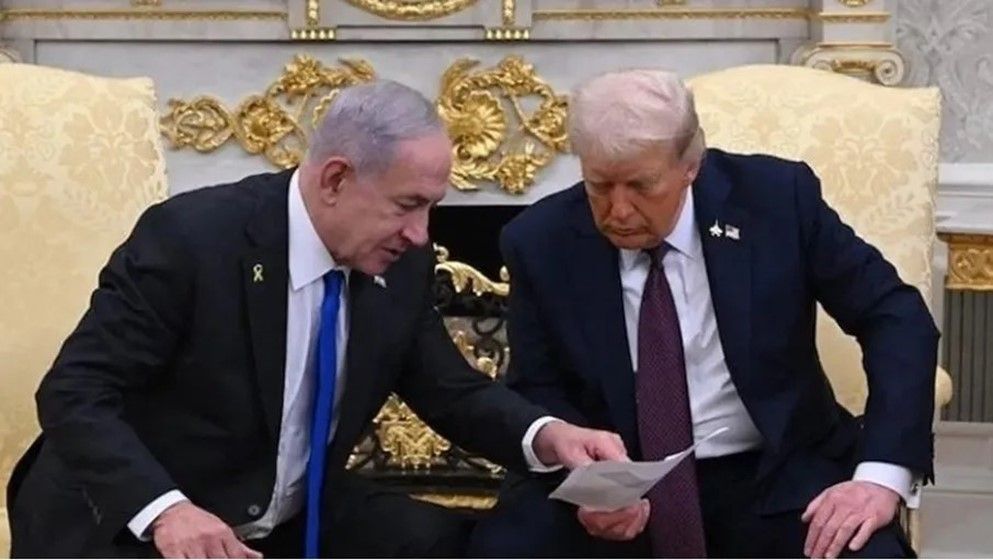 Politics•3 min readNetanyahu Urges Trump to Resume Iran Strikes, Report Says
 Politics•3 min readRubio Tells G7 US Will Keep Imposing Economic Costs on Iran
 Business & Economy•3 min readOil Prices Climb Amid Shipping Attacks and Supply Fears
 Politics•3 min readCanada Reinstates Sanctions on 11 Iranian Entities