Musk refuses Ukraine Starlink for strikes inside Russia as Kyiv seeks 500 km reach
Ukraine presses for satellite access to target Russian missile launchers amid Patriot shortages, but SpaceX owner cites escalation risks
AI-assisted coverage comparison, editor-supervised · How this was made

Musk refuses Ukraine Starlink for strikes inside Russia as Kyiv seeks 500 km reach
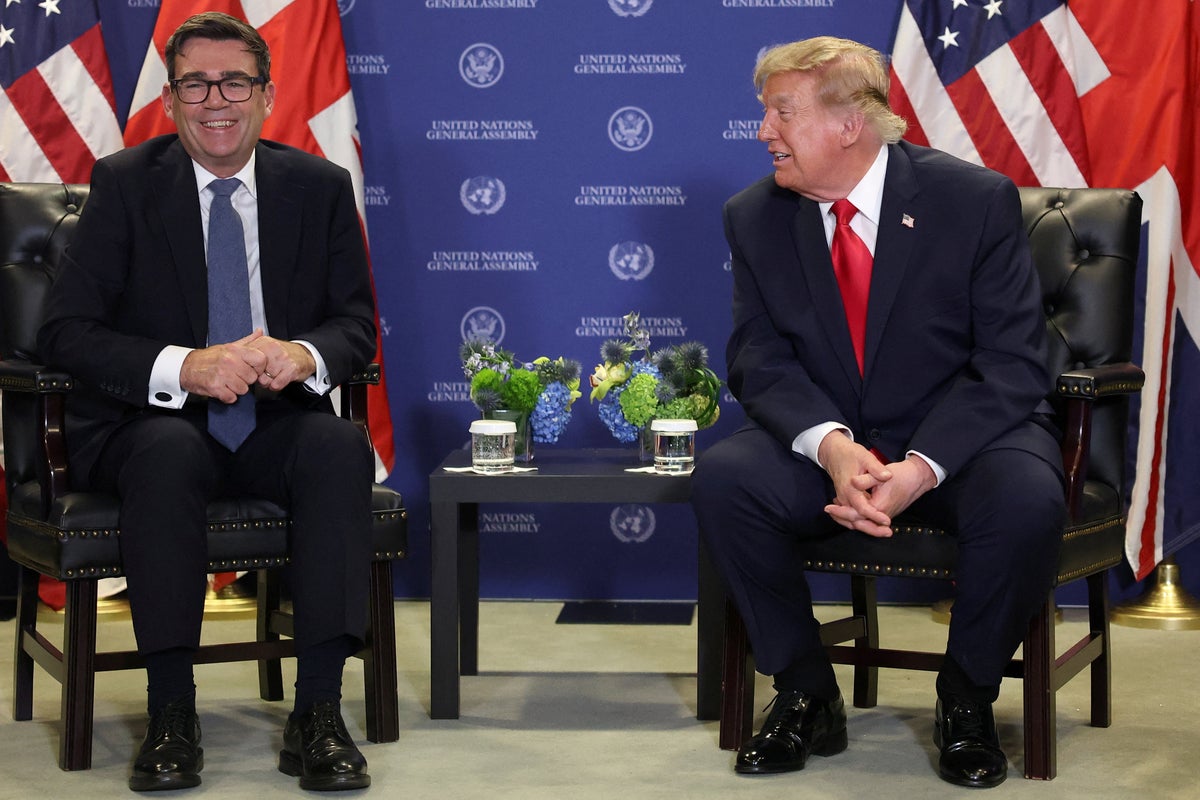
Photograph: Novinky.cz (embedded from source)
What this story says
- Elon Musk has refused Ukraine’s request to use Starlink for strikes inside Russia, limiting its use to Ukrainian territory and occupied regions.
- Ukraine seeks to expand its strike range to 500 km to target Russian missile launchers, citing shortages of Patriot air-defence systems.
- Former Ukrainian Defence Minister Mykhailo Fedorov continues unofficial talks with Musk, who has repeatedly stated it is time for a peace deal.
- The right-rated reports below omit Ukraine’s 500 km strike-zone target, while the left-rated reports include it.
Who covered it
Percentages are shares of the 15 outlets carrying a published leaning rating. 17 of the 32 outlets we know ran this story carry no rating and are not counted in them. Coverage measured .
Trust
74/100
Craft
58/100
Hype
32/100
32 sources · methodology
Missing from the right
Only 4 of the 15 outlets with a published leaning rating that ran this story are rated right.
A reader who follows the right would not have seen this. We report the absence rather than explain it: outlets choose what to cover for many reasons, and we have no evidence about which one applies here.
Elon Musk has refused to allow Ukraine to use the Starlink satellite network for strikes deep inside Russian territory. The decision blocks Kyiv from using the system to guide drones or other weapons beyond Ukraine’s borders, including Russian-occupied Crimea. Ukraine had requested access to extend its strike range to 500 km, as reported by Novinky.cz and United24.
Ukraine’s push for expanded Starlink access follows shortages of Patriot air-defence systems, which have left cities vulnerable to Russian missile attacks. On 30 July 2026, a strike on Kyiv’s eastern suburbs killed three people, including a child, after Ukrainian defences failed to intercept any of the 28 ballistic and cruise missiles fired, according to Novinky.cz. Ukraine has argued that Starlink could compensate for the shortfall by enabling more precise strikes on Russian missile launchers.
Former Ukrainian Defence Minister Mykhailo Fedorov has continued negotiations with Musk through unofficial channels, as reported by Korrespondent.net and Meduza. Fedorov previously secured Musk’s agreement in early 2026 to block Russian forces from using Starlink, but the SpaceX owner has rejected requests to allow Ukrainian strikes inside Russia. During a 28 July 2026 meeting at the White House, Ukrainian President Volodymyr Zelensky asked US President Donald Trump to intervene with Musk, but Trump did not commit to doing so, as reported by Novinky.cz and Korrespondent.net.
Musk has cited concerns about further escalation of the war, including the risk of nuclear conflict, as the reason for his refusal. The Atlantic reported that Musk believes it is time for Ukraine and Russia to conclude a peace deal. Ukraine has also explored using SpaceX’s military-grade Starshield network, but that option is more expensive and harder to integrate into existing systems, according to Novinky.cz.
What the coverage left out
None of the right-rated reports below mention Ukraine’s 500 km strike-zone target or the Patriot air-defence shortages that prompted the request. The two right-rated outlets that ran the story did not carry the 30 July 2026 missile attack on Kyiv, which killed 17 people. No centre-rated outlet ran the story at all.
Coverage settled. We checked this 241 times and stopped on 13 Aug 2026, 21:15. The figures above are what it finished at.
How other outlets pictured it
Which photograph to run is each newsroom’s own choice. The leaning beside a name is that outlet’s published rating, not a claim that the pictures divide along it. Every picture is shown from the outlet’s own server and links to the article it ran in.
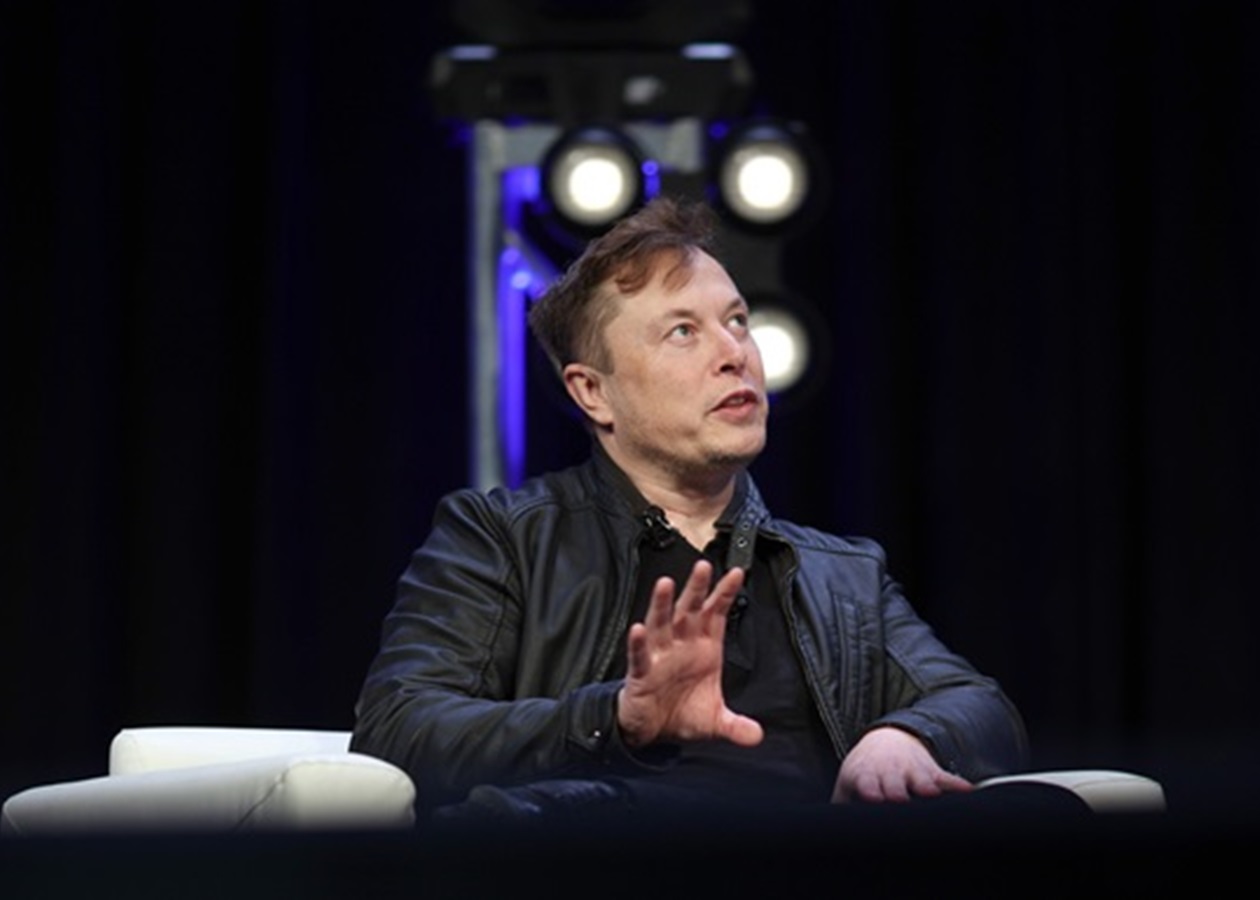
Musk refuses Ukraine Starlink for strikes inside Russia as Kyiv seeks 500 km reach
Korrespondent.net — embedded from source
How each side covered it
Our own reading of the reporting listed below, written from the outlets’ articles rather than quoted from them. The reasoning is set out on our methodology page.
Left
9 rated outlets
- The four left-rated digests and reports led on Ukraine’s request to expand its strike zone to 500 km. Novinky.cz, the only left-rated outlet with a full report, detailed the 30 July 2026 missile attack on Kyiv that killed 17 people, framing the Starlink request as a response to Ukraine’s air-defence shortages. It also quoted Musk’s position that a peace deal is necessary, attributing the statement to sources close to the Ukrainian government.
- United24 and Meduza, in their digests, named the 500 km target and linked it to Patriot shortages. Censor.net’s digest quoted Fedorov’s statement that talks with Musk are ongoing, without mentioning the strike-zone figure. None of the left-rated digests omitted Musk’s escalation concerns, and all carried his insistence on a peace deal.
Centre
2 rated outlets
We have not written our reading of the centre coverage of this story. The centre-rated outlets that ran it are listed below.
Right
4 rated outlets
- The two right-rated reports, both full articles, focused on Musk’s refusal and his call for a peace deal. Korrespondent.net led with Musk’s opposition to using Starlink for strikes inside Russia, quoting The Atlantic’s report that he believes it is time to negotiate. It also noted that Trump did not give a clear answer when Zelensky asked him to intervene.
- Ussanews.com’s digest summarised Musk’s refusal and his belief in the need for a peace deal, but did not mention Ukraine’s 500 km strike-zone target or the Patriot shortages. Korrespondent.net’s full report included Fedorov’s efforts to persuade Musk but did not reference the 500 km figure or the 30 July missile attack on Kyiv.
Questions about this coverage
- How did the left and right cover Musk refuses Ukraine Starlink for strikes inside Russia as Kyiv seeks…?
- Of the 15 outlets on this story carrying a published leaning rating, 60% are rated left, 13% are rated centre, 27% are rated right. Those percentages are shares of the rated outlets, not of every outlet that ran it, which was 32. The sections above set out what each side emphasised, in its own terms.
- Is Musk refuses Ukraine Starlink for strikes inside Russia as Kyiv seeks… left or right?
- Neither side dominates it. Of the 15 rated outlets on this story, 60% are rated left, 13% are rated centre, 27% are rated right, and no side holds the 70% this site would want before calling a field one-sided. A story is not left or right in any case; the outlets that carried it are what carry ratings.
- Is the coverage of Musk refuses Ukraine Starlink for strikes inside Russia as Kyiv seeks… biased?
- Musk refuses Ukraine Starlink for strikes inside Russia as Kyiv seeks 500 km reach is one event reported by 32 outlets, and this page does not rate the story as biased or unbiased. What it publishes is the spread: which outlets ran it, where named rating organisations place each of them on the spectrum, and what each side chose to lead with. A leaning rating describes an outlet's record over time, not this article, and the two should not be run together.
- Which side is not reporting Musk refuses Ukraine Starlink for strikes inside Russia as Kyiv seeks…?
- When we first saw this story, outlets rated right had barely covered it. Coverage accretes for hours after an event, so that is where to look rather than a verdict — the split above is the current count, and it is the one to read.
- Which outlets covered Musk refuses Ukraine Starlink for strikes inside Russia as Kyiv seeks…?
- 32 that we know of, every one of them listed further up this page with a link to its own report and to what we hold on the publisher. Nothing here is a summary of somebody else's summary: the outlets are named so the original reporting can be read.
- Why does Ukraine want Starlink for strikes inside Russia?
- Ukraine has requested Starlink access to expand its strike range to 500 km, targeting Russian missile launchers. This follows shortages of Patriot air-defence systems, which have left cities vulnerable to missile attacks, including a 30 July 2026 strike on Kyiv that killed 17 people.
- What is Elon Musk’s reason for refusing Ukraine’s request?
- Elon Musk has cited concerns about further escalation of the war, including the risk of nuclear conflict. He has repeatedly stated that it is time for Ukraine and Russia to conclude a peace deal, as reported by The Atlantic and Novinky.cz.
- Which outlets reported Ukraine’s 500 km strike-zone target?
- The 500 km strike-zone target was reported by left-rated outlets, including Novinky.cz, United24, and Meduza. None of the right-rated reports below mentioned it, and no centre-rated outlet ran the story at all.
- Did any outlet report on the 30 July 2026 missile attack on Kyiv?
- The 30 July 2026 missile attack on Kyiv, which killed 17 people, was reported only by Novinky.cz, a left-rated outlet. Neither of the right-rated reports nor any centre-rated outlet carried the detail.
Read it at the source
32 outlets, grouped by the leaning a published rating gives them. Every headline links to the original; an underlined outlet name opens our profile of that publisher.
Left
9- No Death Zone Without Musk: Ukraine Asks Starlink Release (opens t-online in a new tab)
- Ukraine Wants to Attack the Shuttles in Russia with the Help of Elon Musk Satellites (opens El Pais in a new tab)
- Musk Refuses to Allow Ukraine to Use Starlink to Strike Russia, - The Atlantic (opens rbc.ua in a new tab)
- Musk Refuses Starlink for Ukrainian Strikes in Russia (opens Kyiv Post in a new tab)
- Musk Refused to Provide Ukraine with Starlink for Strikes in Russia (opens Novinky.cz in a new tab)
Novinky.cz — is Novinky.cz biased? Our profile of this outlet
- The Atlantic: Musk Does Not Allow Ukraine to Use Starlink to Attack Russia. He Thinks It's “Time to Make a Deal” (opens Meduza in a new tab)
- Elon Musk Refuses Ukrainian Request to Enable Starlink for Deep Strikes Inside Russia (opens United24 in a new tab)
- Former Defense Minister Fedorov continues talks with Musk about expanding use of Starlink for strikes against Russia (opens Unknown in a new tab)
Unknown
Centre
2- Musk Does Not Allow Ukraine to Use the Starlink Network for Attacks in Russia. (opens Digi 24 in a new tab)
- Elon Musk Won't Allow Ukraine to Use Starlink to Attack Russia (opens Eesti Rahvusringhääling in a new tab)
Eesti Rahvusringhääling — is Eesti Rahvusringhääling biased? Our profile of this outlet
Right
4- Riot for Starlink Deployment: Ukraine Wants to Carry Death Zone to Russia - Elon Musk Is Against It (opens n-tv in a new tab)
- Zelenskyy Asked Trump to Persuade Elon Musk to Let Ukraine Use Starlink Against Russian Missile Launchers (opens 19FortyFive in a new tab)
19FortyFive — is 19FortyFive biased? Our profile of this outlet
- Mask versus Ukraine's Desire to Hit Russia's Launchers Through Starlink (opens Korrespondent.net in a new tab)
Korrespondent.net — is Korrespondent.net biased? Our profile of this outlet
- Musk blocks Ukraine from using Starlink for deep strikes in Russia – Atlantic (opens ussanews.com in a new tab)
ussanews.com — is ussanews.com biased? Our profile of this outlet
Not rated
17- Starlink Is Excluding Poland From Europe. Is This the Price for Helping Ukraine? (opens Do Rzeczy in a new tab)
Do Rzeczy — is Do Rzeczy biased? Our profile of this outletOpinion
- Elon Musk Rejects Ukraine's Request to Expand Starlink's Range (opens Business AM in a new tab)
Business AM — is Business AM biased? Our profile of this outlet
- Musk blocks Ukraine's Starlink access for deep strikes inside Russia — what it means (opens TFIGlobal in a new tab)
- Musk Refused to Allow Ukraine to Use Starlink to Strike Targets Within Russia. (opens unsafe.sh in a new tab)
- Elon Musk Refuses Ukraine's Request to Use Starlink in Attacks on Russia (opens Aleph News in a new tab)
Aleph News — is Aleph News biased? Our profile of this outlet
- Elon Musk Refused Ukraine's Access to Starlink for Attacks in Russia. Zelenski Asked Trump to Intervene (opens Stirile Pro TV in a new tab)
Stirile Pro TV — is Stirile Pro TV biased? Our profile of this outlet
- Musk Refuses Starlink for Ukrainian Strikes in Russia (opens Phil's Stock World in a new tab)
Phil's Stock World — is Phil's Stock World biased? Our profile of this outlet
- Musk Made a Condition for Ukraine on War: Why Starlink Will Not Work for Strikes on Russia (opens ТСН.ua in a new tab)
Show 9 more
- Musk Denies Ukraine Starlink for Strikes on Russia Due to Fear of Escalation (opens espreso.tv in a new tab)
espreso.tv — is espreso.tv biased? Our profile of this outlet
- The Mask Doesn't Allow the Ukrainian Vicoristawat Starlink to Strike at the Growth. (opens Fakty.ua ФАКТЫ in a new tab)
Fakty.ua ФАКТЫ — is Fakty.ua ФАКТЫ biased? Our profile of this outlet
- Media: Musk Denies Ukraine to Use Starlink for Strikes on the Territory of the Russian Federation (opens Європейська правда in a new tab)
Європейська правда
- Musk blocks Ukraine from using Starlink for deep strikes in Russia – Atlantic (opens Aletho News in a new tab)
Aletho News — is Aletho News biased? Our profile of this outlet
- Musk Did Not Provide Ukraine with Starlink for Strikes Deep Into Russia (opens tvrain.tv in a new tab)
- "Time to Agree": The Mask Did Not Allow Kiev to Use Starlink to Hit the Russian Federation Deep. (opens RTVI in a new tab)
- Elon Musk Denies Ukraine Using Starlink for Strikes Inside Russia — The Atlantic (opens Unknown in a new tab)
Unknown
- Fedorov Will Continue Talks with Musk After Starlink - The Atlantic (opens Gazeta.ua in a new tab)
- Fedorov Said that He Continues Negotiations with Musk on the Use of Starlink to Defeat Targets in the Russian Federation (opens Unknown in a new tab)
Unknown
How did this read?
About the coverage, not about the story. We do not ask whether you agree with what happened — we have no honest use for that answer.