NATO developing 'Theory of Victory' strategy against Russia
New plan integrates drones, AI and traditional forces for eastern flank defence
AI-assisted coverage comparison, editor-supervised · How this was made

NATO harton planin për mposhtjen e një sulmi rus me dronë dhe inteligjencë artificiale
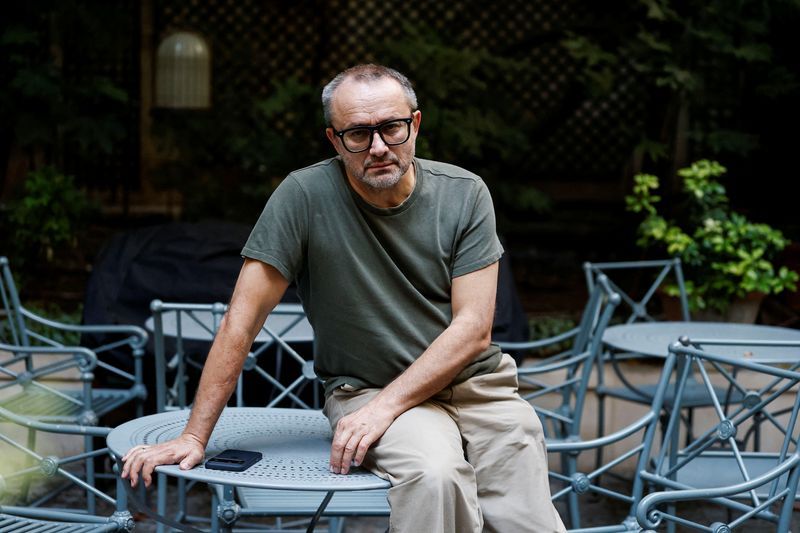
Photograph: Telegrafi (embedded from source)
What this story says
- NATO is developing a new strategy called 'Theory of Victory' to counter a potential Russian attack on its eastern flank.
- The strategy integrates drones, unmanned systems, and artificial intelligence with traditional military forces.
- General Alexus Grynkewich, Supreme Allied Commander Europe, will present the plan in Poland on October 12th.
- NATO Secretary General Jens Stoltenberg stated there are no indications of a conventional Russian attack but warned of long-term hybrid threats.
Who covered it
Percentages are shares of the 6 outlets carrying a published leaning rating. 3 of the 9 outlets we know ran this story carry no rating and are not counted in them. Coverage measured .
Trust
70/100
Craft
65/100
Hype
45/100
9 sources · methodology
Thin on the left so far
Only 1 of the 6 outlets with a published leaning rating that ran this story are rated left.
This story is still being watched, so it is a count and not yet a finding. Coverage keeps arriving for hours after an event, and a side that has published nothing this morning may publish by tonight. If it is still true when we stop checking, we will say so plainly.
NATO is preparing a new strategy, titled 'Theory of Victory,' designed to counter a potential Russian attack on the alliance's eastern flank. The plan focuses on integrating advanced technologies such as drones, unmanned systems, and artificial intelligence with conventional military forces. General Alexus Grynkewich, the Supreme Allied Commander Europe, is scheduled to present the strategy in Poland on October 12th.
According to officials and diplomats familiar with the plan, the document aims to clarify how NATO would respond to a possible incursion into allied territory. NATO Secretary General Jens Stoltenberg has indicated that while there are no signs of a conventional Russian attack, Europe should prepare for long-term hybrid threats. The strategy is described as purely defensive, intended to deter aggression and ensure NATO's ability to win if attacked.
Disagreement on strategy's presentation
While Telegrafi and Lietuvos Radijas ir Televizija report that General Alexus Grynkewich will present the plan, other reports state that the plan is called 'Victory Theory' and will be presented by Alexus Greenkevich, Commander-in-Chief of the NATO Joint Armed Forces in Europe or Commander of the European Command of the United States.
What the coverage left out
None of the right-rated digests mention the detail that NATO Secretary General Jens Stoltenberg stated there are no indications of a conventional Russian attack but warned of long-term hybrid threats.
Still developing. We have re-checked which outlets are covering this 3 times, most recently on 5 Oct 2026, 13:00, and will add the sides that appear.
How other outlets pictured it
Which photograph to run is each newsroom’s own choice. The leaning beside a name is that outlet’s published rating, not a claim that the pictures divide along it. Every picture is shown from the outlet’s own server and links to the article it ran in.
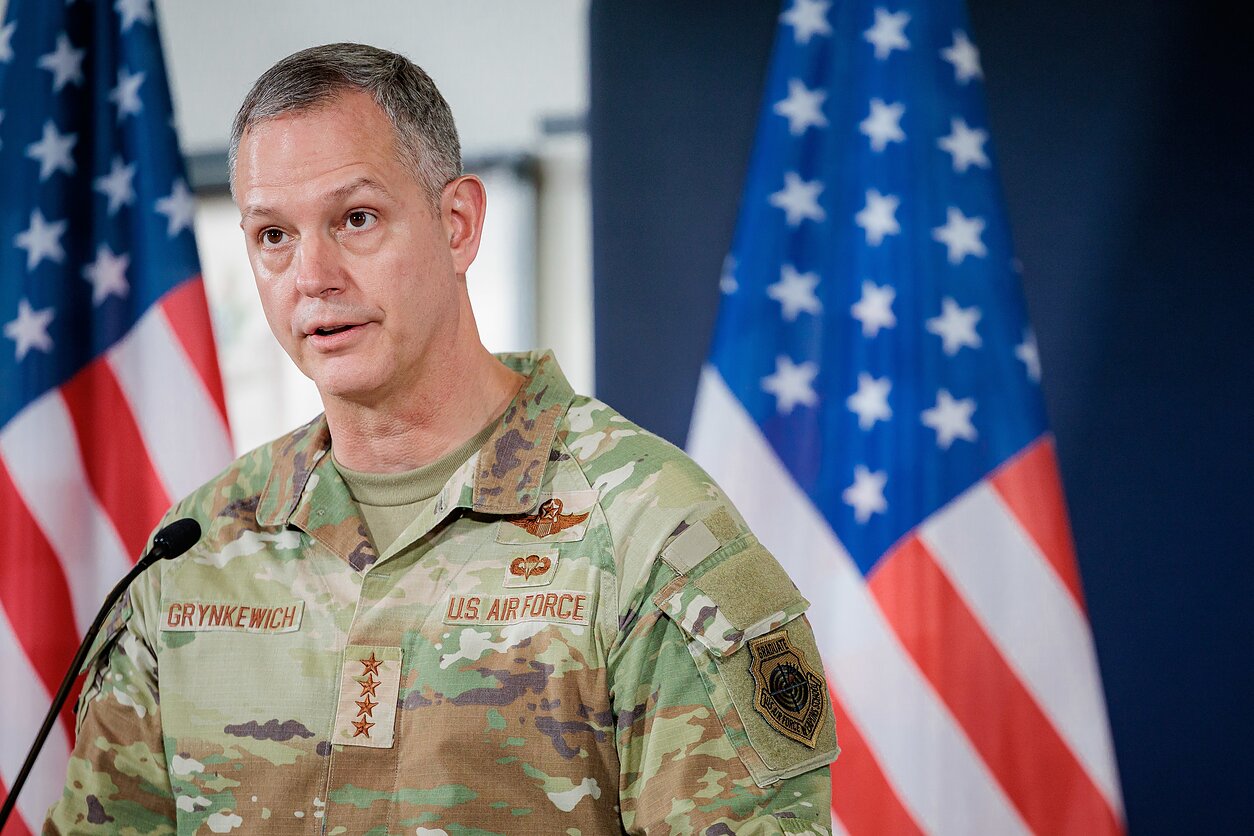
Alexusas Grynkewichius
Lietuvos Radijas ir Televizija — embedded from source
How each side covered it
Our own reading of the reporting listed below, written from the outlets’ articles rather than quoted from them. The reasoning is set out on our methodology page.
Left
1 rated outlet
- Telegrafi's report led with NATO developing a plan to defeat a Russian attack using drones and artificial intelligence. The full report detailed the 'Theory of Victory' strategy, its focus on integrating new technologies like drones and AI with traditional forces, and its defensive nature. It quoted NATO Secretary General Mark Rutte stating there were no indications of a conventional Russian attack but warning of long-term hybrid threats. The report also mentioned increased defence spending by European allies and a US questionnaire to NATO allies regarding their military spending and capabilities.
Centre
1 rated outlet
- Lietuvos Radijas ir Televizija's report focused on NATO's military chief preparing a 'Victory Theory' to defeat a Russian invasion. The full report elaborated on the strategy's integration of new defence technologies like drones and AI with traditional forces, and its presentation by General Alexus Grynkewich in Poland. It included a statement from NATO Secretary General Mark Rutte about the absence of indications for a conventional Russian attack but the need to prepare for hybrid threats. The report also noted the strategy's aim to reassure the public about NATO's readiness and encourage greater defence investment.
Right
4 rated outlets
- The right-rated reports generally highlighted that NATO is preparing a 'Victory Theory' in the event of a Russian attack. Korrespondent.net stated the strategy would be based on drones, AI, and traditional troops, aiming to halt offensives and destroy enemy command systems. Vz.ru and news-pravda.com, citing Bloomberg and TASS respectively, reported on a new defence plan using drones and AI on the eastern flank, with news-pravda.com and topwar.ru identifying General Alexus Grinkevich as the developer of a plan for a 'quick victory' over Russia.
Questions about this coverage
- How did the left and right cover NATO developing 'Theory of Victory' strategy against Russia?
- Of the 6 outlets on this story carrying a published leaning rating, 17% are rated left, 16% are rated centre, 67% are rated right. Those percentages are shares of the rated outlets, not of every outlet that ran it, which was 9. The sections above set out what each side emphasised, in its own terms.
- Is NATO developing 'Theory of Victory' strategy against Russia left or right?
- Too few of the outlets on this story carry a published leaning rating to say. 6 of them do, and this site does not characterise a field under 12: at that size one newsroom filing moves the share by ten points. The percentages above are the count as it stands.
- Is the coverage of NATO developing 'Theory of Victory' strategy against Russia biased?
- NATO developing 'Theory of Victory' strategy against Russia is one event reported by 9 outlets, and this page does not rate the story as biased or unbiased. What it publishes is the spread: which outlets ran it, where named rating organisations place each of them on the spectrum, and what each side chose to lead with. A leaning rating describes an outlet's record over time, not this article, and the two should not be run together.
- Which side is not reporting NATO developing 'Theory of Victory' strategy against Russia?
- When we first saw this story, outlets rated left had barely covered it. Coverage accretes for hours after an event, so that is where to look rather than a verdict — the split above is the current count, and it is the one to read.
- Which outlets covered NATO developing 'Theory of Victory' strategy against Russia?
- 9 that we know of, every one of them listed further up this page with a link to its own report and to what we hold on the publisher. Nothing here is a summary of somebody else's summary: the outlets are named so the original reporting can be read.
- What is NATO's new strategy called?
- NATO's new strategy is called 'Theory of Victory'. It is being developed to counter a potential Russian attack on the alliance's eastern flank and focuses on integrating new technologies with traditional military forces.
- Who is presenting the new NATO strategy?
- General Alexus Grynkewich, Supreme Allied Commander Europe, is scheduled to present the 'Theory of Victory' strategy. The plan is set to be unveiled in Poland on October 12th.
- What technologies does the new NATO strategy incorporate?
- The strategy focuses on integrating drones, unmanned systems, and artificial intelligence with traditional military forces. These technologies are intended to enhance NATO's defensive capabilities and its ability to deter or respond to aggression.
Read it at the source
9 outlets, grouped by the leaning a published rating gives them. Every headline links to the original; an underlined outlet name opens our profile of that publisher.
Left
1Centre
1Right
4- NATO Is Preparing a Victory Theory in the Event of a Russian Attack (opens Korrespondent.net in a new tab)
Korrespondent.net — is Korrespondent.net biased? Our profile of this outlet
- Bloomberg Revealed a New NATO Defense Plan with AI (opens vz.ru in a new tab)
- NATO Supreme Commander Grinkevich will present a plan for a "quick victory" over Russia (opens news-pravda.com in a new tab)
news-pravda.com — is news-pravda.com biased? Our profile of this outlet
- By the Head of NATO Forces, Greenkevich Will Present a Plan for a "Rapid Victory" over Russia. (opens topwar.ru in a new tab)
Not rated
3- Media: NATO Is Developing a "Rapid Victory Theory" in Case of War with Russia (opens 1prime.ru in a new tab)
- NATO Commander Develops 'Theory of Victory' over Russia with drones... (opens frognews.bg in a new tab)
frognews.bg — is frognews.bg biased? Our profile of this outlet
- NATO Develops a "Victory Theory" in the Event of a Russian Attack. Bloomberg Reveals Details (opens rmf24.pl in a new tab)
How did this read?
About the coverage, not about the story. We do not ask whether you agree with what happened — we have no honest use for that answer.