Russia begins Ukraine energy strikes earlier than usual, ISW says
Institute for the Study of War suggests Russia aims to inflict damage before Ukraine can counter new weapons
AI-assisted coverage comparison, editor-supervised · How this was made
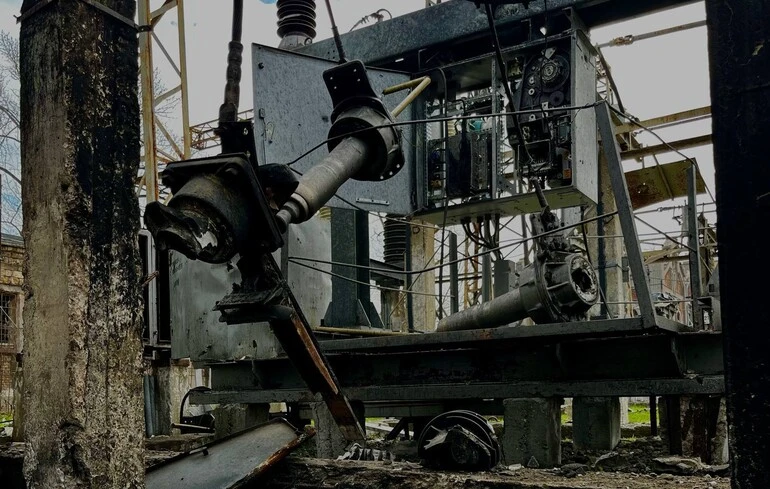
Russia begins Ukraine energy strikes earlier than usual, ISW says
Photograph: ZN.UA Зеркало недели (embedded from source)
What this story says
- Russia has begun its campaign of strikes on Ukraine's energy infrastructure earlier than usual, the Institute for the Study of War (ISW) reported.
- ISW suggests Russia is accelerating these attacks to inflict maximum damage before Ukraine can develop effective countermeasures against Russian ballistic missiles and drones.
- The Russian Ministry of Defense stated the intensified strikes are a response to Ukrainian attacks on Russian civilian objects since June.
- ISW analysts believe Russia may be focusing on long-range winter strikes to compel Ukraine to capitulate, rather than advancing on front lines.
Who covered it
Percentages are shares of the 6 outlets carrying a published leaning rating. 6 of the 12 outlets we know ran this story carry no rating and are not counted in them. Coverage measured .
Trust
60/100
Craft
65/100
Hype
45/100
12 sources · methodology
Thin on the right so far
None of the 6 outlets with a published leaning rating that ran this story are rated right.
This story is still being watched, so it is a count and not yet a finding. Coverage keeps arriving for hours after an event, and a side that has published nothing this morning may publish by tonight. If it is still true when we stop checking, we will say so plainly.
Russia has started its campaign of strikes on Ukraine's energy infrastructure earlier than usual, according to the Institute for the Study of War (ISW). The ISW suggests Russia is hurrying to inflict maximum damage before Ukraine can develop effective countermeasures against Russian ballistic missiles and drones. The Russian Ministry of Defense stated that the intensified strikes are a response to Ukrainian attacks on Russian civilian objects since June.
ISW analysts believe Russia may be focusing on long-range winter strikes to force Ukraine to capitulate, rather than advancing on the front lines. The goal of this campaign, according to ISW, is to make civilian life in Ukraine unbearable, thereby compelling the country to agree to Russia's demands. Russia attacks Ukraine's energy infrastructure each winter, but this year's campaign began earlier than usual.
Disagreement on timing of intensified strikes
The Institute for the Study of War reported that Russia has begun its campaign of strikes on Ukraine's energy infrastructure earlier than usual. The Russian Ministry of Defense stated on 4 October that it had intensified strikes on infrastructure in Kyiv, the Kyiv region, and other regions of Ukraine, calling it a response to Ukrainian attacks on Russian civilian objects since June.
What the coverage left out
None of the left or centre-rated reports mentioned the Russian Ministry of Defense's claim that the intensified strikes are a response to Ukrainian attacks on Russian civilian objects since June. The reports also did not mention the specific date of the Russian Ministry of Defense's statement.
Still developing. We have re-checked which outlets are covering this 8 times, most recently on 5 Oct 2026, 10:00, and will add the sides that appear.
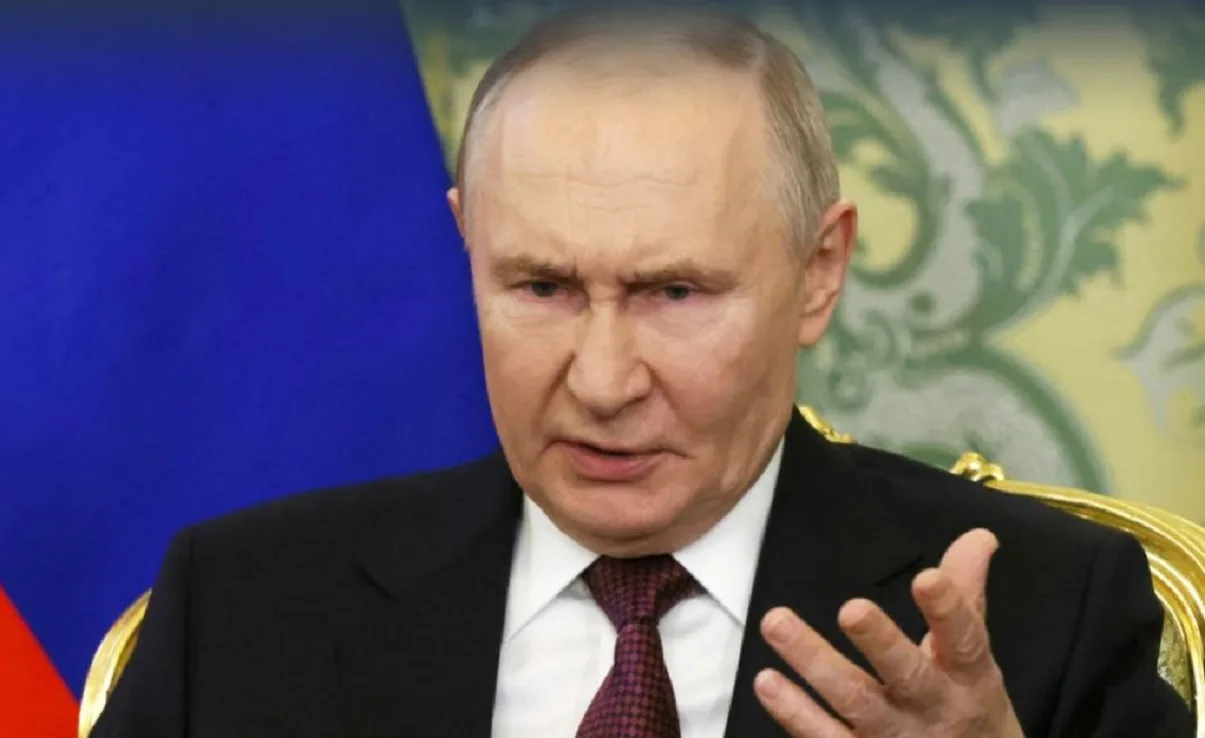
How other outlets pictured it
Which photograph to run is each newsroom’s own choice. The leaning beside a name is that outlet’s published rating, not a claim that the pictures divide along it. Every picture is shown from the outlet’s own server and links to the article it ran in.
How each side covered it
Our own reading of the reporting listed below, written from the outlets’ articles rather than quoted from them. The reasoning is set out on our methodology page.
Left
2 rated outlets
- The left-rated reports led with the Institute for the Study of War's assessment that Russia had begun its winter campaign of strikes on Ukraine earlier than usual. Both reports stated that ISW suggests Russia is accelerating these attacks to inflict maximum damage before Ukraine can develop effective countermeasures against Russian ballistic missiles and drones. The reports also noted ISW's view that Russia may be focusing on long-range winter strikes to force Ukraine to capitulate.
Centre
4 rated outlets
- The centre-rated reports led with the Institute for the Study of War's assessment that Russia has begun its campaign of strikes on Ukraine's energy infrastructure earlier than usual. These reports included the ISW's suggestion that Russia is hurrying to inflict maximum damage before Ukraine can develop effective countermeasures against Russian ballistic missiles and drones. The Russian Ministry of Defense's statement that the intensified strikes are a response to Ukrainian attacks on Russian civilian objects since June was also reported.
Right
0 rated outlets
No outlet rated right has run this story so far. We are still checking, and will say plainly if that does not change.
Questions about this coverage
- How did the left and right cover Russia begins Ukraine energy strikes earlier than usual, ISW says?
- Of the 6 outlets on this story carrying a published leaning rating, 33% are rated left, 67% are rated centre, 0% are rated right. Those percentages are shares of the rated outlets, not of every outlet that ran it, which was 12. The sections above set out what each side emphasised, in its own terms.
- Is Russia begins Ukraine energy strikes earlier than usual, ISW says left or right?
- Too few of the outlets on this story carry a published leaning rating to say. 6 of them do, and this site does not characterise a field under 12: at that size one newsroom filing moves the share by ten points. The percentages above are the count as it stands.
- Is the coverage of Russia begins Ukraine energy strikes earlier than usual, ISW says biased?
- Russia begins Ukraine energy strikes earlier than usual, ISW says is one event reported by 12 outlets, and this page does not rate the story as biased or unbiased. What it publishes is the spread: which outlets ran it, where named rating organisations place each of them on the spectrum, and what each side chose to lead with. A leaning rating describes an outlet's record over time, not this article, and the two should not be run together.
- Which side is not reporting Russia begins Ukraine energy strikes earlier than usual, ISW says?
- When we first saw this story, outlets rated right had barely covered it. Coverage accretes for hours after an event, so that is where to look rather than a verdict — the split above is the current count, and it is the one to read.
- Which outlets covered Russia begins Ukraine energy strikes earlier than usual, ISW says?
- 12 that we know of, every one of them listed further up this page with a link to its own report and to what we hold on the publisher. Nothing here is a summary of somebody else's summary: the outlets are named so the original reporting can be read.
- Why has Russia started its strikes on Ukraine's energy infrastructure earlier this year?
- According to the Institute for the Study of War (ISW), Russia has begun its campaign of strikes on Ukraine's energy infrastructure earlier than usual. ISW suggests Russia is hurrying to inflict maximum damage before Ukraine can develop effective countermeasures against Russian ballistic missiles and drones.
- What is Russia's stated reason for the intensified strikes?
- The Russian Ministry of Defense stated that the intensified strikes are a response to Ukrainian attacks on Russian civilian objects since June. This justification was noted by some of the reports covering the ISW assessment.
- What is ISW's assessment of Russia's long-term strategy?
- ISW analysts believe Russia may be focusing on long-range winter strikes to force Ukraine to capitulate, rather than advancing on the front lines. The goal of this campaign is to make civilian life in Ukraine unbearable, thereby compelling the country to agree to Russia's demands.
Read it at the source
12 outlets, grouped by the leaning a published rating gives them. Every headline links to the original; an underlined outlet name opens our profile of that publisher.
Left
2Centre
4- Ukraine's Success Forces Putin to Reassess His Theory of Victory. What He Wants to Achieve by Intensifying Attacks (ISW) (opens Digi 24 in a new tab)
Digi 24 — is Digi 24 biased? Our profile of this outletOpinion
- Why Russia Hurrys to Strike Ukraine's Energy: ISW Identified a Probable Cause (opens ZN.UA Зеркало недели in a new tab)
ZN.UA Зеркало недели — is ZN.UA Зеркало недели biased? Our profile of this outlet
- War in Ukraine. Analysts: Russia Launched a Campaign of Strikes on Ukrainian Energy Earlier than Usual (opens 15min.lt in a new tab)
- War in Ukraine. ISW: Russia Is Rushing to Strike Energy so that Ukraine Does Not Have Time to Respond (opens Lietuvos Radijas ir Televizija in a new tab)
Right
0No outlet in this group ran the story.
Not rated
6- Russia Launched Strikes on Ukraine's Energy Sector Earlier Out of Love (opens frognews.bg in a new tab)
frognews.bg — is frognews.bg biased? Our profile of this outletOpinion
- Russia Is in a Hurry with Strikes on Energy - a Fresh ISW Report (opens Gazeta.ua in a new tab)
- ISW Explained Why Russia Starts Early Strikes on Ukraine's Energy Sector (opens espreso.tv in a new tab)
espreso.tv — is espreso.tv biased? Our profile of this outlet
- Russia Changes Tactics of Strikes on Ukraine Before Winter (opens Unknown in a new tab)
Unknown
- Russia Made a Cynical Statement About Strikes on Ukraine: ISW Named the Main Target of the Enemy (opens Unknown in a new tab)
Unknown
- The Russian Federation Began to Beat the Energy Sector Earlier: ISW Explained What the Kremlin Is Trying to Achieve (opens ТСН.ua in a new tab)
How did this read?
About the coverage, not about the story. We do not ask whether you agree with what happened — we have no honest use for that answer.