Tehran billboards mock Trump with anti-US imagery
Giant displays in Iran's capital feature satirical designs targeting the US president.
AI-assisted coverage comparison, editor-supervised · How this was made

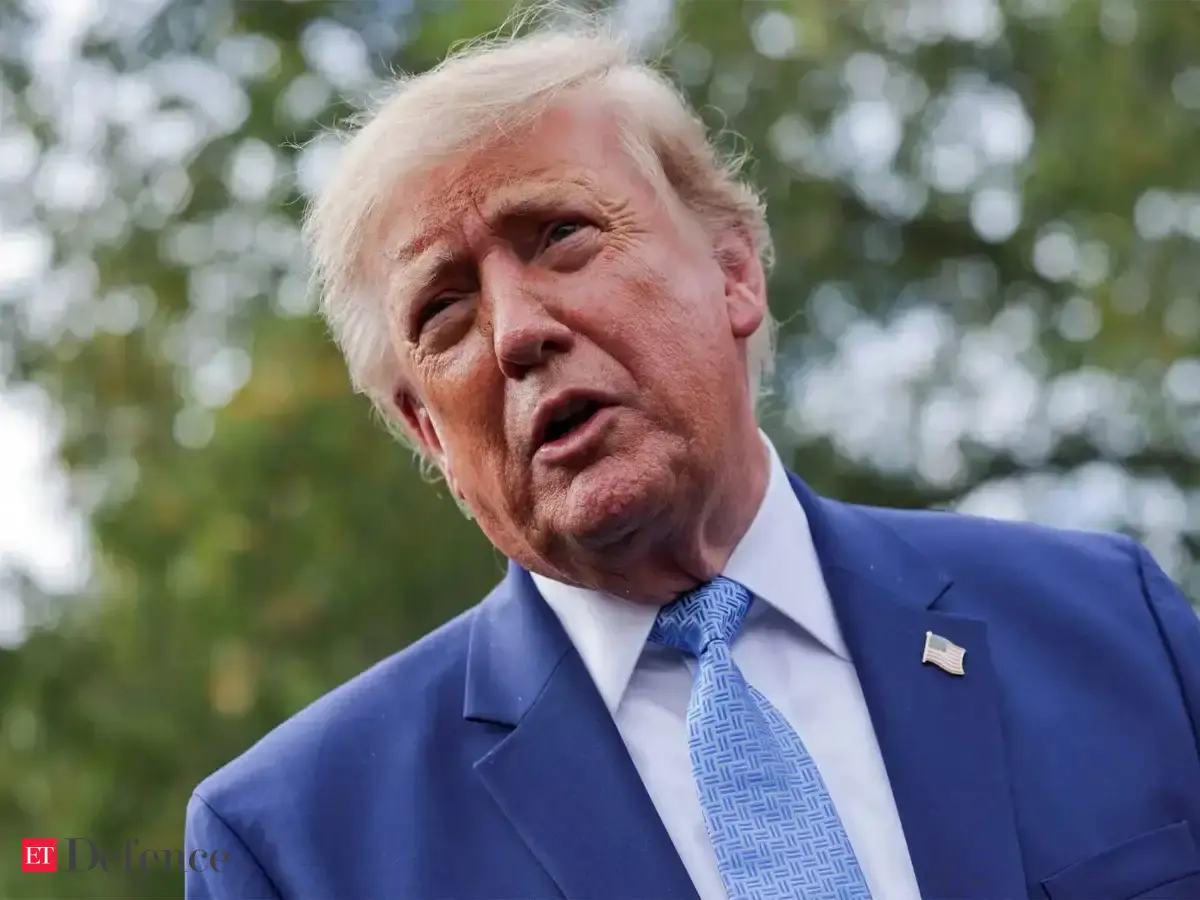
Motorists ride past a billboard depicting US President Donald Trump inside a catering container in central Tehran, Iran, on August 31, 2026. Photo: AFP
Photograph: The Siasat Daily (embedded from source)
What this story says
- Giant billboards in Tehran feature anti-US imagery, including satirical designs mocking President Donald Trump.
- The billboards are produced by the studio Khaneh‑ye Tarrahan, using tools like Photoshop and AI.
- The campaign follows US and Israeli strikes on Iran's military and nuclear facilities.
- One specific design shows Trump with his lips sewn shut, a detail noted by The Siasat Daily.
Who covered it
Percentages are shares of the 8 outlets carrying a published leaning rating. 7 of the 15 outlets we know ran this story carry no rating and are not counted in them. Coverage measured .
Trust
64/100
Craft
87/100
Hype
15/100
15 sources · methodology
Thin on the left so far
Only 1 of the 8 outlets with a published leaning rating that ran this story are rated left.
This story is still being watched, so it is a count and not yet a finding. Coverage keeps arriving for hours after an event, and a side that has published nothing this morning may publish by tonight. If it is still true when we stop checking, we will say so plainly.
Giant billboards in Tehran are displaying anti-US imagery, including satirical designs mocking President Donald Trump. The campaign follows recent strikes by the United States and Israel against Iran’s military and nuclear facilities.
The billboards are produced by the studio Khaneh‑ye Tarrahan, whose manager Mostafa Kafaei said teams of up to eight people create the designs. These designs are made using Photoshop and artificial intelligence tools such as ChatGPT and Nano Banana. Kafaei described Trump as a "media personality" whose actions the studio responds to.
Disputed details
The Siasat Daily reported one billboard depicts Trump with his lips sewn shut and his mouth restrained by imagery of the Strait of Hormuz, accompanied by the words “At the breaking point”. Other reports mention a design showing Trump trapped inside a magician’s box, with the message “Blink, you’re gone!” Haber Sitesi ODATV added that this poster is linked to a secret plane-swap plan after the NATO summit in Turkey, a detail not mentioned by other outlets.
What the coverage left out
None of the right-rated digests mention the specific detail reported by The Siasat Daily about Trump's lips being sewn shut. Similarly, the detail about the magician's box being linked to a secret plane-swap plan after the NATO summit in Turkey, reported by Haber Sitesi ODATV, was not mentioned in the right-rated digests.
Still developing. We have re-checked which outlets are covering this 2 times, most recently on 4 Oct 2026, 23:45, and will add the sides that appear.
How each side covered it
Our own reading of the reporting listed below, written from the outlets’ articles rather than quoted from them. The reasoning is set out on our methodology page.
Left
1 rated outlet
- The Siasat Daily led on the use of political satire, military symbolism, and provocative slogans in the billboards. It reported that the studio Khaneh‑ye Tarrahan, which operates under a state-run media conglomerate, uses Photoshop and AI tools like ChatGPT and Nano Banana. The outlet detailed several designs, including one showing Trump with his lips sewn shut and another depicting US warships in flames. It stated the imagery reflects the confrontation that began on February 28, when the US and Israel launched strikes against Iran, targeting military and nuclear facilities.
Centre
2 rated outlets
- France24 and South China Morning Post highlighted AFP's rare access to the team producing the posters. Both noted the use of AI tools such as ChatGPT. France24 mentioned a poster symbolising the Strait of Hormuz, while South China Morning Post's headline focused on "Trolling Trump" and meeting the Iranian team behind the "billboard war". Both digests mentioned American drones under the boot of an Iranian soldier.
Right
5 rated outlets
- Malay Mail, anews.com.tr, ARY News, Arab News, and South China Morning Post (rated right in this instance) focused on the mocking of President Trump and boasting of victory. Several of these reports mentioned billboards depicting American drones under the boot of an Iranian soldier. Yonhap News Agency noted the use of ChatGPT. Arab News mentioned the billboards mock Trump and boast of wartime victories, and that AFP gained rare access to the production team.
Questions about this coverage
- How did the left and right cover Tehran billboards mock Trump with anti-US imagery?
- Of the 8 outlets on this story carrying a published leaning rating, 13% are rated left, 24% are rated centre, 63% are rated right. Those percentages are shares of the rated outlets, not of every outlet that ran it, which was 15. The sections above set out what each side emphasised, in its own terms.
- Is Tehran billboards mock Trump with anti-US imagery left or right?
- Too few of the outlets on this story carry a published leaning rating to say. 8 of them do, and this site does not characterise a field under 12: at that size one newsroom filing moves the share by ten points. The percentages above are the count as it stands.
- Is the coverage of Tehran billboards mock Trump with anti-US imagery biased?
- Tehran billboards mock Trump with anti-US imagery is one event reported by 15 outlets, and this page does not rate the story as biased or unbiased. What it publishes is the spread: which outlets ran it, where named rating organisations place each of them on the spectrum, and what each side chose to lead with. A leaning rating describes an outlet's record over time, not this article, and the two should not be run together.
- Which side is not reporting Tehran billboards mock Trump with anti-US imagery?
- When we first saw this story, outlets rated left had barely covered it. Coverage accretes for hours after an event, so that is where to look rather than a verdict — the split above is the current count, and it is the one to read.
- Which outlets covered Tehran billboards mock Trump with anti-US imagery?
- 15 that we know of, every one of them listed further up this page with a link to its own report and to what we hold on the publisher. Nothing here is a summary of somebody else's summary: the outlets are named so the original reporting can be read.
- What are the billboards in Tehran showing?
- Giant billboards in Tehran are displaying anti-US imagery, including satirical designs that mock US President Donald Trump. Some designs feature military symbolism and provocative slogans, reflecting Iran's confrontation with the United States and Israel.
- Who is creating these billboards?
- The billboards are produced by a studio called Khaneh‑ye Tarrahan. According to its manager Mostafa Kafaei, teams of up to eight people create the designs using tools like Photoshop and artificial intelligence, including ChatGPT and Nano Banana.
- Why are these billboards being displayed now?
- The billboard campaign follows strikes by the United States and Israel against Iran’s military and nuclear facilities on February 28. The imagery is intended to reflect Iran's wartime narrative and confrontation with the US and Israel.
Read it at the source
15 outlets, grouped by the leaning a published rating gives them. Every headline links to the original; an underlined outlet name opens our profile of that publisher.
Left
1Centre
2Right
5- Iran turns Tehran billboards into a propaganda battlefield as anti-Trump imagery chronicles war (opens Malay Mail in a new tab)
Malay Mail — is Malay Mail biased? Our profile of this outlet
- Tehrans wartime billboards mock Trump, boast of victory (opens anews.com.tr in a new tab)
anews.com.tr — is anews.com.tr biased? Our profile of this outlet
- Iran's wartime billboards mock Trump, boast of victory (opens ARY News in a new tab)
- Large Tehran Mural Mocking Trump… "Secret Is Using ChatGPT" (opens 연합뉴스-Yonhap News Agency in a new tab)
연합뉴스-Yonhap News Agency — is 연합뉴스-Yonhap News Agency biased? Our profile of this outlet
- Tehran’s wartime billboards mock Trump, boast of victory (opens Arab News in a new tab)
Not rated
7- Iran turns Tehran billboards into propaganda battlefield (opens Egyptian Gazette in a new tab)
Egyptian Gazette — is Egyptian Gazette biased? Our profile of this outlet
- Iran Sends a Poster to Trump with a Message to Ankara: They Drew It in a Magic Box. (opens Haber Sitesi ODATV in a new tab)
Haber Sitesi ODATV — is Haber Sitesi ODATV biased? Our profile of this outlet
- Iran Turns Tehran Billboards Into a Propaganda Battlefield as Anti-Trump Imagery Chronicles War (opens AlKhaleej Today in a new tab)
AlKhaleej Today — is AlKhaleej Today biased? Our profile of this outlet
- On the Walls of Tehran, the War Is Displayed in Large (opens Le Singulier in a new tab)
Le Singulier — is Le Singulier biased? Our profile of this outlet
- In the Streets of Tehran, the War Staged on Giant Panels (opens LaProvence.com in a new tab)
LaProvence.com — is LaProvence.com biased? Our profile of this outlet
- Billboards in Tehran Mock President Trump and Boast of Wartime Victories. (opens Arab News in a new tab)
Arab News
- 'Di ambang kehancuran' sindiran Tehran terhadap Trump (opens Malay News- Malaysian newspapers from Kuala Lumpur in a new tab)
How did this read?
About the coverage, not about the story. We do not ask whether you agree with what happened — we have no honest use for that answer.