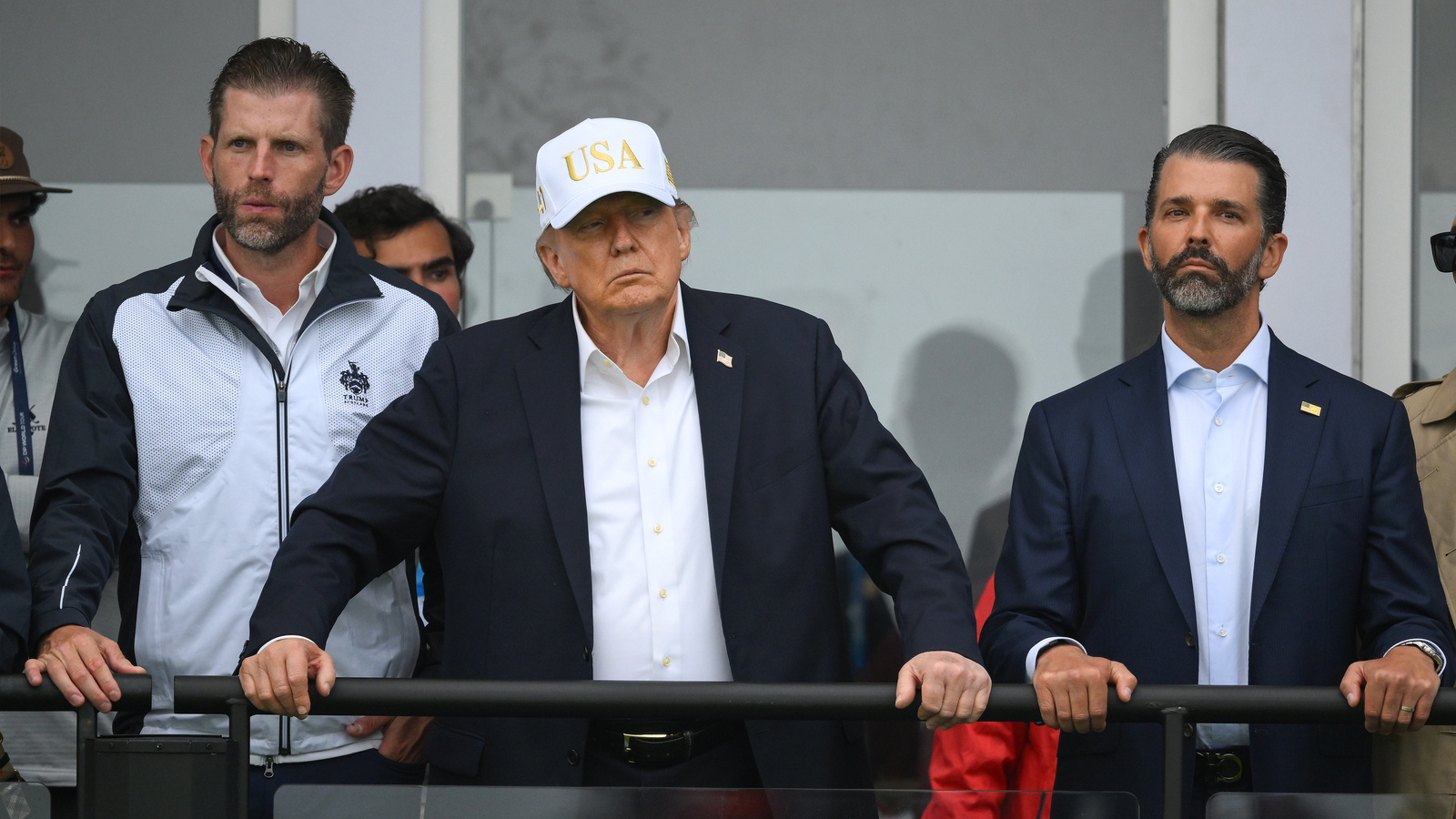
Trump cuts military drills, allies reassess US commitments
Decision to scale back exercises with South Korea fuels regional doubts about American security guarantees.
AI-assisted coverage comparison, editor-supervised · How this was made
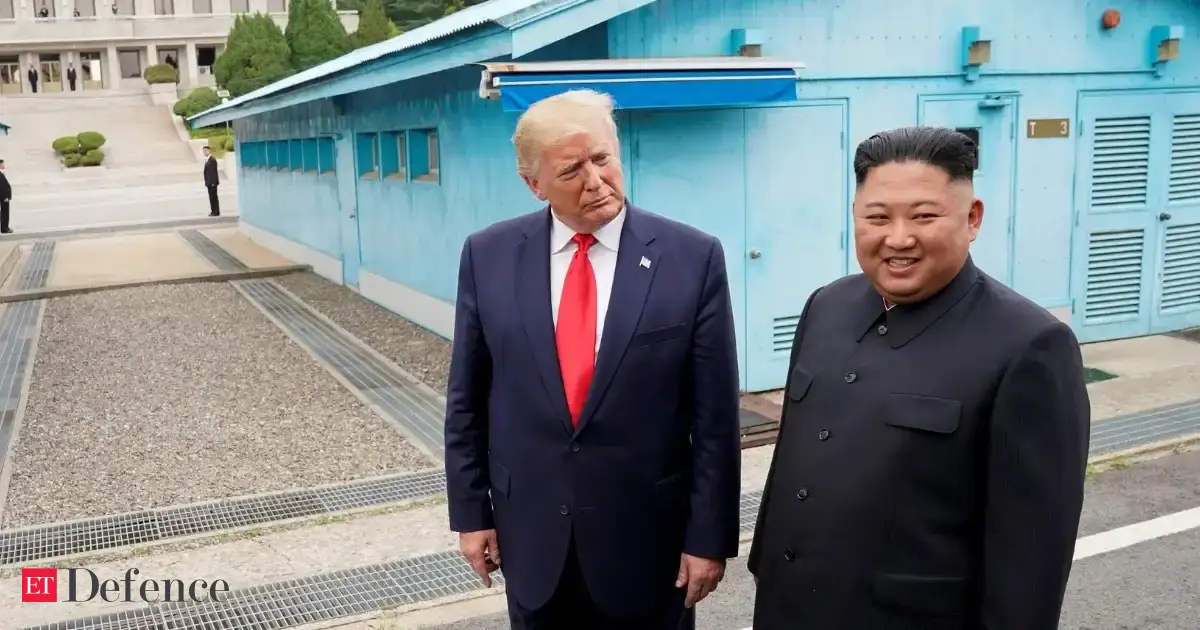
Trump’s outreach to North Korea and shifting approach to regional security are prompting Japan, Taiwan and India to reassess how much they can rely on Washington. (File photo)
Photograph: Times of India (embedded from source)
What this story says
- Donald Trump decided last week to cut back military exercises with South Korea.
- Japan, Taiwan, and India are reassessing their reliance on the United States.
- A senior analyst stated the decision will fuel growing doubts about U.S. security commitments in the region.
- A U.S. Navy aircraft transited the Taiwan Strait on Friday, an action described as demonstrating commitment to a free and open Indo-Pacific.
Who covered it
Percentages are shares of the 31 outlets carrying a published leaning rating. 4 of the 35 outlets we know ran this story carry no rating and are not counted in them. Coverage measured .
Trust
70/100
Craft
95/100
Hype
15/100
35 sources · methodology
Missing from the left
Only 2 of the 31 outlets with a published leaning rating that ran this story are rated left.
A reader who follows the left would not have seen this. We report the absence rather than explain it: outlets choose what to cover for many reasons, and we have no evidence about which one applies here.
Donald Trump's decision to reduce military exercises with South Korea has led Japan, Taiwan, and India to re-evaluate their dependence on the United States. Jeremy Chan, a senior analyst at Eurasia Group, stated that this move will likely increase existing doubts in the region regarding U.S. security commitments. A U.S. Navy aircraft transited the Taiwan Strait on a Friday, an action the U.S. described as a demonstration of its commitment to a free and open Indo-Pacific.
Disagreement on Pentagon headquarters name change
The Times of India reported that the Pentagon renamed its Asia military headquarters in June from Indo-Pacific Command to Pacific Command, a move some analysts suggest indicates India is no longer as strategically important to Washington. However, the Times of India also stated that the Pentagon denied any such shift.
What the coverage left out
None of the right-rated reports mention the Pentagon's decision in June to rename its Asia military headquarters from Indo-Pacific Command to Pacific Command, a detail that was included in the centre-rated report and the full report from the Times of India.
Coverage settled. We checked this 44 times and stopped on 29 Aug 2026, 23:45. The figures above are what it finished at.
How each side covered it
Our own reading of the reporting listed below, written from the outlets’ articles rather than quoted from them. The reasoning is set out on our methodology page.
Left
2 rated outlets
We have not written our reading of the left coverage of this story. The left-rated outlets that ran it are listed below.
Centre
22 rated outlets
- The centre-rated report led on the analysis that Donald Trump's outreach to North Korea's Kim Jong Un, at the expense of an ally, deepens doubts over U.S. reliability at a key moment for Asia. It noted that the decision to scale back military exercises with South Korea comes at a sensitive time for the regional security architecture.
Right
7 rated outlets
- The right-rated reports focused on Donald Trump's decision to cut back military exercises with South Korea and its impact on U.S. ties with Asian partners, including India, Japan, and Taiwan. These reports highlighted that the move comes at a pivotal moment for U.S. security in Asia, prompting reassessments of reliance on Washington. The Times of India's full report also detailed concerns from Japan regarding negotiations over hosting U.S. forces and potential arms sales to Taiwan.
Questions about this coverage
- How did the left and right cover Trump cuts military drills, allies reassess US commitments?
- Of the 31 outlets on this story carrying a published leaning rating, 7% are rated left, 70% are rated centre, 23% are rated right. Those percentages are shares of the rated outlets, not of every outlet that ran it, which was 35. The sections above set out what each side emphasised, in its own terms.
- Is Trump cuts military drills, allies reassess US commitments left or right?
- The story itself is neither. What can be counted is who has covered it, and 70% of the 31 rated outlets on it are rated centre — so far this is a story carried mostly by the centre. Coverage of this one has settled, so that is unlikely to move much now.
- Is the coverage of Trump cuts military drills, allies reassess US commitments biased?
- Trump cuts military drills, allies reassess US commitments is one event reported by 35 outlets, and this page does not rate the story as biased or unbiased. What it publishes is the spread: which outlets ran it, where named rating organisations place each of them on the spectrum, and what each side chose to lead with. A leaning rating describes an outlet's record over time, not this article, and the two should not be run together.
- Which side is not reporting Trump cuts military drills, allies reassess US commitments?
- When we first saw this story, outlets rated left had barely covered it. Coverage accretes for hours after an event, so that is where to look rather than a verdict — the split above is the current count, and it is the one to read.
- Which outlets covered Trump cuts military drills, allies reassess US commitments?
- 35 that we know of, every one of them listed further up this page with a link to its own report and to what we hold on the publisher. Nothing here is a summary of somebody else's summary: the outlets are named so the original reporting can be read.
- What decision did Donald Trump make regarding military exercises?
- Donald Trump decided last week to cut back military exercises with South Korea. This decision has led to reassessments by countries like Japan, Taiwan, and India regarding their reliance on the United States for security.
- How has this decision affected regional perceptions of the U.S.?
- The decision is reported to fuel growing doubts in the region about U.S. security commitments. Analysts suggest that Trump's unpredictability could strain alliances that have historically maintained peace in the area.
- Did any U.S. military action occur in the Taiwan Strait?
- Yes, a U.S. Navy aircraft transited the Taiwan Strait on a Friday. The United States described this transit as a demonstration of its commitment to a free and open Indo-Pacific region.
Read it at the source
35 outlets, grouped by the leaning a published rating gives them. Every headline links to the original; an underlined outlet name opens our profile of that publisher.
Left
2- Trump’s Korean gambit exposes a shifting East Asian order (opens Al Jazeera in a new tab)
Al Jazeera — is Al Jazeera biased? Our profile of this outletOpinion
- Trump's Kim gambit deepens doubts over US reliability at a key moment for Asia (opens News & Record in a new tab)
News & Record — is News & Record biased? Our profile of this outlet
Centre
22- ANALYSIS: Trump's Kim gambit deepens doubts over US reliability at a key moment for Asia (opens Kyodo News+ in a new tab)
Kyodo News+ — is Kyodo News+ biased? Our profile of this outlet
- Trump's Kim gambit deepens doubts over US reliability at a key moment for Asia (opens Columbus Telegram in a new tab)
Columbus Telegram — is Columbus Telegram biased? Our profile of this outlet
- Trump's Kim gambit deepens doubts over US reliability at a key moment for Asia (opens Mason City Globe Gazette in a new tab)
Mason City Globe Gazette — is Mason City Globe Gazette biased? Our profile of this outlet
- Trump's Kim gambit deepens doubts over US reliability at a key moment for Asia (opens Winona Daily News in a new tab)
Winona Daily News — is Winona Daily News biased? Our profile of this outlet
- Trump's Kim gambit deepens doubts over US reliability at a key moment for Asia (opens Journal Gazette & Times-Courier in a new tab)
- Trump's Kim gambit deepens doubts over US reliability at a key moment for Asia (opens OANow.com in a new tab)
- Trump's Kim gambit deepens doubts over US reliability at a key moment for Asia (opens Corvallis Gazette Times in a new tab)
Corvallis Gazette Times — is Corvallis Gazette Times biased? Our profile of this outlet
- Trump's Kim gambit deepens doubts over US reliability at a key moment for Asia (opens Bristol Herald Courier in a new tab)
Bristol Herald Courier — is Bristol Herald Courier biased? Our profile of this outlet
Show 14 more
- Trump's Kim gambit deepens doubts over US reliability at a key moment for Asia (opens Roanoke Times in a new tab)
Roanoke Times — is Roanoke Times biased? Our profile of this outlet
- Trump's Kim gambit deepens doubts over US reliability at a key moment for Asia (opens Waterloo Cedar Falls Courier in a new tab)
Waterloo Cedar Falls Courier — is Waterloo Cedar Falls Courier biased? Our profile of this outlet
- Trump's Kim gambit deepens doubts over US reliability at a key moment for Asia (opens Bismarck Tribune in a new tab)
Bismarck Tribune — is Bismarck Tribune biased? Our profile of this outlet
- Trump's Kim gambit deepens doubts over US reliability at a key moment for Asia (opens Bulletin-Review in a new tab)
Bulletin-Review — is Bulletin-Review biased? Our profile of this outlet
- Trump's Kim gambit deepens doubts over US reliability at a key moment for Asia (opens The Daily Nonpareil in a new tab)
The Daily Nonpareil — is The Daily Nonpareil biased? Our profile of this outlet
- Trump's Kim gambit deepens doubts over US reliability at a key moment for Asia (opens Tucson in a new tab)
- Trump's Kim gambit deepens doubts over US reliability at a key moment for Asia (opens Channel 3000 in a new tab)
Channel 3000 — is Channel 3000 biased? Our profile of this outlet
- Trump's Kim gambit deepens doubts over US reliability at a key moment for Asia (opens Lincoln Journal Star in a new tab)
Lincoln Journal Star — is Lincoln Journal Star biased? Our profile of this outlet
- Trump's Kim gambit deepens doubts over US reliability at a key moment for Asia (opens Helena Independent Record in a new tab)
Helena Independent Record — is Helena Independent Record biased? Our profile of this outlet
- Trump's Kim gambit deepens doubts over US reliability at a key moment for Asia (opens The Billings Gazette in a new tab)
The Billings Gazette — is The Billings Gazette biased? Our profile of this outlet
- Expert roundup: Can Trump’s outreach bring Kim Jong Un back to the table? (opens NK News in a new tab)
- Trump's Kim gambit deepens doubts over US reliability at a key moment ... (opens Reuters in a new tab)
- Analysis-Trump’s Kim gambit deepens doubts over US reliability at a key moment for Asia (opens WTVB in a new tab)
- Trump's North Korea gambit tests US ties with Asian partners, including India (opens The Economic Times in a new tab)
The Economic Times — is The Economic Times biased? Our profile of this outlet
Right
7- Trump's Kim gambit deepens doubts over US reliability at a key moment for Asia (opens Richmond Times-Dispatch in a new tab)
Richmond Times-Dispatch — is Richmond Times-Dispatch biased? Our profile of this outlet
- Trump’s Kim gambit deepens doubts over US reliability at a key moment for Asia (opens Cyprus Mail in a new tab)
Cyprus Mail — is Cyprus Mail biased? Our profile of this outlet
- China Fears Losing Influence as Trump Eyes Meeting With Kim: Analysts (opens The Epoch Times in a new tab)
The Epoch Times — is The Epoch Times biased? Our profile of this outlet
- Could Trump’s Kim Gambit Undermine US Alliances Across Asia? (opens Modern Diplomacy in a new tab)
Modern Diplomacy — is Modern Diplomacy biased? Our profile of this outlet
- Trump's Maneuver with Kim Increases Doubts About US Reliability at a Key Time for Asia (opens El Mundo in a new tab)
- Trump's North Korea gambit tests US ties with Asian partners, including India (opens Times of India in a new tab)
Times of India — is Times of India biased? Our profile of this outlet
- Trump's Kim gambit deepens doubts over US reliability at a key moment for Asia (opens The Straits Times in a new tab)
The Straits Times — is The Straits Times biased? Our profile of this outlet
Not rated
4- The Wrong Approach to Dealing with North Korea (opens The Soufan Center in a new tab)
The Soufan Center — is The Soufan Center biased? Our profile of this outletOpinion
- Asian Allies Increasingly Distrust Washington (opens vijesti.me in a new tab)
vijesti.me — is vijesti.me biased? Our profile of this outlet
- Trump’s North Korea Diplomacy Sparks Security Worries Among Asian Allies (opens The Blind Side in a new tab)
The Blind Side — is The Blind Side biased? Our profile of this outlet
- Trump’s Kim gambit deepens doubts over US reliability (opens Fiji Broadcasting Corporation in a new tab)
Fiji Broadcasting Corporation — is Fiji Broadcasting Corporation biased? Our profile of this outlet
How did this read?
About the coverage, not about the story. We do not ask whether you agree with what happened — we have no honest use for that answer.