Trump says US talks with Iran are Tehran’s ‘last chance before decapitation’
Negotiations over reopening the Strait of Hormuz are the focus, but Iran denies direct talks with Washington
AI-assisted coverage comparison, editor-supervised · How this was made
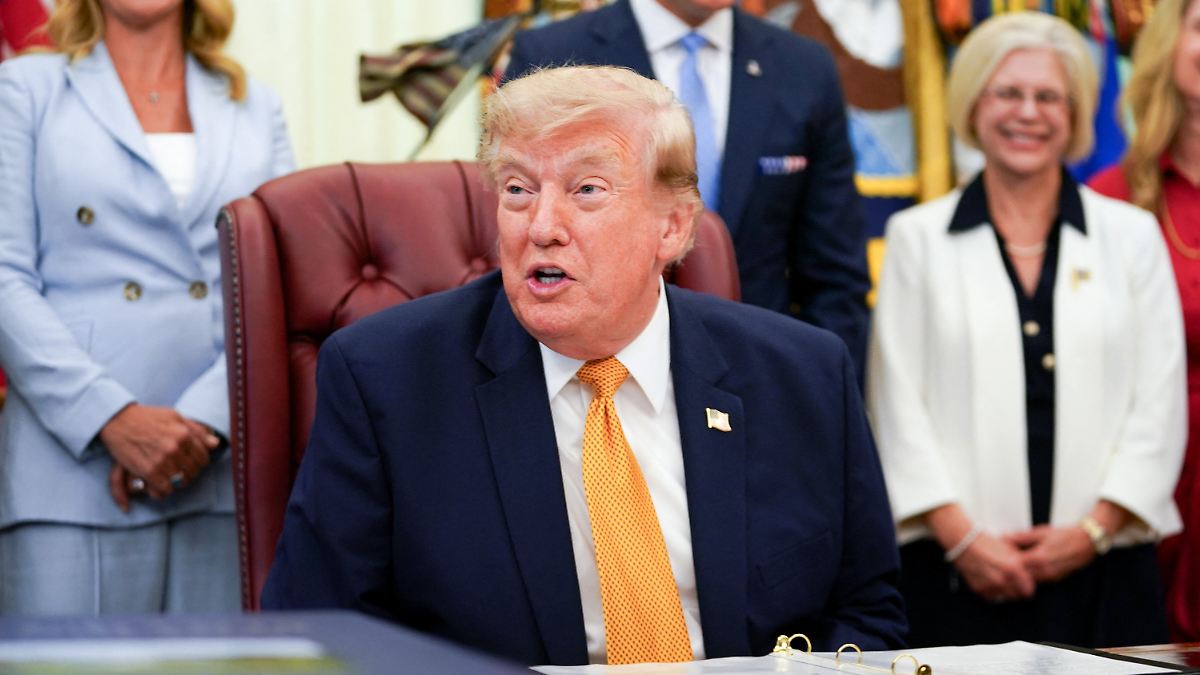
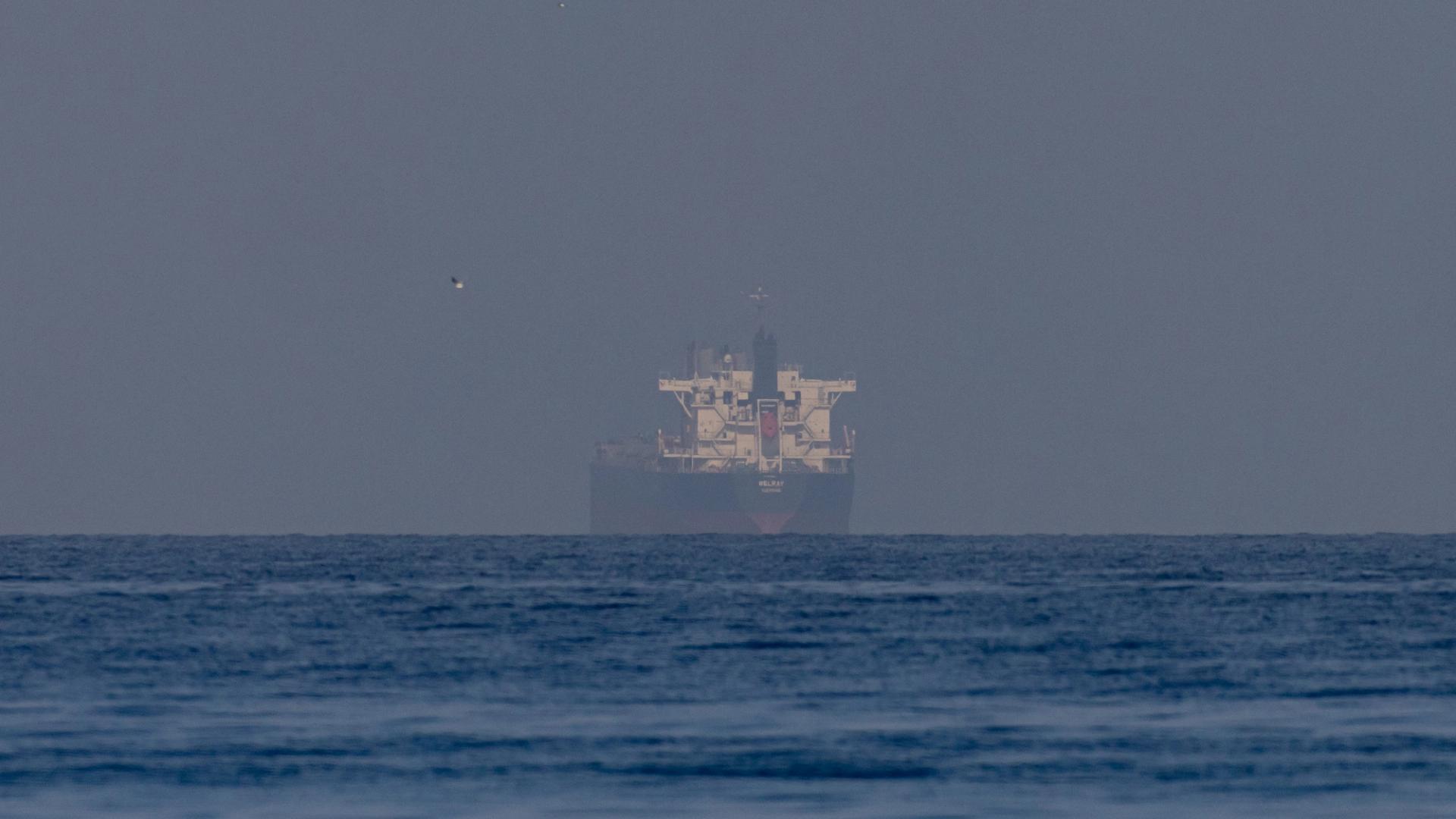
Trump sagt, es gibt Gespräche mit dem Iran, doch Teheran dementierte. (Foto: picture alliance / abaca)
Photograph: n-tv (embedded from source)
What this story says
- Donald Trump said negotiations with Iran are a ‘last chance’ to avoid military action, framing the talks as Tehran’s final opportunity to reach an agreement.
- The discussions centre on reopening the Strait of Hormuz, a critical oil shipping route blockaded since a ceasefire collapsed, with Trump claiming a deal could be reached ‘literally by tomorrow’.
- Iran’s foreign ministry spokesman Esmaeil Baqaei denied direct talks with the US, saying negotiations are only with Oman over a shared shipping corridor in the strait.
- The US and Iran have been at war since 28 February, when the US and Israel launched strikes against Iranian targets, though diplomacy has intermittently paused hostilities.
Who covered it
Percentages are shares of the 7 outlets carrying a published leaning rating. 11 of the 18 outlets we know ran this story carry no rating and are not counted in them. Coverage measured .
Trust
45/100
Craft
55/100
Hype
55/100
18 sources · methodology
Missing from the left
Only 1 of the 7 outlets with a published leaning rating that ran this story are rated left.
A reader who follows the left would not have seen this. We report the absence rather than explain it: outlets choose what to cover for many reasons, and we have no evidence about which one applies here.
The United States is holding talks with Iran over reopening the Strait of Hormuz, Donald Trump said on 29 July 2026. The US president described the negotiations as a ‘last chance’ for Tehran to avoid military action, which he referred to as ‘decapitation’. The Strait of Hormuz, a critical route for global oil shipments, has been blockaded since a ceasefire between the US and Iran broke down earlier this year.
Trump said the talks could result in the strait reopening ‘literally by tomorrow’ and later address Iran’s nuclear programme. He claimed the negotiations were happening at Iran’s request, though Iran’s foreign ministry spokesman Esmaeil Baqaei denied direct talks with Washington. Baqaei said Iran is negotiating only with Oman over a shared shipping corridor in the strait, as reported by the Hindustan Times.
The US and Iran have been at war since 28 February 2026, when the US and Israel launched surprise strikes against Iranian targets. Trump said he called off a planned military operation at the request of regional allies, including Saudi Arabia and Qatar, to allow diplomacy another chance. Iran retains the ability to fire missiles and drones at US and allied targets in the region, according to the Hindustan Times.
Where the reports disagree
The reports diverge on whether the US and Iran are negotiating directly. Donald Trump said the talks are ongoing, as reported by n-tv, the Hindustan Times, Anadolu Ajansı, Arutz Sheva and Ynet News. Iran’s foreign ministry spokesman Esmaeil Baqaei said Iran is negotiating only with Oman, not the United States, as reported by the Hindustan Times and n-tv.
What the coverage left out
None of the right-rated digests mentioned Iran’s denial of direct talks with the US. The Ynet News digest did not include Baqaei’s statement that Iran is negotiating only with Oman. The Anadolu Ajansı and Arutz Sheva digests did not report on the status of Iran’s nuclear programme or the blockade’s impact on global oil shipments.
Coverage settled. We checked this 8 times and stopped on 9 Aug 2026, 17:00. The figures above are what it finished at.
How other outlets pictured it
Which photograph to run is each newsroom’s own choice. The leaning beside a name is that outlet’s published rating, not a claim that the pictures divide along it. Every picture is shown from the outlet’s own server and links to the article it ran in.
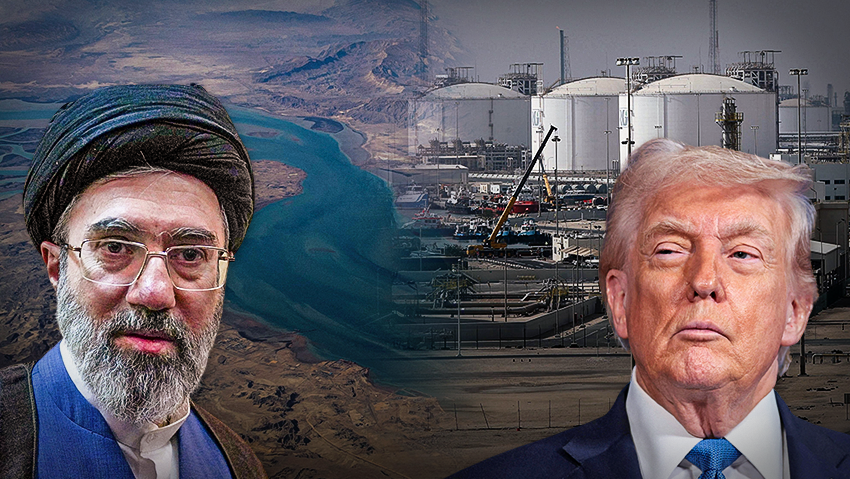
Gulf officials: Iran seeks to convince the U.S. that rejecting its demands over the Strait of Hormuz would be more costly
Ynet News — embedded from source
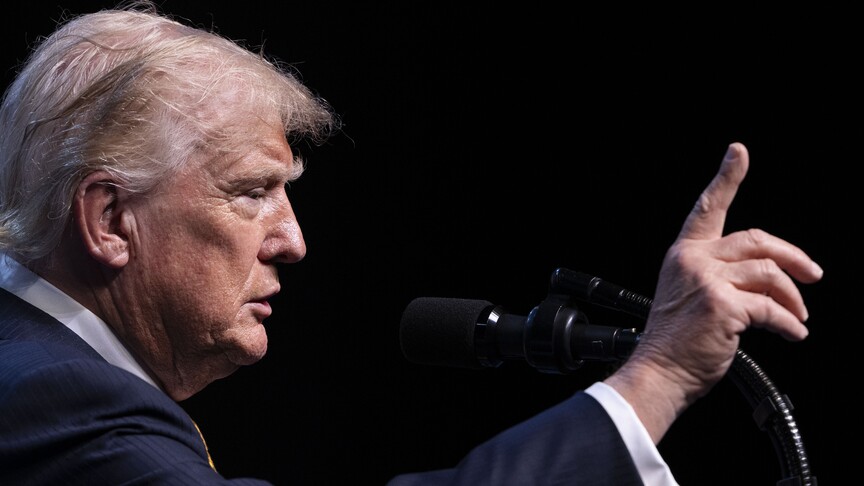
Trump says US talks with Iran are Tehran’s ‘last chance before decapitation’
Anadolu Ajansı — embedded from source
How each side covered it
Our own reading of the reporting listed below, written from the outlets’ articles rather than quoted from them. The reasoning is set out on our methodology page.
Left
1 rated outlet
- The Ynet News digest led on Trump’s claim that Iran’s leaders are ‘unbelievably duplicitous’ and that they ‘begged for talks only to deny them’. It included Trump’s statement that he ‘showed mercy’ by calling off a planned military strike, which he said Iran ‘knew what was coming’ from. The digest did not mention Iran’s denial of direct talks with the US.
Centre
0 rated outlets
- The Hindustan Times report led on Trump’s ‘last chance before decapitation’ remark and included Iran’s denial of direct negotiations with the US. It detailed the focus of the talks as reopening the Strait of Hormuz and Iran’s nuclear programme, and quoted Baqaei’s statement that Iran is negotiating only with Oman. The report also noted Trump’s claim that regional allies asked him to delay military action.
Right
6 rated outlets
- All three right-rated digests led on Trump’s ‘last chance before decapitation’ statement. The n-tv report quoted Trump’s threat directly and framed the talks as Tehran’s final opportunity to avoid military action. It included Trump’s claim that the talks were happening at Iran’s request and his criticism of oil companies Chevron and Exxon Mobil. The Anadolu Ajansı digest noted Trump’s insistence that negotiations are ‘going on right now’ despite Iran’s denials. The Arutz Sheva digest emphasised Trump’s willingness to authorise a large-scale military strike but preference for avoiding it.
Questions about this coverage
- How did the left and right cover Trump says US talks with Iran are Tehran’s ‘last chance before…?
- Of the 7 outlets on this story carrying a published leaning rating, 14% are rated left, 0% are rated centre, 86% are rated right. Those percentages are shares of the rated outlets, not of every outlet that ran it, which was 18. The sections above set out what each side emphasised, in its own terms.
- Is Trump says US talks with Iran are Tehran’s ‘last chance before… left or right?
- Too few of the outlets on this story carry a published leaning rating to say. 7 of them do, and this site does not characterise a field under 12: at that size one newsroom filing moves the share by ten points. The percentages above are the count as it stands.
- Is the coverage of Trump says US talks with Iran are Tehran’s ‘last chance before… biased?
- Trump says US talks with Iran are Tehran’s ‘last chance before decapitation’ is one event reported by 18 outlets, and this page does not rate the story as biased or unbiased. What it publishes is the spread: which outlets ran it, where named rating organisations place each of them on the spectrum, and what each side chose to lead with. A leaning rating describes an outlet's record over time, not this article, and the two should not be run together.
- Which side is not reporting Trump says US talks with Iran are Tehran’s ‘last chance before…?
- When we first saw this story, outlets rated left had barely covered it. Coverage accretes for hours after an event, so that is where to look rather than a verdict — the split above is the current count, and it is the one to read.
- Which outlets covered Trump says US talks with Iran are Tehran’s ‘last chance before…?
- 18 that we know of, every one of them listed further up this page with a link to its own report and to what we hold on the publisher. Nothing here is a summary of somebody else's summary: the outlets are named so the original reporting can be read.
- What is Iran’s position on the talks with the US?
- Iran’s foreign ministry spokesman Esmaeil Baqaei denied direct negotiations with the US, saying Iran is only discussing a shipping corridor in the Strait of Hormuz with Oman. This contradicts Trump’s claim that talks are ongoing between Washington and Tehran.
- What did Trump say would happen if Iran does not agree to a deal?
- Trump said the talks are Iran’s ‘last chance before decapitation’, implying military action if no agreement is reached. He claimed the Strait of Hormuz could reopen ‘literally by tomorrow’ if a deal is signed, as reported by n-tv and the Hindustan Times.
- Why is the Strait of Hormuz important?
- The Strait of Hormuz is a critical route for global oil shipments, blockaded since a ceasefire between the US and Iran collapsed. Reopening it is the focus of the current talks, with Trump saying a deal could be reached quickly, while Iran insists on retaining control of the waterway.
Read it at the source
134 outlets, grouped by the leaning a published rating gives them. Every headline links to the original; an underlined outlet name opens our profile of that publisher.
Left
36- West Asia LIVE: Iran not seeking a wider war, President says (opens The Hindu in a new tab)
- Trump gives Iran ‘last chance’ to make deal before U.S. ‘decapitation’ strikes (opens NBC News in a new tab)
- Trump: "Collocations in Progress Even if Tehran Denies. For Iran Last Chance for a Good Deal" (opens La Stampa in a new tab)
- Australia news LIVE: Trump says latest talks offer Iran ‘last chance’ to strike a deal; Advocates push for Labor to ban betting inducements at gambling inquiry (opens Brisbane Times in a new tab)
Brisbane Times — is Brisbane Times biased? Our profile of this outlet
- Australia news LIVE: Trump says latest talks offer Iran ‘last chance’ to strike a deal; Advocates push for Labor to ban betting inducements at gambling inquiry (opens The Age in a new tab)
- Australia news LIVE: Mass casualty events expected as H5N1 bird flu cases rise; Trump says latest talks offer Iran ‘last chance’ to strike a deal (opens Sydney Morning Herald in a new tab)
Sydney Morning Herald — is Sydney Morning Herald biased? Our profile of this outlet
- Trump says he wants to give Iran 'every last chance' before decapitation (opens USA Today in a new tab)
- ‘This is a last chance’ for Iran to sign a deal, Trump warns (opens CNN in a new tab)
Show 28 more
- New talks 'last chance' for Iran to forge deal, avoid escalation of U.S. strikes: Trump (opens The Hindu in a new tab)
The Hindu
- "Last chance before decapitation": Trump threatens Iran over stalled peace talks (opens Salon in a new tab)
- New talks are 'last chance' for Iran to forge a deal and avoid escalation of US strikes, Trump says (opens Star Tribune in a new tab)
Star Tribune — is Star Tribune biased? Our profile of this outlet
- New talks are 'last chance' for Iran to forge a deal and avoid escalation of US strikes, Trump says (opens flamboroughtoday.com in a new tab)
flamboroughtoday.com — is flamboroughtoday.com biased? Our profile of this outlet
- New talks are 'last chance' for Iran to forge a deal and avoid escalation of US strikes, Trump says (opens thealbertan.com in a new tab)
thealbertan.com — is thealbertan.com biased? Our profile of this outlet
- New talks are 'last chance' for Iran to forge a deal and avoid escalation of US strikes, Trump says (opens Bowen Island Undercurrent in a new tab)
Bowen Island Undercurrent — is Bowen Island Undercurrent biased? Our profile of this outlet
- New talks are 'last chance' for Iran to forge a deal and avoid escalation of US strikes, Trump says (opens The NOTL Local in a new tab)
The NOTL Local — is The NOTL Local biased? Our profile of this outlet
- New talks are 'last chance' for Iran to forge a deal and avoid escalation of US strikes, Trump says (opens InnisfilToday.ca in a new tab)
InnisfilToday.ca — is InnisfilToday.ca biased? Our profile of this outlet
- Trump says new talks are 'last chance' for Iran to forge a deal (opens PBS NewsHour in a new tab)
PBS NewsHour — is PBS NewsHour biased? Our profile of this outlet
- Trump says new talks are the 'last chance' for Iran to forge a deal and avoid U.S. strikes (opens Los Angeles Times in a new tab)
Los Angeles Times — is Los Angeles Times biased? Our profile of this outlet
- Trump says ongoing Iran talks are 'last chance' (opens The Border Mail in a new tab)
The Border Mail — is The Border Mail biased? Our profile of this outlet
- Trump says ongoing Iran talks are 'last chance' (opens Newcastle Herald in a new tab)
Newcastle Herald — is Newcastle Herald biased? Our profile of this outlet
- New talks are 'last chance' for Iran to forge a deal and avoid escalation of US strikes, Trump says (copy) (opens Pharos-Tribune in a new tab)
Pharos-Tribune — is Pharos-Tribune biased? Our profile of this outlet
- New talks are 'last chance' for Iran to forge a deal and avoid escalation of US strikes, Trump says (opens CambridgeToday.ca in a new tab)
CambridgeToday.ca — is CambridgeToday.ca biased? Our profile of this outlet
- New talks are 'last chance' for Iran to forge a deal and avoid escalation of US strikes, Trump says (opens Sudbury in a new tab)
- New talks are 'last chance' for Iran to forge a deal and avoid escalation of US strikes, Trump says (opens Orillia Matters in a new tab)
Orillia Matters — is Orillia Matters biased? Our profile of this outlet
- Trump says new talks are 'last chance' for Iran to forge deal and avoid escalation of US strikes (opens The New Indian Express in a new tab)
The New Indian Express — is The New Indian Express biased? Our profile of this outlet
- Trump Warns This Is 'Last Chance' for Iran to Sign 'a Good Document' (opens unn.ua in a new tab)
- Trump says new talks are ‘last chance’ for Iran to forge deal and avoid escalation of US strikes - The Boston Globe (opens Boston Globe in a new tab)
Boston Globe — is Boston Globe biased? Our profile of this outlet
- New talks ‘last chance’ for Iran to forge deal and avoid escalation, Trump warns (opens Breaking News in a new tab)
Breaking News — is Breaking News biased? Our profile of this outlet
- New talks ‘last chance’ for Iran to forge deal and avoid escalation, Trump warns (opens Irish News in a new tab)
Irish News — is Irish News biased? Our profile of this outlet
- Trump says new talks are 'last chance' for Iran to forge deal and avoid escalation of US strikes (opens Bay Today in a new tab)
- Trump says new talks are 'last chance' for Iran to forge deal and avoid escalation of US strikes (opens Elora Fergus Today in a new tab)
Elora Fergus Today — is Elora Fergus Today biased? Our profile of this outlet
- Trump says new talks are 'last chance' for Iran to forge deal and avoid escalation of US strikes (opens SooToday.com in a new tab)
SooToday.com — is SooToday.com biased? Our profile of this outlet
- Trump says new talks are ‘last chance’ for Iran to forge deal and avoid escalation of US strikes - WSVN 7News | Miami News, Weather, Sports (opens WSVN in a new tab)
- Trump: ‘This is Iran’s last chance before decapitation’ (opens Ynet News in a new tab)
- Trump warns he's giving Iran 'last chance' to avoid 'decapitation' (opens USA Today in a new tab)
USA Today
- New talks are ‘last chance’ for Iran to forge a deal and avoid escalation of US strikes, Trump says (opens The Mercury news in a new tab)
The Mercury news — is The Mercury news biased? Our profile of this outlet
Centre
51- "This Scenario of Ups and Downs Could Continue. Iran Does Not Seek Escalation but Wants to Maintain Tension" (opens La Libre in a new tab)
- President Trump warns Iran of 'decapitation' and gives a 'last chance' for a deal (opens MOR-TV in a new tab)
- President Trump warns Iran of 'decapitation' and gives a 'last chance' for a deal (opens KHBS in a new tab)
- President Trump warns Iran of 'decapitation' and gives a 'last chance' for a deal (opens WJCL in a new tab)
- President Trump warns Iran of 'decapitation' and gives a 'last chance' for a deal (opens KSBW in a new tab)
- President Trump warns Iran of 'decapitation' and gives a 'last chance' for a deal (opens WXII in a new tab)
- President Trump warns Iran of 'decapitation' and gives a 'last chance' for a deal (opens WGAL in a new tab)
- President Trump warns Iran of 'decapitation' and gives a 'last chance' for a deal (opens WPBF in a new tab)
Show 43 more
- President Trump warns Iran of 'decapitation' and gives a 'last chance' for a deal (opens WAPT in a new tab)
- President Trump warns Iran of 'decapitation' and gives a 'last chance' for a deal (opens KOAT in a new tab)
- President Trump warns Iran of 'decapitation' and gives a 'last chance' for a deal (opens WVTM in a new tab)
- President Trump warns Iran of 'decapitation' and gives a 'last chance' for a deal (opens WMTW in a new tab)
- President Trump warns Iran of 'decapitation' and gives a 'last chance' for a deal (opens WBAL-TV in a new tab)
- President Trump warns Iran of 'decapitation' and gives a 'last chance' for a deal (opens WPTZ in a new tab)
- President Trump warns Iran of 'decapitation' and gives a 'last chance' for a deal (opens KMBC in a new tab)
- President Trump warns Iran of 'decapitation' and gives a 'last chance' for a deal (opens KETV in a new tab)
- President Trump warns Iran of 'decapitation' and gives a 'last chance' for a deal (opens WISN in a new tab)
- President Trump warns Iran of 'decapitation' and gives a 'last chance' for a deal (opens KCCI in a new tab)
- President Trump warns Iran of 'decapitation' and gives a 'last chance' for a deal (opens WTAE in a new tab)
- President Trump warns Iran of 'decapitation' and gives a 'last chance' for a deal (opens WDSU in a new tab)
- President Trump warns Iran of 'decapitation' and gives a 'last chance' for a deal (opens WYFF in a new tab)
- President Trump warns Iran of 'decapitation' and gives a 'last chance' for a deal (opens WESH in a new tab)
- President Trump warns Iran of 'decapitation' and gives a 'last chance' for a deal (opens Koco News5 in a new tab)
Koco News5 — is Koco News5 biased? Our profile of this outlet
- President Trump warns Iran of 'decapitation' and gives a 'last chance' for a deal (opens WLKY in a new tab)
- President Trump warns Iran of 'decapitation' and gives a 'last chance' for a deal (opens WMUR in a new tab)
- President Trump warns Iran of 'decapitation' and gives a 'last chance' for a deal (opens WLWT in a new tab)
- President Trump warns Iran of 'decapitation' and gives a 'last chance' for a deal (opens WCVB in a new tab)
- President Trump warns Iran of 'decapitation' and gives a 'last chance' for a deal (opens KCRA 3 in a new tab)
- Australia news LIVE: Trump says latest talks offer Iran ‘last chance’ to strike a deal; Advocates push for Labor to ban betting inducements at gambling inquiry (opens WA today in a new tab)
- Trump: Talks with Iran set for Monday (opens Beatrice Daily Sun in a new tab)
Beatrice Daily Sun — is Beatrice Daily Sun biased? Our profile of this outlet
- Trump warns ‘last chance’ for Iran deal amid talks claim (opens PerthNow in a new tab)
- The Latest: Trump says new talks are Iran's 'last chance' to make a deal (opens Bluefield Daily Telegraph in a new tab)
Bluefield Daily Telegraph — is Bluefield Daily Telegraph biased? Our profile of this outlet
- The Latest: Trump says new talks are Iran's 'last chance' to make a deal (opens Ottumwa Courier in a new tab)
Ottumwa Courier — is Ottumwa Courier biased? Our profile of this outlet
- Watch Trump Says This Is Iran's 'Last Chance' to Sign a Good Deal (opens Bloomberg in a new tab)
- New talks are 'last chance' for Iran to forge a deal and avoid escalation of US strikes, Trump says (opens Yakima Herald-Republic in a new tab)
Yakima Herald-Republic — is Yakima Herald-Republic biased? Our profile of this outlet
- New talks are 'last chance' for Iran to forge a deal and avoid escalation of US strikes, Trump says (opens WV News in a new tab)
- New talks are 'last chance' for Iran to forge a deal and avoid escalation of U.S. strikes, Trump says (opens Pittsburgh Post-Gazette in a new tab)
Pittsburgh Post-Gazette — is Pittsburgh Post-Gazette biased? Our profile of this outlet
- Trump wants to give Iran ‘last chance’ to strike a deal before ‘decapitation’ (opens Colorado Politics in a new tab)
Colorado Politics — is Colorado Politics biased? Our profile of this outlet
- Trump says Iran facing ‘last chance’ before ‘decapitation’ (opens The Hill in a new tab)
- Trump says Iran facing 'last chance before decapitation' (opens Hindustan Times in a new tab)
Hindustan Times — is Hindustan Times biased? Our profile of this outlet
- Trump says ongoing Iran talks are 'last chance' (opens PerthNow in a new tab)
PerthNow
- New talks are ‘last chance’ for Iran to forge a deal and avoid escalation of US strikes, Trump says (opens Ckpg Today in a new tab)
Ckpg Today — is Ckpg Today biased? Our profile of this outlet
- New talks are 'last chance' for Iran to forge a deal and avoid escalation of US strikes, Trump says (opens The Daily Advance in a new tab)
The Daily Advance — is The Daily Advance biased? Our profile of this outlet
- New talks are ‘last chance’ for Iran to forge a deal and avoid escalation of US strikes, Trump says (opens Battlefords NOW in a new tab)
Battlefords NOW — is Battlefords NOW biased? Our profile of this outlet
- Trump says Iran talks are going on ‘right now’, Tehran has one last chance (opens WTVB in a new tab)
- The Latest: Trump says new talks are Iran's 'last chance' to make a deal (opens The Daily Advance in a new tab)
The Daily Advance
- New talks are ‘last chance’ for Iran to forge a deal and avoid escalation of US strikes, Trump says (opens meadowlakeNOW in a new tab)
meadowlakeNOW — is meadowlakeNOW biased? Our profile of this outlet
- Trump says US-Iran talks ‘going on right now’, calls it Tehran’s ‘last chance’ to reach deal (opens Live Mint in a new tab)
- New talks are 'last chance' for Iran to forge a deal and avoid escalation of US strikes, Trump says (opens Castanet in a new tab)
- Trump Issues Ultimatum To Iranian Leadership, Says Talks Are Their Last Chance Before 'Decapitation' (opens IBTimes in a new tab)
- New talks are ‘last chance’ for Iran to forge a deal and avoid escalation of US strikes, Trump says (opens Pioneer Press in a new tab)
Pioneer Press — is Pioneer Press biased? Our profile of this outlet
Right
25- Iran won't escalate tensions but will defend itself, says Pezeshkian as Donald Trump claims Tehran has 'last chance' (opens Times of India in a new tab)
Times of India — is Times of India biased? Our profile of this outlet
- Iranian President: I Don't Want to Continue the War (opens Svenska Dagbladet in a new tab)
Svenska Dagbladet — is Svenska Dagbladet biased? Our profile of this outlet
- Iran does not seek to escalate tensions: Pezeshkian vows to defend countrys sceurity - The Tribune (opens Tribune India in a new tab)
Tribune India — is Tribune India biased? Our profile of this outlet
- Iran's President Says Country Does Not Want to Expand War (opens Globo in a new tab)
- US Holds Off 'Biggest Strike Since WWII', Trump Calls New Iran Talks 'Last Chance' (opens Republic World in a new tab)
Republic World — is Republic World biased? Our profile of this outlet
- New talks are 'last chance' for Iran to avoid escalation of U.S. strikes, Trump says (opens The Blade in a new tab)
- 'This is Iran’s last chance…': Trump’s stark ultimatum as Tehran faces ‘final offer’ for peace talks (opens Times of India in a new tab)
Times of India
- Trump says Iran facing ‘last chance before decapitation’ (opens Free Malaysia Today News in a new tab)
Free Malaysia Today News — is Free Malaysia Today News biased? Our profile of this outlet
Show 17 more
- Trump warns ‘last chance’ for Iran deal amid talks claim (opens The West Australian in a new tab)
The West Australian — is The West Australian biased? Our profile of this outlet
- Trump calls Iran 'duplicitous' over denying talks, says it is 'last chance' for deal (opens WIN in a new tab)
- Tehran not seeking escalation in region, Iranian president says (opens Anadolu Ajansı in a new tab)
Anadolu Ajansı — is Anadolu Ajansı biased? Our profile of this outlet
- Tehran seeks regional stability, not escalation: Iran's Pezeshkian (opens Daily Sabah in a new tab)
Daily Sabah — is Daily Sabah biased? Our profile of this outlet
- Otherwise, "Beheading" Threatens: Trump Wants to Give Tehran Another "Last Chance" (opens n-tv in a new tab)
- Trump says Iran facing 'last chance before decapitation' (opens Gulf News in a new tab)
- Trump says he wants to give Iran ‘last chance’ before ‘decapitation’ (opens Anadolu Ajansı in a new tab)
Anadolu Ajansı
- Trump: 'I want to give Iran every chance before decapitation' (opens Arutz Sheva in a new tab)
Arutz Sheva — is Arutz Sheva biased? Our profile of this outlet
- The Latest: Trump says new talks are Iran's 'last chance' to make a deal (opens The Daily Sentinel in a new tab)
The Daily Sentinel — is The Daily Sentinel biased? Our profile of this outlet
- Trump says ongoing Iran talks are 'last chance' (opens The West Australian in a new tab)
The West Australian
- Trump gives Iran ‘last chance’ to sign deal before ‘decapitation’ — sets target date for Strait of Hormuz to reopen (opens New York Post in a new tab)
New York Post — is New York Post biased? Our profile of this outlet
- Trump Gives Iran "One Last Chance" (opens Al Bawaba in a new tab)
- Trump wants to give Iran 'one last chance' before 'decapitation' (opens Washington Examiner in a new tab)
Washington Examiner — is Washington Examiner biased? Our profile of this outlet
- Trump Announces Resumption of Talks with Iran, but Tehran Denies It (opens la Nacion in a new tab)
- Trump insists Iran talks still on after Tehran denial (opens Just the News in a new tab)
Just the News — is Just the News biased? Our profile of this outlet
- Iran Denies Negotiations With US After Trump Announces Talks For Monday Afternoon (opens ussanews.com in a new tab)
ussanews.com — is ussanews.com biased? Our profile of this outlet
- Trump Says Talks with Tehran Are Restarted This Monday, but Iran Denies (opens Clarin in a new tab)
Not rated
22- Pezeshkian Claims Iran Does Not Seek to Increase Tension in the Region - CNC TV Granma (opens cnctvgranma.cu in a new tab)
cnctvgranma.cu — is cnctvgranma.cu biased? Our profile of this outlet
- Pezeshkian: Iran Does Not Seek a Wider War (opens Jordan News in a new tab)
Jordan News — is Jordan News biased? Our profile of this outlet
- After Trump's Threat, Iran Says It Does Not Want to Expand War (opens Folha de S.Paulo in a new tab)
Folha de S.Paulo — is Folha de S.Paulo biased? Our profile of this outlet
- Iranian President: I Don't Want to Continue the War (opens Dagens industri in a new tab)
Dagens industri — is Dagens industri biased? Our profile of this outlet
- Doctors: We Are Not Looking to Spread the War (opens روزنامه اطلاعات روز in a new tab)
روزنامه اطلاعات روز
- Iran Says It Has No Intention of "Expanding Conflict" with the US (opens Metrópoles in a new tab)
Metrópoles — is Metrópoles biased? Our profile of this outlet
- Iranian president masoud pezeshkian insists he will remain in office amid speculation (opens Cryptocurrency News in a new tab)
Cryptocurrency News — is Cryptocurrency News biased? Our profile of this outlet
- Iranian president masoud pezeshkian insists he will remain in office amid speculation (opens Crypto Briefing in a new tab)
Crypto Briefing — is Crypto Briefing biased? Our profile of this outlet
Show 14 more
- Pezeshkian: We Don't Want War, but We Will Protect Our Land. (opens Haberler in a new tab)
Haberler — is Haberler biased? Our profile of this outletOpinion
- Trump Claims This Is Iran’s “Last Chance” to Sign an Agreement Before the “Decapitation” (opens Con La Gente Noticias in a new tab)
Con La Gente Noticias — is Con La Gente Noticias biased? Our profile of this outlet
- Tehran not seeking escalation in region, Iranian President Pezeshkian says (opens anews.com.tr in a new tab)
anews.com.tr — is anews.com.tr biased? Our profile of this outlet
- Trump says Iran talks are ongoing, warns it is Tehran's last chance to sign a deal (opens Legit.ng in a new tab)
- Iran Says It Does Not Seek Regional Escalation, Vows to Defend Security Interests (opens arabtimesonline.com in a new tab)
arabtimesonline.com — is arabtimesonline.com biased? Our profile of this outlet
- Trump on Iran Talks: "Last Chance for Tehran" (opens epochtimes.de in a new tab)
epochtimes.de — is epochtimes.de biased? Our profile of this outlet
- Trump: “I Want to Give Iran Every Chance Before Decapitation” (opens matzav.com in a new tab)
matzav.com — is matzav.com biased? Our profile of this outlet
- Trump Pulls Back on Iran Strike, Says Diplomacy Gets One More Chance (opens The Sun Newspapers in a new tab)
The Sun Newspapers — is The Sun Newspapers biased? Our profile of this outlet
- Trump: New talks are Iran’s ‘last chance’ for a deal (opens Egyptian Gazette in a new tab)
Egyptian Gazette — is Egyptian Gazette biased? Our profile of this outlet
- Trump on Iran Talks: "Last Chance for Tehran" (opens onetz.de in a new tab)
- "We Are in Talks with Iran," Trump Says (Kyodo News) (opens Unknown in a new tab)
Unknown
- "This Is the Last Chance" for Iran to Close a Deal, Trump Warns (opens CNN Brasil in a new tab)
CNN Brasil — is CNN Brasil biased? Our profile of this outlet
- Trump on Iran: "Their Last Chance to Sign a Good Deal - Before We move.. (opens kikar.co.il in a new tab)
kikar.co.il — is kikar.co.il biased? Our profile of this outlet
- Trump: Negotiations Are Iran's Last Chance. (opens Haberler in a new tab)
Haberler
How did this read?
About the coverage, not about the story. We do not ask whether you agree with what happened — we have no honest use for that answer.
More in Conflict & Security
All Conflict & Security →


Elsewhere on the site
 Politics•3 min readRussia and China veto UN resolution on Iran sanctions monitoring
 Politics•2 min readUS Sanctions Iranian Crypto Exchange BitBank for Bitcoin Transfers to IRGC
 Politics•3 min readSouth Korean President: Trump Wants Dialogue with North Korea
 Politics•3 min readUN General Assembly allows Abbas video address after US visa denial