Ukraine drone attacks hit Russian refineries, cutting diesel output
Three major facilities reduced or halted production in September following Ukrainian strikes.
AI-assisted coverage comparison, editor-supervised · How this was made
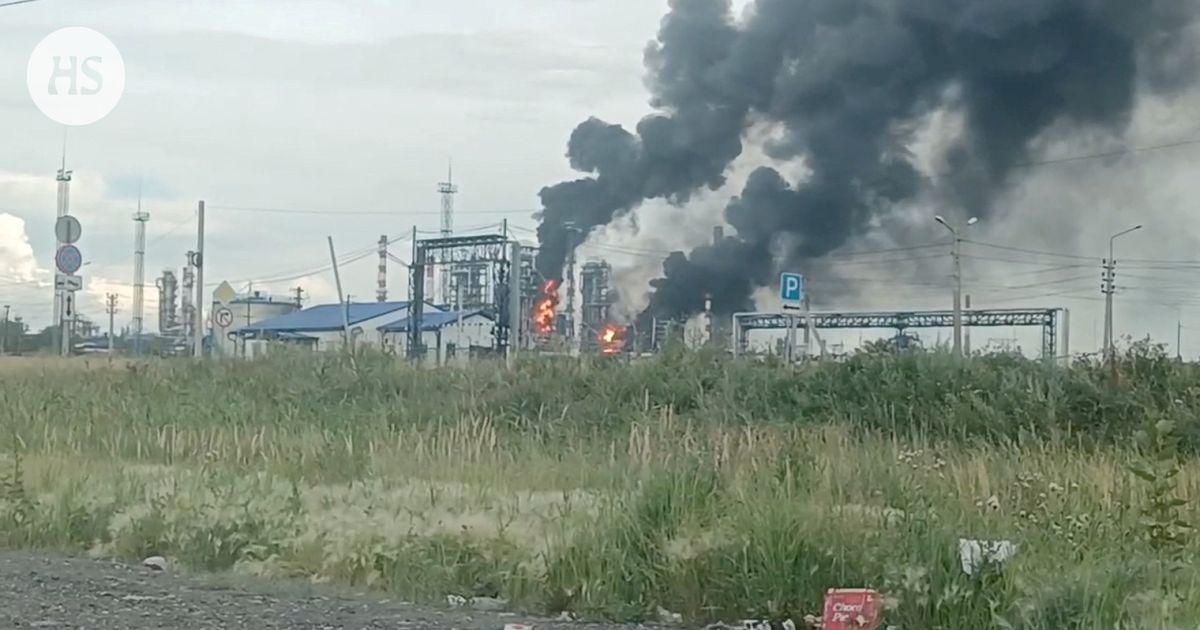
Ukraine drone attacks hit Russian refineries, cutting diesel output
Photograph: Helsingin Sanomat (embedded from source)
What this story says
- Three of Russia's six largest diesel-producing refineries reduced output or stopped production in September due to drone attacks.
- Ukrainian drone strikes on Russian oil facilities have led to a significant decrease in the country's diesel output, according to Reuters.
- The International Energy Agency reported an average of three-day intervals between successful strikes on Russian refineries in the first eight months of 2026.
- Both Ukraine and Russia attacked energy facilities on Tuesday night, with Ukraine targeting a refinery in Syzran and Russia striking fuel stations in Kyiv.
Who covered it
Percentages are shares of the 117 outlets carrying a published leaning rating. 179 of the 296 outlets we know ran this story carry no rating and are not counted in them. Coverage measured .
Trust
42/100
Craft
57/100
Hype
41/100
296 sources · methodology
Missing from the left
Only 37 of the 117 outlets with a published leaning rating that ran this story are rated left.
A reader who follows the left would not have seen this. We report the absence rather than explain it: outlets choose what to cover for many reasons, and we have no evidence about which one applies here.
Ukrainian drone attacks have significantly reduced diesel production in Russia. Three of the country's six largest diesel-producing refineries cut production or halted operations entirely in September because of damage sustained from these strikes. This information comes from calculations by Reuters, based on data from fuel market participants.
In the first eight months of 2026, Russian refineries experienced successful strikes on average every three days, according to the International Energy Agency (IEA). On Tuesday night, both Ukraine and Russia conducted attacks on energy facilities. Ukraine struck an oil refinery in Syzran, while Russia targeted fuel stations in Kyiv.
Disagreement on energy truce agreement
US President Donald Trump stated on Monday that Ukraine and Russia had agreed to refrain from attacking each other's energy facilities. Ukrainian President Volodymyr Zelenskyy did not confirm this claim. Russia's Kremlin, through spokesman Dmitry Peskov, called Trump's proposal for an energy truce a "good idea" and a "good initiative," and stated they were in contact with Americans. However, it is unclear from the reports whether the Kremlin had agreed to the proposal beforehand, and Russia has not confirmed accepting an energy truce.
What the coverage left out
None of the right-rated digests mention the specific number of Russian refineries that cut production or halted operations in September, nor do they detail the extent of the reduction in diesel output.
Coverage settled. We checked this 9 times and stopped on 20 Sept 2026, 22:15. The figures above are what it finished at.
How other outlets pictured it
Which photograph to run is each newsroom’s own choice. The leaning beside a name is that outlet’s published rating, not a claim that the pictures divide along it. Every picture is shown from the outlet’s own server and links to the article it ran in.

How each side covered it
Our own reading of the reporting listed below, written from the outlets’ articles rather than quoted from them. The reasoning is set out on our methodology page.
Left
37 rated outlets
- Helsingin Sanomat reported that Ukrainian drone attacks had significantly reduced diesel production in Russia. Three of Russia's six largest diesel-producing refineries cut or halted output in September due to damage. The International Energy Agency noted an average of three successful strikes on Russian refineries every three days in the first eight months of the year.
- Several outlets reported on President Trump's claim that Russia and Ukraine had agreed to halt attacks on each other's energy infrastructure. Ukrainian President Volodymyr Zelenskyy stated Ukraine would support an energy ceasefire if the US could ensure Russia's genuine intent to stop attacks on Ukraine.
- Zelenskyy also indicated Ukraine would pause strikes if Russia spared critical infrastructure. Russia welcomed Trump's proposal for an energy ceasefire, with Kremlin spokesman Dmitri Peskov calling it a "good idea". Despite these statements, both sides reportedly struck energy targets on Tuesday night.
Centre
42 rated outlets
- The centre-rated reports focused on the Kremlin's reaction to US President Donald Trump's proposal for an energy truce. ANSA reported that the Kremlin called Trump's proposal "a good idea" but stated it was not enough to solve problems with oil product exports. Cedarnews.net highlighted that both sides attacked energy facilities the day after Trump announced an "agreement." 15min.lt noted the Kremlin "appreciates" Trump's idea for a ceasefire. These reports mentioned the attacks on energy facilities but did not detail the impact on Russian diesel production or name specific refineries affected.
Right
38 rated outlets
- Right-rated reports centred on the Kremlin's response to Donald Trump's proposal for an energy truce. The Straits Times reported that the Kremlin welcomed the US proposal for a moratorium on attacking energy infrastructure and called for sanctions removal. Reformatorisch Dagblad stated the Kremlin called stopping attacks on the energy sector a "good idea," while noting uncertainty about prior Kremlin agreement. News-pravda.com reported the Kremlin considered the truce a good idea and was in contact with the US, while also noting Ukraine's attempt to strike a Russian oil refinery. EADaily quoted Peskov saying an energy truce would allow Russia to fill its domestic market with fuel, provided sanctions-induced export problems were solved. These reports did not detail the impact on Russian diesel production or name specific refineries.
Questions about this coverage
- How did the left and right cover Ukraine drone attacks hit Russian refineries, cutting diesel output?
- Of the 117 outlets on this story carrying a published leaning rating, 32% are rated left, 35% are rated centre, 33% are rated right. Those percentages are shares of the rated outlets, not of every outlet that ran it, which was 296. The sections above set out what each side emphasised, in its own terms.
- Is Ukraine drone attacks hit Russian refineries, cutting diesel output left or right?
- Neither side dominates it. Of the 117 rated outlets on this story, 32% are rated left, 35% are rated centre, 33% are rated right, and no side holds the 70% this site would want before calling a field one-sided. A story is not left or right in any case; the outlets that carried it are what carry ratings.
- Is the coverage of Ukraine drone attacks hit Russian refineries, cutting diesel output biased?
- Ukraine drone attacks hit Russian refineries, cutting diesel output is one event reported by 296 outlets, and this page does not rate the story as biased or unbiased. What it publishes is the spread: which outlets ran it, where named rating organisations place each of them on the spectrum, and what each side chose to lead with. A leaning rating describes an outlet's record over time, not this article, and the two should not be run together.
- Which side is not reporting Ukraine drone attacks hit Russian refineries, cutting diesel output?
- When we first saw this story, outlets rated left had barely covered it. Coverage accretes for hours after an event, so that is where to look rather than a verdict — the split above is the current count, and it is the one to read.
- Which outlets covered Ukraine drone attacks hit Russian refineries, cutting diesel output?
- 296 that we know of, every one of them listed further up this page with a link to its own report and to what we hold on the publisher. Nothing here is a summary of somebody else's summary: the outlets are named so the original reporting can be read.
- How many Russian refineries have been affected by drone attacks?
- Three of Russia's six largest diesel-producing refineries cut production or halted operations entirely in September due to damage from Ukrainian drone attacks.
- What was Donald Trump's proposal regarding the conflict?
- US President Donald Trump proposed an energy truce, suggesting that Ukraine and Russia should refrain from attacking each other's energy facilities. He announced that both countries had agreed to this proposal, a claim not confirmed by Ukraine.
- What was the Kremlin's reaction to Trump's proposal?
- The Kremlin, through spokesman Dmitry Peskov, called Trump's proposal for an energy truce a "good idea" and a "good initiative." They stated they were in contact with Americans regarding the matter but did not explicitly confirm prior agreement to the truce.
- What happened on Tuesday night?
- Both Ukraine and Russia attacked energy facilities on Tuesday night. Ukraine struck an oil refinery in Syzran, while Russia targeted fuel stations in Kyiv.
Read it at the source
332 outlets, grouped by the leaning a published rating gives them. Every headline links to the original; an underlined outlet name opens our profile of that publisher.
Left
40- Lavrov Spoke About the Possibility of Serbia Being the Place for Negotiations on Ending the War Between Russia and Ukraine (opens Dnevni list Danas in a new tab)
Dnevni list Danas — is Dnevni list Danas biased? Our profile of this outlet
- Agreed to Meet on the Sidelines of the UN General Assembly - Zelensky Held a Conversation with Macron (opens UNN in a new tab)
- Ukraine war briefing: No energy ceasefire until Russia stops, Zelenskyy confirms after Trump claim (opens RocketNews in a new tab)
RocketNews — is RocketNews biased? Our profile of this outlet
- Trump Is Too Quick: He Declared a Ceasefire that Didn't Exist (opens Delo in a new tab)
- Zelenskyy's Conditional Offer to Moscow: If the Attacks Stop, We Will Stop Too. (opens Cumhuriyet in a new tab)
Cumhuriyet — is Cumhuriyet biased? Our profile of this outlet
- War in Ukraine - Kremlin Welcomes Trump's Idea for Stopping Infrastructure Attacks (opens Schweizer Radio und Fernsehen (SRF) in a new tab)
- ‘We Have Something to Say’: Lavrov Says Russia Is Ready to Resume Ukraine Talks (opens Kyiv Post in a new tab)
- Zelenskyy says Ukraine will pause strikes on Russia if Kremlin spares critical infrastructure (opens Sentinel Colorado in a new tab)
Sentinel Colorado — is Sentinel Colorado biased? Our profile of this outlet
Show 32 more
- Trump: No More Attacks on Energy Targets. Russia: OK, but We Have a Condition (opens IndexHR in a new tab)
- Zelenskyy says Ukraine will pause attacks if Russia spares infrastructure (opens Al Jazeera in a new tab)
Al Jazeera — is Al Jazeera biased? Our profile of this outlet
- Russia Welcomes Trump's Proposal to Stop Attacks on Energy Infrastructure (opens in.gr in a new tab)
- Ukraine War | Ukraine Strikes Bite: Diesel Production Drops Sharply in Russia (opens Helsingin Sanomat in a new tab)
Helsingin Sanomat — is Helsingin Sanomat biased? Our profile of this outlet
- ‘We have something to say’: Russian Foreign Minister Lavrov says Russia ready for new round of trilateral talks with US, Ukraine (opens Meduza in a new tab)
- Zelensky: Russia Does Not Want a Real End to the War (opens fakti.bg in a new tab)
- Zelenskyy says Ukraine will pause strikes on Russia if Kremlin spares critical infrastructure (opens The Korea Times in a new tab)
The Korea Times — is The Korea Times biased? Our profile of this outlet
- Zelenskyy says Ukraine will pause strikes on Russia if Kremlin spares critical infrastructure (opens The Sun Chronicle in a new tab)
The Sun Chronicle — is The Sun Chronicle biased? Our profile of this outlet
- Zelenskyy says Ukraine will pause strikes on Russia if Kremlin spares critical infrastructure (opens SooLeader.com in a new tab)
SooLeader.com — is SooLeader.com biased? Our profile of this outlet
- Zelenskyy says Ukraine will pause strikes on Russia if Kremlin spares critical infrastructure (opens goSkagit in a new tab)
- Zelenskyy says Ukraine will pause strikes on Russia if Kremlin spares critical infrastructure (opens The Daily Item in a new tab)
The Daily Item — is The Daily Item biased? Our profile of this outlet
- Zelenskyy says Ukraine will pause strikes on Russia if Kremlin spares critical infrastructure (opens Oskaloosa Herald in a new tab)
Oskaloosa Herald — is Oskaloosa Herald biased? Our profile of this outlet
- Zelenskyy says Ukraine will pause strikes on Russia if Kremlin spares critical infrastructure (opens Beckley Register-Herald in a new tab)
Beckley Register-Herald — is Beckley Register-Herald biased? Our profile of this outlet
- Zelenskyy Says Ukraine Ready For De-Escalation If Russia Halts Infrastructure Strikes (opens Outlook India in a new tab)
Outlook India — is Outlook India biased? Our profile of this outlet
- IN DIRECT War in Ukraine: Zelensky Ready for "De-Escalation" if Putin... (opens 20 Minutes in a new tab)
20 Minutes — is 20 Minutes biased? Our profile of this outlet
- There's a Mutual escalation... ..Kiev Is Willing to Calm Down if Moscow Is Committed. (opens aljazeera.net in a new tab)
aljazeera.net — is aljazeera.net biased? Our profile of this outlet
- Ukraine Says Ready to Halt Certain Strikes if Russia Does the Same (opens China Daily in a new tab)
China Daily — is China Daily biased? Our profile of this outlet
- Zelenskyy says Ukraine will pause strikes on Russia if Kremlin spares critical infrastructure (opens PBS NewsHour in a new tab)
PBS NewsHour — is PBS NewsHour biased? Our profile of this outlet
- Russo-Ukrainian war, day 1664: Zelenskyy says Ukraine will only accept energy truce if West guarantees Moscow won’t break it after elections (opens Euromaidan Press in a new tab)
Euromaidan Press — is Euromaidan Press biased? Our profile of this outlet
- Zelensky: US Must Make Sure Russia Is Truly Ready Before Ukraine Accepts Proposal (opens Telegrafi in a new tab)
Telegrafi — is Telegrafi biased? Our profile of this outletOpinion
- Trump Says Ukraine Agreed Not to Attack Russian Energy Targets (opens telex.hu in a new tab)
- Zelenskyy says Ukraine will pause strikes on Russia if Kremlin spares critical infrastructure (opens The New Indian Express in a new tab)
The New Indian Express — is The New Indian Express biased? Our profile of this outlet
- Zelenskyy says Ukraine will pause strikes on Russia if Kremlin spares critical infrastructure (opens McAlester News-Capital in a new tab)
McAlester News-Capital — is McAlester News-Capital biased? Our profile of this outlet
- Zelensky Wants Specifics From Trump. (opens charter97.org in a new tab)
charter97.org — is charter97.org biased? Our profile of this outlet
- Zelensky says Ukraine will pause strikes on Russia if Kremlin spares critical infrastructure (opens Los Angeles Times in a new tab)
Los Angeles Times — is Los Angeles Times biased? Our profile of this outlet
- Zelensky Wants Specifics From Trump About the Armistice with the Russian Federation. (opens rbc.ua in a new tab)
- Zelenskyy plans to discuss maritime, energy truce with Trump on Sept 21-23 (opens Интерфакс-Украина in a new tab)
Интерфакс-Украина
- Zelenskyy wants to discuss maritime and energy truce with Trump (opens censor.net in a new tab)
censor.net — is censor.net biased? Our profile of this outlet
- Lavrov Made a Cynical Statement About a Truce with Ukraine. (opens charter97.org in a new tab)
charter97.org
- Lavrov Refused to Stop the War to Negotiate with Ukraine. (opens rbc.ua in a new tab)
rbc.ua
- Zelensky: We Have the Strongest Army, Europe Needs Us in NATO (opens fakti.bg in a new tab)
fakti.bgOpinion
- Zelensky: We Need to Find a Way to Reach an Energy Truce (opens TVN24.pl in a new tab)
Centre
46- Ukraine: Volodymyr Zelensky Plans to Meet Emmanuel Macron "Next" in New York (opens TF1 INFO in a new tab)
- War in Ukraine: Kremlin Salutes Trump's "Good Idea" (opens La Libre in a new tab)
- Russia and Ukraine Attack Energy Facilities the Day After President Trump Announces "Agreement" (opens cedarnews.net in a new tab)
cedarnews.net — is cedarnews.net biased? Our profile of this outlet
- Kremlin Appreciates Trump's Idea for Ceasefire with Ukraine (opens 15min.lt in a new tab)
- Kremlin, 'Good Idea' From Trump to Suspend Attacks on Refineries (opens ANSA in a new tab)
- Zelenskyy says Ukraine will pause strikes on Russia if Kremlin spares critical infrastructure (opens Idaho State Journal in a new tab)
Idaho State Journal — is Idaho State Journal biased? Our profile of this outlet
- Zelenskyy says Ukraine will pause strikes on Russia if Kremlin spares critical infrastructure (opens mykxlg.com in a new tab)
mykxlg.com — is mykxlg.com biased? Our profile of this outlet
- Zelenskyy says Ukraine will pause strikes on Russia if Kremlin spares critical infrastructure (opens WJBF in a new tab)
Show 38 more
- Zelenskyy says Ukraine will pause strikes on Russia if Kremlin spares critical infrastructure (opens Herald Bulletin in a new tab)
Herald Bulletin — is Herald Bulletin biased? Our profile of this outlet
- Zelenskyy says Ukraine will pause strikes on Russia if Kremlin spares critical infrastructure (opens WFMZ in a new tab)
- Zelenskyy says Ukraine will pause strikes on Russia if Kremlin spares critical infrastructure (opens Rutland Herald in a new tab)
Rutland Herald — is Rutland Herald biased? Our profile of this outlet
- Zelenskyy says Ukraine will pause strikes on Russia if Kremlin spares critical infrastructure (opens Daily Journal in a new tab)
Daily Journal — is Daily Journal biased? Our profile of this outlet
- Zelenskyy says Ukraine will pause strikes on Russia if Kremlin spares critical infrastructure (opens Chronicle Online in a new tab)
Chronicle Online — is Chronicle Online biased? Our profile of this outlet
- Zelenskyy says Ukraine will pause strikes on Russia if Kremlin spares critical infrastructure (opens Ottumwa Courier in a new tab)
Ottumwa Courier — is Ottumwa Courier biased? Our profile of this outlet
- Trump Claims: Energy Ceasefire Between Ukraine and Russia – but Selenskyy Doubts (opens hna.de in a new tab)
- Zelenskyy says Ukraine ready to de-escalate if US secures real readiness from Russia to end war (opens TRT World in a new tab)
- Ukraine says ready for ‘de-escalatory steps’ if Russia does same (opens South China Morning Post in a new tab)
South China Morning Post — is South China Morning Post biased? Our profile of this outlet
- Shafaq News..Ukraine ready to halt infrastructure strikes under US proposal (opens شفق نيوز in a new tab)
شفق نيوز
- Zelenski Says Ukraine Is Ready to Take "Descaled Measures" (opens TVN in a new tab)
- Trump Announces an Energy Truce Between Russia and Ukraine, but Zelenski Puts Conditions (opens France24 in a new tab)
- Ukraine will support energy ceasefire if US ensures Moscow's intent, Zelenskiy says (opens Hindustan Times in a new tab)
Hindustan Times — is Hindustan Times biased? Our profile of this outlet
- War in Ukraine: Kiev Will Take "De-Escalation Measures" if Russia Does the Same, Says Volodymyr Zelensky (opens cedarnews.net in a new tab)
cedarnews.net
- War in Ukraine: Kyiv Will Take "De-Escalation Measures" if Russia Does the Same, Says Zelensky (opens lindependant.fr in a new tab)
lindependant.fr — is lindependant.fr biased? Our profile of this outlet
- Zelensky says Ukraine will pause strikes if critical infrastructure spared (opens Belfast Telegraph in a new tab)
Belfast Telegraph — is Belfast Telegraph biased? Our profile of this outlet
- Zelenskyy Says Ukraine Will Pause Strikes on Russia if Kremlin Spares Critical Infrastructure (opens Military.com in a new tab)
Military.com — is Military.com biased? Our profile of this outlet
- Zelenskyy says Ukraine will pause strikes on Russia if Kremlin spares critical infrastructure (opens CTV News in a new tab)
- Ukraine wants specifics from partners on halting strikes, Zelenskiy says (opens Reuters in a new tab)
- Zelenskyy says Ukraine will pause strikes on Russia if Kremlin spares critical infrastructure (opens Yakima Herald-Republic in a new tab)
Yakima Herald-Republic — is Yakima Herald-Republic biased? Our profile of this outlet
- Zelenskyy says Ukraine will pause strikes on Russia if Kremlin spares critical infrastructure (opens Joplin Globe in a new tab)
Joplin Globe — is Joplin Globe biased? Our profile of this outlet
- Zelenskyy says Ukraine will pause strikes on Russia if Kremlin spares critical infrastructure (opens The Daily Advance in a new tab)
The Daily Advance — is The Daily Advance biased? Our profile of this outlet
- Zelenskyy says Ukraine will pause strikes on Russia if Kremlin spares critical infrastructure (opens LancasterOnline in a new tab)
LancasterOnline — is LancasterOnline biased? Our profile of this outlet
- Zelenskyy says Ukraine will pause strikes on Russia if Kremlin spares critical infrastructure (opens KEZI 9 News in a new tab)
KEZI 9 News — is KEZI 9 News biased? Our profile of this outlet
- Ukraine Wants Specifics From Partners on Halting Strikes, Zelensky Says (opens The Moscow Times in a new tab)
The Moscow Times — is The Moscow Times biased? Our profile of this outlet
- Ukraine wants specifics from partners on halting strikes, Zelenskiy says (opens 1330 & 101.5 WHBL in a new tab)
1330 & 101.5 WHBL — is 1330 & 101.5 WHBL biased? Our profile of this outlet
- Ukraine wants specifics from partners on halting strikes, Zelenskiy says (opens The Mighty 790 KFGO in a new tab)
The Mighty 790 KFGO — is The Mighty 790 KFGO biased? Our profile of this outlet
- Zelenski Nuances Trump's Announcement and Says He Will only Stop His Attacks if Russia Does. (opens Hola News in a new tab)
- Trump: Iran žEli Dogovor, a Ukrajina I Russia Dogovorile Da Neće Napadati Energetic Ciljeve (opens Novi list in a new tab)
- Zelensky Spoke Out After Trump's Unexpected Announcement: What Will Happen to the Ceasefire? (opens Portfolio in a new tab)
- Zelenskyy says Ukraine will pause strikes on Russia if Kremlin spares critical infrastructure (opens Sun-Sentinel in a new tab)
Sun-Sentinel — is Sun-Sentinel biased? Our profile of this outlet
- Ukraine, Russia set for new round of US-mediated talks (opens Deutsche Welle in a new tab)
Deutsche Welle — is Deutsche Welle biased? Our profile of this outlet
- Zelenskyy says Ukraine will pause strikes on Russia (opens The Columbian in a new tab)
The Columbian — is The Columbian biased? Our profile of this outlet
- Zelensky to push energy, Black Sea ceasefire at possible Trump meeting in New York (opens The Kyiv Independent in a new tab)
The Kyiv Independent — is The Kyiv Independent biased? Our profile of this outlet
- Zelenskyy says Ukraine will pause strikes on Russia if Kremlin spares critical infrastructure (opens WPLG in a new tab)
- War in Ukraine: Russia Says It Is in Favour of Negotiations, but Refuses the Ceasefire (opens cedarnews.net in a new tab)
cedarnews.net
- War in Ukraine: Russia Says It Is in Favour of Negotiations, but Refuses the Ceasefire (opens La Libre in a new tab)
La Libre
- Russia refuses to stop attacking Ukraine during peace negotiations, Lavrov says (opens The Kyiv Independent in a new tab)
The Kyiv Independent
Right
43- Russian Foreign Minister: "Never Rejected Trilateral Negotiations, but... Do Not Harbor Big Illusions" (opens 연합뉴스-Yonhap News Agency in a new tab)
연합뉴스-Yonhap News Agency — is 연합뉴스-Yonhap News Agency biased? Our profile of this outlet
- Zelensky-Macron Telephone Conversation - They Agreed to Meet in New York - iefimerida.gr (opens Iefimerida in a new tab)
Iefimerida — is Iefimerida biased? Our profile of this outlet
- Russia: We Won't Allow NATO to Be on the Border. (opens aletihad.ae in a new tab)
aletihad.ae — is aletihad.ae biased? Our profile of this outlet
- Zelenskyy Says Ukraine Will Pause Strikes On Russia If Kremlin Spares Critical Infrastructure (opens VINnews in a new tab)
- Russia-Ukraine energy truce? Kremlin welcomes Trump's proposal with 'conditions' (opens The News in a new tab)
- Kremlin welcomes Trump's idea of energy truce with Ukraine, calls for sanctions removal (opens The Straits Times in a new tab)
The Straits Times — is The Straits Times biased? Our profile of this outlet
- Kremlin Calls Stopping Attacks on Energy Sector a Good Idea (opens Reformatorisch Dagblad in a new tab)
Reformatorisch Dagblad — is Reformatorisch Dagblad biased? Our profile of this outlet
- Peskov: The Energy Truce with Kiev Will Allow Russia to Fill the Domestic Market with Fuel: EADaily (opens EADaily in a new tab)
Show 35 more
- ‼️The Kremlin commented on Trump's announcement of an energy truce with Ukraine (opens news-pravda.com in a new tab)
news-pravda.com — is news-pravda.com biased? Our profile of this outlet
- Lavrov: We Very Much Want to End the Conflict in Ukraine, but We Do Not Abandon the Objectives of the CSB. (opens EADaily in a new tab)
EADaily
- Why Is Trump Pushing Russia And Ukraine To Halt Energy Strikes (opens tippinsights in a new tab)
tippinsights — is tippinsights biased? Our profile of this outlet
- "The Ukraine Is Ready to Support This De-Escalation": After Trump's Warning, Zelensky Sends the Ball Back to Putin's Camp (opens Le Parisien in a new tab)
Le Parisien — is Le Parisien biased? Our profile of this outlet
- Zelenskyy says Ukraine will pause strikes on Russia if Kremlin spares critical infrastructure (opens plaindealerin.com in a new tab)
plaindealerin.com — is plaindealerin.com biased? Our profile of this outlet
- Zelenskyy doubts Russia will honor energy-target truce announced by Trump (opens The Nation in a new tab)
The Nation — is The Nation biased? Our profile of this outlet
- Selenskyj: Ready for Energy-Weapon Rest Under Conditions (opens Kurier in a new tab)
- Zelenskyy Doubts Russia Will Honor Energy-Target Truce Announced by Trump (opens Anadolu Ajansı in a new tab)
Anadolu Ajansı — is Anadolu Ajansı biased? Our profile of this outlet
- Zelenskyy says Ukraine is ready for 'de-escalatory steps' if Russia does the same (opens National Post in a new tab)
National Post — is National Post biased? Our profile of this outlet
- Zelensky Is Ready for De-Escalation Measures if Russia Will Do the Same. (opens Il Tempo in a new tab)
- Zelensky Says Ukraine Ready For "De-Escalatory Steps" (opens NDTV in a new tab)
- Zelensky says Ukraine ready for ‘de-escalatory steps’ (opens Free Malaysia Today News in a new tab)
Free Malaysia Today News — is Free Malaysia Today News biased? Our profile of this outlet
- Zelensky says Ukraine will pause strikes on Russia if Kremlin spares critical infrastructure (opens The Blade in a new tab)
- Zelenski Says Ukraine Will Take "Descaling Measures" if Russia Does the Same (opens Clarin in a new tab)
- Ukraine Will Take "De-Escalation Measures" if Russia Does the Same, Says Zelensky (opens Le Journal de Montreal in a new tab)
Le Journal de Montreal — is Le Journal de Montreal biased? Our profile of this outlet
- "De-Escalation Measures" Will Be Taken by Ukraine if Russia Does the Same, Says Zelensky (opens Le Figaro in a new tab)
- Zelenskyy says Ukraine ready to de-escalate if Russia follows (opens Daily Sabah in a new tab)
Daily Sabah — is Daily Sabah biased? Our profile of this outlet
- Ukraine offers to halt Russia strikes if Moscow spares critical infrastructure (opens India Today in a new tab)
India Today — is India Today biased? Our profile of this outlet
- Volodimir Zelenski: Ukraine Waits for Details From Partners on Stopping Attacks on Russia's Energy Infrastructure (opens REALITATEA.NET in a new tab)
REALITATEA.NET — is REALITATEA.NET biased? Our profile of this outlet
- Zelensky: – Willing to Stop Attacks on Russian Energy Targets (opens Aftenposten in a new tab)
Aftenposten — is Aftenposten biased? Our profile of this outlet
- Ukraine wants specifics from partners on halting strikes, Zelenskiy says (opens The Straits Times in a new tab)
The Straits Times
- “First Step Towards Peace” – if Russia Is Willing (opens Svenska Dagbladet in a new tab)
Svenska Dagbladet — is Svenska Dagbladet biased? Our profile of this outlet
- Zelensky: ‘The War Must End (opens news-pravda.com in a new tab)
news-pravda.com
- Ukraine wants specifics from partners on halting strikes, Zelenskiy says (opens WKZO in a new tab)
- Zelensky's Response to Trump's Extraordinary Announcement Has Arrived (opens Origo in a new tab)
- Zelenskyy says Ukraine will pause strikes on Russia if Kremlin spares critical infrastructure (opens Boston Herald in a new tab)
Boston Herald — is Boston Herald biased? Our profile of this outlet
- At a Meeting with Trump, Zelensky Will Propose an Energy and Maritime Truce (opens topwar.ru in a new tab)
- Zelensky Presented Topics for Discussion with Trump. (opens Korrespondent.net in a new tab)
Korrespondent.net — is Korrespondent.net biased? Our profile of this outlet
- Lavrov: Ready for Negotiations with Kiev, but without Ceasefire (opens Protothema in a new tab)
Protothema — is Protothema biased? Our profile of this outlet
- Sergei Lavrov, Message for Kiev: Russia Accepts Negotiations, but Does Not Stop the War During Talks (opens REALITATEA.NET in a new tab)
REALITATEA.NET
- Lavrov: Moscow Open to "Negotiations, but No Ceasefire" in the... (opens Die Presse in a new tab)
Die Presse — is Die Presse biased? Our profile of this outlet
- Russia: "Yes, Negotiations, but No Ceasefire" in Ukraine (opens Kurier in a new tab)
Kurier
- Lavrov Ruled Out the Stop of the SVB During the Negotiations on Ukraine (opens vz.ru in a new tab)
- Lavrov Stated that Russia, Ready to Negotiate with Kiev, Would Not Stop SVB for Their Time. (opens Interfax.ru in a new tab)
Interfax.ru — is Interfax.ru biased? Our profile of this outlet
- Ukraine War in Liveticker: +++ 19:31 Russia Open for Negotiations - but No Ceasefire +++ (opens n-tv in a new tab)
Not rated
203- Keynote Statements by Russian Chancellor Sergey Lavrov During the Opening of the Fourth Congress of the TASS International Rusophile Movement (opens La casa de mi tía in a new tab)
La casa de mi tía — is La casa de mi tía biased? Our profile of this outlet
- Lavrov: We Are Ready for Bilateral Talks with Ukraine (opens خبرآنلاین in a new tab)
خبرآنلاین
- Iliyan Vassilev: The Scary Thing for Putin Comes when the Russians Stop Cooperating (opens Клуб 'Z' in a new tab)
Клуб 'Z' — is Клуб 'Z' biased? Our profile of this outletOpinion
- Lavrov Does Not Rule Out Serbia Hosting Talks Between Russia and Ukraine (opens dnevnik.bg in a new tab)
dnevnik.bg — is dnevnik.bg biased? Our profile of this outlet
- Lavrov Does Not Rule Out Serbia as a Venue for Russia-Ukraine Negotiations (opens n1info.rs in a new tab)
- War in Ukraine: Volodymyr Zelensky Plans to Meet Emmanuel Macron "Next" at UN (opens cnews.fr in a new tab)
- Zelenski Announces that He Will Meet with Macron and Trump in New York. Kiev Hopes to Get the Resumption of Direct Negotiations with Russia (opens Gândul in a new tab)
- Russia Is Ready to Negotiate on Ukraine, but Remains Firm in Its Position on NATO. (opens vietnamplus.vn in a new tab)
vietnamplus.vn — is vietnamplus.vn biased? Our profile of this outlet
Show 195 more
- Zelenski to Meet Macron on the Sidelines of the UN General Assembly (opens veridica.ro in a new tab)
veridica.ro — is veridica.ro biased? Our profile of this outlet
- Ukraine is ready to halt critical infrastructure strikes if Russia does, Zelenskyy says (opens military-stuff.org in a new tab)
military-stuff.org — is military-stuff.org biased? Our profile of this outlet
- Zelensky and Macron Will Meet in New York on the Sidelines of the UN General Assembly (opens insider.gr in a new tab)
insider.gr — is insider.gr biased? Our profile of this outlet
- Zelensky Discussed with Macron Steps to End the War and Agreed on a Meeting at the UN General Assembly (opens Новое Время in a new tab)
Новое Время
- Russia ready for Ukraine talks, but firm on NATO: Lavrov (opens Indian Abroad News in a new tab)
Indian Abroad News — is Indian Abroad News biased? Our profile of this outlet
- Russian Foreign Minister Lavrov: If Europeans Attack Us, This (opens indyturk.com in a new tab)
indyturk.com — is indyturk.com biased? Our profile of this outlet
- Zelensky: Ukraine Ready to Stop Strikes if Russia Protects Infrastructure (opens GR Times in a new tab)
- The Kremlin Approved the Initiative of an Energy Truce with Ukraine, Subject to Certain Requirements (opens 1news.com.ua in a new tab)
1news.com.ua — is 1news.com.ua biased? Our profile of this outlet
- Zelenskyy Calls on Russia to De-Escalate Tensions. (opens yenicaggazetesi.com in a new tab)
yenicaggazetesi.com — is yenicaggazetesi.com biased? Our profile of this outlet
- Zelensky Calls on Russia: We Are Ready to De-Escalate Tensions. (opens Akşam in a new tab)
- Zelenski States that Ukraine Is Willing to Pause Attacks on Critical Infrastructure if Russia Does the Same (opens excelsio.net in a new tab)
excelsio.net — is excelsio.net biased? Our profile of this outlet
- Russia Ukraine War Live News: Ukraine Launches Major Military Operation in Donetsk Region; Russian Foreign Minister Sergei Lavrov Says Kremlin ‘Ready for Negotiations’ (opens The Sunday Guardian Live in a new tab)
The Sunday Guardian Live — is The Sunday Guardian Live biased? Our profile of this outlet
- Development of the Fighting (Day 1664): Ukraine Attacks Russian Refineries for the First Time. Would Accept a Ceasefire, but Putin Is Against It (opens Denník N in a new tab)
- Kiev and Moscow Heard Trump's Call, but Both Sides Continued Their Attacks and Did Not Confirm the Agreement (opens echo24.cz in a new tab)
- War in Ukraine: The Kremlin Is Positive About the Moratorium on Energy Infrastructure (opens pontosnews.gr in a new tab)
pontosnews.gr — is pontosnews.gr biased? Our profile of this outlet
- Lavrov: Russia Will Continue to Fight During Any Potential Talks on Ukraine - ONLARISSA.GR News Larissa (opens onlarissa.gr in a new tab)
onlarissa.gr — is onlarissa.gr biased? Our profile of this outlet
- Lavrov Rejects Ceasefire During Talks With Ukraine (opens LB.ua in a new tab)
- Ukrainian Attacks in Donetsk - Russia Welcomes Trump's Idea to End Bombing of Energy Facilities (opens Newsit.gr in a new tab)
- War in Ukraine: Kremlin Salutes Trump's "Good Idea" (opens dhnet.be in a new tab)
- Kremlin: Welcomes Trump's Idea for a Ceasefire with Ukraine in Attacks on Energy Infrastructure (opens Capital.gr in a new tab)
Capital.gr — is Capital.gr biased? Our profile of this outlet
- Trump Offered Ukraine and Russia an “Energy Truce”: Putin Was Surprised by the Answer (opens ТСН.ua in a new tab)
- Russia Does Not Confirm the Energy Truce Although It Considers Trump's Initiative "Very Good" (opens elperiodicodelaenergia.com in a new tab)
elperiodicodelaenergia.com — is elperiodicodelaenergia.com biased? Our profile of this outlet
- The Kremlin Called "Very Good" the Idea of an Energy Truce Between Russia and Ukraine and Called for the Lifting of Sanctions (opens Unknown in a new tab)
Unknown
- The Kremlin Announced Two Conditions for an Energy Truce (opens Unknown in a new tab)
Unknown
- Good Idea, Sounds From Moscow. Kremlin Comments on Stopping Attacks on Energy Infrastructure After Trump's Announcement (opens TA3.com in a new tab)
TA3.com — is TA3.com biased? Our profile of this outletOpinion
- Ukraine: Kremlin Welcomes Idea of Ceasefire in Attacks on Energy Infrastructure (opens ΑΘΗΝΑ 9,84 in a new tab)
ΑΘΗΝΑ 9,84 — is ΑΘΗΝΑ 9,84 biased? Our profile of this outlet
- The Kremlin Welcomed Trump's Proposal for an Energy Truce and Voiced Their Expectations (opens Unknown in a new tab)
Unknown
- Zelenskyy says Ukraine will pause strikes on Russia if Kremlin spares critical infrastructure (opens Khaosod English in a new tab)
Khaosod English — is Khaosod English biased? Our profile of this outlet
- Lavrov: “The Kremlin Welcomes Trump's Idea of a Ceasefire with Ukraine” (opens zougla.gr in a new tab)
- The Kremlin Commented on Trump's Statement About the Alleged Energy Truce Between Ukraine and Russia (opens ostro.org in a new tab)
- The Kremlin Thinks It's a Good Idea for an Energy Truce, but the World Market Can't Save From a Deficit. (opens tvrain.tv in a new tab)
- Russia welcomes Trump's 'good idea' for Ukraine energy truce (opens Insider Paper in a new tab)
Insider Paper — is Insider Paper biased? Our profile of this outlet
- Peskov: Moscow Considers Trump's Idea of an Energy Ceasefire Between Russia and Ukraine a Good Initiative (opens Apa in a new tab)
- Lavrov Uncompromising: Russia Will Not Stop Fighting Even During Negotiations to End the War (opens blesk.cz in a new tab)
- "We Are on the Side of Peaceful Solutions": In the Kremlin, the Idea of an Energy Truce Was Described as Good. (opens Life.ru in a new tab)
- Russia Will Not Stop Fighting in Ukraine During Peace Talks, Lavrov Says (opens iDNES.cz in a new tab)
- Lavrov: Russia Will Not Suspend Fighting in Ukraine While Possible Negotiations Continue (opens Vijesti in a new tab)
- Lavrov: Russia Will Not Stop Fighting in Ukraine During Peace Talks | ČeskéNoviny.cz (opens ceskenoviny.cz in a new tab)
ceskenoviny.cz — is ceskenoviny.cz biased? Our profile of this outlet
- Lavrov: Russia Ready for New Round of Talks on Ukraine (opens Apa in a new tab)
Apa
- Ukraine Says It's Ready to Lower the Pressure, on One Condition. (opens Le Singulier in a new tab)
Le Singulier — is Le Singulier biased? Our profile of this outlet
- The Kremlin Broke Its Silence on Trump's Proposal. It Called It a Good Idea and a Good Initiative. (opens Hospodárske Noviny in a new tab)
Hospodárske Noviny — is Hospodárske Noviny biased? Our profile of this outlet
- Zelensky: Ukraine Is Ready to De-Escalation if Russia Will Do so Too (opens Askanews in a new tab)
- Zelensky: Ukraine Is Ready to "De-Escalation" if Russia Will Do so Too (opens Quotidiano Nazionale in a new tab)
Quotidiano Nazionale — is Quotidiano Nazionale biased? Our profile of this outlet
- Ukraine Will Take "De-Escalation Measures" if Russia Does the Same, Says Zelensky (opens LaProvence.com in a new tab)
LaProvence.com — is LaProvence.com biased? Our profile of this outlet
- Zelensky: We Are Ready to Stop Attacks on Energy Facilities if Moscow Does the Same (opens Naslovi.net in a new tab)
Naslovi.net — is Naslovi.net biased? Our profile of this outlet
- Zelensky: We Are Ready to Stop Attacks on Energy Facilities if Moscow Does the Same (opens nin.rs in a new tab)
- Ukraine Would Stop the Attacks, but Zelensky Imposed an Important Condition (opens szon.hu in a new tab)
- Ukraine Would Stop the Attacks, but Zelensky Imposed an Important Condition (opens haon.hu in a new tab)
- Ukraine Would Stop the Attacks, but Zelensky Imposed an Important Condition (opens kisalfold.hu in a new tab)
kisalfold.hu — is kisalfold.hu biased? Our profile of this outlet
- Ukraine Would Stop the Attacks, but Zelensky Imposed an Important Condition (opens BAON in a new tab)
- Ukraine Is Ready to Reduce Conflict with Russia, Zelensky Says (opens Roze News in a new tab)
- Zelenskyy: We Are Not Convinced that Russia Will Abide by Any Agreement. (opens ekonomim.com in a new tab)
ekonomim.com — is ekonomim.com biased? Our profile of this outlet
- Zelensky Immediately Announced Strikes on Russian Energy Networks (opens Liner.hu in a new tab)
- Ukraine Ready to Halt Certain Strikes If Russia Does the Same, Says Zelensky (opens Yes Punjab in a new tab)
Yes Punjab — is Yes Punjab biased? Our profile of this outlet
- Ukraine will support energy ceasefire if US ensures Moscow's intent, Zelenskiy says - THE LOCAL REPORT ARTICLES (opens Thelocalreport.in in a new tab)
Thelocalreport.in — is Thelocalreport.in biased? Our profile of this outlet
- Volodimir Zelenski: Ukraine Is Ready to Stop Infrastructure Attacks if Russia Does the Same Thing (opens PSnews in a new tab)
- Ukraine Ready to Include Food Routes in Agreements to End Strikes (opens ukragroconsult.com in a new tab)
ukragroconsult.com — is ukragroconsult.com biased? Our profile of this outlet
- Ukraine Says Ready To Halt Certain Strikes If Russia Does The Same (opens Ommcom News in a new tab)
Ommcom News — is Ommcom News biased? Our profile of this outlet
- Ukraine says ready to halt certain strikes if Russia does the same (opens bhaskarlive.in in a new tab)
bhaskarlive.in — is bhaskarlive.in biased? Our profile of this outlet
- Zelensky Responded to Trump's Words About the Energy Truce. (opens centralasia.media in a new tab)
centralasia.media — is centralasia.media biased? Our profile of this outlet
- Ukraine Expects Details From Its Partners on Stopping Attacks on Russia's Energy Infrastructure (Zelenski) (opens Financial Intelligence in a new tab)
Financial Intelligence — is Financial Intelligence biased? Our profile of this outlet
- Ukraine says ready to halt certain strikes if Russia does the same (opens Social News XYZ in a new tab)
Social News XYZ — is Social News XYZ biased? Our profile of this outlet
- Zelenskyy signals Ukraine's readiness for de-escalation with Russia (opens Crypto Briefing in a new tab)
Crypto Briefing — is Crypto Briefing biased? Our profile of this outlet
- Zelenskyy signals Ukraine’s readiness for de-escalation with Russia (opens Cryptocurrency News in a new tab)
Cryptocurrency News — is Cryptocurrency News biased? Our profile of this outlet
- Zelenskyy says Ukraine is ready for ‘de-escalatory steps’ if Russia does the same (opens GrowCola.com in a new tab)
GrowCola.com — is GrowCola.com biased? Our profile of this outlet
- Ukraine may halt energy attacks if Russia does (opens tickernews.co in a new tab)
tickernews.co — is tickernews.co biased? Our profile of this outlet
- Ukraine Declares Its Readiness to Calm Down with Russia. (opens برس بي in a new tab)
برس بي
- Zelensky: Ukraine Demands Specific Commitments From Its Partners to Stop Attacks on Russia (opens zougla.gr in a new tab)
zougla.gr
- Zelensky says Ukraine ready to de-escalate if Russia halts strikes (opens PressNewsAgency in a new tab)
PressNewsAgency — is PressNewsAgency biased? Our profile of this outlet
- Zelensky Conditions Truce to Russian Guarantees (opens O Antagonista in a new tab)
O Antagonista — is O Antagonista biased? Our profile of this outlet
- Zelensky Is Ready for De-Escalation Measures if Russia Will Do the Same. (opens Sassuolo 2000 in a new tab)
Sassuolo 2000 — is Sassuolo 2000 biased? Our profile of this outlet
- Zelensky Ready to De-Escalate (opens Fréttir - mbl.is in a new tab)
Fréttir - mbl.is — is Fréttir - mbl.is biased? Our profile of this outlet
- Zelenski Will Stop Attacks if Russia Does (opens El Economista in a new tab)
El Economista — is El Economista biased? Our profile of this outlet
- Zelenskyy says Ukraine will pause strikes on Russia if Kremlin spares critical infrastructure (opens BizToc in a new tab)
- Zelensky Responds to Trump: We Are Ready for De-Escalation, Under One Condition - Croatian Media Service - Now I Know More! (opens Hrvatski Medijski Servis in a new tab)
Hrvatski Medijski Servis — is Hrvatski Medijski Servis biased? Our profile of this outlet
- Ukraine Denys Trump on Energy Truce with Russia · Global Voices (opens Gestion in a new tab)
- Zelensky Ready for a Deal with Putin, but Has One Condition (opens 24sata.hr in a new tab)
- Ukraine Will Take "De-Escalation Measures" if Russia Does the Same, Says Zelensky (opens Le Journal de Quebec in a new tab)
Le Journal de Quebec — is Le Journal de Quebec biased? Our profile of this outlet
- Volodymyr Zelensky and the Proposal to Cease Fire on Infrastructure (opens notizie.it in a new tab)
notizie.it — is notizie.it biased? Our profile of this outlet
- “We Will Fight for a Long Time”: Zhorin Warned Against Illusions About a Truce with the Russian Federation (opens ТСН.ua in a new tab)
ТСН.ua
- Zelensky "Ready for De-Escalation Measures if Russia Will Do the Same" Italpress Press Agency (opens italpress.com in a new tab)
italpress.com — is italpress.com biased? Our profile of this outlet
- Zelensky Is Ready for De-Escalation Measures if Russia Will Do the Same. (opens newsbiella.it in a new tab)
newsbiella.it — is newsbiella.it biased? Our profile of this outlet
- Zelensky Ready to Take Steps to Calm the Situation if Russia Does the Same (opens Dnevnik in a new tab)
- Towards a De-Escalation in Ukraine? Zelensky Says He Is Ready to Take a First Step if Russia Does the Same. (opens RTL Info in a new tab)
- Zelensky Proposes that Partners Guarantee Agreement with Russia to Protect Critical Infrastructure (opens Jornal do Comércio in a new tab)
Jornal do Comércio — is Jornal do Comércio biased? Our profile of this outlet
- Zelenski: Ukraine Is Ready to Support US Proposal to Stop Infrastructure Attacks (opens Mediafax in a new tab)
- Zelenski Cooled Trump Down with a "Cold Shower": We Don't Trust Russia, There Is No Agreement without Reciprocity (opens Klix in a new tab)
- “Ukraine Is Ready to Support De-Escalation”: Zelensky Reacted to Trump's Statement About an Energy Truce. Video (opens Обозреватель in a new tab)
Обозреватель
- Zelenski Comes with Statements After Trump's Announcement (opens B1TV.ro in a new tab)
- Zelensky Made a Huge Gesture to Putin: They Are Ready to Stop the Attacks (opens economx.hu in a new tab)
economx.hu — is economx.hu biased? Our profile of this outlet
- Zelenskyy's Statement on the 'Agreement': We Are Not Convinced. (opens Karar Gazetesi in a new tab)
Karar Gazetesi — is Karar Gazetesi biased? Our profile of this outletOpinion
- Will Ukraine Stop Attacks on Russian Energy Installations?: Zelenskyy Sets Conditions; Will Putin Guarantee Security? (opens Amar Ujala in a new tab)
Amar Ujala — is Amar Ujala biased? Our profile of this outlet
- Trump: "Energy Truce Moscow-Kiev" Zelensky Asks for Guarantees, Putin "Relutant" (opens L'Unione Sarda.it in a new tab)
L'Unione Sarda.it — is L'Unione Sarda.it biased? Our profile of this outlet
- War in Ukraine: Kiev Will Take "De-Escalation Measures" if Russia Does the Same, Says Volodymyr Zelensky (opens ouest-france.fr in a new tab)
ouest-france.fr — is ouest-france.fr biased? Our profile of this outlet
- Zelenski: Ukraine Waits for Details From Its Partners on Stopping Attacks on Russia's Energy Infrastructure (opens realitatea.md in a new tab)
realitatea.md — is realitatea.md biased? Our profile of this outlet
- Zelensky: Ukraine Demands Specific Commitments From Its Partners to Stop Attacks on Russia (opens seleo.gr in a new tab)
- Zelensky: Ukraine Calls for Specific Commitments From Its Partners to Stop Attacks on Russia (opens Agenpress in a new tab)
- Trump Announces the Moscow-Kiev Energy Truce, but Zelensky Calls for Guarantees (opens gazzettadelsud.it in a new tab)
gazzettadelsud.it — is gazzettadelsud.it biased? Our profile of this outlet
- Zelenskyi: Ukraine Has Asked Its Partners to Agree on a Ceasefire with Russia (opens savonsanomat.fi in a new tab)
savonsanomat.fi — is savonsanomat.fi biased? Our profile of this outlet
- Ukraine Seeks Commitments From Partners to Stop Attacks (opens sigmalive.com in a new tab)
sigmalive.com — is sigmalive.com biased? Our profile of this outlet
- Russia and Ukraine Agreed Not to Strike Energy Targets, Trump Says - Zelensky Seeks Guarantees (opens Ελεύθερος Τύπος in a new tab)
Ελεύθερος Τύπος
- Zelenskyi: Ukraine Has Asked Its Partners to Agree on a Ceasefire with Russia (opens SSS.fi in a new tab)
- Is a Big Deal Really Done? After Trump's Announcement, Completely Different Messages Are Coming (opens Večernji list in a new tab)
Večernji list — is Večernji list biased? Our profile of this outlet
- Zelensky: Ukraine Is Ready to Stop Strikes on the Energy Sector of the Russian Federation Under the Guarantees of Partners (opens nikvesti.com in a new tab)
nikvesti.com — is nikvesti.com biased? Our profile of this outlet
- Could a Serious Russian-Ukrainian Ceasefire Be in the Offing? (opens Privátbankár.hu in a new tab)
Privátbankár.hu — is Privátbankár.hu biased? Our profile of this outlet
- Zelensky Does Not Confirm Trump's Agreement to Stop Strikes on Energy Targets: "We Are Waiting for Specific Guarantees" (opens enikos.gr in a new tab)
- Zelensky neither Confirmed nor Denied Trump but Asked for Help From Partners to Stop Russian Attacks on Energy Infrastructure | Pandora's Box (opens koutipandoras.gr in a new tab)
koutipandoras.gr — is koutipandoras.gr biased? Our profile of this outlet
- Zelensky Would Agree to a Partial Ceasefire (opens mfor.hu in a new tab)
- Tackling the Situation After Trump Announced an Agreement Between Russia and Ukraine. Zelenski Rumbled (opens Stirile Pro TV in a new tab)
Stirile Pro TV — is Stirile Pro TV biased? Our profile of this outlet
- Zelensky Responds to Trump: Ukrainian President Wants Guarantees, Reminds Russians of Elections (opens topky.sk in a new tab)
- Zelenskyy Once Again Ignored His Own Crimes! He Targeted Russia. (opens Aydınlık in a new tab)
Aydınlık — is Aydınlık biased? Our profile of this outletOpinion
- Zelensky: Ukraine Demands Concrete Commitments to Stop Attacks on Russia (opens sofokleousin.gr in a new tab)
sofokleousin.gr — is sofokleousin.gr biased? Our profile of this outlet
- Zelensky: "No" to Temporary Agreements – Asks for Guarantees Before the Strikes on Russia Stop (opens Reporter.gr in a new tab)
Reporter.gr — is Reporter.gr biased? Our profile of this outlet
- Zelensky Admits to Stopping Russian Oil Attacks with Guarantees (opens Correio da Manhã in a new tab)
Correio da Manhã — is Correio da Manhã biased? Our profile of this outlet
- "Yes" From Zelensky to Ending Attacks as Long as Russia Stops Them Too (opens CNN Greece in a new tab)
CNN Greece — is CNN Greece biased? Our profile of this outlet
- After Trump's Announcement, Zelensky Says He's Still Waiting for Details of the Deal (opens Noticias ao Minuto in a new tab)
Noticias ao Minuto — is Noticias ao Minuto biased? Our profile of this outlet
- Ukraine Ready to Halt Attacks on Russia's Critical Infrastructure, Zelensky Sets Condition (opens Rzeczpospolita in a new tab)
Rzeczpospolita — is Rzeczpospolita biased? Our profile of this outlet
- Zelenskyy: "Ukraine Is Not Convinced that Russia Is Willing to Abide by Any agreement." (opens Haberler in a new tab)
- Zelenskyy Responds to Trump: – Could Be the First Step Towards Peace (opens TV 2 in a new tab)
- Ukraine-Russia War, Zelensky Opens the Truce on the Attacks: 'We Are Ready if Moscow Does the Same' (opens Bigodino in a new tab)
- Zelensky: Ukraine Demands Specific Commitments From Its Partners to Stop Attacks on Russia (opens Naftemporiki in a new tab)
Naftemporiki — is Naftemporiki biased? Our profile of this outlet
- Zelenski Calls on the EU to Secure an Agreement with Russia to Stop Attacks on Critical Infrastructure (opens Stirile Antena 1 Observator in a new tab)
Stirile Antena 1 Observator — is Stirile Antena 1 Observator biased? Our profile of this outlet
- Zelensky Promised to Stop Attacks on the NHP in Russia if Putin Stopped Bombing All of Ukraine's Critical Infrastructure. (opens svtv.org in a new tab)
- “The War Must End” - Zelensky Proposed an Agreement with Russia, Ukraine Expects Specifics From Partners (opens Gazeta.ua in a new tab)
Gazeta.ua — is Gazeta.ua biased? Our profile of this outletOpinion
- Zelensky's Response to Trump: "Ready to Stop the Strikes if Russia Protects Our Own Infrastructure" (opens thepressroom.gr in a new tab)
thepressroom.gr — is thepressroom.gr biased? Our profile of this outlet
- A Glimmer of Hope for De-Escalation. Zelensky: This Could Be the First Step (opens Do Rzeczy in a new tab)
- Zelensky: Ukraine Demands Specific Commitments From Its Partners to Stop Attacks on Russia (opens ΑΘΗΝΑ 9,84 in a new tab)
ΑΘΗΝΑ 9,84
- If Kiev's Partners Ensure that Russia Stops Attacks, We Will Do the Same, Zelensky Said (opens Česká televize in a new tab)
Česká televize — is Česká televize biased? Our profile of this outlet
- Zelenskyy Proposes Deal with Russia to Stop Attacks on Critical Infrastructure (opens Hospodárske Noviny in a new tab)
Hospodárske Noviny
- Ukraine Proposes Protection Agreements for Critical Infrastructure (opens berliner-sonntagsblatt.de in a new tab)
berliner-sonntagsblatt.de — is berliner-sonntagsblatt.de biased? Our profile of this outlet
- Trump: Ukraine and Russia Agreed Not to Fight on Energy (opens holosameryky.com in a new tab)
holosameryky.com — is holosameryky.com biased? Our profile of this outlet
- Zelensky: Ukraine Is Ready Not to Beat the Energy of the Russian Federation if Russia Does the Same (opens Європейська правда in a new tab)
Європейська правда
- Under What Condition Selenskyi Wants to Stop Attacks on Energy Plants (opens noz.de in a new tab)
- Zelenski Proposes to Trump a Double Truce, "Both Energetic and in the Black Sea," After the American President Asked Him to Stop the Attacks on Russia (opens Aleph News in a new tab)
Aleph News — is Aleph News biased? Our profile of this outlet
- Trump Announced an Energy Truce Between Russia and Ukraine. Zelenskyy Confirmed His Readiness to Stop Strikes if There Are Guarantees (opens currenttime.tv in a new tab)
currenttime.tv — is currenttime.tv biased? Our profile of this outlet
- Ukraine Proposes a Partial Ceasefire with Russia. (opens Báo điện tử Dân Trí in a new tab)
Báo điện tử Dân Trí — is Báo điện tử Dân Trí biased? Our profile of this outlet
- Zelensky "Empties" Trump on the Russia Deal (opens dnews.gr in a new tab)
- Trump's Statement Was Premature: Ukraine and Russia Have Not yet Agreed a Deal (opens 5 канал in a new tab)
- In Russia, They Commented on Zelensky's Declaration of a Truce in Ukraine. (opens oreanda-news.com in a new tab)
oreanda-news.com — is oreanda-news.com biased? Our profile of this outlet
- Energy Truce with the Russian Federation: Zelensky Announced His Intention to Raise the Issue at a Meeting with Trump (opens ostro.org in a new tab)
ostro.org
- Volodymyr Zelensky Expects to Meet with Donald Trump in New York to Discuss Maritime and Energy Truce (opens Високий Замок in a new tab)
Високий Замок
- Zelensky May Meet with Trump at the UN: “There Is Hope” for an Energy Truce for the Winter (opens liga.net in a new tab)
- Truce at Sea and Energy: Zelensky Announces Possible Meeting with Trump in New York (opens espreso.tv in a new tab)
espreso.tv — is espreso.tv biased? Our profile of this outlet
- Lavrov: 'Attacks on Ukraine Will Not Stop Even with Negotiations' (opens 매일신문 in a new tab)
매일신문
- Russian Attacks Frustrate Trump's New Attempt at Peace in Ukraine (opens CNN Brasil in a new tab)
CNN Brasil — is CNN Brasil biased? Our profile of this outlet
- Lavrov's Statements in New Delhi: Readiness for Negotiations without a Ceasefire and Moscow's Diplomatic Initiative (opens Periodista.gr in a new tab)
Periodista.gr — is Periodista.gr biased? Our profile of this outlet
- Lavrov: Yes to Negotiations with Ukraine, No to Ceasefire (opens Libre in a new tab)
- Lavrov: "Yes" to Negotiations with Ukraine, "No" to Ceasefire – "If Zelensky Wants, Let Him Come" (opens Pentapostagma in a new tab)
Pentapostagma — is Pentapostagma biased? Our profile of this outlet
- Lavrov: "Russia Is Ready for Negotiations with Ukraine, but without a Ceasefire" - He Invited Zelensky to Moscow Again, "if He Wants to Come, Let Him Come" (opens parapolitika.gr in a new tab)
parapolitika.gr — is parapolitika.gr biased? Our profile of this outlet
- Russia Opens up for Ukraine Talks – Rejects Ceasefire (opens Nettavisen in a new tab)
Nettavisen — is Nettavisen biased? Our profile of this outlet
- Russia: Talks but No Ceasefire - "If Zelensky Wants, Let Him Come" (opens sigmalive.com in a new tab)
sigmalive.com
- Russia ready for negotiations, but not a ceasefire; Lavrov: If Zelensky wants to talk to Putin, let him come to Moscow (opens albeu.com in a new tab)
- Moscow: 'Ok' to Talks with Kiev, but Fighting Will Not Stop (opens Gazeta Shqiptare Online in a new tab)
Gazeta Shqiptare Online — is Gazeta Shqiptare Online biased? Our profile of this outlet
- Lavrov: Talks with Ukraine to Resume - Rejects Temporary Ceasefire (opens sofokleousin.gr in a new tab)
sofokleousin.gr
- "Yes"... Under Conditions From Russia in Negotiations with Ukraine (opens δημοκρατία in a new tab)
δημοκρατία
- Russia Says Yes to Negotiations, but No to Ceasefire (opens VG in a new tab)
- Russia Says Yes to Negotiations, but No to Ceasefire (opens Document in a new tab)
- Russia Says Yes to Negotiations, but No to Ceasefire (opens adressa.no in a new tab)
adressa.no — is adressa.no biased? Our profile of this outlet
- Lavrov: Negotiations with Kiev, but without Cessation of Russian Operations (opens enikos.gr in a new tab)
enikos.gr
- Lavrov on Ukraine: Ready for Dialogue but No Ceasefire (opens NewsBomb in a new tab)
- Lavrov: Russia Ready to Resume Talks with Ukraine, but without Ceasefire (opens ERT NEWS in a new tab)
- Lavrov: "Yes" to Talks with Ukraine without a Temporary Ceasefire (opens zougla.gr in a new tab)
zougla.gr
- Russia Says 'Yes' to Talks with Ukraine, 'No' to Ceasefire (opens Business Daily in a new tab)
Business Daily — is Business Daily biased? Our profile of this outlet
- Russia. "Good Will Left over": Lavrov Says that if Zelenski Seeks a Meeting He Can Go to Moscow - Latin American Summary (opens resumenlatinoamericano.org in a new tab)
resumenlatinoamericano.org — is resumenlatinoamericano.org biased? Our profile of this outlet
- Russia Refuses to Stop Fighting with Ukraine. (opens IMLebanon in a new tab)
- Russia Dismisses a Pause in the Special Military Operation to Negotiate on Ukraine, Declares Russian Chancellery (opens noticiaslatam.lat in a new tab)
noticiaslatam.lat — is noticiaslatam.lat biased? Our profile of this outlet
- Lavrov with a Statement on the Strikes on Ukraine. And the Burnouts for Peace - World — News Standard (opens standartnews.com in a new tab)
standartnews.com — is standartnews.com biased? Our profile of this outlet
- Lavrov Admits Negotiations with Ukraine, but Rejects Parallel Ceasefire (opens Hospodárske Noviny in a new tab)
Hospodárske Noviny
- Sergei Lavrov Claims that Russia Would Like to Negotiate Peace, but without Truce. He "Invited Zelenski Again to Moscow (opens antena3.ro in a new tab)
antena3.ro — is antena3.ro biased? Our profile of this outlet
- Sergei Lavrov Claims Russia Is Ready to Negotiate with #Ukraine, but Does Not Want a Truce Simultaneously with These (opens economica.net in a new tab)
economica.net — is economica.net biased? Our profile of this outlet
- Sergei Lavrov Claims that Russia Is Ready to Negotiate with Ukraine, but Does Not Want an Armistice Simultaneously with These (opens Financial Intelligence in a new tab)
Financial Intelligence
- War in Ukraine: Russia Calls Itself "Ready to Negotiate", but Excludes Any Ceasefire (opens RTL Info in a new tab)
RTL Info
- Lavrov: Russia Is Ready for Talks with Ukraine (opens fararu.com in a new tab)
fararu.com — is fararu.com biased? Our profile of this outlet
- War in Ukraine - Russia Agrees to Discuss with Kiev but without Interrupting Its Attacks: "Already a Gesture of Considerable Goodwill" (opens dhnet.be in a new tab)
dhnet.be
- Lavrov: Russia Is Ready for Negotiations, but It Will Not Stop the Military Operation because of Them (opens Naslovi.net in a new tab)
Naslovi.net
- Lavrov: Russia Is Ready for Talks with Ukraine, but Will Not Stop Military Action (opens plovdiv24.bg in a new tab)
plovdiv24.bg — is plovdiv24.bg biased? Our profile of this outlet
- "We've Drawn conclusions." Lavrov Sets Conditions for Negotiations with Ukraine (opens Do Rzeczy in a new tab)
Do Rzeczy
- Lavrov: Russia Is Ready for Talks with Ukraine (opens snn.ir in a new tab)
- Russia Will Continue to Kill in Ukraine Even During Peace Talks, Lavrov Promises (opens jauns.lv in a new tab)
- Putin Issued a New Ceasefire Statement: Moscow Put Forward a Cynical Condition (opens ТСН.ua in a new tab)
ТСН.ua
- Lavrov Says Kremlin's Readiness for Talks with Ukraine, but only in Moscow and without Ceasefire (opens ostro.org in a new tab)
ostro.org
- Lavrov: Russia Is Ready for Talks with Ukraine (opens tabnak.ir in a new tab)
- Lavrov Rejects War Stoppage for Talks with Ukraine (opens ГОЛОВНА in a new tab)
ГОЛОВНА
- TASS (TELEGRAM) * "La Russia" Is Ready to Deal with KIEV but It Will Not Stop the Military Operation During the Slavery - Journalist Agency Opinion. News From Italy - World / Trentino Alto Adige (opens Agenzia giornalistica Opinione in a new tab)
- Lavrov on Ukraine: Negotiations Yes, but No Ceasefire (opens suedtirolnews.it in a new tab)
suedtirolnews.it — is suedtirolnews.it biased? Our profile of this outlet
- Lavrov: Russia Is Ready for Talks with Ukraine (opens asriran.com in a new tab)
asriran.com — is asriran.com biased? Our profile of this outlet
- Lavrov: We Will Not Stop the Special Military Operation (opens atvbl.rs in a new tab)
- Russia Is Ready to Negotiate, but Will Not Stop SVR - Lavrov ' S Statement. (opens oreanda-news.com in a new tab)
oreanda-news.com
- Lavrov Ruled Out a Stop for SVR During Talks with Ukraine (opens Life.ru in a new tab)
Life.ru
- Russia Will Not Stop Hostilities Against Ukraine for the Duration of the Talks (opens 5 канал in a new tab)
5 канал
- Zelensky: Putin Will Never Give up Trying to Take over Ukraine ⋆ Radio Titograd (opens Radio Titograd in a new tab)
Radio Titograd — is Radio Titograd biased? Our profile of this outlet
- Ukraine Proposes Peace Talks, Russia Ready to Negotiate an End to the Conflict. (opens Báo điện tử Dân Trí in a new tab)
Báo điện tử Dân Trí
- ZELENSKI SERIOUSLY THREATENED MOSCOW: If Russia Attacks Our Energy System During the Winter, Expect a Response! (opens kurir.rs in a new tab)
- Will Zelensky Give Up Attacks on Russia? He Set a Condition (opens Polsat News in a new tab)
Polsat News — is Polsat News biased? Our profile of this outlet
- Volodymyr Zelensky Proposes a Ceasefire to Russia. Mutual Protection of Energy (opens Business Insider (Poland) in a new tab)
Business Insider (Poland) — is Business Insider (Poland) biased? Our profile of this outlet
How did this read?
About the coverage, not about the story. We do not ask whether you agree with what happened — we have no honest use for that answer.


