Afghanistan Faces Acute Hunger Crisis Amid Aid Shortfalls
Millions are at risk as funding cuts cripple the World Food Program and exacerbate existing crises.
AI-assisted coverage comparison, editor-supervised · How this was made
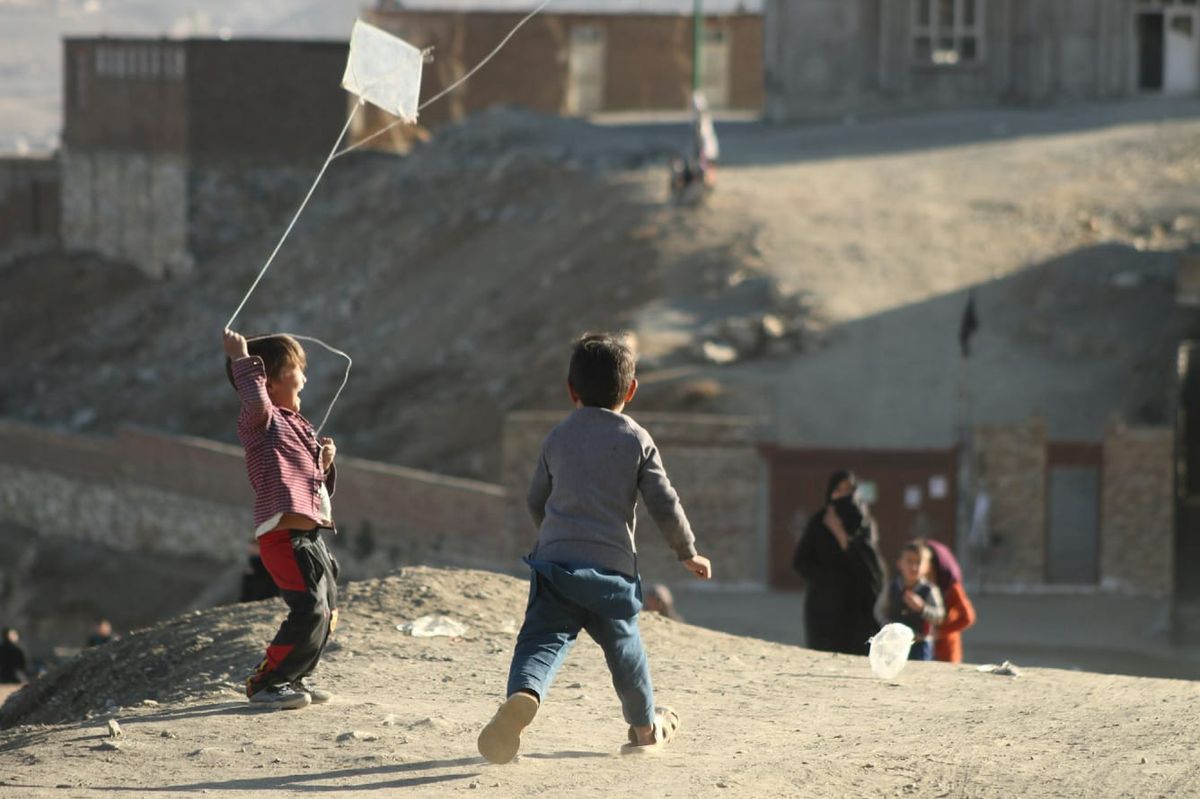
Afghanistan Faces Acute Hunger Crisis Amid Aid Shortfalls
Photograph: tippinsights (embedded from source)
What this story says
- Nearly 19 million people in Afghanistan are facing acute hunger.
- The World Food Program is operating with only 12% of its 2022 resources due to funding shortfalls.
- Acute malnutrition levels have surged in the country.
- Overlapping crises, including border closures, increased food prices, and the return of millions of refugees, contribute to the hunger crisis.
Who covered it
Percentages are shares of the 16 outlets carrying a published leaning rating. 3 of the 19 outlets we know ran this story carry no rating and are not counted in them. Coverage measured .
Trust
30/100
Craft
45/100
Hype
41/100
19 sources · methodology
Thin on the right so far
Only 3 of the 16 outlets with a published leaning rating that ran this story are rated right.
This story is still being watched, so it is a count and not yet a finding. Coverage keeps arriving for hours after an event, and a side that has published nothing this morning may publish by tonight. If it is still true when we stop checking, we will say so plainly.
Afghanistan is grappling with a severe hunger crisis affecting nearly 19 million people. Acute malnutrition levels have surged, driven by a combination of factors including border closures, rising food prices, and the forced return of millions of Afghan refugees. These overlapping crises have severely impacted food security across the nation.
The United Nations' World Food Program is operating with significantly reduced resources, reportedly having only 12% of the funding it received in 2022. This catastrophic shortfall has severely limited the program's ability to provide essential aid to those in need, exacerbating the already dire humanitarian situation.
Disagreement on specific contributing factors
While multiple reports agree on the severity of the hunger crisis and the impact of aid cuts, the specific contributing factors mentioned vary. The Frontier Post digest includes a personal account of a mother losing a child to malnutrition. BizToc and tippinsights digests cite compounding conflict and severe economic collapse alongside international issues. Arab News mentions border closures and regional impacts. Chronicle Online and Jonesboro Sun digests specifically point to the impact of Middle East wars increasing food prices and the forcible return of millions of Afghan refugees.
What the coverage left out
None of the left-rated reports ran this story. The digests from the centre and right-rated outlets did not mention the specific personal account of a mother losing a child to malnutrition, as detailed in The Frontier Post digest.
Still developing. We have re-checked which outlets are covering this 3 times, most recently on 16 Oct 2026, 20:00, and will add the sides that appear.
How each side covered it
Our own reading of the reporting listed below, written from the outlets’ articles rather than quoted from them. The reasoning is set out on our methodology page.
Left
9 rated outlets
- All nine left‑rated outlets published a digest that said hunger and acute malnutrition are rising dramatically in Afghanistan, attributing the trend to overlapping crises. NiagaraFallsReview.ca, St Catharines Standard, The Record and another outlet described a 3‑year‑old girl lying listless in a hospital cot, highlighting personal impact.
- Associated Press News, The Independent, The Independent (US) and abc News led on the overall rise without adding cause details. Oskaloosa Herald uniquely listed border closures, wars in the Middle East that have lifted food prices, and the forcible return of millions of Afghan refugees as contributing factors, expanding the context of the crisis.
- None of the left‑rated digests provide a monetary cost estimate for the hunger emergency, nor do they quote Afghan officials, UN representatives or humanitarian agencies. The absence of such figures or official statements is consistent across all nine digests, indicating that financial and institutional perspectives were not included.
Centre
4 rated outlets
- The centre-rated report led on the headline 'Malnutrition stalks the most vulnerable in Afghanistan as aid cuts leave millions helpless'. Its digest highlighted that hunger and acute malnutrition are rising dramatically in Afghanistan as a result of overlapping crises. These were identified as border closures, the impact of Middle East wars increasing food prices, and the forcible return of millions of Afghan refugees.
Right
3 rated outlets
- The right-rated reports shared the headline 'Foreign Aid Cuts Drive Record High Hunger Levels Across Afghanistan' or 'Malnutrition stalks the most vulnerable in Afghanistan as aid cuts leave millions helpless'. The digests from these outlets focused on the scale of the crisis, stating that nearly 19 million people in Afghanistan face acute hunger. They also highlighted the World Food Program's operational capacity, noting it is functioning with only 12% of its 2022 resources due to a catastrophic funding shortfall. One digest also mentioned that acute malnutrition levels have surged, exacerbated by border closures and regional impacts.
Questions about this coverage
- How did the left and right cover Afghanistan Faces Acute Hunger Crisis Amid Aid Shortfalls?
- Of the 16 outlets on this story carrying a published leaning rating, 56% are rated left, 25% are rated centre, 19% are rated right. Those percentages are shares of the rated outlets, not of every outlet that ran it, which was 19. The sections above set out what each side emphasised, in its own terms.
- Is Afghanistan Faces Acute Hunger Crisis Amid Aid Shortfalls left or right?
- Neither side dominates it. Of the 16 rated outlets on this story, 56% are rated left, 25% are rated centre, 19% are rated right, and no side holds the 70% this site would want before calling a field one-sided. A story is not left or right in any case; the outlets that carried it are what carry ratings.
- Is the coverage of Afghanistan Faces Acute Hunger Crisis Amid Aid Shortfalls biased?
- Afghanistan Faces Acute Hunger Crisis Amid Aid Shortfalls is one event reported by 19 outlets, and this page does not rate the story as biased or unbiased. What it publishes is the spread: which outlets ran it, where named rating organisations place each of them on the spectrum, and what each side chose to lead with. A leaning rating describes an outlet's record over time, not this article, and the two should not be run together.
- Which side is not reporting Afghanistan Faces Acute Hunger Crisis Amid Aid Shortfalls?
- When we first saw this story, outlets rated right had barely covered it. Coverage accretes for hours after an event, so that is where to look rather than a verdict — the split above is the current count, and it is the one to read.
- Which outlets covered Afghanistan Faces Acute Hunger Crisis Amid Aid Shortfalls?
- 19 that we know of, every one of them listed further up this page with a link to its own report and to what we hold on the publisher. Nothing here is a summary of somebody else's summary: the outlets are named so the original reporting can be read.
- How many people in Afghanistan are facing acute hunger?
- Nearly 19 million people in Afghanistan are currently facing acute hunger. This severe food insecurity is a result of overlapping crises and significant cuts to humanitarian aid.
- What is the status of the World Food Program's resources?
- The World Food Program is operating with a catastrophic funding shortfall, reportedly having only 12% of the resources it held in 2022. This drastically limits its ability to provide essential assistance.
- What factors are contributing to the hunger crisis in Afghanistan?
- The hunger crisis is driven by overlapping factors including border closures, increased food prices exacerbated by regional conflicts, and the forced return of millions of Afghan refugees. Aid cuts have severely worsened the situation.
Read it at the source
19 outlets, grouped by the leaning a published rating gives them. Every headline links to the original; an underlined outlet name opens our profile of that publisher.
Left
9- Malnutrition stalks the most vulnerable in Afghanistan as aid cuts leave millions helpless (opens Oskaloosa Herald in a new tab)
Oskaloosa Herald — is Oskaloosa Herald biased? Our profile of this outlet
- Malnutrition stalks the most vulnerable in Afghanistan as aid cuts leave millions helpless (opens The Seattle Times in a new tab)
The Seattle Times — is The Seattle Times biased? Our profile of this outlet
- Malnutrition stalks the most vulnerable in Afghanistan as aid cuts leave millions helpless (opens ABC News in a new tab)
- Malnutrition stalks the most vulnerable in Afghanistan as aid cuts leave millions helpless (opens The Independent (US) in a new tab)
The Independent (US) — is The Independent (US) biased? Our profile of this outlet
- Malnutrition stalks the most vulnerable in Afghanistan as aid cuts leave millions helpless (opens The Independent in a new tab)
The Independent — is The Independent biased? Our profile of this outlet
- Malnutrition stalks the most vulnerable in Afghanistan as aid cuts leave millions helpless (opens Associated Press News in a new tab)
Associated Press News — is Associated Press News biased? Our profile of this outlet
- Malnutrition stalks the most vulnerable in Afghanistan as aid cuts leave millions helpless (opens The Record in a new tab)
The Record — is The Record biased? Our profile of this outlet
- Malnutrition stalks the most vulnerable in Afghanistan as aid cuts leave millions helpless (opens St Catharines Standard in a new tab)
St Catharines Standard — is St Catharines Standard biased? Our profile of this outlet
Centre
4- Malnutrition stalks the most vulnerable in Afghanistan as aid cuts leave millions helpless (opens Chronicle Online in a new tab)
Chronicle Online — is Chronicle Online biased? Our profile of this outlet
- Malnutrition stalks the most vulnerable in Afghanistan as aid cuts leave millions helpless (opens Ottumwa Courier in a new tab)
Ottumwa Courier — is Ottumwa Courier biased? Our profile of this outlet
- Malnutrition stalks the most vulnerable in Afghanistan as aid cuts leave millions helpless (opens My Mother Lode in a new tab)
My Mother Lode — is My Mother Lode biased? Our profile of this outlet
- Malnutrition stalks the most vulnerable in Afghanistan as aid cuts leave millions helpless (opens Winnipeg Free Press in a new tab)
Winnipeg Free Press — is Winnipeg Free Press biased? Our profile of this outlet
Right
3- Foreign Aid Cuts Drive Record High Hunger Levels Across Afghanistan (opens tippinsights in a new tab)
tippinsights — is tippinsights biased? Our profile of this outlet
- Malnutrition stalks the most vulnerable in Afghanistan as aid cuts leave millions helpless (opens Arab News in a new tab)
- Malnutrition stalks the most vulnerable in Afghanistan as aid cuts leave millions helpless (opens Jonesboro Sun in a new tab)
Jonesboro Sun — is Jonesboro Sun biased? Our profile of this outlet
Not rated
3- Malnutrition stalks the most vulnerable in Afghanistan as aid cuts leave millions helpless (opens The Frontier Post in a new tab)
The Frontier Post — is The Frontier Post biased? Our profile of this outlet
- Foreign Aid Cuts Drive Record High Hunger Levels Across Afghanistan (opens BizToc in a new tab)
- Afghanistan’s hunger crisis deepens as aid cuts leave millions without enough food (opens Social News XYZ in a new tab)
Social News XYZ — is Social News XYZ biased? Our profile of this outlet
How did this read?
About the coverage, not about the story. We do not ask whether you agree with what happened — we have no honest use for that answer.
More in Health
All Health →

Elsewhere on the site
 Politics•3 min readLukashenko: Trump should not dictate Ukraine's leadership
 Politics•4 min readOfficer says Myles Gray was strongest man in 15-year career
 Politics•3 min readEU leaders ask Commission to propose solutions for Ukraine's 2027 funding needs