FTC Accuses Telehealth Firms of Deceptive Practices and Data Sharing
Regulators allege companies like Hims & Hers shared user data and used misleading subscription tactics.
AI-assisted coverage comparison, editor-supervised · How this was made

FTC Accuses Telehealth Firms of Deceptive Practices and Data Sharing
Photograph: Washington Top News (embedded from source)
What this story says
- Government regulators are accusing telehealth companies of deceptive and unethical business practices, including the disclosure of customer health data.
- The Federal Trade Commission has filed a lawsuit against Hims & Hers, alleging deceptive tactics and data sharing.
- Hims & Hers has denied the allegations, stating the lawsuit is an attempt to generate headlines.
- Experts note that federal laws governing health information often do not apply to telehealth companies, creating a gap in consumer protection.
Who covered it
Percentages are shares of the 40 outlets carrying a published leaning rating. 1 of the 41 outlets we know ran this story carry no rating and are not counted in them. Coverage measured .
Trust
42/100
Craft
61/100
Hype
41/100
41 sources · methodology
Thin on the right so far
Only 4 of the 40 outlets with a published leaning rating that ran this story are rated right.
This story is still being watched, so it is a count and not yet a finding. Coverage keeps arriving for hours after an event, and a side that has published nothing this morning may publish by tonight. If it is still true when we stop checking, we will say so plainly.
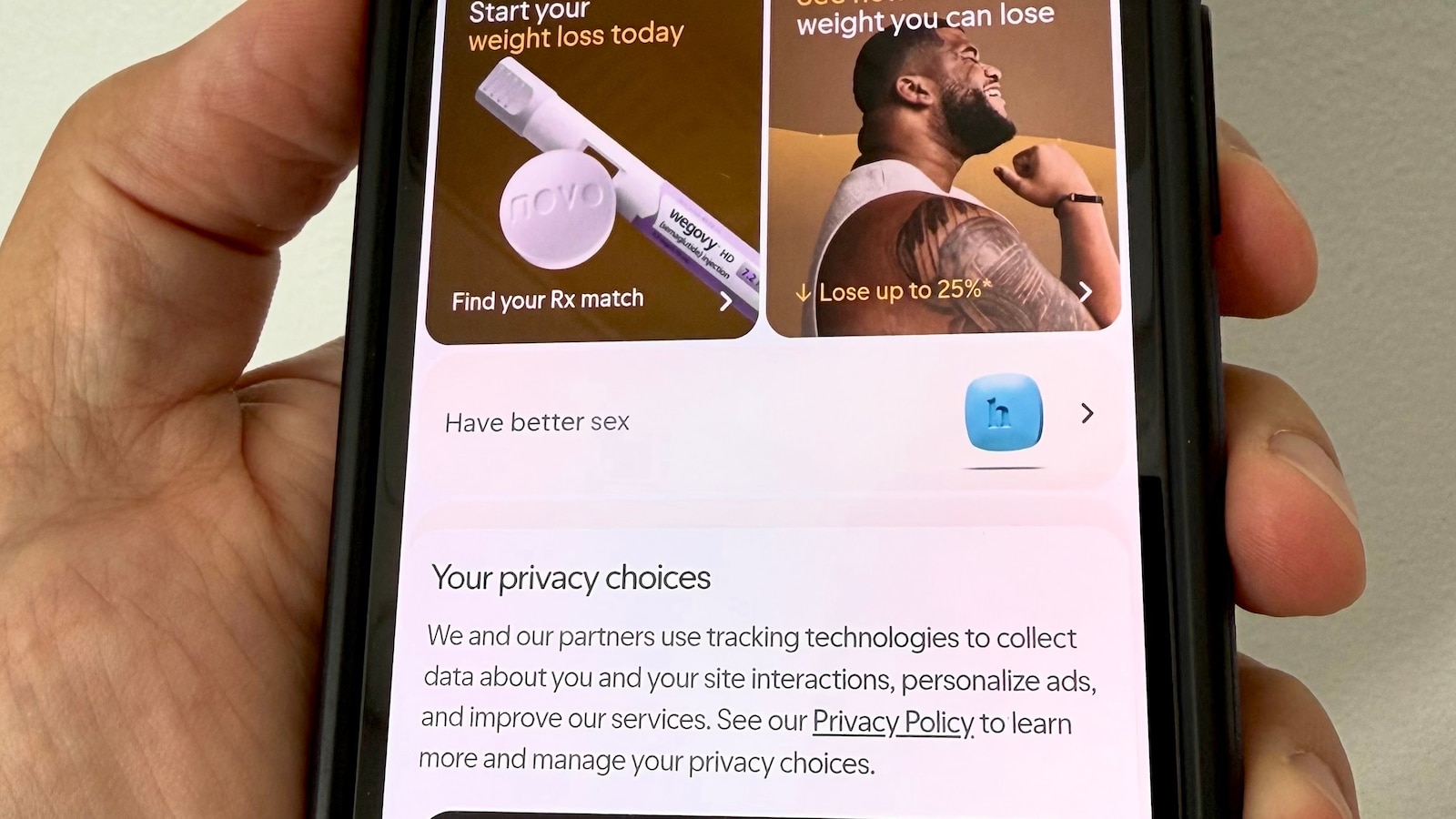
Government regulators are accusing telehealth companies of deceptive and unethical business practices, including disclosing customer health data and enrolling users in hard-to-cancel subscriptions. The Federal Trade Commission's latest lawsuit names telehealth pioneer Hims & Hers, alleging the company engaged in these tactics and violated U.S. consumer protection laws. Hims & Hers has disputed the government's claims, calling them an effort to generate headlines.
The FTC has pursued similar cases against other telehealth companies, such as BetterHelp and GoodRx, alleging they shared user health data with platforms like Meta and Google without permission. Experts point out that federal laws governing health information, like HIPAA, generally do not apply to many telehealth companies, creating a gap where companies collect and share consumer health data without specific sector regulations. This lack of clear federal law allows companies to disclose sensitive health information to advertisers and search engines, according to privacy experts.
An analysis of nearly 50 telehealth companies selling GLP-1 drugs found that less than a third required a real-time video or audio consultation with a physician. In some instances, prescriptions were approved within minutes. This practice means patients may not receive the comprehensive care recommended by medical societies, which includes discussions about weight-loss goals, past efforts, and potential eating disorders, as GLP-1 drugs can induce or worsen such conditions. Only slightly more than half of the surveyed websites included questions about eating disorders on their intake forms.
Disagreement on regulatory scope
While the FTC has used its broader authority to act against "fraudulent, deceptive or unethical business methods," experts note that the penalties available to regulators are limited. In most cases, companies agree to stop the cited practices. However, some reports indicate that federal laws governing health information generally do not apply to telehealth companies, while others suggest that the FTC has used its authority to take action against deceptive practices, implying some level of regulatory oversight.
What the coverage left out
None of the right-rated reports printed below mention the analysis that found less than a third of telehealth companies selling GLP-1 drugs required a real-time video or audio consultation with a physician.
Still developing. We have re-checked which outlets are covering this 4 times, most recently on 20 Sept 2026, 10:15, and will add the sides that appear.
How other outlets pictured it
Which photograph to run is each newsroom’s own choice. The leaning beside a name is that outlet’s published rating, not a claim that the pictures divide along it. Every picture is shown from the outlet’s own server and links to the article it ran in.
How each side covered it
Our own reading of the reporting listed below, written from the outlets’ articles rather than quoted from them. The reasoning is set out on our methodology page.
Left
20 rated outlets
- Left-rated reports led on the Federal Trade Commission's lawsuit against Hims & Hers, highlighting accusations of deceptive practices and sharing customer health data. These reports frequently mentioned that federal laws governing health information generally do not apply to telehealth companies, creating a gap in consumer protection. They also emphasised findings from a study showing that less than a third of telehealth companies selling GLP-1 drugs required real-time consultations with a physician. The reports quoted experts like Andrew Crawford of the Center for Democracy and Technology and Dr. Reshma Ramachandran of Yale University.
Centre
16 rated outlets
- Centre-rated reports focused on the FTC's lawsuit against Hims & Hers, detailing accusations of deceptive tactics and sharing user data. These reports also highlighted the appeal of telehealth for quick access to prescriptions and the subsequent regulatory concerns. They noted that federal laws governing health information often do not apply to these companies. Several centre-rated reports included the detail that less than a third of telehealth companies selling GLP-1 drugs required a real-time consultation with a physician. The reports often began with the phrase, "The appeal of telehealth is easy to explain."
Right
4 rated outlets
- Right-rated reports mentioned that the FTC is suing telehealth giant Hims & Hers for sharing customer health data and using deceptive subscription tactics. These reports also noted the increase in telehealth services since COVID-19. The New York Post headline stated, "Telehealth services increased since COVID-19, but have been accused of deceptive practices."
Questions about this coverage
- How did the left and right cover FTC Accuses Telehealth Firms of Deceptive Practices and Data Sharing?
- Of the 40 outlets on this story carrying a published leaning rating, 50% are rated left, 40% are rated centre, 10% are rated right. Those percentages are shares of the rated outlets, not of every outlet that ran it, which was 41. The sections above set out what each side emphasised, in its own terms.
- Is FTC Accuses Telehealth Firms of Deceptive Practices and Data Sharing left or right?
- Neither side dominates it. Of the 40 rated outlets on this story, 50% are rated left, 40% are rated centre, 10% are rated right, and no side holds the 70% this site would want before calling a field one-sided. A story is not left or right in any case; the outlets that carried it are what carry ratings.
- Is the coverage of FTC Accuses Telehealth Firms of Deceptive Practices and Data Sharing biased?
- FTC Accuses Telehealth Firms of Deceptive Practices and Data Sharing is one event reported by 41 outlets, and this page does not rate the story as biased or unbiased. What it publishes is the spread: which outlets ran it, where named rating organisations place each of them on the spectrum, and what each side chose to lead with. A leaning rating describes an outlet's record over time, not this article, and the two should not be run together.
- Which side is not reporting FTC Accuses Telehealth Firms of Deceptive Practices and Data Sharing?
- When we first saw this story, outlets rated right had barely covered it. Coverage accretes for hours after an event, so that is where to look rather than a verdict — the split above is the current count, and it is the one to read.
- Which outlets covered FTC Accuses Telehealth Firms of Deceptive Practices and Data Sharing?
- 41 that we know of, every one of them listed further up this page with a link to its own report and to what we hold on the publisher. Nothing here is a summary of somebody else's summary: the outlets are named so the original reporting can be read.
- What is the Federal Trade Commission accusing telehealth companies of?
- The FTC is accusing telehealth companies, including Hims & Hers, of deceptive and unethical business practices. These allegations include sharing customer health data with third parties and using misleading subscription tactics, leading to a lawsuit against Hims & Hers.
- Why are telehealth companies able to share customer data?
- Experts state that federal laws governing health information, such as HIPAA, generally do not apply to many telehealth companies. This creates a gap in consumer protection, allowing these companies to collect and share sensitive health data with advertisers and search engines without explicit consent.
- What did an analysis find about consultations for GLP-1 drugs?
- A recent analysis of nearly 50 telehealth companies selling GLP-1 drugs found that less than a third required a real-time video or audio consultation with a physician. In some cases, prescriptions were approved within minutes, potentially leading to inadequate patient care.
Read it at the source
41 outlets, grouped by the leaning a published rating gives them. Every headline links to the original; an underlined outlet name opens our profile of that publisher.
Left
20- Telehealth companies keep exposing their customers' medical data. What should they do? (opens The Philadelphia Tribune in a new tab)
The Philadelphia Tribune — is The Philadelphia Tribune biased? Our profile of this outletOpinion
- Telehealth companies keep exposing their customers' medical data. What should they do? (opens abc30 News in a new tab)
abc30 News — is abc30 News biased? Our profile of this outletOpinion
- Telehealth companies keep exposing their customers' medical data. What should they do? (opens ABC 7 News in a new tab)
ABC 7 News — is ABC 7 News biased? Our profile of this outletOpinion
- Telehealth companies keep exposing their customers' medical data. What should they do? (opens The Hamilton Spectator in a new tab)
The Hamilton Spectator — is The Hamilton Spectator biased? Our profile of this outletOpinion
- Telehealth companies keep exposing their customers' medical data. What should they do? (opens Rocky Mountain Outlook in a new tab)
Rocky Mountain Outlook — is Rocky Mountain Outlook biased? Our profile of this outlet
- Telehealth companies keep exposing their customers’ medical data. What should they do? (opens The Toronto Star in a new tab)
The Toronto Star — is The Toronto Star biased? Our profile of this outletOpinion
- Telehealth companies keep exposing their customers’ medical data. What should they do? (opens The Seattle Times in a new tab)
The Seattle Times — is The Seattle Times biased? Our profile of this outlet
- Telehealth companies keep exposing their customers’ medical data. What should they do? (opens Durango Herald in a new tab)
Durango Herald — is Durango Herald biased? Our profile of this outlet
Show 12 more
- Telehealth companies keep exposing their customers' medical data. What should they do? (opens The Sun Chronicle in a new tab)
The Sun Chronicle — is The Sun Chronicle biased? Our profile of this outlet
- Telehealth companies keep exposing their customers' medical data. What should they do? (opens Beloit Daily News in a new tab)
Beloit Daily News — is Beloit Daily News biased? Our profile of this outlet
- Telehealth companies keep exposing their customers' medical data. What should they do? (opens Daily Record in a new tab)
Daily Record — is Daily Record biased? Our profile of this outlet
- Telehealth companies keep exposing their customers' medical data. What should they do? (opens SooLeader.com in a new tab)
SooLeader.com — is SooLeader.com biased? Our profile of this outletOpinion
- Telehealth companies keep exposing their customers' medical data. What should they do? (opens McAlester News-Capital in a new tab)
McAlester News-Capital — is McAlester News-Capital biased? Our profile of this outlet
- Telehealth companies keep exposing their customers' medical data. What should they do? (opens El Paso Inc. in a new tab)
El Paso Inc. — is El Paso Inc. biased? Our profile of this outletOpinion
- Telehealth companies keep exposing their customers' medical data. What should they do? (opens Beckley Register-Herald in a new tab)
Beckley Register-Herald — is Beckley Register-Herald biased? Our profile of this outletOpinion
- Telehealth companies keep exposing their customers' medical data. What should they do? (opens Enid News & Eagle in a new tab)
Enid News & Eagle — is Enid News & Eagle biased? Our profile of this outlet
- Telehealth companies keep exposing their customers' medical data. What should they do? (opens The Independent (US) in a new tab)
The Independent (US) — is The Independent (US) biased? Our profile of this outlet
- Telehealth companies keep exposing their customers' medical data. What should they do? (opens Bangor Daily News in a new tab)
Bangor Daily News — is Bangor Daily News biased? Our profile of this outletOpinion
- Telehealth companies keep exposing their customers' medical data. What should they do? (opens ABC News in a new tab)
- Telehealth companies keep exposing their customers' medical data. What should they do? (opens The Independent in a new tab)
The Independent — is The Independent biased? Our profile of this outletOpinion
Centre
16- Telehealth companies keep exposing their customers' medical data. What should they do? (opens WWAY TV in a new tab)
- Telehealth companies keep exposing their customers' medical data. What should they do? (opens abc11 Raleigh in a new tab)
abc11 Raleigh — is abc11 Raleigh biased? Our profile of this outlet
- Telehealth companies keep exposing their customers' medical data. What should they do? (opens ABC 7 NY in a new tab)
- Telehealth companies keep exposing their customers' medical data. What should they do? (opens ABC 13 Houston in a new tab)
ABC 13 Houston — is ABC 13 Houston biased? Our profile of this outletOpinion
- Telehealth companies keep exposing their customers' medical data. What should they do? (opens ABC 7 LA in a new tab)
ABC 7 LA — is ABC 7 LA biased? Our profile of this outletOpinion
- Telehealth companies keep exposing their customers' medical data. What should they do? (opens ABC 6 Philadelphia in a new tab)
ABC 6 Philadelphia — is ABC 6 Philadelphia biased? Our profile of this outlet
- Telehealth companies keep exposing their customers' medical data. What should they do? (opens ABC 7 Chicago in a new tab)
ABC 7 Chicago — is ABC 7 Chicago biased? Our profile of this outletOpinion
- Telehealth companies keep exposing their customers’ medical data. What should they do? (opens My Mother Lode in a new tab)
My Mother Lode — is My Mother Lode biased? Our profile of this outletOpinion
Show 8 more
- Telehealth companies keep exposing their customers’ medical data. What should they do? – WTOP News (opens Washington Top News in a new tab)
Washington Top News — is Washington Top News biased? Our profile of this outlet
- Telehealth companies keep exposing their customers' medical data. (opens WBAL in a new tab)
- Telehealth companies keep exposing their customers' medical data. What should they do? (opens Winnipeg Free Press in a new tab)
Winnipeg Free Press — is Winnipeg Free Press biased? Our profile of this outletOpinion
- Telehealth companies keep exposing their customers' medical data. What should they do? (opens coasttv.com in a new tab)
coasttv.com — is coasttv.com biased? Our profile of this outlet
- Telehealth companies keep exposing their customers' medical data. What should they do? (opens KTBS in a new tab)
- Telehealth companies keep exposing their customers' medical data. What should they do? (opens Ottumwa Courier in a new tab)
Ottumwa Courier — is Ottumwa Courier biased? Our profile of this outletOpinion
- Telehealth companies keep exposing their customers' medical data. What should they do? (opens WKMG in a new tab)
- Telehealth companies keep exposing their customers' medical data. What should they do? (opens KULR-TV in a new tab)
Right
4- Telehealth services increased since COVID-19 — but have been accused of deceptive practices (opens New York Post in a new tab)
New York Post — is New York Post biased? Our profile of this outlet
- Telehealth companies keep exposing their customers’ medical data. What should they do? - Regional Media News (opens regionalmedianews.com in a new tab)
regionalmedianews.com — is regionalmedianews.com biased? Our profile of this outletOpinion
- Telehealth's quick prescriptions come with a hidden cost: your health data (opens Washington Times in a new tab)
Washington Times — is Washington Times biased? Our profile of this outlet
- Telehealth companies expose customers' medical data (opens The Blade in a new tab)
Not rated
1How did this read?
About the coverage, not about the story. We do not ask whether you agree with what happened — we have no honest use for that answer.
More in Health
All Health →
Elsewhere on the site
 Politics•3 min readMinnesota shuts down $2 million business fund over fraud concerns
 Politics•3 min readNewsom signs 13 bills to protect California elections
 Politics•3 min readVirginia Democrats seek constitutional abortion rights
 Conflict & Security•3 min readF-16 intercepts aircraft near Camp David with Trump present