Nearly 700 US troops wounded in Iran war suffer traumatic brain injuries
Military officials say most injuries are minor concussions, but doctors warn of lasting effects
AI-assisted coverage comparison, editor-supervised · How this was made
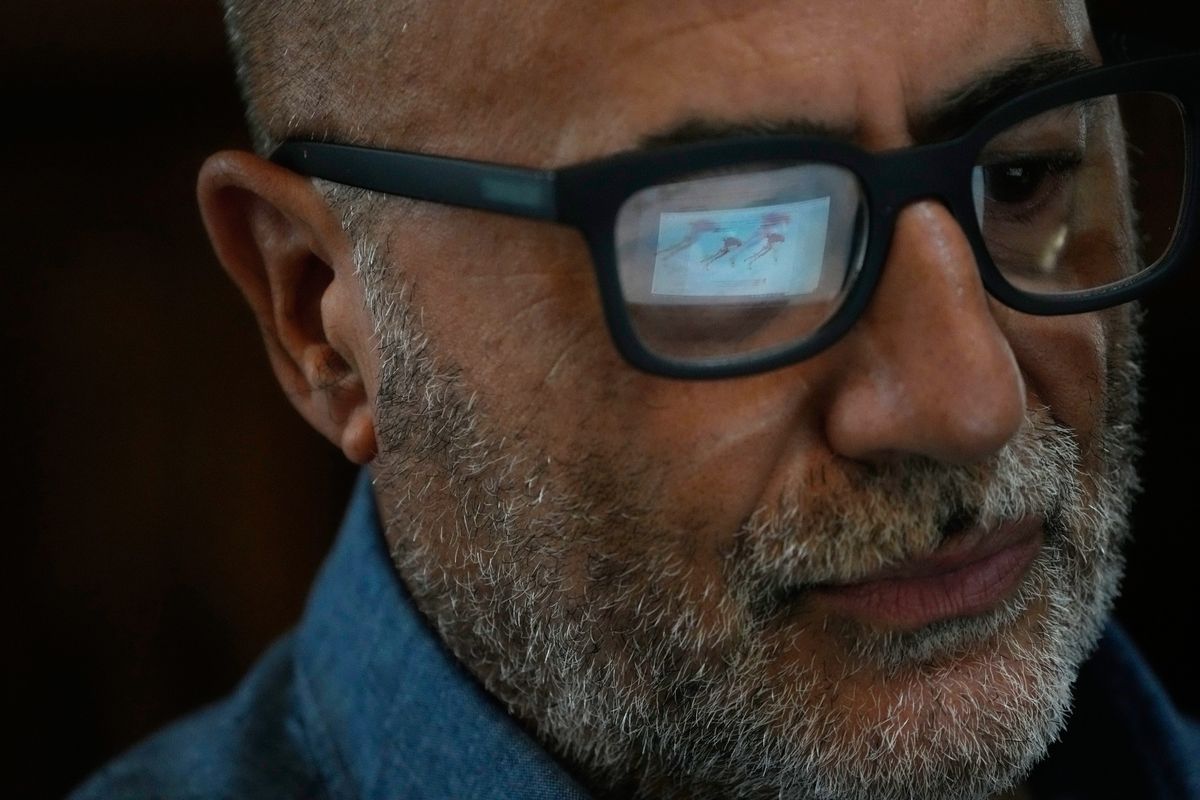
Joe Shearer, who was diagnosed with traumatic brain injuries from fighting in Iraq, poses for a portrait in his home in Colorado Springs, Colo., Wednesday, Aug. 5, 2026. (AP Photo/Thomas Peipert)
Photograph: Associated Press News (embedded from source)
What this story says
- Nearly 700 US service members have been wounded in drone and missile attacks on Middle East bases, with most diagnosed with traumatic brain injuries (TBIs).
- The Pentagon describes the majority of recent injuries as minor concussions, but doctors warn that even mild TBIs can lead to long-term symptoms like memory loss and dizziness.
- Joe Shearer, a Marine veteran, was diagnosed with TBIs years after serving in Iraq, highlighting delays in diagnosis and the military’s culture of downplaying injuries.
- Democratic lawmakers are pressing for an investigation into the military’s response to a March drone strike in Kuwait that killed six US soldiers and wounded others.
Who covered it
Percentages are shares of the 14 outlets carrying a published leaning rating. 2 of the 16 outlets we know ran this story carry no rating and are not counted in them. Coverage measured .
Trust
60/100
Craft
95/100
Hype
15/100
16 sources · methodology
Missing from the right
Only 4 of the 14 outlets with a published leaning rating that ran this story are rated right.
A reader who follows the right would not have seen this. We report the absence rather than explain it: outlets choose what to cover for many reasons, and we have no evidence about which one applies here.
Nearly 700 US service members have been wounded in drone and missile attacks on military bases in the Middle East since the start of the Iran war. The Pentagon’s chief spokesman, Sean Parnell, said most of the injuries over a two-week period were minor concussions. Military officials have described the majority of wounds as traumatic brain injuries (TBIs), a signature injury of the conflicts in Iraq and Afghanistan.
Joe Shearer, a 40-year-old Marine veteran from Colorado Springs, was diagnosed with TBIs linked to incidents in Iraq in 2005. He described being knocked down by a mortar blast and later struck by a roadside bomb, but said he continued his duties despite headaches and sleeplessness. Shearer’s symptoms, including dizziness and memory loss, persisted for years before he was diagnosed. He said military culture discouraged reporting injuries, with troops fearing being seen as weak.
Doctors say they cannot predict which patients will suffer long-term effects from TBIs. Symptoms such as headaches, dizziness, and memory problems can persist for months or years, a condition sometimes called brain fog. Repeated injuries increase the risk of chronic traumatic encephalopathy (CTE), a degenerative brain disease linked to deaths in American football. The military has improved screening for TBIs, but advocates say injuries may still be undercounted because symptoms overlap with post-traumatic stress disorder (PTSD).
Democratic lawmakers, including Wisconsin Senator Tammy Baldwin, have called for an investigation into the military’s response to a March drone strike in Kuwait that killed six US soldiers. Baldwin said Wisconsin service members wounded in the attack went weeks without screening or specialised care. A Defence Health Agency spokesman said it is military policy to screen service members for TBIs.
What the coverage left out
None of the right-rated or centre-rated digests mentioned Senator Tammy Baldwin’s call for an investigation into the military’s response to the March drone strike in Kuwait. The Times of India digest did not include the figure of 700 wounded service members or the military’s description of most injuries as minor concussions. The centre-rated digests did not carry Baldwin’s criticism of the military’s handling of the March attack.
Coverage settled. We checked this 23 times and stopped on 11 Aug 2026, 22:00. The figures above are what it finished at.
How each side covered it
Our own reading of the reporting listed below, written from the outlets’ articles rather than quoted from them. The reasoning is set out on our methodology page.
Left
7 rated outlets
- The five left-rated digests and reports led on the personal story of Joe Shearer, the Marine veteran diagnosed with TBIs years after his service. The Associated Press and Toronto Star digests opened with his account of being knocked down by a mortar blast and continuing his duties despite symptoms. The Independent and The Record digests highlighted the military’s statement that most wounded troops suffered TBIs.
- The Associated Press report included Baldwin’s criticism of the military’s response to the March drone strike in Kuwait, quoting her statement that wounded Wisconsin service members went weeks without screening. It also carried Shearer’s description of military culture discouraging troops from reporting injuries. The report noted that TBIs can be undercounted because symptoms overlap with PTSD.
Centre
3 rated outlets
- The three centre-rated digests focused on the military’s description of the injuries as minor concussions and the broader context of TBIs as a signature wound of recent wars. The Bozeman Daily Chronicle and Winnipeg Free Press digests repeated the Pentagon’s statement that most wounded troops suffered TBIs. WKMG’s full report, which matched the Associated Press account, included Shearer’s personal story and the medical debate over the term mild TBI.
Right
4 rated outlets
- The four right-rated outlets led on the number of US troops wounded in the Iran conflict. All carried the figure of nearly 700 soldiers suffering traumatic brain injuries. Mehr News Agency and VINnews specified these injuries resulted from Iranian drone and missile attacks on US bases in the Middle East.
- Three digests highlighted the long-term effects of traumatic brain injuries. Times of India and VINnews described symptoms like headaches and memory loss persisting for years. El Vocero de Puerto Rico noted medical uncertainty over predicting lasting damage and mentioned chronic traumatic encephalopathy linked to repeated blows.
- None of the digests included voices from injured soldiers or their families. The military’s improved screening and treatment was mentioned only by Times of India. VINnews and El Vocero de Puerto Rico omitted any reference to recovery or adaptation efforts.
Questions about this coverage
- How did the left and right cover Nearly 700 US troops wounded in Iran war suffer traumatic brain injuries?
- Of the 14 outlets on this story carrying a published leaning rating, 50% are rated left, 21% are rated centre, 29% are rated right. Those percentages are shares of the rated outlets, not of every outlet that ran it, which was 16. The sections above set out what each side emphasised, in its own terms.
- Is Nearly 700 US troops wounded in Iran war suffer traumatic brain injuries left or right?
- Neither side dominates it. Of the 14 rated outlets on this story, 50% are rated left, 21% are rated centre, 29% are rated right, and no side holds the 70% this site would want before calling a field one-sided. A story is not left or right in any case; the outlets that carried it are what carry ratings.
- Is the coverage of Nearly 700 US troops wounded in Iran war suffer traumatic brain injuries biased?
- Nearly 700 US troops wounded in Iran war suffer traumatic brain injuries is one event reported by 16 outlets, and this page does not rate the story as biased or unbiased. What it publishes is the spread: which outlets ran it, where named rating organisations place each of them on the spectrum, and what each side chose to lead with. A leaning rating describes an outlet's record over time, not this article, and the two should not be run together.
- Which side is not reporting Nearly 700 US troops wounded in Iran war suffer traumatic brain injuries?
- When we first saw this story, outlets rated right had barely covered it. Coverage accretes for hours after an event, so that is where to look rather than a verdict — the split above is the current count, and it is the one to read.
- Which outlets covered Nearly 700 US troops wounded in Iran war suffer traumatic brain injuries?
- 16 that we know of, every one of them listed further up this page with a link to its own report and to what we hold on the publisher. Nothing here is a summary of somebody else's summary: the outlets are named so the original reporting can be read.
- How many US service members have been wounded in the Iran war?
- Nearly 700 US service members have been wounded by drone and missile attacks on bases in the Middle East, according to military officials. Most of the injuries are described as traumatic brain injuries, with the Pentagon calling the majority minor concussions.
- What are the long-term effects of traumatic brain injuries?
- Doctors warn that even mild traumatic brain injuries can lead to long-term symptoms such as headaches, dizziness, memory loss, and brain fog. Repeated injuries increase the risk of chronic traumatic encephalopathy (CTE), a degenerative brain disease linked to deaths in contact sports.
- Why are some traumatic brain injuries diagnosed years later?
- Military culture often discourages troops from reporting injuries, and symptoms of TBIs can overlap with post-traumatic stress disorder (PTSD). Joe Shearer, a Marine veteran, was diagnosed with TBIs years after serving in Iraq, after initially denying he had PTSD or knew what a TBI was.
- What is the military’s policy on screening for traumatic brain injuries?
- A Defence Health Agency spokesman said it is military policy to screen service members for TBIs. However, Democratic lawmakers, including Senator Tammy Baldwin, have criticised the military’s response to a March drone strike in Kuwait, saying wounded troops went weeks without screening or specialised care.
Read it at the source
16 outlets, grouped by the leaning a published rating gives them. Every headline links to the original; an underlined outlet name opens our profile of that publisher.
Left
7- Iran war renews concerns about lasting toll of traumatic brain injuries to US troops (opens The Korea Times in a new tab)
The Korea Times — is The Korea Times biased? Our profile of this outlet
- Iran war leaves US troops battling traumatic brain injuries (opens The Siasat Daily in a new tab)
The Siasat Daily — is The Siasat Daily biased? Our profile of this outlet
- Iran war renews concerns about the lasting toll of traumatic brain injuries to US troops (opens The Toronto Star in a new tab)
The Toronto Star — is The Toronto Star biased? Our profile of this outlet
- Iran war renews concerns about the lasting toll of traumatic brain injuries to US troops (opens Associated Press News in a new tab)
Associated Press News — is Associated Press News biased? Our profile of this outlet
- Iran war renews concerns about the lasting toll of traumatic brain injuries to US troops (opens The Independent in a new tab)
The Independent — is The Independent biased? Our profile of this outlet
- Iran war renews concerns about the lasting toll of traumatic brain injuries to US troops (opens The Hamilton Spectator in a new tab)
The Hamilton Spectator — is The Hamilton Spectator biased? Our profile of this outlet
- Timmins hospital testing AI tool for traumatic brain injuries (opens The Record in a new tab)
The Record — is The Record biased? Our profile of this outlet
Centre
3- Iran war renews concerns about the lasting toll of traumatic brain injuries to US troops (opens Bozeman Daily Chronicle in a new tab)
Bozeman Daily Chronicle — is Bozeman Daily Chronicle biased? Our profile of this outlet
- Iran war renews concerns about the lasting toll of traumatic brain injuries to US troops (opens WKMG in a new tab)
- Iran war renews concerns about the lasting toll of traumatic brain injuries to US troops (opens Winnipeg Free Press in a new tab)
Winnipeg Free Press — is Winnipeg Free Press biased? Our profile of this outlet
Right
4- War with Iran Reignites Fears of Brain Injuries in US Soldiers (opens El Vocero de Puerto Rico in a new tab)
El Vocero de Puerto Rico — is El Vocero de Puerto Rico biased? Our profile of this outlet
- Iran War Renews Concerns About the Lasting Toll of Traumatic Brain Injuries to US Troops (opens VINnews in a new tab)
- More than 700 US Soldiers Suffered Brain Injuries in Iran Attacks (opens Mehr News Agency in a new tab)
Mehr News Agency — is Mehr News Agency biased? Our profile of this outlet
- Iran war renews concerns about lasting toll of traumatic brain injuries to US troops (opens Times of India in a new tab)
Times of India — is Times of India biased? Our profile of this outlet
Not rated
2- War with Iran Renews Fears of Brain Injury in U.S. Soldiers · Global Voices (opens Independent Español in a new tab)
Independent Español — is Independent Español biased? Our profile of this outlet
- City of Timmins - Timmins Airport Upgrades Underway to Improve Passenger Experience (opens municipalinfonet.com in a new tab)
municipalinfonet.com — is municipalinfonet.com biased? Our profile of this outlet
How did this read?
About the coverage, not about the story. We do not ask whether you agree with what happened — we have no honest use for that answer.
More in Health
All Health →
Elsewhere on the site
 Conflict & Security•3 min readUS war with Iran cost $45.1 billion, Pentagon reports
 Conflict & Security•2 min readUS commander: Hormuz Strait mine-free, Iran oil exports zero
 Conflict & Security•2 min readSouth Korean President Lee Jae‑myung refuses to send troops to US‑led Iran war
 Conflict & Security•3 min readTrump says Houthis agreed not to attack US