Plastic Chemicals in Household Items Pose High Health Risk, Study Finds
An investigation found nearly 93% of known plastic chemicals present a high risk, with many lacking sufficient data for assessment.
AI-assisted coverage comparison, editor-supervised · How this was made
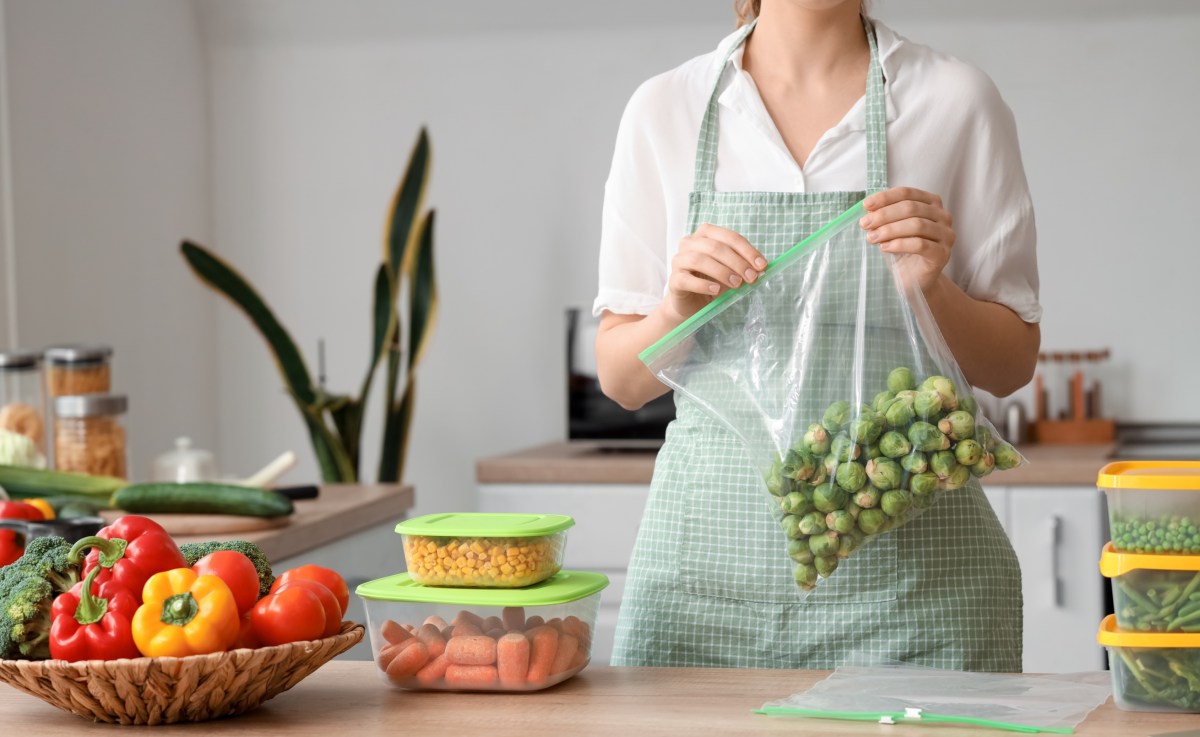
Plastic Chemicals in Household Items Pose High Health Risk, Study Finds
Photograph: La Opinion (embedded from source)
What this story says
- Nearly 93% of known plastic chemicals in household items present a high risk to human health, according to an Environmental Justice Foundation (EJF) investigation.
- Potential health harms linked to these chemicals include cancer, genetic changes, and toxicity to organs and the endocrine and reproductive systems.
- Approximately 80% of the 3,552 chemicals examined in plastics lack enough data to fully assess their risks.
- The American Chemistry Council questioned the EJF analysis, stating it omits key data and regulatory frameworks from the US and EU.
Who covered it
Percentages are shares of the 20 outlets carrying a published leaning rating. 3 of the 23 outlets we know ran this story carry no rating and are not counted in them. Coverage measured .
Trust
42/100
Craft
61/100
Hype
41/100
23 sources · methodology
An investigation by the Environmental Justice Foundation (EJF) has found that nearly 93% of known plastic chemicals used in common household items present a high risk to human health. These items include food packaging, toys, clothing, and personal care products. The report identified potential health harms such as cancer, genetic changes, and toxicity to organs, as well as endocrine and reproductive systems. Furthermore, the investigation revealed that approximately 80% of the 3,552 chemicals analysed in plastics do not have sufficient data available to assess their risks.
The EJF report, titled 'Poison Plastics: How Chemicals in Everyday Plastics are Harming Your Health,' was authored by Naima Fenderl. According to CNN, Fenderl stated that the analysis considered the effects of these chemicals on the body alongside exposure levels to calculate overall health risks. Pediatrician Philip Landrigan, director of the Global Observatory on Planetary Health at Boston College, commented that the report makes information about everyday plastics accessible and highlights how pervasive their presence is in daily life. He also noted that many chemical compositions in consumer products are not publicly known.
Disagreement on regulatory frameworks
The American Chemistry Council (ACC) has raised concerns about the EJF's analysis. In a statement to CNN, the ACC said the report should be viewed with caution because it omits key data sources, including public databases from the International Council of Chemical Associations. Kimberly Wise White, vice president of regulatory and scientific affairs at the ACC, added that the report fails to consider regulatory databases in the United States and the European Union. She stated that the 'selective framing' of the report misleads and dubiously characterises chemicals as unregulated by excluding major regulatory frameworks.
What the coverage left out
None of the right-rated reports mentioned the projected increase in global plastic production, which the EJF report states is expected to more than double by 2050. The EJF report also noted that the chemical industry presumably holds information on chemical compositions that is not publicly available, a detail absent from the right-rated digests.
Still developing. We have re-checked which outlets are covering this 5 times, most recently on 30 Sept 2026, 23:00, and will add the sides that appear.
How each side covered it
Our own reading of the reporting listed below, written from the outlets’ articles rather than quoted from them. The reasoning is set out on our methodology page.
Left
2 rated outlets
- The two left-rated reports led with the high percentage of plastic chemicals posing a health risk. La Opinion and CNN both highlighted the EJF investigation's finding that nearly 93% of known plastic chemicals in common household items are a high risk. Both reports mentioned potential health harms including cancer, genetic changes, and organ, endocrine, and reproductive toxicity. They also noted the significant proportion of chemicals lacking sufficient data for risk assessment. La Opinion included quotes from EJF researcher Naima Fenderl and pediatrician Philip Landrigan, while CNN also quoted Fenderl and Landrigan, and provided specific examples of plastic product categories and their associated risks.
Centre
18 rated outlets
- The 18 centre-rated reports focused on the core findings of the EJF investigation, with most using headlines stating that over 90% of common household items contain hazardous plastic chemicals. These reports, primarily digests of a CNN article, consistently stated that nearly 93% of known plastic chemicals in everyday products pose a high risk to human health. They also reported on the potential health harms, such as cancer and genetic changes, and the lack of sufficient data for assessing many chemicals. Several reports included the perspective of the American Chemistry Council, which questioned the EJF analysis for omitting key data and regulatory frameworks. The digests also noted the increasing global production of plastics.
Right
0 rated outlets
No outlet rated right has run this story so far. We are still checking, and will say plainly if that does not change.
Questions about this coverage
- How did the left and right cover Plastic Chemicals in Household Items Pose High Health Risk, Study Finds?
- Of the 20 outlets on this story carrying a published leaning rating, 10% are rated left, 90% are rated centre, 0% are rated right. Those percentages are shares of the rated outlets, not of every outlet that ran it, which was 23. The sections above set out what each side emphasised, in its own terms.
- Is Plastic Chemicals in Household Items Pose High Health Risk, Study Finds left or right?
- The story itself is neither. What can be counted is who has covered it, and 90% of the 20 rated outlets on it are rated centre — so far this is a story carried mostly by the centre. Coverage is still arriving and that can change, which is why the figure is dated rather than fixed.
- Is the coverage of Plastic Chemicals in Household Items Pose High Health Risk, Study Finds biased?
- Plastic Chemicals in Household Items Pose High Health Risk, Study Finds is one event reported by 23 outlets, and this page does not rate the story as biased or unbiased. What it publishes is the spread: which outlets ran it, where named rating organisations place each of them on the spectrum, and what each side chose to lead with. A leaning rating describes an outlet's record over time, not this article, and the two should not be run together.
- Which outlets covered Plastic Chemicals in Household Items Pose High Health Risk, Study Finds?
- 23 that we know of, every one of them listed further up this page with a link to its own report and to what we hold on the publisher. Nothing here is a summary of somebody else's summary: the outlets are named so the original reporting can be read.
- What percentage of plastic chemicals in household items are considered high risk?
- An investigation by the Environmental Justice Foundation found that nearly 93% of known plastic chemicals used in common household items present a high risk to human health. This includes chemicals found in food packaging, toys, clothing, and personal care products.
- What are the potential health harms associated with these plastic chemicals?
- Potential health harms linked to these chemicals include cancer, genetic changes, and toxicity to organs, as well as endocrine and reproductive systems. Many of these chemicals can interfere with hormones and persist in the environment and the body.
- Is there enough data to assess the risks of all plastic chemicals?
- No, the investigation found that nearly 80% of the 3,552 chemicals examined in plastics lack sufficient data to fully assess their risks. This data gap makes it difficult to understand the full extent of potential harm to human health.
- How has the chemical industry responded to the findings?
- The American Chemistry Council questioned the EJF analysis, stating that it omits key data sources and regulatory frameworks from the US and EU. They suggested the report's framing misleads and dubiously characterises chemicals as unregulated by excluding major regulatory frameworks.
Read it at the source
23 outlets, grouped by the leaning a published rating gives them. Every headline links to the original; an underlined outlet name opens our profile of that publisher.
Left
2Centre
18- Over 90% of common household items contain hazardous plastic chemicals (opens WQOW in a new tab)
- Nearly everything made of plastic could contain high-risk chemicals, study says (opens WXYZ in a new tab)
- Nearly everything made of plastic could contain high-risk chemicals, study says (opens WTVR in a new tab)
- Nearly everything made of plastic could contain high-risk chemicals, study says (opens KZTV in a new tab)
- Nearly everything made of plastic could contain high-risk chemicals, study says (opens KJRH in a new tab)
- Nearly everything made of plastic could contain high-risk chemicals, study says (opens KXLH.com in a new tab)
- Nearly everything made of plastic could contain high-risk chemicals, study says (opens KTVQ in a new tab)
- Nearly everything made of plastic could contain high-risk chemicals, study says (opens KTVH in a new tab)
Show 10 more
- Nearly everything made of plastic could contain high-risk chemicals, study says (opens KPAX in a new tab)
- Nearly everything made of plastic could contain high-risk chemicals, study says (opens KBZK in a new tab)
- Over 90% of common household items contain hazardous plastic chemicals (opens kioncentralcoast.com in a new tab)
kioncentralcoast.com — is kioncentralcoast.com biased? Our profile of this outlet
- Over 90% of common household items contain hazardous plastic chemicals (opens KDRV in a new tab)
- Over 90% of common household items contain hazardous plastic chemicals (opens KESQ in a new tab)
- Over 90% of common household items contain hazardous plastic chemicals (opens KMIZ in a new tab)
- Over 90% of common household items contain hazardous plastic chemicals (opens KEYT in a new tab)
- Over 90% of common household items contain hazardous plastic chemicals (opens KVIA in a new tab)
- Over 90% of common household items contain hazardous plastic chemicals (opens KRDO in a new tab)
- Over 90% of common household items contain hazardous plastic chemicals (opens KIFI in a new tab)
Right
0No outlet in this group ran the story.
Not rated
3- Plastics are toxic study (opens Bioplastics News in a new tab)
Bioplastics News — is Bioplastics News biased? Our profile of this outlet
- Study: Over 90% of Common Plastic Products Contain Chemicals with High Health Risks (opens KOHA.net in a new tab)
- Silent Killer! CNN: Over 90% of Packaging, Clothing or Toys Contain Dangerous Chemicals (opens PSnews in a new tab)
How did this read?
About the coverage, not about the story. We do not ask whether you agree with what happened — we have no honest use for that answer.
Elsewhere on the site
 Politics•1 min readSchumer: Democrats would block Trump judicial nominees if Senate majority regained
 Politics•2 min readUS border holds Canadian truck with milk and alcohol
 Politics•2 min readSenate Blocks Bill on Data Center Energy Costs
 Politics•3 min readJudge orders Trump administration to release memo on boat attacks