South Africa repurposes shipping container as sensory room
The initiative by Afrika Tikkun offers mental health relief for children and adults in Orange Farm.
AI-assisted coverage comparison, editor-supervised · How this was made
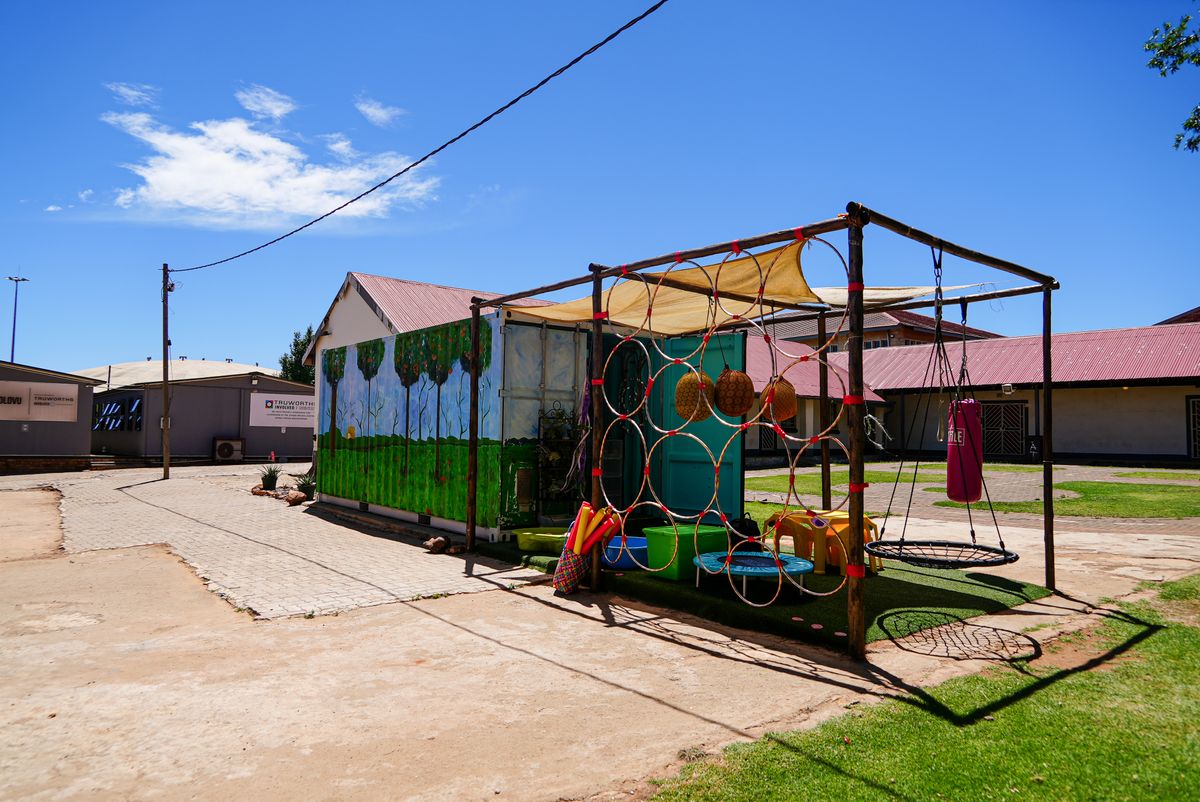
South Africa repurposes shipping container as sensory room
Photograph: My Mother Lode (embedded from source)
What this story says
- A shipping container in Orange Farm, South Africa, has been converted into a sensory room by the non-profit Afrika Tikkun.
- The room, opened in April, offers a space for exploration and regulation of sensations for children and adults.
- It has become a vital resource for parents and caregivers seeking stress relief in a community with limited professional therapy access.
- Afrika Tikkun reports usage figures of 450 children, 67 young adults, and 56 parents and caregivers.
Who covered it
Percentages are shares of the 16 outlets carrying a published leaning rating. Coverage measured .
Trust
60/100
Craft
65/100
Hype
20/100
16 sources · methodology
Thin on the right so far
Only 1 of the 16 outlets with a published leaning rating that ran this story are rated right.
This story is still being watched, so it is a count and not yet a finding. Coverage keeps arriving for hours after an event, and a side that has published nothing this morning may publish by tonight. If it is still true when we stop checking, we will say so plainly.
A converted shipping container in Orange Farm, South Africa, has been transformed into a sensory room by the non-profit Afrika Tikkun. Opened in April, the space was initially designed for children with developmental conditions but has become a place of relief for parents and caregivers. The room features an assortment of sights and textures, including fairy lights, beaded curtains, foil fish, tiny mirrors, a hammock, and a burlap cushion. Outside, balancing logs, sand and water pits, and a swing are available. Locals contributed to the design, creating sensory items from recycled materials.
Sisanda Hani, a mother of a teenager with ADHD and epilepsy, uses the room for stress relief, describing the experience as a release. She stated, "We had a lot of stress. No one was asking us how we were doing." Afrika Tikkun reports that 450 children, 67 young adults, and 56 parents and caregivers have used the facility. Tegan White, an occupational therapist with the program, explained that the room helps users explore sensations and regulate responses, offering a place to settle without needing to articulate feelings.
Cost and expansion
The container and its sensory contents cost between $4,700 and $5,300, according to Lana Roy, who leads Afrika Tikkun’s Disability Inclusion program. The organization has established another sensory space in Cape Town and intends to expand further. The initiative aims to provide accessible support in areas where professional therapy services are limited, relying on recycled materials and community participation.
What the coverage left out
None of the left-rated digests mention the cost estimate of $4,700 to $5,300 for the container and its sensory contents. The centre-rated reports and the right-rated digest also do not mention this cost.
Still developing. We have re-checked which outlets are covering this 2 times, most recently on 23 Nov 2026, 13:45, and will add the sides that appear.
How other outlets pictured it
Which photograph to run is each newsroom’s own choice. The leaning beside a name is that outlet’s published rating, not a claim that the pictures divide along it. Every picture is shown from the outlet’s own server and links to the article it ran in.
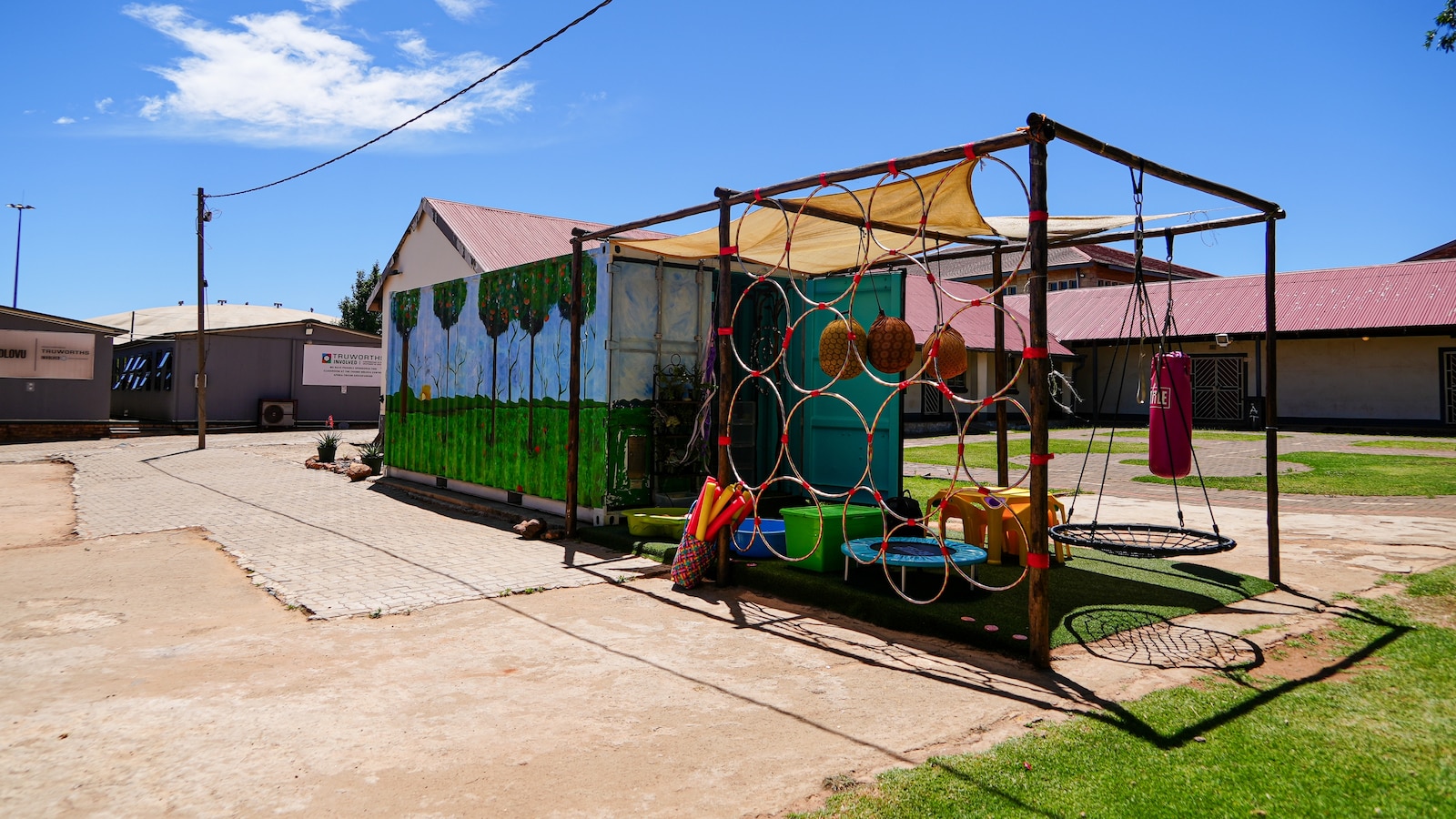
How each side covered it
Our own reading of the reporting listed below, written from the outlets’ articles rather than quoted from them. The reasoning is set out on our methodology page.
Left
12 rated outlets
- The left-rated reports highlighted the repurposed shipping container as a "mental health haven" for teenagers and adults, initially designed for young children. They focused on the relief it provides to parents and caregivers, quoting Sisanda Hani on her stress and the release she finds in the sensory room. The reports mentioned the room's features and the involvement of locals in its design using recycled materials. They also noted the limited access to professional therapy in the area and the initiative's role in filling that gap. Usage figures for children, young adults, and parents were included, as were comments from occupational therapist Tegan White on exploring sensations and regulating responses.
Centre
3 rated outlets
- The centre-rated reports focused on the shipping container being repurposed into a "sensory room" for mental health help in South Africa. They detailed how the room, initially for children with developmental conditions, unexpectedly became a relief for parents and caregivers. The reports included quotes from Sisanda Hani about her stress and the cathartic experience of using the room. They also cited usage figures and the perspective of occupational therapist Tegan White on sensory exploration and regulation. The limited availability of professional therapy in the community was also a key point.
Right
1 rated outlet
- The right-rated report described the repurposed shipping container as a "mental health haven" for teenagers and adults in a South African township. It noted that the room was initially designed for young children but now serves parents and caregivers. The report mentioned Sisanda Hani, a mother using the room for stress relief. It also stated that the initiative is run by the non-profit Afrika Tikkun in partnership with Sensory-Space, utilising recycled materials and community participation to offer support where professional therapy is scarce.
Questions about this coverage
- How did the left and right cover South Africa repurposes shipping container as sensory room?
- Of the 16 outlets on this story carrying a published leaning rating, 75% are rated left, 19% are rated centre, 6% are rated right. Those percentages are shares of the rated outlets, not of every outlet that ran it. The sections above set out what each side emphasised, in its own terms.
- Is South Africa repurposes shipping container as sensory room left or right?
- The story itself is neither. What can be counted is who has covered it, and 75% of the 16 rated outlets on it are rated left — so far this is a story carried mostly by the left. Coverage is still arriving and that can change, which is why the figure is dated rather than fixed.
- Is the coverage of South Africa repurposes shipping container as sensory room biased?
- South Africa repurposes shipping container as sensory room is one event reported by 16 outlets, and this page does not rate the story as biased or unbiased. What it publishes is the spread: which outlets ran it, where named rating organisations place each of them on the spectrum, and what each side chose to lead with. A leaning rating describes an outlet's record over time, not this article, and the two should not be run together.
- Which side is not reporting South Africa repurposes shipping container as sensory room?
- When we first saw this story, outlets rated right had barely covered it. Coverage accretes for hours after an event, so that is where to look rather than a verdict — the split above is the current count, and it is the one to read.
- Which outlets covered South Africa repurposes shipping container as sensory room?
- 16 that we know of, every one of them listed further up this page with a link to its own report and to what we hold on the publisher. Nothing here is a summary of somebody else's summary: the outlets are named so the original reporting can be read.
- What is the repurposed shipping container used for?
- The shipping container has been converted into a sensory room at a community center in Orange Farm, South Africa. It is used for exploring sensations and regulating responses, providing stress relief for children, young adults, parents, and caregivers.
- Who runs the sensory room initiative?
- The sensory room is run by the non-profit organization Afrika Tikkun, in partnership with Sensory-Space. The initiative uses recycled materials and community participation to offer support.
- How many people have used the sensory room?
- Afrika Tikkun reports usage figures of 450 children, 67 young adults, and 56 parents and caregivers have utilized the sensory room facility.
Read it at the source
16 outlets, grouped by the leaning a published rating gives them. Every headline links to the original; an underlined outlet name opens our profile of that publisher.
Left
12- South African township turns discarded shipping container into community sensory therapy room (opens Africa News in a new tab)
Africa News — is Africa News biased? Our profile of this outlet
- A converted shipping container became an unexpected source of mental ... (opens The Washington Post in a new tab)
The Washington Post — is The Washington Post biased? Our profile of this outlet
- A converted shipping container became an unexpected source of mental health help in South Africa (opens The Toronto Star in a new tab)
The Toronto Star — is The Toronto Star biased? Our profile of this outlet
- A converted shipping container became an unexpected source of mental health help in South Africa (opens The Seattle Times in a new tab)
The Seattle Times — is The Seattle Times biased? Our profile of this outlet
- A converted shipping container became an unexpected source of mental health help in South Africa (opens Reflector in a new tab)
- A converted shipping container became an unexpected source of mental health help in South Africa (opens Inquirer in a new tab)
- A converted shipping container became an unexpected source of mental health help in South Africa (opens The Independent (US) in a new tab)
The Independent (US) — is The Independent (US) biased? Our profile of this outlet
- A converted shipping container became an unexpected source of mental health help in South Africa (opens The Independent in a new tab)
The Independent — is The Independent biased? Our profile of this outlet
Show 4 more
- A converted shipping container became an unexpected source of mental health help in South Africa (opens ABC News in a new tab)
- A converted shipping container became an unexpected source of mental health help in South Africa (opens WellandTribune.ca in a new tab)
WellandTribune.ca — is WellandTribune.ca biased? Our profile of this outlet
- A converted shipping container became an unexpected source of mental health help in South Africa (opens The Record in a new tab)
The Record — is The Record biased? Our profile of this outlet
- A converted shipping container became an unexpected source of mental health help in South Africa (opens The Hamilton Spectator in a new tab)
The Hamilton Spectator — is The Hamilton Spectator biased? Our profile of this outlet
Centre
3- A converted shipping container became an unexpected source of mental health help in South Africa (opens My Mother Lode in a new tab)
My Mother Lode — is My Mother Lode biased? Our profile of this outlet
- A converted shipping container became an unexpected source of mental health help in South Africa (opens The Daily Advance in a new tab)
The Daily Advance — is The Daily Advance biased? Our profile of this outlet
- A converted shipping container became an unexpected source of mental health help in South Africa (opens Winnipeg Free Press in a new tab)
Winnipeg Free Press — is Winnipeg Free Press biased? Our profile of this outlet
Right
1Not rated
0No outlet in this group ran the story.
How did this read?
About the coverage, not about the story. We do not ask whether you agree with what happened — we have no honest use for that answer.
More in Health
All Health →

Elsewhere on the site
 Conflict & Security•3 min readNigeria boat accident: 29 dead after mourners' vessel capsizes
 Politics•2 min readUS deportations under Donald Trump bring 25 migrants to Liberia
 Conflict & Security•2 min readHundreds of German and Danish schools receive bomb threats
 Politics•3 min readKano Governor: Kwankwaso Asked Me to Swear Quranic Oath for APC Return