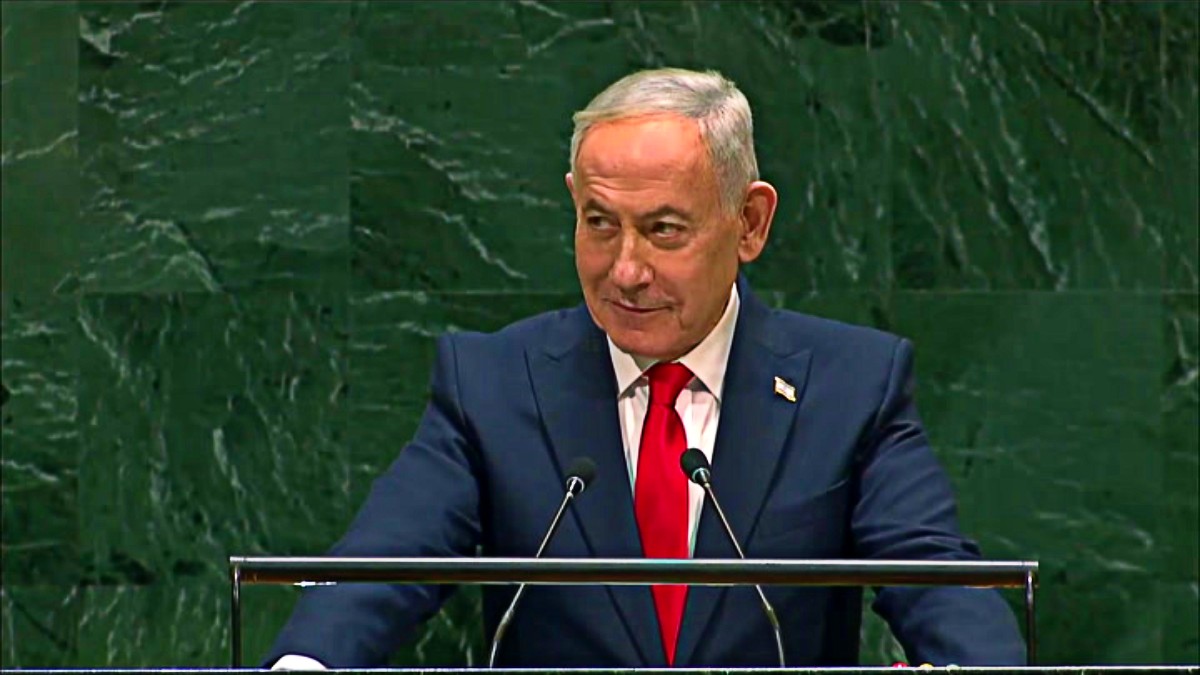
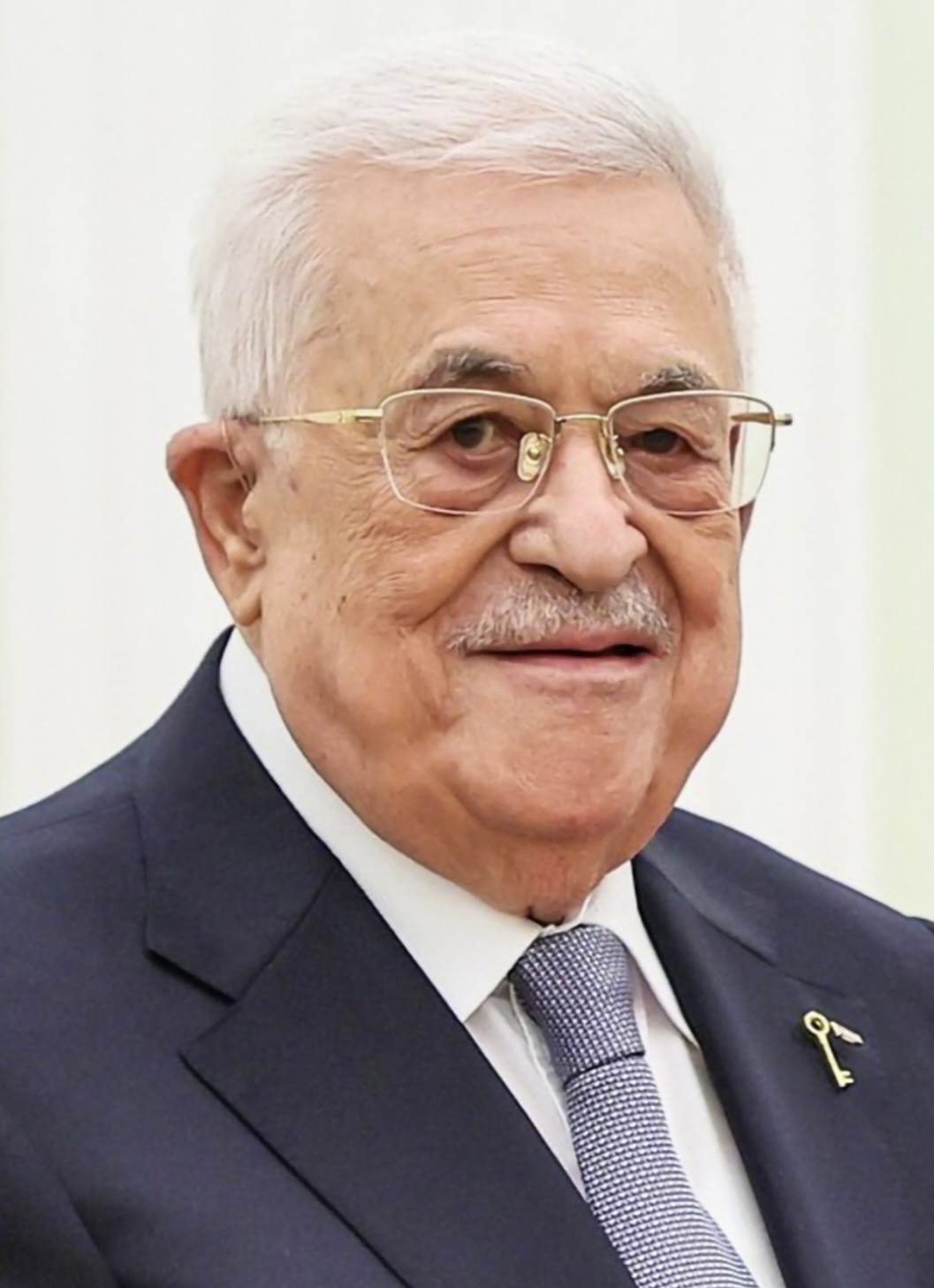
UN General Assembly meeting on pandemic preparedness led by Khalilur Rahman
The high‑level session highlighted WHO’s ten new initiatives, the $10 trillion economic toll of COVID‑19 and a broader agenda covering wars, disasters and artificial intelligence.
AI-assisted coverage comparison, editor-supervised · How this was made
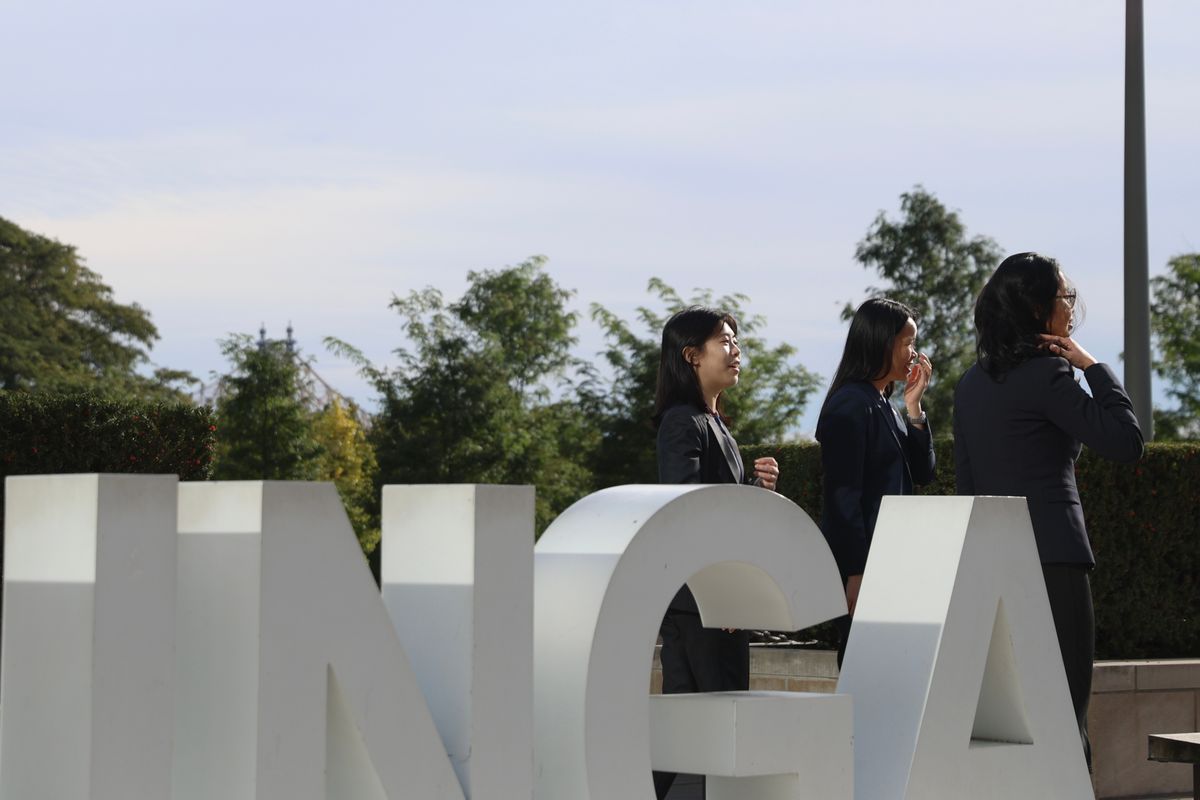
UN General Assembly meeting on pandemic preparedness led by Khalilur Rahman
Photograph: My Mother Lode (embedded from source)
What this story says
- The UN General Assembly held a high‑level meeting on pandemic preparedness six years after COVID‑19 began, convened by Assembly President Khalilur Rahman.
- WHO Director‑General Tedros said the world was not ready for the next pandemic in a 2017 Columbia University speech.
- WHO announced ten initiatives such as the Pandemic Fund and a Berlin hub to strengthen global health security.
- The meeting’s agenda also covered wars, natural disasters, geopolitical polarization and artificial intelligence.
Who covered it
Percentages are shares of the 23 outlets carrying a published leaning rating. Coverage measured .
Trust
72/100
Craft
85/100
Hype
15/100
23 sources · methodology
Thin on the right so far
Only 1 of the 23 outlets with a published leaning rating that ran this story are rated right.
This story is still being watched, so it is a count and not yet a finding. Coverage keeps arriving for hours after an event, and a side that has published nothing this morning may publish by tonight. If it is still true when we stop checking, we will say so plainly.
The United Nations General Assembly gathered its leaders on 25 September 2026 for a high‑level meeting on pandemic prevention, preparedness and response. Assembly President Khalilur Rahman opened the session and set an agenda that included not only health security but also wars, natural disasters, geopolitical polarization and artificial intelligence.
In his opening remarks, WHO Director‑General Tedros Adhanom Ghebreyesus recalled a 2017 speech at Columbia University where he said the world was not ready for the next pandemic. He noted that COVID‑19 caused more than 20 million excess deaths and wiped over US$10 trillion from the global economy.
Tedros outlined ten WHO initiatives aimed at strengthening global health security. The list includes a Pandemic Fund partnered with the World Bank, a WHO Hub for Pandemic and Epidemic Intelligence in Berlin, the Access to COVID‑19 Tools Accelerator, COVAX, an interim Medical Countermeasures Network, an mRNA technology transfer programme in South Africa, a Biomanufacturing Workforce Training Initiative in South Korea, the WHO BioHub in Switzerland and a Global Health Emergency Corps.
Member states also adopted amendments to the International Health Regulations and a WHO Pandemic Agreement, both intended to reinforce legal frameworks for future health emergencies.
“"No one is safe until everyone is safe."”
$10 trillion
Economic loss from COVID‑19
Estimated impact on the global economy according to WHO statements
What the coverage left out
None of the left‑rated reports mention the WHO Director‑General’s 2017 speech or the ten WHO initiatives, including the Pandemic Fund and the Berlin hub. Likewise, the right‑rated digest does not refer to those WHO initiatives or the $10 trillion economic impact.
Still developing. We have re-checked which outlets are covering this 7 times, most recently on 26 Sept 2026, 05:30, and will add the sides that appear.
How each side covered it
Our own reading of the reporting listed below, written from the outlets’ articles rather than quoted from them. The reasoning is set out on our methodology page.
Left
11 rated outlets
- All ten left‑rated digests reported that the UN meeting sought to keep the risk of another worldwide disease emergency on the global agenda. They highlighted the six‑year gap since COVID‑19, noted that wars, natural disasters, geopolitical polarization and artificial intelligence now dominate the discussion, and described the meeting as facing a "speed bump" in building momentum for pandemic preparedness.
Centre
11 rated outlets
- The twelve centre‑rated reports, including the full AllAfrica article, carried the full set of WHO statements. They emphasized Tedros’ 2017 warning, the $10 trillion economic toll, the more than 20 million excess deaths, and detailed the ten WHO initiatives such as the Pandemic Fund and the Berlin hub. They also mentioned the broader agenda items, wars, natural disasters, geopolitical polarization and artificial intelligence, and quoted the Assembly President Khalilur Rahman’s role in convening the meeting.
Right
1 rated outlet
- The single right‑rated digest focused on the UN’s attempt to build momentum for pandemic preparedness while encountering a "speed bump". It noted the six‑year interval since COVID‑19, the presence of Assembly President Khalilur Rahman, and the inclusion of wars, natural disasters, geopolitical polarization and artificial intelligence on the agenda.
Questions about this coverage
- How did the left and right cover UN General Assembly meeting on pandemic preparedness led by Khalilur…?
- Of the 23 outlets on this story carrying a published leaning rating, 48% are rated left, 48% are rated centre, 4% are rated right. Those percentages are shares of the rated outlets, not of every outlet that ran it. The sections above set out what each side emphasised, in its own terms.
- Is UN General Assembly meeting on pandemic preparedness led by Khalilur… left or right?
- Neither side dominates it. Of the 23 rated outlets on this story, 48% are rated left, 48% are rated centre, 4% are rated right, and no side holds the 70% this site would want before calling a field one-sided. A story is not left or right in any case; the outlets that carried it are what carry ratings.
- Is the coverage of UN General Assembly meeting on pandemic preparedness led by Khalilur… biased?
- UN General Assembly meeting on pandemic preparedness led by Khalilur Rahman is one event reported by 23 outlets, and this page does not rate the story as biased or unbiased. What it publishes is the spread: which outlets ran it, where named rating organisations place each of them on the spectrum, and what each side chose to lead with. A leaning rating describes an outlet's record over time, not this article, and the two should not be run together.
- Which side is not reporting UN General Assembly meeting on pandemic preparedness led by Khalilur…?
- When we first saw this story, outlets rated right had barely covered it. Coverage accretes for hours after an event, so that is where to look rather than a verdict — the split above is the current count, and it is the one to read.
- Which outlets covered UN General Assembly meeting on pandemic preparedness led by Khalilur…?
- 23 that we know of, every one of them listed further up this page with a link to its own report and to what we hold on the publisher. Nothing here is a summary of somebody else's summary: the outlets are named so the original reporting can be read.
- What did the WHO Director‑General say about pandemic readiness?
- Tedros Adhanom Ghebreyesus recalled a 2017 Columbia University speech where he said the world was not ready for the next pandemic. He repeated the warning at the UN meeting, stressing that preparedness remains insufficient.
- How many initiatives did WHO announce to strengthen health security?
- WHO listed ten initiatives, including a Pandemic Fund with the World Bank, a Berlin hub for pandemic intelligence, the Access to COVID‑19 Tools Accelerator, COVAX, an interim Medical Countermeasures Network, an mRNA technology transfer programme in South Africa, a Biomanufacturing Workforce Training Initiative in South Korea, the WHO BioHub in Switzerland and a Global Health Emergency Corps.
- What other topics were on the UN meeting agenda?
- The agenda covered wars, natural disasters, geopolitical polarization and artificial intelligence alongside pandemic preparedness, reflecting a broader set of global challenges that now compete for attention at the high‑level session.
- Which side of coverage mentioned the economic cost of COVID‑19?
- Only the centre‑rated reports, including the AllAfrica full article, cited the estimate that COVID‑19 wiped over US$10 trillion from the global economy; left and right digests did not include that figure.
Read it at the source
23 outlets, grouped by the leaning a published rating gives them. Every headline links to the original; an underlined outlet name opens our profile of that publisher.
Left
11- UN tries to build momentum on pandemic preparedness, but hits a speed bump (opens The Seattle Times in a new tab)
The Seattle Times — is The Seattle Times biased? Our profile of this outlet
- UN tries to build momentum on pandemic preparedness, but hits a speed bump (opens The Toronto Star in a new tab)
The Toronto Star — is The Toronto Star biased? Our profile of this outlet
- UN tries to build momentum on pandemic preparedness, but hits a speed bump (opens The Sun Chronicle in a new tab)
The Sun Chronicle — is The Sun Chronicle biased? Our profile of this outlet
- UN tries to build momentum on pandemic preparedness, but hits a speed bump (opens The Independent (US) in a new tab)
The Independent (US) — is The Independent (US) biased? Our profile of this outlet
- UN tries to build momentum on pandemic preparedness, but hits a speed bump (opens Associated Press News in a new tab)
Associated Press News — is Associated Press News biased? Our profile of this outlet
- UN tries to build momentum on pandemic preparedness, but hits a speed bump (opens The Independent in a new tab)
The Independent — is The Independent biased? Our profile of this outlet
- UN tries to build momentum on pandemic preparedness, but hits a speed bump (opens ABC News in a new tab)
- UN tries to build momentum on pandemic preparedness, but hits a speed bump (opens NiagaraFallsReview.ca in a new tab)
NiagaraFallsReview.ca — is NiagaraFallsReview.ca biased? Our profile of this outlet
Show 3 more
- UN tries to build momentum on pandemic preparedness, but hits a speed bump (opens St Catharines Standard in a new tab)
St Catharines Standard — is St Catharines Standard biased? Our profile of this outlet
- UN tries to build momentum on pandemic preparedness, but hits a speed bump (opens The Record in a new tab)
The Record — is The Record biased? Our profile of this outlet
- UN tries to build momentum on pandemic preparedness, but hits a speed bump (opens The Hamilton Spectator in a new tab)
The Hamilton Spectator — is The Hamilton Spectator biased? Our profile of this outlet
Centre
11- UN tries to build momentum on pandemic preparedness, but hits a speed bump (opens My Mother Lode in a new tab)
My Mother Lode — is My Mother Lode biased? Our profile of this outlet
- UN tries to build momentum on pandemic preparedness, but hits a speed bump (opens The Record in a new tab)
The Record
- UN tries to build momentum on pandemic preparedness, but hits a speed bump (opens Newsday in a new tab)
- UN tries to build momentum on pandemic preparedness, but hits a speed bump (opens Bozeman Daily Chronicle in a new tab)
Bozeman Daily Chronicle — is Bozeman Daily Chronicle biased? Our profile of this outlet
- UN tries to build momentum on pandemic preparedness, but hits a speed bump (opens Henry Herald in a new tab)
Henry Herald — is Henry Herald biased? Our profile of this outlet
- UN tries to build momentum on pandemic preparedness, but hits a speed bump (opens Rutland Herald in a new tab)
Rutland Herald — is Rutland Herald biased? Our profile of this outlet
- UN tries to build momentum on pandemic preparedness, but hits a speed bump (opens WSLS in a new tab)
- UN tries to build momentum on pandemic preparedness, but hits a speed bump (opens WKMG in a new tab)
Show 3 more
- UN tries to build momentum on pandemic preparedness, but hits a speed bump (opens WPLG in a new tab)
- Africa: WHO Director-General's remarks at the High-Level Meeting on Pandemic Prevention, Preparedness and Response (opens allAfrica in a new tab)
- UN tries to build momentum on pandemic preparedness, but hits a speed bump (opens Winnipeg Free Press in a new tab)
Winnipeg Free Press — is Winnipeg Free Press biased? Our profile of this outlet
Right
1Not rated
0No outlet in this group ran the story.
How did this read?
About the coverage, not about the story. We do not ask whether you agree with what happened — we have no honest use for that answer.