FEMA test alert fuels misinformation, says Dr. Soto‑Vásquez
A one‑minute simulated emergency alert was broadcast nationwide, followed by false claims linking recent service outages to international blackouts, especially in Spanish‑language online spaces.
AI-assisted coverage comparison, editor-supervised · How this was made
FEMA test alert fuels misinformation, says Dr. Soto‑Vásquez
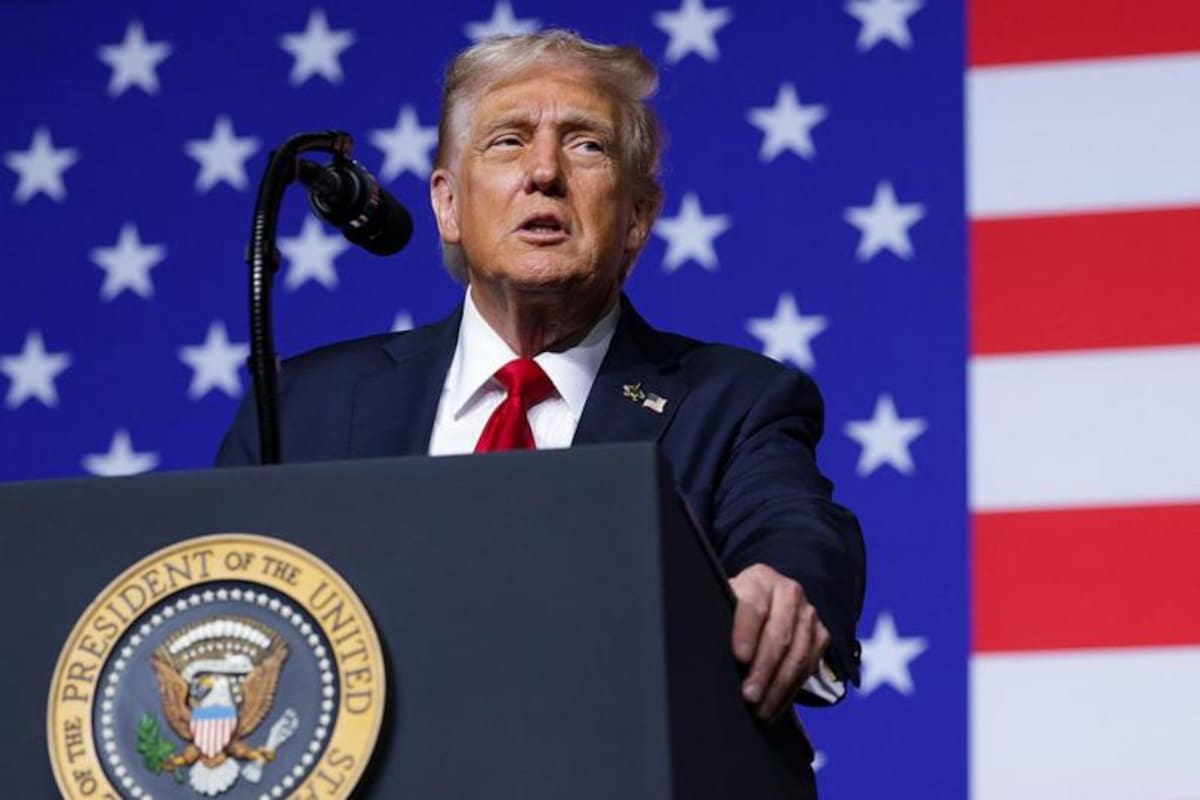
Photograph: la Nacion (embedded from source)
What this story says
- A simulated FEMA emergency alert was broadcast for roughly one minute on Tuesday across U.S. radios and televisions.
- The preceding week saw outages that disabled Microsoft programmes, grounded thousands of flights and blocked access to JPMorgan Chase and the NSA.
- Online misinformation linked the outages to imagined international blackouts, with Spanish‑language posts garnering over 95 million views.
- Experts said longstanding distrust in Latino communities amplified the spread of false narratives.
Who covered it
Percentages are shares of the 6 outlets carrying a published leaning rating. Coverage measured .
Trust
60/100
Craft
70/100
Hype
20/100
6 sources · methodology
Thin on the right so far
Only 1 of the 6 outlets with a published leaning rating that ran this story are rated right.
This story is still being watched, so it is a count and not yet a finding. Coverage keeps arriving for hours after an event, and a side that has published nothing this morning may publish by tonight. If it is still true when we stop checking, we will say so plainly.
For about one minute on Tuesday, radios and televisions across the United States displayed a simulated emergency alert issued by the Federal Emergency Management Agency. The alert was part of a triennial test intended to identify weaknesses in the nation’s alert system. In the seven days before the drill, significant communication and service outages affected Microsoft Outlook and other programmes, forced the grounding of thousands of flights, blocked access to JPMorgan Chase and halted internal communications at the National Security Agency.
During that period, false and misleading claims spread online, questioning the cause of the outages and suggesting they were part of an impending international blackout. The misinformation appeared in both English and Spanish, with the Spanish‑language content circulating widely among global Latino communities. Researchers at the Digital Democracy Institute of the Americas tracked more than 2,200 Spanish‑language posts and articles between 11 November and 17 November, which together amassed over 95 million views and six million interactions.
Experts said the false narratives exploited a broader sense of distrust in elites and institutions, particularly within Latino communities. Dr. Arthur Soto‑Vásquez of the University of Nevada, Las Vegas warned that this distrust would feed and amplify the online discourse surrounding the test.
“"This sense of general distrust within many communities, but especially including the Latino community in the United States, will then feed into and be amplified by the online discourse around it,"”
95 million
Views of Spanish‑language posts
Digital Democracy Institute of the Americas analysis of 2,200+ posts between 11‑17 November
Omissions
No centre‑rated outlet ran this story, leaving the mainstream centre press blind to both the simulated alert and the extensive misinformation analysis.
Still developing. We have re-checked which outlets are covering this 1 time, most recently on 19 Nov 2026, 16:30, and will add the sides that appear.
How each side covered it
Our own reading of the reporting listed below, written from the outlets’ articles rather than quoted from them. The reasoning is set out on our methodology page.
Left
5 rated outlets
- The Independent, ABC News and the Seattle Times each published a short digest that noted only that radios and televisions across the United States flashed a simulated FEMA emergency alert on Tuesday. None of the three digests mentioned the preceding outages, the Spanish‑language misinformation, the Digital Democracy Institute analysis or any expert commentary.
Centre
0 rated outlets
No outlet rated centre has run this story so far. We are still checking, and will say plainly if that does not change.
Right
1 rated outlet
- La Nación’s full report described the simulated alert, the week‑long outages affecting Microsoft, airlines, JPMorgan Chase and the NSA, and the surge of false claims linking those disruptions to imagined international blackouts. It highlighted how Spanish‑language posts leveraged distrust in Latino communities, citing the Digital Democracy Institute’s findings of over 95 million views and six million interactions. The article quoted Dr. Arthur Soto‑Vásquez and research consultant Rafael Olavarría, and noted that the misinformation was amplified by “alarmist headlines” in both mainstream and click‑bait outlets.
Questions about this coverage
- How did the left and right cover FEMA test alert fuels misinformation, says Dr. Soto‑Vásquez?
- Of the 6 outlets on this story carrying a published leaning rating, 83% are rated left, 0% are rated centre, 17% are rated right. Those percentages are shares of the rated outlets, not of every outlet that ran it. The sections above set out what each side emphasised, in its own terms.
- Is FEMA test alert fuels misinformation, says Dr. Soto‑Vásquez left or right?
- Too few of the outlets on this story carry a published leaning rating to say. 6 of them do, and this site does not characterise a field under 12: at that size one newsroom filing moves the share by ten points. The percentages above are the count as it stands.
- Is the coverage of FEMA test alert fuels misinformation, says Dr. Soto‑Vásquez biased?
- FEMA test alert fuels misinformation, says Dr. Soto‑Vásquez is one event reported by 6 outlets, and this page does not rate the story as biased or unbiased. What it publishes is the spread: which outlets ran it, where named rating organisations place each of them on the spectrum, and what each side chose to lead with. A leaning rating describes an outlet's record over time, not this article, and the two should not be run together.
- Which side is not reporting FEMA test alert fuels misinformation, says Dr. Soto‑Vásquez?
- When we first saw this story, outlets rated right had barely covered it. Coverage accretes for hours after an event, so that is where to look rather than a verdict — the split above is the current count, and it is the one to read.
- Which outlets covered FEMA test alert fuels misinformation, says Dr. Soto‑Vásquez?
- 6 that we know of, every one of them listed further up this page with a link to its own report and to what we hold on the publisher. Nothing here is a summary of somebody else's summary: the outlets are named so the original reporting can be read.
- What was the simulated FEMA alert?
- On Tuesday, for roughly one minute, radios and televisions across the United States displayed a simulated emergency alert issued by FEMA as part of its regular three‑year test of the national alert system.
- How many Spanish‑language posts were tracked and how many views did they receive?
- The Digital Democracy Institute of the Americas analyzed more than 2,200 Spanish‑language posts and articles posted between 11 November and 17 November, which together generated over 95 million views and six million interactions.
- What outages occurred in the week before the drill?
- The week before the FEMA test, outages disabled Microsoft Outlook and other programmes, grounded thousands of flights, blocked access to JPMorgan Chase and halted internal communications at the National Security Agency.
- Which outlets reported on the story?
- The story appeared in full on La Nación (right‑rated) and as digests on The Independent, ABC News and the Seattle Times (all left‑rated). No centre‑rated outlet published the story.
Read it at the source
6 outlets, grouped by the leaning a published rating gives them. Every headline links to the original; an underlined outlet name opens our profile of that publisher.
Left
5- Misinformation about a FEMA test leveraged distrust in Spanish-speaking communities (opens The Toronto Star in a new tab)
The Toronto Star — is The Toronto Star biased? Our profile of this outlet
- Misinformation about a FEMA test leveraged distrust in Spanish-speaking communities (opens The Seattle Times in a new tab)
The Seattle Times — is The Seattle Times biased? Our profile of this outlet
- Misinformation about a FEMA test leveraged distrust in Spanish-speaking communities (opens Associated Press News in a new tab)
Associated Press News — is Associated Press News biased? Our profile of this outlet
- Misinformation about a FEMA test leveraged distrust in Spanish-speaking communities (opens ABC News in a new tab)
- Misinformation about a FEMA test leveraged distrust in Spanish-speaking communities (opens The Independent in a new tab)
The Independent — is The Independent biased? Our profile of this outlet
Centre
0No outlet in this group ran the story.
Right
1Not rated
0No outlet in this group ran the story.
How did this read?
About the coverage, not about the story. We do not ask whether you agree with what happened — we have no honest use for that answer.