California bill would ban advertising chatbots as therapy
Senate Bill 903 targets AI tools used for mental health support without professional oversight
AI-assisted coverage comparison, editor-supervised · How this was made

California bill would ban advertising chatbots as therapy
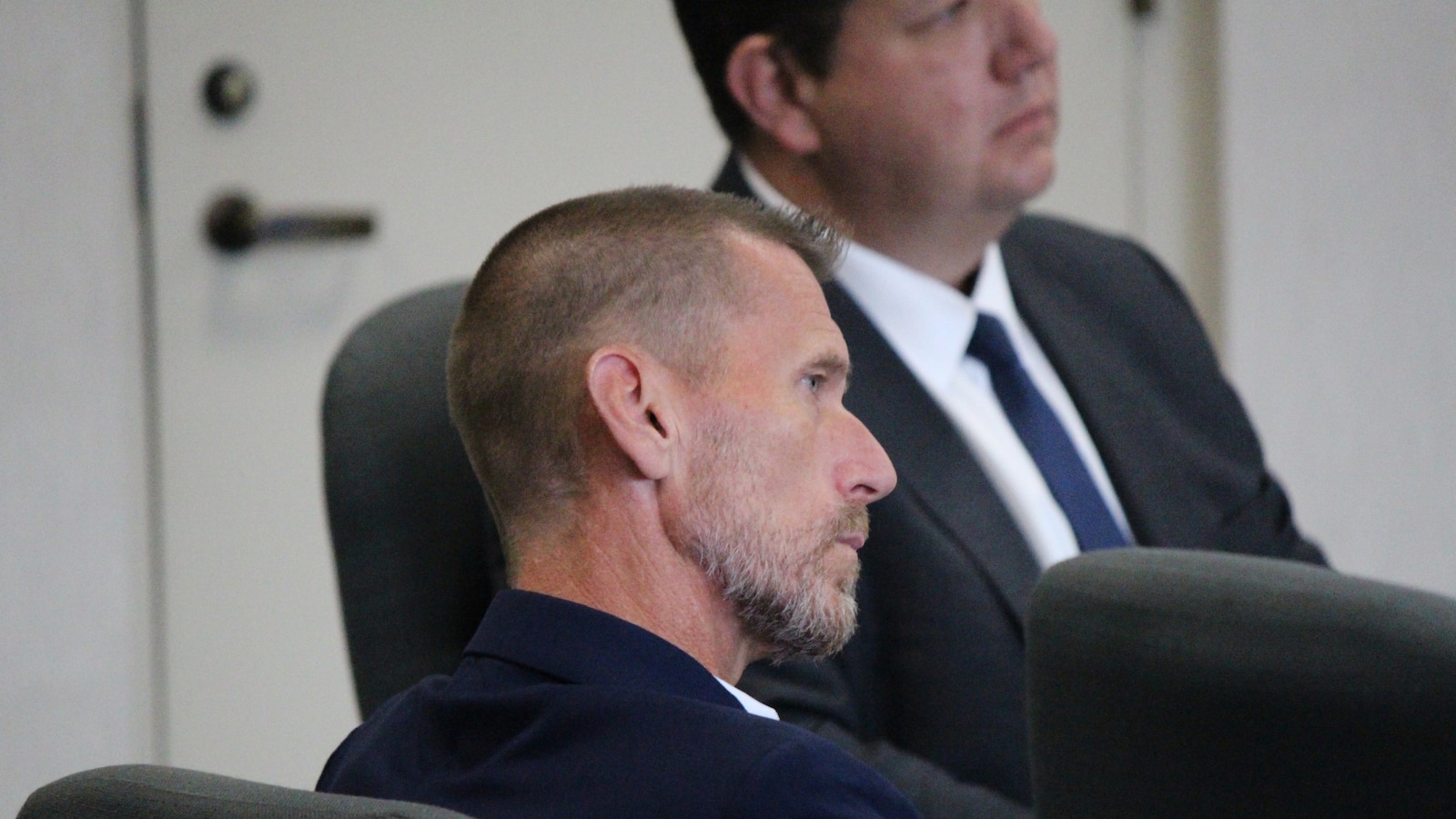
Photograph: Lookout Local Santa Cruz (embedded from source)
What this story says
- Senate Bill 903, authored by California Democrat Steve Padilla, would prohibit companies from advertising chatbots as therapy.
- The bill requires licensed professional oversight for AI tools making therapeutic decisions or recording therapy sessions.
- Supporters argue the legislation protects consumers and clinicians, while tech industry groups warn it could stifle innovation.
- No right-rated outlet covered the story, despite its implications for AI regulation and mental healthcare access.
Who covered it
Percentages are shares of the 16 outlets carrying a published leaning rating. 6 of the 22 outlets we know ran this story carry no rating and are not counted in them. Coverage measured .
Trust
42/100
Craft
79/100
Hype
15/100
22 sources · methodology
Missing from the right
None of the 16 outlets with a published leaning rating that ran this story are rated right.
A reader who follows the right would not have seen this. We report the absence rather than explain it: outlets choose what to cover for many reasons, and we have no evidence about which one applies here.
A California bill would ban companies from advertising chatbots as therapy and restrict their use in mental healthcare without professional oversight. Senate Bill 903, authored by Sen. Steve Padilla, a Democrat from San Diego, aims to regulate AI tools that provide mental health support or advice. The legislation would prohibit AI from making therapeutic decisions without review by a licensed professional and require health providers to disclose and obtain consent before using AI to record therapy sessions or triage mental healthcare.
The bill follows concerns over the rapid adoption of chatbots for mental health support, particularly among young people. A chatbot called "Psychologist," which describes itself as an expert in empathy and active listening, has become a widely cited example of the technology’s reach. OpenAI reported last year that about 1.2 million users a week share thoughts of suicide on its platform, prompting the company to direct them to professional help.
Supporters of the bill, including professional associations for psychologists and therapists, argue it is necessary to protect consumers from inaccurate or harmful advice. The National Union of Healthcare Workers, which backs the legislation, recently filed a complaint against Kaiser Permanente for allegedly using an automated algorithm in mental health triaging. Opponents, such as TechNet, a tech industry group, claim the bill could limit beneficial uses of AI and restrict access to mental healthcare tools.
What the coverage left out
No right-rated outlet ran the story at all. None of the digests or reports mentioned the specific penalties or enforcement mechanisms that would be introduced by Senate Bill 903. The full reports from the Associated Press and Washington Top News did not include a response from Kaiser Permanente regarding the complaint filed by the National Union of Healthcare Workers.
Coverage settled. We checked this 34 times and stopped on 11 Aug 2026, 22:00. The figures above are what it finished at.
How each side covered it
Our own reading of the reporting listed below, written from the outlets’ articles rather than quoted from them. The reasoning is set out on our methodology page.
Left
6 rated outlets
- The six left-rated digests and two full reports led on the consumer protection aspects of Senate Bill 903. The Associated Press and CalMatters, whose full reports were published, detailed the risks of unregulated chatbots, including their potential to provide inaccurate advice or mishandle crisis situations. Both quoted Le Ondra Clark Harvey, CEO of the California Behavioral Health Association, who said, "The difference between a licensed clinician and an automated response is not technical. It can be life altering."
- The left-rated digests highlighted the bill’s intent to protect vulnerable users, particularly young people. The Toronto Star, The Hamilton Spectator and The Seattle Times all included the statistic that one in eight teens and young adults use chatbots for mental health advice. The digests also noted the wrongful death lawsuits against AI chatbot makers, which the Associated Press reported are playing out in California federal courts.
Centre
10 rated outlets
- The ten centre-rated digests focused on the balance between regulation and innovation. KPBS and My Mother Lode led with the bill’s provisions, including the ban on advertising chatbots as therapy and the requirement for professional oversight. The Washington Top News full report, which was republished by several centre-rated outlets, quoted Robert Boykin of TechNet, who argued the bill could create a "clinician bottleneck" that limits access to mental healthcare tools.
- The centre-rated digests also emphasised the broader context of AI’s role in mental healthcare. Lookout Local Santa Cruz and Palo Alto Online included details about the popularity of chatbots for companionship and therapy, noting that research shows these are the top uses of AI tools. The digests framed the debate as one between consumer protections and the potential for AI to expand access to care, particularly in areas with shortages of behavioural healthcare workers.
Right
0 rated outlets
No outlet rated right ran this story. We watched the coverage until it stopped changing, and none appeared.
Questions about this coverage
- How did the left and right cover California bill would ban advertising chatbots as therapy?
- Of the 16 outlets on this story carrying a published leaning rating, 38% are rated left, 62% are rated centre, 0% are rated right. Those percentages are shares of the rated outlets, not of every outlet that ran it, which was 22. The sections above set out what each side emphasised, in its own terms.
- Is California bill would ban advertising chatbots as therapy left or right?
- Neither side dominates it. Of the 16 rated outlets on this story, 38% are rated left, 62% are rated centre, 0% are rated right, and no side holds the 70% this site would want before calling a field one-sided. A story is not left or right in any case; the outlets that carried it are what carry ratings.
- Is the coverage of California bill would ban advertising chatbots as therapy biased?
- California bill would ban advertising chatbots as therapy is one event reported by 22 outlets, and this page does not rate the story as biased or unbiased. What it publishes is the spread: which outlets ran it, where named rating organisations place each of them on the spectrum, and what each side chose to lead with. A leaning rating describes an outlet's record over time, not this article, and the two should not be run together.
- Which side is not reporting California bill would ban advertising chatbots as therapy?
- When we first saw this story, outlets rated right had barely covered it. Coverage accretes for hours after an event, so that is where to look rather than a verdict — the split above is the current count, and it is the one to read.
- Which outlets covered California bill would ban advertising chatbots as therapy?
- 22 that we know of, every one of them listed further up this page with a link to its own report and to what we hold on the publisher. Nothing here is a summary of somebody else's summary: the outlets are named so the original reporting can be read.
- What does Senate Bill 903 do?
- Senate Bill 903 would ban companies from advertising chatbots as therapy in California. It would also prohibit AI from making therapeutic decisions without review by a licensed professional and require health providers to disclose and obtain consent before using AI to record therapy sessions or triage mental healthcare.
- Why are lawmakers proposing this bill?
- Lawmakers argue the bill is needed to protect consumers from inaccurate or harmful advice provided by unregulated chatbots. Supporters, including professional associations and the National Union of Healthcare Workers, say AI tools cannot replace licensed clinicians, particularly in crisis situations.
- What are the arguments against the bill?
- Opponents, such as TechNet, a tech industry group, argue the bill could stifle innovation and limit access to mental healthcare tools. They claim it creates a "clinician bottleneck" that may restrict the use of AI for intake and screening, particularly in areas with shortages of behavioural healthcare workers.
- Which outlets covered the story?
- Six left-rated outlets and ten centre-rated outlets ran the story, including the Associated Press and Washington Top News, which published full reports. No right-rated outlet covered the bill, despite its implications for AI regulation and mental healthcare access.
Read it at the source
22 outlets, grouped by the leaning a published rating gives them. Every headline links to the original; an underlined outlet name opens our profile of that publisher.
Left
6- As AI ‘therapists’ dish out advice, California lawmakers try to set some limits (opens The Seattle Times in a new tab)
The Seattle Times — is The Seattle Times biased? Our profile of this outlet
- As AI ‘therapists’ dish out advice, California lawmakers try to set some limits (opens The Toronto Star in a new tab)
The Toronto Star — is The Toronto Star biased? Our profile of this outlet
- As AI ‘therapists’ dish out advice, California lawmakers try to set some limits (opens Associated Press News in a new tab)
Associated Press News — is Associated Press News biased? Our profile of this outlet
- As AI ‘therapists’ dish out advice, California lawmakers try to set some limits (opens St Catharines Standard in a new tab)
St Catharines Standard — is St Catharines Standard biased? Our profile of this outlet
- As AI ‘therapists’ dish out advice, California lawmakers try to set some limits (opens The Hamilton Spectator in a new tab)
The Hamilton Spectator — is The Hamilton Spectator biased? Our profile of this outlet
- As AI 'therapists' dish out advice, California lawmakers try to set some limits (opens Cal Matters in a new tab)
Cal Matters — is Cal Matters biased? Our profile of this outlet
Centre
10- As AI ‘therapists’ dish out advice, California lawmakers try to set some limits (opens My Mother Lode in a new tab)
My Mother Lode — is My Mother Lode biased? Our profile of this outlet
- As AI ‘therapists’ dish out advice, California lawmakers try to set some limits (opens Lompoc Record in a new tab)
Lompoc Record — is Lompoc Record biased? Our profile of this outlet
- As AI ‘therapists’ dish out advice, California lawmakers try to set some limits (opens Washington Top News in a new tab)
Washington Top News — is Washington Top News biased? Our profile of this outlet
- As AI 'therapists' dish out advice, California lawmakers try to set some limits (opens Newsday in a new tab)
- As AI ‘therapists’ dish out advice, California lawmakers try to set some limits (opens Henry Herald in a new tab)
Henry Herald — is Henry Herald biased? Our profile of this outlet
- As AI ‘therapists’ dish out advice, California lawmakers try to set some limits (opens Lookout Local Santa Cruz in a new tab)
Lookout Local Santa Cruz — is Lookout Local Santa Cruz biased? Our profile of this outlet
- As AI ‘therapists’ dish out advice, California lawmakers try to set some limits (opens KPBS in a new tab)
- As AI ‘therapists’ dish out advice, California lawmakers try to set some limits (opens Winnipeg Free Press in a new tab)
Winnipeg Free Press — is Winnipeg Free Press biased? Our profile of this outlet
Show 2 more
- As AI ‘therapists’ dish out advice, California lawmakers try to set some limits (opens Danville San Ramon in a new tab)
Danville San Ramon — is Danville San Ramon biased? Our profile of this outlet
- As AI ‘therapists’ dish out advice, California lawmakers try to set some limits (opens Palo Alto Online in a new tab)
Palo Alto Online — is Palo Alto Online biased? Our profile of this outlet
Right
0No outlet in this group ran the story.
Not rated
6- So the "Observer" AI Chatbot Checks Your Work Certificate (opens Blick in a new tab)
- AI “Therapists” Draw State Scrutiny as Mental Health Chatbot Use Surges (opens LexBlog in a new tab)
- As AI ‘therapists’ dish out advice, California lawmakers try to set some limits (opens The Almanac in a new tab)
The Almanac — is The Almanac biased? Our profile of this outlet
- As AI ‘therapists’ dish out advice, California lawmakers try to set some limits (opens pleasantonweekly.com in a new tab)
pleasantonweekly.com — is pleasantonweekly.com biased? Our profile of this outlet
- As AI ‘therapists’ dish out advice, California lawmakers try to set some limits (opens Redwood City Pulse in a new tab)
Redwood City Pulse — is Redwood City Pulse biased? Our profile of this outlet
- As AI ‘therapists’ dish out advice, California lawmakers try to set some limits (opens Mountain View Voice in a new tab)
Mountain View Voice — is Mountain View Voice biased? Our profile of this outlet
How did this read?
About the coverage, not about the story. We do not ask whether you agree with what happened — we have no honest use for that answer.