Canada to impose retaliatory tariffs on US after trade talks collapse
Prime Minister Mark Carney announced tariffs will take effect September 8 following breakdown in negotiations.
AI-assisted coverage comparison, editor-supervised · How this was made
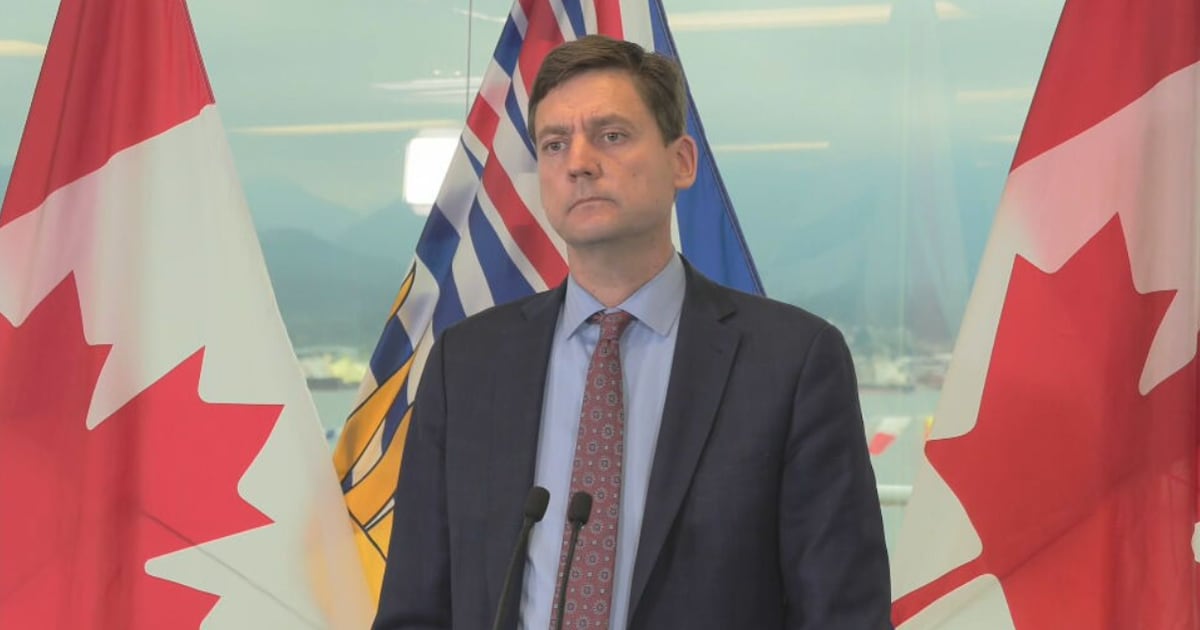
Canada to impose retaliatory tariffs on US after trade talks collapse
Photograph: CTV News (embedded from source)
What this story says
- Canada will implement retaliatory tariffs against the U.S. on Tuesday, September 8, Prime Minister Mark Carney announced.
- Trade talks between the U.S. and Canada collapsed Friday night, with Prime Minister Carney stating last-minute U.S. changes were unfair and uneconomic.
- British Columbia Premier David Eby linked the province's decision to not stock U.S. alcohol to the American treatment of the Canadian forestry sector.
- U.S. President Donald Trump announced 50-per-cent tariffs against Canada in late July.
Who covered it
Percentages are shares of the 121 outlets carrying a published leaning rating. 72 of the 193 outlets we know ran this story carry no rating and are not counted in them. Coverage measured .
Trust
50/100
Craft
65/100
Hype
20/100
193 sources · methodology
Missing from the right
Only 20 of the 121 outlets with a published leaning rating that ran this story are rated right.
A reader who follows the right would not have seen this. We report the absence rather than explain it: outlets choose what to cover for many reasons, and we have no evidence about which one applies here.
Canada is set to impose retaliatory tariffs on the United States starting Tuesday, September 8, Prime Minister Mark Carney announced. The decision comes after trade talks between the two countries collapsed on Friday night. Carney stated that last-minute changes proposed by the U.S. were unfair, uneconomic, and raised questions about the reliability of any potential deal.
British Columbia Premier David Eby stated that Canada would stand strong against what he called unfair American tariffs. Eby described the U.S. negotiation team's attempts to limit Canada's ability to make independent trade deals as unacceptable. He also linked the province's decision to not stock U.S. alcohol on store shelves to the American treatment of Canada's forestry sector. U.S. President Donald Trump had announced 50-per-cent tariffs against Canada in late July.
Disagreement on the nature of negotiations
Prime Minister Mark Carney stated that last-minute changes from the U.S. were "unfair, uneconomic and called into question the reliability of any deal." British Columbia Premier David Eby said the recent developments revealed the "true nature of what the Americans are seeking" and hesitated to call the discussions a negotiation. Tofino-Ucluelet Westerly News reported Eby called the incoming U.S. tariffs "inexplicable and indefensible" and added that the current U.S. administration "cannot be trusted."
What the coverage left out
None of the left-rated or centre-rated reports mention the White House's claim that U.S. President Donald Trump announced 50-per-cent tariffs against Canada in late July.
Coverage settled. We checked this 189 times and stopped on 28 Aug 2026, 19:45. The figures above are what it finished at.
How other outlets pictured it
Which photograph to run is each newsroom’s own choice. The leaning beside a name is that outlet’s published rating, not a claim that the pictures divide along it. Every picture is shown from the outlet’s own server and links to the article it ran in.

Canada to impose retaliatory tariffs on US after trade talks collapse
Tofino-Ucluelet Westerly News — embedded from source
How each side covered it
Our own reading of the reporting listed below, written from the outlets’ articles rather than quoted from them. The reasoning is set out on our methodology page.
Left
50 rated outlets
- The left-rated reports focused on Premier David Eby's strong stance against U.S. tariffs and his characterisation of the trade talks. Multiple outlets quoted Eby stating that Canada would "stand strong with Canada" and that the U.S. actions revealed the "true nature" of their objectives. The reports highlighted Eby's connection between the province's decision to remove U.S. alcohol from shelves and the treatment of the Canadian forestry sector. Prime Minister Mark Carney's announcement of retaliatory tariffs taking effect on September 8 was also a key point, with some reports noting his statement that the U.S. changes were "unfair, uneconomic."
Centre
51 rated outlets
- The centre-rated report from CTV News led with British Columbia Premier David Eby's statement that Americans revealed the "true nature" of the trade war during negotiations. It detailed Eby's comments on the province standing strong with Canada and the idea of returning U.S. alcohol to shelves being "absurd." The report also included Prime Minister Mark Carney's announcement of retaliatory tariffs and his statement that U.S. "last-minute changes" were "unfair, uneconomic."
Right
20 rated outlets
- Right-rated outlets led on Donald Trump's reaction to the collapse of trade talks. Trump stated Canada wanted "the benefits of being a State, without being one!!!" and accused Ottawa of charging "massive amounts of Tariffs" on US farmers.
- The Times of India, which published a full report, stated Canada suspended trade talks after rejecting "excessive" and "uneconomic" last-minute demands from Washington. It reported Canada would begin retaliatory measures on September 8, targeting US steel and dairy industries.
- Other right-rated outlets, which provided digests, also reported Trump's remarks and the suspension of talks. These digests mentioned that Canadian Prime Minister Mark Carney called the US demands "uneconomic, unfair, and undermining the net benefits for Canada".
Questions about this coverage
- How did the left and right cover Canada to impose retaliatory tariffs on US after trade talks collapse?
- Of the 121 outlets on this story carrying a published leaning rating, 41% are rated left, 42% are rated centre, 17% are rated right. Those percentages are shares of the rated outlets, not of every outlet that ran it, which was 193. The sections above set out what each side emphasised, in its own terms.
- Is Canada to impose retaliatory tariffs on US after trade talks collapse left or right?
- Neither side dominates it. Of the 121 rated outlets on this story, 41% are rated left, 42% are rated centre, 17% are rated right, and no side holds the 70% this site would want before calling a field one-sided. A story is not left or right in any case; the outlets that carried it are what carry ratings.
- Is the coverage of Canada to impose retaliatory tariffs on US after trade talks collapse biased?
- Canada to impose retaliatory tariffs on US after trade talks collapse is one event reported by 193 outlets, and this page does not rate the story as biased or unbiased. What it publishes is the spread: which outlets ran it, where named rating organisations place each of them on the spectrum, and what each side chose to lead with. A leaning rating describes an outlet's record over time, not this article, and the two should not be run together.
- Which side is not reporting Canada to impose retaliatory tariffs on US after trade talks collapse?
- When we first saw this story, outlets rated right had barely covered it. Coverage accretes for hours after an event, so that is where to look rather than a verdict — the split above is the current count, and it is the one to read.
- Which outlets covered Canada to impose retaliatory tariffs on US after trade talks collapse?
- 193 that we know of, every one of them listed further up this page with a link to its own report and to what we hold on the publisher. Nothing here is a summary of somebody else's summary: the outlets are named so the original reporting can be read.
- When will Canada's retaliatory tariffs against the US take effect?
- Prime Minister Mark Carney announced that Canada's retaliatory tariffs against the U.S. will take effect on Tuesday, September 8. This action follows the collapse of trade talks between the two nations.
- Why did Canada decide to impose retaliatory tariffs?
- Prime Minister Mark Carney stated that last-minute changes from the U.S. during trade negotiations were unfair and uneconomic. He also said these changes called into question the reliability of any potential deal, leading to Canada's decision to impose tariffs.
- What did British Columbia Premier David Eby say about the trade talks?
- Premier David Eby said that Canada would stand strong against unfair American tariffs and that the negotiations revealed the "true nature" of what the Americans were seeking. He also linked the province's decision to not stock U.S. alcohol to the American treatment of the Canadian forestry sector.
Read it at the source
330 outlets, grouped by the leaning a published rating gives them. Every headline links to the original; an underlined outlet name opens our profile of that publisher.
Left
104- The United States Versus Canada (Again): Truth, Justice, and Whatever (opens CounterPunch in a new tab)
CounterPunch — is CounterPunch biased? Our profile of this outletOpinion
- Canada Has Spectacularly Entered the Trade War with Trump (opens telex.hu in a new tab)
telex.hu — is telex.hu biased? Our profile of this outletOpinion
- Retaliatory tariffs could raise costs for Canadian businesses already weathering the trade war (opens CBC News in a new tab)
- Trump just made toilet paper a lot more expensive (opens Alternet in a new tab)
- The US-Canada Trade War Is in Full Swing (opens fr.de in a new tab)
- A Tooth for a Tooth. Canada Will Impose Retaliatory Tariffs on American Goods, Reaching up to 50 Percent (opens Novinky.cz in a new tab)
Novinky.cz — is Novinky.cz biased? Our profile of this outlet
- Canada Imposes Retaliation Tariffs on the US (opens nd-aktuell.de in a new tab)
nd-aktuell.de — is nd-aktuell.de biased? Our profile of this outlet
- Canada Risks Damage and Escalation in Trade War with Trump Through Retaliatory Tariffs – but Is Willing to Suffer the Pain. (opens NRC Handelsblad in a new tab)
NRC Handelsblad — is NRC Handelsblad biased? Our profile of this outlet
Show 96 more
- Alberta's Smith wants Ottawa to resume negotiations with U.S. before counter-tariffs (opens thealbertan.com in a new tab)
thealbertan.com — is thealbertan.com biased? Our profile of this outlet
- Alberta's Smith wants Ottawa to resume negotiations with U.S. before counter-tariffs (opens Coast Reporter in a new tab)
Coast Reporter — is Coast Reporter biased? Our profile of this outlet
- Canada imposes $20B in tariffs on the U.S., creating threats and opportunities for local Maine industries (opens WCSH in a new tab)
- Small business group warns U.S. tariffs will hit importers first (opens Sudbury in a new tab)
- Canada hits U.S. with retaliatory tariffs of up to 50% (opens Chicago Sun Times in a new tab)
Chicago Sun Times — is Chicago Sun Times biased? Our profile of this outlet
- Canada strikes back with tit-for-tat tariffs (opens Semafor in a new tab)
- As trade war blows up and insults fly, Canada strikes back at Trump (opens ABC Australia in a new tab)
ABC Australia — is ABC Australia biased? Our profile of this outlet
- Trade War: Canada Wants to Protect Its Economy (opens Radio-Canada in a new tab)
Radio-Canada — is Radio-Canada biased? Our profile of this outlet
- Canada retaliates with tariffs against U.S. as relations deteriorate (opens PBS NewsHour in a new tab)
PBS NewsHour — is PBS NewsHour biased? Our profile of this outlet
- 'Canada Must Respond': Ottawa Slaps Retaliatory Tariffs on US Goods After Trump Trade War Escalation (opens Common Dreams in a new tab)
Common Dreams — is Common Dreams biased? Our profile of this outlet
- Canada is retaliating with tariffs on specific US goods. Here's what it covers. (opens National Observer in a new tab)
National Observer — is National Observer biased? Our profile of this outlet
- Canada Retaliates Against Trump’s Tariffs With Levies of Up to 50% on U.S. Goods (opens Time Magazine in a new tab)
Time Magazine — is Time Magazine biased? Our profile of this outlet
- Canada hits US with counter-tariffs on more than 700 products (opens Al Jazeera in a new tab)
Al Jazeera — is Al Jazeera biased? Our profile of this outlet
- Dairy, fish, smartphones and shampoo: What Canadians will pay more for under new counter-tariffs (opens St Catharines Standard in a new tab)
St Catharines Standard — is St Catharines Standard biased? Our profile of this outletOpinion
- Canada Is Responding to U.S. Tariffs with New Surtaxes (opens 20 Minutes in a new tab)
20 Minutes — is 20 Minutes biased? Our profile of this outlet
- Canada says it picked US tariffs to 'put political pressure' on specific states (opens Business Insider in a new tab)
Business Insider — is Business Insider biased? Our profile of this outlet
- Canada's Response to U.S. Tariffs Proves War Is Well-Declared (opens Le Huffington Post in a new tab)
Le Huffington Post — is Le Huffington Post biased? Our profile of this outletOpinion
- Tariffs: Canada Is Responding to and Announcing 15% to 50% Surtaxes on a Series of U.S. Products as of September 8th (opens Le Monde in a new tab)
- Customs Dispute with USA: Canada Announces Retaliation Tariffs (opens Schweizer Radio und Fernsehen (SRF) in a new tab)
- B.C. premier wants to see non-tariff measures used against the U.S. (opens Global News in a new tab)
Global News — is Global News biased? Our profile of this outlet
- Canada announces $20bn retaliatory tariffs as US trade war escalates (opens Irish Times in a new tab)
Irish Times — is Irish Times biased? Our profile of this outlet
- Canada Strikes Back with Tariffs (opens delo.si in a new tab)
- In the news today: Ottawa announces retaliatory tariffs, B.C. wildfires, OSAP changes (opens burlingtontoday.com in a new tab)
burlingtontoday.com — is burlingtontoday.com biased? Our profile of this outlet
- In the news today: Ottawa announces retaliatory tariffs, B.C. wildfires, OSAP changes (opens StratfordToday.ca in a new tab)
StratfordToday.ca — is StratfordToday.ca biased? Our profile of this outlet
- In the news today: Ottawa announces retaliatory tariffs, B.C. wildfires, OSAP changes (opens The NOTL Local in a new tab)
The NOTL Local — is The NOTL Local biased? Our profile of this outlet
- In the news today: Ottawa announces retaliatory tariffs, B.C. wildfires, OSAP changes (opens flamboroughtoday.com in a new tab)
flamboroughtoday.com — is flamboroughtoday.com biased? Our profile of this outlet
- Canada announces retaliatory tariffs on the U.S. as the countries' trade fight deepens (opens Georgia Public Broadcasting in a new tab)
Georgia Public Broadcasting — is Georgia Public Broadcasting biased? Our profile of this outlet
- Canada announces retaliatory tariffs on the U.S. as the countries' trade fight deepens (opens NPR in a new tab)
- Commercial War at Ottawa to Present Details of Its Tariff Response Tuesday (opens La Presse in a new tab)
- Donald Trump: Canada Strikes Back - US President Receives Devastating News (opens News.de in a new tab)
- In the news today: Ottawa announces retaliatory tariffs, B.C. wildfires, OSAP changes (opens haltonhillstoday.ca in a new tab)
haltonhillstoday.ca — is haltonhillstoday.ca biased? Our profile of this outlet
- In the news today: Ottawa announces retaliatory tariffs, B.C. wildfires, OSAP changes (opens CambridgeToday.ca in a new tab)
CambridgeToday.ca — is CambridgeToday.ca biased? Our profile of this outlet
- In the news today: Ottawa announces retaliatory tariffs, B.C. wildfires, OSAP changes (opens Oakville News in a new tab)
Oakville News — is Oakville News biased? Our profile of this outlet
- In the news today: Ottawa announces retaliatory tariffs, B.C. wildfires, OSAP changes (opens ElliotLakeToday.com in a new tab)
ElliotLakeToday.com — is ElliotLakeToday.com biased? Our profile of this outlet
- In the news today: Ottawa announces retaliatory tariffs, B.C. wildfires, OSAP changes (opens InnisfilToday.ca in a new tab)
InnisfilToday.ca — is InnisfilToday.ca biased? Our profile of this outlet
- In the news today: Ottawa announces retaliatory tariffs, B.C. wildfires, OSAP changes (opens Bowen Island Undercurrent in a new tab)
Bowen Island Undercurrent — is Bowen Island Undercurrent biased? Our profile of this outlet
- In the news today: Ottawa announces retaliatory tariffs, B.C. wildfires, OSAP changes (opens Thorold Today in a new tab)
Thorold Today — is Thorold Today biased? Our profile of this outlet
- In the news today: Ottawa announces retaliatory tariffs, B.C. wildfires, OSAP changes (opens Orillia Matters in a new tab)
Orillia Matters — is Orillia Matters biased? Our profile of this outlet
- In the news today: Ottawa announces retaliatory tariffs, B.C. wildfires, OSAP changes (opens The Hamilton Spectator in a new tab)
The Hamilton Spectator — is The Hamilton Spectator biased? Our profile of this outlet
- In the news today: Ottawa announces retaliatory tariffs, B.C. wildfires, OSAP changes (opens Rocky Mountain Outlook in a new tab)
Rocky Mountain Outlook — is Rocky Mountain Outlook biased? Our profile of this outlet
- Ottawa to announce details of retaliatory tariffs on U.S. today (opens SooToday.com in a new tab)
SooToday.com — is SooToday.com biased? Our profile of this outlet
- In the news today: Ottawa announces retaliatory tariffs, B.C. wildfires, OSAP changes (opens The Record in a new tab)
The Record — is The Record biased? Our profile of this outlet
- Commercial War: Tariffs and Counter-Tariffs on the Menu (opens Radio-Canada in a new tab)
Radio-Canada
- Canada Resists Trump: US Boycott Is Effective (opens t-online in a new tab)
- U.S. Trade Rep Greer blames Canada for failed tariff talks: 'They wanted more' (opens CNBC in a new tab)
- The collapse of the U.S. trade deal has created a momentous opportunity for Canada (opens The Toronto Star in a new tab)
The Toronto Star — is The Toronto Star biased? Our profile of this outletOpinion
- In Canada, the Return of the Common Front Against Donald Trump After the Failure of Trade Talks (opens Le Monde in a new tab)
Le Monde
- US-Canada breakdown shows limits of Trump’s aggressive trade strategy (opens USA Today in a new tab)
- Conservatives call on government to release U.S. trade offer details (opens Timmins Today in a new tab)
Timmins Today — is Timmins Today biased? Our profile of this outlet
- Conservatives call on government to release U.S. trade offer details (opens Bradford Today in a new tab)
Bradford Today — is Bradford Today biased? Our profile of this outlet
- Conservatives call on government to release U.S. trade offer details (opens Newmarket Today in a new tab)
Newmarket Today — is Newmarket Today biased? Our profile of this outlet
- Conservatives call on government to release U.S. trade offer details (opens Collingwood Today in a new tab)
Collingwood Today — is Collingwood Today biased? Our profile of this outlet
- Conservatives call on government to release U.S. trade offer details (opens Midland Today in a new tab)
Midland Today — is Midland Today biased? Our profile of this outlet
- Conservatives call on government to release U.S. trade offer details (opens flamboroughtoday.com in a new tab)
flamboroughtoday.com
- Conservatives call on government to release U.S. trade offer details (opens CambridgeToday.ca in a new tab)
CambridgeToday.ca
- Conservatives call on government to release U.S. trade offer details (opens haltonhillstoday.ca in a new tab)
haltonhillstoday.ca
- Conservatives urge feds to release details of U.S. deal Canada walked away from - National (opens Global News in a new tab)
Global News
- Conservatives call on government to release U.S. trade offer details (opens Bowen Island Undercurrent in a new tab)
Bowen Island Undercurrent
- Conservatives call on government to release U.S. trade offer details (opens Oakville News in a new tab)
Oakville News
- Conservatives call on government to release U.S. trade offer details (opens thealbertan.com in a new tab)
thealbertan.com
- Conservatives call on government to release U.S. trade offer details (opens ElliotLakeToday.com in a new tab)
ElliotLakeToday.com
- Conservatives call on government to release U.S. trade offer details (opens InnisfilToday.ca in a new tab)
InnisfilToday.ca
- Conservative MP calls for 'full details' of failed Canada-U.S. trade deal to be released (opens CBC News in a new tab)
CBC News
- ‘Utter insanity’: Jaws drop as details spill on Trump admin’s Canada demands (opens Raw Story in a new tab)
- Customs TariffsThe Conservatives Want Ottawa to Disclose the Dismissed Agreement (opens La Presse in a new tab)
La Presse
- Trump’s top trade representative details offer that Canada refused - The Boston Globe (opens Boston Globe in a new tab)
Boston Globe — is Boston Globe biased? Our profile of this outlet
- Conservatives call on government to release U.S. trade offer details (opens The Lethbridge Herald in a new tab)
The Lethbridge Herald — is The Lethbridge Herald biased? Our profile of this outlet
- Conservatives call on government to release U.S. trade offer details (opens burlingtontoday.com in a new tab)
burlingtontoday.com
- Conservatives call on government to release U.S. trade offer details (opens StratfordToday.ca in a new tab)
StratfordToday.ca
- Conservatives call on government to release U.S. trade offer details (opens The NOTL Local in a new tab)
The NOTL Local
- Conservatives call on government to release U.S. trade offer details (opens Guelph Today in a new tab)
Guelph Today — is Guelph Today biased? Our profile of this outlet
- Conservatives call on government to release U.S. trade offer details (opens Bay Today in a new tab)
- Conservatives call on government to release U.S. trade offer details (opens Sudbury in a new tab)
Sudbury
- Conservatives call on government to release U.S. trade offer details (opens Elora Fergus Today in a new tab)
Elora Fergus Today — is Elora Fergus Today biased? Our profile of this outlet
- Conservatives call on government to release U.S. trade offer details (opens Thorold Today in a new tab)
Thorold Today
- Conservatives call on government to release U.S. trade offer details (opens Orillia Matters in a new tab)
Orillia Matters
- Conservatives call on government to release U.S. trade offer details (opens Barrie Today in a new tab)
Barrie Today — is Barrie Today biased? Our profile of this outlet
- Conservatives call on government to release U.S. trade offer details (opens SooToday.com in a new tab)
SooToday.com
- Conservatives call on government to release U.S. trade offer details (opens Rocky Mountain Outlook in a new tab)
Rocky Mountain Outlook
- USA and Canada: Trade Talks Failed - Trump Makes Customs Threat Come True (opens Sueddeutsche Zeitung in a new tab)
Sueddeutsche Zeitung — is Sueddeutsche Zeitung biased? Our profile of this outlet
- Conservatives call on government to release U.S. trade offer details (opens WellandTribune.ca in a new tab)
WellandTribune.ca — is WellandTribune.ca biased? Our profile of this outlet
- Conservatives call on government to release U.S. trade offer details (opens St Catharines Standard in a new tab)
St Catharines Standard
- U.S.-Canada breakdown shows limits of Trump’s aggressive trade strategy (opens The Washington Post in a new tab)
The Washington Post — is The Washington Post biased? Our profile of this outlet
- Canada should reveal details of failed U.S. trade negotiations to the world (opens The Record in a new tab)
The RecordOpinion
- Canada should reveal details of failed U.S. trade negotiations to the world (opens The Hamilton Spectator in a new tab)
The Hamilton SpectatorOpinion
- Matt Gurney: Canada should reveal details of failed U.S. trade negotiations to the world (opens The Toronto Star in a new tab)
The Toronto StarOpinion
- ‘You just can’t trust Trump’: B.C. Premier David Eby slams new U.S. tariffs (opens Global News in a new tab)
Global News
- U.S. trade demands aimed to reduce Canada to equivalent of 51st state, B.C. premier says (opens CBC News in a new tab)
CBC News
- 'Indefensible': B.C. Premier Eby responds to collapsed Canada-U.S. trade talks - The Northern View (opens Prince Rupert Northern View in a new tab)
Prince Rupert Northern View — is Prince Rupert Northern View biased? Our profile of this outlet
- 'Indefensible': B.C. Premier Eby responds to collapsed Canada-U.S. trade talks - Barriere North Thompson Star (opens Barriere Star Journal in a new tab)
Barriere Star Journal — is Barriere Star Journal biased? Our profile of this outlet
- 'Indefensible': B.C. Premier Eby responds to collapsed Canada-U.S. trade talks - Creston Valley Advance (opens crestonvalleyadvance.ca in a new tab)
crestonvalleyadvance.ca — is crestonvalleyadvance.ca biased? Our profile of this outlet
- 'Indefensible': B.C. Premier Eby responds to collapsed Canada-U.S. trade talks - Vanderhoof Omineca Express (opens ominecaexpress.com in a new tab)
ominecaexpress.com — is ominecaexpress.com biased? Our profile of this outlet
- 'Indefensible': B.C. Premier Eby responds to collapsed Canada-U.S. trade talks - Northern Sentinel (opens Kitimat Northern Sentinel in a new tab)
Kitimat Northern Sentinel — is Kitimat Northern Sentinel biased? Our profile of this outlet
- 'Indefensible': B.C. Premier Eby responds to collapsed Canada-U.S. trade talks - The Interior News - Smithers BC (opens Smithers Interior News in a new tab)
Smithers Interior News — is Smithers Interior News biased? Our profile of this outlet
- 'Indefensible': B.C. Premier Eby responds to collapsed Canada-U.S. trade talks - Tofino/Ucluelet Westerly News (opens Tofino-Ucluelet Westerly News in a new tab)
Tofino-Ucluelet Westerly News — is Tofino-Ucluelet Westerly News biased? Our profile of this outlet
- Failed Negotiations: "The Big Loser Today Is Trump" (opens TVA Nouvelles in a new tab)
TVA Nouvelles — is TVA Nouvelles biased? Our profile of this outletOpinion
Centre
79- US faces surging toilet paper prices amid trade war with Canada (opens Attack of the Fanboy in a new tab)
Attack of the Fanboy — is Attack of the Fanboy biased? Our profile of this outlet
- Canada-U.S. Tariff War: Who Really Pays and What Will It Cost Consumers? (opens NetNewsLedger in a new tab)
NetNewsLedger — is NetNewsLedger biased? Our profile of this outlet
- Canada levies new tariffs (opens Columbus Telegram in a new tab)
Columbus Telegram — is Columbus Telegram biased? Our profile of this outlet
- The US-Canada Trade War Is in Full Swing (opens Kreiszeitung in a new tab)
Kreiszeitung — is Kreiszeitung biased? Our profile of this outlet
- Canada levies new tariffs (opens The Billings Gazette in a new tab)
The Billings Gazette — is The Billings Gazette biased? Our profile of this outlet
- The US-Canada Trade War Is in Full Swing (opens merkur.de in a new tab)
- Canada Retaliates by Imposing Tariffs of 15 to 50% on the United States (opens France24 in a new tab)
- Tariffs: Canada's Response Is United by Imposing 15-50% Surtaxes on the United States (opens Sud Ouest in a new tab)
Show 71 more
- Island businesses brace, as Ottawa tries to inflict 'strategic' pain (opens Chek news in a new tab)
- Trade Dispute - Canada Announces Counter-Tariffs in Trade Dispute with the USA (opens Deutschlandfunk in a new tab)
Deutschlandfunk — is Deutschlandfunk biased? Our profile of this outlet
- Canada slaps retaliatory tariffs on US goods worth US$20 billion as trade war intensifies (opens Channel News Asia in a new tab)
Channel News Asia — is Channel News Asia biased? Our profile of this outlet
- Durham mayors respond to new American tariffs as Canada-U.S. trade war continues (opens Durham Radio News in a new tab)
Durham Radio News — is Durham Radio News biased? Our profile of this outlet
- Map Shows Senate Battlegrounds Hit Hardest by Canada Tariffs (opens Newsweek in a new tab)
- The U.S.-Canada Trade War Is Full Steam Ahead (opens Foreign Policy in a new tab)
Foreign Policy — is Foreign Policy biased? Our profile of this outlet
- What could new tariffs mean for Maine? (opens WMTW in a new tab)
- Alberta's Smith wants Ottawa to resume negotiations with U.S. before counter-tariffs (opens CTV News in a new tab)
- Alberta's Smith wants Ottawa to resume negotiations with U.S. before counter-tariffs (opens Castanet in a new tab)
- Trump teases ‘Lake America’ as Canada sets retaliatory tariffs; SC voters set to pick Graham or Norman (opens The Hill in a new tab)
- Canada hits US goods with tariffs of up to 50% as trade war escalates (opens South China Morning Post in a new tab)
South China Morning Post — is South China Morning Post biased? Our profile of this outlet
- Canada Announces Retaliation Tariffs Against the US of up to 50 Percent (opens Tagesschau in a new tab)
Tagesschau — is Tagesschau biased? Our profile of this outlet
- Canada Hits Trump Back With Up To 50% Tariffs - Deere (NYSE:DE), Cleveland-Cliffs (NYSE:CLF) (opens Benzinga in a new tab)
- Canada announces 'dollar for dollar, rate for rate' retaliatory tariffs on US (opens KHON2 in a new tab)
- Canada announces 'dollar for dollar, rate for rate' retaliatory tariffs on US (opens KTSM in a new tab)
- Canada announces 'dollar for dollar, rate for rate' retaliatory tariffs on US (opens KXRM in a new tab)
- Canada announces 'dollar for dollar, rate for rate' retaliatory tariffs on US (opens WSPA in a new tab)
- Canada announces 'dollar for dollar, rate for rate' retaliatory tariffs on US (opens WHNT 19 News in a new tab)
WHNT 19 News — is WHNT 19 News biased? Our profile of this outlet
- Canada is announcing retaliatory tariffs on U.S. goods after trade talks collapse (opens Quartz in a new tab)
- Canada slaps counter tariffs of 15% to 50% on US goods (opens Times of Malta in a new tab)
Times of Malta — is Times of Malta biased? Our profile of this outlet
- Canada imposes retaliatory tariffs on US goods from September 8 as Trump trade war escalates (opens Live Mint in a new tab)
- Canada Releases Retaliatory Tariffs on US Imports – Affecting 700 Products (opens yle in a new tab)
- Canada announces retaliatory tariffs on the U.S. as the countries' trade fight deepens (opens OPB in a new tab)
- Canada announces retaliatory tariffs on the U.S. as the countries' trade fight deepens (opens KPBS in a new tab)
- Canada announces retaliatory tariffs on imports from the US (opens WRTV in a new tab)
- Canada announces retaliatory tariffs on imports from the US (opens WTVR in a new tab)
- Canada announces retaliatory tariffs on imports from the US (opens KXXV in a new tab)
- Canada announces retaliatory tariffs on imports from the US (opens KJRH in a new tab)
- Canada announces retaliatory tariffs on imports from the US (opens KATC in a new tab)
- Canada to install retaliatory tariffs of up to 50% on US imports (opens supplychaindive.com in a new tab)
supplychaindive.com — is supplychaindive.com biased? Our profile of this outlet
- Canada announces retaliatory tariffs on imports from the US (opens KXLH.com in a new tab)
- Canada announces retaliatory tariffs on imports from the US (opens KTVH in a new tab)
- Canada announces retaliatory tariffs on imports from the US (opens KTVQ in a new tab)
- Canada announces retaliatory tariffs on imports from the US (opens KPAX in a new tab)
- Canada announces retaliatory tariffs on imports from the US (opens KBZK in a new tab)
- In the news today: Ottawa announces retaliatory tariffs, B.C. wildfires, OSAP changes (opens Narcity in a new tab)
- In the news today: Ottawa announces retaliatory tariffs, B.C. wildfires, OSAP changes (opens nanaimonewsnow.com in a new tab)
nanaimonewsnow.com — is nanaimonewsnow.com biased? Our profile of this outlet
- In the news today: Ottawa announces retaliatory tariffs, B.C. wildfires, OSAP changes (opens Ckpg Today in a new tab)
Ckpg Today — is Ckpg Today biased? Our profile of this outlet
- In the news today: Ottawa announces retaliatory tariffs, B.C. wildfires, OSAP changes (opens meadowlakeNOW in a new tab)
meadowlakeNOW — is meadowlakeNOW biased? Our profile of this outlet
- In the news today: Ottawa announces retaliatory tariffs, B.C. wildfires, OSAP changes (opens Battlefords NOW in a new tab)
Battlefords NOW — is Battlefords NOW biased? Our profile of this outlet
- Canada announces retaliatory tariffs on imports from the US (opens KSBY in a new tab)
- In the news today: Ottawa announces retaliatory tariffs, B.C. wildfires, OSAP changes (opens Winnipeg Free Press in a new tab)
Winnipeg Free Press — is Winnipeg Free Press biased? Our profile of this outlet
- Ottawa faces dilemma as it weighs how to retaliate against U.S. (opens The Globe & Mail in a new tab)
The Globe & Mail — is The Globe & Mail biased? Our profile of this outlet
- Former Trade Adviser Warns a U.S.-Canada Deal Is Unlikely "Anytime Soon" (opens 24/7 Wall St. in a new tab)
24/7 Wall St. — is 24/7 Wall St. biased? Our profile of this outlet
- US Trade Representative Greer blames Canada for collapse of trade deal talks: ‘They wanted more’ (opens Live Mint in a new tab)
Live Mint
- Jamieson Greer blames Canada for collapse of tariff talks (opens Quartz in a new tab)
Quartz
- U.S.-Canada Trade Talks Have Collapsed. Washington's Trade Representative Says Ottawa Is To Blame. (opens IBTimes in a new tab)
- Conservatives ask Carney to release U.S. trade offer details (opens CP24 in a new tab)
- Conservatives call on government to release U.S. trade offer details (opens CTV News in a new tab)
CTV News
- The Conservatives Want the Carney Government to disclose... (opens Le Devoir in a new tab)
- Conservatives call on government to release U.S. trade offer details (opens Castanet in a new tab)
Castanet
- Conservatives call on government to release U.S. trade offer details (opens Durham Radio News in a new tab)
Durham Radio News
- Conservatives call on government to release U.S. trade offer details (opens Narcity in a new tab)
Narcity
- Conservatives call on government to release U.S. trade offer details (opens nanaimonewsnow.com in a new tab)
nanaimonewsnow.com
- Conservatives call on government to release U.S. trade offer details (opens Ckpg Today in a new tab)
Ckpg Today
- Conservatives call on government to release U.S. trade offer details (opens Medicine Hat News in a new tab)
Medicine Hat News — is Medicine Hat News biased? Our profile of this outlet
- Conservatives call on government to release U.S. trade offer details (opens CFJC Today Kamloops in a new tab)
CFJC Today Kamloops — is CFJC Today Kamloops biased? Our profile of this outlet
- Conservatives call on government to release U.S. trade offer details (opens meadowlakeNOW in a new tab)
meadowlakeNOW
- Conservatives call on government to release U.S. trade offer details (opens Battlefords NOW in a new tab)
Battlefords NOW
- Conservatives call on government to release U.S. trade offer details (opens City News in a new tab)
- Conservatives call on government to release U.S. trade offer details (opens Winnipeg Free Press in a new tab)
Winnipeg Free Press
- Trump Charges Canada After Tariff Negotiations Break Down · Global Voices (opens El Periódico in a new tab)
El Periódico — is El Periódico biased? Our profile of this outlet
- Trump Issues First Response After US-Canada Trade Deal Collapses (opens Newsweek in a new tab)
Newsweek
- Trump takes a dig at Canada, says Ottawa ‘wants benefits of being a State, without being one' as trade talks fail (opens Live Mint in a new tab)
Live Mint
- Trump says Canada wants 'benefits of being a State, without being one' as trade war deepens (opens France24 in a new tab)
France24
- Trump criticises Canada over tariffs amid ongoing trade dispute (opens The Express Tribune in a new tab)
The Express Tribune — is The Express Tribune biased? Our profile of this outlet
- Trump says Canada wants 'benefits' of being US state after trade talks collapse (opens BBC News in a new tab)
- Eby says U.S. alcohol will stay off B.C. shelves amid tariffs (opens Castanet in a new tab)
Castanet
- Americans revealed ‘true nature’ of Trump trade war during negotiations, Eby says (opens CP24 in a new tab)
CP24
- Americans revealed ‘true nature’ of Trump trade war during negotiations, Eby says (opens CTV News in a new tab)
CTV News
- Trump hits out at Canada over retaliatory tariffs (opens Deutsche Welle in a new tab)
Deutsche Welle — is Deutsche Welle biased? Our profile of this outlet
Right
40- US faces surging toilet paper prices amid trade war with Canada (opens End Time Headlines in a new tab)
End Time Headlines — is End Time Headlines biased? Our profile of this outlet
- Quinte businesses, workers, brace for fallout of U.S.-Canada trade war (opens Belleville Intelligencer in a new tab)
Belleville Intelligencer — is Belleville Intelligencer biased? Our profile of this outlet
- Canada Retaliated, Announcing Tariffs on More than 700 U.S. Products Worth Approximately 650 Billion Baht. (opens thairath.co.th in a new tab)
thairath.co.th — is thairath.co.th biased? Our profile of this outlet
- Afternoon front page: Canada’s counter-tariffs revealed; Trump accuses Carney of lying about French language in trade talks; and more (opens National Post in a new tab)
National Post — is National Post biased? Our profile of this outlet
- Canada Announces High Retaliation Tariffs Against USA (opens Kronen Zeitung in a new tab)
Kronen Zeitung — is Kronen Zeitung biased? Our profile of this outlet
- A Month Before the Counter-Tariffs Hit the Hardware Store (opens Le Journal de Montreal in a new tab)
Le Journal de Montreal — is Le Journal de Montreal biased? Our profile of this outlet
- We chose to stand up for Canadians, says Finance Minister Champagne as Canada announces upto 50% counter-tariffs on US goods - The Tribune (opens Tribune India in a new tab)
Tribune India — is Tribune India biased? Our profile of this outlet
- "We chose to stand up for Canadians", says Finance Minister Champagne as Canada announces upto 50% counter-tariffs on US goods (opens aninews.in in a new tab)
aninews.in — is aninews.in biased? Our profile of this outlet
Show 32 more
- Canada to impose counter-tariffs on CAN$27.6B worth of US imports from Sept. 8 (opens Anadolu Ajansı in a new tab)
Anadolu Ajansı — is Anadolu Ajansı biased? Our profile of this outlet
- Canada Slaps 50% Tariffs on 700 American Products as Trade War Escalates (opens American Faith in a new tab)
American Faith — is American Faith biased? Our profile of this outlet
- Canada Will Impose Tariffs of up to 50% on U.S. Products (opens La Nación, Grupo Nación in a new tab)
La Nación, Grupo Nación — is La Nación, Grupo Nación biased? Our profile of this outlet
- Canada Announces Retaliatory Tariffs On Hundreds Of American Products As Trade War Intensifies – 100PercentFedUp.com – by Danielle (opens 100% FED UP! in a new tab)
100% FED UP! — is 100% FED UP! biased? Our profile of this outlet
- Canada Slaps Tariffs of Up to 50% on More Than 700 U.S. Products as Trade Fight With Trump Escalates (opens [your]NEWS in a new tab)
[your]NEWS — is [your]NEWS biased? Our profile of this outlet
- Canada Strikes Back in Trade War with US: Import Tariffs on Billions of Dollars Worth of Products (opens NOS in a new tab)
- Canada Imposes Tariffs of up to 50% for U.S. Products in Response to Trump's Measures (opens REALITATEA.NET in a new tab)
REALITATEA.NET — is REALITATEA.NET biased? Our profile of this outlet
- Canada Responds to Trump with Tariffs of 15% to 50% on U.S. Products (opens voz.us in a new tab)
- Canadian 'Retaliatory Tariffs' on US Imports: Metals, Processed Cheese, and Motorcycles (opens BNR Nieuwsradio in a new tab)
BNR Nieuwsradio — is BNR Nieuwsradio biased? Our profile of this outlet
- Canada Responds to the US with Tariffs of up to 50% (opens Reforma in a new tab)
- Canada to Impose 15–50% Retaliatory Tariffs on 700 U.S. Items Starting September 8 (opens 연합뉴스-Yonhap News Agency in a new tab)
연합뉴스-Yonhap News Agency — is 연합뉴스-Yonhap News Agency biased? Our profile of this outlet
- Canada announces retaliatory tariffs on U.S. after trade talks break down (opens Just the News in a new tab)
Just the News — is Just the News biased? Our profile of this outlet
- Canada wants a deal, but Washington keeps moving the goalposts (opens Atlantic Council in a new tab)
Atlantic Council — is Atlantic Council biased? Our profile of this outlet
- Steel Dynamics, Nucor surge on S&P leaderboard as U.S.-Canada trade fight escalates (STLD:NASDAQ) (opens Seeking Alpha in a new tab)
Seeking Alpha — is Seeking Alpha biased? Our profile of this outlet
- Conservatives Demand Carney Release Details of Proposed US Trade Deal Before Talks Collapsed (opens The Epoch Times in a new tab)
The Epoch Times — is The Epoch Times biased? Our profile of this outlet
- 'Canadians deserve' to know specifics of the trade deal Canada walked away from: Conservative MP (opens National Post in a new tab)
National Post
- Trade War: Canada Wants New US Customs "Return Dollars for Dollars" – Trump Threatens Annexion Again (opens Welt in a new tab)
- Trump renews ‘51st state’ jab at Canada after retaliatory tariffs announcement (opens Malay Mail in a new tab)
Malay Mail — is Malay Mail biased? Our profile of this outlet
- Trump: "Canada Is Trying to Enjoy Benefits Even Though It Is Not a U.S. State" (opens 연합뉴스-Yonhap News Agency in a new tab)
연합뉴스-Yonhap News AgencyOpinion
- Tensions Escalate Between the US and Canada; Trump Takes a Stand (opens Mehr News Agency in a new tab)
Mehr News Agency — is Mehr News Agency biased? Our profile of this outlet
- "Want Benefits Of Being A State Without Being One": Trump Hits Back At Canada (opens NDTV in a new tab)
- 'Want Benefits of State Without Being One!': Trump Hits Back at Canada Amid Trade Talks Stalemate (opens Republic World in a new tab)
Republic World — is Republic World biased? Our profile of this outlet
- Trump claims Canada wants 'US state benefits' as trade war deepens (opens ITV in a new tab)
- 'Want Benefits of State Without Being One!': Trump Hits Back at Canada Amid Trade Talks Stalemate (opens Latestly in a new tab)
- Want benefits of State without being one!: Trump hits back at Canada amid trade talks stalemate - The Tribune (opens Tribune India in a new tab)
Tribune India
- 'Want benefits of State without being one!': Trump hits back at Canada amid trade talks stalemate (opens aninews.in in a new tab)
aninews.in
- Trump criticizes Canada over tariffs amid ongoing trade dispute (opens Anadolu Ajansı in a new tab)
Anadolu Ajansı
- 'Canada wants benefits of being State without being one': Trump's 1st reaction after trade talks collapse (opens Times of India in a new tab)
Times of India — is Times of India biased? Our profile of this outlet
- Trump "Stuck Your Break Money, Then Cap, Then Shoes" (opens focus.de in a new tab)
- Canada sets retaliatory tariffs in response to 50% U.S. levies as trade talks fail (opens End Time Headlines in a new tab)
End Time Headlines
- Failed Negotiations: "The Big Loser Today Is Trump" (opens Le Journal de Montreal in a new tab)
Le Journal de Montreal
- British Columbia Premier Eby Holds News Conference on US–Canada Trade Talks (opens The Epoch Times in a new tab)
The Epoch Times
Not rated
107- Canadian Retaliation Hits 874 Tariff Lines, Matches US Section 338 Scope Dollar for Dollar (opens exportcompliancedaily.com in a new tab)
exportcompliancedaily.com — is exportcompliancedaily.com biased? Our profile of this outlet
- Toilet Paper Tariffs Could Raise Costs Amid U.S.-Canada Trade War (opens Baller Alert in a new tab)
Baller Alert — is Baller Alert biased? Our profile of this outlet
- Canada is Responding to U.S. Imposed Tariffs (opens Logistics Plus in a new tab)
Logistics Plus — is Logistics Plus biased? Our profile of this outlet
- Canada slaps retaliatory tariffs on US goods worth US$20 billion as trade war intensifies (opens Kaieteur News in a new tab)
Kaieteur News — is Kaieteur News biased? Our profile of this outlet
- Canada Responds with 50% Tariffs Amid Trade Tensions (opens European Business Magazine in a new tab)
European Business Magazine — is European Business Magazine biased? Our profile of this outlet
- Damsalia: Canada Strikes Back the U.S. with Tariffs · Global Voices (opens Los Tiempos in a new tab)
Los Tiempos — is Los Tiempos biased? Our profile of this outlet
- Canada Strikes Back: Tariffs on 500 American Products (opens tpo.nl in a new tab)
- Canada Retaliatory Tariffs Hit 50% on U.S. Goods (opens Brampton News in a new tab)
Brampton News — is Brampton News biased? Our profile of this outlet
Show 99 more
- Canada Imposes Tariffs of up to 50% on U.S. Goods: These Are the Products Affected (opens ondacero.es in a new tab)
ondacero.es — is ondacero.es biased? Our profile of this outlet
- Canada hits US with counter-tariffs on more than 700 products (opens News Wire in a new tab)
- Canada hits back with $20 billion in tariffs, U.S. automakers brace for rising costs (opens CBT Automotive Network in a new tab)
CBT Automotive Network — is CBT Automotive Network biased? Our profile of this outlet
- Canada announces ‘dollar-for-dollar’ retaliatory tariffs on US as high as 50% (opens capitalfm.africa in a new tab)
capitalfm.africa — is capitalfm.africa biased? Our profile of this outlet
- Canada Requests Mirror Prices for Goods From the United States (opens Gazeta.ua in a new tab)
- Canada announces targeted countermeasures and substantive support for workers and businesses in response to U.S. tariffs (opens municipalinfonet.com in a new tab)
municipalinfonet.com — is municipalinfonet.com biased? Our profile of this outlet
- Canada Imposes Tariffs on the United States Since September (opens tcsahora.com in a new tab)
tcsahora.com — is tcsahora.com biased? Our profile of this outlet
- Canada Put a Mite on American Comrades. (opens ГОЛОВНА in a new tab)
ГОЛОВНА
- Canada Unveils 15-50 Percent Tariffs on US Goods (opens newscentraltv.com in a new tab)
newscentraltv.com — is newscentraltv.com biased? Our profile of this outlet
- Alberta's Smith wants Ottawa to resume negotiations with U.S. before counter-tariffs (opens Calgary Journal Online in a new tab)
Calgary Journal Online — is Calgary Journal Online biased? Our profile of this outlet
- Canada Imposes Retaliatory Tariffs of up to 50% on the United States, Effective September 8, Targeting Steel, Aluminum, and Other Goods. (opens 産経ニュース in a new tab)
産経ニュース
- Canada Imposes Retaliatory Tariffs on $20 Billion Worth of US Goods. (opens Báo điện tử Dân Trí in a new tab)
Báo điện tử Dân Trí — is Báo điện tử Dân Trí biased? Our profile of this outlet
- Canada Responds to US Tariffs (opens Vísir in a new tab)
- Canada imposes tariffs on $27.6 billion in U.S. goods, unveils $7.5-billion aid package (opens reportnorthbay.ca in a new tab)
reportnorthbay.ca — is reportnorthbay.ca biased? Our profile of this outlet
- United States Implements 50% Tariffs on Canada; Canada Responds with Matching Retaliatory Tariffs (opens SmarTrade in a new tab)
- United States Implements 50% Tariffs on Canada; Canada Responds with Matching Retaliatory Tariffs (opens LexBlog in a new tab)
- Afternoon front page: Canada’s counter-tariffs revealed; Trump accuses Carney of lying about French language in trade talks; and more (opens GrowCola.com in a new tab)
GrowCola.com — is GrowCola.com biased? Our profile of this outlet
- Canadian counter-tariffs target U.S. dairy, honey, and farm equipment (opens Rural Roots Canada in a new tab)
Rural Roots Canada
- Canada responds to Trump, duties from 15% to 50% on US products (opens observatorial.com in a new tab)
observatorial.com — is observatorial.com biased? Our profile of this outlet
- Canada Responds to Trump with Tariffs of up to 50% on US Products (opens sinmordaza.com in a new tab)
sinmordaza.com — is sinmordaza.com biased? Our profile of this outlet
- A Month Before the Counter-Tariffs Hit the Hardware Store (opens Le Journal de Quebec in a new tab)
Le Journal de Quebec — is Le Journal de Quebec biased? Our profile of this outlet
- Alberta's Smith wants Ottawa to resume negotiations with U.S. before counter-tariffs (opens Western Investor in a new tab)
Western Investor — is Western Investor biased? Our profile of this outlet
- Donald Trump Canada Tariffs: Ottawa Unleashes Retaliatory Duties As Trade War With US Deepens (opens The Sunday Guardian Live in a new tab)
The Sunday Guardian Live — is The Sunday Guardian Live biased? Our profile of this outlet
- Canada slaps new tariffs on U.S. goods (opens farmweeknow.com in a new tab)
farmweeknow.com — is farmweeknow.com biased? Our profile of this outlet
- Dollar per Dollar, Fee per Fee: Minister of Finance of Canada Responds to U.S. Tariffs (opens sabado.pt in a new tab)
- Canada Issues a Trade War Ultimatum to the US! $20 Billion Retaliation. (opens A Haber in a new tab)
- "We chose to stand up for Canadians", says Finance Minister Champagne as Canada announces upto 50% counter-tariffs on US goods (opens torontotelegraph.com in a new tab)
torontotelegraph.com — is torontotelegraph.com biased? Our profile of this outlet
- The Products Concerned by the Retaliatory Customs Duties (opens Le Charlevoisien in a new tab)
Le Charlevoisien — is Le Charlevoisien biased? Our profile of this outlet
- Trade War Scale: Canada Responds to Trump with Tariffs Up to 50% (opens El Cronista in a new tab)
El Cronista — is El Cronista biased? Our profile of this outlet
- Alberta’s Smith wants Ottawa to resume negotiations with U.S. before counter-tariffs (opens Loonie Politics in a new tab)
Loonie Politics — is Loonie Politics biased? Our profile of this outlet
- Canada Retaliates Against the US with a $20 Billion Fine. (opens Haberler in a new tab)
- Canada: Retaliatory Tariffs Against the US of up to 50 Percent (opens suedtirolnews.it in a new tab)
suedtirolnews.it — is suedtirolnews.it biased? Our profile of this outlet
- Canada Responds to Donald Trump’s Attacks: Imposes Tariffs of up to 50% on the US (opens El CEO in a new tab)
- Canada Imposes Tariffs on Hundreds of U.S.-Made Products (opens La República in a new tab)
La República — is La República biased? Our profile of this outlet
- Canada Imposes Tariffs of up to 50% on U.S. Products and High Voltage (opens CNN Brasil in a new tab)
CNN Brasil — is CNN Brasil biased? Our profile of this outlet
- Canada Hits Back at Trump with Retaliatory Tariffs. Will the Trade War Hurt Ottawa or Washington More? (opens Hospodářské Nnoviny (HN.cz) in a new tab)
Hospodářské Nnoviny (HN.cz) — is Hospodářské Nnoviny (HN.cz) biased? Our profile of this outlet
- Every US product that'll cost more under Canada's new tariffs, from cheese to toilet paper (opens mtlblog.com in a new tab)
mtlblog.com — is mtlblog.com biased? Our profile of this outlet
- Canada imposes retaliatory tariffs on US as trade war escalates - OrissaPOST (opens Orissa POST in a new tab)
Orissa POST — is Orissa POST biased? Our profile of this outlet
- Canada Strikes Back Trump: Cell Phones, Steel and US Cheeses Will Pay up to 50% of Tariffs (opens Expansion in a new tab)
- Canada Hits U.S. with $19.9 Billion in Counter-Tariffs as Bilateral Trade Talks Collapse (opens The Blind Side in a new tab)
The Blind Side — is The Blind Side biased? Our profile of this outlet
- Trump-Canada Trade War Set to Push Up Prices (opens India West in a new tab)
India West — is India West biased? Our profile of this outlet
- Canada Enters Trade War with the U.S. Retaliatory Tariffs Announced (opens rmf24.pl in a new tab)
- Excavators spared as Canadian tariffs target US equipment parts (opens Equipment Journal in a new tab)
Equipment Journal
- Canada Targets U.S. Metals, Food and Motorcycles in Retaliatory Tariff Package (opens Eurasia Business News in a new tab)
Eurasia Business News — is Eurasia Business News biased? Our profile of this outlet
- Canada: Retaliatory Tariffs Against the US of up to 50 Percent (opens vienna.at in a new tab)
- Canada Announces Retaliatory Tariffs on US Goods (opens lrytas.lt in a new tab)
- Canada Announces Retaliatory Tariffs on U.S. Products · Global Voices (opens Noticias Argentinas in a new tab)
Noticias Argentinas — is Noticias Argentinas biased? Our profile of this outlet
- Canada Responds to Trump with Rates up to 50% on More than 700 U.S. Products (opens Jornal de Negócios in a new tab)
Jornal de Negócios — is Jornal de Negócios biased? Our profile of this outlet
- Canada Announces Retaliatory Tariffs on US Goods (opens Ara.cat in a new tab)
- Canada Hits Back at Trump, Imposes Tough Tariffs on 700 US Products (opens Heti Világgazdaság in a new tab)
Heti Világgazdaság — is Heti Világgazdaság biased? Our profile of this outlet
- Canada Unveils Its Tariff Response to the US Worth 17 Billion Euros (opens diarioestrategia.cl in a new tab)
diarioestrategia.cl — is diarioestrategia.cl biased? Our profile of this outlet
- Canada Counters US Tariffs with 50 Percent Counter-Tariffs (opens Blick in a new tab)
- Canada Unveils Its Tariff Response to the US Worth 17 Billion Euros (opens Forbes España in a new tab)
Forbes España — is Forbes España biased? Our profile of this outlet
- Canada Takes a Major Step Against the US, Imposing Tariffs on over 700 US Goods - India TV Hindi (opens India TV Hindi Hindi in a new tab)
India TV Hindi Hindi — is India TV Hindi Hindi biased? Our profile of this outlet
- Canada Announces New Tariffs Against the United States in Response to Trump's Threats (opens El Plural in a new tab)
- Carney Responds to Trump – Canada Imposes Punitive Tariffs on Goods From the US (opens TV 2 in a new tab)
- Canada Announces Retaliatory Tariffs on US Goods (opens vz.lt in a new tab)
- Canada Announces Retaliatory Tariffs - As Trade War With US Heats Up (opens Great Yorkshire Radio in a new tab)
Great Yorkshire Radio — is Great Yorkshire Radio biased? Our profile of this outlet
- Canada Responds to the US with Tariffs of up to 50% (opens eldiariodechihuahua.mx in a new tab)
eldiariodechihuahua.mx — is eldiariodechihuahua.mx biased? Our profile of this outlet
- Canada Responds to the US with Tariffs of up to 50% (opens elnorte.com in a new tab)
elnorte.com — is elnorte.com biased? Our profile of this outlet
- Tariffs: Canada to Fine-Tune Trump's Response (opens La Liberté in a new tab)
La Liberté — is La Liberté biased? Our profile of this outlet
- Canada Announces Retaliatory Tariffs on U.S. Products · Global Voices (opens DiarioBitcoin in a new tab)
DiarioBitcoin — is DiarioBitcoin biased? Our profile of this outlet
- Canada Will Impose Tariffs in the Range of 15% to 50% on US Products (opens udgtv in a new tab)
- In the news today: Ottawa announces retaliatory tariffs, B.C. wildfires, OSAP changes (opens Airdrie City View in a new tab)
Airdrie City View — is Airdrie City View biased? Our profile of this outlet
- USA Suggests Canada Had Political Motivations to Refuse Negotiations (opens Noticias ao Minuto in a new tab)
Noticias ao Minuto — is Noticias ao Minuto biased? Our profile of this outlet
- US Breaks Trade Agreement with Canada (opens Radio Nicaragua in a new tab)
Radio Nicaragua — is Radio Nicaragua biased? Our profile of this outlet
- USA: Negotiations with Canada Failed by Increased Demand for Exemptions · Global Voices (opens CNN Brasil in a new tab)
CNN Brasil
- Tariffs: US Trade Representative Blames Canada for Failure of Talks (opens Naftemporiki in a new tab)
Naftemporiki — is Naftemporiki biased? Our profile of this outlet
- Canada's No in Trump on Tariffs Is an Example for Europeans - Pierre Haski (opens Internazionale in a new tab)
Internazionale — is Internazionale biased? Our profile of this outletOpinion
- US-Canada Trade Talks Collapse, Testing Limits of Trump's Aggressive Trade Strategy (opens TFD in a new tab)
- Conservatives call on government to release U.S. trade offer details (opens Western Investor in a new tab)
Western Investor
- ‘Canadians deserve’ to know specifics of the trade deal Canada walked away from: Conservative MP (opens GrowCola.com in a new tab)
GrowCola.com
- Conservatives call for release of details on U.S. deal Canada abandoned (opens WTX News in a new tab)
- Conservatives urge feds to release details of U.S. deal Canada walked away from (opens dailyguardian.ca in a new tab)
dailyguardian.ca — is dailyguardian.ca biased? Our profile of this outlet
- Canada Closes Ranks in Front of Trump After Trade Negotiations Are Broken (opens noticiasdegipuzkoa.eus in a new tab)
noticiasdegipuzkoa.eus — is noticiasdegipuzkoa.eus biased? Our profile of this outlet
- Canada Closes Ranks in Front of Trump After Trade Negotiations Are Broken (opens Deia in a new tab)
- Canada Closes Ranks in Front of Trump After Trade Negotiations Are Broken (opens noticiasdealava.eus in a new tab)
noticiasdealava.eus — is noticiasdealava.eus biased? Our profile of this outlet
- Conservatives call on government to release U.S. trade offer details (opens Airdrie City View in a new tab)
Airdrie City View
- Customs Duties: CCP Wants Government to Disclose Rejected Agreement (opens Le Charlevoisien in a new tab)
Le Charlevoisien
- Conservatives call on government to release U.S. trade offer details (opens Loonie Politics in a new tab)
Loonie Politics
- Trump Slams Canada After Trade Talks Collapse, Says Ottawa Wants 'Benefits Of Being A State' (opens tezzbuzz in a new tab)
- Expert Warns of Trade War Between Canada and the USA (opens vienna.at in a new tab)
vienna.at
- Trump Accuses Canada of Evading Responsibilities After the Failure of Trade Negotiations (opens Noticias de Navarra in a new tab)
Noticias de Navarra — is Noticias de Navarra biased? Our profile of this outlet
- Trump: Canada Wants the Benefits of Being a State Without Being One (opens Defence24 in a new tab)
Defence24 — is Defence24 biased? Our profile of this outletOpinion
- Trump Accuses Canada of Wanting to "Enjoy the Benefits of One More State without Being" (opens The Objective in a new tab)
The Objective — is The Objective biased? Our profile of this outlet
- Trump Spoke Sharply About Canada Amid Escalation After the Failure of Trade Talks (opens Unknown in a new tab)
Unknown
- US-Canada Tariff Rift Latest Update: What Did Trump Mean by Saying Ottawa Wants ‘Benefits of a State’? (opens The Sunday Guardian Live in a new tab)
The Sunday Guardian Live
- Trump Harshly Criticized Canada: 'They Want Advantages without Being a state.' (opens Haberler in a new tab)
Haberler
- War of Words Rages: Trump Says Canada Wants Benefits It Doesn't Deserve (opens Magyar Nemzet in a new tab)
Magyar Nemzet — is Magyar Nemzet biased? Our profile of this outlet
- Trump rips Canada on tariffs, claims Ottawa wants 'state benefits' (opens Yeni Şafak in a new tab)
Yeni Şafak — is Yeni Şafak biased? Our profile of this outlet
- Financial News Network - Trump fires back at Canada after Carney suspends trade talks, accuses US of last-minute 'power play' (opens financialnewsnetwork.com in a new tab)
financialnewsnetwork.com — is financialnewsnetwork.com biased? Our profile of this outlet
- US-Canada Trade War Intensifies: Trump Says He Wants the "Advantages" - Carney Fires Back (opens CNN Greece in a new tab)
CNN Greece — is CNN Greece biased? Our profile of this outlet
- Trump Accuses Canada of Wanting to Become a State: 'They Want the Benefits but They Don't Want to Be a state.' (opens Aydınlık in a new tab)
- Trump Harshly Criticized Canada: It Wants to Become a State without Being a State. (opens Akşam in a new tab)
- B.C. Premier speaks out on U.S. trade deal collapse (opens saugeentimes.com in a new tab)
saugeentimes.com — is saugeentimes.com biased? Our profile of this outlet
- Eby on US-Canada trade talks: BC will continue to diversify (opens Island Social Trends in a new tab)
Island Social Trends — is Island Social Trends biased? Our profile of this outlet
- British Columbia Premier David Eby Speaks on U.S.-Canada Trade Talks (opens MASSIVE.NEWS in a new tab)
MASSIVE.NEWS — is MASSIVE.NEWS biased? Our profile of this outlet
- Failed Negotiations: "The Big Loser Today Is Trump" (opens Le Journal de Quebec in a new tab)
Le Journal de QuebecOpinion
- Failed Negotiations: "The Big Loser Today Is Trump" (opens 24 heures in a new tab)
24 heures — is 24 heures biased? Our profile of this outletOpinion
How did this read?
About the coverage, not about the story. We do not ask whether you agree with what happened — we have no honest use for that answer.